资讯 / 正文
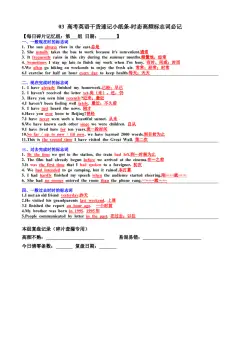
高考英语十六种时态+语态最全总结归纳版(直接背诵)(有word版)
欢迎关注:棒棒糖英语资料 每日早6:00准时收到更新哦!每一篇资料都是我的宝贵经验和总结!有啥需求,请下方留言!💖💖💖
结构· 用法 · 例句 · 易错辨析 · 被动与倒装全解
使用说明
全文共八个部分:时态总览、十六种时态逐一突破、被动语态专题、时间标志词速查、高频句型、易混时态辨析、倒装句全解、解题思路,最后附一张默写表。背诵时建议先记结构,再看用法,最后用默写表反查漏洞。
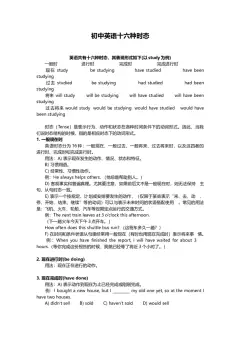
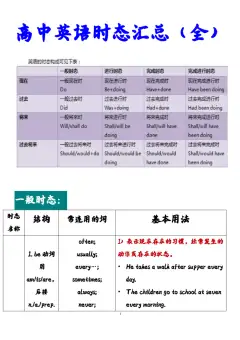
一、十六种时态总览
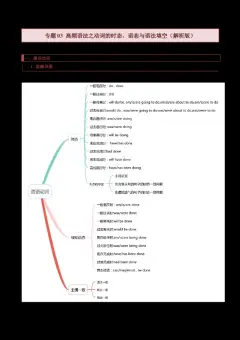
十六种时态不是十六个孤立的形式,而是“四个时间”与“四种体”的交叉。四个时间是现在、过去、将来、过去将来;四种体是一般体(讲事实)、进行体(讲过程)、完成体(讲结果)、完成进行体(讲持续)。把这个九宫格竖起来记,形式可以自己推,不必死背。
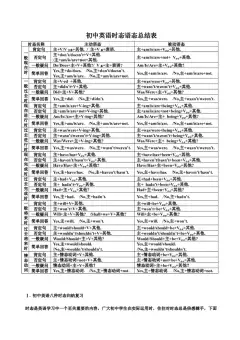
表1十六种时态的形式与核心意义
序号 | 时态 | 主动形式 | 被动形式 | 核心意义 |
1 | 一般现在时 | do / does | am / is / are done | 经常、真理、时刻表 |
2 | 一般过去时 | did | was / were done | 过去发生、过去习惯 |
3 | 一般将来时 | will do | will be done | 将来发生、意愿推测 |
4 | 过去将来时 | would do | would be done | 站在过去看将来 |
5 | 现在进行时 | am / is / are doing | am / is / are being done | 此刻、现阶段进行 |
6 | 过去进行时 | was / were doing | was / were being done | 过去某刻正在进行 |
7 | 将来进行时 | will be doing | will be being done(罕用) | 将来某刻正在进行 |
8 | 过去将来进行时 | would be doing | 无常用被动 | 从过去看将来某刻进行 |
9 | 现在完成时 | have / has done | have / has been done | 过去动作影响现在 |
10 | 过去完成时 | had done | had been done | 过去的过去 |
11 | 将来完成时 | will have done | will have been done | 将来某时之前完成 |
12 | 过去将来完成时 | would have done | would have been done | 从过去看将来某时前完成 |
13 | 现在完成进行时 | have / has been doing | 无被动 | 持续到现在且可能继续 |
14 | 过去完成进行时 | had been doing | 无被动 | 持续到过去某一时刻 |
15 | 将来完成进行时 | will have been doing | 无被动 | 持续到将来某一时刻 |
16 | 过去将来完成进行时 | would have been doing | 无被动 | 从过去看持续到将来某时 |
横着读,记的是形式怎么变;竖着读,比的是四个时间层如何用同一种体。默写时先写主动形式,再把 be 或 have 换成相应形式写出被动——被动语态的变化规律只有一条:把主动句的宾语提到主语位置,动词统一变成“be 的相应时态 + 过去分词”。
二、十六种时态逐一突破
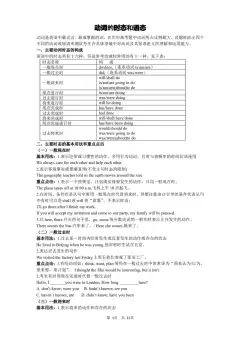
以下每一节先给主动、被动结构,再按用法编号列例句。句子都取自日常与考试常见语境,可直接整句背诵。
(一)一般现在时
结构:S + do/does;被动:S + am/is/are done。
1. 真理、客观存在与自然现象
Water boils at 100℃ at sea level.
译:水在海平面100摄氏度时沸腾。
The earth turns from west to east.
译:地球自西向东自转。
注意:客观事实不受主句时态影响,即使主句是过去时,从句仍用一般现在时。例:The teacher told us that light travels faster than sound.(老师告诉我们,光比声音传得快。)这一点是宾语从句时态呼应的重要例外。
2. 习惯性动作或经常存在的状态:常见时间状语有 often, usually, always, sometimes, seldom, every day/week/year 等
My grandfather takes a walk along the river every morning.
译:我爷爷每天早晨沿河散步。
She seldom eats out because she prefers cooking at home.
译:她很少在外面吃饭,因为她更喜欢在家做。
3. 按时刻表、日程或规定安排好的动作:常用 come, go, leave, arrive, start, begin, open, close, return 等动词
The flight to Kunming departs at 7:20 and arrives at 10:05.
译:飞往昆明的航班7:20起飞,10:05到达。
The museum opens at nine and closes at five every day.
译:博物馆每天九点开门,五点关门。
4. 时间、条件、让步状语从句中代替一般将来时:即“主将从现”
As soon as the rain stops, the workers will go back to the site.
译:雨一停,工人们就返回工地。
If it snows tomorrow, the school bus will be late.
译:如果明天下雪,校车就会晚点。
Even if it costs more, we will choose the safer plan.
译:即使花费更多,我们也会选择更稳妥的方案。
注意:“主将从现”只约束时间、条件、让步状语从句;宾语从句不受限制,该用将来时就用将来时。例:I don’t know when he will come back.(我不知道他什么时候回来。)这里的 when 引导宾语从句,不算时间状语从句。
5. 现在条件下的动作或状态:多出现在感叹句和 Here / There 开头的句子中
There goes the last bus!
译:末班车开走了!
How fast the little boy runs!
译:这小男孩跑得多快啊!
注意:第三人称单数加 -s/-es:一般直接加 -s;以 s, x, ch, sh, o 结尾加 -es;辅音字母加 y 结尾,变 y 为 i 再加 -es;have 变为 has。否定和疑问要借助 do/does,例:He doesn’t like coffee. / Does she live nearby?
注意:一般现在时与 always, constantly 连用,可表赞扬或不满。例:She always helps others without being asked.(她总是主动帮助别人。)此时它已带上感情色彩,与进行时的“厌烦”用法可以互相替换。
(二)一般过去时
结构:S + did;被动:S + was/were done。
1. 过去某一时间发生的动作或存在的状态:常见标志词有 yesterday, last week, in 2010, two days ago, the other day, just now, then
We visited the terracotta figures in Xi’an during the summer holiday.
译:暑假我们去西安参观了兵马俑。
The person you are looking for left the office just now.
译:你要找的人刚才离开了办公室。
2. 过去经常、反复发生的动作
When I was a child, I often climbed the hill behind our house.
译:小时候我常常爬屋后那座小山。
Every winter my cousins and I skated on the pond near the village.
译:每年冬天,我和表兄弟们都在村边的池塘上滑冰。
注意:表“过去常常”,used to do 与 would do 都可以,但分工不同:used to do 既能接动作也能接状态(used to be a teacher),would do 只接反复的动作,不能接状态。另外 be used to doing 意思是“习惯于”,三者千万不要混。
3. 表示委婉语气:wonder, hope, think 等用过去时,语气比现在时客气
I wondered whether you could give me a hand.
译:不知您能不能帮我个忙。
I hoped you might join us for dinner.
译:我希望你能来和我们一起吃饭。
注意:一般过去时与“过去的时间点”绑定,不能与 now, so far, in recent years 这类指向现在的状语连用。叙事时它是推进事件的时态,与过去进行时“铺背景”的分工,详见第六部分辨析。
(三)一般将来时
一般将来时没有单一形式,共有六种表达,主动为 will/shall do 等,被动随形式变化(will be done、be going to be done 等)。
1. will/shall do:表单纯将来;也可表意愿、请求、推测
The library will close at nine tonight.
译:图书馆今晚九点闭馆。
I’ll carry the box upstairs for you.
译:我帮你把箱子搬上楼。
Will you please close the window?
译:请你把窗户关上好吗?
2. be going to do:表已经决定或安排的事;表有迹象表明即将发生
Look at those dark clouds. It is going to rain.
译:看那些乌云,要下雨了。
I am going to gather some material about paper-cutting.
译:我打算收集一些关于剪纸的资料。
注意:be going to 与 will 的分界:事先想好的计划用be going to,临时的决定用 will。例:The phone is ringing. — I’ll answer it.(电话响了。——我去接。)此处不能换成 I am going to answer it,因为决定是当场作出的。
3. be to do:表按计划、约定要做的事;表职责、义务、命令或禁止
The students are to hand in their reports by Friday.
译:学生须在周五前交上报告。
No one is to leave the room during the test.
译:考试期间任何人不得离开房间。
4. be about to do:表客观上马上就要发生的事
The train is about to leave, so hurry up.
译:火车马上要开了,快点。
We are about to have dinner. Don’t go out.
译:我们马上要吃饭了,别出去。
注意:be about to do 一般不与具体将来时间状语连用(不说 × is about to leave in ten minutes);它常与 when 搭配,构成“正要……这时……”:I was about to turn off the light when the phone rang.
5. be doing 表将来:位移动词(come, go, leave, arrive, fly, start)或已经安排好的事
My sister is flying to Guangzhou tomorrow morning.
译:我妹妹明天上午飞往广州。
We are meeting the client at ten tomorrow.
译:我们明天十点和客户见面。
6. 一般现在时表将来:按时刻表、日程表发生的事
The new term begins on September 1.
译:新学期9月1日开学。
The sports meeting takes place on October 18.
译:运动会于10月18日举行。
注意:六种表达的取舍:谈计划用 be going to 或 be doing;谈临时决定用 will;谈时刻表用一般现在时;谈约定、命令用 be to do;谈“马上就要”用 be about to do。shall 现在主要用于第一人称征求意见:Shall we start now?
(四)过去将来时
结构:S + would/should do;被动:S + would be done。
1. would/should do:从过去某一时间看,将要发生的动作或状态
She said she would take part in the speech contest.
译:她说她会参加演讲比赛。
We knew that the results would come out before long.
译:我们知道成绩不久就会公布。
2. was/were going to do:过去的打算,常暗示未能实现
I was going to call you, but my phone died.
译:我本来要打电话给你的,可手机没电了。
They were going to move house last month, but the plan fell through.
译:他们本打算上个月搬家,但计划落空了。
3. was/were to do:过去按计划要发生的事
The exhibition was to open on Monday, but it was put off.
译:展览原定周一开幕,但推迟了。
The meeting was to be held the following week.
译:会议原定于第二周举行。
4. was/were about to do:过去即将发生的动作
He was about to leave when the phone rang.
译:他正要离开,这时电话响了。
I was about to sit down when someone called my name.
译:我正要坐下,忽然有人喊我的名字。
注意:过去将来时很少单独成句,主要出现在宾语从句和间接引语中(said、told、thought、knew、hoped 之后)。时间、条件状语从句里的“过去将来”仍用一般过去时,即“主过将从”:He said he would call me as soon as he arrived.
注意:would do 还能表过去反复的动作,与 used to do 相近,但同样不能接状态。例:Every summer we would swim in that river.(每年夏天我们都在那条河里游泳。)
(五)现在进行时
结构:S + am/is/are doing;被动:S + am/is/are being done。
1. 说话时正在发生的动作
Listen! Someone is knocking at the door.
译:听!有人在敲门。
The kettle is boiling. Would you turn it off?
译:水壶开了,你把火关掉好吗?
2. 现阶段正在进行:此刻不一定正在做
I am working on a new novel these days.
译:这些天我在写一部新小说。
This term she is teaching two classes at the night school.
译:这个学期她在夜校教两个班。
3. 反复发生的动作,带感情色彩:与 always, constantly, forever, continually 连用,多表不满或赞叹
She is always complaining about the food here.
译:她总抱怨这里的饭菜。
He is constantly leaving his books everywhere.
译:他老是把书到处乱放。
4. 现在进行时表“即将”:位移动词或已安排好的事,口吻比 will 更确定
We are meeting the client at ten tomorrow.
译:我们明天十点见客户。
They are leaving for Shanghai this evening.
译:他们今晚动身去上海。
注意:状态动词一般不用进行时:know, believe, like, love, hate, want, need, belong, contain, consist of, own, seem, appear, cost, weigh(表状态时)。但表“一时的表现”可用进行时:He is being very kind today.(他今天特别客气。)
注意:现在进行时的被动是 am/is/are being done:A new bridge is being built across the river.(河上正在建一座新桥。)它与一般现在时被动 am/is/are done 的区别,只在于“正在被”与“经常被”。
注意:与一般现在时的分工:进行时讲“此刻、暂时”,一般现在时讲“长期、经常”。例:He is writing a report.(他正在写报告,暂时)/He writes for a local paper.(他为一家地方报纸撰稿,职业。)
(六)过去进行时
结构:S + was/were doing;被动:S + was/were being done。
1. 过去某一时刻正在进行的动作
At eight last night, I was watching a documentary about the ocean.
译:昨晚八点,我正在看一部关于海洋的纪录片。
What were you doing this time last year?
译:去年这个时候你在做什么?
2. 过去某一段时间内一直持续的动作
All afternoon the children were building a sand castle.
译:整个下午孩子们都在堆沙堡。
I was tidying my study the whole morning.
译:我整个上午都在收拾书房。
3. 一个动作发生时,另一个动作正在进行:常用 when / while 连接
While I was cooking, my husband was setting the table.
译:我做饭的时候,丈夫在摆餐具。
When I phoned yesterday, they were playing chess online.
译:昨天我打电话时,他们正在网上下棋。
4. 描写故事背景:提供事件发生的时间与环境
The wind was blowing and the leaves were falling silently.
译:风在吹,树叶无声地飘落。
It was a cold night and the snow was falling heavily.
译:那是一个寒冷的夜晚,雪下得很大。
5. 过去进行时表过去即将发生:位移动词
She told me she was coming to see me the following week.
译:她告诉我她下周来看我。
He said he was leaving for Beijing the next day.
译:他说他第二天要动身去北京。
注意:过去进行时与一般过去时的分界,是“未完成”与“已完成”。例:I was reading a book when he came in.(他进来时我正在看书,看书被打断)/I read a book last night.(昨晚我读完了一本书。)前者铺背景,后者报事件。
注意:过去进行时加 always,表过去反复出现、令人不满的行为:He was always losing his keys.(他那时老丢钥匙。)注意它不能与“一段时间 + 完成”混说,表“一直持续到某时”要用过去完成进行时。
(七)将来进行时
结构:S + will be doing;被动:S + will be being done(极少使用)。
1. 将来某一时刻正在进行的动作
Don’t call me at nine tomorrow; I will be attending a lecture then.
译:明天九点别打电话给我,我那时正在听讲座。
This time next week they will be having a meeting.
译:下周这个时候他们正在开会。
2. 将来某一段时间内持续的动作
This time next month we will be lying on the beach in Sanya.
译:下个月这个时候,我们正躺在三亚的海滩上。
We will be spending the winter in Hainan.
译:我们将在海南过冬。
3. 表预计、安排好的事:用于问句时比 will do 更委婉
Will you be using the car this afternoon?
译:你今天下午用车吗?
Will you be having dinner at home this evening?
译:你今晚在家吃饭吗?
注意:将来进行时与一般将来时的差别在“口吻”:将来进行时客观陈述“到时候自然会发生”,不含意愿;will do 常带意愿或临时决定。例:I will write to him.(我愿意给他写信。)/I will be writing to him tomorrow.(明天我会给他写信,陈述安排。)
注意:它的被动 will be being done 结构笨重,实际几乎不用,遇到时改说 The road will be under repair at that time. 之类的表达。
(八)过去将来进行时
结构:S + would be doing;无常用被动形式。
1. 从过去某一时间看,将来某一时刻正在进行的动作
He told me that he would be flying to Berlin at that time the next day.
译:他告诉我,第二天那个时候他正在飞往柏林。
She said she would be waiting for us at the gate after lunch.
译:她说午饭后她会在门口等我们。
注意:这一时态就是把“将来进行时”整体后退一个时间层,多出现在间接引语里,阅读中能认出即可,写作不必刻意使用。
注意:它也可以表过去预料中“自然会持续发生”的动作:We knew that the children would be waiting for us at the station.(我们知道孩子们会在车站等我们。)
(九)现在完成时
结构:S + have/has done;被动:S + have/has been done。
1. 过去的行为对现在造成的影响或结果
The heavy rain has flooded several streets in the town.
译:大雨已经淹了镇上的好几条街。
Someone has broken the window of the reading room.
译:有人把阅览室的窗户打破了。
2. 过去开始、一直持续到现在的动作或状态:for 接时间段,since 接时间点
My parents have lived in this neighbourhood for over thirty years.
译:我父母在这个街区住了三十多年。
She has taught in this school since she graduated.
译:她毕业后就在这所学校教书。
3. 表示经历:常与 ever, never, before, twice, several times 连用
Have you ever tried rock climbing?
译:你试过攀岩吗?
I have never seen such a clear night sky.
译:我从没见过这样清朗的夜空。
4. 时间、条件状语从句中代替将来完成时
I will lend you the book as soon as I have finished it.
译:我一读完这本书就借给你。
Once you have made this decision, there will be no turning back.
译:一旦做出这个决定,就没有回头路了。
注意:标志词记两组:一组指“到现在为止”——already, yet, just, ever, never, before, recently, lately, so far, up to now, to date, in recent years, over the past few years, by now;一组指“时间段”——for + 时间段,since + 时间点。看到这两组,先想现在完成时。
注意:短暂性动词不能与 for/since 连用表持续,要换成状态表达:has died → has been dead;has joined → has been in;has bought → has had;has left → has been away;has borrowed → has kept;has come → has been here。
注意:三个必背句型:① It is/has been + 时间段 + since + 一般过去时;② This/It is the first (second...) time that + 现在完成时;③ This/It is the + 形容词最高级 + that + 现在完成时。
注意:have been to 是“去过、已回来”,have gone to 是“去了、还没回来”,have been in 是“待在某地(多久)”。例:He has been to Japan twice.(去过两次)/He has gone to Japan.(人现在在日本)/He has been in Japan for a week.(在日本待了一周。)
注意:现在完成时不能与 yesterday, last week, in 2010, two days ago 等明确的过去时间连用。一旦出现这类状语,只能用一般过去时。
(十)现在完成进行时
结构:S + have/has been doing;无被动形式。
1. 动作从过去某时开始,一直延续到现在,并可能继续下去
She has been preparing for the exam since early September.
译:她从九月初起就一直在准备这次考试。
It has been raining since dawn.
译:从黎明起就一直在下雨。
2. 重复性的动作持续至今
He has been calling the office all morning.
译:他一上午都在给办公室打电话。
I have been visiting some cities in the south this month.
译:这个月我一直在南方几座城市走走看看。
3. 表示感情色彩:多含期盼、抱怨等意味
I have been hoping to visit Dunhuang for years.
译:多年来我一直盼着去敦煌。
You have been talking on the phone for an hour!
译:你打电话打了一个钟头了!
注意:与现在完成时的分界是“过程”与“结果”:I have been reading your book.(一直在读,可能没读完)/I have read your book.(已经读完,知道内容。)考试中若强调“还在继续、还没结束”,选完成进行时。
注意:状态动词(know, be, belong, like, have 表拥有)一般不用完成进行时,改回现在完成时:I have known him for years.(我认识他多年了。)
注意:它不能与“次数”类表达连用,× I have been meeting him three times 是错的,应说 I have met him three times.
(十一)过去完成时
结构:S + had done;被动:S + had been done。
1. “过去的过去”:过去某一时间或某一动作之前已经完成的动作
By the time we arrived, the ceremony had already ended.
译:我们赶到时,典礼已经结束了。
The train had left when we got to the station.
译:我们到车站时,火车已经开走了。
2. 未曾实现的愿望、打算或意图:had hoped / meant / intended / wanted / expected / planned / thought to do
I had intended to send you a card, but I forgot.
译:我本打算给你寄张卡片,可我忘了。
We had planned to buy a flat in the city centre, but it proved a dream.
译:我们本计划在市中心买套房,结果成了泡影。
3. 固定句式:Hardly/Scarcely...when;No sooner...than:前半句用过去完成时并倒装
Hardly had he sat down when the phone rang.
译:他刚坐下,电话就响了。
No sooner had the bell rung than the students rushed out.
译:铃声一响,学生们就冲了出去。
4. It was the first time that... 与间接引语中的“过去的过去”
It was the first time that she had spoken in public.
译:那是她第一次在公开场合发言。
He said that he had never seen such a sight.
译:他说他从没见过这样的景象。
注意:标志词:by, by the end of, by the time, before, until, when + 过去时间或过去动作。看到“by + 过去时间”,几乎可以断定要填过去完成时。
注意:两个过去动作有明显先后时,先发生的用过去完成时;若只是并列叙述、没有先后,一律用一般过去时。例:He opened the door and walked in.(开门、进屋,同属一个过程,不用过去完成时。)
注意:过去完成时也是虚拟语气的主力:If I had known your number, I would have called you. 这一用法详见虚拟语气专题,这里先记住形式 had done。
(十二)将来完成时
结构:S + will/shall have done;被动:S + will/shall have been done。
1. 将来某一时刻或另一未来动作之前已完成的动作
By the end of next month, the team will have completed the survey.
译:到下月底,团队将完成这项调查。
We shall have finished the project by the end of this year.
译:到今年年底,我们将完成这个项目。
2. 持续到将来某一时刻的动作或状态
By next June, she will have taught here for twenty years.
译:到明年六月,她将在这里任教满二十年。
I will have been here for seven years by next February.
译:到明年二月,我在这里就待满七年了。
3. 对已经完成的动作的推测
Don’t worry—he will have forgotten the whole thing by tomorrow.
译:别担心,到明天他就会把这事忘得一干二净。
You will soon have forgotten all about the quarrel.
译:你很快就会把这次争吵忘得干干净净。
注意:常见搭配是 by + 将来时间,或 by the time + 一般现在时(从句用现在时表将来):By the time you get home, I will have cooked dinner.(等你到家,我已经把饭做好了。)
注意:与将来进行时的分界:完成时看“到那时已经做完”,进行时看“到那时正在做”。例:By nine I will have written the report.(九点前写完)/At nine I will be writing the report.(九点正在写。)
(十三)过去将来完成时
结构:S + would have done;被动:S + would have been done。
1. 从过去某一时间看,将来某一时刻之前已完成的动作
She said she would have finished the report by Friday.
译:她说她会在周五前完成报告。
He promised that he would have repaired the bike before we came back.
译:他答应在我们回来之前把自行车修好。
注意:这一时态集中在间接引语里,把“将来完成”后退一个时间层。它同时是虚拟语气的结果句形式(would have done 表与过去事实相反):I would have called you, but I had no signal.(我本想给你打电话,可没有信号。)
(十四)将来完成进行时
结构:S + will have been doing;无被动形式。
1. 到将来某一时刻为止一直持续的动作:强调过程,且届时仍在继续
By this time next year, I will have been studying English for ten years.
译:到明年这个时候,我学英语就满十年了。
By the end of the month, he will have been working on this farm for eight years.
译:到月底,他在这家农场干活就满八年了。
注意:它常与 by + 将来时间 + for + 时间段同现,是“完成进行”推到将来层的结果,使用频率不高,但在阅读理解的时间推算题里会出现。
注意:与将来完成时相比,它侧重“一直在做、还将继续”,将来完成时侧重“已经做完”。例:By June I will have written the book.(写完)/By June I will have been writing the book for two years.(写了两年,还在写。)
(十五)过去完成进行时
结构:S + had been doing;无被动形式。
1. 过去某一时刻之前一直持续的动作
He had been waiting for nearly two hours when the bus finally came.
译:公交车终于来时,他已经等了将近两个小时。
She had been working in that factory for ten years before she moved to the city.
译:她进城之前,在那家工厂已经干了十年。
注意:与过去完成时相比,它强调“过程一直在延续”,过去完成时强调“动作已完成”。例:When I arrived, she had cleaned the room.(房间已打扫完)/When I arrived, she had been cleaning the room.(她一直在打扫,可能还没完。)
注意:它常与 for, since, how long 连用,用来交代一个过去动作发生前已持续多久,是叙事文里“补背景”的常用手段。
(十六)过去将来完成进行时
结构:S + would have been doing;无被动形式。
1. 从过去某一时间看,到将来某一时刻一直持续的动作
He told me that by the following May he would have been working in that company for ten years.
译:他告诉我,到第二年五月,他就在那家公司工作满十年了。
She said that by the end of that year she would have been teaching for thirty years.
译:她说,到那一年年底,她教书就满三十年了。
注意:十六种时态中它最“冷门”,只作间接引语里的时间推算,见到能读懂即可,写作中不必使用。到此,十六种时态的形式全部走完一遍:时间轴四层 × 体四种,每一格都对应一个可推出来的形式。
三、被动语态专题
十六种时态的被动形式,规律只有一条:be 的时态跟着主动句的时态走,实义动词一律变成过去分词。下表是考试中最常用的十种,背熟之后其余形式可自行推出。
表2常用时态的被动形式
时态 | 被动形式 | 例句 |
一般现在时 | am / is / are done | The classroom is cleaned every morning. |
一般过去时 | was / were done | The window was broken last night. |
一般将来时 | will be done | The results will be announced tomorrow. |
过去将来时 | would be done | He said the results would be announced soon. |
现在进行时 | am / is / are being done | A new subway line is being built in the city. |
过去进行时 | was / were being done | The room was being painted when I got there. |
现在完成时 | have / has been done | All the tickets have been sold out. |
过去完成时 | had been done | The letter had been sent before I knew it. |
将来完成时 | will have been done | The bridge will have been finished by June. |
情态动词 | can / must / should be done | The safety rules must be followed. |
(一)不能用被动语态的情况
1. 不及物动词没有被动语态:happen, occur, rise, arrive, break out, take place, appear, disappear 等
The accident happened at midnight.
译:事故发生在半夜。(不能说 × was happened)
The war broke out in 1937.
译:战争于1937年爆发。
2. 表状态的动词没有被动:last, fit, cost, resemble, lack, hold(表容纳)、weigh(表重量)
The jacket fits me perfectly.
译:这件夹克我穿着正合适。
The meeting lasted three hours.
译:会议开了三个小时。
3. 表归属的动词和词组:have, own, belong to
This land belongs to the school.
译:这块地属于学校。
She owns two small bookshops.
译:她拥有两家小书店。
4. 表“希望、意图、喜好”的动词:like, want, wish, hope, love, hate 等,一般不说 × Apples are liked by me
I like jazz very much.
译:我很喜欢爵士乐。
有需求完整word版,请下方留言或底部扫码联系。
如果需要🍭英语资料卡,欢迎咨询🌹
猜你喜欢:
💖觉得资料有用,请给我加关注、点赞、分享给需要的同学,再转发存到你的朋友圈,谢谢!🍭资料持续更新中......
相关文档
- 中考英语十六种时态(内蒙古中考赠品)
- 人教版九年级初中英语知识归纳总结第四部分动词的时态及一致性
- 初中英语动词时态归纳总结对照表(内蒙古中考赠品)
- 2024中考英语学霸必刷子母题时态六种必考时态第11讲解析版
- 初中英语动词时态归纳总结对照表(内蒙古中考赠品)
- 2024年高考英语一轮复习高频考点题型归纳与方法总结(新高考通用)第02讲动词的时态和语态(精讲)解析版
- 2024中考英语学霸必刷子母题时态六种必考时态第11讲原卷版
- 2024年高考英语一轮复习高频考点题型归纳与方法总结 第02讲动词的时态和语态精讲 原卷版(新高考通用)
- 英语45高中英语时态总结全
- 高考英语动词的时态和语态考点归纳与真题演练
- 2024高考英语高频考点题型归纳动词时态和语态精讲解析版
- 2024高考英语高频考点题型归纳动词时态和语态精讲原卷版
- 2027版高考英语一轮复习知识清单 专题07动词时态语态2过去时 全国通用 背诵版
- 2027版高考英语一轮复习知识清单专题06动词时态语态1(现在时)背诵版(全国通用)
- 2027年高考英语一轮复习知识清单 专题08动词时态语态3(将来时)背诵版(全国通用)
- 巴蜀十听力词汇背诵版
- 2027年高考英语九大常考时态(主动+被动)全解练透:过去进行时态(主动+被动)学生版
- 2027年高考英语九大常考时态(主动+被动)全解练透 过去将来时态(主动+被动) 学生版 高考一二三轮复习
- 小学英语四大时态保姆级总结 1-6年级英语必背知识
- 2027年高考英语九大常考时态主动+被动全解练透过去进行时态主动+被动教师版
- 2027年高考英语九大常考时态(主动+被动)全解练透:过去将来时态(主动+被动)教师版(高考一二三轮复习)
- 2027年高考英语九大常考时态全解练透 过去完成时态(主动+被动)学生版
- 2027年高考英语九大常考时态全解练透:现在进行时态(主动+被动)学生版
- 2027年高考英语九大常考时态(主动+被动)全解练透:一般过去时态(学生版)
- 2027高考英语一轮复习时态高频标志词必记干货速记小纸条(背诵版·全国通用)
- 2027年高考英语九大常考时态全解练透 过去完成时态(主动+被动)教师版
- 2027年高考英语九大常考时态全解练透:现在进行时态(主动+被动)教师版
- 2027年高考英语九大常考时态全解练透 现在完成进行时态(主动+被动)教师版
- 2027年高考英语九大常考时态全解练透 现在完成进行时态(主动+被动)学生版 高考一二三轮复习
- 2027年高考英语九大常考时态全解练透 现在完成时态(主动+被动)教师版 高考一二三轮复习
- 2027年高考英语九大常考时态全解练透:一般过去时态教师版
- 2027年高考英语九大常考时态(主动+被动)全解练透:一般现在时态(主动+被动)学生版
- 高考英语一般将来时态主动与被动学生版(2027年高考英语九大常考时态全解练透)
- 2027年高考英语九大常考时态(主动+被动)全解练透:一般现在时态(主动+被动)教师版
- 高考英语一般将来时态主动与被动教师版(2027年高考英语九大常考时态全解练透)
- 小学英语四大时态超详细图解总结
- 仁爱版九年级英语下册全册知识点归纳
- 2024年高考英语一轮复习知识清单(全国通用)专题01定语从句十大考点归纳(清单)(解析版)
- 小学英语语法八种时态总结(三年级上册通用)
- 2026年高考英语真题分类汇编(2016-2025)专题06动词的时态、语态和主谓一致(全国通用)教师版
- 2027中考英语新课标1600词背诵版+默写版:专题09中考高频核心词汇拓展分类归纳知识清单(背诵版)
- 人教版九年级初中英语知识归纳总结第三部分动词
- 人教版九年级初中英语知识归纳总结第六部分句子的类型
- 十六种高效单词记忆法
- 2024高考英语二轮热点题型高频语法动词的时态语态与语法填空专题03解析版(新高考)
- 人教版九年级初中英语知识归纳总结第一部分名词冠词代词
- 银行笔试·经济学与国际经济学考点归纳
- 2024年高考英语二轮热点题型归纳与变式演练专题03有提示词之动词时态语态和主谓一致(原卷版·新高考)
- 2025年十年(2015-2024)高考语文真题分类汇编 全国通用 专题12名句默写(直接式默写)解析版
- 人教版九年级初中英语知识归纳总结第五部分被动语态非谓语动词
- 人教版九年级初中英语知识归纳总结第二部分数词形容词副词介词连词
- 初中英语作文模板:给李华写的11封信(图文资料)
- 一年级数学凑十法、破十法、平十法、借十法计算口诀及知识点归纳
- 2024高考英语二轮热点题型高频语法动词的时态语态与语法填空专题03原卷版(新高考)
- 2024高考英语二轮热点题型有提示词之动词时态语态和主谓一致专题03解析版(新高考)
- 专题06动词的时态、语态和主谓一致(学生卷·2014-2023)
- 专题06动词的时态、语态和主谓一致(解析卷)
- 专题06动词的时态、语态和主谓一致(教师卷)
- 专题06动词的时态、语态和主谓一致(学生卷·2015-2024)
- 人教版九年级初中英语知识归纳总结第七部分句子的类型宾语从句被动语态
- 一年级语文下册考点总结复习 期末必考知识点归纳 打印背诵
- 2024新高考数学大题题型归纳精讲强化训练 第07讲 构造法求数列通项的六种方法 解析 专项复习
- 2023年高考英语二轮复习试题新高考专用语法填空03时态语态语气Word版无答案
- 2023年高考英语二轮复习试题新高考专用语法填空03时态语态语气Word版含解析
- 2023年高考英语二轮复习教案新高考专用语法填空03时态语态语气Word版无答案
- 2023年高考英语二轮复习教案新高考专用语法填空03时态语态语气Word版含解析
- 初中英语语法与时态语态总结表(内蒙古中考赠品)
- 2023高考英语毕业班二轮热点题型高频语法动词的时态语态与语法填空专题03解析版(新高考)
- 2026届高三英语一轮复习专项:语法知识点总结 动词时态知识清单
- 2025年新高考高中数学知识点总结全归纳 必修第十章概率公式、定理、结论图表
- 第十单元改革开放和社会主义现代化建设新时期(背诵版)
- 语法高中英语语法归纳总结
- 重难语法练04动词时态语态(解析版)
- 重难语法练04动词时态语态(原题版)
- 2024高考英语专题03动词的时态、语态和主谓一致(学生版)
- 2024高考语文专题12名句默写(直接式默写)(全国通用)(学生版)
- 2021届人大附中高中英语新高考语法一轮复习讲义(21)16种英语时态知识点总结整理
- 2024新高考数学大题题型归纳精讲强化训练:用空间向量解决立体几何问题的六种题型(原卷)
- 2026年高考英语语法精选精讲精练:专题08一般过去时态与过去完成时态讲义(学生版)
- 2024高考英语专题03动词的时态、语态和主谓一致(教师版)
- 2024年高考英语二轮热点题型归纳与变式演练专题03有提示词之动词时态语态和主谓一致(解析版·新高考)
- 2024年高考英语二轮热点题型归纳与变式演练专题03有提示词之动词时态语态和主谓一致(原卷版·新高考)
- 部编道法八年级下知识总结第四单元崇尚宪法精神同步背诵知识点归纳
- 部编道法八年级下知识总结第二单元理解权利义务同步背诵知识点归纳
- 部编道法八年级下知识总结第一单元坚持宪法至上同步背诵知识点归纳
- 60课时学完高中英语上第15讲时态综合复习八大时态加一个组合时态
- 5·3B·专题十 主旨要义(试题word)·专题十主旨要义(试题word)
- 十年高考英语真题分项汇编专题06动词的时态、语态和主谓一致解析版(2014-2023全国通用)
- 十年(2014-2023)高考真题英语分项汇编 专题06动词的时态、语态和主谓一致 学生版 全国通用
- 2026年高考数学一二三轮复习培优固本提能讲义 重难点27三角函数图像性质类问题题型归纳(十大题型总结)学生版
- 高中英语语法归纳总结46页
- 2025高考英语专题03动词的时态、语态和主谓一致(北京专用)(学生版)
- 2025高考数学一轮复习专题47高考英语书面表达十大亮眼增分句式背诵模板教师版
- 2026年高考英语语法精选精讲精练:专题08一般过去时态与过去完成时态讲义(教师版)
- 2024高考语文专题12名句默写(直接式默写)十年(2014-2023(全国通用)(解析版)
- 2024高考语文专题12名句默写(直接式默写)十年(2014-2023(全国通用)(原卷版)
- 高考英语一轮专题47书面表达十大亮眼增分句式背诵模板原卷版2025
- 2026年高考数学一二三轮复习 重难点27 三角函数图像性质类问题之题型归纳 十大题型总结 培优固本提能讲义 教师版
- 2025高考英语专题03动词的时态、语态和主谓一致(北京专用)(教师版)
- 部编道法八年级下知识总结第三单元人民当家作主同步背诵知识点归纳