资讯 / 正文
高考语法系列|非谓语动词
📍 先来看一道题:
The problem ______ at the meeting now is of great importance.
A. discussed B. discussing C. being discussed D. to be discussed
很多学生看到 problem,心想“问题是被讨论的”,再看到 now,知道是进行时,于是凭感觉选了 A 或 D。
正确答案是 C. being discussed。
为什么?因为句子的谓语是 is,前面的 ______ at the meeting now 是非谓语作后置定语。problem 和 discuss 是被动关系(被讨论),同时 now 表示动作正在进行。“被动 + 进行”,要用现在分词被动式 being done。
如果用 A. discussed,表示“已经被讨论过了”;如果用 D. to be discussed,表示“将要被讨论”。
这就是非谓语动词在高考中的核心考法:非谓语没有真正的主语,它的“隐形主语”是句子的主语或它修饰的名词。做题不能靠语感,必须靠步骤。
今天这篇就讲清楚一件事:非谓语动词到底怎么选,高考必考的几个变体是什么,有哪些一眼看破的易错点。
🏗️ 一、核心做题技巧:非谓语三步法
拿到非谓语题,不要先看选项,按这三步走:
第一步:找逻辑主语。这个动作是谁发出的?通常是主句的主语,或者是它前面修饰的名词/代词,或者是前面的宾语。
第二步:定语态(主动还是被动)。逻辑主语是动作的“发出者”(主动),还是“承受者”(被动)?
第三步:定时间(完成还是将来)。动作和谓语动词相比,是正在进行、已经完成,还是将要发生?
举个例:______ (see) from the top of the hill, the city looks beautiful.
第一步找主语:see 的逻辑主语是 the city。
第二步定语态:城市是“被看”,被动。
第三步定时间:没有特殊时间,一般被动用 done。
答案:Seen。
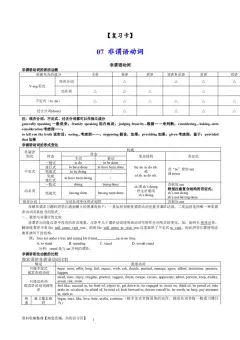
📖 二、非谓语的“真身”与“变体”
按上面的三步法,我们来看看非谓语都有哪些形式:
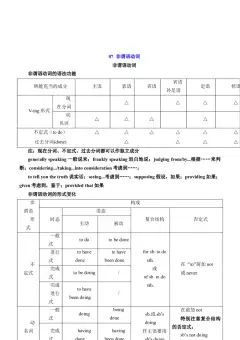
① 不定式 to do 的“全家桶”
一般式 to do:表将来、目的。I have a lot of work to do. (将要去做)
进行式 to be doing:表与谓语动作同时进行。He seems to be reading in the room. (似乎正在读)
完成式 to have done:表动作发生在谓语动词之前。He is said to have studied abroad. (据说他之前在国外留过学)
被动式 to be done:表将来被做。The meeting to be held tomorrow is important.
完成被动式 to have been done:表发生在谓语之前的被动。The book is said to have been translated into many languages.
疑问词 + to do:相当于名词性从句的省略。I don't know what to do next. (= what I should do)
② 动名词 / 现在分词 doing 的“变体”
一般式 doing:主动、进行。
完成式 having done:表动作发生在谓语之前(通常作状语)。Having finished his homework, he went out to play.
被动式 being done:表正在被做。The house being built is our new library.
完成被动式 having been done:表之前被做。Having been told many times, he still made the mistake.
③ 过去分词 done只有一种形式,表被动、完成。
🔍 三、三个核心战场:三步法的实战
战场①:作状语(逻辑主语是主句主语)
主动、进行:Walking along the street, he met an old friend.
被动、完成:Seen from the hill, the city looks beautiful.
主动、完成:Having finished the work, he went home.
目的、将来:He got up early to catch the bus.
战场②:作定语(修饰名词)
主动、进行:The man standing there is my teacher.
被动、完成:The book written by Mo Yan is popular.
被动、正在:The problem being discussed now is important.
将要发生:The meeting to be held tomorrow is important.
战场③:作宾补(补充说明宾语)
doing:强调主动、进行(I saw him crossing the street.)
done:强调被动、完成(I want the work done by 5 pm.)
to do:强调全过程或将来(I saw him cross the street.)
注意:make / let / have / see / hear / watch + 宾语 + 动词原形。变被动时,to 要加回来(He was made to work hard)。
🔍 四、四个高频易错点
难点一:doing vs done 的“灵魂拷问”区别不是看中文,而是看逻辑主语。
The news is exciting. (news 让人兴奋,主动)
We are excited. (我们感到兴奋,被动)
Facing difficulties, he didn't give up. (他和面对是主动)
Faced with difficulties, he didn't give up. (固定搭配 be faced with)
难点二:后接 to do 还是 doing 意思大不同
remember/forget/regret to do:记得/忘了/遗憾要去做(还没做)。
remember/forget/regret doing:记得/忘了/遗憾做过(已经做了)。
stop to do:停下来去做另一件事。
stop doing:停止正在做的事。
mean to do:打算做。
mean doing:意味着。
难点三:only to do vs only doing(结果状语的区别)
only to do:表示出乎意料的、令人失望的结果。He hurried to the station, only to find the train had left. (急匆匆赶去,结果发现火车开走了)
doing 作结果状语:表示自然而然、顺理成章的结果。His parents died, leaving him an orphan. (父母双亡,留下他成了孤儿)
难点四:主动形式表被动意义(必考点)
need / want / require doing = need to be done(需要被做)。The room needs cleaning. (= needs to be cleaned)
be worth doing(值得被做)。The book is worth reading。
📝 留言区小测:
______ (devote) to his research, he has no time to accompany his family.
填什么?为什么?留言区试试看。
我是陈岚。
如果这篇文章对你有帮助,可以转发给需要的朋友。下期见。
相关文档
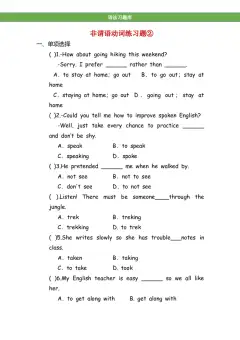
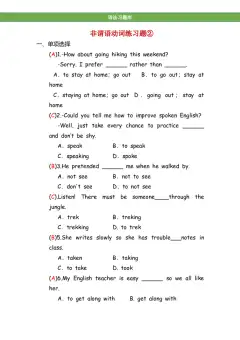
- 第八十二号非谓语动词练习题二
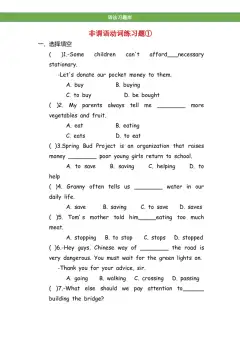
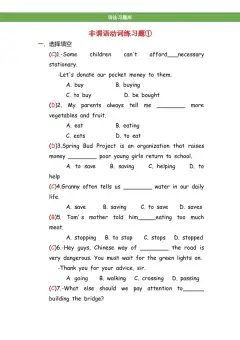
- 第八十一号非谓语动词练习题一
- 第八十二号非谓语动词练习题二答案解析
- 第八十一号非谓语动词练习题一答案解析
- 2024年高考英语语法词汇专项突破第四组:非谓语动词综合训练+答案+解析(动词不定式、动名词、现在分词与过去分词)
- 2024年高考英语语法词汇专项突破:10非谓语动词考点扫描(动词不定式、动名词、分词)
- 2024高考英语语法词汇专项突破 非谓语动词短文填空专练No.9-12 原卷版含答案卡 全国通用
- 2024高考英语语法词汇专项突破非谓语动词短文填空专练No.17-20原卷版含答案卡
- 2024高考英语语法词汇专项突破非谓语动词短文填空专练No.13-16答案卡原卷版
- 2024高考英语语法词汇专项突破 07十组非谓语动词易错考点变式对比练与析 第一组非谓语动词
- 2024高考英语语法词汇专项:聚焦含有非谓语动词的固定句型
- 聚焦非谓语动词九大考点·2024年高考英语语法词汇专项突破
- 2024届高三英语二轮复习语法填空非谓语动词练习
- 2024高考英语语法词汇专项突破:非谓语动词高考真题百题专项训练答案解析版(第一组)
- 2024年高考英语语法词汇专项突破:非谓语动词易错考点变式对比与解析
- 2024高考英语语法词汇专项突破 非谓语动词经典考题200例精练精析答案解析版(4-4)
- 2024高考英语语法词汇专项突破 非谓语动词经典考题200例精练精析(4-3)答案解析版
- 2024高考英语语法词汇专项突破:非谓语动词经典考题200例精练精析(答案解析版)
- 高考英语语法词汇专项突破:16全解读非谓语之非谓语动词综合训练+答案+解析(1)2024年
- 2024年高考英语语法词汇专项突破:非谓语动词之分词全解读+巩固练习及答案解析(第四组)
- 2024年高考英语语法词汇专项突破 非谓语动词之动名词全解读+巩固练习及答案解析(第四组:动词不定式、动名词、现在分词与过去分词)
- 2024高考英语语法词汇专项突破表解过去分词作状语和定语与非谓语动词辨析巩固训练
- 2024高考英语语法词汇专项:非谓语动词之不定式(含巩固练习及解析)
- 2026年译林版中考英语语法详解 非谓语动词
- 2026届高考英语核心语法概要Lesson5非谓语动词讲义(高考一二三轮复习)
- 仁爱版九年级英语下册非谓语动词巩固练习
- 仁爱版九年级英语下册非谓语动词基础讲解
- 2026高考英语语法填空专项分类训练 谓语动词和非谓语动词100题 高考真题+高考模拟 学生版
- 07非谓语动词(精练)-2024年高考英语一轮复习语法能力突破必备(PPT+复习卡+精练题)(通用版)
- 07非谓语动词(复习卡)-2024年高考英语一轮复习语法能力突破必备(PPT+复习卡+精练题)(通用版)
- 2022年新高考英语二轮复习之语法专题03谓语动词和非谓语动词(学生版+解析版)
- 2024届高考英语语法填空抢分热点非谓语动词(解析版)
- 高考英语语法词汇专项突破:02重点语法易错易混点(时态、非谓语动词和系动词)2024年
- 2024高考英语语法词汇专项突破重点语法易错易混点时态非谓语动词和系动词
- 2026高考英语语法填空专项分类训练 谓语动词和非谓语动词100题 高考真题+高考模拟 教师版
- 2024届高考英语语法填空抢分热点非谓语动词(原卷版)
- 2026届高考英语一轮复习语法考点专练:考点3 非谓语动词之动词不定式(学生版)
- 07十组非谓语动词易错考点变式对比练与析
- 2026届高考英语一轮复习专项基础语法汇编 第10章非谓语动词讲义(高考一二三轮复习)
- 5·3B·专题五动词的非谓语形式
- 5·3B·专题五 动词的非谓语形式(试题word)·专题五动词的非谓语形式(试题word)
- 2025高考英语读后续写高频语法·非谓语动词having done精练(学生版)
- 2025高考英语读后续写高频语法·非谓语动词having done精练(教师版)
- 2025高考英语读后续写高频语法·非谓语动词having done(学生版)
- 高考英语语法词汇专项突破:10非谓语动词考点扫描2024年
- 2027版高考英语一轮复习 专题02语法填空之提示词为动词非谓语动词知识清单 全国通用学生版
- 2024高考英语语法词汇专项突破从动词不定式和动名词异同点解读非谓语动词考点加巩固训练
- 2025高考英语读后续写高频语法·非谓语动词having done(教师版)
- 中考英语非谓语动词巩固练习(北京四中中考英语总复习)
- 2026年高考英语二轮语法专题复习 非谓语动词专题复习检测
- 2024高考英语语法词汇专项突破09聚焦非谓语动词九大考点
- 高考英语语法词汇专项突破:04从动词不定式和动名词异同点解读非谓语动词考点+巩固训练2024年
- 2026年高考英语语法精选精讲精练:专题10非谓语动词之动词不定式讲义(教师版)
- 2027届高考英语非谓语动词全考点一轮复习专练:非谓语动词作宾语补足语(英语2)
- 2027届高考英语一轮复习非谓语动词全考点专练:非谓语动词作表语高考难点专项突破练习
- 中考英语非谓语动词基础讲解1(北京四中中考英语总复习)
- 高考英语语法词汇专项突破:12聚焦含有非谓语动词的固定句型2024年
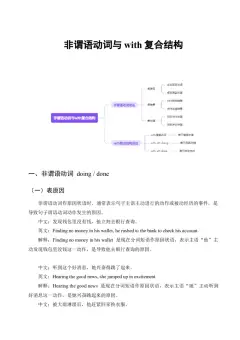
- 2025年高考英语读后续写高频语法突破非谓语动词doing done与with复合结构学生版
- 2024高考英语语法词汇专项突破11非谓语动词易错考点变式对比与解析
- 2026届高三英语一轮复习全攻略:从语法到应试清单 专题四非谓语动词讲义(高考一二三轮复习)
- 备战2024高考英语语法填空非谓语动词之动词不定式100题专题03
- 2025年高考英语读后续写高频语法突破非谓语动词doing done与with复合结构教师版
- 2025年高考英语读后续写高频语法突破非谓语动词doing done与with复合结构学生版
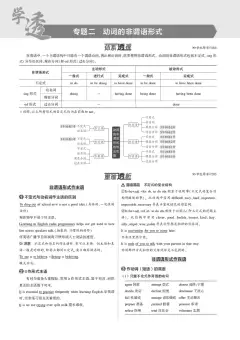
- 2025版5年高考3年模拟新高考B版英语语法册专题二动词的非谓语形式
- 2025版5年高考3年模拟新高考B版英语语法册专题二动词的非谓语形式
- 2026届高考英语一轮复习语法考点专练 考点5非谓语动词之过去分词 学生版
- 2026届高考英语一轮复习语法考点专练:非谓语动词之现在分词教师版
- 2026届高考英语一轮复习语法考点专练:考点4 非谓语动词之现在分词(学生版)
- 2025高考英语二轮复习测试05词类从句非谓语动词时态和语态综合语法填空解析版
- 2025高考英语二轮复习测试05词类从句非谓语动词时态和语态综合语法填空原卷版
- 2025高考英语二轮复习测试02非谓语动词与语法填空(解析版)
- 2025高考英语二轮复习测试02非谓语动词与语法填空(原卷版)
- 2025年高考英语答题技巧与答题模板 非谓语动词语法填空有提示词答题模板解析版(全国通用)
- 高考英语语法词汇专项突破:动词不定式省略标志词to的情况(非谓语动词专题)
- 2026年高考英语一轮复习语法核心突破精讲精练 专题3.2.3非谓语动词之动词不定式(冲击双一流单句语法填空100题+原创代词、冠词语法填空1篇)教师版
- 高考英语语法核心突破精讲精练 专题3.2.3非谓语动词之动词不定式 冲击双一流单句语法填空100题+原创代词冠词语法填空1篇 学生版 2026年一轮复习
- 2025年高考英语读后续写高频语法突破非谓语动词doing done与with复合结构教师版
- 高考英语语法词汇专项突破08非谓语动词短文填空专练No.9-12解析版(全国通用)
- 2024高考英语语法词汇专项突破 非谓语动词短文填空专练No.5-8 解析版(全国通用)
- 2024高考英语语法词汇专项突破:非谓语动词短文填空专练No.13-16解析版(全国通用)
- 2024高考英语语法词汇专项突破 非谓语动词短文填空专练No.1-4 解析版(全国通用)
- 非谓语动词(解析版)·2024年高考英语一轮复习语法能力突破名词主谓冠词代词动
- 2024高考英语热点重点难点专练重难点12语法填空非谓语动词(解析版)(新高考专用)
- 2027届高考英语一轮复习非谓语动词全考点专练 非谓语动词作主语专练
- 2023-2024学年高中语法专项练习单选100题非谓语动词学生版
- 2026高考英语语法填空专项分类训练:非谓语动词之动词不定式(高考真题+高考模拟)学生版
- 2026届高考英语一轮复习语法考点专练 考点5非谓语动词之过去分词 教师版
- 2025年高考英语二轮复习课件+讲义+练习(新高考通用)第三部分语法知识 测试02非谓语动词+语法填空(教师版)
- 2026年高考英语专项复习:非谓语动词专项练习(原卷版)——高中英语重点语法思维导图
- 2026年高中英语重点语法思维导图专题08非谓语动词专项练习解析版
- 考点05语法填空之非谓语动词(核心考点精讲精练)(解析版)
- 2024高考英语语法词汇专项突破动词不定式作状语重难点解读
- 2024年高考英语一轮复习语法填空练习题专题训练 专题02非谓语动词(原卷版)
- 2024年高考英语一轮复习语法能力突破:07非谓语动词原卷版
- 2024高考英语热点重点难点专练重难点12语法填空非谓语动词(原卷版)(新高考专用)
- 2024高考英语语法词汇专项突破15全解读非谓语动词之动名词加巩固练习及答案与解析
- 2025年高考英语一轮复习讲义:第11讲非谓语动词之动词不定式(教师版)(新教材新高考,含2024年高考真题)
- 2025年高考英语一轮复习讲义练习课件 语法 第11讲非谓语动词动词不定式 练习 教师版
- 高考英语语法词汇专项突破:14全解读非谓语动词之分词+巩固练习及答案与解析2024年
- 2024年名校模拟题单句语法填空非谓语动词100题(教师版)20页 高考英语专项复习