资讯 / 正文
高考英语阅读题同义替换识别专项练习(200例)(有可编辑可打印word版)
欢迎关注:棒棒糖英语资料 每日早6:00准时收到更新哦!每一篇资料都是我的宝贵经验和总结!有啥需求,请下方留言!💖💖💖
适用对象:高一至高三
题量:200 题
经常听学生说 “文章我都读懂了”,为什么题还是错一片?
期中成绩陆续下来,办公室里最常听到的一句话是:
“老师,我文章他都读懂了,怎么还错这么多?”
这句话我听了太多年。今天我想替孩子们说句公道话:他说读懂了,是真的;题做错了,也是真的。这两件事完全可以同时成立。
问题不在 “读没读懂”,在于现在的阅读题,早就不考 “你认不认识这个词”,而是考 “你认不认得出这个词换了件衣服”。
一、“读懂” 和 “做对” 之间,隔着一次没做完的翻译
学生读文章时,脑子里做的是英译中:把句子翻成中文,觉得 “哦,这意思我明白了”,就往下走。
但题干和选项,用的是另一套英文。
于是中间那一步就断了:他手里握着中文意思,眼前摆着另一套英文说法,对不上。
更关键的是这一点:
正确答案,往往长得不像原文;错误答案,往往长得特别像原文。
这不是巧合,是命题人故意设计的。错误选项里塞进原文出现过的词,让学生一眼“眼熟” 就选;正确选项则把原文的说法整个换掉。学生选的是“眼熟” 的那个。
二、失分点:四个 “换装等级”
这是我改卷时归纳的,从易到难:
一级原词复现abandon the plan→abandon the plan
二级词性转换hisdecision→hedecided
三级同义替换be short of money→lack funds
四级上下位概括apples, pears, peaches→ fruit
一级是白送。二级、三级是分水岭,四级是 C、D 篇的难点。
学生卡在哪一级?多数卡在三级和四级 —— 不是词不认识,是两个都认识的词,不知道它们是一回事。
short of 和lack,他两个都背过。但考试时它们分别出现在原文和选项里,他就认不出这是同一个意思。
三、学生越背单词,为什么越错
因为背单词书解决的是 “一级和二级”,而丢分发生在 “三级和四级”。
我们最常见的反应是:学生阅读错得多 → 词汇量不够→买本单词书 → 从头背abandon。
结果学生词汇量涨了,阅读分没涨。
方向错了,努力就是消耗。
三级、四级替换考的是一种联想能力:看到一个说法,能在脑子里自动调出它的几种“平行说法”。这种能力不靠背单词,靠成组记、成对记。
四、三件事,今天就能改
第一件:改一个动作,只改一个。
从今天起,做题时不许 “读完文章直接看选项”。要求他:
先读题干,圈出题干关键词;
回原文找到意思对应的那一句,在旁边标个序号;
再把选项逐一跟这句对,能对上的是答案,对不上的一律划掉。
关键在 “意思对应”,不在 “词对应”。这一步做完,正确率立刻就变 —— 因为大多数错误选项在原文里根本找不到对应的句子,学生是被“眼熟” 骗了。
第二件:改一种记法。
单词不再按字母顺序背,改成四栏清单:
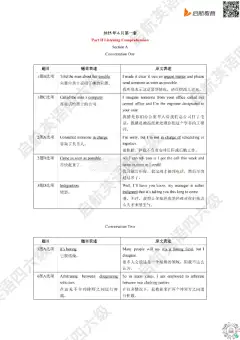
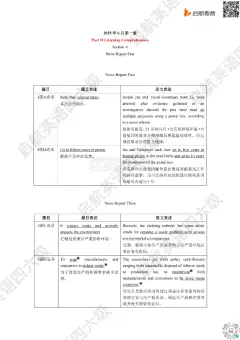
原文说法→| 换成的说法→类型(二/三/四级) →出自哪里
每周只加 20 组,四栏写满,比背200 个孤立单词有用得多。一个月就是 80 组,C、D 篇的替换基本能覆盖。
第三件:改一样复盘。
错题本只记一句话:
“我当时是被哪个原词骗的?”
不抄题,不抄解析。只记那个骗他的词。坚持两周,孩子自己就能发现规律:他每次被骗,“眼熟” 的那个词都长得跟原文一模一样。
五、三分钟微训练
给一句话原文、四个选项,不许选答案,只许做一件事 —— 指出哪个选项跟原文是同一个意思,并说明换了哪里。
学生的回答多半是:“B,因为原文是 short of,B是 lack。” 你只追问一句:“你是怎么想到 lack 的?”
那个 “怎么想到”的过程,就是他要练的东西。练三周,这个动作会变成条件反射。
最后
同义替换这事,说破了不值钱,但不点破,学生能在这上面耗掉一整年。
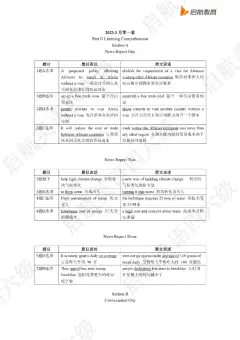
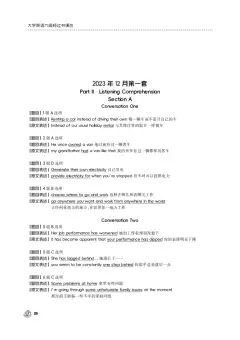
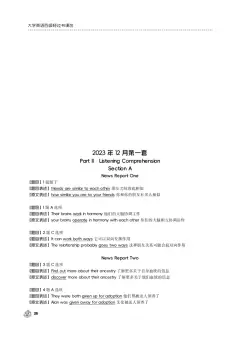
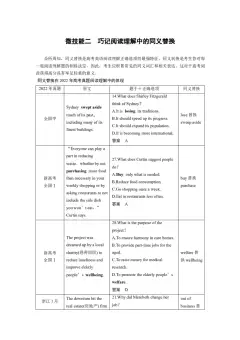
已整理的《高考英语阅读高频同义替换 688 组》,可以直接给孩子当清单用。
期末前还有一个月,把这 688 组过两遍,比刷十套新卷子实在。
本题组只练一件事——能否认出“换了衣服的说法”。每题四个选项中,只有一个与句中某部
分的意思最接近,其余三个均为形近、义近或方向相反的干扰项。建议先限时完成,不看答案;再对照文末答案逐题标注错因,错题只记一句话:“我当时是被哪个原词骗的”。
一、基础替换(第1—35题)
1. The factory had to abandon the old production line.
A. take over
B. set aside
C. give up
D. put away
2. The report reveals a serious problem in the system.
A. shows
B. hides
C. covers
D. removes
3. Sales declined sharply last quarter.
A. rose
B. remained steady
C. doubled
D. fell
4. She was reluctant to accept the offer.
A. eager
B. unwilling
C. ready
D. proud
5. The new rules prohibit the use of plastic bags.
A. ban
B. allow
C. encourage
D. reduce
6. It is essential to check the data twice.
A. optional
B. difficult
C. harmful
D. necessary
7. The team postponed the match because of rain.
A. cancelled
B. gave up
C. put off
D. took up
8. He concealed his disappointment from his parents.
A. expressed
B. hid
C. shared
D. noticed
9. The museum acquired a rare painting.
A. bought
B. sold
C. lent
D. copied
10. The medicine may relieve the pain.
A. cause
B. increase
C. ease
D. remove
11. The two brothers resemble each other closely.
A. differ from
B. look like
C. argue with
D. care for
12. The committee will evaluate all the proposals.
A. reject
B. copy
C. collect
D. judge
13. The company plans to expand its business overseas.
A. grow
B. cut
C. move
D. limit
14. The doctor attempted to save the patient.
A. managed
B. refused
C. tried
D. failed
15. The workers demanded higher wages.
A. gave up
B. asked for
C. turned down
D. paid back
16. The price of oil fluctuatesconstantly.
A. stays the same
B. keeps rising
C. drops suddenly
D. changes often
17. His explanation was too vague to be useful.
A. unclear
B. detailed
C. long
D. simple
18. The old bridge is no longer stable.
A. safe
B. wide
C. steady
D. new
19. The government will allocate more funds to education.
A. borrow
B. distribute
C. cut
D. return
20. They detected a slight change in temperature.
A. ignored
B. caused
C. measured
D. discovered
21. The two countries agreed to restorediplomatic relations.
A. bring back
B. break
C. delay
D. change
22. Her success was largely due to persistenteffort.
A. sudden
B. weak
C. constant
D. rare
23. The shop offers a wide variety ofgoods.
A. a small number of
B. a large range of
C. a high price for
D. a single type of
24. The plan is still tentative.
A. not final
B. certain
C. approved
D. impossible
25. He overcame many difficulties in his career.
A. ran into
B. gave up
C. looked for
D. got over
26. The company launched a new product last week.
A. stopped
B. improved
C. started
D. copied
27. The evidence is not sufficient to prove his guilt.
A. clear
B. enough
C. true
D. important
28. We must tackle this problem immediately.
A. deal with
B. avoid
C. describe
D. ignore
29. The museum is located in the city center.
A. built
B. moved
C. closed
D. situated
30. The scientist conducted a series of experiments.
A. gave up
B. put off
C. carried out
D. wrote down
31. The majority of students agreed with the plan.
A. some
B. most
C. none
D. few
32. The manager rejected our proposal.
A. refused
B. accepted
C. revised
D. discussed
33. The weather affected the result of the game.
A. decided
B. improved
C. ruined
D. influenced
34. The project was completed ahead of schedule.
A. started
B. delayed
C. finished
D. changed
35. The town has undergone great changes in ten years.
A. avoided
B. experienced
C. caused
D. prevented
二、进阶替换(第36—75题)
36. The government decided to cut down onenergy consumption.
A. reduce
B. increase
C. measure
D. record
37. The plan was called off at the last minute.
A. delayed
B. approved
C. repeated
D. cancelled
38. She came up with a brilliant idea.
A. gave up
B. wrote down
C. thought of
D. argued about
39. The two sides failed to reach an agreement.
A. start a quarrel
B. come to terms
C. break the ice
D. make a promise
40. He takes pride in his students progress.
A. is proud of
B. is tired of
C. is afraid of
D. is short of
41. The company is short of skilled workers.
A. rich in
B. full of
C. lacking in
D. free from
42. We should make the most of this opportunity.
A. give away
B. wait for
C. think about
D. take full advantage of
43. The new policy will come into effectnext month.
A. be discussed
B. take effect
C. be cancelled
D. be delayed
44. He looked up to his grandfather.
A. respected
B. feared
C. pitied
D. avoided
45. The situation is out of control.
A. quite stable
B. well planned
C. no longer manageable
D. clearly explained
46. The manager turned down the offer politely.
A. accepted
B. considered
C. repeated
D. refused
47. The children were well taken care of.
A. taught carefully
B. looked after properly
C. punished severely
D. ignored completely
48. His theory is widely accepted today.
A. commonly recognized
B. heavily criticized
C. rarely mentioned
D. partly proven
49. The old man passed away last winter.
A. left
B. moved
C. died
D. retired
50. She made up for the lost time by working late.
A. gave up
B. asked for
C. waited for
D. compensated for
51. The problem turned out to be more complex than expected.
A. was expected to be
B. proved to be
C. had to be
D. used to be
52. They put up with the noise for years.
A. tolerated
B. enjoyed
C. produced
D. stopped
53. The meeting was put off until next week.
A. cancelled
B. shortened
C. postponed
D. recorded
54. He came across an old friend in the street.
A. looked for
B. said goodbye to
C. argued with
D. met by chance
55. The price is within reach for most families.
A. too high
B. affordable
C. fixed
D. changing
56. The country is rich in natural resources.
A. abundant in
B. poor in
C. dependent on
D. famous for
57. These measures will bring aboutgreat changes.
A. prevent
B. delay
C. cause
D. record
58. The two events are closely related.
A. quite different
B. far apart
C. hardly known
D. tightly connected
59. The team is made up of ten members.
A. depends on
B. consists of
C. looks for
D. cares about
60. The plan falls short of our expectations.
A. does not meet
B. goes beyond
C. agrees with
D. explains
61. The new design stands out among similar products.
A. is widely copied
B. is rarely seen
C. is easily broken
D. is noticeably different
62. The students took part in the debate.
A. watched
B. organized
C. participated in
D. quit
63. The government gave in to public pressure.
A. resisted
B. surrendered to
C. ignored
D. increased
64. The evidence points to a change in climate.
A. suggests
B. denies
C. hides
D. copies
65. The company went bankrupt last year.
A. grew rapidly
B. expanded abroad
C. hired workers
D. failed financially
66. She got rid of all the old clothes.
A. bought
B. repaired
C. removed
D. hid
67. The plan came to nothing.
A. succeeded at last
B. failed completely
C. cost a lot
D. took long
68. The two sides are at odds over the issue.
A. in disagreement
B. in harmony
C. in contact
D. in danger
69. He kept pace with the latest technology.
A. fell behind
B. gave up
C. looked into
D. kept up with
70. The building dates back to the 18th century.
A. was destroyed in
B. was repaired in
C. was built in
D. was moved to
71. The project is on the verge ofcompletion.
A. just begun
B. about to be completed
C. given up
D. never finished
72. The teacher laid stress on the importance of reading.
A. emphasized
B. ignored
C. questioned
D. repeated
73. His remarks gave rise to a heated discussion.
A. ended
B. prevented
C. joined
D. caused
74. The company is on the decline.
A. is growing fast
B. is well managed
C. is getting weaker
D. is newly founded
75. We ran out of time before finishing the test.
A. saved
B. used up
C. had plenty of
D. wasted
三、概括与语义改写(第76—100题)
76. The text mentions "apples, pears, peaches and grapes". These are all kinds of .
A. fruit
B. vegetables
C. tools
D. drinks
77. "Doctors, nurses and pharmacists" can be generally called .
A. patients
B. customers
C. teachers
D. medical staff
78. "Buses, subways and trains" belong to .
A. private cars
B. air travel
C. public transport
D. delivery services
79. "Reading, writing and arithmetic" are basic .
A. hobbies
B. skills
C. sports
D. jobs
80. "Rain, snow and wind" are examples of .
A. weather conditions
B. natural disasters
C. seasons
D. temperatures
81. "Trousers, shirts and jackets" are items of .
A. furniture
B. food
C. stationery
D. clothing
82.原文:Not until he lost his job did he realize the value of work.
A. He realized the value of work before he lost his job.
B. He lost his job because he valued work too much.
C. He understood the value of work only after losing his job.
D. He never understood the value of work.
83.原文:Few students passed the exam.
A. Most students passed.
B. Almost no students passed.
C. All students passed.
D. Every student failed.
84.原文:The plan is far from perfect.
A. The plan has many problems.
B. The plan is almost perfect.
C. The plan is completely useless.
D. The plan cannot be changed.
85.原文:It is no use arguing with him.
A. He likes arguing.
B. You should argue with him.
C. He is easy to convince.
D. Arguing with him is pointless.
86.原文:He is the last person to tell a lie.
A. He often tells lies.
B. He was the last one to arrive.
C. He never tells a lie.
D. He lied to everyone.
87.原文:The movie was anything but boring.
A. The movie was extremely boring.
B. The movie was very interesting.
C. The movie was neither good nor bad.
D. The movie lasted too long.
88.原文:She cannot help laughing at the joke.
A. She cannot stop herself from laughing.
B. She cannot understand the joke.
C. She refuses to laugh.
D. She laughs only occasionally.
89.原文:The project is more than we can handle.
A. We can easily finish the project.
B. The project costs more money than expected.
C. The project is already finished.
D. We are unable to manage the project.
90.原文:Two heads are better than one.
A. One person is enough for the task.
B. Two people often disagree.
C. Working together gives better results.
D. Thinking twice is necessary.
91.原文:The teacher had the students rewrite their essays.
A. The teacher rewrote the students essays.
B. The students were asked to rewrite their essays.
C. The students refused to rewrite.
D. The teacher wrote essays with the students.
92.原文:Hardly had he arrived when it began to rain.
A. It began to rain almost as soon as he arrived.
B. He arrived long after the rain started.
C. He arrived and the rain stopped.
D. It rained all day before he arrived.
93.原文:The book is worth reading twice.
A. The book is too expensive to buy.
B. The book is easy to read.
C. The book has been read by many.
D. The book deserves a second reading.
94.原文:He would rather stay at home than go out.
A. He likes going out better.
B. He has to stay at home.
C. He prefers staying at home to going out.
D. He neither stays at home nor goes out.
95.原文:It was not long before the police found the missing child.
A. The police never found the child.
B. The police found the missing child soon.
C. The police searched for a long time.
D. The child was found by a neighbor.
96.原文:No other student in the class works harder than Tom.
A. Tom works harder than any other student in the class.
B. Tom works as hard as others.
C. Others work harder than Tom.
D. Tom works less than others.
97.原文:The more you practise, the better you will speak.
A. Practice is less important than speaking.
B. You should speak more than you practise.
C. Speaking well requires no practice.
D. Your speaking improves as your practice increases.
98.原文:She made it clear that she would not change her mind.
A. She was unclear about her decision.
B. She changed her mind later.
C. She stated clearly that her decision was final.
D. She asked others to decide for her.
99.原文:The lecture was so boring that many students fell asleep.
A. The lecture was interesting but long.
B. Many students slept because the lecture was extremely boring.
C. Few students attended the lecture.
D. The students slept before the lecture began.
100.原文:Whatever happens, he will not give up.
A. He will never give up, no matter what happens.
B. He will give up if something happens.
C. He may give up in the future.
D. Nothing will happen to him.
参考答案与替换依据
题号 | 答案 | 替换依据(同义替换关系) |
1 | C | abandon 放弃 = give up;take over 接管,方向相反 |
2 | A | reveal 揭示、显示 = show;hide 是反义 |
3 | D | decline 下降 = fall;rise 是反义 |
4 | B | reluctant 不情愿 = unwilling;eager 渴望,态度相反 |
5 | A | prohibit 禁止 = ban/forbid;allow 允许 |
6 | D | essential 必不可少 = necessary;optional 可选择的 |
7 | C | postpone 推迟 = put off;cancel 是取消,不再举行,最易混 |
8 | B | conceal 隐藏 = hide;express 表达 |
9 | A | acquire 获得、购得 = buy/get;sold 是卖出 |
10 | C | relieve 缓解,不等于 remove 消除,注意程度差异 |
11 | B | resemble 相像 = look like;differ from 不同 |
12 | D | evaluate 评估 = judge/assess;reject 是否决 |
13 | A | expand 扩大 = grow/enlarge |
14 | C | attempt 尝试 = try;manage 指设法做成,结果已达成,属高频陷阱 |
15 | B | demand 要求 = ask for |
16 | D | fluctuate 上下波动 = change frequently;只升或只降都不等于波动 |
17 | A | vague 含糊 = unclear;反义 precise 精确 |
18 | C | stable 稳固 = steady;safe 是安全,与稳固不是一回事 |
19 | B | allocate 分配、拨付 = distribute |
20 | D | detect 察觉、发现 = discover;cause 引起 |
21 | A | restore 恢复 = bring back |
22 | C | persistent 持续不断的 = constant |
23 | B | a variety of 种类繁多 = a range of |
24 | A | tentative 暂定的 = not final/uncertain |
25 | D | overcome 克服 = get over;run into 遇到困难 |
26 | C | launch 推出、发起 = start |
27 | B | sufficient 充分 = enough |
28 | A | tackle 处理 = deal with;avoid 回避 |
29 | D | be located in 位于 = be situated in |
30 | C | conduct 进行 = carry out |
31 | B | the majority of 大多数 = most of |
32 | A | reject 拒绝 = refuse/turn down |
33 | D | affect 影响 = influence;decide 决定,程度过强 |
34 | C | complete 完成 = finish |
35 | B | undergo 经历 = experience;cause 引起,方向相反 |
36 | A | cut down on 削减 = reduce |
37 | D | call off 取消 = cancel;delay 推迟 |
38 | C | come up with 想出 = think of |
39 | B | reach an agreement 达成一致 = come to terms |
40 | A | take pride in = be proud of |
41 | C | be short of 缺少 = be lacking in |
42 | D | make the most of 充分利用 = take full advantage of |
43 | B | come into effect 生效 = take effect |
44 | A | look up to 敬重 = respect |
45 | C | out of control 失控 = no longer manageable |
46 | D | turn down 拒绝 = refuse;与第32题为同义双向记忆 |
47 | B | take care of 照顾 = look after |
48 | A | widely accepted 广泛认可 = commonly recognized |
49 | C | pass away 去世 = die |
50 | D | make up for 弥补 = compensate for |
51 | B | turn out 结果证明 = prove to be |
52 | A | put up with 忍受 = tolerate/bear |
53 | C | put off 推迟 = postpone;与第7题为同一组替换的正反练 |
54 | D | come across 偶然遇到 = meet by chance |
55 | B | within reach 承受得起 = affordable |
56 | A | be rich in 富含 = be abundant in |
57 | C | bring about 带来、引起 = cause |
58 | D | be related 相关 = be connected |
59 | B | be made up of 由……组成 = consist of |
60 | A | fall short of 达不到 = fail to meet |
61 | D | stand out 突出、显眼 = be noticeably different |
62 | C | take part in 参加 = participate in |
63 | B | give in 屈服 = surrender/yield |
64 | A | point to 表明 = suggest/indicate |
65 | D | go bankrupt 破产 = fail financially |
66 | C | get rid of 处理掉 = remove/dispose of |
67 | B | come to nothing 毫无结果 = fail completely |
68 | A | at odds 不和、有分歧 = in disagreement |
69 | D | keep pace with 跟上 = keep up with |
70 | C | date back to 追溯到 = originate in/be built in |
71 | B | on the verge of 即将 = about to |
72 | A | lay stress on 强调 = emphasize |
73 | D | give rise to 引起 = cause/lead to |
74 | C | on the decline 衰退 = be declining |
75 | B | run out of 用完 = use up;wasted 是浪费,不是耗尽 |
76 | A | 四级替换:具体种类上升为上位概念 fruit |
77 | D | 四级替换:具体职业 → 上位概念 medical staff |
78 | C | 四级替换:具体交通工具 → public transport |
79 | B | 四级替换:具体能力 → skills |
80 | A | 四级替换:rain 是天气现象,不等于 disaster 灾害 |
81 | D | 四级替换:具体衣物 → clothing |
82 | C | not until 倒装句 = only after,强调时间先后 |
83 | B | few 表示很少、接近 none;不等于全部不及格 |
84 | A | far from 远非;不等于 completely useless 一无是处 |
85 | D | It is no use doing 做某事没用 = pointless |
86 | C | the last person to do 最不可能做某事;不是“最后一个到场” |
87 | B | anything but 根本不;几乎每年都考的易错点 |
88 | A | cannot help doing 忍不住做 |
89 | D | more than one can handle 超出能力范围 |
90 | C | 谚语:人多智广,合作效果更好 |
91 | B | have sb do sth 让某人做,转被动为 be asked to do |
92 | A | hardly...when 一……就;否定词提前的倒装 |
93 | D | be worth doing = deserve doing 值得 |
94 | C | would rather A than B = prefer A to B |
95 | B | not long before 不久就 |
96 | A | 比较级 + than any other 表最高级 |
97 | D | the more...the better 越……越…… |
98 | C | make it clear that 明确表示;would not change = final |
99 | B | so...that 结果状语,转换为 because 因果 |
100 | A | whatever = no matter what 让步状语 |
附:这份材料怎么用
限时做,不看答案。前 35 题允许查生词,只练“认不认得出”;后 65 题必须闭卷,因为考的就是不查词也能判断。
错题按“替换等级”归类,不要按题号归类。学生归到三级、四级的题超过 15 道,说明问题在联想能力,不在词汇量,此时加背单词书无效。
两周后只重做错题。做对一类划掉一类,剩下的继续留到期末前再过一遍。
有需求可编辑可打印完整word版,或有英语资料方面的要求,请下方评论区留言或底部扫码联系。
如果需要完整版word英语资料卡(一整年),欢迎咨询🌹🌹🌹
猜你喜欢:
💖💖💖觉得资料有用,请给我充点儿电呗:加个关注、点个赞、分享给你的同学,再转发存到你的朋友圈,谢谢!🍭资料持续更新中......
相关文档
- 高考英语阅读理解2同义替换词2
- 高考英语阅读理解2同义替换词1
- 专八阅读同义词替换专八阅读备考
- 2023.6同义替换
- 2023.6同义替换
- 恶心词语同义替换
- 恶心词语同义替换
- 2025年高考英语阅读理解秒杀技巧及真题演练专题08阅读理解:同义替换的重要性(4页)
- 启航2026年6月六级英语2025年6月同义替换听阅同义替换词基础夯实
- 启航2026年6月四级英语2025年6月同义替换听阅同义替换词基础夯实
- 启航2026年6月六级英语2024年6月同义替换听阅同义替换词基础夯实
- 启航2026年6月四级英语2024年6月同义替换听阅同义替换词基础夯实
- 启航2026年6月六级英语2024年12月同义替换听阅同义替换词基础夯实
- 启航2026年6月四级英语2024年12月同义替换听阅同义替换词基础夯实
- 启航2026年6月六级英语2023年12月同义替换听阅同义替换词基础夯实
- 启航2026年6月四级英语2023年12月同义替换听阅同义替换词基础夯实
- 写作同义词替换
- 专八同义替换练习3专八词汇备考
- 2027届高考英语一轮复习重难点专项合集(全国通用)350组阅读理解同义替换高频词组清单
- 专八补充词汇同义替换练习4专八词汇备考
- 2024年高考英语写作专项提升:专题20 高中英语写作获取高分熟记同义替换词119组(讲义)
- 四六级考试最喜欢考的同义替换
- 第1部分 专题1 微技能二 巧记阅读理解中的同义替换
- 第1部分 专题1 微技能二 巧记阅读理解中的同义替换
- 2027年高考英语一轮专题08同义替换词汇阅卷偏爱换词表专项训练 新教材新高考 答案版
- 专八补充词汇同义替换6专八词汇备考
- 专八补充词汇同义替换5专八词汇备考
- 2027年高考英语一轮专题08同义替换词汇阅卷偏爱换词表专项训练 新教材新高考 教师版
- 2027年高考英语一轮复习 专题08同义替换词汇 阅卷偏爱换词表 专项训练 学生版 新教材新高考
- 英语专八中高级同义词替换专八作文备考
- 漫学英语专八听力同义替换16至23真题专八必看重点资料
- 英语六级听阅同义替换词基础夯实(启航马天艺·2023.3)
- 英语四级听阅同义替换词基础夯实(启航马天艺·2023.3)
- 英语六级听阅同义替换词基础夯实(启航马天艺·2023.12)
- 英语四级听阅同义替换词基础夯实(启航马天艺·2023.12)
- 2023年高考英语二轮复习全国版第1部分阅读理解与阅读七选五专题1微技能二巧记阅读理解中的同义替换
- 2023年高考英语二轮复习新高考版第1部分阅读理解与七选五专题1微技能二巧记阅读理解中的同义替换
- 2027版高考英语一轮复习讲义 专题08同义替换词汇·阅卷偏爱换词表(全国通用)教师版
- 英语部分专项练习·同义词(中国烟草)
- 2027年高考英语一轮专题08同义替换词汇阅卷偏爱换词表复习讲义 全国通用 学生版
- 2026年高考英语一轮复习讲义+练习+课件(新教材新高考)第一部分词汇:第02讲阅读理解高频词+话题分类重难词+同义替换词分类(学生版)
- 2026年高考英语一轮复习讲义第一部分词汇第02讲阅读理解高频词+话题分类重难词+同义替换词分类(教师版)
- 2025年6月同义替换词听阅启航四级全程班马天艺基础夯实
- 2025年6月同义替换词听阅启航六级全程班马天艺基础夯实
- 2025高考数学一轮复习专题48高考英语书面表达同义替换+一句多译(讲案)解析版
- 2026考研英语全程班唐迟词汇的逻辑话题分类及同义替换大全2005-2024扫描讲义
- 2025高考数学一轮复习专题48高考英语书面表达同义替换+一句多译(讲案)原卷版
- 2025年高考英语一轮复习知识清单(全国通用)专题48 书面表达同义替换与一句多译讲案 学生版
- 2025年高考英语一轮复习知识清单(全国通用)专题48高考英语书面表达同义替换63组一句多译23组(学生版)
- 2025年高考英语一轮复习知识清单(全国通用)专题48高考英语书面表达同义替换+一句多译讲案(教师版)