资讯 / 正文
陈生宝:中考英语 30 个核心动词短语完全手册(画面记忆版)
陈生宝:中考英语 30 个核心动词短语完全手册(画面记忆版)一、总纲:为什么这套东西能一次记住 短语动词从来不是随机拼凑的死板搭配,它由两个核心零件精密组装而成: **动词本义(动作性质) + 小品词(空间画面) = 整个短语的灵魂** 动词负责定义“做什么动作”,小品词负责定义“动作的方向或结果”。只要死磕住小品词的空间感,90% 的引申义都能当场推导出来,根本不需要死记硬背。 以 **get** 为例。它最常见的中文对应是“得到”,但在 get up、get off、get over 里,它根本不是“得到”。这里的 get 是**状态变化动词**,意思是“使(自己)进入某种状态”或“完成某个位移动作”。它本身很轻,真正的意思全靠后面的小品词来定。 记忆公式只有一句:get = 我的身体动了;小品词 = 动到哪里去。 二、十个小品词的空间画面(背熟这一节,后面全是套用) 1. **up(向上)**:起身(get up)、增强(turn up)、出现(show up)、彻底完成或碎成块(eat up、break up)。 2. **down(向下)**:降低(cut down)、垮掉(break down)、落到纸上(write down)、压制(put down)。 3. **on(接触表面)**:贴上(put on)、继续不断(go on、keep on)。 4. **off(脱离表面)**:离开(take off)、断开(turn off)、取消(call off)。 5. **in(进入内部)/out(从内部出来)**:交进来(hand in)、用完(run out)、分发(hand out)、真相暴露(come out)。 6. **over(越过、翻转、覆盖)**:接管(take over)、复查(go over)、翻面(turn over)。 7. **through(从头穿到尾)**:经历(go through)、打通(get through)。 8. **away(远离)/back(回原处)**:拿走(take away)、归还(give back)、回顾(look back)。 9. **for(冲着目标去)**:寻找(look for)、要求(call for)、竞选(run for)。 10. **after(跟在后面)**:照看(look after)、追逐(run after)、像长辈(take after)。 下面 30 个动词,全部按这个逻辑展开,共 271 条,连续编号。 三、第一梯队:最核心的 10 个动词(1—139) 1. get——得到/变得/到达/使进入某状态 1. **get up**——由躺卧变为直立向上:起床。I usually get up at six every morning. 我通常每天早上六点起床。 2. **get on(the bus)**——踩到平面之上:上(大车)。Please get on the bus one by one. 请依次上车。 3. **get off**——脱离接触面:下车。You should get off at the next stop. 你应该在下一站下车。 4. **get in / get out of(the car)**——小车是个盒子,要坐进内部或挪出来:上/下小车。He got into the taxi and left. 他上了出租车离开了。 5. **get to**——到达某地。What time did you get to school? 你几点到学校的?(home、here、there 前不加 to) 6. **get over**——翻越过去:克服、从病中恢复。It took her weeks to get over the flu. 她花了几周才从流感中恢复过来。 7. **get through**——从头穿到尾:打通电话、通过、熬过。We finally got through the difficult times together. 我们最终一起度过了困难时期。 8. **get along/on with sb.**——沿同一条线往前走,步调一致:相处。I get along well with my new classmates. 我和新同学相处得很好。 9. **get down to doing**——沉下心落到具体事上,to 是介词:开始认真做。The exam is coming; it's time to get down to our studies. 考试快到了,该认真学习了。 10. **get away with**——远远离开现场还带着好处:做了坏事未受罚。No one can get away with dishonest behavior. 没人能侥幸逃脱不诚实的行为。 11. **get rid of**——rid 是清除,of 表分离:摆脱。I want to get rid of these old books. 我想把这些旧书处理掉。 12. **get used to doing**——用惯了的,to 为介词:习惯于。He has got used to living in China. 他已经习惯在中国生活了。 13. **get together**——聚到一起:聚会。Let's get together this weekend. 咱们这周末聚聚吧。 14. **get married to**——进入已婚状态,to 指向对象:与……结婚。She got married to a doctor last year. 她去年嫁给了一位医生。 15. **get in the way of**——in the way 挡在路上:妨碍。Don't let fear get in the way of your dreams. 别让恐惧挡住你的梦想。 16. **get caught in**——被困在里面:遭遇(雨雪、交通)。We got caught in a heavy rain yesterday. 昨天我们遇上了一场大雨。 2. take——用手抓取→拿、花费、采取、接受 17. **take off**——脱离:衣服脱离身体即脱下,飞机脱离地面即起飞。The plane took off on time. 飞机准时起飞了。 18. **take on**——把担子压到自己身上:承担、雇用、呈现。He decided to take on the new challenge. 他决定承担这项新挑战。 19. **take up**——竖起来占用空间:占据时间空间、开始从事。Playing the guitar takes up most of my free time. 弹吉他占了我大部分空闲时间。 20. **take in**——纳入内部:吸收、理解、欺骗。Don't be taken in by his appearance. 别被他的外表骗了。 21. **take over**——跨到另一方并覆盖:接管。Who will take over when the manager retires? 经理退休后谁来接手? 22. **take out**——从里到外:取出、带出去。He took out a book from his bag. 他从包里拿出一本书。 23. **take away**——带走远离:拿走。Please take away the dirty dishes. 请把脏盘子拿走。 24. **take back**——返回原处:收回(说过的话)。I take back what I said. 我收回我说过的话。 25. **take down**——落到纸上或从高处拿下:记下、拆下。Please take down my phone number. 请记下我的电话号码。 26. **take after**——跟在后面照着长:(外貌性格)像长辈。She takes after her mother. 她长得像她妈妈。 27. **take part in**——part 是一份,in 表置身其中:参加。Hundreds of runners took part in the cross-country race. 数百名跑者参加了越野赛。 28. **take place**——事情落到某个位置上:发生;无被动语态。Great changes have taken place in my hometown. 我的家乡发生了巨大变化。 29. **take the place of**——占……的位置:代替。Robots will never take the place of humans. 机器人永远不会取代人类。 30. **take pride in**——在……方面感到骄傲:以……为傲。We take pride in our school. 我们为学校感到骄傲。 31. **take advantage of**——把优势拿到手:利用。He took advantage of her kindness. 他利用了她的善良。 32. **take notice of**——留意。Don't take notice of what he says. 别在意他说的话。 33. **take turns**——turn 是轮次:轮流。We took turns to clean the classroom. 我们轮流打扫教室。 34. **take it easy**——it 虚指,easy 作补语:别紧张。Take it easy—you still have time. 别紧张,你还有时间。 35. **take one's time**——按自己的节奏:慢慢来。Take your time and check carefully. 慢慢来,仔细检查。 36. **take...for granted**——granted 是被给予的,当成白给的:认为理所当然。Never take your parents' love for granted. 永远别把父母的爱当作理所当然。 37. **take...into account**——account 是账目、考虑:把……考虑在内。You should take his age into account. 你应该把他的年龄考虑进去。 38. **take care of**——care 是照料,of 表对象:照顾、处理。As teenagers, we should learn to take care of ourselves. 作为青少年,我们应学会照顾自己。 3. put——放置→使处于某位置或状态 39. **put on**——贴到身上接触:穿上;上演;增加体重。She put on her coat and went out. 她穿上外套出去了。 40. **put off**——把事情往远处放:推迟;off 后接 doing。We have to put off the sports meeting because of the bad weather. 因天气不好我们不得不推迟运动会。 41. **put out**——把火赶出去:熄灭、扑灭。The firefighters put out the fire quickly. 消防员迅速扑灭了大火。 42. **put up**——竖立起来:张贴、搭建、举起、留宿。Posters were put up around our school. 校园里贴满了海报。 43. **put up with**——伴随扛着:忍受。I can't put up with his rude behavior any longer. 我再也无法忍受他的粗鲁行为了。 44. **put down**——往下放或落到纸上:放下、记下、镇压。Put down your pen and listen. 放下笔听讲。 45. **put forward**——往前摆出来:提出(建议)。The teacher put forward a new approach to language learning. 老师提出了一种新的语言学习方法。 46. **put aside**——放到一边:存钱、搁置。Set aside some money every month. 每月存点钱。 47. **put away**——放回该放之处:收好。Put away your toys after playing. 玩完后把玩具收好。 48. **put...into practice**——进入实践:付诸实践。Put what you've learned into practice. 把学到的东西付诸实践。 49. **put an end to**——end 是终点:终止。We must put an end to bullying. 我们必须终结霸凌。 50. **put pressure on**——把压力放到……身上:施加压力。Teachers shouldn't put too much pressure on students. 老师不该给学生太大压力。 4. look——看→目光朝向 51. **look up**——抬头向上找:查阅。If you don't know the word, you can look it up in the dictionary. 如果不认识这个词,可以在词典里查。 52. **look up to**——方向朝上,仰视:尊敬。All the students look up to her. 所有学生都尊敬她。 53. **look down on/upon**——俯视别人:轻视。Never look down upon people less fortunate than you. 永远别瞧不起不如你的人。 54. **look after**——跟在后面照看:照顾。My grandparents are too old to take care of themselves, so I'll look after them. 我祖父母年事已高不能自理,所以我来照顾他们。 55. **look into**——往里深究:调查。The police are looking into the disappearance of two children. 警方正在调查两名儿童失踪案。 56. **look through**——穿透翻阅:浏览。I looked through the report quickly. 我快速浏览了报告。 57. **look over**——从上到下扫一遍:检查。Look over your answers before handing in the paper. 交卷前检查一下答案。 58. **look out**——往外看、留意外面:当心。Look out! There's a car coming. 小心!有车来了。 59. **look around**——向四周:环顾。We spent the morning looking around the museum. 我们上午逛了博物馆。 60. **look forward to doing**——forward 向前,to 为介词:盼望。I'm really looking forward to seeing you at the party. 我非常期待在聚会上见到你。 61. **look back on**——回头看:回顾。When I look back on my childhood, I feel happy. 回首童年,我很幸福。 62. **look on...as**——把……看作:视作。We look on him as a member of our family. 我们把他当家人看待。 63. **look for**——for 表寻找的目标:寻找(强调过程)。I'm looking for my English book. I can't find it. 我在找我的英语书,找不到。 5. go——走、离开→状态变化 64. **go on**——沿着路继续往前走:继续;发生。We'll have to go on without you if you're not ready. 如果你没准备好,我们就得先继续了。 65. **go over**——再覆盖一遍:复习、仔细检查。Let us go over the plan once more before we start. 开始前让我们再仔细检查一遍计划。 66. **go through**——从头到尾穿过:经历、通读。He went through a lot of difficulties during the research. 他在研究过程中经历了很多困难。 67. **go out**——向外出去:外出;(灯火)熄灭。The lights went out suddenly. 灯突然灭了。 68. **go off**——脱离正常状态:爆炸、闹钟响、食物变质。The alarm went off at six. 闹钟六点响了。 69. **go ahead**——在前面:前进、请便。Go ahead—I'm listening. 说吧,我在听。 70. **go by**——从旁边经过:(时间)流逝。As time goes by, everything gets easier. 时光流逝,一切都会慢慢变好。 71. **go against**——逆着:违背。This goes against our principles. 这违背了我们的原则。 72. **go without**——没有:没有……也行。We can't go without water. 我们不能没有水。 73. **go back to**——回到过去:追溯到。This custom goes back to the Tang Dynasty. 这一习俗可追溯到唐代。 74. **go in for**——冲着……去:爱好、参加。He doesn't go in for sports. 他不爱好运动。 75. **go along with**——沿着同一条线:赞同、陪同。I'll go along with your suggestion. 我同意你的建议。 76. **go wrong**——wrong 作补语,变错:出错。Something went wrong with the machine. 机器出毛病了。 77. **go missing**——missing 作补语,变成失踪状态:失踪。Three people have gone missing. 三人失踪了。 78. **go all out**——把力气全部放出去:全力以赴。We must go all out to win. 我们必须全力以赴去赢。 6. come——朝说话人移动→出现、实现 中华民族 79. **come across**——从对面横穿过来:偶然遇见。I came across an old photo while cleaning the room. 打扫房间时我偶然发现一张老照片。 80. **come up with**——冒出来,with 带着:想出。Families gather for big meals on Sundays, birthdays, and whatever other excuses they can come up with. 家人在周日、生日以及能想出的任何借口下聚在一起吃大餐。 81. **come up**——向上冒出、走近:被提出、走近。The issue came up at the meeting. 这个问题在会上被提了出来。 82. **come out**——从里到外显露:出版、结果是、花开。The truth came out at last. 真相终于大白。 83. **come about**——围绕某事发生:发生(=happen)。How did the accident come about? 事故是怎么发生的? 84. **come true**——true 作补语,变成真的:实现;无被动语态。My dream will come true one day. 我的梦想总有一天会实现。 85. **come into being**——being 是存在:形成、诞生。The university came into being in 1920. 这所大学创建于1920年。 86. **come to power**——power 是权力:上台执政。The party came to power in 1997. 该党1997年上台执政。 87. **come to life**——life 是生机:活跃起来。The city comes to life at night. 这座城市夜晚活了起来。 88. **come into effect/use**——effect 是效力:生效、投入使用。The new law comes into effect next month. 新法下月生效。 89. **come down with**——down 病倒:患(重病)。He came down with a fever. 他发烧病倒了。 90. **come to**——达到某一点:共计、苏醒。The bill came to 200 yuan. 账单共计200元。 91. **come along**——顺着来:进展、一起来。How's your project coming along? 你的项目进展如何? 7. turn——转动→改变方向或状态 92. **turn on/off**——旋钮转到接通或断开位置:开/关(电器)。Please turn off the fan before you leave the room. 离开房间前请关掉风扇。 93. **turn up/down**——音量升降:调大调小;turn up 还可表示“出现”。Could you turn the music down? It's too loud. 能把音乐关小点吗?太吵了。 94. **turn over**——翻面:翻转、移交。Don't turn over the page yet. 先别翻页。 95. **turn out (to be)**——最终显露出来的样子:结果是、证明是。It turned out that what he said at the meeting was not entirely true. 结果证明他在会上说的话并不完全真实。 96. **turn into**——进入另一种形态:变成。Water turns into ice at 0℃. 水在零度变成冰。 97. **turn to**——转向某人:求助于、翻到。When in trouble, she always turns to her family for support. 遇到麻烦时,她总是向家人求助。 98. **turn down**——压下:拒绝、调小。He turned down the job offer because of the salary. 因为薪水问题,他拒绝了这份工作。 99. **turn away**——打发走:拒之门外。They were turned away at the door. 他们在门口被拒之门外。 100. **turn around**——转一圈:转身、扭转局面。Business is turning around. 生意正在好转。 101. **turn a blind eye to**——对……转过只瞎眼:视而不见。He turned a blind eye to his son's mistakes. 他对儿子的错误视而不见。 102. **turn one's back on**——把背转向……:背弃。She turned her back on her hometown. 她背离了家乡。 103. **turn...upside down**——底朝天:弄得一团糟。The robbers turned the house upside down. 强盗把房子翻了个底朝天。 8. give——给予→释放、让步 104. **give up**——彻底交出、完结:放弃;后接 doing。Never give up, no matter how hard the situation is. 无论情况多困难,永远不要放弃。 105. **give in**——向内退让:屈服、让步。Don't give in to difficulties. 不要向困难屈服。 106. **give out**——分发出去:分发、耗尽、发出。The teacher gave out the test papers. 老师分发了试卷。 107. **give off**——向外散发:发出(气味、热量)。The flowers give off a sweet smell. 这些花散发出清香。 108. **give away**——送离自己:赠送、泄露。She gave away some old books to the children. 她把一些旧书送给了孩子们。 109. **give back**——回到原主:归还。Give back the money you borrowed. 把借的钱还回去。 110. **give rise to**——rise 升起、产生:引起。Smoking gives rise to many diseases. 吸烟会引起多种疾病。 111. **give way to**——way 是路:让路、被……取代。Steam gave way to electricity. 蒸汽被电力取代了。 112. **give birth to**——生出:生育、产生。She gave birth to twins. 她生了一对双胞胎。 113. **give sb. a hand**——hand 是手,搭把手:帮忙。Can you give me a hand with this box? 能帮我搬这个箱子吗? 114. **give priority to**——priority 优先:优先考虑。We should give priority to education. 我们应该优先考虑教育。 9. make——制造→使成为、造成 115. **make up**——拼凑完整:编造、组成、化妆、和解。Women make up more than half of the researchers. 女性占研究人员的一半以上。 116. **make up for**——for 为了弥补:补偿。I tried to make up for the lost time by working harder. 我试图通过更努力工作来弥补失去的时间。 117. **make out**——从模糊中分辨出来:辨认出、理解。I could hardly make out his handwriting. 我几乎认不出他的字迹。 118. **make for**——朝……走去:走向、有助于。Dark clouds make for a wet weekend. 乌云预示着周末会下雨。 119. **make into**——变成另一种形态:制成。Grapes are made into wine. 葡萄被酿成酒。 120. **make use of**——use 利用:利用。We should make good use of our time. 我们应该充分利用时间。 121. **make the most of**——most 最多:充分利用。Make the most of this opportunity. 好好把握这次机会。 122. **make sense**——sense 道理:有意义。What he said makes no sense. 他说的话没道理。 123. **make a difference**——difference 差别:有影响。A good teacher makes a difference. 好老师能带来改变。 124. **make progress**——progress 进步:取得进步。You have made great progress in English. 你在英语方面取得了很大进步。 125. **make fun of**——fun 玩笑:取笑。Don't make fun of others. 别取笑别人。 126. **make room for**——room 空间:腾地方。Make room for the elderly on the bus. 在公交车上给老人让座。 127. **make ends meet**——ends 收支两端:收支平衡。They struggle to make ends meet. 他们勉强维持生计。 128. **make oneself understood**——understood 作宾补,使自己被听懂:让别人听懂。He can't make himself understood in French. 他说法语别人听不懂。 129. **make it**——it 虚指成功那件事:成功、赶上。We made it to the airport on time. 我们准时赶到了机场。 10. break——打破→突然发生、中断 130. **break down**——down 垮塌:(机器)出故障、身体垮掉、分解。My car broke down on the way to the airport. 我的车在去机场的路上抛锚了。 131. **break up**——up 碎成多块:分手、解散、打碎。The meeting broke up at noon. 会议中午散场了。 132. **break out**——out 突然冒出来:(战争、火灾)爆发;无被动语态。The fire broke out in the middle of the night. 火灾在半夜爆发。 133. **break into**——into 强行进入内部:闯入;break into tears 突然大哭。Thieves broke into the house last night. 小偷昨晚闯进了房子。 134. **break through**——through 穿透:突破。Scientists broke through in cancer research. 科学家在癌症研究上取得突破。 135. **break off**——off 断开:中断、折断。She broke off the talk. 她中断了谈话。 136. **break away from**——away 离开整体:脱离。It's hard to break away from bad habits. 很难摆脱坏习惯。 137. **break the law/rule**——打破法律:违法犯规。Anyone who breaks the law will be punished. 违法者必受惩罚。 138. **break one's promise**——promise 诺言,打破它:食言。He broke his promise. 他食言了。 139. **break the record**——record 纪录,打破它:破纪录。She broke the world record. 她打破了世界纪录。 四、第二梯队:次高频 10 个动词(140—214) 11. call——喊叫→呼叫、命名、短暂访问 140. **call off**——把活动从日程上撤掉:取消。The concert was called off due to rain. 音乐会因雨取消。 141. **call on sb. / call at sp.**——on 用于人,at 用于地点:拜访人/地;call on 还可表示“号召”。The teacher called on me to answer. 老师叫我回答问题。 142. **call for**——for 要求得到:需要、呼吁。This situation calls for immediate action. 这种情况需要立即行动。 143. **call up**——把远处的人召上来:打电话、征召、唤起回忆。The song called up memories of childhood. 这首歌唤起了童年的回忆。 144. **call in**——in 叫进来:召来、收回。They called in an expert. 他们请来了一位专家。 145. **call out**——out 声音放出去:大声喊。He called out for help. 他大声呼救。 146. **call sb. names**——name 用复数指各种难听称呼:骂人。Don't call him names. 别骂他。 12. cut——切割→减少、切断 147. **cut down**——down 砍倒、压低:削减、砍倒。Cutting down on plastic use is crucial for sustainability. 减少塑料使用对可持续发展至关重要。 148. **cut off**——off 断开:切断、隔绝。The village was cut off by the flood. 村庄被洪水隔绝了。 149. **cut out**——out 挖出去:删去、戒掉。Cut out the unnecessary details. 删掉不必要的细节。 150. **cut up**——up 切成小块:切碎。Could you cut up the tomatoes now? 你现在能把西红柿切碎吗? 151. **cut in**——in 插进别人的话里:插嘴。Don't cut in while others are talking. 别人说话时别插嘴。 152. **cut short**——short 变短:打断、缩短。The speech was cut short by the fire alarm. 演讲被火警打断了。 13. fall——落下→进入某种状态 153. **fall behind**——behind 落在后面:落后。Don't fall behind in your studies. 学习别落后。 154. **fall down**——down 向下倒:跌倒、倒塌。The old bridge fell down. 老桥塌了。 155. **fall off**——off 脱离:下降、从……跌落。Sales fell off sharply. 销量急剧下降。 156. **fall into**——into 落入:陷入。He fell into debt. 他陷入了债务。 157. **fall in love with**——落入爱中:爱上。They fell in love at first sight. 他们一见钟情。 158. **fall asleep**——asleep 作表语,落入睡着状态:入睡。The little boy fell asleep while listening to a bedtime story. 小男孩听着睡前故事睡着了。 159. **fall ill/sick**——ill 作表语:生病。She fell ill last week. 她上周病了。 160. **fall apart**——apart 散开:崩溃。Their marriage fell apart. 他们的婚姻破裂了。 161. **fall short of**——short 不足:达不到。The result fell short of expectations. 结果未达预期。 162. **fall back on**——back 退回求助:依靠备用方案。He has savings to fall back on. 他有存款可作后盾。 14. hold——握持→保持、举行 163. **hold on**——on 抓紧不放:别挂电话、坚持。Hold on! I'll check if she's available. 别挂,我看看她在不在。 164. **hold on to**——on to 紧紧抓住:坚持、抓住。Hold on to your dream and never give up. 坚持你的梦想,永不放弃。 165. **hold up**——up 举高:举起、延误。The accident held up traffic. 事故造成了交通堵塞。 166. **hold out**——out 向外伸:伸出、坚持住。He held out his hand. 他伸出了手。 167. **hold back**——back 往后拉:抑制、隐瞒。She could hardly hold back her tears. 她几乎忍不住泪水。 168. **hold a meeting**——“握住一场会议”:开会。A meeting will be held tomorrow. 明天将开会。 169. **hold one's breath**——breath 呼吸:屏息。Hold your breath and count to ten. 屏住呼吸数到十。 170. **hold the view that**——view 观点:持……观点。Many experts hold the view that reading matters. 许多专家认为阅读很重要。 15. keep——保持→继续 171. **keep on**——on 不间断:继续。Keep on drawing, and you'll become a great artist! 继续画画,你会成为伟大的艺术家! 172. **keep up with**——up 维持同一高度:跟上。I tried my best to keep up with the other runners. 我尽力跟上其他跑者。 173. **keep off**——off 不接触:远离、不沾。Keep off the grass. 请勿践踏草坪。 174. **keep out**——out 挡在外面:不让进入。Keep out—dangerous! 禁止入内——危险! 175. **keep away from**——away 远离:避开。Keep away from the edge. 远离边缘。 176. **keep in touch with**——touch 联系:保持联系。Let's keep in touch. 保持联系。 177. **keep one's word/promise**——word 说过的话:守信。He always keeps his word. 他总是说话算数。 178. **keep a secret**——secret 秘密:保密。Can you keep a secret? 你能保密吗? 179. **keep balance**——balance 平衡:保持平衡。It's hard to keep balance on ice. 冰上很难保持平衡。 180. **keep fit**——fit 健壮的:保持健康。She runs every day to keep fit. 她每天跑步保持健康。 181. **keep sb. company**——company 陪伴:陪伴。I'll stay and keep you company. 我留下陪你。 182. **keep...in mind**——mind 头脑:牢记。Keep this rule in mind. 记住这条规则。 16. pick——挑选、摘取 183. **pick up**——up 从低处拾起:捡起、接人、无意学会、好转。She picked up some Chinese while living in Beijing. 住在北京期间她学会了一些中文。 184. **pick out**——out 从中选出:挑出、辨认出。Can you pick out your coat in the crowd? 你能在人群中认出你的外套吗? 185. **pick on**——on 盯在某人身上:挑剔、欺负。Stop picking on your little brother. 别再欺负你弟弟了。 17. pull——拉 186. **pull over**——over 挪到路边:靠边停车。The driver pulled over to check the map. 司机靠边停车查看地图。 187. **pull out**——out 从里面拉出来:驶出、拔出。The train pulled out of the station. 火车驶出车站。 188. **pull down**——down 拉倒:拆毁。The old building was pulled down. 旧楼被拆除了。 189. **pull up**——up 停住立起:停车、拔起。He pulled up outside the gate. 他在大门外停了下来。 190. **pull through**——through 穿过困境:渡过难关。The patient pulled through. 病人挺过来了。 191. **pull together**——together 往一处用力:齐心协力。If we pull together, we'll succeed. 齐心协力就能成功。 18. push——推 192.push ahead/forward—forward 向前推:推进。We must push ahead with the plan. 我们必须推进计划。 193. push for——for 争取:极力要求。Parents pushed for smaller classes. 家长强烈要求缩小班额。 194. push aside——aside 拨到一边:推开、无视。Don't push aside other people's opinions. 别无视别人的意见。 195. push through——through 硬闯过关:强行通过。The law was pushed through parliament. 该法案在议会强行通过。 19. run——跑→流动、经营、运行 196. run out (of)——out 流干耗尽:用完。We have run out of time to finish the project. 我们已经没有时间完成这个项目了。 197. run into——into 撞进:撞上、偶遇。I ran into an old friend yesterday. 我昨天偶遇一位老朋友。 198. run over——over 漫过:碾过、溢出。The cup ran over. 杯子溢出来了。 199. run after——after 追在后面:追逐。The dog ran after the cat. 狗追着猫跑。 200. run away (from)——away 远离:逃跑。Don't run away from problems. 别逃避问题。 201. run for——for 为目标奔去:竞选。He decided to run for president. 他决定竞选总统。 202. run a business——经营运转:经营。She runs a small restaurant. 她经营一家小餐馆。 203. run short of——short 不足:快用完。We're running short of time. 我们快没时间了。 20. set——安置、固定(比 put 更“确立”) 204. set up——up 竖立起来:建立、安装。They set up a new company last year. 他们去年成立了一家新公司。 205. set off/out——off 离开起点:出发、引爆。They set out early in the morning to climb the mountain. 他们一早出发去爬山。 206. set about doing——about 围绕某事动手,about 是介词:着手做。She set about cleaning the house. 她开始打扫房子。 207. set out to do——out 出发去做:着手做(目的明确)。He set out to prove his theory. 他着手证明他的理论。
相关文档
- 高中英语动词短语强化记忆43
- 初中英语100个核心短语提分必备
- 考点06动词和动词短语(解析版)(核心考点精讲练)(全国通用)
- 2026中考英语专题08动词和动词短语(全国通用)(学生版)
- 2026年人教版中考英语一轮复习核心词汇科学记忆手册讲义 Part 21 词汇 X-Y
- 2026年人教版中考英语一轮复习核心词汇科学记忆手册讲义 Part 19 词汇 U-V
- 2026届高考英语核心语法重难点专项突破(全国通用) 第20讲动词与动词短语 学生版
- 高中英语动词、短语动词
- 考点06动词和动词短语(原卷版)(核心考点精讲练)(全国通用)
- 中考复习专项(八)—动词和动词短语
- 2026中考英语专题08动词和动词短语(全国通用)(教师版)
- 2026届高考英语核心语法重难点专项突破(全国通用)第20讲动词与动词短语(教师版)
- 2026版北京版高考总复习英语5·3B版背记手册动词短语专题资料包
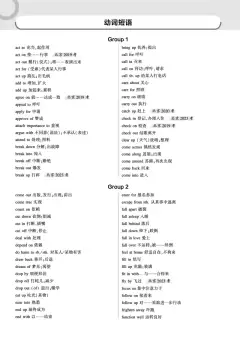
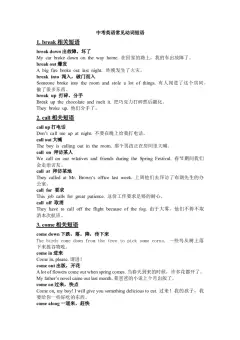
- 中考英语常见动词短语及练习(内蒙古中考赠品)
- 中考复习专项(八)—动词和动词短语--答案
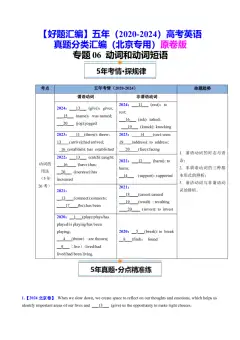
- 2024高考英语专题06动词和动词短语(学生版)
- 2024高考英语专题06动词和动词短语(教师版)
- 2025届高三英语一轮复习核心语法知识讲义06 动词与动词短语精讲精练(学生版,人教版2019)
- 2025高考英语二轮复习动词动词短语和介词介词短语讲义专题04解析版
- 2025高考英语二轮复习动词动词短语和介词介词短语练习专题04解析版
- 2024高考英语词汇短语句子重点归纳·高频短语切换记忆(解析)
- 2025高考英语专题06动词和动词短语(北京专用)(学生版)
- 2025高考英语二轮复习动词动词短语和介词介词短语讲义专题04原卷版
- 2025高考英语二轮复习动词动词短语和介词介词短语练习专题04原卷版
- 四六级最常用短语
- 2025中考英语核心短语与搭配速记
- 2025高考英语专题06动词和动词短语(北京专用)(教师版)
- 高考英语核心短语背记手册外研版2019必修一至选必四天津专版
- 2025届高三英语一轮复习核心语法知识夯基:06动词与动词短语精讲精练(原卷版,人教版必修三)
- 初三(九年级)英语常用动词词组及短语240个(初中五学期汇编·9上下)
- 专项攻坚·英语词汇短语手册
- 2026年中考英语常考考点专题之动词短语
- 50个句子记完4000个英语单词
- 五年高考英语真题专题04动词和动词短语解析版
- 介词短语和动词短语备战2023高考英语考试易错题解析版
- 介词短语和动词短语备战2023高考英语考试易错题原卷版
- 中考英语常用270个动词用法详解(内蒙古中考赠品)
- 专题02动词、动词短语(讲练)(解析版)
- 英语核心词汇手册
- 高考英语易错点纠错练04动词与动词短语辨析原卷版
- 五年高考英语真题专题04动词和动词短语原卷版
- 动词和短语动词精练2024年高考英语一轮复习
- 2025届高三英语一轮复习闯关攻略动词与动词短语精讲精练(解析版·人教版必修三)
- 2025届高三英语一轮复习闯关攻略动词与动词短语精讲精练(解析版·人教版必修二)
- 2025届高三英语一轮复习闯关攻略动词与动词短语精讲精练(解析版·人教版必修一)
- 备战2024中考地理抢分秘籍填图手册36个核心地图加背记手册挖空版秘籍02(全国通用)
- 初中英语核心短语加语法大全中考资料2026
- 高中英语800个有趣句子帮你记忆7000个单词42页
- 2025年高考英语二轮复习练习 专题04 动词、动词短语和介词、介词短语(学生版)新高考通用
- 2024中考英语一轮复习讲练测动词和动词短语第02讲练习解析版(全国通用)