资讯 / 正文
80篇中华文化搞定高考3500个单词·从汽锅鸡的蒸制工艺读起,练说明文阅读主旨与高频词搭配
读完汽锅鸡这篇,可跟一份配套词表顺带过一遍高频词
高二这个阶段,最怕的不是哪一科难,而是孩子心里先认了输:英语阅读一看到长句就跳过,越不练越错,越错越不想碰,信心就这么一点点被磨掉。上周和青海海东一位家长聊到,孩子其实不笨,就是被“偏科”两个字压得抬不起头,骂也骂了、鼓励也鼓励了,却始终没形成一个能稳住的小策略。其实这时候最需要的不是猛刷套卷,而是换一条低门槛的路——今天这篇讲云南汽锅鸡的说明文,篇幅短、生词密度合适、句子结构清楚,正好让孩子在真实语境里把 connect、preserve 这些高频词“用”起来,先找回“我能读懂一段”的感觉。
Yunnan's Culinary Treasure: Steam Pot Chicken: A Healthy Steaming Tradition Explored?
A traditional dish from Yunnan province, Steam Pot Chicken (Qiguoji), is gaining attention for its unique cooking method. Unlike boiling or roasting, chefs use a special ceramic(陶瓷的) pot with a central chimney. Steam rises through the chimney, cooking the chicken gently. This process keeps the meat tender and the broth(肉汤) rich, making the dish both healthy and delicious.
The preparation requires careful marination with ginger, garlic, and rice wine. Key ingredients(原料) include goji berries and Yunnan wild mushrooms, which add flavor and health benefits. Some recipes also include Chinese medicinal(药用的) herbs like ginseng(人参). The steaming takes several hours, allowing aromas to fully infuse. Because no extra oil is needed, the dish is low in fat but high in natural taste. Local chefs claim this method preserves the chicken's natural juices better than other techniques.
Steam Pot Chicken represents Yunnan's heritage(遗产) and hospitality(好客). It is often served during family gatherings and festivals, symbolizing warmth and tradition. This steaming technique shows the creativity of local cooks. For young people learning about traditional foods, Steam Pot Chicken offers a delicious way to connect with Chinese culture and healthy eating.
云南美食瑰宝:汽锅鸡:探索健康的蒸制传统?
一道来自云南省的传统菜肴——汽锅鸡,正因其独特的烹饪方法而备受关注。与煮或烤不同,厨师使用一种带有中心烟囱的特殊陶锅。蒸汽通过烟囱上升,温和地烹煮鸡肉。这一过程使肉质鲜嫩、汤汁浓郁,让这道菜肴既健康又美味。
制作时需要仔细腌制,使用姜、蒜和米酒。关键配料包括枸杞和云南野生蘑菇,它们增添了风味和健康益处。一些食谱还加入人参等中药材。蒸制过程需要几个小时,让香气充分渗透。由于不需要额外加油,这道菜脂肪含量低,但天然味道浓郁。当地厨师称,这种方法比其它技术更好地保留了鸡肉的原汁。
汽锅鸡代表了云南的传统与好客。它常出现在家庭聚会和节日中,象征着温暖与传承。这种蒸制技术展现了当地厨师的创造力。对于正在学习传统美食的年轻人来说,汽锅鸡提供了一种连接中国文化与健康饮食的美味方式。
选择题
完型填空题
本文高考高频词
/kəˈnekt/ | |
/ˈɒfə/ | |
/prɪˈzɜːv/ | |
/ˌreprɪˈzent/ | |
/rɪˈkwaɪə/ | |
/ˈtreʒə/ | |
/juːˈniːk/ | |
/waɪld/ |
这篇里最值得停的词
先盯 preserve。这个词在本文里是“保留、保住”的意思:this method preserves the chicken's natural juices better than other techniques,说的是蒸制工艺比别的做法更能保住鸡肉的原汁。考试里它常出现在说明文和环保类阅读中,搭配有 preserve the tradition / preserve natural resources / preserve food,完形里也常和 protect、reserve、observe 放在一起做形近干扰,学生容易看走眼。另外两个词也值得顺手带过:represent 在这里是“代表”,represents Yunnan's heritage,阅读里常考“represent + 名词”表示象征意义;require 是“需要”,requires careful marination,常跟动名词或 that 从句,写作里也用得上。
为什么要在语境里学
孤立背“preserve=保存”,到了句子里就分不清是“保存食物”还是“保护传统”。可放在汽锅鸡这段话里,孩子一眼能看到“方法—保住—原汁”这条逻辑链,词义是跟着句子站住的。说明文尤其如此:高频词往往不是难词,而是熟词在具体搭配里的意思。把词放回流动的上下文,记的是“怎么用”,不是“背过没有”,这对怕失败、不敢下笔的孩子来说,门槛低得多。
怎么用这篇
第一步,读前先圈词。 让孩子在短文里圈出 preserve、represent、require 三个词,先猜意思再对词表,猜错也没关系,重点是“敢猜”。家长只需问一句“你从哪句看出来的”,不用纠对错。
第二步,读后做一次“换词检验”。 把 preserves the chicken's natural juices 里的 preserve 换成 keep,问孩子意思变没变、语气差在哪。这一步练的是搭配感,能说出“preserve 更强调保住、不流失”就算过关。
第三步,周测或课堂小练用“一句仿写”收口。 让学生用 represent 写一句介绍家乡食物的话,比如 This dish represents the warmth of my hometown. 写对主谓、用对词义即达标。家里练和课堂讲都能直接搬,练的是“读懂了还能用出来”,正反馈就藏在这一句里。
相关文档
- 每天10个英语单词搞定四六级
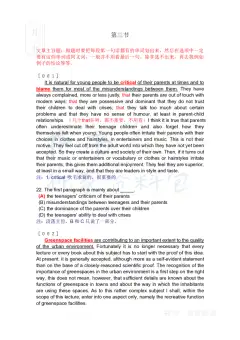
- 2024年高考英语阅读理解备考策略专项复习:专题03阅读理解之说明文主旨类
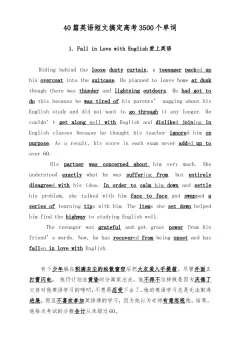
- 40篇英语短文搞定高考3500个单词
- 十天搞定考研单词默写本
- 英语四六级5天搞定1000个高频词
- 八招搞定四级阅读大学英语四六级
- 高中英语:40篇短文搞定高考英语3500单词
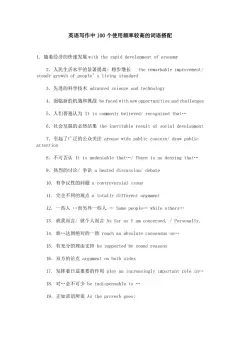
- 英语四六级写作100个高频词语搭配
- 六级阅读主旨题大学英语四六级
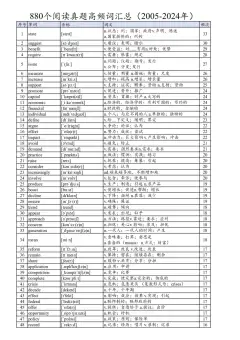
- 考研英语一历年真题阅读800高频词
- 英语26高考英语核心单词固定搭配大汇总速收
- 散文阅读专项练:探究意蕴主旨(专题三十六)
- 专题二 十二 小说阅读专项练·探究主旨意蕴
- CET6高频词汇
- 英语05高中英语单词固定搭配汇编
- 2023高考英语一轮复习讲练测阅读理解主旨大意题练解析版
- 高考英语阅读高频词汇690个
- 热点练03阅读理解之说明文(全国通用)
- 热点练03阅读理解之说明文(全国通用)
- 四级单词串讲
- 四六级单词记忆技巧
- 完形填空必背高频词汇积累(英语背单词学习)
- 大学英语四六级翻译高频词汇和结构
- 新英语六级翻译题常用搭配116条
- 高中英语阅读理解考点分类练10主旨大意题
- 四年级语文上册1-8单元组词与词语搭配高频词汇汇总
- 期末复习之全册重点单词及词性转换进阶练100题(Units1-10,一卷搞定)学生版
- 英语四级236个高频词汇及词组
- 英语阅读402高频词
- 2026中考语文一轮复习古诗文阅读情感主旨(全国适用,原卷)
- 英语四级高频词汇
- CET4高频词汇(33页)
- 2026中考语文一轮复习古诗文阅读情感主旨(全国适用,含答案解析)
- 高中英语阅读理解考点分类练12主旨大意题(3)
- 高中英语阅读理解考点分类练11主旨大意题(2)
- 期末复习之全册重点单词及词性转换进阶练100题(Units1-10,一卷搞定)教师版
- 六级高频词汇乱序简版
- 2025年高考英语完形填空神仙单词123例及高频词语篇训练(教师版)
- 2025年高考英语词汇专项复习 完形填空神仙单词123例及高频词语篇训练 学生版(通用版词汇+3500词汇)
- 高途2026年6月英语四级搞定单词讲义书籍扫描
- 英语21人民日报分享英语50个句子搞定7000单词
- 三步搞定小学英语阅读四阶
- 三步搞定小学英语阅读三阶
- 三步搞定小学英语阅读二阶
- 三步搞定小学英语阅读一阶
- 2024高考语文文学类文本阅读高频考点梳理与训练第9辑小说阅读主旨题专练
- 六级高频词汇(带音标)正序版
- 六级阅读主旨题
- 阅读理解专项练二(说明文+外刊阅读)-2022年新高考英语二轮复习提分秘籍
- 2024年高考英语一轮复习讲练测第18讲阅读理解主旨大意练(解析版)