资讯 / 正文
中考英语1600词精讲打卡 Day81
中考英语1600词精讲打卡 Day81 | Under~Zoo
每日15词 · 打卡第81天/共100天
各位家长好,我是孙老师,做了16年的英语培训和研究,带过的学生少说也有上千人了。
做到第81天,咱们已经攒下1200个词了。我发现很多孩子越到后面越容易犯一个毛病:简单词想当然,以为"早就认识"就不复习。 可中考偏偏就爱在这些"眼熟"的词上挖坑——比如 use 和 used 差一个字母,考点天差地别。
今天这15个词(under~zoo),单看每一个都简单,凑到一起全是"小陷阱"。往下看,我一个个给你拆。
关注「帝都英语提分孙老师」,每天早上推送,一天都不错过。
今日词汇清单
under | underground | unhappy | unit | university | up | upstairs | us | use | used | your | yourself | zebra | zero | zoo
逐词精讲
1. under(prep.)
释义: 在……下面;少于(数字/年龄)
💡 记忆妙招: 和 over 成对记:under 在下面,over 在上面。想象一个跷跷板,一头压下去是 under,弹起来是 over。再记一个口诀:"上 over、下 under,年龄数字它俩管。"
📌 高频搭配:
under the tree在树下 → e.g. The children are playing under the big tree. 孩子们正在大树下玩耍。under 18未满18岁 → e.g. People under 18 are not allowed to drive a car. 未满18岁的人不允许开车。under the desk在书桌下面 → e.g. My cat likes to sleep under the desk. 我的猫喜欢睡在书桌下面。
📝 典型例句: The football is under the chair. 足球在椅子下面。
⚠️ 易错考点: under 的反义词是 over(在……上面)。表示"在……正下方"用 under;"在……正上方"用 over。另外 under 可以表示"不足、少于",如 under 16(不到16岁),此时反义词是 over(超过)。
2. underground(adj./n./adv.)
释义: 地下的;地铁(= the subway);在地下
🔍 构词记忆: under(在……下面)+ ground(地面)→ 地面下面的 → 地下的。同构词:undersea(海底的)、overhead(头顶上的)。
💡 记忆妙招:under(下面)+ ground(地面)= 地面底下。伦敦的地铁叫 underground,北京叫 subway,其实一个意思——都在地底下跑。看到它就想到"轰隆隆开进地下的火车"。
📌 高频搭配:
by underground乘地铁 → e.g. I usually go to school by underground. 我通常乘地铁上学。an underground train地铁列车 → e.g. The underground train is fast and convenient. 地铁列车又快又方便。underground parking地下停车场 → e.g. We parked the car in the underground parking lot. 我们把车停在了地下停车场。
📝 典型例句: In London, many people take the underground to work every day. 在伦敦,许多人每天乘地铁上班。
⚠️ 易错考点: underground 在英式英语里专指"地铁",前面常加 the(take the underground);美式英语用 the subway。作名词时注意:take the underground 乘车用 take,不用 by;只有说 by underground 时才直接加名词。
3. unhappy(adj.)
释义: 不高兴的;不快乐的(= sad)
🔍 词根拆解: un-(表否定)+ happy(快乐的)→ 不快乐的。同根词:unusual(不寻常的)、unhealthy(不健康的)、unlucky(不幸的)。un- 是中考高频否定前缀。
💡 记忆妙招: 记住一个万能公式:un- 开头,意思翻个跟头。happy 变 unhappy,lucky 变 unlucky,healthy 变 unhealthy——加个 un-,全都变成反面。一次记住一串词。
📌 高频搭配:
look unhappy看起来不高兴 → e.g. Why do you look unhappy today? 你今天为什么看起来不高兴?be unhappy about/with对……不满意 → e.g. She was unhappy with her exam results. 她对她的考试成绩不满意。
📝 典型例句: He felt unhappy because he lost his favourite pen. 他因为丢了最喜欢的钢笔而感到不开心。
⚠️ 易错考点: unhappy 的反义词是 happy,同义词是 sad。注意 un- 不能随便加:中考常考的是 unhappy、unusual、unhealthy、unfair、unlucky 这几个。写作时"不开心"别只会写 sad,写 unhappy 更高级。
4. unit(n.)
释义: 单元;(课本的)单元;(计量)单位
💡 记忆妙招: 看到 unit 就想到课本目录——Unit 1、Unit 2……每个单元是一小块。unite(联合)是"合成一体",unit 是"组成一体的一块"。数学里的"单位"也是它。
📌 高频搭配:
Unit 3第三单元 → e.g. We are going to learn Unit 3 next week. 我们下周要学习第三单元。a unit of length长度单位 → e.g. Meter is a unit of length. 米是一个长度单位。the family unit家庭单位 → e.g. The family is the basic unit of society. 家庭是社会的基本单位。
📝 典型例句: Please review Unit 4 before the exam. 考试前请复习第四单元。
⚠️ 易错考点: unit 首字母在课本标题里大写(Unit 3),但在句中作普通名词时小写。它的形容词是 united(联合的),别混。
5. university(n.)
释义: 大学(综合性大学)
🔍 词根拆解: uni-(一)+ vers(转)+ -ity(名词后缀)→ 把知识"统一转到一起"的地方 → 大学。同根词:unite(联合)、universal(普遍的)。
💡 记忆妙招: 和 college 对比记:university 是"综合大学"(规模大、院系多),college 是"学院/专科院校"。再记一个中考送分点:虽然 university 首字母是元音字母 u,但读 /ˌjuːnɪˈvɜːsəti/,开头是辅音 /j/,所以前面用 a,不用 an。
📌 高频搭配:
go to university上大学 → e.g. My sister wants to go to university in Beijing. 我姐姐想去北京上大学。a university student大学生 → e.g. He is a university student majoring in English. 他是一名英语专业的大学生。at university在大学里 → e.g. They met each other at university. 他们是在大学里认识的。
📝 典型例句: I hope to study in a famous university after I graduate from high school. 我希望高中毕业后去一所著名大学学习。
⚠️ 易错考点:超高频考点:a university 而不是 an university! 因为 u 在 university 里读 /juː/,是辅音音素开头。同类词还有 a useful book、a one-hour trip。判断用 a/an 看发音不看字母。
6. up(adv./prep.)
释义: 向上;起床;沿着……往上
💡 记忆妙招: up 和 down 是一对"电梯词":按 up 上楼,按 down 下楼。get up(起床)、stand up(起立)、look up(抬头/查字典),一个 up 到处跑。
📌 高频搭配:
get up起床 → e.g. I get up at six every morning. 我每天早上六点起床。stand up起立 → e.g. Please stand up when the teacher comes in. 老师进来时请起立。look up抬头看;查阅 → e.g. You can look up the new words in the dictionary. 你可以查字典找这些生词。
📝 典型例句: The little boy stood up and answered the question bravely. 小男孩站起来勇敢地回答了问题。
⚠️ 易错考点: up 组成的动词短语是中考完形填空的重灾区:get up(起床)、stand up(起立)、look up(查阅)、give up(放弃)、turn up(调大音量)、pick up(捡起)。记住这些,考场上不丢分。
7. upstairs(adv./adj.)
释义: 在楼上;往楼上;楼上的
🔍 构词记忆: up(向上)+ stairs(楼梯)→ 顺着楼梯向上 → 在楼上。反义词:downstairs(在楼下)。
💡 记忆妙招: 拆开看:up(上)+ stairs(楼梯)= 上楼。downstairs 就是"下楼"。记住一对反义词:upstairs ↔ downstairs,就像上下铺的关系。
📌 高频搭配:
go upstairs上楼 → e.g. She went upstairs to do her homework. 她上楼去做作业了。the upstairs room楼上的房间 → e.g. The upstairs room is my study. 楼上的那个房间是我的书房。
📝 典型例句: My bedroom is upstairs, next to my parents'. 我的卧室在楼上,挨着父母的房间。
⚠️ 易错考点: upstairs 和 downstairs 本身就是副词,前面不能加 to(go upstairs 上楼,不能说 go to upstairs)。作形容词修饰名词时放名词前:an upstairs window(楼上的窗户)。
8. us(pron.)
释义: 我们(we 的宾格)
🔍 构词记忆: we 是主格(作主语),us 是宾格(作宾语)。类似变化:I→me、he→him、she→her、they→them。
💡 记忆妙招: 口诀:"主格站前面,宾格躲后面"。we 站在动词前当主语,us 躲在动词或介词后当宾语。Let's(let us)= "让咱们"。
📌 高频搭配:
with us和我们一起 → e.g. Would you like to have dinner with us tonight? 你今晚想和我们一起吃晚饭吗?help us帮助我们 → e.g. The teacher always helps us with our English. 老师总是帮助我们学英语。Let's...让咱们…… → e.g. Let's go to the park this Sunday. 咱们这个星期天去公园吧。
📝 典型例句: Our parents take good care of us at home. 我们的父母在家把我们照顾得很好。
⚠️ 易错考点: 主格/宾格辨析是中考必考点:作主语用 we(We are students),作宾语用 us(The teacher teaches us)。介词后也一定是宾格:for us、to us、with us。Let's 是 let us 的缩写。
9. use(v./n.)
释义:使用;用途(n.)
💡 记忆妙招: 把 use 想成"一把钥匙"——key 是用来开门用的,use 就是"用"。由它变出的 used 有三个身份,是中考最大考点之一,下面单独讲。
📌 高频搭配:
use sth to do用某物做某事 → e.g. We use scissors to cut paper. 我们用剪刀剪纸。make good use of充分利用 → e.g. You should make good use of your time at school. 你应该充分利用在学校的时光。be useful to对……有用 → e.g. This dictionary is useful to English learners. 这本词典对英语学习者很有用。
📝 典型例句: May I use your phone for a moment? 我可以用一下你的手机吗?
⚠️ 易错考点: **use /juːz/(动词,读 z)与 use /juːs/(名词,读 s)**发音不同。它的大考点全在 used 上,看下一个词。
10. used(adj./v.)
释义: 用过的(adj.);习惯于;过去常常
💡 记忆妙招:一句话分清三兄弟:
used to do过去常常做(现在不做了)be used to doing习惯于做(= be accustomed to)be used to do被用来做(被动语态)
口诀:"过去常常 to do,习惯常做 ing,被动仍是 to do。"
📌 高频搭配:
used to do过去常常 → e.g. I used to play basketball after school. 我以前放学后常打篮球。(现在不打了)be used to doing习惯于 → e.g. She is used to getting up early now. 她现在习惯早起了。be used to do被用来做 → e.g. Wood is used to make paper. 木头被用来造纸。a used car二手车 → e.g. They bought a used car at a low price. 他们低价买了一辆二手车。
📝 典型例句: He used to walk to school, but now he rides a bike. 他过去常常步行上学,但现在骑自行车了。
⚠️ 易错考点:use/used 辨析是中考单选超高频题:① used to do 后接动词原形,表"过去常常";② be used to doing 后接动名词,表"习惯于";③ be used to do 是"被用来"。注意 used to 的否定是 didn't use to 或 usedn't to。
11. your(pron.)
释义: 你的;你们的(形容词性物主代词)
💡 记忆妙招: 物主代词三兄弟要一起记:your(你的)→ yours(你的东西)→ yourself(你自己)。your 后面必须跟名词,yours 后面什么都不跟。
📌 高频搭配:
your name你的名字 → e.g. What's your name, please? 请问你叫什么名字?your own你自己的 → e.g. You should make your own decision. 你应该自己做决定。your homework你的作业 → e.g. Please hand in your homework on time. 请按时交作业。
📝 典型例句: Is this your bike or your brother's? 这是你的自行车还是你哥哥的?
⚠️ 易错考点:your(形容词性物主代词)后面必须接名词;换成名词性物主代词 yours 就独立使用:This book is yours.(这本书是你的。)"你的朋友"是 your friend,不能写成 yours friend。
12. yourself(pron.)
释义: 你自己(反身代词)
🔍 构词记忆: your + self(自己)→ 你自己。复数形式 yourselves(你们自己)。同族词:myself、himself、herself、itself、ourselves、themselves。
💡 记忆妙招:your(你的)+ self(自己)= 你自己。复数要变"你们自己",把 your 变复数加 yourselves。口诀:"单数 self,复数 selves。"
📌 高频搭配:
by yourself独自;靠自己 → e.g. Can you finish the work by yourself? 你能独自完成这项工作吗?help yourself to随便吃;自取 → e.g. Help yourself to some fruit, please. 请随便吃点水果。enjoy yourself玩得开心 → e.g. Enjoy yourself at the party tonight! 今晚在聚会上玩得开心!
📝 典型例句: You should believe in yourself before you ask others for help. 在向别人求助之前,你应该相信自己。
⚠️ 易错考点: 反身代词常与 enjoy、help、look after、dress 等连用:enjoy oneself(玩得开心)、dress oneself(自己穿衣服)。注意 yourselves 是复数(对多人说),"你们自己"不能写成 yourself。
13. zebra(n.)
释义: 斑马
💡 记忆妙招: 谐音记忆:"zebra"≈"吉卜拉"——看到"斑马"就想到它一身黑白条纹像"吉普车+布拉拉"。或者记:zoo(动物园)里住着 zebra(斑马),两个 z 开头的词是邻居。
📌 高频搭配:
zebra crossing斑马线 → e.g. We should cross the road at the zebra crossing. 我们应该在斑马线上过马路。a herd of zebras一群斑马 → e.g. A herd of zebras ran across the grassland. 一群斑马跑过草原。
📝 典型例句: The zebra has black and white stripes on its body. 斑马身上有黑白条纹。
⚠️ 易错考点: 复数形式直接加 s:zebras。zebra crossing(斑马线)是高频搭配,中考阅读里见到要能立刻反应过来。
14. zero(num./n.)
释义: 零;零点;毫无
💡 记忆妙招: 谐音记忆:"zero"≈"贼肉"——考了零分,回家就得"挨揍"(zero 谐音"贼肉")。这样一想,零分多可怕,单词就记住了。
📌 高频搭配:
zero point零点 → e.g. The temperature will drop below zero tonight. 今晚气温将降到零度以下。below zero零度以下 → e.g. It's ten degrees below zero today. 今天气温是零下十度。
📝 典型例句: Three minus three equals zero. 三减三等于零。
⚠️ 易错考点: zero 在表示"电话号码、比分"时读法灵活。**below zero 表示"零下"**是中考常考表达。另外温度表达:minus five degrees(零下5度)。
15. zoo(n.)
释义: 动物园
💡 记忆妙招:zoo 里住着 zebra(斑马),两个词都是 z 开头,像动物园门口的字母标牌。谐音联想:去 zoo 看动物,"祝"你玩得开心。
📌 高频搭配:
go to the zoo去动物园 → e.g. We are going to the zoo this Saturday. 我们这周六要去动物园。at the zoo在动物园 → e.g. The children had a good time at the zoo. 孩子们在动物园玩得很开心。the Beijing Zoo北京动物园 → e.g. The Beijing Zoo is famous for its pandas. 北京动物园以大熊猫闻名。
📝 典型例句: There are many animals in the zoo, such as lions, tigers and monkeys. 动物园里有许多动物,比如狮子、老虎和猴子。
⚠️ 易错考点: 复数 zoos(直接加 s,不是 z oes)。go to the zoo 要加 the,除非是固定专名。作文写"参观动物园"别忘冠词。
今日小结(15词速记回顾)
今日重点提醒: 今天最常考的3个考点——①a university / a useful book:看发音不看字母,u 读 /ju:/ 用 a;②use 家族三兄弟:used to do(过去常常)/ be used to doing(习惯于)/ be used to do(被用来);③your/yours/yourself 三个物主代词别混用。这三个记住,今天就没白学!
教学贴士
别小看简单词:今天这15个词,很多孩子小学就"认识",但真正到考场上,under/up 组成的介词短语、use 的三兄弟辨析,恰恰是失分重灾区。建议让孩子把今天梳理的固定搭配(get up、look up、make good use of、by yourself、enjoy yourself 等)抄在卡片上,每天翻一遍,比死背单词表管用得多。
成对记、成串记:under↔over、upstairs↔downstairs、happy↔unhappy、zebra 和 zoo——反义词和"同类词"放在一起记,记忆效率翻倍。让孩子自己动手把这些词对写在纸上,再各造一个句子,效果比抄写强10倍。
📚 家长专属福利
您家孩子还在纠结 "an university" 还是 "a university" 吗? 今天光这一个考点,就够让一个孩子在中考单选上白白丢2分。加我微信,告诉我孩子的3个信息:
① 当前年级(如:初三) ② 所在城市(如:北京) ③ 最近一次英语成绩(如:75分)
收到后,我会在24小时内,根据孩子情况发有针对性的学习建议和资料—— 不是通用PDF,是具体到孩子情况的方案。
📱 加孙老师微信
我是孙老师,做了16年的英语培训和研究,专注中高考英语提分。
加了微信之后,回复孩子的3个信息,我会主动联系你。
觉得有用?点个「在看」,顺手转发给身边正在愁孩子英语的家长。
关注「帝都英语提分孙老师」,每天推送中考英语词汇精讲,连载100天,带孩子搞定1600词。
#中考英语 #英语词汇 #中考备考 #初中英语 #英语学习 #帝都英语培训
相关文档
- 2027中考英语新课标1600词背诵版+默写版:专题05 30天熟记中考课标1600词Day25~Day30知识清单(默写版)
- 中考英语新课标1600词30天熟记Day25~Day30知识清单背诵版(2027)
- 中考英语新课标1600词30天熟记Day19~Day24知识清单默写版
- 中考英语新课标1600词30天熟记Day19~Day24知识清单背诵版
- 中考英语新课标1600词 30天熟记 Day13~Day18 知识清单默写版
- 中考英语新课标1600词30天熟记Day7~Day12知识清单(背诵版)
- 中考英语新课标1600词30天熟记 Day1~Day6 知识清单 默写版
- 中考英语新课标1600词30天熟记 Day1~Day6 知识清单 背诵版
- 中考英语大纲1600词乱序版每周计划表词汇背诵资料
- 2026年人教版中考英语一轮复习帮你记1600词Day 12 英翻中(含音频、音标、翻译默写版)
- 2026年人教版中考英语一轮复习帮你记1600词Day 12 全版(含音频、音标、翻译默写版)
- 2026年人教版中考英语一轮复习帮你记1600词Day 12 中翻英(含音频、音标、翻译默写版)
- 初中英语中考1600词(内蒙古中考赠品)
- 中考英语第十二讲百日打卡形容词2(原卷版)
- 中考英语百日打卡第十二讲形容词2解析版(2024邦你学)
- 中考英语百日打卡第五十八讲形容词辨析解析版(2024邦你学)
- 中考英语百日打卡第五十七讲形容词辨析解析版(2024邦你学)
- 中考英语百日打卡第五十八讲形容词辨析原卷版(2024邦你学)
- 中考英语百日打卡第五十七讲形容词辨析原卷版(2024邦你学)
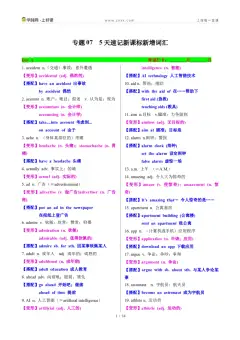
- 中考英语新课标1600词专题07 5天速记新课标新增词汇知识清单默写版
- 中考英语新课标1600词专题07 5天速记新课标新增词汇知识清单背诵版
- 2027《中考英语·新课标1600词》背诵版+默写版:专题06中考热点话题词汇必备知识清单默写版
- 2027《中考英语·新课标1600词》背诵版+默写版:专题06中考热点话题词汇必备知识清单记背版
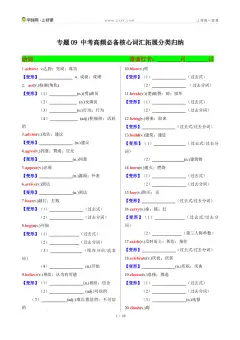
- 2027中考英语新课标1600词背诵版+默写版:专题09中考高频核心词汇拓展分类归纳知识清单(默写版)
- 2027中考英语新课标1600词背诵版+默写版:专题09中考高频核心词汇拓展分类归纳知识清单(背诵版)
- 中考英语高频必备易错易混短语梳理 专题08 知识清单(默写版)
- 2026秋初中英语中考高频必备易错易混短语梳理知识清单背诵版(新课标1600词背诵版+默写版)
- 中考英语新课标1600词背诵版+默写版:专题01七至九年级教材词汇梳理知识清单人教版默写版
- 人教版七至九年级教材词汇梳理知识清单(纯单词背诵版) 2026秋初中教辅 中考英语新课标1600词背诵版+默写版
- 中考英语第十一讲百日打卡形容词1(解析版)
- 中考英语百日打卡第十一讲形容词1原卷版(2024邦你学)
- 中考英语1600词汇详解版
- 初中英语60篇短文搞定1600词
- 中考英语1600个高频词汇大纲表词汇背诵资料
- 中考1600按词性分类
- 中考英语1600按话题分类速记
- 中考1600词汇单词默写版
- 1600中考词汇分类速记表
- 初中英语词汇1600(详解)
- 中考词汇1600(内蒙古中考赠品)
- 中考英语1600词汇总详解(内蒙古中考赠品)
- 中考英语1600按话题分类速记(内蒙古中考赠品)
- 2026法考孟献贵民法精讲卷打卡表完结
- 中考英语1600词汇详解教师版(内蒙古中考赠品)
- 中考1600按词性分类(内蒙古中考赠品)
- 中考英语词汇1600(内蒙古中考赠品)
- 众合精讲卷打卡表三国法杨帆完结
- 众合杨帆三国法精讲书打卡表
- 学而思刘飞飞新概念一中考1600词汇对照表带音标
- 2025年高考英语3500词100天打卡练习专项复习(含答案13页)
- 26法考精讲卷打卡表刑法更新中
- 中考1600词汇单词默写版(内蒙古中考赠品)
- 众合精讲卷刑法柏浪涛
- 中考英语1600词汇对照表带音标超完整版(内蒙古中考赠品)
- 2026年法考客观题众合专题讲座精讲卷 民法-孟献贵视频+讲义+每日计划+打卡表完结
- 众合柏浪涛刑法精讲复盘导图
- 2026法考众合主观基础精讲打卡案例汇总民法
- 2026高考英语语法精选精讲精练:专题16 形容词、副词讲义(教师版)
- 中考英语百日打卡第八十讲完形填空5解析版(2024邦你学)
- 中考英语百日打卡第八十讲完形填空5原卷版(2024邦你学)
- 中考英语百日打卡第五十讲情景交际2解析版(2024邦你学)
- 中考英语百日打卡第五十讲情景交际2原卷版(2024邦你学)
- 中考英语百日打卡第五十六讲名词辨析解析版(2024邦你学)
- 中考英语百日打卡第五十五讲名词辨析解析版(2024邦你学)
- 中考英语百日打卡第九十六讲作文1解析版(2024邦你学)
- 中考英语百日打卡第九十六讲作文1原卷版(2024邦你学)
- 中考英语百日打卡第九十八讲作文3解析版(2024邦你学)
- 中考英语百日打卡第九十八讲作文3原卷版(2024邦你学)
- 中考英语百日打卡第九十九讲作文4解析版(2024邦你学)
- 中考英语百日打卡第九十九讲作文4原卷版(2024邦你学)
- 中考英语百日打卡第九十七讲作文2解析版(2024邦你学)
- 中考英语百日打卡第九十七讲作文2原卷版(2024邦你学)
- 中考英语百日打卡第一百讲作文5解析版(2024邦你学)
- 中考英语百日打卡第一百讲作文5原卷版(2024邦你学)
- 2026法考众合主观基础精讲打卡小案例汇总刑法
- 2026法考众合主观半年基础精讲打卡民法6月6日题目
- 2026法考众合主观半年基础精讲打卡民法6月6日答案
- 2026法考众合主观半年基础精讲打卡民法6月5日题目
- 2026法考众合主观半年基础精讲打卡民法6月5日答案
- 2026法考众合主观半年基础精讲打卡民法6月4日题目
- 2026法考众合主观半年基础精讲打卡民法6月4日答案
- 2026法考众合主观半年基础精讲打卡刑法6月18日题目
- 2026法考众合主观半年基础精讲打卡刑法6月18日答案
- 2026法考众合主观半年基础精讲打卡刑法6月17日题目
- 2026法考众合主观半年基础精讲打卡刑法6月17日答案
- 2026法考众合主观半年基础精讲打卡刑法6月16日题目
- 2026法考众合主观半年基础精讲打卡刑法6月16日答案
- 2026法考众合主观半年基础精讲打卡刑法6月15日题目
- 2026法考众合主观半年基础精讲打卡刑法6月15日答案
- 中考英语百日打卡第四十六讲特殊句式2解析版(2024邦你学)
- 中考英语百日打卡第四十六讲特殊句式2原卷版(2024邦你学)
- 中考英语百日打卡第四十八讲连词2解析版(2024邦你学)
- 中考英语百日打卡第四十八讲连词2原卷版(2024邦你学)
- 中考英语百日打卡第四十五讲特殊句式1解析版(2024邦你学)
- 中考英语百日打卡第四十五讲特殊句式1原卷版(2024邦你学)
- 中考英语百日打卡第四十九讲情景交际1解析版(2024邦你学)
- 中考英语百日打卡第四十九讲情景交际1原卷版(2024邦你学)
- 中考英语百日打卡第四十七讲连词1解析版(2024邦你学)
- 中考英语百日打卡第四十七讲连词1原卷版(2024邦你学)
- 中考英语百日打卡第五十六讲名词辨析原卷版(2024邦你学)