资讯 / 正文
李国刚:研究英语40年:中考英语真正拉分的,是“双视角”应试思维
<section><span leaf=""><span textstyle="" style="color: rgb(250, 83, 89); font-weight: bold">点击关注「李国刚的教育笔记」,每天与你一起成长!</span></span></section><section class="custom_select_card_wrp mp_profile_iframe_wrp" nodeleaf=""><mp-common-profile class="mpprofile js_uneditable custom_select_card mp_profile_iframe" data-pluginname="mpprofile" data-nickname="李国刚的教育笔记" data-alias="lgg-education" data-from="0" data-headimg="http://mmbiz.qpic.cn/sz_mmbiz_png/EBNPWrdslrlRqkq3cOBbVPEGhAC6piaywhHPHpNAJbPcbGBdmNgAWpp5aLLiaZtt02v0j91VUOFmMJicelAWAOkGg/0?wx_fmt=png" data-signature="特级教师,深耕教研近四十年。
聚焦高品质课堂构建、课堂管理、家校共育,分享初中英语中考教学实操,供一线教师参考。" data-id="MzYzNTAzMDY3OA==" data-is_biz_ban="0" data-service_type="1"></mp-common-profile></section><section><span leaf=""><span textstyle="" style="color: rgb(77, 191, 64); font-weight: bold">育人心不改,深耕伴成长。</span></span></section><section><span leaf=""><span textstyle="" style="color: rgb(77, 191, 64); font-weight: bold">携手同精进,陪亲育新苗。</span></span></section><section><span leaf=""><span textstyle="" style="color: rgb(77, 191, 64); font-weight: bold">------------</span></span></section><section><span leaf=""><br /></span></section><section><span leaf=""><span textstyle="" style="font-size: 20px; color: rgb(51, 51, 51); font-weight: bold">有老师咨询:</span></span></section><section style="text-align: center" nodeleaf=""><img data-src="https://mmbiz.qpic.cn/sz_mmbiz_jpg/TLj0C06vdHzPE84cIcSJPicKIHr2BVqj2Bqia1mKdnk1p3EgnEdd8O7aXX7El8PIpO3ic2WWSKicL64k3kyrPRyVxHCxGDOJbpkx6P4qD45WESM/640?wx_fmt=jpeg" class="rich_pages wxw-img" data-ratio="1.5029797554016113" data-type="jpg" data-w="839" type="block" data-aiimagesource="0" /></section><section><span leaf=""><br /></span></section><section><span leaf=""><br /></span></section><section><span leaf=""><span textstyle="" style="font-size: 20px">研究河北中考英语近四十年,我越来越确信一件事:很多孩子单词不差、语法不弱、题也没少刷,分数却总卡在中上等。问题往往不在知识储备,而在应试思维没成型。</span></span><span leaf=""><br /></span></section><section><span leaf=""><br /></span></section><section><span leaf=""><span textstyle="" style="font-size: 20px; color: rgb(153, 153, 153)">普通学生拼积累,优等生拼思维。中考英语拼到最后,不只是谁背得多、练得勤,更是谁更懂命题、更懂阅卷、更懂考场得分逻辑。</span></span><span leaf=""><br /></span></section><section><span leaf=""><br /></span></section><section><span leaf=""><span textstyle="" style="font-size: 20px">我说的应试思维,不是投机取巧,也不是套路秒杀。就两句话:</span></span><span leaf="" style="color:#333333;font-size:17px;font-family:-apple-system, BlinkMacSystemFont, "Helvetica Neue", "PingFang SC", "Hiragino Sans GB", "Microsoft YaHei UI", "Microsoft YaHei", Arial, sans-serif;line-height:1.6;letter-spacing:0.034em;font-style:normal;font-weight:normal;"><span textstyle="" style="color: rgb(250, 83, 89); font-weight: bold">以</span></span><span leaf=""><span textstyle="" style="font-size: 20px; color: rgb(250, 83, 89); font-weight: bold">命题人之心审题,以阅卷人之心答题。</span></span><span leaf=""><br /></span></section><section><span leaf=""><br /></span></section><section><span leaf=""><span textstyle="" style="font-size: 20px">很多学生做题是“我看到什么就做什么”;有应试思维的学生做题,是“命题人想考什么,我就答什么”。</span></span><span leaf=""><span textstyle="" style="font-size: 20px; color: rgb(250, 83, 89); font-weight: bold">审题时,必须切换命题人视角。</span></span><span leaf=""><span textstyle="" style="font-size: 20px">河北中考英语的每一道题,都不是随手出的。题干里的关键词、语境里的暗示、选项里的陷阱,都有命题人的设计。学生缺这个视角,就容易凭语感、凭眼熟做题,读着通顺就选,看着像就写,最后频频踩坑。</span></span><span leaf=""><br /></span></section><section><span leaf=""><br /></span></section><section><span leaf=""><span textstyle="" style="font-size: 20px">完形填空,考的是上下文逻辑,不是单句语感。从近年河北中考真题来看,完形填空以记叙文为主,弱化纯语法考查,全部聚焦实词辨析(动词、名词、形容词、副词等),且四个选项词性完全一致。命题人设空,考的是转折、因果、递进、并列这些关系,以及原词复现、同义复现。四个选项单独看可能都通,但只有一个能在上下文里站住。普通生读完一句就选,觉得“读着顺”就填;有命题人视角的学生,先通读抓主线,再看空前后:是转折还是顺承,是原因还是结果,上文有没有同义复现的词。完形的答案不在选项里,在上下文里。阅卷人视角更直接:正确答案一定有明确的上下文依据,干扰项往往“局部通顺、全局不通”。做完形不是比谁语感好,是比谁找依据找得准。</span></span></section><section><span leaf=""><br /></span></section><section><span leaf=""><span textstyle="" style="font-size: 20px">看个微型例子。上文提到父亲是个手艺娴熟的修理工,工作很努力,空处句子是“Usually, he ___ early and left the house before it was light.” 选项有 A. got up B. came back C. moved in D. went out。普通生可能觉得四个短语单看都通顺,凭印象选;但有命题人视角的学生会结合前文“工作努力”和后文“天没亮就出门”的常识,直接锁定“起床”这个动作连贯性。完形的答案,往往就藏在这些上下文的逻辑暗示里。</span></span><span leaf=""><br /></span></section><section><span leaf=""><br /></span></section><section><span leaf=""><span textstyle="" style="font-size: 20px">短文填空,考的不是孤立词形,是语境里的判断。提示词给的空,先定词性,再定时态、语态、单复数;盲填的空,先看空前后缺什么——名词前缺冠词或介词,句子之间缺连词,动词前后缺副词。不是“读着顺”就填,是“结构上缺什么”才填。命题人把空放在那里,考的就是你能不能先读懂上下文再落笔。</span></span><span leaf=""><span textstyle="" style="font-size: 20px">比如盲填题:“He is a good student ___ he is always ready to help others.” 普通生看到前后都是完整的句子,读着也顺,就凭感觉乱填一个连词;但有应试思维的学生会先分析句子结构:两个独立句子之间缺连词,且前后语境是“好学生”和“乐于助人”的顺承并列关系,所以必须填 and。短文填空的盲填,考的就是这种先定结构、再落笔的判断力。</span></span><span leaf=""><br /></span></section><section><span leaf=""><br /></span></section><section><span leaf=""><span textstyle="" style="font-size: 20px">补全对话,考的是交际逻辑,不是单纯语法。河北这道题是无选项填空,5个空,每个空都要学生自己写出一个句子,把话轮接上。命题人给的是一组有来有往的对话:上句问什么功能,下句就要接什么功能。看到一般疑问句,答语从Yes/No起头;看到特殊疑问句,先盯疑问词定方向;看到邀请或建议,接接受或委婉拒绝。答案不求长、不求复杂,3到8个词把话轮接住就行。句子再漂亮,答非所问不得分;短句接住话轮,比长句堆砌更稳。</span></span><span leaf=""><span textstyle="" style="font-size: 20px">看个微型例子。上文:How long have you been learning English? 普通生看到“English”就写“I learn English every day.”,读着也顺;但命题人视角先盯的是How long 问的是时长,答的却是频率,语法没错,但答非所问。有应试思维的学生会写“For about six years.”或“Since I was ten.”。补全对话首先考的是话轮接得上接不上,语法是在接上之后再抠的事。</span></span><span leaf=""><br /></span></section><section><span leaf=""><br /></span></section><section><span leaf=""><span textstyle="" style="font-size: 20px">阅读表达,考的是定位、转换和规范表达。命题人设题,往往在题干里埋限定词:问原因还是问方式,问主旨还是问细节。学生要先回原文定位,再做同义转换,最后按问作答。阅卷人最先看到什么?定位对不对、转换到不到位、人称时态一致不一致、有没有多余信息干扰判断。照抄整段不行,答得太啰嗦也不行。</span></span><span leaf=""><span textstyle="" style="font-size: 20px">再举个微型例子。题干问:Why does the author mention the example in Paragraph 2? 普通生把第二段整句抄上去。有应试思维的学生先定位例子,再找例子前后的观点句,然后用“To show that…”转换作答。阅读表达不是“读懂就行”,而是“找准、转对、写规范”。</span></span><span leaf=""><br /></span></section><section><span leaf=""><br /></span></section><section><span leaf=""><span textstyle="" style="font-size: 20px">书面表达,考的是要点覆盖和逻辑分层,不是单纯堆砌好词好句。命题人给的提示要点,就是阅卷人的打分依据。漏写一个要点,直接扣分;要点写全了,但结构混乱、没有过渡,阅卷人找不到亮点,也拿不到高分档。有应试思维的学生,下笔前先列提纲,把要点按逻辑顺序排好,再用过渡词串联,最后把背过的地道语块嵌进去。不求花哨,但求踩点准、一目了然。</span></span></section><section><span leaf=""><br /></span></section><section><span leaf=""><span textstyle="" style="font-size: 20px">尤其基础薄弱的孩子,知识点难免有漏洞,但只要读懂命题逻辑,避开常设陷阱,基础分就能保住,不至于简单题反复丢分。</span></span><span leaf=""><span textstyle="" style="font-size: 20px; color: rgb(250, 83, 89); font-weight: bold">答题时,必须切换阅卷人视角。</span></span><span leaf=""><span textstyle="" style="font-size: 20px">会写,不等于能得分。考场得分,不是“写得对不对”,而是“阅卷人能不能一眼看到得分点”。</span></span></section><section><span leaf=""><br /></span></section><section><span leaf=""><span textstyle="" style="font-size: 20px">阅卷速度快、任务重,老师没有时间慢慢揣摩你的句子和思路。</span></span><span leaf=""><span textstyle="" style="font-size: 20px">书面表达最明显。有的学生语法没错、内容也全,却拿不到高分。原因很简单:结构乱、句式单、过渡少,得分点藏在一堆句子里,阅卷人找不到亮点。</span></span></section><section><span leaf=""><br /></span></section><section><span leaf=""><span textstyle="" style="font-size: 20px">有应试思维的学生,作文分层清楚、过渡自然,重点句型前置,地道语块亮眼,书写工整干净。不求花哨,但求踩点准、一目了然。</span></span><span leaf=""><br /></span></section><section><span leaf=""><br /></span></section><section><span leaf=""><span textstyle="" style="font-size: 20px; color: rgb(153, 153, 153)">简单说,审题决定上限,答题决定下限。命题人视角,帮学生少做错、不踩坑;阅卷人视角,帮学生多拿分、稳得分。</span></span><span leaf=""><span textstyle="" style="font-size: 20px; color: rgb(153, 153, 153)">后期备考,别只盯着刷题、讲题、改题。更要刻意训练双视角。</span></span></section><section><span leaf=""><br /></span></section><section><span leaf=""><span textstyle="" style="font-size: 20px; color: rgb(250, 83, 89); font-weight: bold">这里给一份可以直接用的训练清单:</span></span><span leaf=""><br /></span></section><section><span leaf=""><br /></span></section><section><span leaf=""><span textstyle="" style="font-size: 20px">1. 做题前30秒:圈题干限定词,问一句“这题想考什么”。</span></span><span leaf=""><br /></span></section><section><span leaf=""><br /></span></section><section><span leaf=""><span textstyle="" style="font-size: 20px">2. 完形填空:先通读抓主线,再逐空找上下文依据;转折、因果、复现,答案都在上下文里,不靠单句语感。</span></span><span leaf=""><br /></span></section><section><span leaf=""><br /></span></section><section><span leaf=""><span textstyle="" style="font-size: 20px">3. 短文填空:提示词先定词性再变形;盲填先看空前后缺冠词、介词、连词还是副词,结构上缺什么才填什么。</span></span><span leaf=""><br /></span></section><section><span leaf=""><br /></span></section><section><span leaf=""><span textstyle="" style="font-size: 20px">4. 补全对话:先定话轮功能,再定答句内容,最后查人称时态,确保接得上、不答非所问。</span></span><span leaf=""><br /></span></section><section><span leaf=""><br /></span></section><section><span leaf=""><span textstyle="" style="font-size: 20px">5. 阅读表达:定位—转换—规范,三步走,不整段照抄,不多写干扰信息。</span></span><span leaf=""><br /></span></section><section><span leaf=""><br /></span></section><section><span leaf=""><span textstyle="" style="font-size: 20px">6. 书面表达:分段—过渡—前置亮点句—书写工整,让得分点一眼可见。</span></span><span leaf=""><br /></span></section><section><span leaf=""><br /></span></section><section><span leaf=""><span textstyle="" style="font-size: 20px">7. 复盘时:不只对答案,多总结“命题人常设的陷阱”和“阅卷人最先看到的得分点”。</span></span><span leaf=""><br /></span></section><section><span leaf=""><br /></span></section><section><span leaf=""><span textstyle="" style="font-size: 20px">积累决定底气,思维决定分数。河北中考英语真正的差距,很多时候不在勤奋程度,而在应试认知。教了四十年英语,我见过太多孩子因为思维没打通,明明很努力却拿不到应有的分数。把双视角练成本能,中考考场上,你自然会比别人多拿几分。</span></span></section><section><span leaf=""><br /></span></section><section><span leaf=""><span textstyle="" style="font-size: 20px; color: rgb(250, 83, 89); font-weight: bold">如果今天的分享触动了您,欢迎点赞,推荐,或把这份思考分享给更多教育路上的同行者。您的每一次传递,都是教育智慧的播撒。</span></span></section><p style="display: none;"><mp-style-type data-value="10000"></mp-style-type></p>
相关文档
- 2026辽宁万唯试题研究英语分层作业本
- 2026版万唯中考试题研究英语(黑龙江)2分层作业
- 2026万唯中考试题研究 英语 辽宁 分层作业本
- 民法李劲松应试薄讲义
- 李梦娇常识判断应试技巧口诀歌:应试口诀歌《都选C》讲义
- 2026版万唯中考试题研究 河北英语 分层作业本
- 2026版万唯中考试题研究云南英语2分层作业本封面
- 2026版万唯中考试题研究贵州英语封面及分层作业本A4
- 2026版万唯中考试题研究贵州英语分层作业本A4
- 2026版万唯中考试题研究河北英语 分层作业本A4
- 2026万唯中考试题研究云南英语分层作业本A4
- 2026版万唯中考试题研究重庆英语分层作业本A4(封面)
- 2026版万唯中考试题研究重庆英语分层作业本A4
- 笔杆子每日晨读6月 0618真正把马克思主义看家本领学到手 主题教育思维导图
- 2026版万唯中考试题研究英语精练本 山东
- 2026版万唯中考试题研究英语精讲本(山东)
- 2026版《万唯中考试题研究》山东英语参考答案
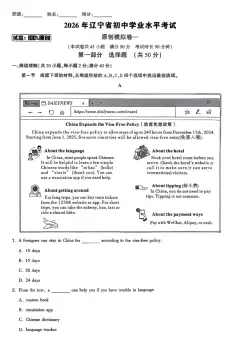
- 2026万唯中考试题研究英语辽宁原创模拟卷
- 2026《万唯中考试题研究》英语(辽宁)参考答案
- 2026版万唯中考试题研究英语(辽宁)早读本
- 2026《万唯中考试题研究》英语(辽宁)3教材词句默写
- 2026万唯中考试题研究英语(辽宁)精讲本
- 2026版万唯中考试题研究:英语词汇默写(山东)
- 2026版万唯中考试题研究:山东英语教材词句默写
- 高考开窍复习与应试思维语言类语文英语史地政考试技术课程
- 2026版万唯中考试题研究英语黑龙江
- 2026万唯中考试题研究黑龙江英语高频写作
- 2026万唯中考试题研究 英语(辽宁)4 高频话题写作
- 2026辽宁万唯试题研究英语原创模拟卷
- 2026辽宁万唯试题研究英语早读本
- 2026万唯中考试题研究福建英语试卷
- 2026版万唯中考试题研究英语(黑龙江)参考答案
- 2026版万唯中考试题研究英语黑龙江 3教材词句
- 2026辽宁万唯试题研究英语参考答案
- 2026辽宁万唯试题研究英语教材词句默写
- 2026辽宁万唯试题研究英语精讲本
- 2026辽宁万唯试题研究英语高频话题写作
- 2026版万唯中考试题研究 福建英语试卷A4
- 2026版万唯中考试题研究英语精讲本(多省合集,含福建语数英物化)
- 2026万唯中考试题研究福建英语随堂小测
- 2026万唯中考试题研究福建英语参考答案
- 2026万唯中考试题研究福建英语高频话题写作
- 2026万唯中考试题研究福建英语分层作业本
- 2023年中考地理冲刺夺分思维导图专题14中国的经济发展口袋书A4规格
- 2023年中考地理冲刺夺分思维导图专题14中国的经济发展口袋书A3规格
- 2023年中考地理冲刺夺分思维导图专题13中国的自然资源口袋书A4规格
- 2023年中考地理冲刺夺分思维导图专题13中国的自然资源口袋书A3规格
- 2023年中考地理冲刺夺分思维导图专题12中国的自然环境口袋书A4规格
- 2023年中考地理冲刺夺分思维导图专题12中国的自然环境口袋书A3规格
- 2023年中考地理冲刺夺分思维导图专题11中国的疆域与人口口袋书A4规格
- 2023年中考地理冲刺夺分思维导图专题11中国的疆域与人口口袋书A3规格
- 2026万唯中考试题研究福建英语听力模拟训练
- 家庭温情类读后续写:圣诞回老家过年讲义(浙江省名校联盟新高考研究)
- 2026万唯中考试题研究福建英语课标主题词汇记背
- 2026李梦圆国考申论抢分急救包 2026国省考押题 2026省考考前押题预测资料包 2026年省考押题范文&素材
- 1试题研究
- 1试题研究
- 2026《万唯中考试题研究》物理(山东)重点题型突破
- 2026版万唯中考试题研究 物理(山东)参考答案
- 2026《万唯中考试题研究》物理(山东)分层精讲本
- 2026万唯中考试题研究物理(山东)分层作业本
- 2027年高考英语一轮复习讲义 专题07易混辨析词汇(拉分盲区·清零)复习讲义(全国通用)学生版
- 1试题研究
- 1试题研究A4
- 1试题研究A4
- 1试题研究A4
- 万唯中考2026试题研究云南英语A4
- 2026万唯中考试题研究山西英语试题
- 2025年监理工程师土建目标应试技巧讲义
- 2026版万唯中考试题研究 山西英语 早读本(多省合集)
- 2023年中考地理冲刺夺分思维导图专题13中国的自然资源口袋书使用说明
- 2023年中考地理冲刺夺分思维导图专题12中国的自然环境口袋书使用说明
- 2023年中考地理冲刺夺分思维导图专题11中国的疆域与人口口袋书使用说明
- 2026版万唯中考试题研究北京英语:5-2语法专题研究
- 1试题研究A4
- 2026版万唯中考试题研究山西英语参考答案(多省合集)
- 2026年一级建造师市政应试技巧李莹HQ版
- 2026版万唯中考试题研究山西英语 教材词汇默写本(多省合集)
- 2026版《万唯中考试题研究》山西英语听力模拟训练
- 2026版万唯中考试题研究山西英语分层作业本
- 2026版万唯中考试题研究贵州英语卷子B4(多省合集)
- 2026版万唯中考试题研究河北英语早读本(封面)
- 2026版万唯中考试题研究云南英语词句默写(封面)
- 2026版《万唯中考试题研究》云南英语模拟卷子B4(封面)
- 2026版《万唯中考试题研究》云南英语模拟卷子B4(多省合集)
- 2026版万唯中考试题研究 贵州英语 早读本B4(语数英物化多省合集)
- 2026版《万唯中考试题研究》天津英语 早读本B4(封面)
- 2026版《万唯中考试题研究》天津英语 早读本B4
- 2026版万唯中考试题研究 贵州英语 参考答案B4(多省合集)
- 2026版万唯中考试题研究 河北英语 参考答案B4
- 2026版万唯中考试题研究天津英语参考答案B4(多省合集)
- 2026版万唯中考试题研究云南英语参考答案B4
- 2026版万唯中考试题研究北京英语 5-5答案
- 2026版万唯中考试题研究云南英语 4高频话题写作
- 2026版万唯中考试题研究河南英语早读本(封面)
- 2026版万唯中考试题研究河北英语 早读本A4
- 2026版万唯中考试题研究河南英语 3默写本(封面)
- 2026版万唯中考试题研究天津英语:3题组A4
- 2026版万唯中考试题研究贵州英语词汇默写本A4
- 2026版万唯中考试题研究云南英语词句默写本A4