资讯 / 正文
高考英语12个月提分打卡 · Day234
高考英语12个月提分打卡 · Day234阶段定位:四大题型难点考点专项保温训练,攻克试卷高区分度题目;聚焦长难句拆解、隐性逻辑推理、复杂篇章结构、多段整合设问,突破中档向高分进阶瓶颈。
一、语法填空|难点考点保温训练
⚠️必看易错提示|难点失分坑清单
1. 时态坑:现在完成时、一般过去时、一般将来时之间混淆
2. 非谓语坑:不定式、动名词、过去分词功能判断混淆
3. 词性转换坑:名词、形容词、副词、名词派生易错拼写
4. 冠词&介词坑:固定介词搭配、a/an/the辨析
5. 定语从句坑:关系代词、关系副词区分困难
6. 主谓一致坑:主语被修饰成分掩盖,误判单复数
✅避坑判断思路:
1. 先划出句子主干,识别真正谓语动词
2. 分析空格前后词性关系,判断需要转换方向
3. 遇到长从句先拆分主句与从句,核查句子成分
4. 全部填完通读全文,校验时态、逻辑、单复数
训练目标:标记长难句,整理容易混淆的词性变形词
限时:7分钟考点梳理 + 9分钟保温训练
阅读下面短文,在空白处填入 1 个适当的单词或括号内单词的正确形式。
The Chinese government has recently made a formal decision _ 1 _ (launch) a National Marine Park. _ 2 _ (cover) an area more than twice _ 3 _ size of many coastal nature reserves, the park will become one of the country’s key protected zones for ocean wildlife.
The project will bring dozens of separate coastal protected areas together under one management body _ 4 _ (increase) protection efficiency and cut down unnecessary disagreements in daily management. Experts say many ocean species _ 5 _ (be) under great pressure from overfishing and pollution in the past decades.
After a two‑year preparation period, the park _ 6 _ (expect) to open to the public in limited areas. The guiding principle focuses on _ 7 _ (preserve) complete marine ecosystems, protecting different kinds of ocean creatures, _ 8 _ leaving healthy ocean resources for later generations. The park’s main goal is to improve connections between separate habitats and _ 9 _ (eventual) help recover the population of endangered marine animals. Many sea plants also act _ 10 _ key parts of the whole ocean food chain.
复盘实操:标出做题犹豫的空;写下该难点考点;记录拼写、时态类失误。
二、完形填空|难点逻辑保温训练
⚠️必看易错提示|难点逻辑失分清单
1. 近义实词辨析:词义相近,但场景情感适配差异大
2. 固定词块搭配:动词+介词/副词组合极易混淆
3. 人物心理词:隐藏情绪,不能直接一眼读出
4. 跨句线索坑:答案提示不在本句,藏在前后远距离段落
5. 逻辑词误判:转折、让步、因果、递进隐性逻辑
6. 主观脑补:脱离原文,依靠自己经验主观臆断答案
✅避坑判断思路:
1. 通读全文,梳理完整故事线与人物心理起伏
2. 遇到不确定选项先跳过,后文往往出现线索
3. 辨析词块重点记忆使用场景,不要只记中文释义
4. 选定答案回看整段,确认情感、逻辑保持一致
训练目标:圈出人物心理转变节点;整理易混词块
限时:8分钟词块梳理 + 15分钟保温训练
阅读下面短文,从每题所给的 A、B、C、D 四个选项中选出最佳选项。
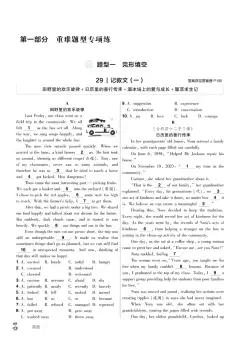
My wife, our two kids and I have enjoyed many road trips over the past few years.
Some of our _ 1 _ are unforgettable, especially those trips in the early days when our children were little. Once we _ 2 _ along a country road heading for a forest campsite. I was _ 3 _ that the narrow road might become slippery once rain arrived. I put an extra raincoat and some towels into the car just for preparation. That preparation turned out to be very useful. The sky turned dark quickly and heavy rain arrived, and the loud thunder made our youngest child scared. So _ 4 _ pushing on straight to the campsite, I decided to pull over and wait for the storm to pass. It _ 5 _ — the rain slowed down after about forty minutes. My elder kid, however, still felt nervous for a while.
Another time, we planned to hike beside a small river. The sky was bright and clear when we _ 6 _, yet weather can change rapidly in hilly areas, and light rain soon _ 7 _ our relaxing walk. The _ 8 _ rose and cool wind blew all around us. My wife stopped taking photos to _ 9 _ our waterproof bags. Nothing seemed to work perfectly at first. No _ 10 _, our shoes got wet. We were stuck on the path with wet feet. As we sat there _ 11 _, a local hiker came by, shared his umbrella and guided us back to the parking lot. We felt _ 12 _.
Now, every time we start to pack our car for another trip, we are filled with a sense of _ 13 _, wondering what fun moments and unexpected _ 14 _ we might meet on the way. We learn that joy during family trips does not always come from perfect plans, but from how we work together when things do not go as _ 15 _.
1. A. memories B. ideas C. jokes D. discoveries
2. A. cycled B. walked C. drove D. ran
3. A. surprised B. worried C. annoyed D. disappointed
4. A. apart from B. due to C. instead of D. as for
5. A. changed B. mattered C. happened D. worked
6. A. headed off B. calmed down C. checked out D. signed up
7. A. completed B. interrupted C. arranged D. recorded
8. A. speed B. temperature C. noise D. wind
9. A. fix B. hide C. start D. find
10. A. signal B. luck C. wonder D. answer
11. A. doubtfully B. tirelessly C. helplessly D. patiently
12. A. brave B. safe C. sorry D. right
13. A. excitement B. pride C. duty D. relief
14. A. performance B. failure C. conflict D. adventure
15. A. agreed B. planned C. remembered D. reported
复盘实操格式:原句|易混淆选项|失分类型|最终判断依据|出错原因|词块积累
三、七选五|难点篇章保温训练
⚠️必看易错提示|难点篇章失分清单
1. 主旨句与细节支撑句难以分辨
2. 代词指代跨段落,找错对应对象
3. 隐性逻辑词,没有明显but/so标识极易误判
4. 词汇复现陷阱,同词出现但是语义无关
5. 整段逻辑链条断裂,只盯着相邻一句话
6. 干扰项大方向沾边,但是偏离段落核心话题
✅避坑判断思路:
1. 快速通读全文,理清文章总分式整体结构
2. 看到this/it/they立刻回前文寻找指代对象
3. 仔细验证选项填入之后前后句内在逻辑
4. 排除仅有相同单词但是偏离段落中心选项
5. 全部填完代入通读整篇,检查行文流畅度
训练目标:标记代词、隐藏逻辑;写下纠结选项之间区分理由
限时:7分钟逻辑梳理 + 8分钟保温训练
根据短文内容,从短文后的选项中选出可以填入空白处的最佳选项。选项中有两项为多余选项。
A reading partner can bring you many advantages when you want to finish a book or join a book club. One good reason is: “You will keep reading if you know someone is waiting to discuss the book with you,” while another says: “ _ 1 _”. With a reading partner, you will spend more time thinking deeply about the book because there is gentle competition to form better opinions.
So, how do you find a suitable reading partner?
First of all, work out exactly what you hope to get from this person. _ 2 _. Or do you just want to improve your reading speed and enjoy light‑hearted stories? Think about what kinds of books you both would like to talk about together.
You might consider posting your request for a reading partner online, but this way may not bring you a satisfying match. _ 3 _. If you want to meet and discuss books face‑to‑face, this person should live nearby.
One reader once put her notice on the community library’s notice board. Her notice listed what kinds of books she loved, how many hours she planned to spend on reading each week, and her age. It also talked about her favourite writers and left her contact information. _ 4 _.
You and your reading partner will certainly have different opinions on plots and characters. _ 5 _. As time goes by, both of you can benefit a lot. Your partner may notice details you miss, and you can offer fresh ideas for him or her. The most important part of this relationship is that you can always support and communicate with each other.
A. Your first face‑to‑face talk may feel a little awkward
B. You will think more deeply when you read together with another person
C. A reading partner generally needs to live within a short distance
D. Do you hope to become better at analysing your favourite novels?
E. How can you write a good notice to look for a reading partner?
F. Just accept these differences and learn to talk things over together
G. Any notice for a reading partner should include this type of information
复盘任务:识别每道题对应的逻辑类型;写下干扰项迷惑你的地方;整理篇章逻辑判断方法
四、阅读理解|难点题型保温训练
⚠️必看易错提示|难点题型失分清单
1. 细节定位跨多段,不容易快速找到原文依据
2. 选项同义改写,难以识别和原文匹配关系
3. 过度推理,额外脑补原文不存在信息
4. 隐藏绝对词,不容易一眼识别陷阱
5. 答非所问,选项本身表述正确,但是不能回答题干
6. 主旨题混淆局部段落主旨和整篇文章中心
✅避坑判断思路:
1. 根据题干关键词,多段扫描精准定位原文
2. 仔细比对选项和原文之间同义替换关系
3. 优先选择文中有据可查选项,拒绝额外脑补
4. 警惕隐藏绝对含义词汇
5. 仔细读题干,确认设问方向:细节、推断、目的、态度
训练目标:每一题标注题型;划出选项内容易误导关键词
限时:7分钟题型梳理 + 10分钟保温训练
Human eyes can tell thousands of different colours. But why do cultures around the world name some colours far earlier than others? A years‑long research suggests that changes in human visual systems, together with environmental conditions, have shaped how human communities create words for colours.
More than twenty years ago, two scholars found that many languages developed words for black and white first, then red, followed by green, yellow and blue. Now a research team led by a scientist has explored why this order appeared in so many different societies.
They found that ancient human eyes were more sensitive to warm colours such as red and orange. Early humans spent much time outdoors under bright sunlight. Their eyes developed to notice warm‑toned objects such as blood, ripe fruit or fire, which mattered greatly for survival. Later, as lifestyles changed and people built villages, human eyes slowly became able to tell more kinds of cool colours.
The team also argued that this change of visual ability was linked to lifestyle changes after the development of farming. People spent more time staying inside houses and doing detailed work. Their eyes got more chances to tell small differences between shades of colour.
Analysis of hundreds of languages also proved that the global order of colour word development appeared across many cultures, though some isolated groups developed their colour vocabulary at a much slower speed.
This study challenges the old opinion that colour naming was only decided by local culture. “The colour words we use are not fixed forever. The rich set of colour vocabulary we have today comes from complicated interaction between biological changes of our eyes and cultural development,” one member of the research team said.
1. What is the main focus of this research?
A. The number of colours human eyes can see
B. The development process of colour naming in human languages
C. Different types of colours found in nature
D. Ways to improve human visual ability
2. Why could ancient humans notice warm colours more easily?
A. Their eyes were biologically more sensitive to warm colours
B. They only liked warm‑coloured fruit and food
C. Cool colours did not exist in the ancient world
D. They spent little time outside in bright sunlight
3. What does paragraph 5 serve as?
A. Possible application of the research
B. Doubt towards the study
C. Supporting evidence for the research conclusion
D. Explanation of research difficulties
4. What does the team member imply about colour vocabulary?
A. It is mainly decided by local culture alone
B. It is stable and never changes over time
C. It results from a complex mix of biological and cultural factors
D. It has little connection with human eyes
📌当日整体复盘重点
1. 难点保温训练主攻高区分度题型,突破中档分数瓶颈
2. 大量失分不是单词看不懂,而是跨段线索、隐性逻辑抓不住
3. 建立难点错题档案:记录长难句、隐蔽陷阱、跨段线索位置
4. 训练目标:学会冷静拆解复杂科普篇章,遇到难题不慌乱
打卡寄语
Face tricky questions with steady minds.
稳住心态,直面难题。
✅参考答案 + 详细解析
语法填空
1. to launch
解析:make a decision to do 固定搭配
2. Covering
解析:非谓语,主语the park和cover主动关系;易错坑:误填Covered
3. the
解析:倍数 + the size of 固定结构
4. to increase
解析:不定式作目的状语
5. have been
解析:in the past decades 现在完成时
6. is expected
解析:被动语态“预计”
7. preserving
解析:focus on后面接动名词
8. and
解析:并列结构
9. eventually
解析:副词修饰动词help
10. as
解析:act as 充当、作为
完形填空
1‑5:A C B C D
6‑10:A B D A B
11‑15:C B A D B
解析 1. A memories:一些回忆很难忘(对标原文some of our memories)
2. C drove:沿着乡村公路开车自驾
3. B worried:担心路面下雨打滑
4. C instead of:没有继续往前开,而是靠边停车
5. D worked:这个办法奏效,雨慢慢变小
6. A headed off:我们出发的时候天空晴朗
7. B interrupted:小雨打断轻松徒步
8. D wind:起风了,凉风袭来
9. A fix:拿出防水包整理/装好
10. B luck:不走运,鞋子还是湿了
11. C helplessly:无助地坐在小路上
12. B safe:有人带路,我们安全返回
13. A excitement:每次准备出发充满兴奋
14. D adventure:期待有趣时刻和意外冒险
15. B planned:事情没有按计划进行
七选五
答案:1.B 2.D 3.C 4.G 5.F
多余选项:A、E
解析
1.B:对应原文workout partner那一句,一起读书会促使你深入思考
2.D:后一句Or do you...并列一般疑问句,完美匹配
3.C:后文face‑to‑face见面,需要住得不远
4.G:前文列举通知包含各类信息,对应任何寻找阅读伙伴通知都应该包含这类内容
5.F:前文提到两个人会有不同观点,接受差异一起讨论
阅读理解
答案:32.B 33.A 34.C 35.C
解析
32.B 主旨设问:研究聚焦人类语言当中色彩命名发展过程,完美对标原图D篇人类语音发展
33.A 细节题:远古人类眼睛生理上对暖色更敏感
34.C 段落作用:第五段大量语言数据库分析,作为支撑研究结论证据
35.C 人物观点:色彩词汇是生理进化和文化发展复杂相互作用产物,完全对标原图Steven Moran那句complex interplay
一、语法填空|难点考点保温训练
⚠️必看易错提示|难点失分坑清单
1. 时态坑:现在完成时、一般过去时、一般将来时之间混淆
2. 非谓语坑:不定式、动名词、过去分词功能判断混淆
3. 词性转换坑:名词、形容词、副词、名词派生易错拼写
4. 冠词&介词坑:固定介词搭配、a/an/the辨析
5. 定语从句坑:关系代词、关系副词区分困难
6. 主谓一致坑:主语被修饰成分掩盖,误判单复数
✅避坑判断思路:
1. 先划出句子主干,识别真正谓语动词
2. 分析空格前后词性关系,判断需要转换方向
3. 遇到长从句先拆分主句与从句,核查句子成分
4. 全部填完通读全文,校验时态、逻辑、单复数
训练目标:标记长难句,整理容易混淆的词性变形词
限时:7分钟考点梳理 + 9分钟保温训练
阅读下面短文,在空白处填入 1 个适当的单词或括号内单词的正确形式。
The Chinese government has recently made a formal decision _ 1 _ (launch) a National Marine Park. _ 2 _ (cover) an area more than twice _ 3 _ size of many coastal nature reserves, the park will become one of the country’s key protected zones for ocean wildlife.
The project will bring dozens of separate coastal protected areas together under one management body _ 4 _ (increase) protection efficiency and cut down unnecessary disagreements in daily management. Experts say many ocean species _ 5 _ (be) under great pressure from overfishing and pollution in the past decades.
After a two‑year preparation period, the park _ 6 _ (expect) to open to the public in limited areas. The guiding principle focuses on _ 7 _ (preserve) complete marine ecosystems, protecting different kinds of ocean creatures, _ 8 _ leaving healthy ocean resources for later generations. The park’s main goal is to improve connections between separate habitats and _ 9 _ (eventual) help recover the population of endangered marine animals. Many sea plants also act _ 10 _ key parts of the whole ocean food chain.
复盘实操:标出做题犹豫的空;写下该难点考点;记录拼写、时态类失误。
二、完形填空|难点逻辑保温训练
⚠️必看易错提示|难点逻辑失分清单
1. 近义实词辨析:词义相近,但场景情感适配差异大
2. 固定词块搭配:动词+介词/副词组合极易混淆
3. 人物心理词:隐藏情绪,不能直接一眼读出
4. 跨句线索坑:答案提示不在本句,藏在前后远距离段落
5. 逻辑词误判:转折、让步、因果、递进隐性逻辑
6. 主观脑补:脱离原文,依靠自己经验主观臆断答案
✅避坑判断思路:
1. 通读全文,梳理完整故事线与人物心理起伏
2. 遇到不确定选项先跳过,后文往往出现线索
3. 辨析词块重点记忆使用场景,不要只记中文释义
4. 选定答案回看整段,确认情感、逻辑保持一致
训练目标:圈出人物心理转变节点;整理易混词块
限时:8分钟词块梳理 + 15分钟保温训练
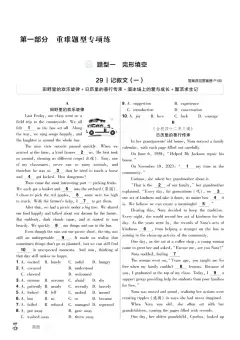
阅读下面短文,从每题所给的 A、B、C、D 四个选项中选出最佳选项。
My wife, our two kids and I have enjoyed many road trips over the past few years.
Some of our _ 1 _ are unforgettable, especially those trips in the early days when our children were little. Once we _ 2 _ along a country road heading for a forest campsite. I was _ 3 _ that the narrow road might become slippery once rain arrived. I put an extra raincoat and some towels into the car just for preparation. That preparation turned out to be very useful. The sky turned dark quickly and heavy rain arrived, and the loud thunder made our youngest child scared. So _ 4 _ pushing on straight to the campsite, I decided to pull over and wait for the storm to pass. It _ 5 _ — the rain slowed down after about forty minutes. My elder kid, however, still felt nervous for a while.
Another time, we planned to hike beside a small river. The sky was bright and clear when we _ 6 _, yet weather can change rapidly in hilly areas, and light rain soon _ 7 _ our relaxing walk. The _ 8 _ rose and cool wind blew all around us. My wife stopped taking photos to _ 9 _ our waterproof bags. Nothing seemed to work perfectly at first. No _ 10 _, our shoes got wet. We were stuck on the path with wet feet. As we sat there _ 11 _, a local hiker came by, shared his umbrella and guided us back to the parking lot. We felt _ 12 _.
Now, every time we start to pack our car for another trip, we are filled with a sense of _ 13 _, wondering what fun moments and unexpected _ 14 _ we might meet on the way. We learn that joy during family trips does not always come from perfect plans, but from how we work together when things do not go as _ 15 _.
1. A. memories B. ideas C. jokes D. discoveries
2. A. cycled B. walked C. drove D. ran
3. A. surprised B. worried C. annoyed D. disappointed
4. A. apart from B. due to C. instead of D. as for
5. A. changed B. mattered C. happened D. worked
6. A. headed off B. calmed down C. checked out D. signed up
7. A. completed B. interrupted C. arranged D. recorded
8. A. speed B. temperature C. noise D. wind
9. A. fix B. hide C. start D. find
10. A. signal B. luck C. wonder D. answer
11. A. doubtfully B. tirelessly C. helplessly D. patiently
12. A. brave B. safe C. sorry D. right
13. A. excitement B. pride C. duty D. relief
14. A. performance B. failure C. conflict D. adventure
15. A. agreed B. planned C. remembered D. reported
复盘实操格式:原句|易混淆选项|失分类型|最终判断依据|出错原因|词块积累
三、七选五|难点篇章保温训练
⚠️必看易错提示|难点篇章失分清单
1. 主旨句与细节支撑句难以分辨
2. 代词指代跨段落,找错对应对象
3. 隐性逻辑词,没有明显but/so标识极易误判
4. 词汇复现陷阱,同词出现但是语义无关
5. 整段逻辑链条断裂,只盯着相邻一句话
6. 干扰项大方向沾边,但是偏离段落核心话题
✅避坑判断思路:
1. 快速通读全文,理清文章总分式整体结构
2. 看到this/it/they立刻回前文寻找指代对象
3. 仔细验证选项填入之后前后句内在逻辑
4. 排除仅有相同单词但是偏离段落中心选项
5. 全部填完代入通读整篇,检查行文流畅度
训练目标:标记代词、隐藏逻辑;写下纠结选项之间区分理由
限时:7分钟逻辑梳理 + 8分钟保温训练
根据短文内容,从短文后的选项中选出可以填入空白处的最佳选项。选项中有两项为多余选项。
A reading partner can bring you many advantages when you want to finish a book or join a book club. One good reason is: “You will keep reading if you know someone is waiting to discuss the book with you,” while another says: “ _ 1 _”. With a reading partner, you will spend more time thinking deeply about the book because there is gentle competition to form better opinions.
So, how do you find a suitable reading partner?
First of all, work out exactly what you hope to get from this person. _ 2 _. Or do you just want to improve your reading speed and enjoy light‑hearted stories? Think about what kinds of books you both would like to talk about together.
You might consider posting your request for a reading partner online, but this way may not bring you a satisfying match. _ 3 _. If you want to meet and discuss books face‑to‑face, this person should live nearby.
One reader once put her notice on the community library’s notice board. Her notice listed what kinds of books she loved, how many hours she planned to spend on reading each week, and her age. It also talked about her favourite writers and left her contact information. _ 4 _.
You and your reading partner will certainly have different opinions on plots and characters. _ 5 _. As time goes by, both of you can benefit a lot. Your partner may notice details you miss, and you can offer fresh ideas for him or her. The most important part of this relationship is that you can always support and communicate with each other.
A. Your first face‑to‑face talk may feel a little awkward
B. You will think more deeply when you read together with another person
C. A reading partner generally needs to live within a short distance
D. Do you hope to become better at analysing your favourite novels?
E. How can you write a good notice to look for a reading partner?
F. Just accept these differences and learn to talk things over together
G. Any notice for a reading partner should include this type of information
复盘任务:识别每道题对应的逻辑类型;写下干扰项迷惑你的地方;整理篇章逻辑判断方法
四、阅读理解|难点题型保温训练
⚠️必看易错提示|难点题型失分清单
1. 细节定位跨多段,不容易快速找到原文依据
2. 选项同义改写,难以识别和原文匹配关系
3. 过度推理,额外脑补原文不存在信息
4. 隐藏绝对词,不容易一眼识别陷阱
5. 答非所问,选项本身表述正确,但是不能回答题干
6. 主旨题混淆局部段落主旨和整篇文章中心
✅避坑判断思路:
1. 根据题干关键词,多段扫描精准定位原文
2. 仔细比对选项和原文之间同义替换关系
3. 优先选择文中有据可查选项,拒绝额外脑补
4. 警惕隐藏绝对含义词汇
5. 仔细读题干,确认设问方向:细节、推断、目的、态度
训练目标:每一题标注题型;划出选项内容易误导关键词
限时:7分钟题型梳理 + 10分钟保温训练
Human eyes can tell thousands of different colours. But why do cultures around the world name some colours far earlier than others? A years‑long research suggests that changes in human visual systems, together with environmental conditions, have shaped how human communities create words for colours.
More than twenty years ago, two scholars found that many languages developed words for black and white first, then red, followed by green, yellow and blue. Now a research team led by a scientist has explored why this order appeared in so many different societies.
They found that ancient human eyes were more sensitive to warm colours such as red and orange. Early humans spent much time outdoors under bright sunlight. Their eyes developed to notice warm‑toned objects such as blood, ripe fruit or fire, which mattered greatly for survival. Later, as lifestyles changed and people built villages, human eyes slowly became able to tell more kinds of cool colours.
The team also argued that this change of visual ability was linked to lifestyle changes after the development of farming. People spent more time staying inside houses and doing detailed work. Their eyes got more chances to tell small differences between shades of colour.
Analysis of hundreds of languages also proved that the global order of colour word development appeared across many cultures, though some isolated groups developed their colour vocabulary at a much slower speed.
This study challenges the old opinion that colour naming was only decided by local culture. “The colour words we use are not fixed forever. The rich set of colour vocabulary we have today comes from complicated interaction between biological changes of our eyes and cultural development,” one member of the research team said.
1. What is the main focus of this research?
A. The number of colours human eyes can see
B. The development process of colour naming in human languages
C. Different types of colours found in nature
D. Ways to improve human visual ability
A. Their eyes were biologically more sensitive to warm colours
B. They only liked warm‑coloured fruit and food
C. Cool colours did not exist in the ancient world
D. They spent little time outside in bright sunlight
A. Possible application of the research
B. Doubt towards the study
C. Supporting evidence for the research conclusion
D. Explanation of research difficulties
A. It is mainly decided by local culture alone
B. It is stable and never changes over time
C. It results from a complex mix of biological and cultural factors
D. It has little connection with human eyes
📌当日整体复盘重点
1. 难点保温训练主攻高区分度题型,突破中档分数瓶颈
2. 大量失分不是单词看不懂,而是跨段线索、隐性逻辑抓不住
3. 建立难点错题档案:记录长难句、隐蔽陷阱、跨段线索位置
4. 训练目标:学会冷静拆解复杂科普篇章,遇到难题不慌乱
打卡寄语
Face tricky questions with steady minds.
稳住心态,直面难题。
✅参考答案 + 详细解析
语法填空
1. to launch
解析:make a decision to do 固定搭配
2. Covering
解析:非谓语,主语the park和cover主动关系;易错坑:误填Covered
3. the
解析:倍数 + the size of 固定结构
4. to increase
解析:不定式作目的状语
5. have been
解析:in the past decades 现在完成时
6. is expected
解析:被动语态“预计”
7. preserving
解析:focus on后面接动名词
8. and
解析:并列结构
9. eventually
解析:副词修饰动词help
10. as
解析:act as 充当、作为
完形填空
1‑5:A C B C D
6‑10:A B D A B
11‑15:C B A D B
解析
2. C drove:沿着乡村公路开车自驾
3. B worried:担心路面下雨打滑
4. C instead of:没有继续往前开,而是靠边停车
5. D worked:这个办法奏效,雨慢慢变小
6. A headed off:我们出发的时候天空晴朗
7. B interrupted:小雨打断轻松徒步
8. D wind:起风了,凉风袭来
9. A fix:拿出防水包整理/装好
10. B luck:不走运,鞋子还是湿了
11. C helplessly:无助地坐在小路上
12. B safe:有人带路,我们安全返回
13. A excitement:每次准备出发充满兴奋
14. D adventure:期待有趣时刻和意外冒险
15. B planned:事情没有按计划进行
七选五
答案:1.B 2.D 3.C 4.G 5.F
多余选项:A、E
解析
1.B:对应原文workout partner那一句,一起读书会促使你深入思考
2.D:后一句Or do you...并列一般疑问句,完美匹配
3.C:后文face‑to‑face见面,需要住得不远
4.G:前文列举通知包含各类信息,对应任何寻找阅读伙伴通知都应该包含这类内容
5.F:前文提到两个人会有不同观点,接受差异一起讨论
阅读理解
答案:32.B 33.A 34.C 35.C
解析
32.B 主旨设问:研究聚焦人类语言当中色彩命名发展过程,完美对标原图D篇人类语音发展
33.A 细节题:远古人类眼睛生理上对暖色更敏感
34.C 段落作用:第五段大量语言数据库分析,作为支撑研究结论证据
35.C 人物观点:色彩词汇是生理进化和文化发展复杂相互作用产物,完全对标原图Steven Moran那句complex interplay
相关文档
- 2个月提分中考生物️70个必背夺分要点
- 2025高考英语读后续写提分技巧:高频语法突破
- 2025年新高考英语读后续写提分:细节描写微技能之外貌描写(学生版)
- 2025年新高考英语读后续写提分必备讲练评专项复习:细节描写微技能之外貌描写(教师版)
- 2025年新高考英语读后续写提分:细节描写微技能之外貌描写(解析版)
- 2026年新高考英语读后续写提分宝典专题12读后续写如何进行场景描写(写作专练)
- 21天提优打卡计划图英语
- 2025年新高考英语读后续写提分:细节描写微技能之外貌描写(原卷版)
- 2025高考英语写作专项:细节描写微技能之外貌描写(学生版)
- 2026年新高考英语读后续写提分宝典:热点话题12读后续写之追逐梦想故事类写作专练(教师版)
- 2026年新高考英语读后续写提分宝典:热点话题12读后续写之追逐梦想故事类写作专练(学生版)
- 2026年高考英语二轮复习提分培优赋能天津专用 专题12形容词和副词及比较等级技能+真题+模拟学生版
- 专题12筛选信息、分析综合-2016年高考语文热点题型和提分秘籍(解析版)
- 专题12筛选信息、分析综合-2016年高考语文热点题型和提分秘籍(原卷版)
- 2024新课标I&II卷英语读后续写满分语料10类40句(维也纳司机跨国车费情谊)学生版12页
- 阅读理解专项练一-2022年新高考英语二轮复习提分秘籍
- 2025高考英语写作常考文体提分秘籍:专题02读后续写之亲情感悟(解析版)
- 2025年高考英语写作常考文体提分秘籍:专题01读后续写之历险脱困(原卷版)
- 2026年高考英语一轮复习知识清单(全国通用)专题10 读后续写提分赋能12个句型60例仿写(知识清单·教师版)
- 2026年高考英语一轮复习知识清单(全国通用)专题10读后续写提分赋能12个句型60例仿写(学生版)
- 2025年高考英语写作常考文体提分秘籍 专题01 应用文之邀请信(原卷版)
- 高考语文作文提分技法议论文如何写出深刻有力的分析句
- 专题12理解常见文言虚词在文中的意义和用法-2017年高考语文热点题型和提分秘籍(解析版)
- 专题12理解常见文言虚词在文中的意义和用法-2017年高考语文热点题型和提分秘籍(原卷版)
- 阅读理解专项练二(说明文+外刊阅读)-2022年新高考英语二轮复习提分秘籍
- 初中数学人教版八年级上册第12章全等三角形备考提分专项训练学生版
- 2026年高考英语一轮复习讲义+练习+课件(新教材新高考)知识清单 专题10读后续写提分赋能12个句型60例仿写(学生版)
- 2026年高考政治提分攻略12开放与探究篇开放探究类高考题型破解全国通用学生版
- 百词斩小升初提分宝典小学英语谚语合集
- 初中数学人教版八年级上册第12章全等三角形备考提分专项训练教师版
- 高中英语作文提分特训21天高分句型仿写默写表
- 高考政治一轮·提分攻略12开放与探究篇(开放探究类)高考题型破解(全国通用)(教师版)
- K12
- 2024年新高考英语一轮复习练小题刷大题提能力专题12并列连词与状语从句(解析版)
- 高中英语作文提分特训21天高分句型仿写默写表Word版
- 高中英语作文提分特训21天高分句型仿写参考答案Word版
- 百词斩小升初提分宝典写作
- 高考化学题型08电化学学生版12页(2025年新八省强化提分练)
- 时文阅读提分训练3+X第3辑八年级(2027版)
- 2026高考英语复习知识清单 寒假提分内部资料12:请假条清单
- 英语83高考英语写作提分宝典2类短语加20个句型
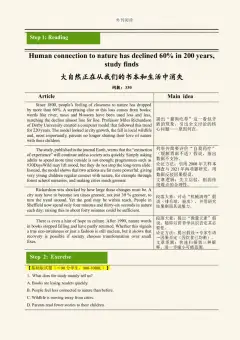
- 2026届高三英语上学期一轮复习专项外刊阅读打卡Day12大自然正在从我们的书本和生活中消失导学案
- 时文阅读提分训练3+X第3辑八年级答案(2027版)
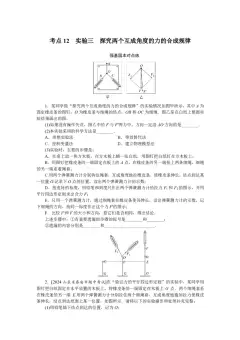
- 高考物理专项复习考点12题型笔记PDF版2025新高考必刷题
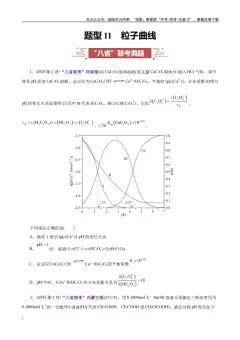
- 高考化学强化提分练题型11粒子曲线学生版十二页
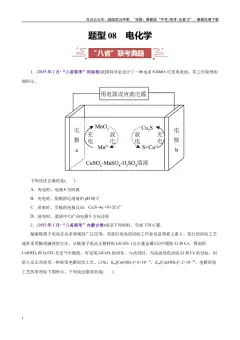
- 高考化学强化提分练题型08电化学学生版十二页
- 百词斩小升初提分宝典词汇分类集中复习
- 百词斩小升初提分宝典常用词性
- 百词斩小升初提分宝典常用短语汇总
- 百词斩小升初提分宝典五种语法汇总
- 人教版八年级英语上册期末试题12附答案老版
- 高考语文二轮复习专题6突破12精准判断描写技巧全面领悟表达效果全国卷提分讲义其一
- 高考语文二轮复习专题6突破12精准判断描写技巧全面领悟表达效果全国卷提分讲义其二
- 高考化学总复习专项复习题型11粒子曲线(学生版)12页 2025年高考化学强化提分练(新八省专用)
- 高考物理专项复习考点12题型笔记WORD版2025新高考必刷题
- 高考化学强化提分练题型12化学工艺流程教师版三十页
- 高考化学强化提分练题型12化学工艺流程学生版十七页乙
- 百词斩小升初提分宝典方位的表达方式
- 2025年高考英语读后续写提分技巧与训练之精彩结尾(1)
- 2025年高考英语读后续写提分技巧与训练:doing公式法16页
- 2025年高考英语读后续写提分技巧与训练 16情感描写魔法 10页
- 2025年高考英语读后续写提分技巧与训练:精彩结尾(2·19页)
- 动物类描写-10页·2025年高考英语读后续写提分技巧与训练
- 2025高考英语读后续写提分技巧与训练情绪表达法
- 高考化学题型12化学工艺流程教师版30页(2025年新八省强化提分练)
- 高考化学强化提分练题型12化学工艺流程学生版十七页甲
- 高考化学强化提分练题型03元素及其化合物教师版十二页
- 八年级上学期期中考试英语试题(续六)
- 高考语文状元班提分笔记
- 高考物理状元班提分笔记
- 政治高考状元班提分笔记
- 地理高考状元班提分笔记
- 历史高考状元班提分笔记
- 2026中考英语45套安徽提分小卷
- 2025年高考英语读后续写提分技巧与训练 19无灵主语转化大法 13页
- 2025年高考英语读后续写提分技巧与训练:15声音描写密码(13页)
- 2025年高考英语读后续写提分技巧与训练:九大情节设计大法(11页)
- 倒装句的妙用-11页·2025年高考英语读后续写提分技巧与训练
- 2025高考英语读后续写提分技巧与训练环境描写秘诀
- 2025年高考英语读后续写提分技巧与训练特写镜头描写大法
- 2025年高考英语读后续写提分技巧与训练动作链场景突破法
- 高考化学题型03元素及其化合物教师版12页(2025年新八省强化提分练)
- 教育指南案例分析案例12人教八上班主任教师常用资料
- 初中数学八年级下册人教版专题12平行四边形提优练习重难点分类训练学生版
- 2026中考英语45套安徽提分小卷答案
- 高考英语应用文征文投稿专题01解析版(2024年高考英语写作常考文体提分秘籍)
- 2025年高考英语读后续写提分技巧与训练:名言谚语宝藏库(18页)
- 5年中考3年模拟鲁教八年级上册英语诊断提分卷(2027版)
- 统编版八下历史期末专项提分选择题解题方法与必练100题(解析版)
- 统编版八下历史期末专项提分选择题解题方法与必练100题(原卷版)
- 统编版八下历史期末专项提分材料综合题解题方法与必练25题(解析版)
- 统编版八下历史期末专项提分小论文题解题方法与必练20题(解析版)
- 统编版八下历史期末专项提分小论文题解题方法与必练20题参考答案
- 统编版八下历史期末专项提分小论文题解题方法与必练20题(原卷版)
- 2024届高考英语语法填空抢分热点:名词性从句(解析版)
- 21天提优打卡计划图语文
- 2025年新高考数学二轮复习微专题提分突破 微专题12导数解答题之证明不等式问题 解析版
- 2025年新高考英语读后续写提分宝典:五年(2020-2024)新高考英语读后续写真题汇编(教师版)33页
- 2026年高考英语写作考前热点话题押题:板块三全国卷英语写作真题复刻实战提分全攻略(高考一二三轮复习)
- 2025年高考英语写作提分秘籍 专项复习 应用文之告知信 学生版 常考文体写作