资讯 / 正文
中考英语1600词精讲打卡 Day79
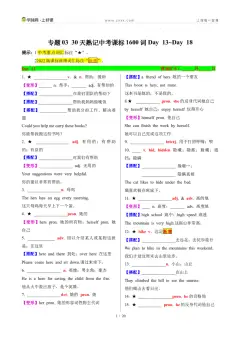
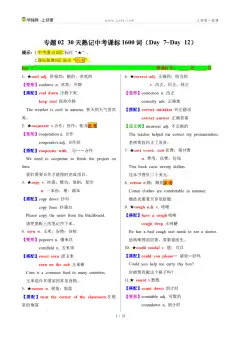
中考英语1600词精讲打卡 Day79 | Town~Wine
每日15词 · 打卡第79天/共100天
各位家长好,我是孙老师,做了16年的英语培训和研究。
今天这批词,是"重灾区"扎堆的一天:traffic 到底可不可数?translate 后面跟 to 还是 into?wife 的复数怎么变? 这三个问题,每年中考总有人错。
还有一个特别容易搞混的词组:by train(乘火车)vs a train to Beijing(去北京的火车)——train 一会儿是"火车",一会儿是"训练",本文给你讲得明明白白。
关注「帝都英语提分孙老师」,每天推送,一天都不错过。
今日词汇清单
town | toy | trade | traditional | traffic | train | training | translate | travel | traveller | wife | wind | window | windy | wine
逐词精讲
1. town(n.)
释义: 城镇;市镇
💡 记忆妙招: 对比记忆三兄弟:city(大城市)、town(小城镇)、village(村庄)。town 比 city 小,比 village 大。
📌 高频搭配:
home town家乡 → e.g. My home town is a beautiful small city by the river. 我的家乡是河边一座美丽的小城。in town在镇上 → e.g. My grandparents live in a small town near the sea. 我的爷爷奶奶住在海边的一个小镇上。
📝 典型例句: The town has changed a lot since I left it ten years ago. 自从我十年前离开,这个镇子变化很大。
⚠️ 易错考点:in town(在镇上)常不加冠词,而 in the town(在那个镇上)也可以,但习惯用语用 in town。home town(家乡)是固定搭配,考试写作中常用。
2. toy(n.)
释义: 玩具
💡 记忆妙招: toy 谐音"偷一"——调皮的孩子总想"偷一"个玩具。toy 还可作定语:a toy car(玩具车)。
📌 高频搭配:
a toy car玩具车 → e.g. The little boy is playing with his toy cars on the floor. 小男孩正在地板上玩他的玩具车。toy shop玩具店 → e.g. There is a new toy shop near our school. 我们学校附近新开了一家玩具店。
📝 典型例句: The child put all his toys in a big box under the bed. 孩子把他所有的玩具放进床底下的一个大箱子里。
⚠️ 易错考点: toy 复数直接加 s:toys。注意 toy 作定语修饰名词时用单数形式:toy stores(玩具店),不是 toys stores。
3. trade(n./v.)
释义: 贸易;交易;做生意
🔍 词根拆解: trad-(传递、交付)+ -e → 货物传来传去 → 贸易。同根词:trader(商人)、tradition(传统,代代相传的东西)。
💡 记忆妙招: trade 谐音"出的"——把货"出的"(卖出去)就是贸易。trade with 和……做生意。
📌 高频搭配:
foreign trade对外贸易 → e.g. China has developed fast in foreign trade in recent years. 近年来中国的对外贸易发展很快。trade with...与……做生意 → e.g. The company trades with several countries in Asia. 这家公司与亚洲的几个国家有贸易往来。
📝 典型例句: The Silk Road was once the most important trade route between East and West. 丝绸之路曾是东西方之间最重要的贸易通道。
⚠️ 易错考点: **trade(贸易)vs traffic(交通)**拼写相近、意思不同,完形里常设混。trade 作动词和 with 搭配:trade with(和……交易)。
4. traditional(adj.)
释义: 传统的
🔍 词根拆解: tradition(传统)+ -al(形容词后缀)→ 传统的。名词加 -al 变形容词是中考词性转换常考点:nature→natural、music→musical。
💡 记忆妙招: tradition(传统)去掉"身份"加 al,就是"传统的"。对比记忆:traditional 传统 vs modern 现代。
📌 高频搭配:
traditional Chinese culture中国传统文化 → e.g. We should pass on traditional Chinese culture from generation to generation. 我们应该把中国传统文化一代代传承下去。traditional food传统食物 → e.g. Dumplings are traditional food for the Spring Festival in China. 饺子是中国春节的传统食物。
📝 典型例句: The museum shows the traditional life of the local people. 博物馆展示了当地人的传统生活。
⚠️ 易错考点:词性转换:tradition(n. 传统)→ traditional(adj. 传统的),注意拼写中 tradition 的 t-i-o-n 别丢掉。完形中 traditional 常和 modern 对比出现。
5. traffic(n.)
释义: 交通;来往车辆
💡 记忆妙招: traffic 谐音"车非(常多)"——车非常多,就是交通拥堵。关键记忆点:traffic 不可数!
📌 高频搭配:
traffic jam交通堵塞 → e.g. There is heavy traffic on the road during the rush hour. 高峰时段路上交通很拥堵。traffic lights交通灯 → e.g. When the traffic lights turn red, all the cars must stop. 当交通灯变红时,所有车辆必须停下。traffic rules交通规则 → e.g. Everyone should obey the traffic rules to stay safe. 每个人都应该遵守交通规则以保证安全。
📝 典型例句: We were late for school because of the heavy traffic on the way. 因为路上交通拥堵,我们上学迟到了。
⚠️ 易错考点:traffic 是不可数名词!要说 a lot of traffic(大量车辆),不能说 a traffic。traffic lights(红绿灯)固定用复数。traffic jam 是"交通堵塞",中考阅读高频词。
6. train(n./v.)
释义: 火车;训练;培养
💡 记忆妙招: train 本义是"拖着走"——火车拖着车厢走,训练就是拖着人往前走。一个词,两个意思,一条线串起来。
📌 高频搭配:
by train乘火车 → e.g. We usually travel to Shanghai by train because it is fast and comfortable. 我们通常坐火车去上海,因为又快又舒服。take a train乘火车 → e.g. We took the early train to Xi'an last Friday. 上周五我们乘早班火车去了西安。train sb to do训练某人做 → e.g. The coach trains the players to work as a team. 教练训练队员们团队协作。
📝 典型例句: The train leaves at seven in the morning, so we have to get up early. 火车早上七点发车,所以我们得早起。
⚠️ 易错考点:by train(乘火车,中间不加冠词)vs take a train / catch a train(要加冠词)。train 作动词是"训练",training 是名词"训练"——一词多义是中考重点。
7. training(n.)
释义: 训练;培养
🔍 词根拆解: train(训练)+ -ing(名词后缀)→ 训练。动词加 -ing 常可作名词:teaching(教学)、reading(阅读)。
💡 记忆妙招:train 是"训练"的动作,training 是"训练"这件事。训练营就叫 training camp。
📌 高频搭配:
receive training接受训练 → e.g. The players receive strict training every day before the match. 比赛前运动员们每天接受严格的训练。training course培训课程 → e.g. She finished a two-week training course on first aid. 她完成了一个为期两周的急救培训课程。
📝 典型例句: Good training helps the team win the game. 良好的训练帮助这支队伍赢得比赛。
⚠️ 易错考点:train(v. 训练)→ training(n. 训练),中考词性转换常考。别把 train 当名词只记"火车"——作动词"训练"时:train dogs(训练狗)。
8. translate(v.)
释义: 翻译
🔍 词根拆解: trans-(跨越、转移)+ late(搬运)→ 把一种语言"搬运"到另一种语言 → 翻译。同根词:transfer(转移)、transplant(移植)。
💡 记忆妙招:trans = 转,late = 拿——"转拿"过来就是翻译。核心搭配 translate...into...(把……翻译成……)。
📌 高频搭配:
translate...into...把……翻译成…… → e.g. The teacher asked us to translate this short passage into English. 老师让我们把这小段文字翻译成英语。translate from...into...从……翻译成…… → e.g. The novel was translated from Chinese into English. 这部小说从中文翻译成了英文。
📝 典型例句: It is not easy to translate poems because they are full of beautiful images. 翻译诗歌不容易,因为诗歌里充满了优美的意象。
⚠️ 易错考点:translate A into B(把 A 翻译成 B),介词用 into,不用 to。名词形式是 translation(翻译;译文),翻译人员是 translator。
9. travel(v./n.)
释义: 旅行;旅游
💡 记忆妙招: travel 谐音"拽我"——旅行就是"拽我"出去玩。对比:travel 泛指"旅行"(不可数名词),trip 指"一次旅行"(可数名词)。
📌 高频搭配:
travel around the world环游世界 → e.g. My dream is to travel around the world one day. 我的梦想是有朝一日环游世界。travel by train坐火车旅行 → e.g. Many people like to travel by train in China. 在中国,许多人喜欢坐火车旅行。
📝 典型例句: Travel can open our eyes and help us learn about different cultures. 旅行能开阔我们的眼界,帮助我们了解不同的文化。
⚠️ 易错考点: travel 的过去式:英式 travelled(双写 l)、美式 traveled。travel 表"旅行"泛指时不可数;表示"一次旅行"用 trip 或 journey。
10. traveller(n.)
释义: 旅行者;游客
🔍 词根拆解: travel(旅行)+ -ler(表"人")→ 旅行的人。英式拼写 traveller(双写 l),美式 traveler。
💡 记忆妙招: travel + ler = 旅行者。拼写要双写 l:traveller。英式英语中以元音+辅音结尾的双音节词,加 -er/-ing 时常双写末尾辅音。
📌 高频搭配:
a tired traveller疲惫的旅行者 → e.g. The tired traveller sat down to rest under a tree. 疲惫的旅行者坐在树下休息。many travellers许多游客 → e.g. The travellers took many photos of the beautiful scenery. 旅行者们拍了很多美丽风景的照片。
📝 典型例句: Every year, thousands of travellers visit the Great Wall. 每年成千上万的游客参观长城。
⚠️ 易错考点: 英式拼写 traveller 双写 l,美式 traveler 单 l。中考一般以英式拼写为准,写作时写 traveller。词性转换:travel(v./n.)→ traveller(n.)。
11. wife(n.)
释义: 妻子;夫人
💡 记忆妙招: wife 和 husband(丈夫)是一对。复数不规则:wife → wives(f 变 v 加 es)。口诀:"妻子用刀切叶子"——wife(妻子)、knife(刀)、leaf(叶子)都是 f 结尾变 ves。
📌 高频搭配:
husband and wife夫妻 → e.g. Mr. Smith and his wife have lived here for ten years. 史密斯先生和他妻子在这里住了十年了。
📝 典型例句: He works in the city, while his wife teaches in a village school. 他在城里工作,而他的妻子在一所乡村学校教书。
⚠️ 易错考点:wife 的复数是不规则变化 wives(不是 wifes)。同类:knife→knives(刀)、leaf→leaves(叶子)、life→lives(生命)、thief→thieves(小偷)。"f/fe 结尾,变 f 为 v 加 es",中考拼写必考点。
12. wind(n.)
释义: 风
💡 记忆妙招: wind 谐音"温的"——春天的风是温暖的。wind → windy(有风的),名词加 y 变形容词。
📌 高频搭配:
the wind blows刮风 → e.g. A strong wind blew my hat off my head. 一阵大风吹掉了我头上的帽子。a strong wind一阵大风 → e.g. The trees were shaking in the strong wind. 大树在强风中摇晃。
📝 典型例句: The wind is blowing hard, so we'd better stay at home. 风刮得很大,我们最好待在家里。
⚠️ 易错考点: wind 通常不可数,但表示"一阵风"可用 a wind / a strong wind。wind 的同形动词是"蜿蜒、缠绕"(The road winds through the hills. 道路蜿蜒穿过山丘),注意语境。
13. window(n.)
释义: 窗户
🔍 构词记忆: wind(风)+ ow → 让风进来的口子 → 窗户。同联想:snow(雪)也是 s + now。
💡 记忆妙招:wind + ow = 窗户——风(wind)从窗口进来,吹得人直喊"喔(ow)"。
📌 高频搭配:
open/close the window打开/关上窗户 → e.g. Please open the window and let some fresh air in. 请打开窗户,让新鲜空气进来。look out of the window往窗外看 → e.g. He was looking out of the window when the teacher called his name. 老师叫他名字时,他正望着窗外。
📝 典型例句: The room is bright because it has two big windows. 这个房间很亮堂,因为它有两扇大窗户。
⚠️ 易错考点:look out of the window(往窗外看),out of 两个词不能丢。在"窗户上"用 on the window,从窗边经过用 past the window。
14. windy(adj.)
释义: 有风的;风大的
🔍 词根拆解: wind(风)+ -y(形容词后缀,表"有……的")→ 有风的。同类:rain→rainy、cloud→cloudy、sun→sunny、snow→snowy。
💡 记忆妙招:天气形容词全家福:雨 rainy、云 cloudy、太阳 sunny、风 windy、雪 snowy——五个一锅端,都是"名词+y"。
📌 高频搭配:
a windy day一个有风的日子 → e.g. It was a windy day, so we flew kites in the park. 那天有风,我们在公园里放风筝。It's windy.今天有风 → e.g. It's windy today, so we'd better not go boating. 今天风很大,我们最好不要去划船。
📝 典型例句: The weather report says it will be windy tomorrow. 天气预报说明天有风。
⚠️ 易错考点: 拼写注意:sunny 双写 n(sun→sunny),而 wind→windy 不双写。中考"天气形容词"词性转换是必考点,答题时先判断句子缺形容词还是名词。
15. wine(n.)
释义: 葡萄酒;酒
💡 记忆妙招: wine 谐音"歪了"——喝多了走路都"歪了"。wine / wind / window 三兄弟:wine 酒、wind 风、window 窗。
📌 高频搭配:
a glass of wine一杯葡萄酒 → e.g. He ordered a glass of red wine with his dinner. 他点了一杯红葡萄酒配晚餐。red wine红葡萄酒 → e.g. People in France like to drink red wine with their meals. 法国人喜欢在吃饭时喝红葡萄酒。
📝 典型例句: Wine is made from grapes, which grow well in the south. 葡萄酒由葡萄酿成,葡萄在南方长得很好。
⚠️ 易错考点:wine 不可数:a glass of wine(一杯葡萄酒)。拼写注意区分:wine(酒)、wind(风)、window(窗户)、winter(冬天)——首字母相同、长得像,完形中常放一起考。
今日小结(15词速记回顾)
今日重点提醒: 今天最常考的3个考点——①traffic 不可数、traffic lights 红绿灯;②translate A into B 用 into;③wife→wives,f/fe 结尾变 ves。这三个记住,今天就没白学!
教学贴士
一词多义抓核心:train(火车/训练)、wind(风/蜿蜒)、travel(旅行/行走)这类多义词,别让孩子死背所有义项。抓住"核心画面"——train 是"拖着走",wind 是"风",其他义项都是引申。核心抓住,考场上遇到生义也能猜。
复数口诀记一记:f/fe 结尾变复数,让孩子背"妻刀叶狼偷一半":wife(妻子)、knife(刀)、leaf(叶子)、wolf(狼)、thief(小偷)都变 f 为 v 加 es。押韵好记,一次记一串。
📚 家长专属福利
今天讲到的 the Great Wall 和 travel 系列,您家孩子能写出"去年我去长城旅行"这个句子吗? 中考作文必考旅行话题,traveller、by train、traditional 都是现成的高级词。加我微信,告诉我孩子的3个信息:
① 当前年级(如:初三) ② 所在城市(如:北京) ③ 最近一次英语成绩(如:75分)
收到后,我会在24小时内,根据孩子情况发有针对性的学习建议和资料—— 不是通用PDF,是具体到孩子情况的方案。
📱 加孙老师微信
我是孙老师,做了16年的英语培训和研究,专注中高考英语提分。
加了微信之后,回复孩子的3个信息,我会主动联系你。
觉得有用?点个「在看」,顺手转发给身边正在愁孩子英语的家长。
关注「帝都英语提分孙老师」,每天推送中考英语词汇精讲,连载100天,带孩子搞定1600词。
#中考英语 #英语词汇 #中考备考 #初中英语 #英语学习 #帝都英语培训
相关文档
- 2027中考英语新课标1600词背诵版+默写版:专题05 30天熟记中考课标1600词Day25~Day30知识清单(默写版)
- 中考英语新课标1600词30天熟记Day25~Day30知识清单背诵版(2027)
- 中考英语新课标1600词30天熟记Day19~Day24知识清单默写版
- 中考英语新课标1600词30天熟记Day19~Day24知识清单背诵版
- 中考英语新课标1600词 30天熟记 Day13~Day18 知识清单默写版
- 中考英语新课标1600词30天熟记Day7~Day12知识清单(背诵版)
- 中考英语新课标1600词30天熟记 Day1~Day6 知识清单 默写版
- 中考英语新课标1600词30天熟记 Day1~Day6 知识清单 背诵版
- 中考英语大纲1600词乱序版每周计划表词汇背诵资料
- 2026年人教版中考英语一轮复习帮你记1600词Day 12 英翻中(含音频、音标、翻译默写版)
- 2026年人教版中考英语一轮复习帮你记1600词Day 12 全版(含音频、音标、翻译默写版)
- 2026年人教版中考英语一轮复习帮你记1600词Day 12 中翻英(含音频、音标、翻译默写版)
- 初中英语中考1600词(内蒙古中考赠品)
- 中考英语第十二讲百日打卡形容词2(原卷版)
- 中考英语百日打卡第十二讲形容词2解析版(2024邦你学)
- 中考英语百日打卡第五十八讲形容词辨析解析版(2024邦你学)
- 中考英语百日打卡第五十七讲形容词辨析解析版(2024邦你学)
- 中考英语百日打卡第五十八讲形容词辨析原卷版(2024邦你学)
- 中考英语百日打卡第五十七讲形容词辨析原卷版(2024邦你学)
- 中考英语新课标1600词专题07 5天速记新课标新增词汇知识清单默写版
- 中考英语新课标1600词专题07 5天速记新课标新增词汇知识清单背诵版
- 2027《中考英语·新课标1600词》背诵版+默写版:专题06中考热点话题词汇必备知识清单默写版
- 2027《中考英语·新课标1600词》背诵版+默写版:专题06中考热点话题词汇必备知识清单记背版
- 2027中考英语新课标1600词背诵版+默写版:专题09中考高频核心词汇拓展分类归纳知识清单(默写版)
- 2027中考英语新课标1600词背诵版+默写版:专题09中考高频核心词汇拓展分类归纳知识清单(背诵版)
- 中考英语高频必备易错易混短语梳理 专题08 知识清单(默写版)
- 2026秋初中英语中考高频必备易错易混短语梳理知识清单背诵版(新课标1600词背诵版+默写版)
- 中考英语新课标1600词背诵版+默写版:专题01七至九年级教材词汇梳理知识清单人教版默写版
- 人教版七至九年级教材词汇梳理知识清单(纯单词背诵版) 2026秋初中教辅 中考英语新课标1600词背诵版+默写版
- 中考英语第十一讲百日打卡形容词1(解析版)
- 中考英语百日打卡第十一讲形容词1原卷版(2024邦你学)
- 中考英语1600词汇详解版
- 初中英语60篇短文搞定1600词
- 中考英语1600个高频词汇大纲表词汇背诵资料
- 中考1600按词性分类
- 中考英语1600按话题分类速记
- 中考1600词汇单词默写版
- 1600中考词汇分类速记表
- 初中英语词汇1600(详解)
- 中考词汇1600(内蒙古中考赠品)
- 中考英语1600词汇总详解(内蒙古中考赠品)
- 中考英语1600按话题分类速记(内蒙古中考赠品)
- 2026法考孟献贵民法精讲卷打卡表完结
- 中考英语1600词汇详解教师版(内蒙古中考赠品)
- 中考1600按词性分类(内蒙古中考赠品)
- 中考英语词汇1600(内蒙古中考赠品)
- 众合精讲卷打卡表三国法杨帆完结
- 众合杨帆三国法精讲书打卡表
- 学而思刘飞飞新概念一中考1600词汇对照表带音标
- 2025年高考英语3500词100天打卡练习专项复习(含答案13页)
- 26法考精讲卷打卡表刑法更新中
- 中考1600词汇单词默写版(内蒙古中考赠品)
- 众合精讲卷刑法柏浪涛
- 中考英语1600词汇对照表带音标超完整版(内蒙古中考赠品)
- 2026年法考客观题众合专题讲座精讲卷 民法-孟献贵视频+讲义+每日计划+打卡表完结
- 众合柏浪涛刑法精讲复盘导图
- 2026法考众合主观基础精讲打卡案例汇总民法
- 2026高考英语语法精选精讲精练:专题16 形容词、副词讲义(教师版)
- 中考英语百日打卡第八十讲完形填空5解析版(2024邦你学)
- 中考英语百日打卡第八十讲完形填空5原卷版(2024邦你学)
- 中考英语百日打卡第五十讲情景交际2解析版(2024邦你学)
- 中考英语百日打卡第五十讲情景交际2原卷版(2024邦你学)
- 中考英语百日打卡第五十六讲名词辨析解析版(2024邦你学)
- 中考英语百日打卡第五十五讲名词辨析解析版(2024邦你学)
- 中考英语百日打卡第九十六讲作文1解析版(2024邦你学)
- 中考英语百日打卡第九十六讲作文1原卷版(2024邦你学)
- 中考英语百日打卡第九十八讲作文3解析版(2024邦你学)
- 中考英语百日打卡第九十八讲作文3原卷版(2024邦你学)
- 中考英语百日打卡第九十九讲作文4解析版(2024邦你学)
- 中考英语百日打卡第九十九讲作文4原卷版(2024邦你学)
- 中考英语百日打卡第九十七讲作文2解析版(2024邦你学)
- 中考英语百日打卡第九十七讲作文2原卷版(2024邦你学)
- 中考英语百日打卡第一百讲作文5解析版(2024邦你学)
- 中考英语百日打卡第一百讲作文5原卷版(2024邦你学)
- 2026法考众合主观基础精讲打卡小案例汇总刑法
- 2026法考众合主观半年基础精讲打卡民法6月6日题目
- 2026法考众合主观半年基础精讲打卡民法6月6日答案
- 2026法考众合主观半年基础精讲打卡民法6月5日题目
- 2026法考众合主观半年基础精讲打卡民法6月5日答案
- 2026法考众合主观半年基础精讲打卡民法6月4日题目
- 2026法考众合主观半年基础精讲打卡民法6月4日答案
- 2026法考众合主观半年基础精讲打卡刑法6月18日题目
- 2026法考众合主观半年基础精讲打卡刑法6月18日答案
- 2026法考众合主观半年基础精讲打卡刑法6月17日题目
- 2026法考众合主观半年基础精讲打卡刑法6月17日答案
- 2026法考众合主观半年基础精讲打卡刑法6月16日题目
- 2026法考众合主观半年基础精讲打卡刑法6月16日答案
- 2026法考众合主观半年基础精讲打卡刑法6月15日题目
- 2026法考众合主观半年基础精讲打卡刑法6月15日答案
- 中考英语百日打卡第四十六讲特殊句式2解析版(2024邦你学)
- 中考英语百日打卡第四十六讲特殊句式2原卷版(2024邦你学)
- 中考英语百日打卡第四十八讲连词2解析版(2024邦你学)
- 中考英语百日打卡第四十八讲连词2原卷版(2024邦你学)
- 中考英语百日打卡第四十五讲特殊句式1解析版(2024邦你学)
- 中考英语百日打卡第四十五讲特殊句式1原卷版(2024邦你学)
- 中考英语百日打卡第四十九讲情景交际1解析版(2024邦你学)
- 中考英语百日打卡第四十九讲情景交际1原卷版(2024邦你学)
- 中考英语百日打卡第四十七讲连词1解析版(2024邦你学)
- 中考英语百日打卡第四十七讲连词1原卷版(2024邦你学)
- 中考英语百日打卡第五十六讲名词辨析原卷版(2024邦你学)