资讯 / 正文
陈生宝:新中考英语高频词汇和短语
陈生宝:新中考英语高频词汇和短语好,接着把 第2部分 E-F 那10条(21—30) 按“派生词单独排版 + 名动形搭配”重新排,格式和第1部分 A-B 一致。 --- 第2部分:C收尾 + D-F(30个)· 续 21—30 E 21. enough adj./adv. 足够的;足够地 词根/词源:古英语 genog,日耳曼语本土词,无拉丁词根。 派生词: · 无常用派生词 形容词 enough 搭配: · enough time(足够的时间) · good enough(足够好) 副词 enough 搭配: · old enough to do sth.(年龄足够大做某事) · carefully enough(足够仔细) 例句:He is old enough to take care of himself.(他年龄足够大,能照顾自己了。) 22. environment n. 环境 词根/词源:古法语 environ(围绕)→ environner(包围)+ -ment(名词后缀)→“围绕周围的东西”→环境。 派生词: · environmental adj. 环境的 · environmentally adv. 在环境方面 名词 environment 搭配: · protect the environment(保护环境) · a clean environment(清洁的环境) 形容词 environmental 搭配: · environmental protection(环境保护) 例句:We should do something to protect the environment.(我们应该做点什么来保护环境。) 23. exciting adj. 令人兴奋的 词根/词源:拉丁语 excitare = ex-(出)+ citare(唤起)→“唤起出来”→使兴奋。词根 cit = 唤起/驱动。 派生词: · excite v. 使兴奋 · excitement n. 兴奋 · excited adj. 感到兴奋的 形容词 exciting 搭配: · an exciting game(一场令人兴奋的比赛) 动词 excite 搭配: · excite sb. to do sth.(激起某人做某事) 名词 excitement 搭配: · in excitement(兴奋地) 形容词 excited 搭配: · be excited about(对……感到兴奋) 例句:The football match was very exciting.(那场足球比赛非常令人兴奋。) 24. experience n./v. 经验;经历 词根/词源:拉丁语 experientia = ex-(出)+ periri(尝试)→“尝试出来的东西”→经验。词根 peri = 尝试/试验。 派生词: · experienced adj. 有经验的 · inexperienced adj. 缺乏经验的 名词 experience 搭配: · work experience(工作经验) · have experience in doing sth.(有做某事的经验) 动词 experience 搭配: · experience difficulties(经历困难) 形容词 experienced 搭配: · be experienced in(在……方面有经验) 例句:She has much experience in teaching English.(她在英语教学方面很有经验。) 25. explain v. 解释;说明 词根/词源:拉丁语 explanare = ex-(出)+ planus(平的)→“把平面展开”→解释。词根 plan = 平/展开。 派生词: · explanation n. 解释 · explanatory adj. 解释性的 动词 explain 搭配: · explain sth. to sb.(向某人解释某事) · explain why/how...(解释为什么/如何……) 名词 explanation 搭配: · give an explanation(作出解释) 例句:Can you explain this word to me?(你能给我解释一下这个词吗?) F 26. fact n. 事实 词根/词源:拉丁语 factum(已做成的事),源自 facere(做)。词根 fac/fact = 做。 派生词: · factor n. 因素 · factual adj. 事实的 名词 fact 搭配: · in fact(事实上) · as a matter of fact(事实上) · the fact that...(……这一事实) 名词 factor 搭配: · a key factor(关键因素) 例句:In fact, he is a very kind person.(事实上,他是个非常善良的人。) 27. fail v. 失败;不及格 词根/词源:古法语 faillir(缺乏、失败),源自拉丁语 fallere(欺骗)。词根 fall/fail = 欺骗/失误。 派生词: · failure n. 失败 动词 fail 搭配: · fail to do sth.(未能做某事) · fail the exam(考试不及格) 名词 failure 搭配: · end in failure(以失败告终) 例句:He failed to catch the early bus.(他没能赶上早班车。) 28. famous adj. 著名的 词根/词源:拉丁语 fama(名声)+ -ous(形容词后缀)→“有名声的”。词根 fam = 名声。 派生词: · fame n. 名声 · famously adv. 著名地 形容词 famous 搭配: · be famous for(因……而著名) · be famous as(作为……而著名) 名词 fame 搭配: · come to fame(成名) 例句:Hangzhou is famous for the West Lake.(杭州因西湖而著名。) 29. feel v. 感觉;觉得 词根/词源:古英语 fēlan,日耳曼语本土词。 派生词: · feeling n. 感觉 动词 feel 搭配: · feel like doing sth.(想要做某事) · feel free to do sth.(随意做某事) 名词 feeling 搭配: · have a feeling of(有……的感觉) 例句:I feel like watching a movie tonight.(我今晚想看电影。) 30. future n./adj. 未来;将来的 词根/词源:拉丁语 futurus(将要成为的),源自 esse(是)的未来分词。词根 fu = 成为/将来。 派生词: · 无常用派生词 名词 future 搭配: · in the future(在将来) · in the near future(在不久的将来) 形容词 future 搭配: · future plans(未来计划) 例句:What do you want to be in the future?(你将来想成为什么?)好,第3部分按 G-I 排,格式和第1、2部分完全一致:词条、词根/词源、派生词单独排版、名动形搭配、例句。共30个。 --- 第3部分:G-I(30个)· 名动形搭配版 · 派生词单独排版 G for 1. grow v. 生长;种植;变得 词根/词源:古英语 grōwan,日耳曼语本土词,无拉丁词根。 派生词: · growth n. 生长;增长 · grower n. 种植者 动词 grow 搭配: · grow up(长大) · grow into(长成) · grow vegetables(种蔬菜) 名词 growth 搭配: · economic growth(经济增长) 例句:Children grow up quickly when they are well cared for.(孩子得到好好照顾时长得很快。) 2. guide n./v. 向导;指导 词根/词源:古法语 guider(引导),日耳曼语源,无典型拉丁词根。 派生词: · guidance n. 指导 · guideline n. 指导方针 名词 guide 搭配: · a tour guide(导游) 动词 guide 搭配: · guide sb. to do sth.(指导某人做某事) 名词 guidance 搭配: · under the guidance of(在……的指导下) 例句:Under the guidance of my teacher, I improved a lot.(在老师的指导下,我进步了很多。) 3. good adj. 好的 词根/词源:古英语 gōd,日耳曼语本土词。 派生词: · goodness n. 善良 · goodly adj. 相当大的(较少用) 形容词 good 搭配: · be good at(擅长) · be good for(对……有益) · be good to sb.(对某人好) 例句:Eating vegetables is good for your health.(吃蔬菜对你的健康有益。) 4. great adj. 伟大的;很棒的 词根/词源:古英语 grēat(大的),日耳曼语本土词。 派生词: · greatly adv. 极大地 · greatness n. 伟大 形容词 great 搭配: · a great number of(大量的) · great fun(很有趣) 副词 greatly 搭配: · greatly improve(大大改善) 例句:We had great fun at the party.(我们在聚会上玩得很开心。) 5. grow(已列,跳过,补一个 G 高频词) guess v./n. 猜 词根/词源:中古英语 gessen,可能源自斯堪的纳维亚语,日耳曼语源。 派生词: · guesswork n. 猜测 动词 guess 搭配: · guess what(猜猜看) · guess the answer(猜答案) 名词 guess 搭配: · make a guess(猜一猜) 例句:Can you guess what happened next?(3 词根/词源:拉丁语 habitus(状态、习惯),源自 habere(拥有)。词根 hab = 拥有/持有。 派生词: · habitual adj. 习惯性的 · habitually adv. 习惯性地 名词 habit 搭配: · form a good habit(养成好习惯) · break a bad habit(改掉坏习惯) 形容词 habitual 搭配: · habitual behavior(习惯性行为) 例句:It’s important to form a good habit of reading.(养成读书的好习惯很重要。) 7. happen v. 发生 词根/词源:中古英语 hap(运气、机会)+ -en(动词后缀)→“碰巧发生”。 派生词: · happening n. 事件 动词 happen 搭配: · happen to do sth.(碰巧做某事) · what happened to sb.(某人怎么了) 例句:What happened to you yesterday?(你昨天怎么了?) 8. hard adj./adv. 困难的;努力地 词根/词源:古英语 heard(坚硬的),日耳曼语本土词。 派生词: · hardly adv. 几乎不 · hardship n. 困难 · hardness n. 硬度 形容词 hard 搭配: · be hard to do sth.(做某事很难) · hard work(艰苦的工作) 副词 hard 搭配: · work hard(努力工作) · try hard(努力尝试) 副词 hardly 搭配: · hardly ever(几乎从不) 例句:He works hard every day.(他每天都很努力地工作。) 9. health n. 健康 词根/词源:古英语 hǣlth,源自 hāl(完整的、健康的)。词根 hal = 完整/健康。 派生词: · healthy adj. 健康的 · healthily adv. 健康地 · unhealthy adj. 不健康的 名词 health 搭配: · in good health(身体健康) · health problems(健康问题) 形容词 healthy 搭配: · a healthy diet(健康的饮食) · keep healthy(保持健康) 例句:Eating more vegetables helps you keep healthy.(多吃蔬菜有助于你保持健康。) 10. help v./n. 帮助 词根/词源:古英语 helpan,日耳曼语本土词。 派生词: · helpful adj. 有帮助的 · helpless adj. 无助的 · helper n. 帮手 动词 help 搭配: · help sb. (to) do sth.(帮助某人做某事) · help with sth.(帮助做某事) · can’t help doing sth.(忍不住做某事) 名词 help 搭配: · ask for help(寻求帮助) · with the help of(在……的帮助下) 形容词 helpful 搭配: · be helpful to(对……有帮助) 例句:With the help of my teacher, I passed the exam.(在老师的帮助下,我通过了考试。) 11. hope v./n. 希望 词根/词源:古英语 hopian,日耳曼语本土词。 派生词: · hopeful adj. 有希望的 · hopeless adj. 无望的 · hopefully adv. 但愿;有希望地 动词 hope 搭配: · hope to do sth.(希望做某事) · hope that...(希望……) 名词 hope 搭配: · lose hope(失去希望) · in the hope of(怀着……的希望) 形容词 hopeful 搭配: · be hopeful about(对……抱有希望) 例句:I hope to see you again soon.(我希望很快再见到你。) 12. however adv. 然而;无论如何 词根/词源:古英语构词:how + ever,合成词。 派生词: · 无常用派生词 副词 however 搭配: · however hard(无论多努力) · however, ...(然而,……) 例句:It was raining hard; however, we still went out.(雨下得很大;然而,我们还是出去了。) I 13. idea n. 想法;主意 词根/词源:希腊语 idea(形象、样子),源自 idein(看)。词根 vid/vis/ide = 看。 派生词: · ideal adj. 理想的;n. 理想 名词 idea 搭配: · have an idea(有个主意) · a good idea(一个好主意) 形容词 ideal 搭配: · an ideal place(理想的地方) 例句:That’s a good idea!(那是个好主意!) 14. important adj. 重要的 词根/词源:拉丁语 importare = in-(进入)+ portare(携带)→“带进来”→有分量→重要。词根 port = 携带。 派生词: · importance n. 重要性 · importantly adv. 重要地 形容词 important 搭配: · be important to sb.(对某人重要) · It’s important to do sth.(做某事很重要) 名词 importance 搭配: · the importance of(……的重要性) 例句:It’s important to learn English well.(学好英语很重要。) 15. improve v. 改进;提高 词根/词源:古法语 emprower = en-(使)+ prou(有利)→“使有利”→改进。 派生词: · improvement n. 改进 动词 improve 搭配: · improve one’s English(提高英语水平) · improve on sth.(对某事加以改进) 名词 improvement 搭配: · make an improvement(取得进步) 例句:Reading more can improve your writing.(多阅读能提高你的写作水平。) 16. include v. 包括 词根/词源:拉丁语 includere = in-(在内)+ claudere(关闭)→“关在里面”→包括。词根 clud/clus = 关闭。 派生词: · inclusion n. 包括 · inclusive adj. 包括的 动词 include 搭配: · include sth. in...(把某物包括在……中) · including(包括……在内) 例句:The price includes breakfast.(价格包括早餐。) 17. increase v./n. 增加 词根/词源:拉丁语 increscere = in-(向上)+ crescere(生长)→“向上生长”→增加。词根 cres/cret = 生长。 派生词: · increasing adj. 越来越多的 · increasingly adv. 越来越 动词 increase 搭配: · increase by(增加了……) · increase to(增加到……) 名词 increase 搭配: · an increase in(在……方面的增加) 形容词 increasing 搭配: · an increasing number of(越来越多的) 例句:The number of students is increasing.(学生人数在增加。) 18. influence n./v. 影响 词根/词源:拉丁语 influere = in-(进入)+ fluere(流动)→“流入”→影响。词根 flu = 流动。 派生词: · influential adj. 有影响力的 名词 influence 搭配: · have an influence on(对……有影响) 动词 influence 搭配: · influence sb. to do sth.(影响某人做某事) 形容词 influential 搭配: · an influential person(一个有影响力的人) 例句:Parents have a great influence on their children.(父母对孩子有很大的影响。) 19. interest n./v. 兴趣;使感兴趣 词根/词源:拉丁语 interesse = inter-(在……之间)+ esse(是)→“介于其中”→关心→兴趣。词根 inter = 在……之间。 派生词: · interesting adj. 有趣的 · interested adj. 感兴趣的 名词 interest 搭配: · show interest in(对……表现出兴趣) · a place of interest(名胜) 动词 interest 搭配: · interest sb. in sth.(使某人对某物感兴趣) 形容词 interesting 搭配: · an interesting book(一本有趣的书) 形容词 interested 搭配: · be interested in(对……感兴趣) 例句:She is interested in music.(她对音乐感兴趣。) 20. invite v. 邀请 词根/词源:拉丁语 invitare(邀请、招待),无特别清晰的词根拆解。 派生词: · invitation n. 邀请 动词 invite 搭配: · invite sb. to do sth.(邀请某人做某事) · invite sb. to a party(邀请某人参加聚会) 名词 invitation 搭配: · accept an invitation(接受邀请) ·turn down an invitation(拒绝邀请) 例句:He invited me to his birthday party.(他邀请我参加他的生日聚会。) 21. invent v. 发明 词根/词源:拉丁语 invenire = in-(进入)+ venire(来)→“来到里面”→发现/发明。词根 ven/vent = 来。 派生词: · invention n. 发明 · inventor n. 发明家 动词 invent 搭配:·invent a new machine(发明一种新机器) ·名词 invention 搭配: · the invention of(……的发明) 名词 inventor 搭配: · a famous inventor(一位著名发明家) 例句:Edison invented the light bulb.(爱迪生发明了电灯。) 22. invite(已列,补一个 I 高频词) imagine v. 想象 词根/词源:拉丁语 imaginari(想象),源自 imago(形象)。词根 imag = 形象。 派生词: · imagination n. 想象力 · imaginative adj. 富有想象力的 动词 imagine 搭配: · imagine doing sth.(想象做某事) · imagine that...(想象……) 名词 imagination 搭配: · use one’s imagination(运用想象力) 例句:Can you imagine living on the moon?(你能想象在月球上生活吗?) 23. immediately adv. 立即 词根/词源:拉丁语 immediatus = in-(不)+ medius(中间)→“没有中间环节”→立即。词根 medi = 中间。 派生词: · immediate adj. 立即的 副词 immediately 搭配: · immediately after(紧接着) 形容词 immediate 搭配: · immediate action(立即行动) 例句:Please come here immediately.(请立即到这里来。) 24. information n. 信息 词根/词源:拉丁语 informare = in-(进入)+ forma(形状)→“赋予形状”→告知→信息。词根 form = 形状。 派生词: · inform v. 通知 · informative adj. 提供信息的 名词 information 搭配: · a piece of information(一条信息) · information about(关于……的信息) 动词 inform 搭配: · inform sb. of sth.(通知某人某事) 例句:I need some information about the trip.(我需要一些关于这次旅行的信息。) 25. instead adv. 代替;反而 词根/词源:中古英语构词:in + stead(地方)→“在……的位置上”→代替。 派生词: · 无常用派生词 副词 instead 搭配: · instead of(代替;而不是) 例句:I stayed at home instead of going out.(我待在家里,而不是出去。) 26. introduce v. 介绍;引进 词根/词源:拉丁语 introducere = intro-(向内)+ ducere(引导)→“引导进入”→介绍。词根 duc/duct = 引导。 派生词: · introduction n. 介绍 · introductory adj. 介绍性的 动词 introduce 搭配: · introduce sb. to sb.(把某人介绍给某人) · introduce sth. into(把某物引进……) 名词 introduction 搭配: · a brief introduction(简要介绍) 例句:Let me introduce my friend to you.(让我把我的朋友介绍给你。) 27. island n. 岛 词根/词源:古英语 īegland = īeg(水/岛)+ land(陆地),合成词。 派生词: · islander n. 岛民 名词 island 搭配: · on an island(在岛上) · a desert island(荒岛) 例句:They live on a small island.(他们住在一个小岛上。) 28. issue n./v. 问题;发行 词根/词源:古法语 issue(出口、结果),源自拉丁语 exire = ex-(出)+ ire(走)→“走出去”→发出。词根 it = 走。 派生词: · 无常用派生词 名词 issue 搭配: · an important issue(一个重要问题) · environmental issues(环境问题) 动词 issue 搭配: · issue a statement(发表声明) 例句:Air pollution is a serious issue.(空气污染是一个严重的问题。) 29. invite(已列,补 I 高频词) item n. 项目;物品 词根/词源:拉丁语 item(同样地、此外),原为副词,后转为名词“条目”。 派生词: · itemize v. 逐项列出 名词 item 搭配: · a news item(一条新闻) · a shopping item(一件购物商品) 例句:There are many items on the list.(清单上有许多项目。) 30. interest(已列,收尾补一个 I 高频词) international adj. 国际的 词根/词源:inter-(在……之间)+ nation(国家)+ -al(形容词后缀)→“国家之间的”→国际的。 派生词: · internationally adv. 国际上地 形容词 international 搭配: · international trade(国际贸易) · an international school(一所国际学校) 例句:English is an international language.(英语是一门国际语言。)
第1部分:A-C(30个)· 名动形搭配版 · 派生词单独排版
A
- ability n. 能力;才能词根/词源:拉丁语 habilis(灵活的、能干的),经古法语进入英语。可联想 able(能够的)+ -ity(名词后缀)。派生词:· able adj. 能够的· enable v. 使能够· disable v. 使丧失能力 名词 ability 搭配:· have the ability to do sth.(有能力做某事)· the ability to solve problems(解决问题的能力) 形容词 able 搭配:· be able to do sth.(能够做某事) 动词 enable 搭配:· enable sb. to do sth.(使某人能够做某事) 例句:She has the ability to solve difficult problems.(她有解决难题的能力。)
- accept v. 接受词根/词源:拉丁语 accipere = ad-(向)+ capere(拿、取)→“拿过来”→接受。词根 cap/cept = 拿、取。派生词:· acceptable adj. 可接受的· acceptance n. 接受 动词 accept 搭配:· accept an invitation(接受邀请)· accept sb.’s advice(接受某人的建议) 名词 acceptance 搭配:· gain acceptance(获得认可) 形容词 acceptable 搭配:· be acceptable to sb.(对某人来说可接受) 例句:He accepted the invitation to the school concert.(他接受了学校音乐会的邀请。)
- achieve v. 实现;达到词根/词源:源自古法语 achever(完成),字面“做到头”(a + chef 头)。派生词:· achievement n. 成就· achievable adj. 可实现的 动词 achieve 搭配:· achieve one’s dream(实现梦想)· achieve success(取得成功) 名词 achievement 搭配:· a great achievement(一项伟大成就) 形容词 achievable 搭配:· be achievable(可实现的) 例句:If you keep working hard, you will achieve your dream.(如果你坚持努力,你就会实现梦想。)
- across prep. 穿过;横过词根/词源:古英语构词:a-(on)+ cross(十字/横越),英语本土合成词。派生词:· cross v. 穿过;n. 十字 介词 across 搭配:· walk across the street(走过街道)· swim across the river(游过河) 动词 cross 搭配:· cross the road(过马路) 例句:Look both ways before you walk across the street.(过马路前要左右看。)
- active adj. 积极的;活跃的词根/词源:拉丁语 activus,源自 agere(做、驱动)。词根 act = 做、行动。派生词:· action n. 行动· activity n. 活动· actively adv. 积极地 形容词 active 搭配:· be active in(在……方面积极)· take an active part in(积极参加) 名词 action 搭配:· take action(采取行动) 名词 activity 搭配:· after-school activities(课外活动) 例句:Tom is active in class and often answers questions.(汤姆在课堂上很活跃,经常回答问题。)
- add v. 增加;添加词根/词源:拉丁语 addere = ad-(向)+ dare(给)→“给上去”→添加。派生词:· addition n. 增加;此外· additional adj. 额外的 动词 add 搭配:· add...to...(把……加到……里)· add up(加起来) 名词 addition 搭配:· in addition(此外)· in addition to(除……之外) 形容词 additional 搭配:· additional information(额外信息) 例句:Please add some sugar to the milk.(请往牛奶里加些糖。)
- advantage n. 优势;优点词根/词源:古法语 avantage,源自 avant(在前)→“处在前面”→优势。派生词:· disadvantage n. 劣势· advantageous adj. 有利的 名词 advantage 搭配:· take advantage of(利用)· have an advantage over(比……有优势) 名词 disadvantage 搭配:· the disadvantages of sth.(某事的缺点) 形容词 advantageous 搭配:· be advantageous to(对……有利) 例句:We should take advantage of every chance to practice English.(我们应该利用每一个机会练习英语。)
- advice n. 建议(不可数)词根/词源:古法语 avis(意见)。advice 名词,advise 动词。派生词:· advise v. 建议· adviser/advisor n. 顾问 名词 advice 搭配:· a piece of advice(一条建议)· ask for advice(征求意见)· take/follow one’s advice(接受某人的建议) 动词 advise 搭配:· advise sb. to do sth.(建议某人做某事) 例句:My teacher gave me a piece of useful advice.(老师给了我一条有用的建议。)
- afford v. 负担得起词根/词源:古英语 geforthian(推进、实现),无典型拉丁词根,整体记忆。派生词:· affordable adj. 负担得起的 动词 afford 搭配:· afford to do sth.(负担得起做某事)· can’t afford sth.(买不起某物) 形容词 affordable 搭配:· affordable housing(经济适用房) 例句:We can’t afford to waste any more time.(我们不能再浪费时间了。)
- against prep. 反对;靠着词根/词源:中古英语 ayaines,源自 again(再次/反对)+ 副词后缀 -es。派生词:· again adv. 再次 介词 against 搭配:· be against(反对)· lean against(靠着)· play against(与……比赛) 例句:Most students are against the new rule.(大多数学生反对这条新规定。)
- agree v. 同意词根/词源:古法语 agreer(使高兴、同意),源自拉丁语 gratus(令人愉快的)。词根 grat = 感谢/愉快。派生词:· agreement n. 协议;同意· disagree v. 不同意 动词 agree 搭配:· agree with sb.(同意某人)· agree to sth.(同意某事)· agree on sth.(就某事达成一致) 名词 agreement 搭配:· reach an agreement(达成协议) 例句:I agree with you on this point.(在这一点上我同意你。)
- allow v. 允许词根/词源:古法语 alouer,混合拉丁语 allaudare(赞扬)和 allocare(分配),无清晰单一词根。派生词:· allowance n. 津贴;允许 动词 allow 搭配:· allow sb. to do sth.(允许某人做某事)· allow doing sth.(允许做某事) 名词 allowance 搭配:· make allowance for(考虑到;体谅) 例句:My parents allow me to play basketball after school.(我父母允许我放学后打篮球。)
- another pron./adj. 另一个词根/词源:古英语合成词:an(一个)+ other(另一个)。派生词:· other adj. 其他的· otherwise adv. 否则 代词/形容词 another 搭配:· one after another(一个接一个)· one another(互相) 例句:Would you like another cup of tea?(你想再喝一杯茶吗?)
- attention n. 注意;注意力词根/词源:拉丁语 attendere = ad-(向)+ tendere(伸展)→“把心思伸向……”→注意。词根 tend/tens = 伸展。派生词:· attend v. 参加;注意· attentive adj. 专注的 名词 attention 搭配:· pay attention to(注意)· draw/catch one’s attention(吸引某人的注意) 动词 attend 搭配:· attend a meeting(参加会议) 形容词 attentive 搭配:· be attentive to(对……专注) 例句:Please pay attention to the teacher’s words.(请注意老师说的话。)
- avoid v. 避免词根/词源:古法语 esvuidier(清空),可联想 void(空的)。派生词:· avoidable adj. 可避免的· unavoidable adj. 不可避免的 动词 avoid 搭配:· avoid doing sth.(避免做某事)· avoid mistakes(避免错误) 形容词 avoidable/unavoidable 搭配:· an unavoidable mistake(不可避免的错误) 例句:We should avoid making the same mistake again.(我们应该避免再犯同样的错误。)
B
- balance n./v. 平衡 词根/词源:拉丁语 bilanx = bi-(两个)+ lanx(秤盘)→“两个秤盘”→天平→平衡。 派生词: · balanced adj. 平衡的 · imbalance n. 不平衡 名词 balance 搭配: · keep a balance(保持平衡) · a balance between A and B(A 与 B 之间的平衡) 动词 balance 搭配: · balance A with B(平衡 A 与 B) 形容词 balanced 搭配: · a balanced diet(均衡饮食) 例句:It’s important to keep a balance between study and rest.(保持学习和休息的平衡很重要。)
- basic adj. 基本的 词根/词源:源自 base(基础)+ -ic(形容词后缀)。词根 bas = 基础/底部。 派生词: · base n. 基础 · basis n. 基础 · basically adv. 基本上 形容词 basic 搭配: · basic skills(基本技能) · basic knowledge(基础知识) 名词 base/basis 搭配: · on the basis of(在……基础上) 例句:Reading is one of the basic skills in learning English.(阅读是学英语的基本技能之一。)
- believe v. 相信 词根/词源:古英语 belyfan,与 belief 同源,日耳曼语本土词。 派生词: · belief n. 信念 · believable adj. 可信的 · unbelievable adj. 难以置信的 动词 believe 搭配: · believe in(信任;相信) · believe it or not(信不信由你) 名词 belief 搭配: · hold a belief(持有一种信念) 形容词 believable/unbelievable 搭配: · an unbelievable story(一个难以置信的故事) 例句:You should believe in yourself and never give up.(你应该相信自己,永不放弃。)
- borrow v. 借入 词根/词源:古英语 borgian,原义“担保”。注意与 lend(借出)区分。 派生词: · borrower n. 借入者 动词 borrow 搭配: · borrow sth. from sb.(从某人那里借某物) 例句:I borrowed a book from the school library.(我从学校图书馆借了一本书。)
- brave adj. 勇敢的 词根/词源:意大利语 bravo(勇敢的),词源较曲折,整体记忆。 派生词: · bravery n. 勇敢 · bravely adv. 勇敢地 形容词 brave 搭配: · be brave enough to do sth.(足够勇敢做某事) 名词 bravery 搭配: · an act of bravery(勇敢的行为) 例句:The young man was brave enough to save the child.(那个年轻人足够勇敢,救了那个孩子。)
- breathe v. 呼吸 词根/词源:古英语 brǣþ(气味/呼吸),与 breath(名词)同源。 派生词: · breath n. 呼吸 · breathless adj. 气喘吁吁的 动词 breathe 搭配: · breathe deeply(深呼吸) · breathe in/out(吸入/呼出) 名词 breath 搭配: · take a deep breath(深吸一口气) · out of breath(上气不接下气) 例句:Take a deep breath and breathe slowly.(深吸一口气,慢慢呼吸。)
- build v. 建造;建立 词根/词源:古英语 byldan,日耳曼语本土词。 派生词: · building n. 建筑物 · builder n. 建造者 动词 build 搭配: · build up(建立;增强) · build a house(建房子) 名词 building 搭配: · a tall building(一栋高楼) 例句:We should build up a good habit of reading.(我们应该养成读书的好习惯。)
- busy adj. 忙碌的 词根/词源:古英语 bisig(专注的、忙碌的),日耳曼语本土词。 派生词: · business n. 生意 · busily adv. 忙碌地 形容词 busy 搭配: · be busy doing sth.(忙于做某事) · be busy with sth.(忙于某事) 名词 business 搭配: · on business(出差) 例句:My mother is busy preparing dinner in the kitchen.(我妈妈正忙着在厨房准晚餐。)
好,第4部分按 J-L 排,共30个,排版和第1—3部分完全一致。J 开头的高频词不算多,我尽量选中考常见的,不够的用 K、L 补足。
第4部分:J-L(30个)· 名动形搭配版 · 派生词单独排版
J
- job n. 工作;职业词根/词源:中古英语 jobbe,词源不确定,可能来自古法语 gobbe(一块)。无清晰拉丁词根。派生词:· 无常用派生词 名词 job 搭配:· do a good job(干得好)· a part-time job(兼职工作)· look for a job(找工作) 例句:She did a good job in the exam.(她在考试中表现得很好。)
- join v. 参加;加入;连接词根/词源:古法语 joindre,源自拉丁语 jungere(连接)。词根 junct/join = 连接。派生词:· joint adj. 共同的;n. 关节· junction n. 交叉口 动词 join 搭配:· join a club(加入俱乐部)· join in(参加活动)· join sb. in doing sth.(和某人一起做某事) 形容词 joint 搭配:· joint efforts(共同努力) 例句:Would you like to join us for dinner?(你愿意和我们一起吃晚饭吗?)
- journey n. 旅行;旅程词根/词源:古法语 journee(一天的行程),源自拉丁语 diurnus(一天的)。词根 journ/diurn = 天/日。派生词:· journal n. 期刊;日记· journalist n. 记者 名词 journey 搭配:· go on a journey(去旅行)· a long journey(一段长途旅行) 例句:They went on a journey to the mountains.(他们去山里旅行了。)
- judge n./v. 法官;判断词根/词源:古法语 juge,源自拉丁语 judex = jus(法律)+ dicere(说)→“说法律的人”→法官。词根 jud = 判断/法律。派生词:· judgment n. 判断· judgemental adj. 爱评判的 名词 judge 搭配:· a judge in a competition(比赛评委) 动词 judge 搭配:· judge by/from(根据……判断)· don’t judge a book by its cover(不要以貌取人) 名词 judgment 搭配:· make a judgment(作出判断) 例句:Don’t judge a person by his appearance.(不要以貌取人。)
- just adv./adj. 只是;刚刚;公正的词根/词源:拉丁语 justus(公正的),源自 jus(法律/权利)。词根 just = 公正/法律。派生词:· justice n. 正义· justify v. 证明……正当· justly adv. 公正地 副词 just 搭配:· just now(刚才)· just in time(及时)· just like(就像) 形容词 just 搭配:· a just decision(公正的决定) 名词 justice 搭配:· social justice(社会正义) 例句:I just finished my homework.(我刚做完作业。)
K
- keep v. 保持;保存;继续词根/词源:古英语 cēpan(抓住、保持),日耳曼语本土词。派生词:· keeper n. 看守人· keeping n. 保管 动词 keep 搭配:· keep doing sth.(一直做某事)· keep sb. doing sth.(让某人一直做某事)· keep healthy(保持健康)· keep in touch with(与……保持联系)· keep up with(跟上) 例句:Keep trying and you will succeed.(坚持尝试,你就会成功。)
- kind n./adj. 种类;善良的词根/词源:古英语 gecynd(天性、种类),日耳曼语本土词。派生词:· kindness n. 善良· kindly adv. 友善地· unkind adj. 不友善的 名词 kind 搭配:· a kind of(一种)· all kinds of(各种各样的)· different kinds of(不同种类的) 形容词 kind 搭配:· be kind to sb.(对某人友善) 名词 kindness 搭配:· show kindness to(对……表示善意) 例句:She is kind to everyone around her.(她对身边的每个人都很友善。)
- know v. 知道;认识词根/词源:古英语 cnāwan,日耳曼语本土词。派生词:· knowledge n. 知识· known adj. 著名的· unknown adj. 未知的 动词 know 搭配:· know about(了解)· know sb. well(很了解某人)· be known for(因……而著名)· be known as(作为……而著名) 名词 knowledge 搭配:· gain knowledge(获取知识)· to one’s knowledge(据某人所知) 例句:He is known for his kindness.(他因善良而闻名。)
- key n./adj. 钥匙;关键;关键的词根/词源:古英语 cǣg,日耳曼语本土词。派生词:· keyboard n. 键盘 名词 key 搭配:· the key to(……的关键)· a key to the door(门钥匙) 形容词 key 搭配:· a key factor(关键因素)· key points(要点) 例句:Hard work is the key to success.(努力是成功的关键。)
- kill v. 杀死;消磨 词根/词源:中古英语 killen,日耳曼语源,无拉丁词根。 派生词: · killer n. 杀手 动词 kill 搭配: · kill time(消磨时间) · kill two birds with one stone(一石二鸟) 例句:He killed time by reading magazines.(他靠看杂志消磨时间。)
L
- land n./v. 陆地;着陆 词根/词源:古英语 land,日耳曼语本土词。 派生词: · landing n. 着陆 · landscape n. 风景 名词 land 搭配: · on land(在陆地上) · by land(乘陆路) 动词 land 搭配: · land safely(安全着陆) 例句:The plane landed safely at the airport.(飞机安全降落在机场。)
- language n. 语言 词根/词源:拉丁语 lingua(舌头、语言)。词根 lingu = 语言/舌头。 派生词: · linguistic adj. 语言的 名词 language 搭配: · a foreign language(一门外语) · body language(肢体语言) · speak a language(说一门语言) 例句:English is a widely used language.(英语是一门广泛使用的语言。)
- last adj./adv./v. 最后的;持续 词根/词源:古英语 latost(最迟的),日耳曼语本土词。 派生词: · lasting adj. 持久的 形容词 last 搭配: · last week(上周) · the last one(最后一个) 动词 last 搭配: · last for(持续……) 例句:The meeting lasted for two hours.(会议持续了两个小时。)
- laugh v./n. 笑 词根/词源:古英语 hlæhhan,日耳曼语本土词。 派生词: · laughter n. 笑声 动词 laugh 搭配: · laugh at(嘲笑) · laugh over(笑着谈论) 名词 laughter 搭配: · burst into laughter(突然大笑) 例句:Don’t laugh at others when they make mistakes.(别人犯错时不要嘲笑他们。)
- learn v. 学习;得知 词根/词源:古英语 leornian,日耳曼语本土词。 派生词: · learner n. 学习者 · learning n. 学习 动词 learn 搭配: · learn from(向……学习) · learn to do sth.(学会做某事) · learn by heart(熟记) 例句:We should learn from our mistakes.(我们应该从错误中学习。)
- leave v./n. 离开;留下;假期 词根/词源:古英语 lǣfan(留下),日耳曼语本土词。 派生词: · 无常用派生词 动词 leave 搭配: · leave for(动身去……) · leave sth. behind(落下某物) · leave sb. alone(让某人独自待着) 名词 leave 搭配: · ask for leave(请假) 例句:He left for Beijing yesterday.(他昨天动身去了北京。)
- lend v. 借出 词根/词源:古英语 lǣnan,日耳曼语本土词。注意与 borrow(借入)区分。 派生词: · lender n. 出借人 动词 lend 搭配: · lend sth. to sb.(把某物借给某人) · lend a hand(帮忙) 例句:Could you lend me your bike?(你能把自行车借给我吗?)
- lesson n. 课;教训 词根/词源:古法语 leçon,源自拉丁语 lectio(阅读),源自 legere(读)。词根 lect/leg = 读/选。 派生词: · 无常用派生词 名词 lesson 搭配: · have a lesson(上课) · learn a lesson(吸取教训) · teach sb. a lesson(给某人一个教训) 例句:We learned a lesson from the accident.(我们从那次事故中吸取了教训。)
- life n. 生活;生命 词根/词源:古英语 līf,日耳曼语本土词。 派生词: · lively adj. 活泼的 · living adj. 活着的;n. 生计 · alive adj. 活着的 名词 life 搭配: · in one’s life(在某人的一生中) · come to life(活跃起来) · daily life(日常生活) 形容词 lively 搭配: · a lively discussion(热烈的讨论) 例句:Reading makes our life more colorful.(阅读使我们的生活更丰富多彩。)
- light n./adj./v. 光;轻的;点燃词根/词源:古英语 lēoht,日耳曼语本土词。派生词:· lighten v. 减轻;照亮· lightly adv. 轻轻地· lightning n. 闪电 名词 light 搭配:· turn on/off the light(开/关灯)· in the light of(根据) 形容词 light 搭配:· light music(轻音乐)· light blue(浅蓝色) 例句:Please turn off the light before you leave.(离开前请关灯。)
- like v./prep. 喜欢;像词根/词源:古英语 līcian(喜欢)和 gelīc(相似),两个来源合流。派生词:· likely adj. 可能的· unlike prep. 不像· dislike v. 不喜欢 动词 like 搭配:· like doing/to do sth.(喜欢做某事)· would like to do sth.(想要做某事) 介词 like 搭配:· look like(看起来像)· feel like(感觉像;想要) 形容词 likely 搭配:· be likely to do sth.(可能做某事) 例句:She looks like her mother.(她看起来像她妈妈。)
- listen v. 听词根/词源:古英语 hlysnan,日耳曼语本土词。派生词:· listener n. 听众 动词 listen 搭配:· listen to(听……)· listen carefully(仔细听)· listen for(留心听) 例句:Listen to the teacher carefully in class.(上课时要认真听老师讲。)
- little adj./adv. 小的;很少的词根/词源:古英语 lytel,日耳曼语本土词。派生词:· 无常用派生词 形容词 little 搭配:· a little(一点,修饰不可数名词)· little water(很少的水) 副词 little 搭配:· little by little(逐渐地)· a little bit(一点点) 例句:There is little water in the bottle.(瓶子里几乎没有水了。)
- live v./adj. 居住;生活;现场的词根/词源:古英语 libban,日耳曼语本土词。派生词:· lively adj. 活泼的· living adj. 活着的· alive adj. 活着的· life n. 生活 动词 live 搭配:· live in(住在……)· live on(靠……生活)· live up to(不辜负) 形容词 live 搭配:· a live show(现场演出) 例句:They live in a small village.(他们住在一个小村庄里。)
- look v./n. 看;看起来;外表词根/词源:古英语 lōcian,日耳曼语本土词。派生词:· looker n. 观看者(较少用) 动词 look 搭配:· look at(看)· look for(寻找)· look after(照顾)· look forward to(期待)· look up(查阅;抬头看)· look like(看起来像) 名词 look 搭配:· take a look(看一看) 例句:I’m looking forward to seeing you again.(我期待再次见到你。)
- lose v. 丢失;输掉词根/词源:古英语 losian(失去),日耳曼语本土词。派生词:· loss n. 损失· lost adj. 丢失的;迷路的· loser n. 失败者 动词 lose 搭配:· lose one’s way(迷路)· lose weight(减肥)· lose heart(灰心)· lose touch with(与……失去联系) 名词 loss 搭配:· at a loss(不知所措) 形容词 lost 搭配:· be lost in(沉浸于) 例句:Don’t lose heart when you fail.(失败时不要灰心。)
- love v./n. 爱;喜爱词根/词源:古英语 lufu,日耳曼语本土词。派生词:· lovely adj. 可爱的· lover n. 爱好者· loving adj. 充满爱的 动词 love 搭配:· love doing/to do sth.(喜欢做某事)· would love to do sth.(很想做某事) 名词 love 搭配:· fall in love with(爱上)· show love for(对……表达爱) 例句:She loves reading books before bed.(她喜欢睡前读书。)
- low adj./adv. 低的;低地词根/词源:古英语 lāh,日耳曼语本土词。派生词:· lower v. 降低;adj. 较低的· lowly adj. 低微的 形容词 low 搭配:· low price(低价)· low voice(低声) 动词 lower 搭配:· lower one’s voice(压低声音) 例句:He spoke in a low voice.(他低声说话。)
- luck n. 运气词根/词源:中古荷兰语 luc(好运),日耳曼语源。派生词:· lucky adj. 幸运的· luckily adv. 幸运地· unlucky adj. 不幸的 名词 luck 搭配:· good luck(好运)· bad luck(倒霉)· try one’s luck(碰运气) 形容词 lucky 搭配:· be lucky to do sth.(幸运地做某事) 例句:Good luck with your exam!(祝你考试好运!)
- lively adj. 活泼的;生动的词根/词源:源自 life(生命)+ -ly(形容词后缀),由 live + -ly 演变。派生词:· liveliness n. 活泼 形容词 lively 搭配:· a lively discussion(热烈的讨论)· a lively child(活泼的孩子) 例句:The children are lively and full of energy.(孩子们活泼又充满活力。)
相关文档
- 初中英语高频词汇分类速记
- 初中英语高频词汇分类汇编
- 2025年高考英语完形填空高频短语与高频词分类背诵及检测讲义(检测版)
- 2025年高考英语词汇必背诵默写3500专项复习第06讲近年高考高频熟词生义+课标新增词背诵+检测讲义(背诵版)
- 2024年高考英语词汇短语句子重点归纳记背新高考:高频短语切换记忆背诵+重要句子结构+词汇情景15句熟练分辨+高考技巧提升(解析)
- 2024年新高考英语词汇短语句子重点归纳记背:高频短语+重要句子结构+词汇情景15句+技巧提升(解析版)
- 高考英语词汇短语句子重点归纳记背:高频短语切换记忆背诵+重要句子结构+词汇情景15句熟练分辨+高考技巧提升解析(2024年专项复习)
- 08高考卷高频短语切换记忆背涌+重要句子结构+词汇情景15句熟练分辨+高考技巧提升(解析)
- 06高考卷高频短语切换记忆背涌+重要句子结构+词汇情景16句熟练分辨+高考技巧提升(解析)
- 2024年高考英语词汇短语句子重点归纳记背(原卷)
- 2024年高考英语词汇短语句子重点归纳记背:高频短语+句子结构+词汇情景(原卷)
- 09高考卷高频短语切换记忆背涌+重要句子结构+词汇情景15句熟练分辨+高考技巧提升(原卷)
- 07高考卷高频短语切换记忆背涌+重要句子结构+词汇情景15句熟练分辨+高考技巧提升(原卷)
- 06高考卷高频短语切换记忆背涌+重要句子结构+词汇情景16句熟练分辨+高考技巧提升(原卷)
- 2024年高考英语词汇短语句子重点归纳记背新高考高频短语切换记忆背涌汉译英重要词汇情景句及高考技巧四题型原题
- 2024年高考英语词汇短语句子重点归纳记背新高考:高频短语切换记忆、汉译英、重要词汇情景句及高考技巧四题型原题
- 2024高考英语词汇短语句子重点归纳记背高频短语切换记忆汉译英情景句高考技巧四题型(解析版)
- 2024高考英语词汇短语句子重点归纳记背高频短语切换记忆背诵加汉译英加情景句加技巧(解析版)
- 2024高考英语词汇短语句子重点归纳记背高频短语切换记忆背诵加汉译英加情景句加技巧(原题版)
- 2024高考英语词汇短语句子重点归纳·高频短语切换记忆(解析)
- 2024年高考英语词汇短语句子重点归纳记背高频短语切换记忆背涌加汉泽英加重要词汇情景加高考技巧四题型解析
- 2024年高考英语词汇短语句子重点归纳记背高频短语切换记忆背涌加汉泽英加重要词汇情景加高考技巧四题型(解析)
- 2024年高考英语词汇短语句子重点归纳记背高频短语切换记忆背涌加汉泽英加重要词汇情景加高考技巧四题型(原卷)
- 2025年高中高考英语阅读理解高频单词与主题分类压轴词汇练习(学生版)专项复习通用版3500词汇
- 2025年高考英语专项复习第06讲熟词生义练习(学生版)通用版
- 2025年高考英语词汇专项复习第04讲阅读理解高频单词+主题分类压轴词汇练习教师版(通用版3500词汇)
- 2025高考英语一轮复习完形填空高频短语词分类背诵检测检测版其二
- 2025年高中高考英语词汇专项复习 第06讲熟词生义练习(教师版) 通用版3500词汇
- 2025年高考英语词汇3500通用版2024高考真题熟词生义79例学生版
- 四六级最常用短语
- 2025年高考英语第04讲阅读理解高频单词与阅读主题分类压轴词汇背诵检测讲义(检测版)
- 2025年高考英语专项复习讲义:第04讲 高考阅读理解高频单词与阅读主题分类压轴词汇背诵及检测(背诵版)
- 2025高考英语一轮复习完形填空高频短语词分类背诵检测背诵版
- 2025高考英语一轮复习完形填空高频短语词分类背诵检测检测版其一
- 第05讲完形填空高频短语分类+完形填空高频词分类背诵+检测-(讲义)(背诵版)
- 2025高考英语熟词生义361例(学生版)专项复习资料
- 2025年高考英语词汇3500通用版2024高考真题熟词生义79例教师版
- 2025年高考英语完形填空神仙单词123例及高频词语篇训练(教师版)
- 2025年高考英语词汇专项复习 完形填空神仙单词123例及高频词语篇训练 学生版(通用版词汇+3500词汇)
- 2027·万唯词汇新考法·熟词生义汇总
- 2025年高考英语专项复习:最可能考的熟词生义361例教师版(通用版,含2025版词汇+3500词汇)
- 中考英语1600个高频词汇大纲表词汇背诵资料
- 星火英语抗遗忘程序速记掌中宝高考英语词汇
- 2027年高考英语听力高分突破讲练80个高频英语短语汇总表广东高考英语听说考试高频词汇(广东专用)
- 十年高考(2015-2024)290个阅读高频词及单句填空123例 教师版 通用版2025词汇+3500词汇
- 2024年高考英语一轮复习词汇语义辨析加运用强化高频动词短语通用版
- 2025年高考英语专项复习:2018-2020高考真题熟词生义83例+2020新高考语料单句填空75题教师版(通用版3500词汇)
- 英语19268个高考熟词生义高频词汇
- 2024高考英语一轮复习词汇语义辨析高频重难介词短语(通用版)
- 中考英语核心高频688词默写版词汇背诵资料
- 中考英语核心高频688词背诵版词汇背诵资料
- 2025高考英语一轮复习讲练测完形填空高频短语高频词练习解析版
- 第05讲完形填空高频短语+高频词(练习)(解析版)
- 2027中考英语高频易错知识清单图文版:专题04中考英语高频易错短语归纳(二)
- 中考英语高频易错短语归纳专题03图文版知识清单
- 初中英语易混词汇辨析
- 2025年高考英语一轮复习讲义:第05讲 完形填空高频短语与高频词分类背诵及检测(检测版,新教材新高考,含2024年高考真题)
- 2025高考英语一轮复习讲练测完形填空高频短语高频词练习原卷版
- 第05讲完形填空高频短语+高频词(练习)(原卷版)
- 2024年高考英语总复习词汇短语句式写作专项巩固训练提升:人教选修八Unit2 Cloning专项训练(含答案)
- 2024年高考英语总复习词汇短语句式写作专项巩固训练提升人教选修八Unit1 A land of diversity词汇短语句式写作专项巩固训练含答案
- 2024年高考英语总复习词汇短语句式写作专项巩固训练:人教选修七Unit3 Under the sea(含答案)
- 2024年高考英语总复习 人教选修七Unit1 Living well词汇+短语+句式+写作专项巩固训练 含答案
- 2024年高考英语总复习人教必修四Unit3 A taste of English humour词汇短语句式写作专项巩固训练(含答案)
- 2024年高考英语总复习词汇短语句式写作专项巩固训练提升:人教必修四Unit2 Working the land词汇+短语+句式+写作专项巩固训练(含答案)
- 2024年高考英语总复习 人教必修四Unit1 Women of Achievement词汇短语句式写作专项巩固训练(含答案)
- 2024年高考英语总复习词汇短语句式写作专项巩固训练:人教必修五Unit5 First aid词汇+短语+句式+写作专项巩固训练(含答案)
- 2024年高考英语总复习人教版必修五Unit3 Life in the future词汇短语句式写作专项巩固训练(含答案)
- 人教版必修五Unit2 The United Kingdom词汇短语句式写作专项巩固训练(含答案)
- 2024年高考英语总复习 人教必修五Unit1 Great scientists 词汇短语句式写作专项巩固训练 含答案
- 2024年高考英语总复习 人教必修二Unit5 Music 词汇短语句式写作专项巩固训练 含答案
- 2024年高考英语总复习 人教必修二Unit4 Wildlife protection词汇短语句式写作专项巩固训练(含答案)
- 2024年高考英语总复习 人教版必修二Unit2 The Olympic Games词汇短语句式写作专项巩固训练(含答案)
- 2024年高考英语总复习人教必修二Unit1 Cultural relics词汇短语句式写作专项巩固训练(含答案)
- 2024年高考英语总复习人教必修三Unit5 Canada—The True North词汇短语句式写作专项巩固训练(含答案)
- 2024年高考英语总复习人教必修三Unit4 Astronomy the science of the stars词汇短语句式写作专项巩固训练(含答案)
- 2024年高考英语总复习人教必修三Unit2 Healthy eating词汇短语句式写作专项巩固训练(含答案)
- 2024年高考英语总复习词汇短语句式写作专项巩固训练提升:人教必修三Unit1 Festivals around the world词汇+短语+句式+写作专项巩固训练(含答案)
- 2024年高考英语总复习词汇短语句式写作专项巩固训练提升:人教必修一Unit4 Earthquakes词汇+短语+句式+写作专项巩固训练(含答案)
- 2024年高考英语总复习词汇短语句式写作专项巩固训练提升:人教必修一Unit2 English around the world词汇+短语+句式+写作专项巩固训练含答案
- 2026年高考英语一轮复习讲义练习课件(新教材新高考)第04讲完形填空高频障碍词+高频短语复习讲义(全国适用)学生版
- 英语四级高频词汇
- 人教版英语八年级上册Unit8 Let's communicate同步词汇笔记2025-2026学年新版第三套
- 人教版英语八年级上册Unit7 When Tomorrow Comes同步词汇笔记2025-2026学年新版第三套
- 人教版英语八年级上册Unit6 Plan for Yourself同步词汇笔记2025-2026学年新版第三套
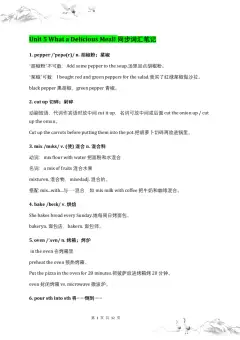
- 人教版英语八年级上册Unit5 What a Delicious Meal同步词汇笔记2025-2026学年新版第三套
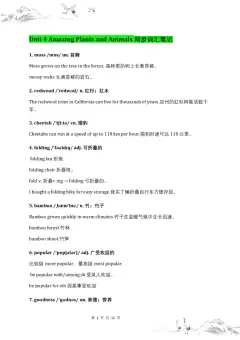
- 人教版英语八年级上册Unit4 Amazing Plants and Animals同步词汇笔记2025-2026学年新版第三套
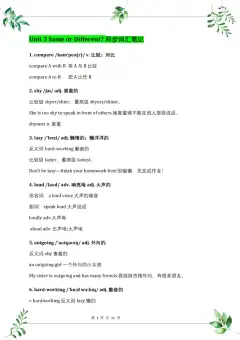
- 人教版英语八年级上册Unit3 Same or Different同步词汇笔记2025-2026学年新版第三套
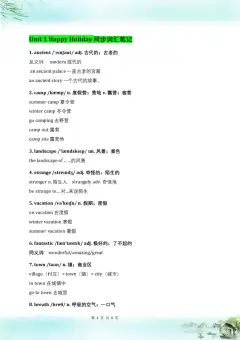
- 人教版英语八年级上册Unit1 Happy Holiday同步词汇笔记2025-2026学年新版第三套
- 2024年高考英语一轮复习考点帮(全国通用)第一部分词汇 第05讲 高考高频短语核心考点精讲精练(解析版)
- 2026年高考英语课标重点高频短语解析学案及检测题8(专项复习)
- 初中英语热点话题十大词汇总结
- 2026版新教材新高考高考英语一轮复习讲义练习课件 第一部分词汇 第04讲完形填空高频障碍词与高频短语复习讲义 全国适用 教师版
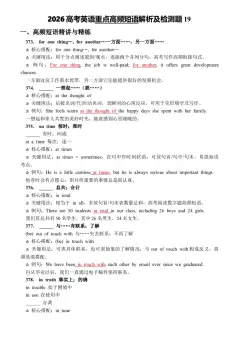
- 2026年高考英语课标重点高频短语解析及检测题19导学案
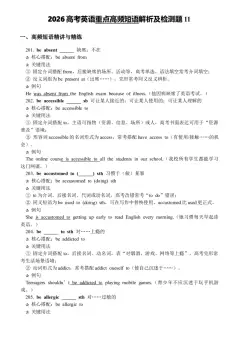
- 2026年高考英语专项复习 课标重点高频短语解析及检测题11 导学案
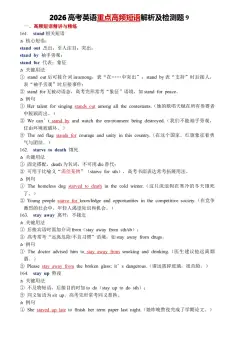
- 2026年高考英语专项复习 高考英语课标重点高频短语解析学案及检测题9
- 2026年高考英语专项复习课标重点高频短语解析学案及检测题6
- 2026年高考英语课标重点高频短语解析及检测题15导学案
- 2026年高考英语专项复习:课标重点高频短语解析学案及检测题7(高考一二三轮复习)
- 2026年高考英语课标重点高频短语解析学案及检测题5(高考一二三轮专项复习)