资讯 / 正文
80篇故事无痛掌握高考英语新课标3100词Story 71-75
80篇故事无痛掌握高考英语新课标3100词Story 71-75Unit 15: 历史与文化 (Passage 71-75)Passage 71: The Silk Road 丝绸之路The Silk Road was a network of trade routes that connected China with the Mediterranean world. It stretched over four thousand miles and passed through deserts, mountains, and oases. Merchants traveled in caravans, carrying silk, spices, tea, porcelain, and precious metals. Ideas, religions, and technologies also traveled along the route. Buddhism spread from India to China, and paper-making technology reached the West. The Silk Road flourished for over a thousand years before declining due to political instability and the rise of sea trade. Today, archaeologists excavate ancient cities along the route to learn about this remarkable exchange of goods and culture. "The Silk Road proves that connection enriches civilizations," a historian said.中文翻译:丝绸之路是连接中国与地中海世界的贸易路线网络。它绵延四千多英里,穿过沙漠、山脉和绿洲。商人结队旅行,携带丝绸、香料、茶叶、瓷器和贵金属。思想、宗教和技术也沿着这条路传播。佛教从印度传到中国,造纸术到达西方。丝绸之路繁荣了一千多年,后因政治不稳定和海上贸易的兴起而衰落。如今,考古学家在沿线挖掘古城,了解这种非凡的商品和文化交流。“丝绸之路证明连接使文明丰富,”一位历史学家说。核心词汇:Silk Road, network, trade route, connect, China, Mediterranean world, stretch, four thousand miles, pass through, desert, mountain, oasis, merchant, travel, caravan, carry, silk, spice, tea, porcelain, precious metal, idea, religion, technology, travel, route, Buddhism, spread, India, China, paper-making technology, reach, West, Silk Road, flourish, over, thousand years, decline, due to, political instability, rise, sea trade, today, archaeologist, excavate, ancient city, route, learn, remarkable, exchange, goods, culture, Silk Road, prove, connection, enrich, civilization, historianPassage 72: The Great Wall 长城The Great Wall of China is one of the most impressive structures ever built. It stretches over thirteen thousand miles across mountains, deserts, and plains. Construction began over two thousand years ago and continued for centuries. Emperors built and rebuilt the wall to defend against invaders from the north. Soldiers guarded watchtowers and lit beacons to warn of attacks. The wall was built with bricks, stone, and earth. Thousands of workers labored on it, many of whom died from exhaustion and hardship. Today, the Great Wall is a UNESCO World Heritage Site and a symbol of Chinese civilization. Tourists from around the world climb its ancient steps. "The Great Wall represents the perseverance and ingenuity of the Chinese people," a guide said.中文翻译:中国长城是史上最令人印象深刻的建筑之一。它绵延一万三千多英里,穿过山脉、沙漠和平原。建造始于两千多年前,持续了数个世纪。皇帝们修建和重建长城,抵御北方入侵者。士兵守卫烽火台,点燃烽火警告袭击。长城用砖、石和泥土建造。成千上万的工人在上面劳作,许多人死于疲惫和艰苦。如今,长城是联合国教科文组织世界遗产,是中国文明的象征。来自世界各地的游客攀登它古老的台阶。“长城代表了中国人民的坚韧和智慧,”一位导游说。核心词汇:Great Wall, China, most impressive, structure, build, stretch, thirteen thousand miles, mountain, desert, plain, construction, begin, over two thousand years ago, continue, centuries, emperor, build, rebuild, wall, defend, invader, north, soldier, guard, watchtower, light, beacon, warn, attack, wall, build, brick, stone, earth, thousands, worker, labor, many, die, exhaustion, hardship, today, Great Wall, UNESCO World Heritage Site, symbol, Chinese civilization, tourist, around the world, climb, ancient, step, Great Wall, represent, perseverance, ingenuity, Chinese people, guidePassage 73: The Traditional Festival 传统节日The Spring Festival is the most important traditional festival in China. It marks the beginning of the lunar new year. Families gather for a reunion dinner on New Year's Eve. They eat dumplings, fish, and other symbolic foods. Children receive red envelopes containing money from their elders. People set off fireworks and firecrackers to drive away evil spirits. They decorate their homes with red couplets and paper cuttings. The festival lasts fifteen days, ending with the Lantern Festival. During this time, families visit relatives, exchange gifts, and wish each other good luck. A student named Li Hua said, "The Spring Festival is not just a holiday. It's a time to connect with family and honor our ancestors."中文翻译:春节是中国最重要的传统节日。它标志着农历新年的开始。除夕夜,家人聚在一起吃团圆饭。他们吃饺子、鱼和其他象征性食物。孩子们从长辈那里收到装着钱的红包。人们放烟花和鞭炮驱赶邪灵。他们用红色对联和剪纸装饰房屋。节日持续十五天,以元宵节结束。在此期间,家人拜访亲戚、交换礼物、互祝好运。一个叫李华的学生说:“春节不仅仅是假期。它是与家人联系、缅怀祖先的时刻。”核心词汇:Spring Festival, most important, traditional festival, China, mark, beginning, lunar new year, family, gather, reunion dinner, New Year's Eve, eat, dumpling, fish, symbolic food, children, receive, red envelope, contain, money, elder, people, set off, firework, firecracker, drive away, evil spirit, decorate, home, red couplet, paper cutting, festival, last, fifteen days, end, Lantern Festival, during, time, family, visit, relative, exchange, gift, wish, good luck, student named, Spring Festival, not just, holiday, time, connect, family, honor, ancestorPassage 74: The Museum 博物馆The National Museum houses one of the largest collections of artifacts in the world. Its exhibits range from ancient pottery and bronze vessels to imperial robes and calligraphy. A curator explained that each artifact tells a story about China's long history and rich culture. Visitors wandered through galleries filled with treasures from different dynasties. A student named Chen Yue was fascinated by a jade dragon that was over five thousand years old. She learned that jade was considered a symbol of power, wisdom, and immortality. The museum also offers educational programs for children, including hands-on workshops where they can try ancient crafts like pottery and weaving. "Museums preserve the past and inspire the future," the curator said.中文翻译:国家博物馆收藏着世界上最大的文物收藏之一。其展品从古代陶器和青铜器到皇家袍服和书法,范围广泛。一位策展人解释说,每件文物都讲述着中国悠久历史和丰富文化的故事。参观者漫步在摆满不同朝代珍宝的画廊中。一个叫陈悦的学生被一条五千多年前的玉龙迷住了。她了解到玉被视为权力、智慧和永生的象征。博物馆还为儿童提供教育项目,包括动手工作坊,他们可以尝试陶艺和编织等古代工艺。“博物馆保存过去,启发未来,”策展人说。核心词汇:National Museum, house, largest, collection, artifact, world, exhibit, range, ancient, pottery, bronze, vessel, imperial, robe, calligraphy, curator, explain, artifact, tell, story, China, long history, rich culture, visitor, wander, gallery, filled, treasure, different dynasty, student named, fascinated, jade, dragon, over five thousand years old, learn, jade, considered, symbol, power, wisdom, immortality, museum, offer, educational program, children, including, hands-on workshop, try, ancient craft, pottery, weaving, museum, preserve, past, inspire, future, curatorPassage 75: The Language 语言Language is the primary means of human communication. There are approximately seven thousand languages spoken in the world today. Chinese Mandarin has the most native speakers, followed by Spanish and English. Languages evolve over time, borrowing words from other languages and creating new ones. Dialects are regional varieties of a language that differ in pronunciation, vocabulary, and grammar. Translators and interpreters bridge language barriers by converting meaning from one language to another. A student named Wang Lin studied French, German, and Japanese. She found that learning languages opened doors to new cultures and perspectives. "Every language offers a different way of seeing the world," she said. "Learning one is like gaining a new soul."中文翻译:语言是人类交流的主要手段。当今世界大约有七千种语言被使用。汉语普通话拥有最多的母语使用者,其次是西班牙语和英语。语言随时间演变,从其他语言借词并创造新词。方言是一种语言的地区变体,在发音、词汇和语法上有所不同。笔译员和口译员通过将意义从一种语言转换为另一种来弥合语言障碍。一个叫王林的学生学习了法语、德语和日语。她发现学习语言打开了通往新文化和视角的大门。“每种语言都提供一种不同的看世界的方式,”她说。“学一门语言就像获得一个新灵魂。”核心词汇:language, primary, means, human communication, approximately, seven thousand, language, spoken, world, today, Chinese Mandarin, most native speakers, followed by, Spanish, English, language, evolve, over time, borrow, word, other language, create, new one, dialect, regional variety, language, differ, pronunciation, vocabulary, grammar, translator, interpreter, bridge, language barrier, convert, meaning, one language, another, student named, study, French, German, Japanese, find, learn, language, open doors, new culture, perspective, every language, offer, different way, see, world, learn, like, gain, new soul
相关文档
- 新概念英语第二册赵紫涵第9讲L71:大本钟背后的故事(L61-L80)
- 初三课堂笔记3100
- 2023新课标小学语文75首古诗
- 总复习3100以内数的加减法2
- Day8Story-教学设计
- Day8Story-课后练习
- Day8Story-学习任务单
- 必须掌握的近义词反义词多音字汇总
- 陶然2026高考英语全程语法完型千题万词第六阶段语法填空71-100
- 陶然2026高考英语全程语法完型千题万词第六阶段完形填空71-100
- 2025高考英语学习资料包语法完形千题万词第六阶段语法填空71-100
- 英语86高中英语3500词新课标词汇
- 2025高考英语学习资料包语法完形千题万词第六阶段语法填空71-100答案
- 2025高考英语学习资料包语法完形千题万词第六阶段完形填空71-100答案
- 军队文职串词编故事面试练习题
- 2025清华词汇新书定稿 30篇阅读掌握高考英语3500词 2027高三英语李辉一轮复习暑假班直播规划课
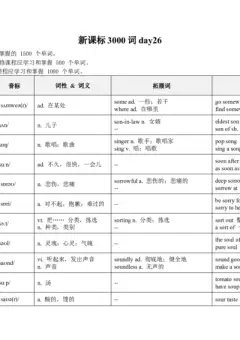
- 2026年高中英语新课标3000词词汇练习(含拓展词、语块、有声单词消消乐):新课标3000词day26
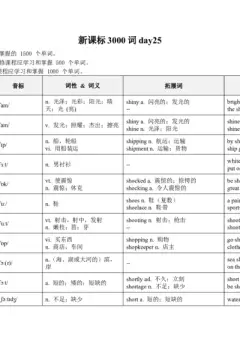
- 2026年高中英语新课标3000词词汇练习(含拓展词、语块、有声单词消消乐):新课标3000词day25
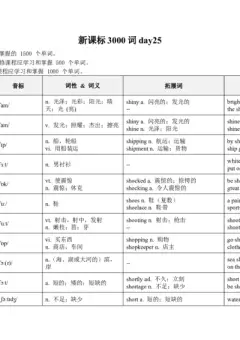
- 2026年高中英语新课标3000词词汇练习(含拓展词、语块、有声单词消消乐):新课标3000词day25
- 2026年高中英语新课标3000词词汇练习(含拓展词、语块、有声单词消消乐):新课标3000词day25
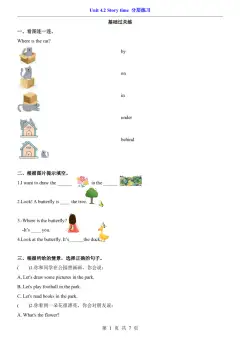
- 三年级下册英语译林版Unit4.2 Story time分层练习
- 三年级下册英语译林版Unit2.2 Story time分层练习
- 三年级下册英语译林版Unit1.2 Story time分层练习
- 译林版三起英语Unit3第1课时分层作业 Story time
- 2026年高中英语新课标3000词词汇练习 day9 含拓展词、语块及有声单词消消乐
- 2026年高中英语新课标3000词词汇练习(含拓展词、语块及有声单词消消乐)day4
- 2026年高考英语新课标3000词词汇练习(含拓展词、语块、有声单词消消乐)day8 高考一二三轮专项复习
- 2026年高考英语专项复习 新课标3000词词汇练习(含拓展词、语块、有声单词消消乐)day8 高考一二三轮复习
- 2026年高考英语专项复习:新课标3000词词汇练习 day7(含拓展词、语块、有声单词消消乐)
- 2026年高考英语专项复习:新课标3000词词汇练习 day7(含拓展词、语块、有声单词消消乐)
- 2026年高考英语专项复习:高中英语新课标3000词词汇练习(含拓展词、语块、有声单词消消乐)day6
- 2026年高考英语专项复习:高中英语新课标3000词词汇练习(含拓展词、语块、有声单词消消乐)day6
- 2026年高考英语专项复习:高中英语新课标3000词词汇练习(含拓展词、语块、有声单词消消乐)day5
- 2026年高考英语专项复习:高中英语新课标3000词词汇练习(含拓展词、语块、有声单词消消乐)day5
- 2026年高中英语新课标3000词词汇练习(含拓展词、语块、有声单词消消乐)day3
- 2026年高中英语新课标3000词词汇练习 day2 含拓展词、语块与有声单词消消乐
- 2026年高中英语新课标3000词词汇练习 day30 含拓展词、语块与有声单词消消乐
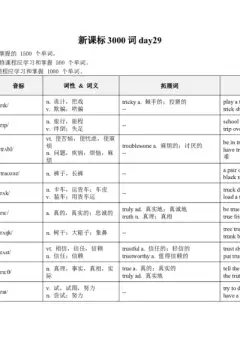
- 2026年高中英语新课标3000词词汇练习 day29 含拓展词、语块及有声单词消消乐
- 2026年高中英语新课标3000词词汇练习 day29 含拓展词、语块及有声单词消消乐
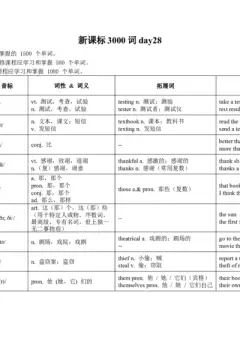
- 2026年高考英语专项复习 高中英语新课标3000词词汇练习(含拓展词、语块、有声单词消消乐)day28
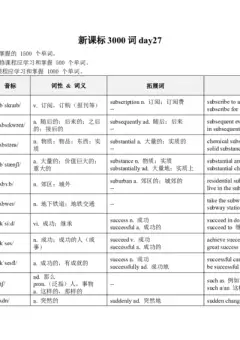
- 2026年高考英语专项复习:高中英语新课标3000词词汇练习(含拓展词、语块、有声单词消消乐)day27
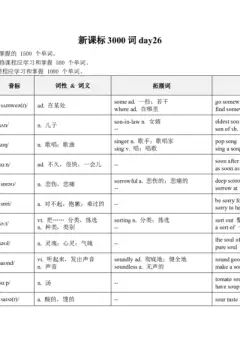
- 2026年高考英语专项复习:高中英语新课标3000词词汇练习(含拓展词、语块、有声单词消消乐)day26
- 2026年高考英语专项复习:高中英语新课标3000词词汇练习(含拓展词、语块、有声单词消消乐)day24
- 2026年高考英语专项复习:高中英语新课标3000词词汇练习(含拓展词、语块、有声单词消消乐)day24
- 2026年高考英语专项复习:高中英语新课标3000词词汇练习(含拓展词、语块、有声单词消消乐)day23
- 2026年高考英语专项复习 新课标3000词词汇练习 day22 含拓展词、语块及有声单词消消乐
- 2026年高考英语专项复习 新课标3000词词汇练习 day22 含拓展词、语块及有声单词消消乐
- 2026年高考英语专项复习 新课标3000词词汇练习 day21 含拓展词、语块及有声单词消消乐
- 2026年高中英语新课标3000词词汇练习(含拓展词&语块&有声单词消消乐)day19
- 2026年高中英语新课标3000词词汇练习(含拓展词&语块&有声单词消消乐)day19