资讯 / 正文
每日真题(019 期)|2023(I)高考英语阅读 C 篇:数字极简主义,找回属于自己的时间(附精讲)
每日真题(019 期)|2023(I)高考英语阅读 C 篇:数字极简主义,找回属于自己的时间(附精讲)标签:# 高考英语 #阅读理解 #真题精讲 #每日真题 💡导语: 高考 C 篇多为书评、社科说理类文章,逻辑层次强,侧重考查词义猜测、细节定位和篇章结构。本篇是一本书籍介绍,讲解数字极简主义理念,文章长难句多,非常适合高三精读训练。全文配套原文、中文翻译、逐题解析、重点词汇、长难句拆解。 ________________________________________ 📖英文原文 The goal of this book is to make the case for digital minimalism, including a detailed exploration of what it asks and why it works, and then to teach you how to adopt this philosophy if you decide it’s right for you. To do so, I divided the book into two parts. In part one, I describe the philosophical foundations of digital minimalism, starting with an examination of the forces that are making so many people’s digital lives increasingly intolerable, before moving on to a detailed discussion of the digital minimalism philosophy. Part one concludes by introducing my suggested method for adopting this philosophy: the digital declutter. This process requires you to step away from optional online activities for thirty days. At the end of the thirty days, you will then add back a small number of carefully chosen online activities that you believe will provide massive benefits to the things you value. In the final chapter of part one, I’ll guide you through carrying out your own digital declutter. In doing so, I’ll draw on an experiment I ran in 2018 in which over 1,600 people agreed to perform a digital declutter. You’ll hear these participants’ stories and learn what strategies worked well for them, and what traps they encountered that you should avoid. The second part of this book takes a closer look at some ideas that will help you cultivate (培养) a sustainable digital minimalism lifestyle. In these chapters, I examine issues such as the importance of solitude (独处) and the necessity of cultivating high-quality leisure to replace the time most now spend on mindless device use. Each chapter concludes with a collection of practices, which are designed to help you act on the big ideas of the chapter. You can view these practices as a toolbox meant to aid your efforts to build a minimalist lifestyle that works for your particular circumstances. 1. What is the book aimed at? A. Teaching critical thinking skills. B. Advocating a simple digital lifestyle. C. Solving philosophical problems. D. Promoting the use of a digital device. 2. What does the underlined word “declutter” in paragraph 3 mean? A. Clear-up. B. Add-on. C. Check-in. D. Take-over. 3. What is presented in the final chapter of part one? A. Theoretical models. B. Statistical methods. C. Practical examples. D. Historical analyses. 4. What does the author suggest readers do with the practices offered in part two? A. Use them as needed. B. Recommend them to friends. C. Evaluate their effects. D. Identify the ideas behind them. ________________________________________ 📝全文翻译 本书旨在论证数字极简主义,详细阐释其内涵与奏效原理。如果你认为这套理念适合自己,本书还会教你如何践行这一思想。 为此,我将全书分为两个部分。第一部分阐述数字极简主义的哲学基础。首先探讨是什么因素让许多人的数字生活越来越难以忍受,随后深入探讨数字极简主义理念。 第一部分结尾介绍了我推荐的践行方法:数字清理。该方法要求你暂停非必要的线上活动三十天。三十天结束后,再少量、有选择地恢复部分线上活动,只保留那些对你珍视的事物大有裨益的项目。 在第一部分的最后一章,我将指导你完成属于自己的数字清理。写作这一章时,我参考了 2018 年开展的一项实验,有 1600 多人参与了这次数字清理。你会读到参与者的故事,了解哪些策略效果很好,以及他们遇到的、需要你避开的陷阱。 本书第二部分深入探讨一些思路,帮你培养可持续的数字极简生活方式。这一部分探讨独处的重要性,以及培养高质量休闲活动的必要性,以此替代大多数人无意义刷电子设备的时间。每一章结尾都附带一系列实操方法,帮助你落实本章核心观点。你可以把这些方法看作一套工具箱,助力你打造适配自身情况的极简生活方式。 ________________________________________ 📚题目解析 28. What is the book aimed at? 这本书的目的是什么? 定位第一段:The goal of this book is to make the case for digital minimalism… teach you how to adopt this philosophy digital minimalism:数字极简主义,也就是倡导简约的数字生活方式。 A. 教授批判性思维。(原文无) B. Advocating a simple digital lifestyle. 倡导简约的数字生活方式 ✅ C. 解决哲学难题。(只是介绍理念,不是解决哲学问题) D. 推广电子设备使用。(与原文相反) 答案:B 1. What does the underlined word “declutter” in paragraph 3 mean? 第三段划线单词 declutter 是什么意思? 定位第三段:step away from optional online activities for thirty days,暂停非必要线上活动,只保留有益的。也就是清理、精简线上生活。 A. Clear-up. 清理,精简 ✅ B. Add-on. 添加 C. Check-in. 签到 D. Take-over. 接管 答案:A 2. What is presented in the final chapter of part one? 第一部分最后一章呈现了什么内容? 定位第四段:I’ll draw on an experiment… You’ll hear these participants’ stories 作者引用实验,讲述参与者真实故事,属于实例。 A. Theoretical models. 理论模型 B. Statistical methods. 统计方法 C. Practical examples. 实例 ✅ D. Historical analyses. 历史分析 答案:C 3. What does the author suggest readers do with the practices offered in part two? 作者建议读者如何使用第二部分给出的这些实操方法? 定位末段:You can view these practices as a toolbox meant to aid your efforts to build a minimalist lifestyle that works for your particular circumstances. 把这些方法当作工具箱,根据自己的情况选用,按需使用。 A. Use them as needed. 按需使用 ✅ B. 推荐给朋友。(原文未提) C. 评估它们的效果。(没有说要评估效果) D. 理解背后的理念。(理念是章节内容,不是使用这些方法的方式) 答案:A ________________________________________ 🔤重点单词 & 短语 1. make the case for 论证,支持 2. digital minimalism 数字极简主义 3. adopt v. 采纳,践行 4. philosophy n. 理念,哲学 5. foundation n. 基础 6. increasingly intolerable 越来越难以忍受 7. optional adj. 可选择的,非必需的 8. massive adj. 巨大的 9. draw on 利用,参考 10. perform v. 执行,实施 11. participant n. 参与者 12. encounter v. 遭遇 13. trap n. 陷阱 14. cultivate v. 培养 15. sustainable adj. 可持续的 16. solitude n. 独处 17. mindless adj. 漫无目的的,不动脑的 18. practice n. 做法,实操方法 19. aid v. 帮助 20. circumstance n. 情况,境遇 ________________________________________ 🧩长难句解析 句 1 The goal of this book is to make the case for digital minimalism, including a detailed exploration of what it asks and why it works, and then to teach you how to adopt this philosophy if you decide it’s right for you. 翻译:本书旨在论证数字极简主义,详细阐释其内涵与奏效原理。如果你认为这套理念适合自己,本书还会教你如何践行这一思想。 1. 主干:The goal is to make the case for… and then to teach you… 两个不定式并列作表语。 2. including 介词短语作插入说明;what 和 why 引导宾语从句,作 exploration 的宾语;if 引导条件状语从句。 ✅句式类型:不定式并列作表语 + 宾语从句 + if 条件状语从句 句 2 In these chapters, I examine issues such as the importance of solitude (独处) and the necessity of cultivating high-quality leisure to replace the time most now spend on mindless device use. 翻译:这一部分探讨独处的重要性,以及培养高质量休闲活动的必要性,以此替代大多数人无意义刷电子设备的时间。 1. 主干:I examine issues;such as 引出两个并列名词短语。 2. to replace 不定式作目的状语;most now spend… 定语从句,省略关系代词 that,修饰 the time。 ✅句式类型:主干 + 举例 + 不定式作目的状语 + 定语从句 ________________________________________ ✍️文末小记 本篇属于高考 C 篇高频书评 / 社科类文章。文章结构清晰:总述书籍目的→分两部分介绍内容。做题重点:把握段落主旨,词义猜测题依托上下文逻辑;细节题一定要精准定位原句,区分选项偷换概念。社科类阅读生词偏抽象,平时要积累社科高频词。 📌下期预告:每日真题(020 期)继续更新高考阅读精讲,欢迎持续关注! 觉得有用,欢迎点赞、在看,转发给身边高三同学!
相关文档
- 极简材料作文写作指导2倾诉与沉默
- 极简材料作文写作指导3认识一致与见解独到
- 极简材料作文写作指导1生活上的精致与生命中的粗粝
- 人民日报精读开拓出属于自己的新赛道
- 2026年高考英语二轮复习读后续写讲义:人物成长类友情支持类“从被孩子支配的恐惧到台上亮相,Emily教宝妈用六个月找回自己的人生”
- 高考作文极简主义写作者诺贝尔文学奖素材解读
- 2025高考数学极简解题法教辅
- 励志短文:你要自己发光,而不是总是折射别人的光
- 1极简气质英文CV简历(9)
- 1极简气质英文CV简历(8)
- 1极简气质英文CV简历(7)
- 1极简气质英文CV简历(6)
- 1极简气质英文CV简历(5)
- 1极简气质英文CV简历(25)
- 1极简气质英文CV简历(24)
- 1极简气质英文CV简历(23)
- 1极简气质英文CV简历(22)
- 1极简气质英文CV简历(21)
- 1极简气质英文CV简历(20)
- 1极简气质英文CV简历(19)
- 1极简气质英文CV简历(18)
- 1极简气质英文CV简历(17)
- 1极简气质英文CV简历(16)
- 1极简气质英文CV简历(15)
- 1极简气质英文CV简历(14)
- 1极简气质英文CV简历(13)
- 1极简气质英文CV简历(12)
- 1极简气质英文CV简历(11)
- 1极简气质英文CV简历(10)
- 极简气质英文CV简历九
- 极简气质英文CV简历八
- 极简气质英文CV简历七
- 极简气质英文CV简历六
- 极简气质英文CV简历五
- 极简气质英文CV简历二十五
- 极简气质英文CV简历二十四
- 极简气质英文CV简历二十三
- 极简气质英文CV简历二十二
- 极简气质英文CV简历二十一
- 极简气质英文CV简历二十
- 极简气质英文CV简历十九
- 极简气质英文CV简历十八
- 极简气质英文CV简历十七
- 极简气质英文CV简历十六
- 极简气质英文CV简历十五
- 极简气质英文CV简历十四
- 极简气质英文CV简历十三
- 极简气质英文CV简历十二
- 极简气质英文CV简历十一
- 极简气质英文CV简历十
- 高考语文极简类思辨作文审题立意三
- 高考语文极简类思辨作文审题立意二
- 高考语文极简类思辨作文审题立意一
- 升学君整理酒红色极简小升初简历模板
- 以围棋本手妙手俗手为主题的作文《品棋道,悟人生》作文素材
- 高考作文专题80极简思辨类二主题素材
- 高考作文专题79极简思辨类一主题素材
- 2026年高考语文作文热点新闻素材积累与运用专项复习:高考极简类材料作文写作指导(一二三轮复习)
- 广州一模相处之道极简作文例文
- 2026年公考名师课程 初心行测领跑营系统班讲义:初心判断9 定义(1)极简版
- 极简材料作文审题选材与说理秘籍知识清单(学生版)
- 2026版理想树高考必刷卷42套数学极简解题法
- 高考语文专项极简材料作文的审题选材与说理秘籍知识清单教师版2026抢分秘籍G221
- 2026版高考语文抢分秘籍(新高考专用)极简材料作文的审题、选材与说理秘籍(知识清单)(学生版)
- 2026版高考语文抢分秘籍 极简材料作文的审题、选材与说理秘籍知识清单 教师版
- 如何打造属于自己面试的案例套路
- 2027届高考语文一轮复习作文资料:二元思辨类作文汇编+材料极简+观点对立(2026年6月电子版)
- 优秀作文《有一种颜色属于我》青春的绿色范文
- 2027届高考语文作文一轮复习:3道极简现象类思辨作文审题指导+参考立意+优秀范文(2026年7月电子版)
- 2022政府工作报告极简版
- 英文字母每日打卡7页
- 中石油·数字电路技术基础复习提纲
- 中石油·数字电子技术复习资料
- 2026年高考英语一轮复习阅读理解突破讲义每日一练精品素材3
- 2026年高考英语一轮复习阅读理解突破讲义 高考英语阅读理解每日一练3 参考答案
- 2026年高考英语一轮复习阅读理解突破讲义 每日一练1 含词汇积累
- 中石油笔试数字电子技术复习资料:数字电路知识点汇总(精华版)
- 六年级(下)英语小升初阅读理解真题每日一练题人教版PEP
- 专题一打造属于自己的优秀作文全国通用
- 2026高考语文三轮极简材料作文审题选材说理秘籍(解析版)
- 2026高考语文三轮极简材料作文审题选材说理秘籍(原卷版)
- 简专八阅读全文翻译Unit1至10星火旧版
- 2026年高考英语一轮复习阅读理解突破讲义:每日一练2(含词汇积累)
- 2026年高考英语一轮复习阅读理解突破讲义 高考英语阅读理解每日一练1含词汇积累 参考答案
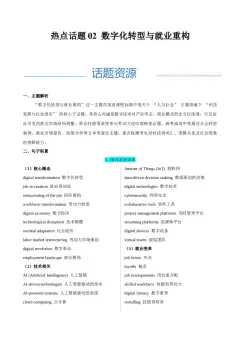
- 2026年高考英语阅读理解突破策略及押题:热点话题02数字化转型与就业重构(全国通用)学生版
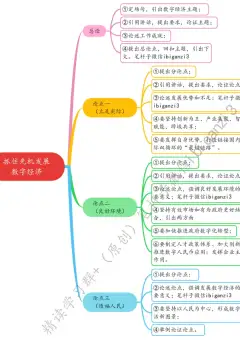
- 笔杆子每日晨读3月0311:思维导图抓住先机发展数字经济(数字经济话题)
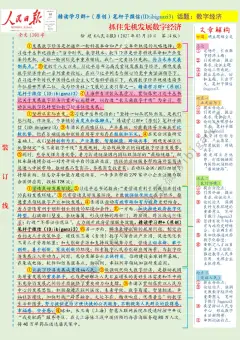
- 笔杆子每日晨读3月11日 抓住先机发展数字经济 干货资料
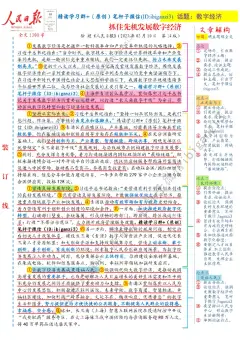
- 笔杆子2024年3月每日晨读0311抓住先机发展数字经济
- 英语专项深度练习——阅读理解(八)
- 中石油·英语阅读理解深度练习(十一)
- 中石油·英语阅读理解深度练习(七)
- 2026年高考英语一轮复习阅读理解突破讲义 每日一练2 含词汇积累 参考答案
- 笔杆子2024年3月每日晨读干货资料:抓住先机发展数字经济
- 笔杆子2024年3月每日晨读干货资料:抓住先机发展数字经济
- 2022年政府工作报告极简版(202203)
- 2022年9月笔杆子每日晨读0909建设数字中国数字化点亮新生活干货资料
- 笔杆子每日晨读 2022年9月 建设数字中国数字化点亮新生活 话题数字中国 未标注绿 干货资料
- 思维导图加快发展数字经济话题:数字经济(2022年12月笔杆子晨读1218)
- 笔杆子每日晨读2022年12月18日:加快发展数字经济(数字经济话题,标注绿)
- 笔杆子每日晨读 2022年12月 1218加快发展数字经济话题 标注白 干货资料