

🎧 建议跟读2遍,语速0.8倍
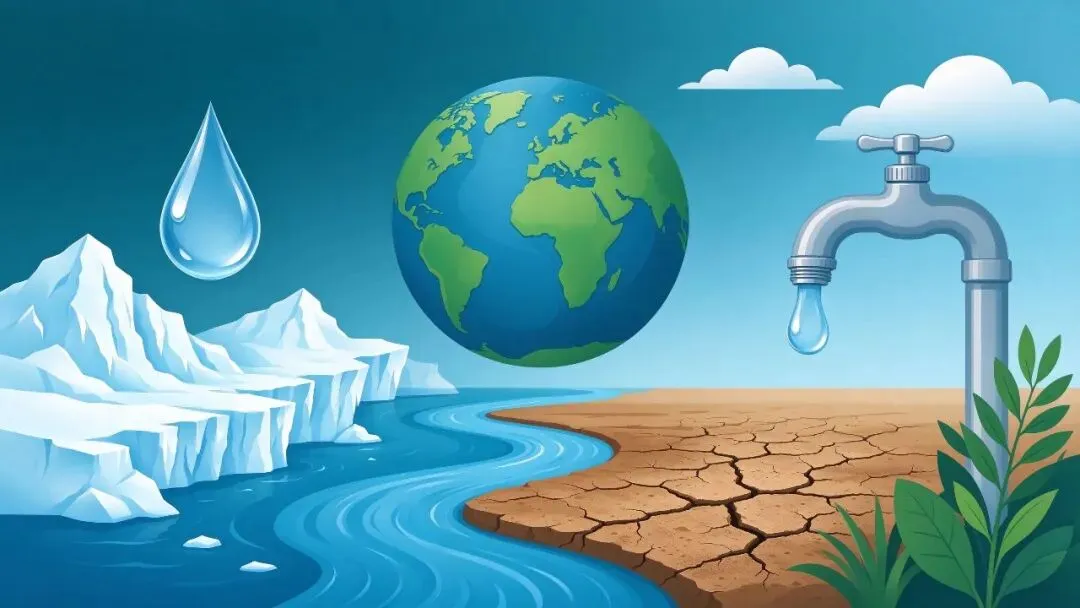
Earth is often called the blue planet. Seventy percent of its surface is covered by water. Yet less than one percent of that water is fresh and drinkable. The rest is salt water in the oceans, or frozen in glaciers. As the global population grows and cities expand, demand for fresh water is rising faster than nature can supply it. By 2030, nearly half the world's population may face water shortage.
The crisis is not only about quantity. It is also about quality. Industrial waste, agricultural chemicals, and untreated sewage pour into rivers and lakes every day. In many countries, drinking water contains pollutants that cause disease. Children are the most vulnerable. Every year, millions of people become sick from water that should be safe to drink.
Agriculture is the biggest user, consumeing about seventy percent of all fresh water. Much of it is wasted through inefficient irrigation methods. Cities are also guilty. Leaking pipes lose billions of liters before water ever reaches a home. And individuals often use water carelessly, leaving taps running and watering lawns during drought. The problem is not that there is too little water. The problem is that we use too much, waste too much, and contaminate too much.
Solutions exist. Farmers can switch to drip irrigation that uses a fraction of the water. Cities can repair infrastructure and recycle wastewater for industrial use. Individuals can fix leaks, take shorter showers, and choose sustainable products. But technology alone will not solve the crisis. What is needed is a change in attitude — the recognition that water is not an endless resource, but a precious one that must be protected. The next world war, some say, will be fought over water. We can prove them wrong.
地球常被称为蓝色星球。其表面70%被水覆盖。然而其中不到1%是淡水可饮用的。其余是海洋中的咸水,或冻结在冰川中。随着全球人口增长和城市扩张,淡水需求的增长速度超过了自然的供应速度。到2030年,世界近一半人口可能面临水资源短缺。危机不只是数量的问题。也是质量的问题。工业废料、农业化学品和未经处理的污水每天排入河流湖泊。在许多国家,饮用水含有导致疾病的污染物。儿童是最脆弱的。每年,数百万人因本应安全饮用的水而生病。农业是最大的用户,消耗约70%的淡水。其中大部分通过低效的灌溉方法被浪费。城市也有责任。漏水的管道在水到达家庭之前就损失了数十亿升。个人也经常粗心地用水,让水龙头一直流,在干旱期间浇灌草坪。问题不是水太少。问题是我们用得太多、浪费太多、污染太多。解决方案存在。农民可以改用滴灌,只用一小部分水。城市可以修复基础设施并回收废水用于工业。个人可以修复漏水、缩短淋浴时间、选择可持续产品。但仅靠技术不能解决危机。需要的是态度的改变——认识到水不是无尽的资源,而是必须保护的珍贵资源。有人说,下一次世界大战将为水而战。我们可以证明他们错了。
第一段讲"淡水稀缺"。fresh(/freʃ/,淡的)水可饮用。冻结在glacier(/ˈɡleɪsiə(r)/,冰川)中。demand(/dɪˈmɑːnd/,需求)增长超过supply(/səˈplaɪ/,供应)。面临水shortage(/ˈʃɔːtɪdʒ/,短缺)。 第二段讲"水质问题"。不只是quantity(/ˈkwɒntəti/,数量),也是quality(/ˈkwɒləti/,质量)。工业waste(/weɪst/,废料)。未经处理的sewage(/ˈsuːɪdʒ/,污水)。含有导致疾病的pollutant(/pəˈluːtənt/,污染物)。儿童最vulnerable(/ˈvʌlnərəbl/,脆弱的)。 第三段讲"谁在浪费水"。农业consume(/kənˈsjuːm/,消耗)70%淡水。inefficient(/ˌɪnɪˈfɪʃnt/,低效的)灌溉。城市也guilty(/ˈɡɪlti/,有责任的)。个人careless(/ˈkeələs/,粗心的)用水。drought(/draʊt/,干旱)期间浇草坪。用太多、浪费太多、contaminate(/kənˈtæmɪneɪt/,污染)太多。 第四段讲"解决方案"。改用滴灌。修复基础设施,recycle(/ˌriːˈsaɪkl/,回收)废水。选择sustainable(/səˈsteɪnəbl/,可持续的)产品。需要attitude(/ˈætɪtjuːd/,态度)改变。水是珍贵资源必须保护。下一次世界大战可能为水而战,我们可以证明他们错了。 |
【补充参考·本篇单词汇总】 1. fresh /freʃ/ adj. 淡的 2. glacier /ˈɡleɪsiə(r)/ n. 冰川 3. demand /dɪˈmɑːnd/ n. 需求 4. supply /səˈplaɪ/ v. 供应 5. shortage /ˈʃɔːtɪdʒ/ n. 短缺 6. quantity /ˈkwɒntəti/ n. 数量 7. quality /ˈkwɒləti/ n. 质量 8. waste /weɪst/ n. 废料 9. sewage /ˈsuːɪdʒ/ n. 污水 10. pollutant /pəˈluːtənt/ n. 污染物 11. vulnerable /ˈvʌlnərəbl/ adj. 脆弱的 12. consume /kənˈsjuːm/ v. 消耗 13. inefficient /ˌɪnɪˈfɪʃnt/ adj. 低效的 14. guilty /ˈɡɪlti/ adj. 有责任的 15. careless /ˈkeələs/ adj. 粗心的 16. drought /draʊt/ n. 干旱 17. contaminate /kənˈtæmɪneɪt/ v. 污染 18. recycle /ˌriːˈsaɪkl/ v. 回收 19. sustainable /səˈsteɪnəbl/ adj. 可持续的 20. attitude /ˈætɪtjuːd/ n. 态度 |
💡 互动一下:你平时节约用水吗?这24个词你认识几个?评论区聊聊! |


