

🎧 建议跟读2遍,语速0.8倍
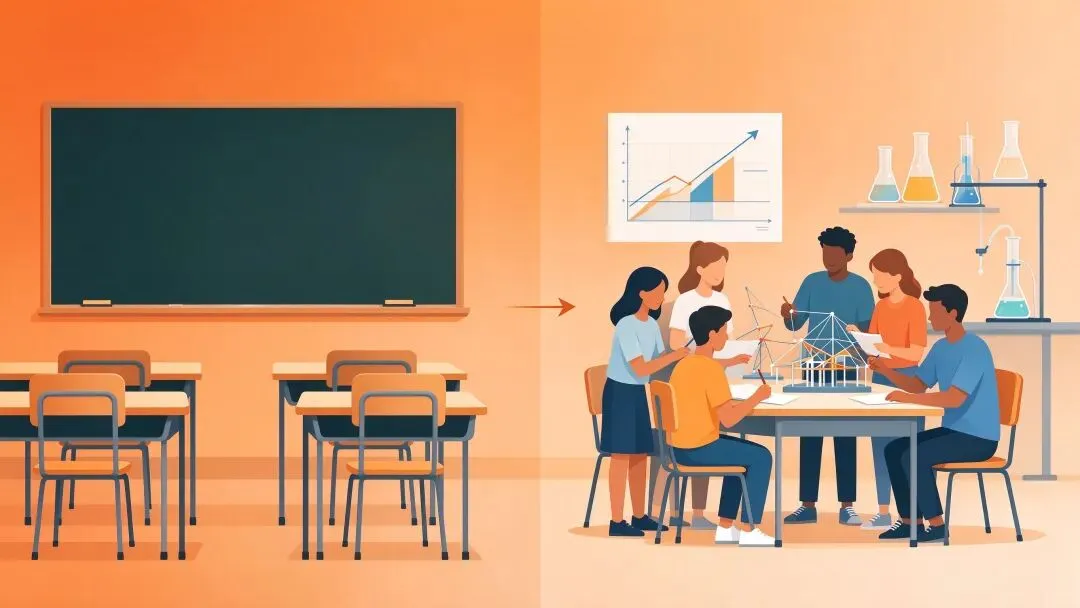
For a long time, the classroom looked the same everywhere. A teacher stood at the front, wrote on a blackboard, and talked. Students sat in rows, listened, and took notes. At the end of the term, they took an exam. This method worked for a certain kind of learner, and it still has value. But some educators began to ask: is listening the only way to learn? Could students understand more deeply by doing something real?
This question gave birth to project-based learning, or PBL. Instead of studying subjects separately, students work on a single project that touches several subjects at once. They might design a bridge, which requires math, physics, and even art. They might create a presentation about local history, which requires reading, writing, and interviewing. The teacher is no longer the only source of knowledge. The students become researchers, testing ideas and learning from failure.
The benefits are clear. Students remember what they did far longer than what they were told. They learn to work in teams, to manage their time, and to solve problems that do not have a single correct answer. These are exactly the skills that universities and employers look for. But PBL is not perfect. It takes more time to prepare. It can be messy. And some students struggle without the clear structure of a traditional lesson.
The best answer is probably not one method or the other. It is both. A student needs to listen and take notes, because some knowledge cannot be discovered through trial and error. But a student also needs to build, create, and fail, because understanding grows when you use what you know. The classroom of the future may not be a room where everyone faces the same direction. It may be a place where listening and doing happen side by side, and where the question is not "what did the teacher say?" but "what did you make?"
很长一段时间,教室在任何地方看起来都一样。老师站在前面,在黑板上写字,然后讲。学生成排坐着,听,记笔记。学期末,他们参加考试。这种方法对某种学习者有效,而且仍然有价值。但一些教育者开始问:听是唯一的学习方式吗?学生通过做真实的事情能不能理解得更深?这个问题催生了项目式学习,简称PBL。学生不是分别学习各个科目,而是做一个同时涉及几个科目的项目。他们可能设计一座桥,这需要数学、物理甚至艺术。他们可能做一个关于当地历史的展示,这需要阅读、写作和采访。老师不再是唯一的知识来源。学生变成研究者,测试想法,从失败中学习。好处很明显。学生对自己做过的事情的记忆远长于被告知的内容。他们学会团队合作、管理时间、解决没有唯一正确答案的问题。这些正是大学和雇主寻找的技能。但PBL并不完美。准备需要更多时间。可能会很乱。而且一些学生在没有传统课程清晰结构的情况下会感到困难。最好的答案可能不是非此即彼。而是两者都有。学生需要听和记笔记,因为有些知识无法通过试错发现。但学生也需要建造、创造和失败,因为理解在你运用所知时生长。未来的教室可能不是一个所有人面朝同一个方向的房间。它可能是一个听和做并排发生的地方,在那里问题不是"老师说了什么",而是"你做了什么"。
第一段讲"传统教室"。classroom(/ˈklɑːsruːm/,教室)看起来都一样。teacher(/ˈtiːtʃə(r)/,老师)站在前面,在blackboard(/ˈblækbɔːd/,黑板)上写字。学生成排坐,listen(/ˈlɪsn/,听),记note(/nəʊt/,笔记)。学期末参加exam(/ɪɡˈzæm/,考试)。这种方法对某种学习者有效。教育者问:听是唯一的学习方式吗? 第二段讲"项目式学习"。project(/ˈprɒdʒekt/,项目)-based learning。不分别学subject(/ˈsʌbdʒɪkt/,科目),做一个涉及几个科目的项目。设计桥需要math(/mæθ/,数学)、physics(/ˈfɪzɪks/,物理)、艺术。做presentation(/ˌpreznˈteɪʃn/,展示)需要阅读、写作、interview(/ˈɪntəvjuː/,采访)。老师不是唯一source(/sɔːs/,来源)。学生变成researcher(/rɪˈsɜːtʃə(r)/,研究者),从failure(/ˈfeɪljə(r)/,失败)中学习。 第三段讲"好处和不足"。benefit(/ˈbenɪfɪt/,好处)明显。对做过的事记忆更长。学会team(/tiːm/,团队)合作、manage(/ˈmænɪdʒ/,管理)时间、解决没有唯一答案的问题。这些是大学和雇主找的技能。但PBL不完美,准备需要更多时间,可能很乱,一些学生没有清晰结构会困难。 第四段讲"最好的答案"。不是非此即彼,而是两者都有。学生需要听和记笔记,因为有些知识无法通过试错发现。也需要建造、创造和失败,因为理解在运用所知时生长。未来的教室可能不是所有人面朝同一个方向的房间,而是听和做并排发生的地方,问题不是"老师说了什么",而是"你做了什么"。 |
【补充参考·本篇单词汇总】 1. classroom /ˈklɑːsruːm/ n. 教室 2. teacher /ˈtiːtʃə(r)/ n. 老师 3. blackboard /ˈblækbɔːd/ n. 黑板 4. listen /ˈlɪsn/ v. 听 5. note /nəʊt/ n. 笔记 6. exam /ɪɡˈzæm/ n. 考试 7. project /ˈprɒdʒekt/ n. 项目 8. subject /ˈsʌbdʒɪkt/ n. 科目 9. math /mæθ/ n. 数学 10. physics /ˈfɪzɪks/ n. 物理 11. presentation /ˌpreznˈteɪʃn/ n. 展示 12. interview /ˈɪntəvjuː/ v. 采访 13. source /sɔːs/ n. 来源 14. researcher /rɪˈsɜːtʃə(r)/ n. 研究者 15. failure /ˈfeɪljə(r)/ n. 失败 16. benefit /ˈbenɪfɪt/ n. 好处 17. team /tiːm/ n. 团队 18. manage /ˈmænɪdʒ/ v. 管理 |
💡 互动一下:你更喜欢坐着听还是动手做?这24个词你认识几个?评论区聊聊! |


