

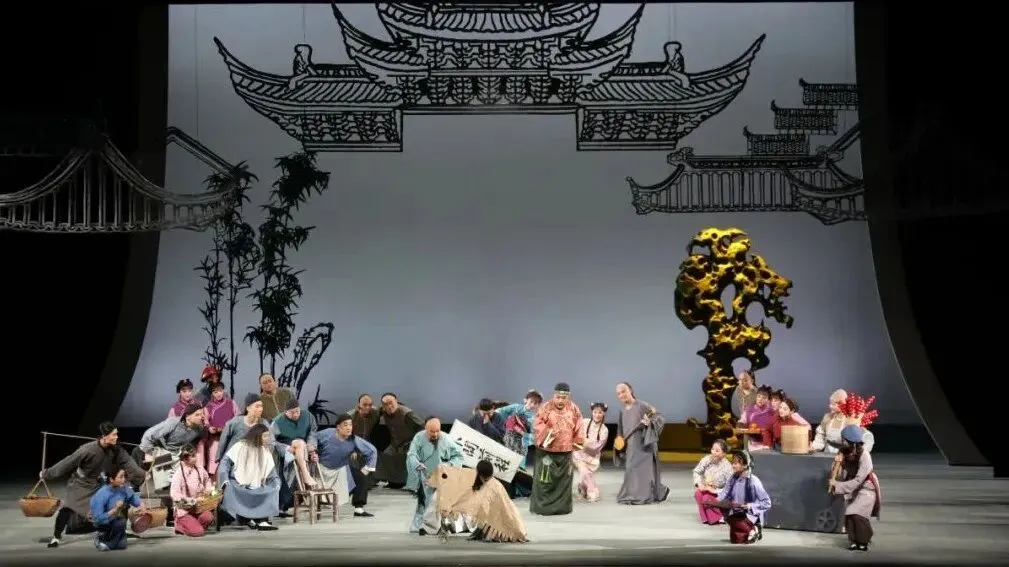
今年扬州中考英语考试结束后,不少扬州中考生走出考场纷纷议论,本次英语书面表达考题让人倍感棘手。本次作文二选一,主题为探索家乡民俗艺术,要求围绕扬剧或剪纸,为什么要?怎么做?篇幅控制在100词左右。不少考生坦言,平日里很少积累戏曲、传统手工艺相关英文专业词汇,提笔写作时无从下手,考完纷纷感慨考题难度远超预想。不少家长打趣,孩子们都被这道作文题难住了。(页尾有扬剧、扬州市扬剧研究所中英文)
非遗走进试卷,用英语讲好扬州千年文脉
考题紧扣扬州本土非遗:扬剧唱腔婉转、水袖灵动,经典剧目《白蛇传》尽显江南戏曲柔情;传统剪纸以红纸雕琢花鸟、端午纹样,承载着江南市井烟火。
命题立意十分鲜明:借助英语这一国际载体,引导青少年了解本土非遗,学会向外传播家乡文化,树立文化自信。可多数学生平日极少接触传统文化相关英文表达,专业词汇、场景描写都成了答题阻碍。不少考生说,平时背诵的英语素材大多是校园、运动、节日等常规内容,扬剧(Yang Opera)、剪纸(paper-cutting)、非遗、唱腔、传统手工艺等词汇接触不多。百词篇幅内,既要写清体验流程,还要抒发文化感悟,写作压力很大。
考题传递新信号:传统文化学习不止于课本
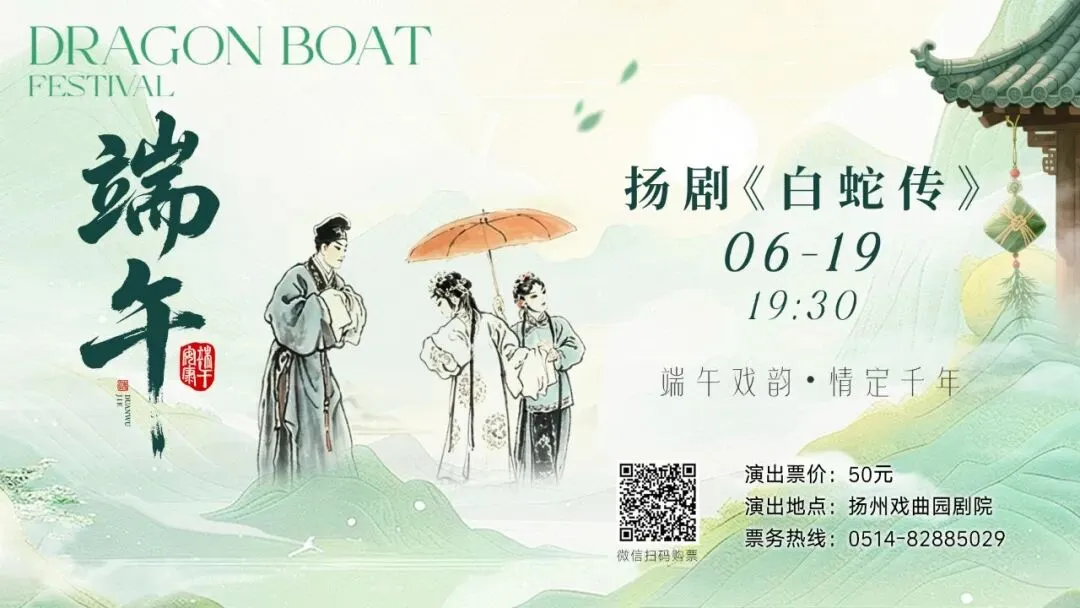
这次作文引发不少家长热议:“把中考的孩子们都难哭了”。英语学习不能局限于课本刷题,今后会更多融入地方历史、非遗民俗。学生应当主动走近身边传统文化,在感受非遗魅力的同时积累相关英文表达,真正具备对外推介家乡的能力。扬剧、剪纸都是触手可及的扬州文化瑰宝,恰逢端午,扬剧《白蛇传》正在火热上演,街头各类剪纸文创随处可见,平日里多了解、多积累,再遇到同类考题便能得心应手。
致全体中考少年
这道作文题,其实是一堂特别的乡土文化课,提醒大家扬州拥有丰厚珍贵的非遗宝藏。扬剧余韵悠长,剪纸精巧雅致,都是独属于我们的家乡骄傲。
请大家放平心态、安心休整,从容迎接剩余考试。愿少年们往后多留意身边非遗之美,既能熟练运用英语,也能自信大方地向世界讲述扬州故事!
祝全体扬州中考学子笔下生风,金榜题名,端午安康!
扬剧简介 About Yangju
扬剧是江苏主要地方剧种之一,发源于扬州,由花鼓戏和香火戏,吸收清曲、民歌小调发展而成;流行于江苏扬州、镇江、泰州、南京,以及上海、安徽部分地区。
扬州花鼓是流行于清初的一种民间表演艺术,最早多由木工、瓦工、铁匠、铜匠、剃头匠(理发)、裁缝等手艺人,逢年过节时自愿结合玩灯赛会,载歌载舞,自娱自乐;后来,花鼓配上乐曲,表现一定的故事情节,逐步形成花鼓戏(又称「小开口」)。
香火戏史见于扬州、镇江及其各乡镇的民间香火、祭祀风俗之中,后来在唱唸表演方面有了更高的要求,于广场搭台演唱,便形成香火戏(又称「大开口」)。
扬州清曲是一种历史悠久的坐唱艺术,曲牌十分丰富,多达百余种,其音乐唱腔和演唱技法,后为花鼓戏所吸取,为扬剧音乐奠定了基础。
民国初年,花鼓戏与香火戏艺人纷纷组班,应邀到南京、杭州、上海等地演出,并在上海形成繁盛局面。大、小开口在上海时又分别称为「维扬大班」和「维扬文戏」。民国二十年(1931年)大、小开口艺人以「维扬戏」(后又称「扬州戏」)为名,于上海聚宝楼戏馆共演《十美图》,自此逐步合流。
1950年维扬戏由政府定名为扬剧。2006年,扬剧经中华人民共和国国务院批准列入首批国家级非物质文化遗产名录。
Yangju is a major xiqu genre in Jiangsu province. It originated in the city of Yangzhou and features a blend of elements of various art forms in the region including huaguxi, xianghuoxi, as well as qingqu and folk songs. It is popular in many parts throughout Jiangsu province and the neighbouring Shanghai and Anhui province.
Huaguxi, aka the flower-drum opera, is a grassroots performing art form popularised in early-Qing dynasty. It was originally invented by craftsmen and artisans such as carpenters, tilers, blacksmiths, barbers and tailors, who would stage song-and-dance shows to entertain themselves during festival celebrations. Later on, it started to incorporate orchestration and narrative structures, and gradually grown into a fully-fledged xiqu genre.
Xianghuoxi is rooted in local religious ceremonies and worship rituals in Yangzhou and its surrounding region. As the art form developed, it acquired higher standards of performance and formal stages, and thus became the xiqu genre as it is known today.
Yangzhou qingqu is a musical art form that typically features musicians in a minimalist setting, singing while playing instruments at the same time. Boasting a long history, it has over 100 qupai (fixed melodies). During the development of huaguxi, it borrowed singing styles and techniques from qingqu, laying the foundation of yangju.
In the 1910s, huaguxi and xianghuoxi artists formed troupes and toured major cities such as Nanjing and Hangzhou. It culminated in Shanghai, where the artists created a burgeoning scene for their respective genres. In 1931, the two camps shared a stage at the Jubaolou Theatre in Shanghai, performing under one banner in a ground-breaking event that marked the beginning of the merge of huaguxi and xianghuoxi.
The result was a new distinctive xiqu genre that was officially named “yangju” in 1950. In 2006, yangju was included in First National List of Intangible Cultural Heritage of China by the approval of the State Council of the People's Republic of China.
扬州市扬剧研究所简介
About Yangju Opera Institute of Yangzhou
扬州市扬剧研究所(原扬州专区扬剧团、扬州市扬剧团)创建于1960年,是江苏省内外具有重要影响的专业戏剧艺术表演团体之一;属首批国家级非物质文化遗产(扬剧)项目保护责任单位。
建团以来,始终坚持以人民为中心的创作导向,「深入生活、扎根人民」、「围绕中心、服务大局」,先后创作了《夺印》、《血冤》、《皮九辣子》、《史可法》、《县长与老板》、《衣冠风流》、《史可法—不破之城》、《鉴真》、《阿莲渡江》、《千里江山》、《郑板桥》等一大批在中国产生较大影响的优秀剧目,并在省内外重大艺术活动和赛事中屡获殊荣。上世纪,前辈艺术家李开敏、汪琴、姜峻峰、石玉芳等,用他们的辛勤汗水把扬剧艺术推向全国;新世纪以来,扬剧领军人物、中国戏剧梅花奖、文华奖、白玉兰主角奖得奖者、现任所长李政成,率领中青年艺术骨干,坚持「出人、出戏、出精品」和「创新、创优、创一流」的理念,把扬剧艺术推向了新的高峰。
Founded in 1960, the Yangju Opera Institute of Yangzhou is one of the most influential professional xiqu performance groups in Jiangsu province and the surrounding region. It is also among the first batch of units responsible for the safeguarding of National Intangible Cultural Heritage.
Since its establishment, the institute has stayed committed to its people-centric creative tenets, resulting in a wide array of popular and award-winning productions including Recapturing the Seal, Injustice Done to Suniang, The Petitioner, Shi Kefa, The Mayor and the Boss, Romance of a Nobleman, The Unbreakable City, Jian Zhen's Journey to the East, A Lian Crosses the River, A Thousand Miles of Rivers and Mountains, and Officer Zheng Banqiao. In the 20th century, a number of veteran xiqu artists successfully helped the institute introduce yangju to audiences nationwide. Entering the new century, under the leadership of the incumbent director Li Zhengcheng, winner of the prestigious China Theatre Plum Blossom Award, the institute has been building on the momentum and taking the development of yangju to new heights with young professional talent with innovative and high-quality works.

·END·
编审:汤玉祥
校对:王 芊 韩子如
初审:顾道军
终审:李政成

扬
剧
yangju.cn
微信号|yangjucn
抖音号|yzyangju
bilibili|545936898


![[26教招]全国教师招聘考试·教招行测(行为能力测试)专项练习+卷+冲刺题库及公式(可打印背诵)](https://sjds.net/zb_users/theme/suiranx_air/image/random_img/6.jpg "[26教招]全国教师招聘考试·教招行测(行为能力测试)专项练习+卷+冲刺题库及公式(可打印背诵)")