

2026年中考英语考前冲刺练习
一、阅读理解
A
Intangible Cultural Heritage (非遗) Experience Week
Want to get close to traditional Chinese culture? The City Cultural Center is holding a special experience week from July 15 to 21. Everyone aged 10 and above is welcome to join, with no experience required. These ancient crafts (手艺) have been passed down through generations, and now you can participate (参加) in our activity to learn them directly from skilled masters.Hands-on Activities:
Date | Program | Content | Fee |
July 15—16 | Paper Cutting | Learn basic patterns and create your own works | ¥95 |
July 17—18 | Clay Sculpture | Make traditional figurines (小雕像) with local craftsmen | ¥120 |
July 19 | Chinese Knotting | Weave lucky knots for decoration | ¥60 |
July 20—21 | Shadow Puppetry (皮影戏) | Design puppets and perform simple stories | ¥100 |
What You Get:
● All materials and tools provided.
● Guidance from inheritors (传人) of intangible cultural heritage.
● Your finished works to take home.
● Certificate of participation.
● Video of your learning process.
How to Register (注册) :
1 Visit www.cityculture.cn/experience.
2 Choose your preferred program(s).
3 Complete payment before July 10.
4 Receive confirmation via email.
Special Offer:
Register for two or more programs and get 15% off the total fee.
Note:
Each program has limited seats of 20 people. Early registration is recommended.
For inquiries, please call 0663-2177829 or click here.
1.How long will the activity last?
A.7 days.B.15 days.C.21 days.D.The whole July.
2.Which of the following correctly lists the programs from lowest to highest fee?
A.Clay Sculpture → Shadow Puppetry → Paper Cutting → Chinese Knotting
B.Chinese Knotting → Paper Cutting → Shadow Puppetry → Clay Sculpture
C.Paper Cutting → Clay Sculpture → Chinese Knotting → Shadow Puppetry
D.Shadow Puppetry → Clay Sculpture → Paper Cutting → Chinese Knotting
3.What can participants take home after the programs?
A.Inheritors of intangible cultural heritage.B.Certificates and their finished works.
C.Cameras and video of their learning process.D.Email confirmation from the City Center.
4.What is required for registration?
A.The ability to pass down the crafts.B.Physical examination certificates.
C.Having experience in traditional arts.D.Payment completed before July 10.
5.Where is this passage most likely from?
A.A school textbook.B.A travel guidebook.
C.A cultural center website.D.A government report.
B
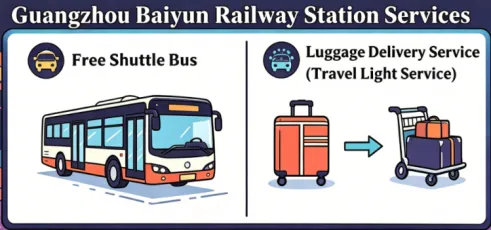
Convenient Services at Guangzhou Baiyun Railway Station
Traveling through Guangzhou Baiyun Railway Station is much easier with two new services now! Whether you need to transfer (换乘) smoothly between the airport and the railway station or travel without heavy bags and cases, these services have got you covered.Shuttle (往返运送) Service
◎Running time: 9 a.m.-6 p.m.
◎Travel time: 30-40 minutes
◎Benefit: Free for passengers with a valid (有效的) same-day plane or train ticket
◎Pickup point at Baiyun Railway Station: Entrance No. 4 on the South Departure Platform
Travel Light Service
This service allows you to travel with only carry-on bags—your heavy bags and cases will be transported separately. It's suitable for trips within 35 kilometers of the station in the same city.Choose from two ways:
Door-to-Station Service: The railway workers pick up your heavy bags and cases from your chosen location and send them to the station. After safety checks, you can take them to the platform or store them in a marked place.
Station-to-Door Service: Heavy bags and cases are collected from the platform or service areas and sent to your destination (目的地) within five hours.
◎Fees:
Door-to-Station/Station-to-Door:68 yuan per bag
Door-to-Platform/Platform-to-Door:98 yuan per bag
◎Booking:Through 12306 Railway App, 12306 WeChat mini program or China Railway Express WeChat mini program
6.When can passengers take the free shuttle service?
A.At 8:30 a.m.B.At 10:00 a.m.C.At 7:15 p.m.D.At 9:00 p.m.
7.For whom is the shuttle service free?
A.Passengers with a student ID card.B.Passengers with a travel guidebook.
C.Passengers with a membership card.D.Passengers with a valid same-day train ticket.
8.What do we know about the Travel Light Service?
A.It is suitable for long-distance trips.
B.It can send your bags to your home within 3 hours.
C.Passengers must pay an extra fee for safety checks.
D.Bags can be kept in a marked place after safety checks.
9.If you use Door-to-Platform Service for two bags, how much should you pay?
A.68 yuan.B.98 yuan.C.136 yuan.D.196 yuan.
10.Which of the following is the main purpose of the passage?
A.To advise people to travel with fewer bags and cases.
B.To tell us how to book train tickets on the 12306 App.
C.To introduce two new convenient services at the station.
D.To show the history of Guangzhou Baiyun Railway Station.
C
Do you like blueberries? If so, the next time you’re about to eat your fill of these delicious berries, take a good look at them. Then ask yourself: Are blueberries really blue?
For the most part, blueberries aren’t blue. If you carefully peel the skin (表皮) off one, you’ll see that the inside is white. If you rub (摩擦) the inside of the skin on a white piece of paper, you’ll see a reddish-purple color. And if you gently rub the outside of a blueberry, the blue color disappears and the berry looks almost black. But as soon as you pick one, it does look blue. What’s going on?
Scientists explain that colors can be created in two different ways. The first is through pigments (色素). A pigment shows the color of the light it does not absorb. The most common pigment in plants is chlorophyll (叶绿素), a green pigment. Plant leaves appear green because chlorophyll doesn’t absorb green light. It sends it out instead while absorbing blue and red light. Plants prefer to absorb blue light because it has more energy than any other light. However, there aren’t any “true blue” pigments in the plant world.
The second way to make color is through “structural color (结构色)”. This happens when the structure of a surface makes some colors of light look different. Have you ever seen the rainbow colors on a CD? These colors show up because of the tiny spaces between the thin coats. These spaces only allow certain colors to reach our eyes — a perfect example of structural color.
Blueberries also create “structural color” in their own way. The berries look black when they’re ready, but the plants build a thin coat of wax (蜡) on their outside. This coat is only four-thousandths of a centimeter thick, but it gives the berries their blue look. The blue color helps the plants because birds are drawn to the rare (罕见的) color. They eat the berries and spread the seeds (种子) far and wide.
Now your bowl of blueberries suddenly looks a lot more interesting. The fruit is beautiful, but its beauty is only skin deep while the science behind it runs much deeper.
11.What happens to a blueberry after you gently rub its outside?
A.It appears black.B.It becomes reddish-purple.
C.It turns white inside.D.It remains a darker blue.
12.What does the underlined word “absorb” most probably mean in Paragraph 3?
A.Give out.B.Take in.C.Fall off.D.Wash away.
13.Why does the author mention a CD in Paragraph 4?
A.To prove that CDs are colorful.B.To show that CDs are made of wax.
C.To explain what structural color is.D.To suggest that pigments are not important.
14.How does the blue color of blueberries help the plant?
A.It attracts birds that spread the seeds.B.It helps the fruit grow bigger.
C.It keeps the fruit fresh for longer.D.It protects the fruit from insects.
15.What is the main purpose of the text?
A.To describe how to grow blueberries.B.To argue that blueberries are not healthy.
C.To compare blueberries with other fruits.D.To explain the color that blueberries appear.
D
This spring, textbooks are no longer just paper. A new documentary, Museums in the Textbook, produced by China Media Group, started on CCTV-10 on Feb. 25. Knowledge is stepping off the page and into real life.
Each episode (集) of this program starts with a lesson from Chinese, history, music or art textbooks. A special team, made up of teachers, museum experts and culture lovers, then visits many famous museums and helps students connect textbook learning to real objects in museums.
“Textbooks include many cultural relics (文物), but we can’t find them all in one museum,” said the director Bu Yalin. She explained that the team studies each lesson carefully instead of simply matching each object on the book pages. “We thought back to our school days and asked what truly interested us but was not fully explained in the textbook,” Bu said. They dug deep into one key idea and connected it with real relics.
One episode begins with an article from a middle school Chinese textbook, and connects it to the dinosaurs in the Natural History Museum of China. The team explored the famous lines about the big fish kun turning into the big bird peng. They asked, “Were there really huge sea dinosaurs? Could fish turn into birds?” Guided by the text, they searched the museum for answers. In the end, they connected the story to myths (神话), explaining that many mythical animals may have come from people imagining ancient fossils (化石).
Director Yang Yang said the show offers a “way of thinking” that reminds young people that textbooks are not boring. Instead, they are maps that guide us to explore the world.
16.How can we describe the documentary Museums in the Textbook according to Paragraph 1?
A.Inspiring.B.Popular.C.Lively.
17.What does the second paragraph mainly tell us about the documentary?
A.What it is about.B.What influence it has.C.Why it was produced.
18.What problem did the documentary team face when making the program?
A.It was not easy to understand young people’s way of thinking.
B.They had no idea about what students were truly interested in.
C.The cultural relics mentioned in textbooks are in different museums.
19.What does the underlined word “it” in the fourth paragraph refer to?
A.The middle school.B.The article.C.The Chinese textbook.
20.What’s Director Yang Yang’s attitude (态度) towards the documentary?
A.She praises it.B.She doubts it.C.She doesn’t mind it.
二、信息还原
阅读下面短文,从短文后的选项中选出可以填入空白处的最佳选项。选项中有两项为多余选项。
Do you like letting others borrow your things? Sharing games, food and your time can make you feel closer and more connected. But what does sharing really mean?
Sharing means offering part of what you have to someone else. This could be something you own or things you can’t see such as your thoughts and feelings. But sharing isn’t always easy for everyone. Maybe you don’t like handing over a favorite book or letting others know how you feel. Or perhaps you find it hard to say “no” when friends ask to borrow your things. 21
Sharing also brings health benefits. Sharing good news with someone makes you feel happier. This is because your brain gives off a feel-good chemical called oxytocin (催产素)—which also happens when we share a hug. 22 When you share your feelings, you build up trust. This gives you a “sense of belonging” and helps you know you’re not alone.
So how can you practice sharing in daily life? Try taking something to school or a club to share at break time, like a snack or a new game. Talk about a film, a book or music you like and see where the conversation goes. 23 You can do so by sharing small feelings first, and try to match what others tell you. For example, if someone tells you about their interests or hobbies, share yours too.
24 Listening carefully when others speak will make it easier for people to share with you. You can nod or give short responses like “I see” to show you’re focused. Sometimes they just need someone to listen, so you don’t need to give advice right away. They will be thankful if you just allow them to “talk it out”.
25 Start today, and you’ll soon find that every bit you give away, you get back in warmth and connection.
A.However, sharing isn’t just about talking.
B.Some people are better at sharing than others.
C.Studies show sharing helps you feel less stressed.
D.Perhaps it’s hard to just listen when you can’t help.
E.Sharing is a skill you build, not a gift you’re born with.
F.The good news is, this is a skill that you can learn gradually.
G.If you want to get better at sharing your feelings, start slowly.
三、完形填空
Thomas J. Scheuer from the US studies at Tsinghua University. He is also a professional 26 player.
Why do Chinese players always dominate (称霸) the major table tennis events? Scheuer heard that one of the 27 is that there is a large fan base for the sport in the country. Almost 28 can play a little. To see whether it’s true, he went to a park and 29 a club to find out. The active scene 30 him.
At a park in Beijing, Scheuer saw many 31 people playing table tennis. A man said that he had been playing the sport for more than 50 32 . He plays for two hours every day. He was even named one of the “Beijing Masters” 33 he was 70. “I’ve noticed that I’m the youngest player in the park,” said Scheuer. Then Scheuer visited a table tennis club. There, many kids were 34 . A boy said he hoped that he could be a(n) 35 player like Ma Long one day. A girl said playing table tennis helps her feel 36 after doing schoolwork.
The visit made Scheuer 37 get a taste of the love that Chinese people have for table tennis. “Dubbed as China’s national sport, table tennis’s popularity in China is 38 to that of soccer and basketball worldwide,” Scheuer said.
Scheuer was impressed by the 39 participation (参加) of Chinese people in the sport, from children to the elderly. “not just to 40 , but also to have fun, to socialize (社交), and to live a healthy lifestyle.” Such a spirit touched him.
26.A.table tennisB.tennisC.baseballD.swimming
27.A.resultsB.excusesC.ideasD.reasons
28.A.nobodyB.everyoneC.someoneD.anyone
29.A.joinedB.searchedC.visitedD.saw
30.A.amazedB.scaredC.satisfiedD.excited
31.A.teenageB.oldC.middle-agedD.young
32.A.hoursB.daysC.yearsD.seasons
33.A.unlessB.becauseC.sinceD.when
34.A.singingB.writingC.practisingD.dancing
35.A.commonB.excellentC.happyD.usual
36.A.relaxedB.sorryC.nervousD.interested
37.A.hardlyB.suddenlyC.trulyD.quickly
38.A.comparedB.equalC.closeD.similar
39.A.dailyB.activeC.willingD.secret
40.A.winB.exerciseC.communicateD.laugh
四、短文填空
阅读下面短文,在空白处填入1个适当的单词或括号内单词的正确形式。
Do you know the Fish Festival? It is a traditional festival of Miao people in Guizhou. It 41 (hold) from June 2nd to 16th of the Chinese lunar calendar every year. Miao people hold fish-catching competitions at the local rivers. It is said that the more fish people catch, the 42 (luck) they’ll be for the rest of the year. At midnight before the festival, several people shout the coming of the festival from the hills. Early the next morning, Miao girls dress 43 (they) in colorful ethnic costumes to welcome the festival. At the opening ceremony, some strong men hang 44 cow on the tree. Lots of people come together on the river banks 45 (watch) the opening ceremony. After the opening ceremony, the fish-catching begins. Fish-catching includes catching fish from the sky 46 well as taking them from the river. A group of people jump into the river and try to catch fish. 47 the same time, another group tries to catch fish that people throw into the air. If one catches one fish, he 48 (get) good luck.
Besides fish-catching, other 49 (activity) include bamboo pole dancing, playing the Lusheng (a traditional Miao instrument) and singing Miao songs. The festival usually 50 (end) in a happy water fight.
五、情景运用
根据所提供的图片,用一个完整的句子提问或应答。
51.

A: ________________________________________?
B: It’s blue.
52.
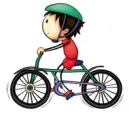
A: How did Mike get to school yesterday?
B: ________________________________________.
53.

A: _______________________________________?
B: She has long straight hair.
54.

A: Is Tom the winner of the running race?
B: No, he isn’t. ____________________________.
55.

A: It rained heavily at 4:00 yesterday afternoon. Did you notice it?
B: Really? ________________________________.
六、书面表达
56.“学雷锋、树新风”是中华民族的传统美德。一个小小的善举,就能温暖他人、让世界充满爱。三月是学雷锋志愿服务月,校刊英文栏目现征集相关主题短文。请以I did a good deed为题,用英语写一篇短文投稿。
(提示:deed n. 行为;事迹)
写作要点:
1.讲述你做过的一件好事;
2.说明这件事的意义;
3.谈谈你今后的打算。
写作要求;
1.请根据要点完成写作;
2.文中不得出现真实姓名、班级等个人信息;
3.词数:100词左右。
I did a good deed
________________________________________________________________________________________________________________________________________________________________________________________________________________________________________________________________________________________________________________________________________________________________________________________________________________________________________________________________________________________________________________________________________________________________________________________________________________________________________________________________________________________________________________________________________________________________
《2026年中考英语考前冲刺练习》参考答案
1.A 2.B 3.B 4.D 5.C
【导语】本文是一篇应用文,介绍了城市文化中心举办的非遗体验周活动,包括活动时间、内容、费用、收获及报名方式等信息。
【详解】1.第一段第二句提到“The City Cultural Center is holding a special experience week from July 15 to 21.”,说明活动从7月15日持续到7月21日,共计7天。
2.“Hands-on Activities”表格中的“Fee”一列可知各项费用:Chinese Knotting (¥60)、Paper Cutting (¥95)、Shadow Puppetry (¥100)、Clay Sculpture (¥120)。按从低到高排序为:Chinese Knotting → Paper Cutting → Shadow Puppetry → Clay Sculpture。
3.根据“What You Get”部分中的“Your finished works to take home.”和“Certificate of participation.”可知,参与者可以带走自己的完成作品和参与证书。
4.根据“How to Register”部分第3点“Complete payment before July 10.”可知,注册需要在7月10日前完成付款。
5.文章中出现了一个网址“www.cityculture.cn/experience”以及“click here”的提示,且具有活动宣传和报名注册的功能,符合文化中心网站页面的特征。
6.B 7.D 8.D 9.D 10.C
【导语】本文主要介绍了广州白云火车站推出的两项便捷出行服务——往返运送服务和轻装行李托运服务,详细说明了两项服务的运营时间、免费政策、使用方式及收费标准。
【详解】6.根据原文“Shuttle Service Running time: 9 a.m.-6 p.m.”可知,免费往返巴士运营时间为上午9点至下午6点,只有10:00 a.m.在此时间段内。
7.根据原文“Benefit: Free for passengers with a valid same‑day plane or train ticket”可知,持有效当日车票/机票的乘客可免费乘坐班车。
8.根据原文“Door-to-Station Service: ...After safety checks, you can take them to the platform or store them in a marked place”可知,安检后行李可以被存放在指定位置。
9.根据原文“Door-to-Platform/Platform-to-Door: 98 yuan per bag”可知,门到站台服务的收费是每件行李98元,两件行李的费用为196 yuan。
10.根据原文开头“Traveling through Guangzhou Baiyun Railway Station is much easier with two new services now!”可知,文章的核心目的是介绍广州白云火车站的两项新便捷服务。
11.A 12.B 13.C 14.A 15.D
【导语】本文主要介绍了蓝莓看似蓝色的原因,解释了植物显色的两种方式——色素显色和结构色,说明蓝莓的蓝色并非来自色素,而是表皮蜡层产生的结构色。
【详解】11.第二段“if you gently rub…disappears and the berry looks almost black”指出当你轻轻地摩擦蓝莓的 外皮时,蓝色就会消失,浆果看起来几乎是黑色的。
12.第三段“It sends it out instead while absorbing…”中instead前后词义意思相反,“send out”表示“向外散发(光、热等)”,“absorb”应表示相反词义“吸收”,与take in“吸收”同义。
13.第四段结尾说明原因:“These spaces only…eyes — a perfect example of structural color”,说明提及CD是为了举例解释什么是结构色。
14.第五段结尾“The blue color helps the plants…spread the seeds far and wide.”指出蓝莓的蓝色能够吸引鸟类吃下果实,并将种子传播到四面八方。
15.文章围绕蓝莓为什么看起来是蓝色、色素原理和结构色展开,主要目的就是解释蓝莓呈现出的颜色的原理。
16.C 17.A 18.C 19.B 20.A
【导语】本文主要介绍了纪录片《课本里的博物馆》如何将课本知识与博物馆实物结合,通过生动的形式引导青少年重新认识课本,激发他们探索世界的兴趣。
【详解】16.第1段提到“textbooks are no longer just paper... Knowledge is stepping off the page and into real life.”(课本不再只是纸张,知识从书页走进现实生活)。这句话说明纪录片让知识变得鲜活、生动,因此“Lively(生动的)”最贴合文意。
17.第2段介绍了纪录片每一集的形式(以课本内容开篇)、制作团队(教师、博物馆专家、文化爱好者)和内容(将课本知识与博物馆实物联系起来)。这一段整体是在介绍纪录片的内容和形式,也就是“它是关于什么的”。
18.第3段导演Bu Yalin提到“Textbooks include many cultural relics, but we can’t find them all in one museum”(课本里提到的文物,无法在同一个博物馆里找到)。这直接点明了制作团队面临的问题——文物分散在不同博物馆中。
19.第4段“One episode begins with an article from a middle school Chinese textbook, and connects it to the dinosaurs...”,代词it指代前文提到的单数名词,这里指代的是前面的“an article”(这篇课文)。
20.最后一段导演Yang Yang表示“the show offers a ‘way of thinking’ that reminds young people that textbooks are not boring. Instead, they are maps that guide us to explore the world.”,说明了她认为纪录片提供了一种思维方式,让年轻人发现课本并不枯燥,反而是探索世界的指南,这明显是对纪录片的赞扬态度。
21.F 22.C 23.G 24.A 25.E
【导语】本文是一篇关于“分享”的说明文,阐述了分享的含义、带来的健康益处以及如何在日常生活中练习分享。文章强调分享是一种可以后天习得的技能,需要循序渐进地培养。
【详解】21.本段提到分享对某些人来说并不容易,可能会因不愿交出心爱之物或不知如何拒绝朋友而困扰。空白处应承上启下,引出下文关于学习这一技能的内容。选项F“The good news is, this is a skill that you can learn gradually.”(好消息是,这是一项你可以逐步学习的技能)符合逻辑,为后文展开打下基础。
22.本段提到分享对健康有好处,当分享好消息时,大脑会释放催产素。空白处应进一步解释其健康益处。选项C“Studies show sharing helps you feel less stressed.”(研究表明,分享有助于减轻压力)与上下文连贯,说明分享在生理和心理上的积极作用。
23.本段是关于如何在日常生活中练习分享的建议。空白处前建议分享喜欢的事物(零食、游戏、电影等),空白处后建议先分享小感受,再尝试回应他人。选项G“If you want to get better at sharing your feelings, start slowly.”(如果你想更擅长分享感受,就要慢慢开始)符合循序渐进地建立分享习惯的逻辑。
24.本段强调认真倾听他人说话,通过点头、简短回应等方式表达专注,而不急于给出建议。这与前面“主动分享”的讨论形成对比。选项A“However, sharing isn’t just about talking.”(然而,分享不仅仅是说话)准确概括本段“倾听也是一种分享”的核心观点。
25.最后一段鼓励读者从今天开始行动,指出付出会换来温暖和联系。空白处应作为总结句,强调分享是可以后天培养的能力。选项E“Sharing is a skill you build, not a gift you’re born with.”(分享是一种你后天培养的技能,而不是与生俱来的天赋)与全文观点一致,呼应前文“可以逐步学习的技能”,引出后文的行动呼吁。
26.A 27.D 28.B 29.C 30.A 31.B 32.C 33.D 34.C 35.B 36.A 37.C 38.D 39.B 40.A
【导语】本文讲述了来自美国的Thomas J. Scheuer在清华大学学习,同时他也是一名专业乒乓球运动员。他探究中国乒乓球运动员称霸重大赛事的原因,通过去公园和乒乓球俱乐部观察,发现中国人对乒乓球的热爱,从孩子到老人都积极参与,这种精神让他深受触动。
26.句意:他也是一名专业的乒乓球运动员。
下文多次提到“table tennis”,说明他是一名专业的乒乓球运动员,table tennis“乒乓球”符合。tennis“网球”、baseball“棒球”、swimming“游泳”均与后文不符。
27.句意:Scheuer听说其中一个原因是在这个国家这项运动有庞大的粉丝基础。
上文提到“Why do Chinese players always dominate (称霸) the major table tennis events?”,此处是在解释原因,reasons“原因”符合。results“结果”、excuses“借口”、ideas“想法”均不符合语境。
28.句意:几乎每个人都能打一点。
上文说这项运动有庞大的粉丝基础,所以这里表示几乎每个人都能打一点,everyone“每个人”符合。nobody“没有人”、someone“某人”、anyone“任何人(通常用于否定句和疑问句)”均不符合。
29.句意:为了验证这是否是真的,他去了一个公园,并参观了一个俱乐部去了解情况。
前文说去公园,后文说去俱乐部,用visited“参观”符合动作顺序。joined“加入”、searched“搜索”、saw“看见”均不如visited准确。
30.句意:活跃的场景让他感到惊讶。
他看到公园里很多人打球,俱乐部里孩子练习,这种全民参与的场景使他惊讶。amazed“感到惊讶”符合。scared“害怕”、satisfied“满意”、excited“兴奋”中,excited有一定干扰,但amazed更能体现起初的未知与后来的惊叹。
31.句意:在北京的一个公园里,Scheuer看到很多老人在打乒乓球。
后文提到一位70岁的老人,且他说“我是公园里最年轻的”,说明他看到的是老年人。old“年老的”符合。teenage“青少年的”、middle-aged“中年的”、young“年轻的”均与后文矛盾。
32.句意:一位男士说他打这项运动已经超过50年了。
50年符合老年人年龄背景,years“年”符合。hours“小时”、days“天”、seasons“季节”均不合理。
33.句意:他在70岁的时候甚至被命名为‘北京大师’之一。
此处表示时间点“当他70岁时”,用when引导时间状语从句。unless“除非”、because“因为”、since“自从/因为”均不符合。
34.句意:在那里,很多孩子正在练习。
俱乐部里孩子们为了成为优秀选手而努力训练,practising“练习”符合。singing“唱歌”、writing“写作”、dancing“跳舞”与乒乓球无关。
35.句意:一个男孩说他希望有一天能成为像马龙一样的优秀选手。
马龙是优秀乒乓球运动员,excellent“优秀的”符合。common“普通的”、happy“开心的”、usual“通常的”均不恰当。
36.句意:一个女孩说打乒乓球帮助她在做完作业后感到放松。
运动有放松身心的作用,relaxed“放松的”符合。sorry“难过的”、nervous“紧张的”、interested“感兴趣的”中,interested有一定道理,但relaxed更贴合“做完作业后”的身心状态。
37.句意:这次参观让Scheuer真正体会到了中国人对乒乓球的热爱。
通过实地体验,他真实地感受到了这种热爱,truly“真正地”符合。hardly“几乎不”、suddenly“突然”、quickly“快速地”均不合适。
38.句意:被称为中国的国球,乒乓球在中国的普及程度与世界范围内的足球和篮球相似。
similar to“与……相似”为固定搭配。compared to“被比作”、equal to“等于”、close to“接近”中,similar to最贴合“普及程度相当”的含义。
39.句意:Scheuer对中国人积极参与这项运动印象深刻,从儿童到老人。
前文描述了公园和俱乐部里人们积极打球,active“积极的”符合。daily“日常的”、willing“愿意的”、secret“秘密的”中,active最能体现“主动参与”的精神。
40.句意:不仅仅是为了赢,也是为了娱乐、社交和过健康的生活方式。
这里说参与乒乓球运动的目的,win“赢”符合。exercise“锻炼”、communicate“交流”、laugh“笑”均不符合。
41.is held 42.luckier 43.themselves 44.a 45.to watch 46.as 47.At 48.will get 49.activities 50.ends
【导语】本文是一篇说明文。主要介绍了贵州苗族“鱼节”的传统习俗。
【详解】41.句意:它每年在农历六月初二至十六举行。主语“It”代指节日,和hold(举行)是被动关系,且有时间标志词“every year”,用一般现在时的被动语态is held。
42.句意:据说人们捕到的鱼越多,在这一年余下的日子里就越幸运。此处为“the+比较级,the+比较级”结构,表示“越……,就越……”。luck的形容词是lucky,其比较级是luckier。
43.句意:第二天一早,苗族姑娘们穿上色彩鲜艳的民族服饰迎接节日。此处为“dress oneself ”固定搭配,表示“打扮自己”。主语“Miao girls ” 是复数,对应的反身代词为 themselves。
44.句意:在开幕式上,一些强壮的男人把一头牛挂在树上。此处表示泛指“一头牛”,且“cow”以辅音音素开头,应用不定冠词a。
45.句意:许多人聚集到河边来观看开幕式。“watch”是非谓语动词,用不定式to watch表示目的。
46.句意:捕鱼包括从空中接鱼以及从河里抓鱼。动词“includes”说明包括“catching”和“taking”两种捕鱼方式,“as well as”是固定短语,意为“和;以及;既…… 又……”用来连接两种捕鱼方式。
47.句意:同时,另一队的人尽力去接人们抛向空中的鱼。“at the same time”是固定短语,意为“同时”,衔接两队人不同的捕鱼行为,句首首字母需大写。
48.句意:如果一个人抓到一条鱼,他就会得到好运。“If ”引导条件状语从句,动词时态遵循“主将从现”原则,从句中动词“catches”是一般现在时,主句中动词“get”用一般将来时,填will get。
49.句意:除了捕鱼,其他活动还包括竹竿舞、吹芦笙(一种传统的苗族乐器)以及唱苗歌。other后面接可数名词复数,activity的复数是activities。
50.句意:这个节日通常以一场欢乐的打水仗结束。主语“The festival”是第三人称单数,频度副词 usually 表示经常性动作,用一般现在时,谓语动词用第三人称单数形式ends。
51.
What color is the sweater 52.
He went to school by bike/ He rode a bike 53.
What does Mary look like 54.
Sam runs faster than Tom 55.
I was playing the piano
【详解】51.根据答句“It’s blue.”(它是蓝色的),可知问句是在询问颜色。图片中是一件毛衣,因此问句应为“这件毛衣是什么颜色?”,使用句型“What color is...?”,sweater意为“毛衣”。
52.问句询问“迈克昨天怎么去学校的?”,图片中显示男孩骑自行车。答句应使用一般过去时描述过去发生的动作,可以说“他骑自行车去上学”,表达方式有两种:He went to school by bike或He rode a bike。
53.答句“She has long straight hair.”(她留着长直发)描述一个人的外貌特征,结合图片中女孩的长直发,可知问句应询问“玛丽长什么样?”,常用句型“What does Mary look like?”,用于询问外貌。
54.问句询问“汤姆是跑步比赛的赢家吗?”,答句“No, he isn’t.”(不,他不是),结合图片中山姆跑得更快、汤姆跑得较慢的场景,可知后续应补充说明“山姆跑得比汤姆快”,使用比较级句型“...runs faster than...”,比较级faster表示“更快”。
55.问句说“昨天下午4点雨下得很大。你注意到了吗?”,结合图片中女孩弹钢琴的动作,可知答句应描述过去某一时刻正在进行的动作,即“那时我正在弹钢琴”,使用过去进行时(was/were doing),主语I对应was,play the piano变为playing the piano。
56.
例文:I did a good deed
Last month, I helped an old man cross the busy street near our school. He walked slowly with a stick, so I held his arm and guided him safely to the other side. He thanked me with a warm smile.
This small deed made me realize that even a little help can bring joy to others. It also taught me the importance of kindness in our daily life.
In the future, I plan to do more good deeds, like volunteering at a community center. I hope to make our world a better place with love and care.
【详解】写作步骤
[第一步:审题立意]
确定文体:记叙文(夹叙夹议类短文,投稿用)
明确要点:讲述一件做过的好事;说明这件事的意义;谈谈今后的打算
确定人称:第一人称(I)
注意事项:词数100词左右;包含所有要点;不得出现真实姓名、班级等信息
[第二步:构思布局]
三段式结构:
开头段:叙述做好事的经历(时间、事件经过)
主体段:阐述这件事带来的意义与感悟
结尾段:表达今后的打算,升华主题
[第三步:要点展开]
要点一:讲述做过的一件好事
事件叙述:helped an old man cross the busy street near our school/helped a classmate with his English homework
细节补充:He walked slowly with a stick, so I held his arm and guided him safely to the other side./He was having trouble with grammar, so I explained the rules to him carefully.
对方反应:He thanked me with a warm smile./He felt much better and thanked me a lot.
要点二:说明这件事的意义
感悟表达:This small deed made me realize that even a little help can bring joy to others./It taught me that small acts of kindness can make a big difference.
深层意义:It also taught me the importance of kindness in our daily life./It showed me that helping others makes both them and me happy.
要点三:谈谈今后的打算
未来计划:In the future, I plan to do more good deeds, like volunteering at a community center./I hope to keep helping others, such as joining volunteer activities.
主题升华:I hope to make our world a better place with love and care./I believe small acts of kindness can warm the world, and I’ll keep doing them.


