在保送类外语面试中,“What is your favorite book?” 乍看是一道极其日常、轻松的口语题。但在真实的高水平面试场景里,它的杀伤力远高于许多抽象议题。真正的难点在于:你无法靠套路化训练取巧,也不能用背诵句型强行拼凑,它既要体现真实思考,又必须在语言表达、思维逻辑与个人判断中找到平衡。
更重要的是,这道题往往只是“借书问人”——面试官借你熟悉的一本书,观察你的情绪敏感度、文学认知、语言组织能力,甚至是个人世界观。它之所以常见,是因为它足够有伸缩性、易于铺开,又能快速看出考生的表达素质与真实内容储备。
在实际考场上,这道题会以不同形式出现:
“What is a book that has influenced you?”
“Could you tell me about a book you reread often, and why?”
“Which book character do you relate to the most?”
“Can you recommend a book to your interviewer?”
这类题型通常出现在复旦、南大、北大、人大等学校的英语面试与综合素质面试中,有时还会被设计成现场讲述任务(即考官完全不打断你,由你自由展开2-3分钟口语输出),对结构的要求极高。
归根结底,这类“看似轻松”的问题,实际考查的是一个学生是否具备将文学经验转化为结构化表达的能力。答得好,不仅仅是说清楚“我喜欢这本书”,更要展现你能如何围绕一部作品建构观点、铺设情绪、建立逻辑、释放语言表现力。
01
不是“随便聊聊”
这类题型其实比你想象得更难
“你最喜欢的书是什么”这样的题目,看起来像是轻松的小聊,实则是保送面试中最具挑战性的题型之一。很多考生误以为这类问题“说点喜欢的书就好”,结果在表达时陷入空泛、逻辑松散、语言平淡的陷阱,最终错失原本可以精准展示语言力和个性思维的机会。
📍最大难点:既要有“读者的真诚”,也要有“表达者的掌控力”
相比论说类题目,“最喜欢的书”这一题型更像是情感表达与语言技艺的双重测试。它要求学生在短时间内完成三件事:
建立清晰的内容框架:不仅要说“喜欢”,还要说明“为什么喜欢”、“喜欢的具体是什么”、“这本书给你带来了什么”。
展现有层次的个人视角:避免千篇一律的评价,加入你对书中角色、结构、文风的真实体会。考官在意的不是你选了哪本书,而是你能否讲出自己的阅读角度。
用语言完成一种节奏感:表达必须有“气口感”、有层次推进,而非句句陈述。这需要精准控制句式、语气、连接与情绪张力。
这就是为什么这类题型往往“表面友好”,实则门槛极高。没有经过练习,很多同学会不自觉地进入下文提到的“语言雷区”。
1️⃣ 套路式开场,语言干瘪无力
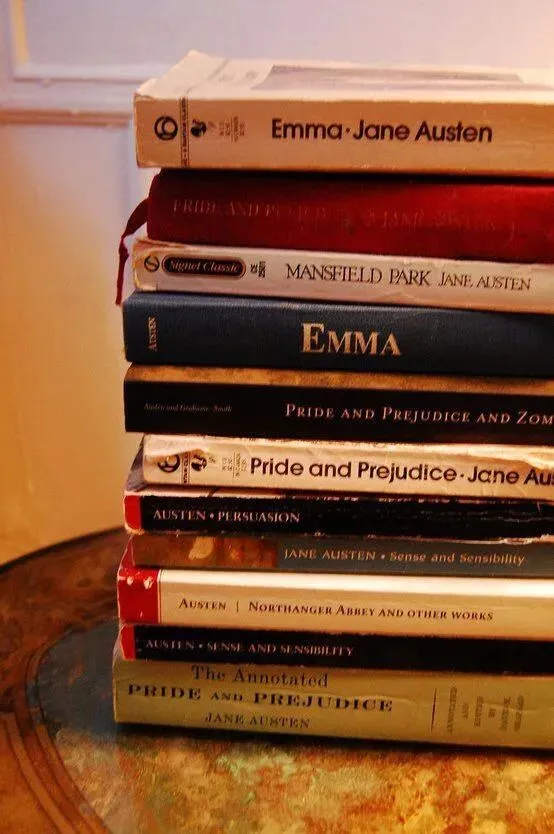
“I think my favorite book is Pride and Prejudice because it’s a classic and I enjoy reading it.”
这类句式最大的问题是信息密度过低,几乎没有提供任何有效线索。经典在哪?“enjoy”指的是什么?你喜欢的是爱情描写、讽刺语调,还是人物塑造?这类语言很难触动考官,也缺乏应有的表达层次。
2️⃣ 情绪表达空泛,缺乏具象化支持
“This book touched me deeply. I was moved by the story.”
乍看之下有情绪,其实是典型的“假性情感表达”——没有具体场景、没有语言细节,没有叙事动作的支撑。这会让人觉得是“背出来”的而非“读出来”的表达。
3️⃣ 模板式结构痕迹明显,句式生硬
“It is a well-known novel written by a famous writer in the 19th century. The theme of the book is love.”
这是中文写作模板的直接翻译(Chinglish影子明显):句型不自然,语体不地道,“theme is love”也显得毫无深度。考官一听就知道是公式产物,信度大打折扣。
4️⃣ 逻辑跳跃,无从把握
“I first read the book in middle school, and it inspired me a lot. Later I realized that women in that time had no rights, and this is very sad.”
表面上信息很多,但内在逻辑缺失,情绪与事实层层堆叠但不清楚“彼此如何关联”。没有完成一次完整的叙述闭合,听者难以进入叙述节奏,也无法建立理解。
02
从《纽约客》出发
看看批评家如何聊书
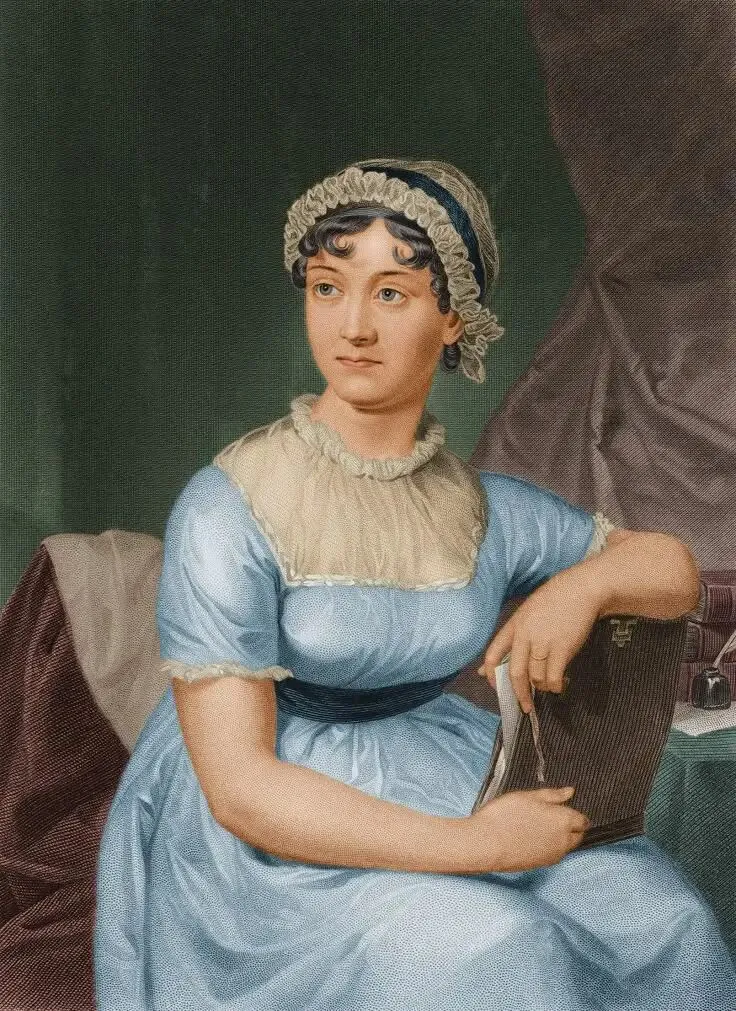
虽然方法论说的头头是道,但是如果不了解地道自然的表达将答案和观点承托出来,一切也是白费功夫。所以,今天我们特意选取了《纽约客》杂志的一期专栏播客节目,主题为纪念简·奥斯汀:Our Romance with Jane Austen,来借各位批评家的表达进行学习。
希望大家在积累表达的同时专注于另一个关键点:她们的表达是流畅度拉满的吗?如果不是,是否感觉有不自信、不真诚的地方?如果还不是,那么这种表达的自然与“呼气感”到底是通过什么建构出来的?
我们可以先听一听其中介绍《爱玛》(Emma)的一段原声。
下面是文字的转录与中英对照。
So, "favorite"—even though, yeah, people love to have favorites—it makes me a little bit nervous. And because it makes me nervous, I'm cheating. And here's what I'm doing. I brought two.
关于“最喜欢”这种概念,虽然人们总喜欢谈论自己最喜欢什么,但这让我有点紧张。因为它让我紧张,所以我打算耍个小花招。我准备了两个答案。
So the first thing I want to say is, I don't want to exist in a world in which Pride and Prejudice wasn't written. Absolutely. I don't want to be part of it. I don't want to be around. I just, you know, wake me up when Pride and Prejudice is written and published.
首先我要强调的是,我真的无法想象一个没有《傲慢与偏见》的世界。如果《傲慢与偏见》从未写出来过,那我真的不想存在于那个世界里。等《傲慢与偏见》写出来并出版了,再叫醒我吧。
Yeah. This novel—I think the edition I have, the back of it says something like, "No novel in English has given more pleasure than Pride and Prejudice." That is so true that when I went into labor, I brought Pride and Prejudice.
对,就是这样。我手头这本《傲慢与偏见》的封底上好像写着,“英语世界中再没有比《傲慢与偏见》更令人愉悦的小说了。”这句话太准确了,以至于当我临产时,随身携带的就是这本书。
However, Pride and Prejudice, while it is a wonderful, sparkling gem of a novel, I brought it in merely to say that right now, at this point in time, my favorite is Emma.
不过,《傲慢与偏见》虽然是一部闪闪发光、精彩绝伦的小说,我今天只是把它当作引子。我真正想说的是,在此时此刻,我最喜欢的其实是《爱玛》(Emma)。
And the most recent reading I did of Emma was this past spring. It is, I think, one of these novels that is actually so complex that it can really change every time you read it and show you different aspects of itself, in part because it's based on a total misunderstanding. It's based on Emma, the main character, Emma Woodhouse's chronic, inveterate misunderstanding of the world she lives in, the people around her, her own self, her own emotions, and the emotions of others. Everything is misread.
我最近一次重读《爱玛》是在刚过去的春天。这部小说真的非常复杂,每次重读都会发现全新的面貌和层次。其中的奥妙部分在于它整部小说都建立在误解之上。主人公爱玛·伍德豪斯(Emma Woodhouse)是个习惯性、顽固不化的误解制造者,她误解周遭的世界、误解她身边的人,甚至误解自己以及她和其他人的情感。她几乎误解了一切。
And right in the middle of this, there is an actual mystery story. This guy, Frank Churchill, shows up. He is the natural son of a family friend of Emma's, but he was raised by rich relations elsewhere. He's been talked of in the village, in the town of Highbury, for years. He comes to Highbury, he's charming, he's handsome, he flirts with Emma. Emma starts to feel tempted by him, sort of. She's rich on her own, so she doesn't need to marry. This is unique among Jane Austen heroines. And the mystery is, what the hell is going on with Frank Churchill and Emma? But also, what is his deal? There's someone called Jane Fairfax, a poor relation of another friend of the family's who's lounging about. She showed up at the same time as Frank. What could the deal be?
而就在这些误解的中心,还有一个真正的悬疑故事:弗兰克·丘吉尔(Frank Churchill)这个年轻人出场了。他是爱玛家族朋友的亲生儿子,但在别处由富有的亲戚抚养长大。他在海布里(Highbury)镇被人们议论多年。他到访海布里时又迷人又英俊,开始和爱玛调情。爱玛开始对他心动,至少有点动心吧。但爱玛自身已经很富裕,并不急于结婚——这在简·奥斯汀的女主角里非常特别。悬疑就在于:弗兰克·丘吉尔和爱玛之间到底在发生什么?这个男人到底有什么秘密?同时还有一个名叫简·费尔法克斯(Jane Fairfax)的贫穷亲戚也在附近徘徊。她和弗兰克几乎同时出现,这背后又隐藏了怎样的玄机?
So the first time you read this novel, you don't know. Every subsequent reading, of course, you have the information, and I think that this is one of these novels that gets so rich when you read it knowing what's going to happen. Because you see how Austen is creating the mystery, but you also see how Emma is misreading. The experience of reading Emma is really reading a bad novelist. Emma is writing a novel about her own life, and she sees the people in her life as characters. She has what we call in this year 2025, "main character syndrome." And it's not unfair—her name is on the book. She is the main character. But this is a book about the flaws of having main character syndrome, where you feel that everyone else is existing in your story.
第一次读这部小说时你会毫不知情,但之后每次重读,你都已经知道真相了。我觉得正因为如此,重读《爱玛》才更加丰富有趣。你不仅能看到奥斯汀如何巧妙铺排悬念,更能看到爱玛到底是如何误解了一切。事实上,读《爱玛》的过程,就像在读一个糟糕的小说家写的小说。爱玛把自己的生活当作小说,把身边的人当作角色。用2025年的流行词来形容,她有严重的“主角综合症”。当然,这也不能怪她——毕竟书名就是她的名字,她确实是主角。但这部小说恰恰讲述了“主角综合症”的缺陷:你总以为其他人都是你故事里的配角。
It's a bit of an outlier in Austen's oeuvre, right? Like the heroine herself, it's totally an outlier.
这在奥斯汀的作品中其实相当另类。主人公本身也与其他奥斯汀小说的女主截然不同。
You get it right in the first line.
你从小说第一句话就能感受到:
Which is, "Emma Woodhouse, handsome, clever, and rich, with a comfortable home and happy disposition, seemed to unite some of the best blessings of existence, and had lived nearly twenty-one years in the world with very little to distress or vex her." Those things are not true of any other Austen heroine. And "handsome," "clever"—yes, those things are true. "Rich"? No. And it is the "rich" that is totally different.
“爱玛·伍德豪斯,美丽聪颖又富有,拥有舒适的家境和愉悦的性格,似乎兼备了人生最好的几种福气。二十一年来,她的生活几乎没有什么烦心事或不快。”这些特点在其他奥斯汀小说的女主角身上几乎都找不到。美丽聪颖,这点或许能找到共同点,但富有?绝无仅有。“富有”这一条真的与众不同。
I think basically Jane Austen set herself this project—she famously said of Emma, "I am going to write a heroine whom no one but myself will much like"—because those things are unsympathetic. You don't like people like that. She just has it going on. She's running around her town, she's the queen of her little world, but I do think that one thing that goes on in Emma is you see how small that world is. And it increasingly—this is one of the novels where Austen ventriloquizes the attitudes of society the best, I think. And you feel how confining it might be.
我觉得简·奥斯汀当时给自己设定了一个写作挑战——她著名地曾经这样描述过《爱玛》:“我要写出一个除了我自己,别人都不会太喜欢的女主角。”因为这些特点通常并不讨人喜欢。没人喜欢这样的人:她生活得太顺了,在镇子里横行无忌,就像自己小世界里的女王。但你会逐渐意识到,爱玛的小世界到底有多么局限。这部小说尤其擅长模仿和反映社会的观点,让你深刻感受到,这种生活其实有多么压抑、多么狭隘。
Yeah, you're, "Oh, great, you're the princess of Highbury." Well, that's not a very big or cool place to be the princess of. You know, Emma, it comes out at one point in this novel that Emma has never seen the sea. She lives in England. It's an island, but she's never seen the sea. She's not going far afield. She's provincial.
对,没错,你是海布里的小公主。但说实话,这可不是什么大地方,也不算特别酷。有一个情节特别点明了这一点:爱玛住在英格兰,一个海岛国家,却一辈子连海都没见过。她几乎从没离开过自己的小镇。她的世界,其实很狭小。
我们可以看见,讲者虽然语句中不乏停顿与重复,但听起来却极其自信且无比真诚。这些“不流畅”的元素展现了思考的实时性。听众能感觉到,她不是在背诵一个准备好的稿子,而是在和我们一起探索她的想法。这种即时性反而构建了一种强烈的真诚感;
从表达策略与技巧上看,她没有采用“My favorite book is...”的模板句式。而是先解构了问题本身("favorite"... makes me a little bit nervous),然后创造了一个小小的戏剧性结构:用一本大家都喜爱的书(《傲慢与偏见》)作为“引子”,再引出她此刻真正的“最爱”(《爱玛》)。这种铺垫与转折,让回答本身变成了一个引人入胜的小故事。
同时,在句子搭建上,There is an actual mystery story... what the hell is going on with Frank Churchill...? 等非常口语化、充满悬念的语言(what could the deal be?)来激发听众的好奇心,仿佛在分享一个八卦;她也没有肆意使用各种长难句,而是用一个个小短句降低了理解的成本,重新让表达有了律动感。
最后,在修辞使用上,She has what we call in this year 2025, "main character syndrome."这个类比瞬间拉近了这本200年前的小说与当代听众的距离。它用一个时髦、精准的现代概念,清晰地解释了爱玛的核心人物缺陷。这展现了她不仅读懂了过去,更能用现在的方式将其激活。
这种地道自然的“呼气感”,是通过将观点故事化、语言口语化、类比现代化等多种技巧综合建构而成的。 它的核心是“交流”,而不是“汇报”。
接下来,我们一起来积累一下在整期播客中出现的地道解构与用法:
03
表达宝库(一)
结构推进 & 句式连接
在面对“最喜欢的书”类问题时,学生常常卡在开场:“我到底要怎么开头?”、“怎么自然地引入内容?”、“如何进行过渡?”这一部分,我们选取了播客中一些极具语言含金量的结构连接语和表达方式,它们既口语自然又逻辑清晰,极其适合用于提升语言节奏感和内容组织性。
表达一:对喜好设定边界,引入选择逻辑
"Do I have a favorite? Sort of. Does it change? It does, because these novels are very precious. There are only six."
“我有最喜欢的吗?算是吧。它会变吗?确实会,因为这些小说都非常珍贵——总共也就六本。”
📌 分析:
这段表达巧妙地规避了“最喜欢”这一标签的单一性,建立了“选择变化”的语境,同时以“小说数量的稀少性”为支撑,体现了说话者对书目的尊重感。这个结构适合在不知道怎么“钉死一本最喜欢的书”的情况下,先设定一个语境,再自然引入选择。
📎 模仿建议:
Do I always have the same favorite book? Not really. It often depends on the stage of life I’m in.
Is this the only book I love? No. But right now, it’s the one I keep coming back to.
表达二:引入偏好 + 情感主张
"I don’t want to exist in a world in which Pride and Prejudice wasn’t written."
“我无法想象一个《傲慢与偏见》没有被写出来的世界。”
📌 分析:
这是一句强情绪色彩的表达,但它并不空洞,因为说话人用“世界的存在”来强调这本书的分量。这个句式结构上极为有力,句意层级清晰,从个人情感跃升为审美价值,非常适合回答中段用来“抬高”一本书的文学地位或个人意义。
📎 模仿建议:
I can’t imagine what my adolescence would be like without this book.
I wouldn’t be who I am today without having read this novel.
表达三:引入“二选一”框架化表达偏好
"While Pride and Prejudice is a sparkling gem, right now, at this point in time, my favorite is Emma."
“虽然《傲慢与偏见》无疑是一颗璀璨的宝石,但此刻此时,我最爱的书是《爱玛》。”
📌 分析:
这句话典型展现了比较+转折+具体定位的表达技巧,避免了简单的“我最喜欢 XX”这种说法过于绝对,而是通过“时间节点”来建构一种临时但诚恳的偏好。语言上也富有节奏感,非常适合做段落的起始句。
📎 模仿建议:
Although I admire the depth of Crime and Punishment, at this moment, it’s The Catcher in the Rye that speaks to me the most.
I used to love Little Women, but right now, The Bell Jar is the book I find myself thinking about all the time.
04
表达宝库(二)
情感描写 & 阅读体验
在这个题型中,真正打动考官的不只是“这本书内容是什么”,而是“你在阅读中获得了什么”,“这段阅读与你自身产生了怎样的连接”。好的表达可以精准地承载这种主观经验,让你的语言不再只是“介绍书”,而是真正“传达阅读的意义”。
表达一:把一本书形容为陪伴性的“必需品”
"I don’t want to be part of a world without Pride and Prejudice. Wake me up when it’s written and published."
“没有《傲慢与偏见》的世界,我不愿参与其中。请等它出版之后再叫醒我。”
📌 分析:
这句话用幽默而坚决的语气强调一本书对自我存在的重要性,在表达上结合了想象、情绪和夸张手法,营造出“这本书不仅是阅读对象,更是精神支柱”的意象,极其适合回答中提升“情感厚度”。
📎 模仿建议:
I wouldn’t want to live in a world where To the Lighthouse didn’t exist.
If I had never read 1984, I think I’d still be blind to so many things.
表达二:强调阅读的“多层感受”与反复咀嚼的魅力
"It can really change every time you read it and show you different aspects of itself."
“每次阅读,它都能展现不同的面貌。”
📌 分析:
这是一种非常有质感的阅读表达,强调了书籍不是“一读了之”的消耗品,而是“多次进入、层层打开”的阅读体验。这种语言既展示了读者的“深度阅读力”,也巧妙体现了书籍的“耐读性”。
📎 模仿建议:
With every rereading of The Great Gatsby, I notice something I missed before.
This book is like a prism: tilt it slightly, and a new color appears.
表达三:用“身体化”的比喻刻画情绪冲击
"Such a letter was not to be soon recovered from."
“那封信让人久久不能平复。”
📌 分析:
这句出自《劝导》中最经典的表白场景——当Captain Wentworth的深情来信出现,Anne的情绪是“被击中”的。这种将“情感打动”用“身体反应”来表达的方式,极具表现力和文学感,非常适合用于描述被文本打动的瞬间。
📎 模仿建议:
There was a line in the novel that I simply couldn’t shake off for days.
That final paragraph hit me like a wave—it left me speechless and stunned.

表达四:描述阅读时的内在孤独感 & 内化过程
"In her consciousness, she is completely alone. She has only her own counsel to take."
“她的意识世界里是完全孤独的。她只能听从自己内心的声音。”
📌 分析:
这段评价《劝导》女主Anne时的描述,构建了一种深沉的阅读认同感:主人公没有倾诉对象,只有自我反刍与洞察。这种情感状态非常适合表达“阅读让我与某种孤独产生共鸣”的个人体验。
📎 模仿建议:
I saw so much of myself in the way the protagonist keeps everything inside.
Reading this book felt like walking alongside someone who knew my inner world.
表达五:提炼阅读体验的哲学意义
"The act of thinking is sexy. Thinking very seriously about life and about oneself makes one worthy of attraction."
“思考本身就是性感的。认真思考生活与自我,才使一个人值得被爱。”
📌 分析:
这句话几乎可直接作为面试中的“金句”,它用“性感”这一出乎意料的词汇赋予“阅读与思考”一种极具吸引力的感受,把阅读从“知识的积累”推向“自我价值的构建”,同时也非常贴近当代青年对“值得”的追求。
📎 模仿建议:
For me, reading isn’t just about stories—it’s about thinking better, and living better.
When a novel invites me to think more deeply about who I am, I find it irresistible.

05
表达宝库(三)
人物描写 & 文学分析
这类表达在回答“你最喜欢的书”或“你喜欢的角色是谁”时极具价值。它不仅展示你如何理解角色和叙述方式,也能凸显你对文学结构、讽刺语调、叙述立场的体察能力——这是高水平面试中极其看重的“读后思辨”。
表达一:揭示角色错觉与结构复杂性的叙述方式
"The experience of reading Emma is really reading a bad novelist. Emma is writing a novel about her own life."
“阅读《爱玛》的体验,其实是读一位糟糕小说家的作品——因为爱玛在写的是自己生活的小说。”
📌 分析:
这句话一语中的,点出爱玛“误读世界”的核心症结。它用极具创意的“结构套层”视角解读人物误判行为,同时展示出对“叙述视角”这一文学维度的深刻洞察。
📎 模仿建议:
Reading this book feels like watching someone edit their own life in real-time, mistakes and all.
The protagonist thinks she’s the author of everyone else’s story, but it turns out she’s not even in control of her own.
表达二:以“主角症候群”概括人物盲点
"She has what we call today ‘main character syndrome.’"
“她患有我们今天说的‘主角症候群’。”
📌 分析:
这类现代化语言引入,既接地气又充满洞察力。“主角症候群”暗示人物对世界中心化的误解,也高度概括了爱玛误读他人情感的根源。这种表达尤其适合展示你的“跨语境表达”能力和语言活性。
📎 模仿建议:
The character lives in her own screenplay, failing to see that the world doesn’t revolve around her.
He suffers from a textbook case of narrative ego—believing everyone else is just a supporting role.

表达三:用讽刺语气揭露人物缺陷
"Her father certainly doesn’t love her. She will act properly and respect him... but it’s also okay that she doesn’t love him because he’s an asshole."
“她的父亲显然并不爱她。她会按照规矩行事,对父亲保持尊重……但她不爱他也是完全可以接受的,因为他是个混蛋。”
📌 分析:
这句评价《劝导》中父女关系,以诚实直接的语气打破道德“应然”与人物真实反应的张力。它呈现了奥斯丁作品中“道德秩序与人性局限并存”的真实感,也提醒我们:不要回避角色的复杂面。
📎 模仿建议:
She plays the dutiful daughter, but beneath that surface lies justified resentment.
Literature often tells us how characters should feel, but Austen shows us what happens when they simply don’t.
表达四:用空间限制描摹人物困境
"Emma has never seen the sea. She’s the princess of Highbury — which is not a very big or cool place to be princess of."
“爱玛从未见过大海。她是Highbury镇的公主——可那地方既不大,也不值得夸耀。”
📌 分析:
这段用极具画面感的描写,强调了人物视野的局限性与自我感的膨胀之间的对照。这类表达方式帮助回答中构建出文学与现实之间的空间隐喻,令人印象深刻。
📎 模仿建议:
The heroine rules her world, but that world is only three streets wide.
He’s the king of a chessboard-sized kingdom—confident, but unaware of the world beyond.

06
从模仿到建构
如何写出高级回答?
在经历了对表达宝库的挖掘之后,真正走到“保送口语面试现场”时,很多同学的第一感受往往是:我懂这些句子,但我拼不出一个像样的完整回答。那么,问题的关键就在于——如何从“模仿”走向“建构”,把收集到的表达结构,组织成逻辑严谨、层次分明、语言有张力的整体内容。
下面,我们以《Emma》的讨论为例,展示如何围绕一本书,构建一个层层递进、内容丰富的高水平回答框架。
第一层:设定基础立场,选书理由不要落入俗套
低阶表达(应试模板式):
I like Emma because it is interesting and romantic. I find the characters charming.
这种回答虽无错误,但显然缺乏深度。改进方式是引入理由维度(如人物复杂性、结构设置、情节误导),明确选书的“表达价值”。
高阶构建示范:
My favorite book is Emma by Jane Austen — not only because of its wit and elegance, but because it offers one of the most ironic and structurally complex character studies I’ve ever read.
模仿建议:
I was drawn to this novel not for its romance, but for the sharp moral misreadings it captures so precisely.
The book isn't just about marriage — it's about misperception and the price of narrative ego.
第二层:展开人物认知,用错觉与反思对照角色成长
这是展示文学理解力的关键段落。你需要说明:人物发生了什么样的误判?她怎么错的?这背后的结构或表达手法是什么?
例证延伸:
The most fascinating part of Emma’s story is how she constantly misreads others — and herself. She sees the world as a novel she is authoring, assigning roles to everyone around her while failing to grasp their actual motivations. This is what makes her journey so relatable — it's a cautionary tale about what happens when we center ourselves too absolutely in a world full of independent narratives.
仿写建议:
I was struck by how the novel critiques our modern tendency toward “main character syndrome” — Emma’s story is less about romance, more about misreading one’s own centrality.

第三层:升华结构洞察,强化作者技艺理解
通过结构、讽刺语气、阅读体验,强化你对文学写作机制的理解与赏析,这是评委最看重的能力之一。
例证延伸:
Austen sets up a narrative of misunderstanding so elegantly that on a first read, we follow Emma’s delusions. But on a reread, knowing the twists, the entire novel reads like a meta-commentary on storytelling itself — how stories go wrong when they serve only the protagonist's ego.
仿写建议:
I admire how Austen uses irony not just to entertain, but to train the reader to be a better observer.
This novel invites rereading — it rewards you for having grown wiser.
第四层(可选):个体映射,回答“你为什么喜欢”
保送口语的题目常常不仅问书,更问人。“你最喜欢的书”其实也在问:“你是个怎样的人?”如果你能引入与自我经验相关的映射,就会更有感染力。
例证延伸:
As a student interested in literature and social behavior, I find Emma's story incredibly resonant. It reminds me how easy it is to confuse observation with understanding, and how necessary it is to re-examine one’s assumptions, especially in human relationships.
仿写建议:
This book taught me that being clever is not the same as being wise — a lesson I’ve had to learn more than once in real life.
Like Emma, I’ve had moments where I misjudged people based on how I wanted the story to unfold.

07
尾声
“你最喜欢的书”从来不是一道拼句子的题目,而是一道如何组织思想、理解人性、用语言穿透表象的表达题。而高分的关键在于:
明确价值维度,而非“好看/好玩”;
不止讲内容,更讲结构、语言、节奏;
加入个体视角,提升回答的独特性。
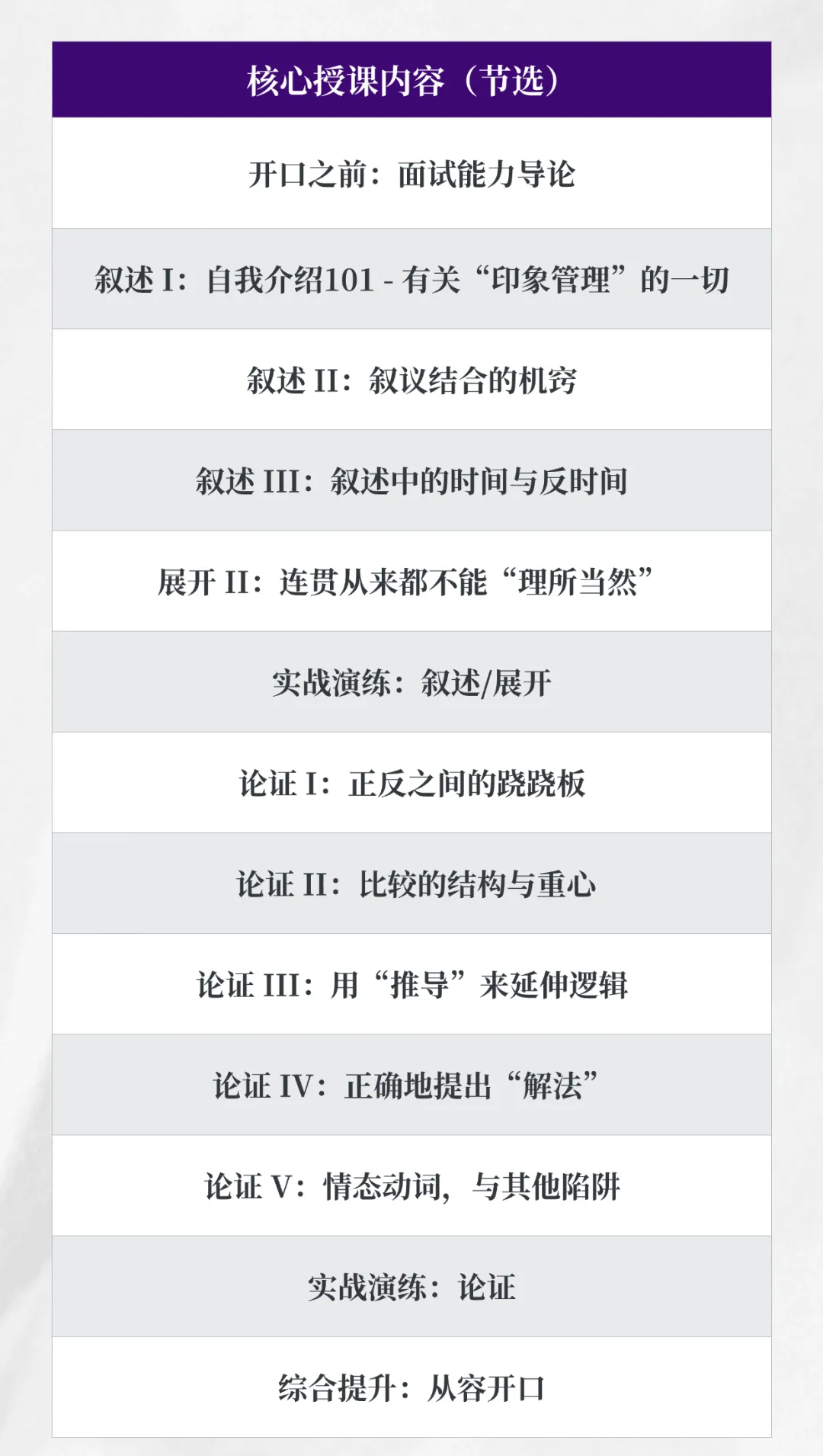
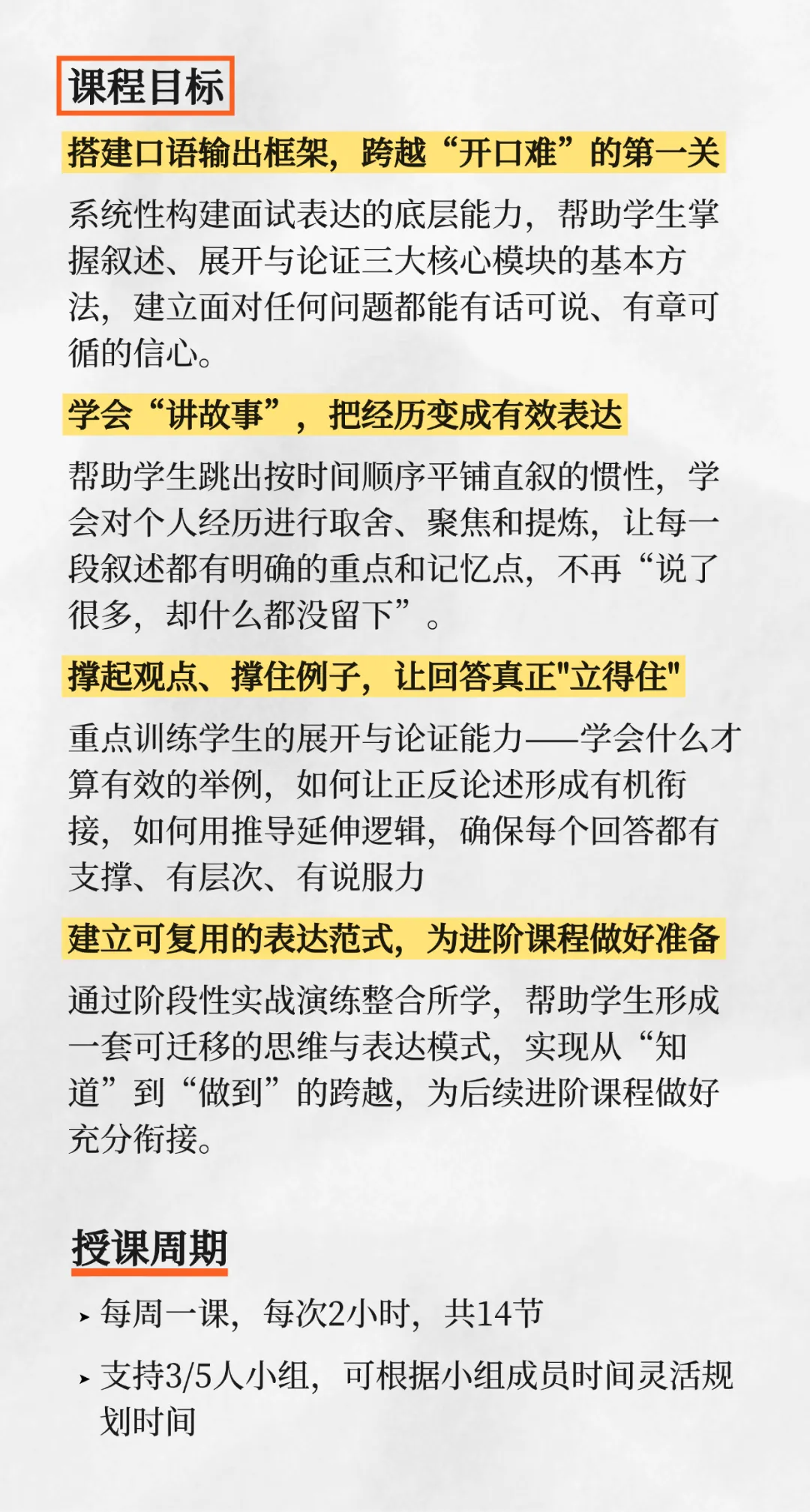
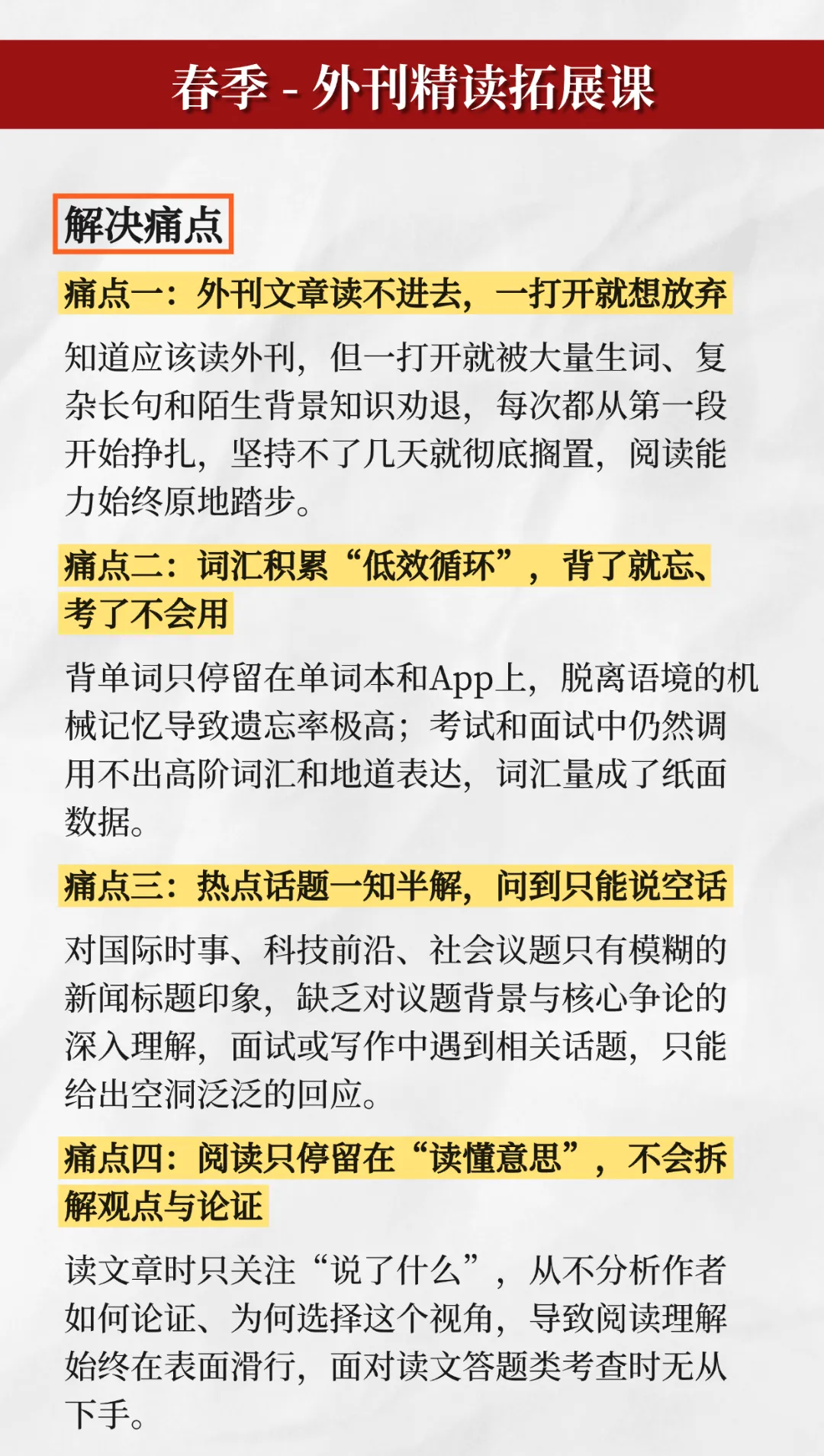
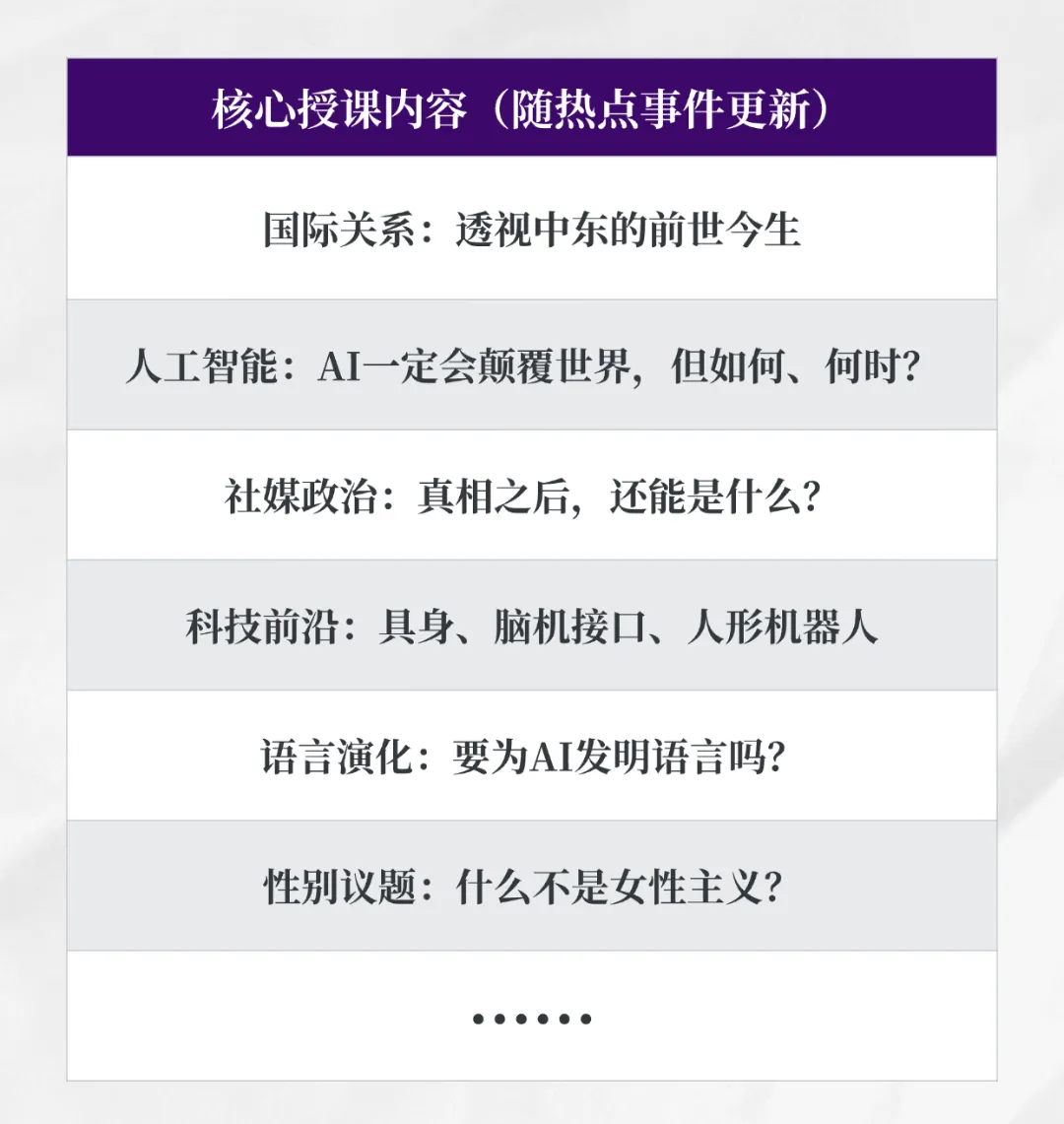
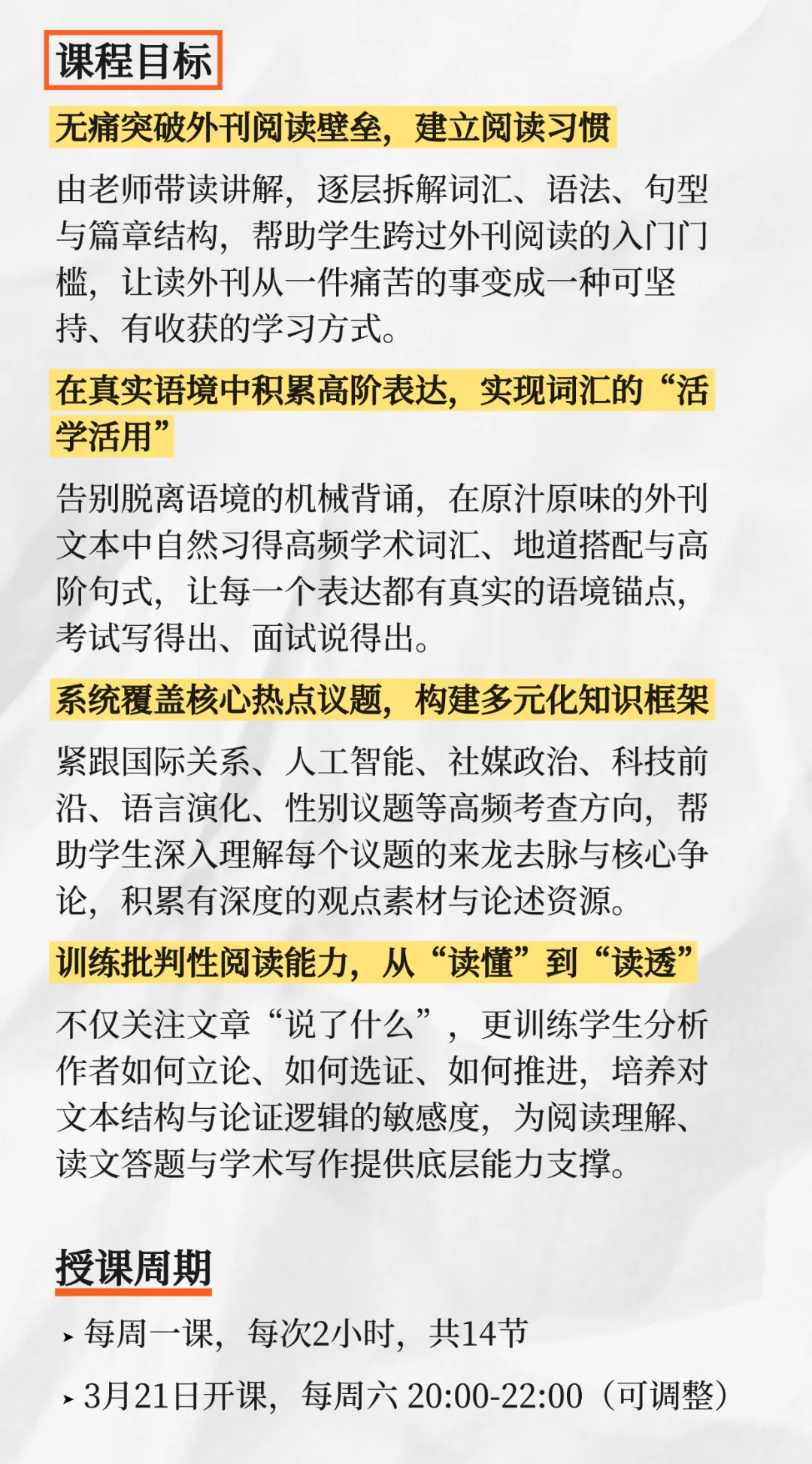
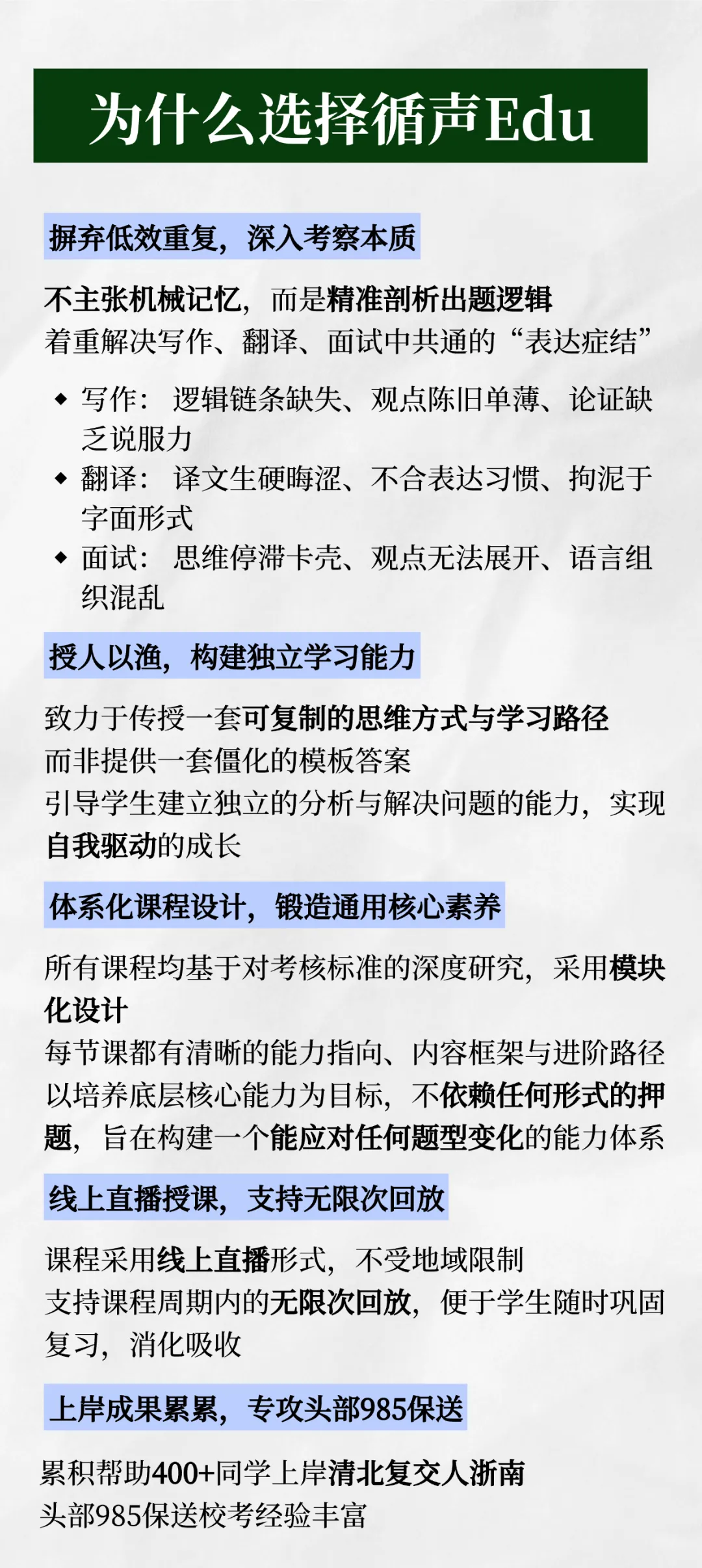
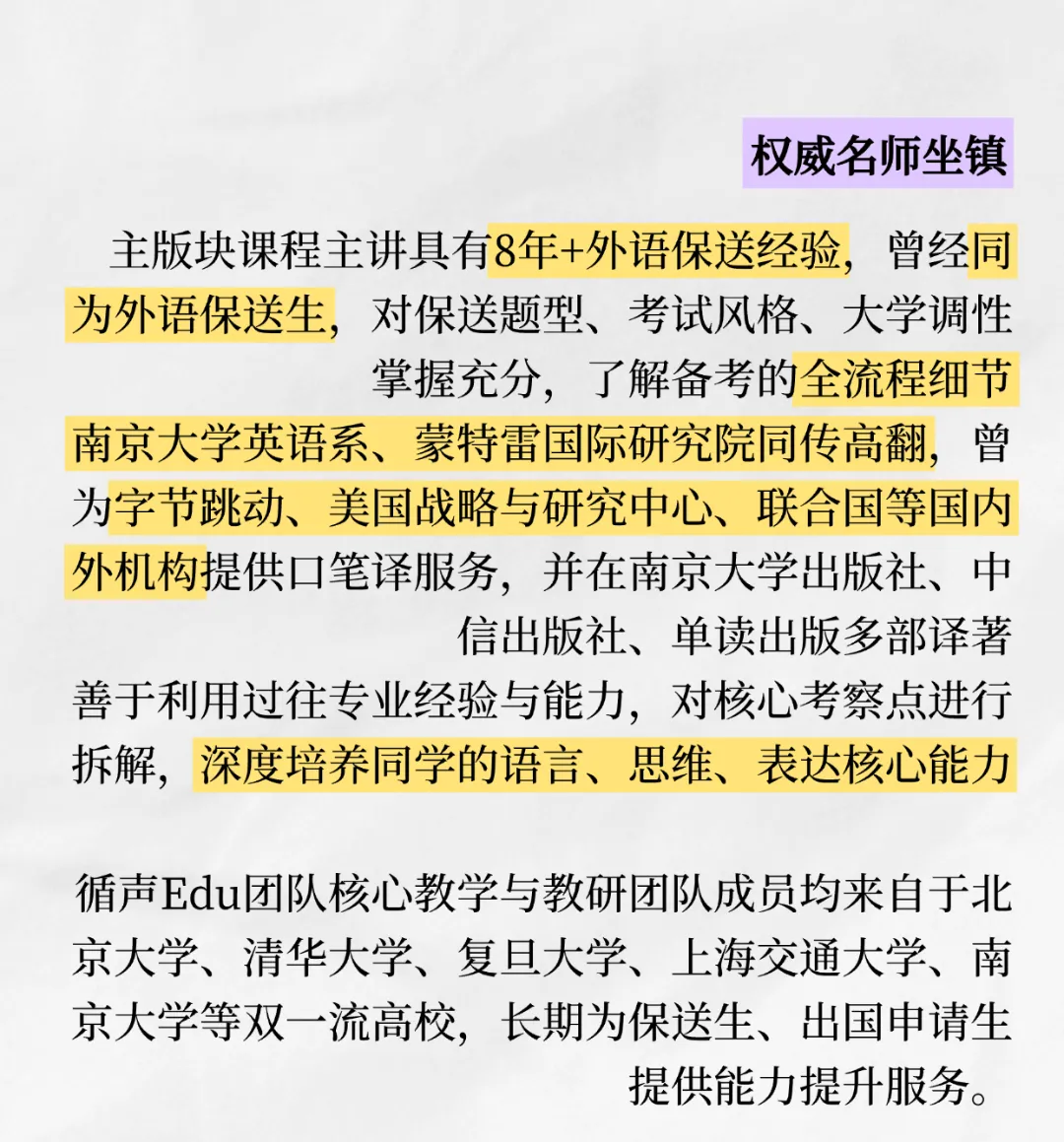
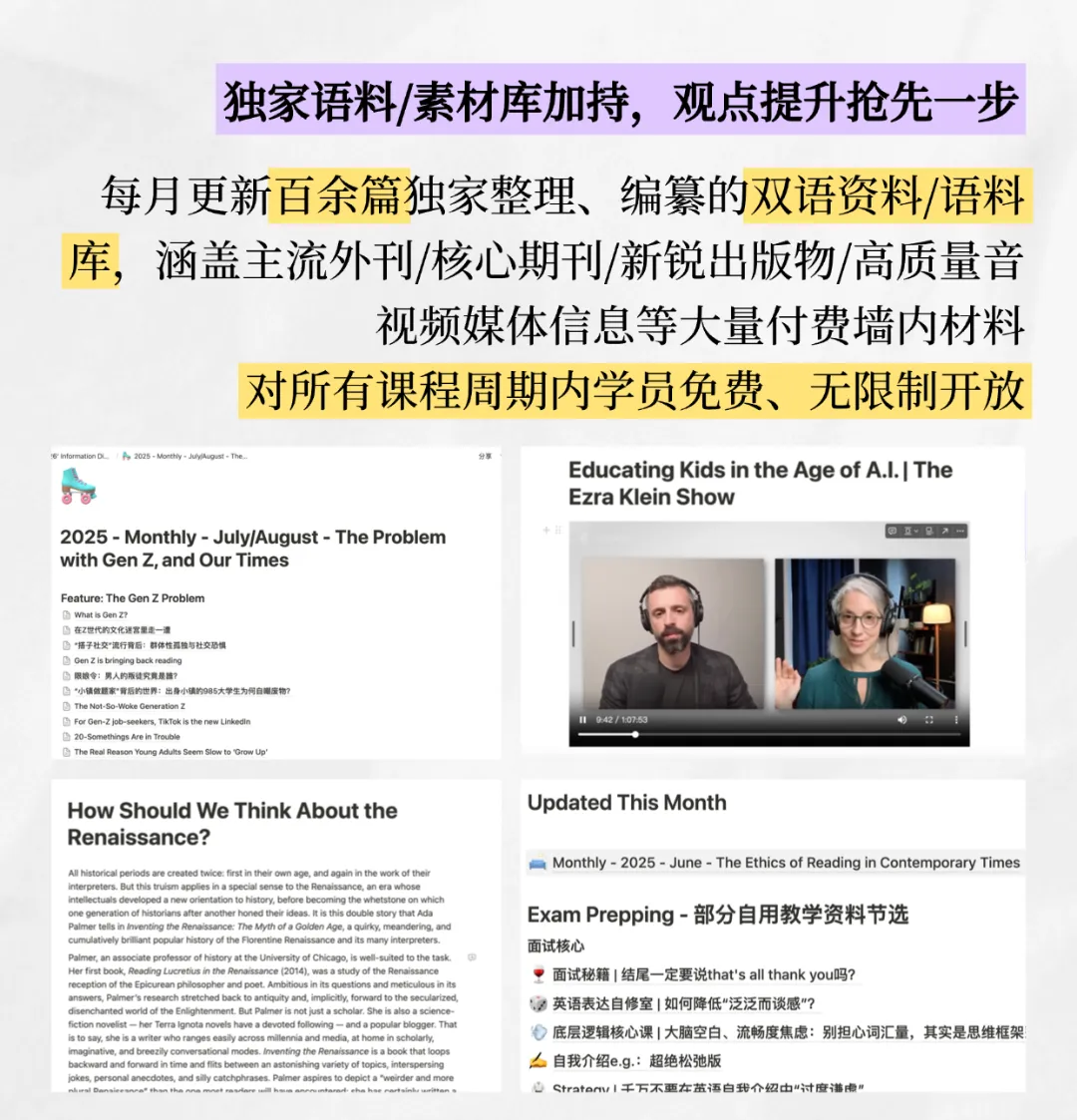
如果你希望系统掌握如何构建这样的口语结构,或是练习更复杂的文学表达,我们也会在循声Edu的暑期外语保送课程中,提供专门各种经典题型的面试训练与深度表达讲解。欢迎咨询与加入!

课程详情请咨询课程顾问老师