

一、正文及题目
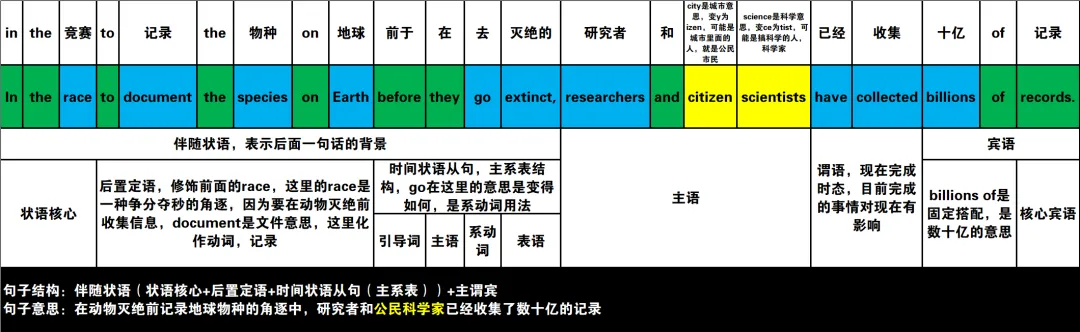
In the race to document the species on Earth before they go extinct, researchers and citizen scientists have collected billions of records.
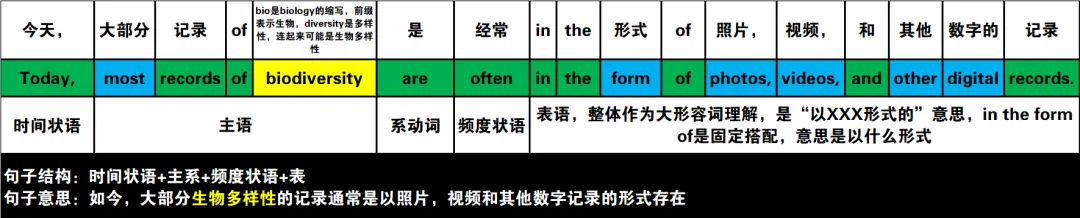
Today, most records of biodiversity are often in the form of photos, videos, and other digital records.
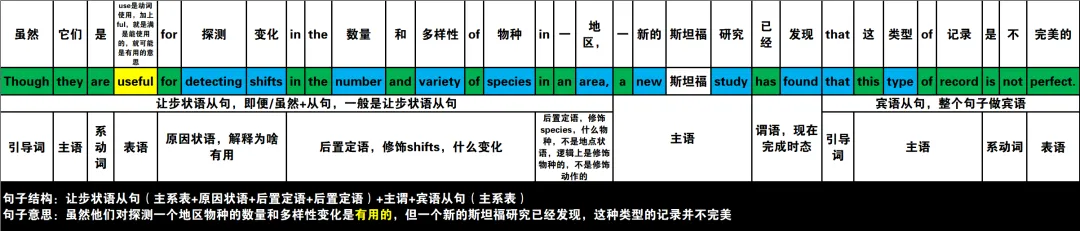
Though they are useful for detecting shifts in the number and variety of species in an area, a new 斯坦福 study has found that this type of record is not perfect.
“With the rise of technology it is easy for people to make observations of different species with the aid of a mobile application,”
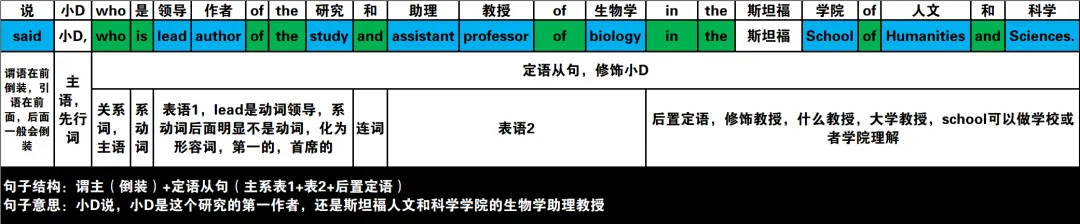
said 小D, who is lead author of the study and assistant professor of biology in the 斯坦福 School of Humanities and Sciences.
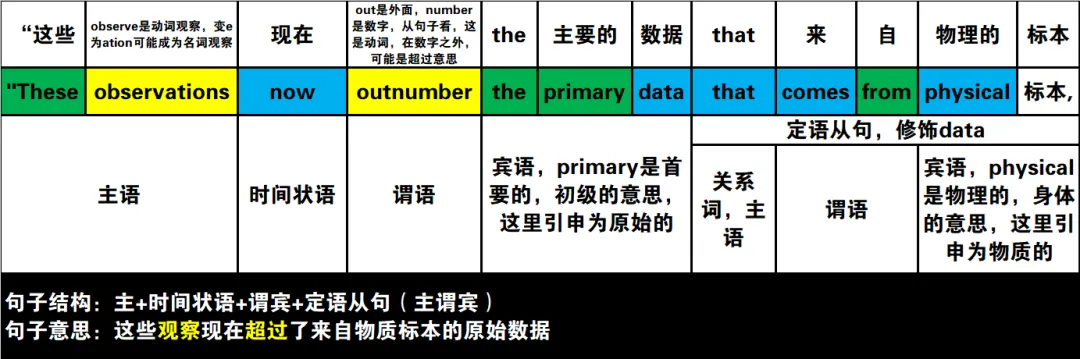
“These observations now outnumber the primary data that comes from physical specimens (标本),
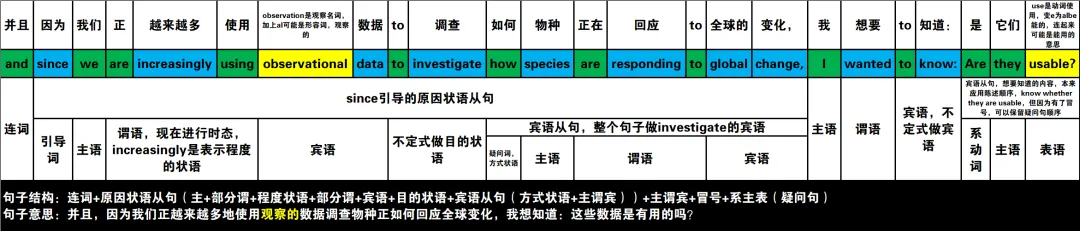
and since we are increasingly using observational data to investigate how species are responding to global change, I wanted to know: Are they usable?”
Using a global dataset of 1.9 billion records of plants, insects, birds, and animals, 小D and his team tested how well these data represent actual global biodiversity patterns.
“We were particularly interested in exploring the aspects of sampling that tend to bias (使有偏差) data, like the greater likelihood of a citizen scientist to take a picture of a flowering plant instead of the grass right next to it,” said 小D.
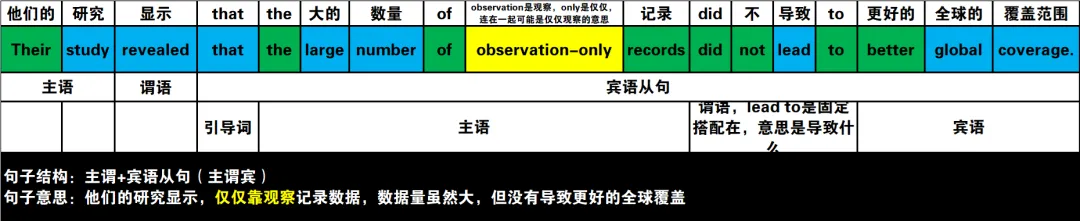
Their study revealed that the large number of observation-only records did not lead to better global coverage.
Moreover, these data are biased and favor certain regions, time periods, and species.
This makes sense because the people who get observational biodiversity data on mobile devices are often citizen scientists recording their encounters with species in areas nearby.
These data are also biased toward certain species with attractive or eyecatching features.
What can we do with the imperfect datasets of biodiversity?
“Quite a lot,” 小D explained.
“Biodiversity apps can use our study results to inform users of oversampled areas and lead them to places—and even species—that are not well-sampled.
To improve the quality of observational data, biodiversity apps can also encourage users to have an expert confirm the identification of their uploaded image.”
What do we know about the records of species collected now?
A. They are becoming outdated.
B. They are mostly in electronic form.
C. They are limited in number.
D. They are used for public exhibition.
What does 小D’s study focus on?
A. Threatened species.
B. Physical specimens.
C. Observational data.
D. Mobile applications.
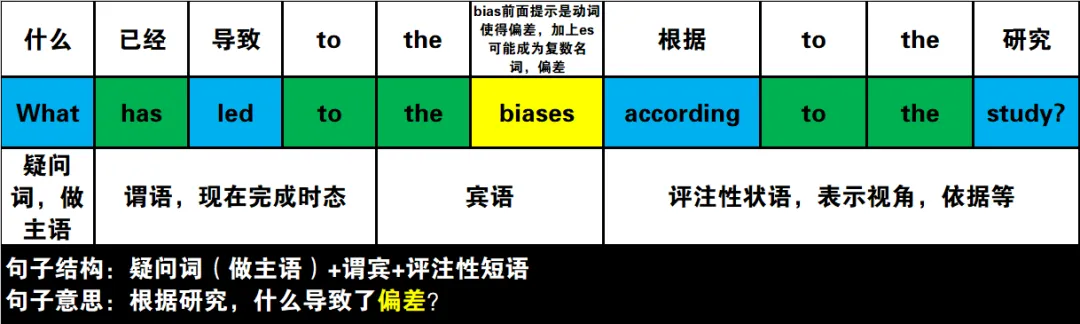
What has led to the biases according to the study?
A. Mistakes in data analysis.
B. Poor quality of uploaded pictures.
C. Improper way of sampling.
D. Unreliable data collection devices.
What is 小D’s suggestion for biodiversity apps?
A. Review data from certain areas.
B. Hire experts to check the records.
C. Confirm the identity of the users.
D. Give guidance to citizen scientists.
二、单词处理及统计
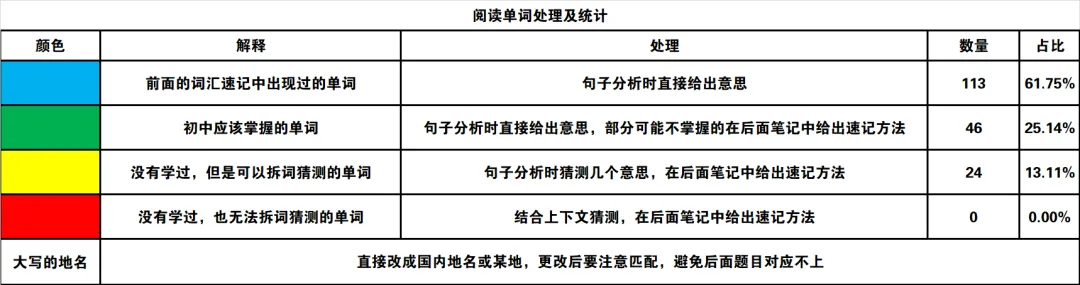
整体看,这篇阅读单词的难度适中,已经学过的单词占比大概87%,使用拆词大法能猜出来意思的大概13%。阅读句子结构比较简单,选项有大的干扰的也不多,整体难度适中。
三、正文逐句分析
In the race to document the species on Earth before they go extinct, researchers and citizen scientists have collected billions of records.
Today, most records of biodiversity are often in the form of photos, videos, and other digital records.
Though they are useful for detecting shifts in the number and variety of species in an area, a new 斯坦福 study has found that this type of record is not perfect.
“With the rise of technology it is easy for people to make observations of different species with the aid of a mobile application,”

said 小D, who is lead author of the study and assistant professor of biology in the 斯坦福 School of Humanities and Sciences.
“These observations now outnumber the primary data that comes from physical specimens (标本),
and since we are increasingly using observational data to investigate how species are responding to global change, I wanted to know: Are they usable?”
Using a global dataset of 1.9 billion records of plants, insects, birds, and animals, 小D and his team tested how well these data represent actual global biodiversity patterns.

“We were particularly interested in exploring the aspects of sampling that tend to bias (使有偏差) data, like the greater likelihood of a citizen scientist to take a picture of a flowering plant instead of the grass right next to it,” said 小D.

Their study revealed that the large number of observation-only records did not lead to better global coverage.
Moreover, these data are biased and favor certain regions, time periods, and species.
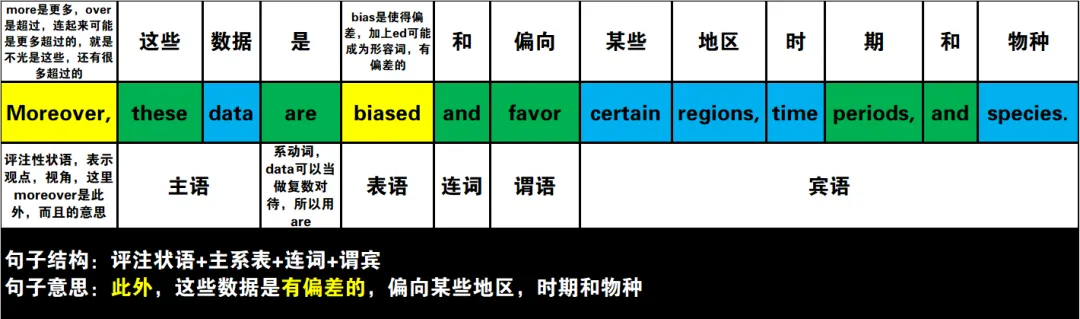
This makes sense because the people who get observational biodiversity data on mobile devices are often citizen scientists recording their encounters with species in areas nearby.

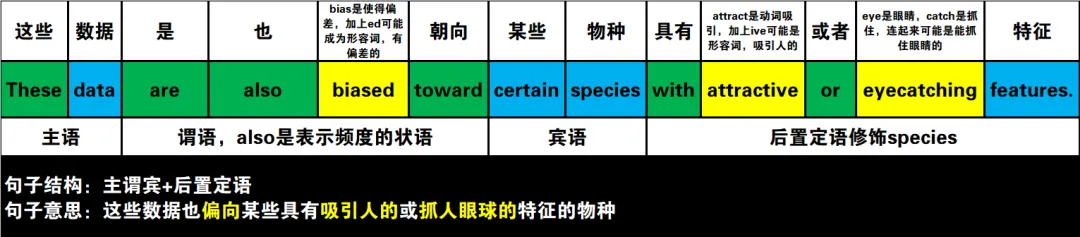
These data are also biased toward certain species with attractive or eyecatching features.
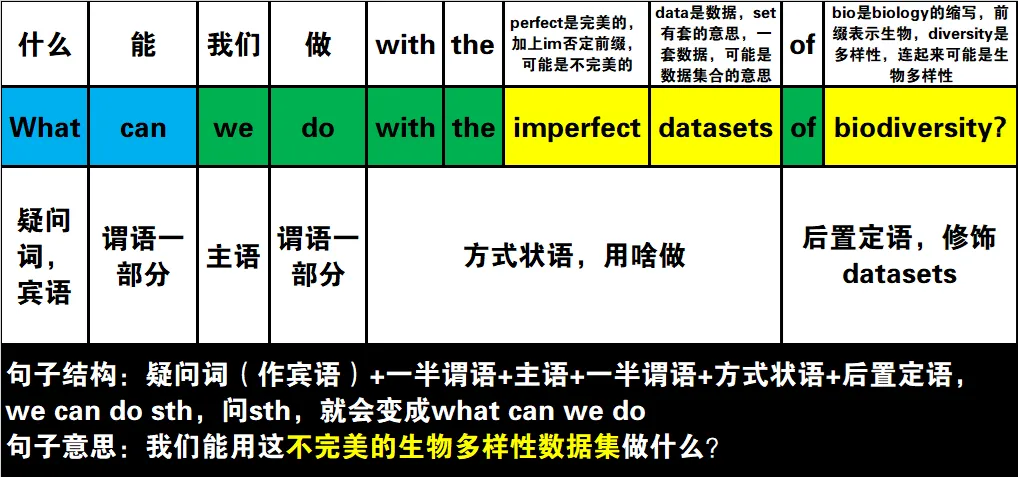
What can we do with the imperfect datasets of biodiversity?
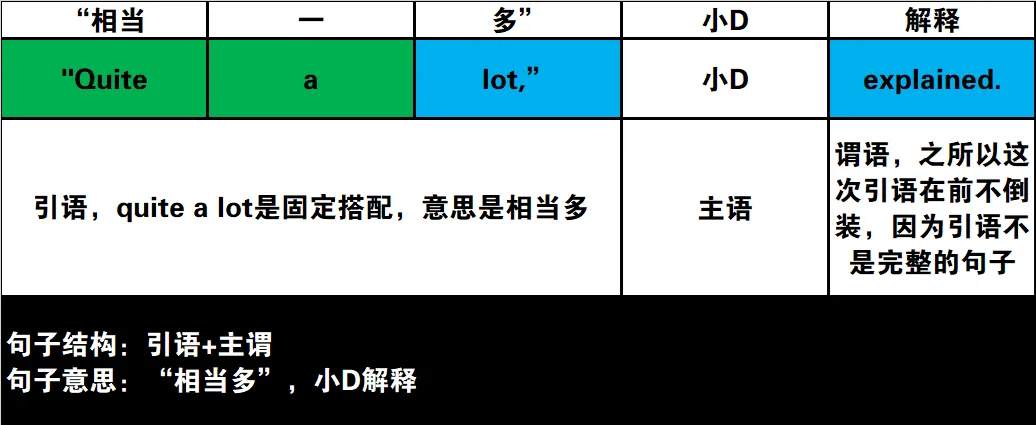
“Quite a lot,” 小D explained.
“Biodiversity apps can use our study results to inform users of oversampled areas and lead them to places—and even species—that are not well-sampled.

To improve the quality of observational data, biodiversity apps can also encourage users to have an expert confirm the identification of their uploaded image.”

四、题目逐句分析
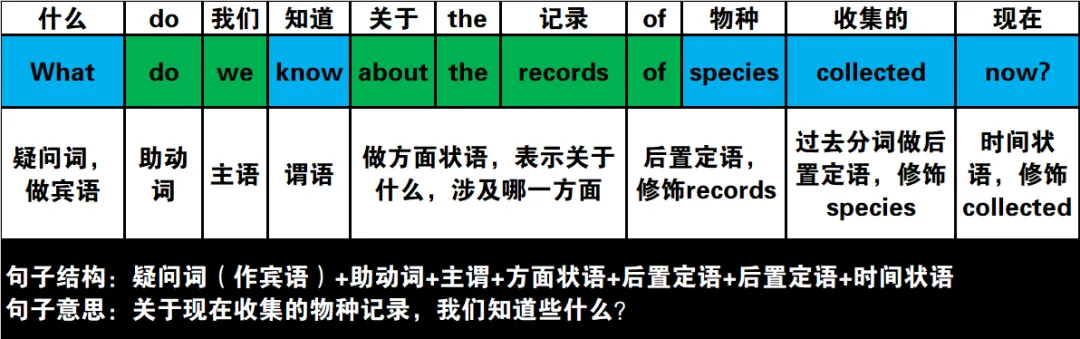
What do we know about the records of species collected now?
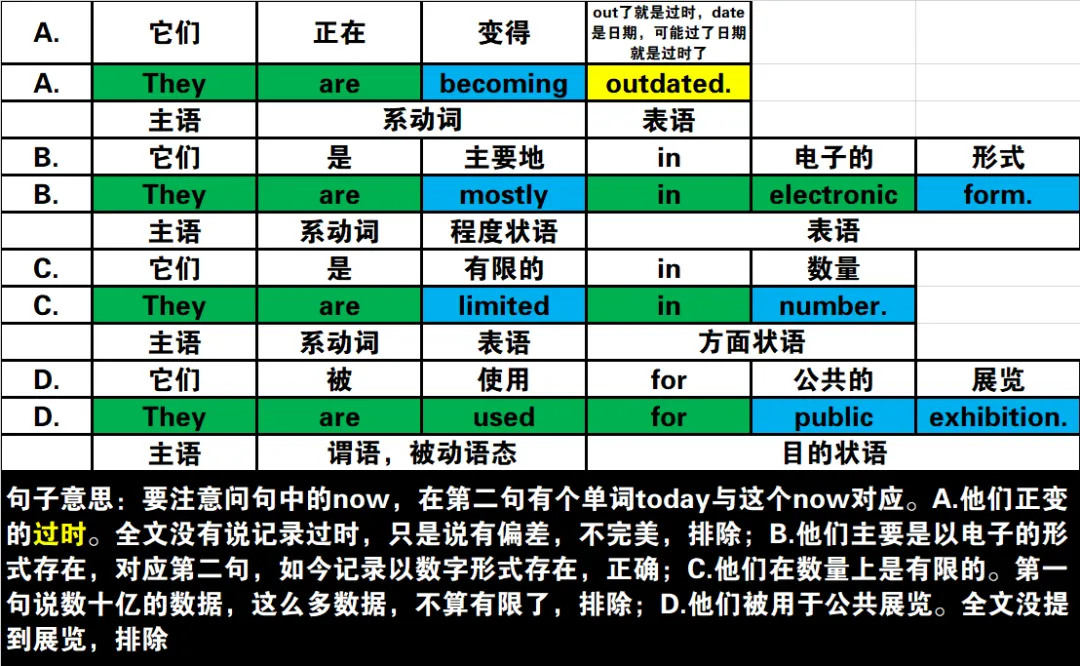
A. They are becoming outdated.
B. They are mostly in electronic form.
C. They are limited in number.
D. They are used for public exhibition.
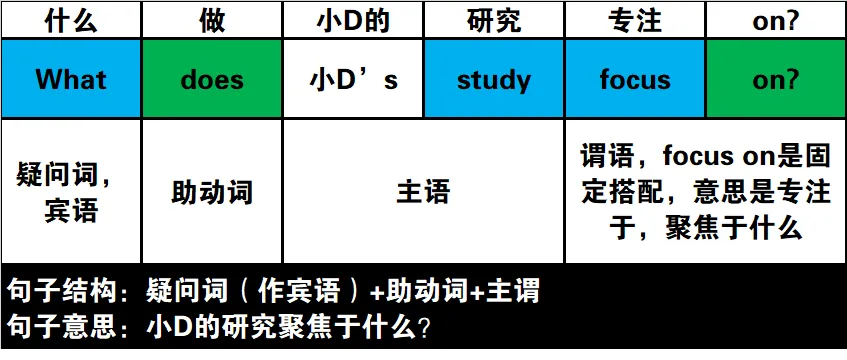
What does 小D’s study focus on?
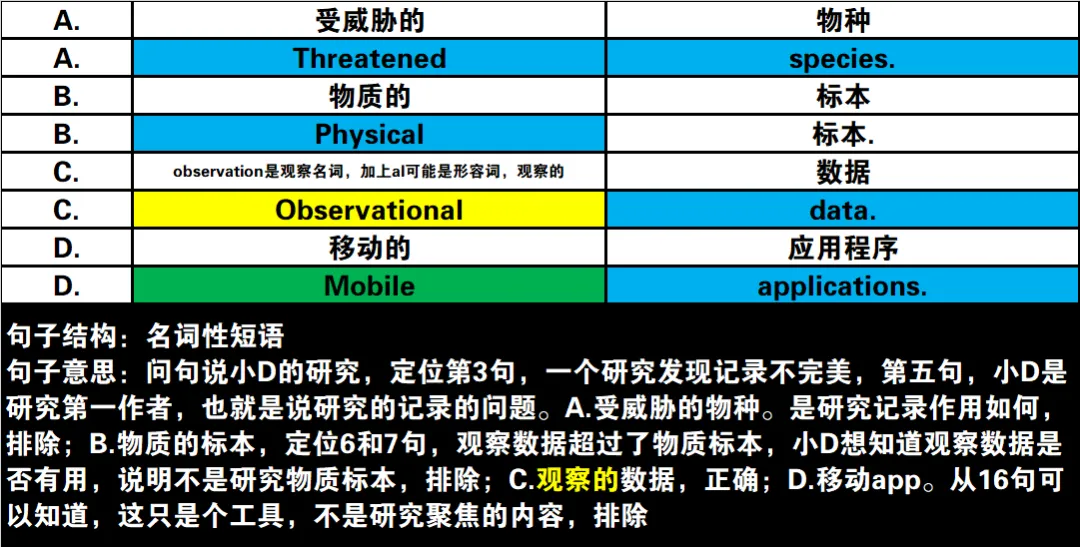
A. Threatened species.
B. Physical specimens.
C. Observational data.
D. Mobile applications.
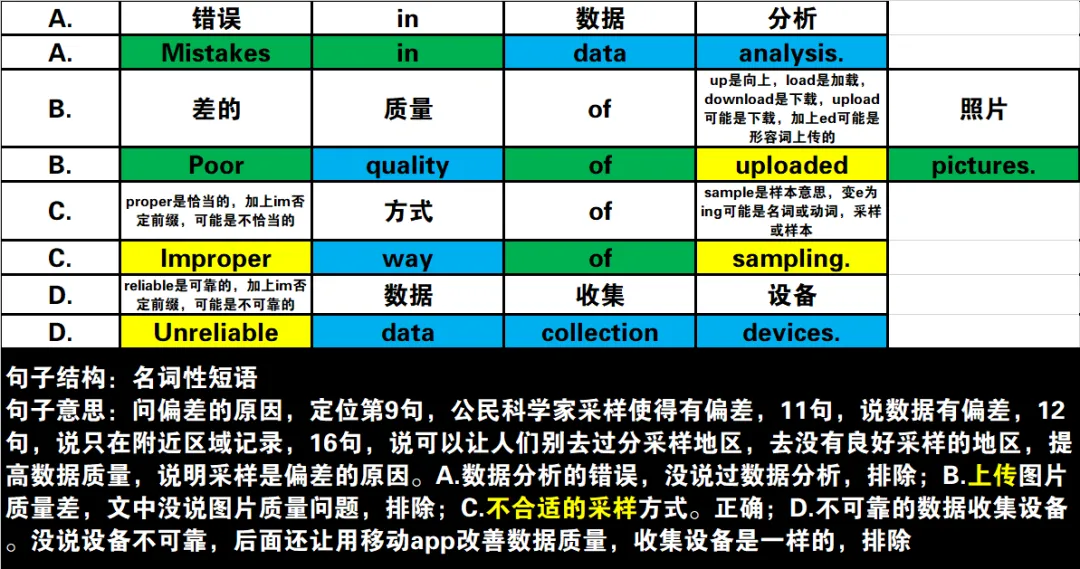
What has led to the biases according to the study?
A. Mistakes in data analysis.
B. Poor quality of uploaded pictures.
C. Improper way of sampling.
D. Unreliable data collection devices.
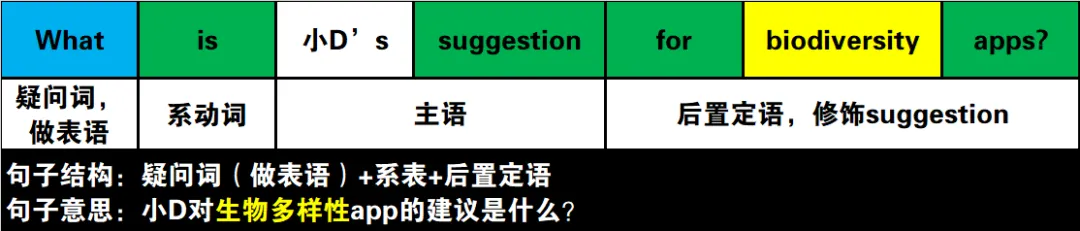
What is 小D’s suggestion for biodiversity apps?
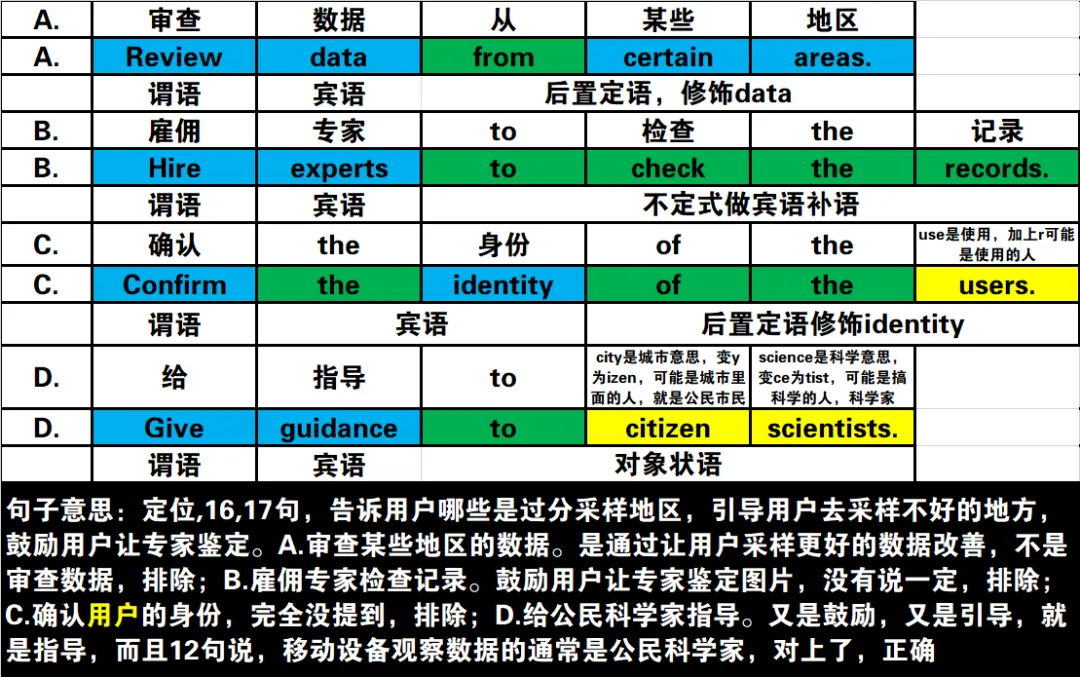
A. Review data from certain areas.
B. Hire experts to check the records.
C. Confirm the identity of the users.
D. Give guidance to citizen scientists.
五、单词、短语笔记
单词部分【按照单词在阅读中出现的顺序】
city [ˈsɪti]
n.市,城市,都市:I 爱 这个 city。意思是我爱这个城市。
谐音拆词:髓替,骨髓替换的手术,只有大城市能做
citizen [ˈsɪtɪzn]
n. 公民,市民:每个 citizen 有 权力 to 自由 of 言论。意思是每个公民有言论自由的权力。
谐音拆词:city是城市+zen人,变y为i,城市的人就是市民,公民
scientist [ˈsaɪəntɪst]
n.科学家:the scientist 进行 an 实验。意思是科学家进行一个实验。
谐音拆词:science是科学名词,变ce为tist成为弄科学的人,就是科学家
record [ˈrekɔːd]
v. 录制,记录:我 record the 整个 毕业 晚会。意思是我录制了整个毕业晚会。
n. 记录:我 产生 a 新的 学校 record in the 100 米 赛跑。意思是我在100米赛跑中产生了一个新的学校记录。
n. 唱片:我的 父亲 有 很多 老 records。意思是我父亲有很多老唱片。
谐音拆词:re作为前缀有反复的意思,re反复+cord刻的,反复刻盘的,刻盘就是把数据录制,记录了,长篇也是这样刻录的
biodiversity [ˌbaɪədaɪˈvɜːsəti]
n.生物多样性:We 应该 保护 biodiversity in 自然界。意思是我们应该在自然界中保护生物多样性。
谐音拆词:biology是生物,bio前缀表示生物,diversity是多样性,连起来就是生物多样性
although [ɔːlˈðəʊ]
conj. 虽然,尽管:Although it was 下雨ing, 我 依然 去 to 学校 按时。意思虽然下着雨,我依然按时去学校。
谐音拆词:饿瘦,虽然饿的瘦了,身材好了,但是却不健康了,病态美
though [ðəʊ]
conj.虽然:Though it was 下雨ing, we 出去了。意思虽然下着雨,我们还是出去了。
adv.尽管:It's 辛苦的 work. I 喜欢 it, though。意思是这是辛苦的工作,尽管我喜欢它。
谐音拆词:although是虽然,尽管的意思,though也是
use [juːz][juːs]
vt. 利用;应用:We should use our 时间 明智地。意思是我们应该明智地利用我们的时间。
n. 利用;应用:The use of this 工具 is very 简单。意思是这个工具的应用非常简单。
谐音拆词:油渍,油渍需要利用洗衣液或者洗洁精才能洗干净
useful [ˈjuːsfl]
adj.有用的,有益的:这 工具 是 非常 useful。意思是这个工具是非常有用的。
谐音拆词:use使用+ful表示满满的,加起来是形容词,表示满是可用的,就是有用的,有益的
perfect [ˈpɜːfɪkt]
adj.完美的:The 天气 was perfect for 徒步。意思是天气对于徒步来说是完美的。
谐音拆词:per作为前缀是每个+fect罚款的,每个都罚款的,对收钱的人来说真是完美的局面
mobile [ˈməʊbaɪl]
adj.活动的,可移动的:He has a mobile 图书馆 in his 卡车。意思是他卡车里有一个可移动的图书馆。
谐音拆词:摩拜,摩拜单车,扫码以后,单车就是可移动的,活动的
outnumber [ˌaʊtˈnʌmbə(r)]
v.数量上超过,比……多:鸟 outnumber 老虎 in this 区域。意思是在这个区域鸟的数量超过老虎。
谐音拆词:out是在外面,number是数量,在数量的外面,说明数量比你多,都溢出了
primary [ˈpraɪməri]
adj. 初级的,原始的:张三 学习 in a primary 学校。意思是张三在一所小学学习。
adj. 首要的:Our primary 任务 is to 学习。意思是我们的首要任务是学习。
谐音拆词:pri作为前缀有首先,首要的意思,pri首先+mary妈让,首先,首要的,妈让上个好小学,primary school就是小学,也是原始的学校,这是大人的必然想法
observation [ˌɒbzəˈveɪʃn]
n.观察,观测,记录:The observation of 物种 is 重要的。意思是对物种的观察是重要的。
谐音拆词:observe是动词观察,变e为ation,变成名词,观察
observational [ˌɒbzəˈveɪʃənl]
adj.观察的,观测的:They 收集 observational 数据 每天。意思是他们每天收集观测的数据。
谐音拆词:observation是名词观察,加上al成为形容词,观察的
usable [ˈjuːzəbl]
adj.可用的,能用的:大部分 of the 旧的 数据 is 依旧 usable。意思是大部分旧数据依旧可用。
谐音拆词:use是使用动词,变e为able能的,就是能使用的
dataset [ˈdeɪtəset]
n.数据集,资料组:The 软件 提供 a 大 dataset of 物种。意思是这个软件提供了一个大的物种数据集。
谐音拆词:data是数据,set有套的意思,一套数据就是数据集合
sampling [ˈsɑːmplɪŋ]
n.抽样,采样:Sampling 方法 影响 the 最终的 结果。意思是采样方法影响最终的结果。
谐音拆词:sample是动词采样,变e为ing,成为名词采样
great [ɡreɪt]
adj.伟大的,极好的:莎士比亚 是 一 great 作家。意思是莎士比亚是一位伟大的作家。
谐音拆词:哥认他,他是伟大的极好的老师,所以哥认他
likelihood [ˈlaɪklihʊd]
n.可能性,可能程度:This 增加了 the likelihood of 错误。意思是这增加了错误的可能性。
谐音拆词:likely是形容词可能的,变y为ihood成为名词,可能性
take [teɪk]
v.拿走:请 take 我的 心 to 李四。意思是请把我的心拿走给李四。
v.接受,接纳:李四 took 张三的 建议。意思是李四接受了张三的建议。
谐音拆词:台客,台湾的客人,要么我们拿走台湾岛,要么你们接受一国两制
picture [ˈpɪktʃə]
n.图片:他 画 a picture of 他的 家庭。意思是他画了一张他家庭的图片。
n.照片:她 放 the picture in a 框架。意思是她把照片放在框架里。
谐音拆词:P卡车,ps一个卡车,说明是在修照片,图片
flower [ˈflaʊə]
n.花:她 采摘 一 美丽的 flower。意思她采摘了一朵美丽的花。
谐音拆词:服老啊,老了就是老了,不要干重活,养养花,撸撸狗,挺好
grass [ɡrɑːs]
n.草:the grass 需要 切割。意思是草需要切割。
谐音拆词:哥压碎,压碎什么压碎草,国外家门口的草地一般都是孩子用割草机压碎的
next [nekst]
n.下一个:我 is the next to 背诵。意思是我下一个背诵。
adj.下一个的:转 向左 at the next 路口。意思是在下一个路口向左转。
Adj.紧邻的:He 坐 in the next 房间。意思是他坐在紧邻的房间。
谐音拆词:耐克是他,耐克是他下一个想要买的鞋子,以前一直是杂牌,有钱了换个好点的,让自己的脚和好鞋紧邻
better [ˈbetə(r)]
adj.更好的:We 需要 a better 方式 to 收集 数据。意思是我们需要更好的方式来收集数据。
adv.更好地:He can 工作 better with 专家。意思是他和专家一起能更好地工作。
谐音拆词:逼他,他才能变得更好,就像英语成绩一样
moreover [mɔːrˈəʊvə(r)]
adv.此外,而且:Moreover, the 数据 is not 可靠的。意思是此外,数据不可靠。
谐音拆词:more是更多的,over是超过,超过现在的,我还有更多要说,就是此外,而且
bias [ˈbaɪəs]
n.偏差,偏见,偏向:There is a 明显的 bias in the 记录。意思是记录中有明显的偏差。
v.使得偏差:小的 错误 can bias the 结果。意思是小的错误可以使得结果偏差。
谐音拆词:贬损,贬损别人,就是对别人的一种偏见
biased [ˈbaɪəst]
adj.有偏差的,有偏见的:The 原本 数据 is biased。意思是原本的数据是有偏差的。
谐音拆词:bias是偏见,加上ed成为形容词,有偏见的
period [ˈpɪəriəd]
n. 时期,时代:The 春秋战国 was a 伟大的 period in 中国 历史。意思是春秋战国是中国历史上一个伟大的时期。
谐音拆词:偏弱,中国有一个时期,时代是偏弱的,就是近代史哪一个时期
towards [təˈwɔːdz]
prep.朝向,对于:The 样本 is 有偏差的 towards 城市 地区。意思是样本对于城市地区是有偏差的。
谐音拆词:to是朝着,ward作为后缀有朝着什么方向的意思,连起来就是朝着,对于
attractive [əˈtræktɪv]
adj. 迷人的,有吸引力的:北京 有 many attractive 地方 to 参观。意思是北京有很多迷人的地方可供参观。
谐音拆词:attract吸引+ive成为形容词,吸引变成有吸引力的,迷人的
eye [aɪ]
n.眼睛:她 有 美丽的 蓝色的 eyes。意思是她有美丽的蓝色眼睛。
谐音拆词:爱,男女恋爱,最爱的就是眼睛,看到对方的眼睛就小鹿乱撞
catch [kætʃ]
vt. 接住:He caught the 球 with one 手。意思是他用一只手接住了球。
v.赶上:I 跑步 to catch the 最后的 地铁。意思是我跑步去赶最后一班地铁。
v.染上(疾病):She caught a 感冒 上周。意思她上周染上了感冒。
谐音拆词:开车,开车就能赶上朋友,接住他,避免外面的雨淋湿,染上疾病
eyecatching [ˈaɪkætʃɪŋ]
adj.引人注目的,抢眼的:Eyecatching 植物 are often 记录ed 更多。意思是引人注目的植物往往被记录得更多。
谐音拆词:eye是眼睛,catch是抓住,抓住眼睛的就是抓眼的,就是引人注目的
imperfect [ɪmˈpɜːfɪkt]
adj.不完美的,有缺陷的:The 目前的 系统 is imperfect。意思是目前的系统是不完美的。
谐音拆词:im前缀是否定,perfect是完美的,连起来就是不完美的
quite [kwaɪt]
adv. 完全,十分,相当:I'm quite 满意的 with the 结果。意思是我对结果十分满意。
谐音拆词:快太,太快了,十分的快,相当的快
also [ˈɔːlsəʊ]
adv. 也:She likes 阅读ing, and she also 喜欢 画画ing。意思她喜欢阅读,也喜欢画画。
谐音拆词:饿瘦,今天不吃,明天也不吃,很多天也不吃,就能饿瘦
user [ˈjuːzə]
n.使用者,用户:This app has 百万 of users around the 世界。意思是这个应用在全世界有数百万用户。
谐音拆词:use是使用的意思,加上r成为使用的人,就是用户
oversampled [ˌəʊvəˈsɑːmpld]
adj.采样过多的,过度抽样的:Some 常见的 物种 are oversampled。意思是有些常见物种被过度采样了。
谐音拆词:over是超过,sample是采样,ed是形容词,连起来就是过度采样的
courage [ˈkʌrɪdʒ]
n.勇气:It 花费 大的 courage to 坚持 真理。意思是坚持真理需要很大的勇气。
谐音拆词:靠人之,靠别人之人没有勇气,靠自己的才有勇气
encourage [Inˈkʌrɪdʒ]
vt. 鼓励,激励:My 父母 encourage me to 追求 我的 梦想。意思是我的父母鼓励我去追求我的梦想。
谐音拆词:en作为前缀有使得意思,en使得+courage勇气,使得具有勇气,说明鼓励,激励了他
identification [aɪˌdentɪfɪˈkeɪʃn]
n.辨认:the identification of the 嫌疑犯 是 快速的。意思是对嫌疑犯的辨认是快速的。
n.鉴定:the identification of the 病毒 花费 时间。意思是对病毒的鉴定花费时间。
n.身份证明:展示 你的 identification at the 入口。意思是在入口出示你的身份证明。
谐音拆词:identify是鉴定,识别动词,变y为ication成为名词辨认,鉴定,如果是辨认人,最好的就是通过身份证明,也就是身份证
upload [ˌʌpˈləʊd]
v.上传:用户 can upload 照片 of 野生的 动物。意思是用户可以上传野生动物的照片。
谐音拆词:up向上,load装载,向上装载,就是上传
outdated [ˌaʊtˈdeɪtɪd]
adj.过时的,老旧的:These 方法 are outdated 现在。意思是这些方法现在已经过时了。
谐音拆词:out是外面,date日期,d是形容词,日期都out了,说明是过时的
mistake [mɪˈsteɪk]
v.弄错:I mistook her for her 双胞胎 姐姐。意思是我把她错认成她的双胞胎姐姐了。
n.错误:我 犯 了 a mistake。意思是我犯了一个错误。
谐音拆词:mis就是miss有错过的意思,take拿,错过拿了,没拿,应该拿没拿,就是弄错,犯了错误
electronic [ɪˌlekˈtrɒnɪk]
adj.电子的:他 喜欢 electronic 书 超过 印刷的 书。意思是他喜欢电子书胜过纸质书。
谐音拆词:electric是电的意思,tric变tronic,是电子的意思
poor [pɔː]
adj. 贫穷的:The poor 家庭 could 几乎不 负担起 to 买 足够的 食物 for a 周。意思是贫穷的家庭几乎负担不起一周足够的食物。
adj. 差的:His poor 考试 分数 显示 he 需要 to 学习 更努力地。意思是他差的考试分数显示他需要更努力地学习。
谐音拆词:破,衣服穿得破,说明家里贫穷,经济水平差
improper [ɪmˈprɒpə(r)]
adj.不恰当的,不合适的:Improper 数据 will 造成 大的 错误。意思是不恰当的数据会造成大的错误。
谐音拆词:im否定,proper是恰当的,连起来就是不恰当的
unreliable [ˌʌnrɪˈlaɪəbl]
adj.不可靠的,不准的:Some 观察的 记录 are unreliable。意思是有些观测记录是不可靠的。
谐音拆词:un前缀是否定,reliable是可靠的,连起来就是不可靠的
suggest [səˈdʒest]
vt. 建议:I suggest that 我们 去 野餐 this 周末。意思是我建议我们这个周末去野餐。
vt. 提出:我 suggest a 新的 方法 to 学习 英语。意思是我提出一种学习英语的新方法。
谐音拆词:杀整死他,这是我的建议,对敌人就要狠,否则站不稳
suggestion [səˈdʒestʃən]
n.建议:He 提出 a 好的 suggestion at the 会议。意思是他会议上提出了一个好的建议。
谐音拆词:suggest是建议,加上ion成为名词建议
check [tʃek]
v. 核对:Please check your 答案 再次。意思是请再次核对你的答案。
v. 检查:The 医生 checked his 心脏。意思是医生检查了他的心脏。
n. 检查:We need to do a 安全 check。意思是我们需要做一次安全检查。
n. 支票:I 支付 by check。意思是我用支票支付。
谐音拆词:查看,就是核对检查,如果不对,就要求你开支票作为罚款
短语部分【短语拆词无意义,谐音前面已经有了,简单解释即可,例句为阅读中相应句子】
billions of:数十亿。解释:billion是十亿,加上of后面可以跟名词,数十亿啥东西
in the form of:以什么形式。解释:在什么形式里面,就是以什么形式
make observation of:观察。解释:做什么的观察,就是观察什么
instead of:代替,而不是。解释:instead有代替的意思,加上of,后面跟上代替的对象
next to:邻近。解释:next有邻近的意思,加上to,后面跟上邻近的对象
a number of:大量。解释:一个数量的什么,上了数量,就是大量的,这个短语是复数
the number of:什么的数量。解释:字面意思就是说的数量,这个短语核心是数量,所以是单数
lead to:导致。解释:字面意思
make sense:有道理,说得通。解释:搞出感觉来了,说明你说的有道理,让我有感觉
quite a lo:相当多。解释:quite有相当的意思,a lot是很多,加起来就是相当多
infrom sb of sth:告知某人某事。解释:不能直接inform sb sth,中间要加上of
focus on:专注于,聚焦于。解释:focus是关注,聚焦意思,加上on,后面可以跟对象
六、语法笔记
go可以做系动词,表示变得如何意思,go后面加上形容词,一般就是做系动词
前面语法速通中说过,让步状语从句遵守“主将从现”规则,在这里需要修正,当时说遵守这个规则是对标条件状语从句的,在24年新课标Ⅰ卷语法笔记中,对条件状语从句规则进行了修正,这里也是对应的
前面学习过,引语在前,后面谁说一半倒装,这里修正一下,要在引语是完整句的前提下,如果引语不是完整句,后面不倒装
quite a lot of和quite a few区别,都是相当多什么的意思,前者后面跟可数或不可数名词,后者后面只能跟可数名词复数


