

一、正文及题目
Is comprehension the same whether a person reads a text onscreen or on paper?
And are listening to and viewing content as effective as reading the written word when covering the same material?
The answers to both questions are often “no”.
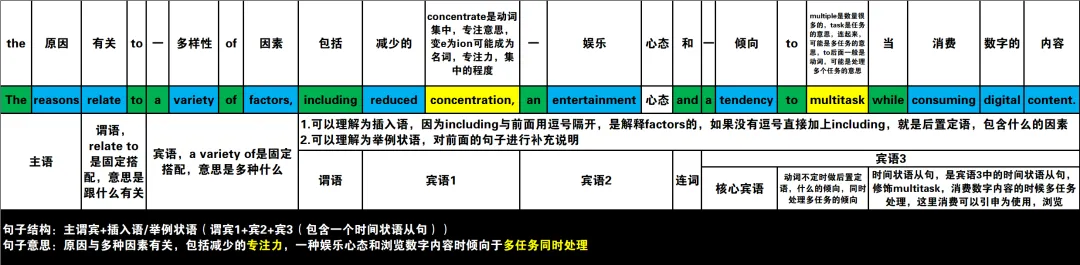
The reasons relate to a variety of factors, including reduced concentration, an entertainment mindset (心态) and a tendency to multitask while consuming digital content.
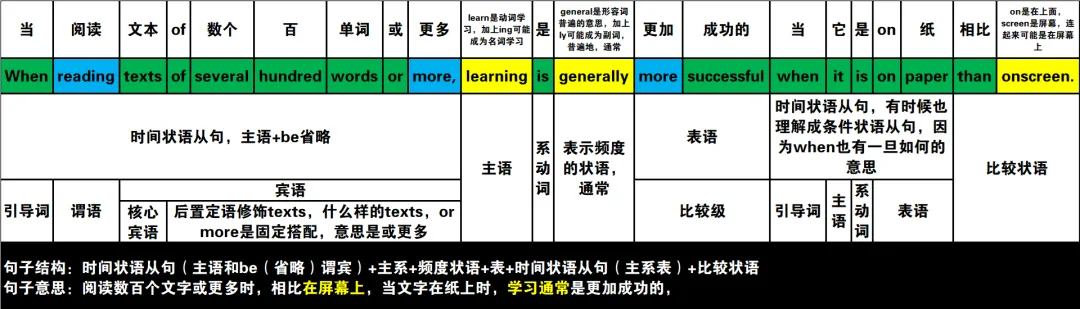
When reading texts of several hundred words or more, learning is generally more successful when it’s on paper than onscreen.
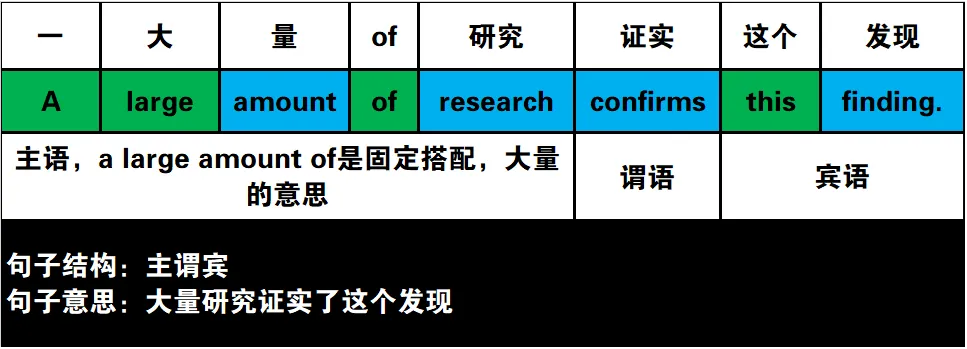
A large amount of research confirms this finding.
The benefits of print reading particularly shine through when experimenters move from posing simple tasks - like identifying the main idea in a reading passage - to ones that require mental abstraction - such as drawing inferences from a text.
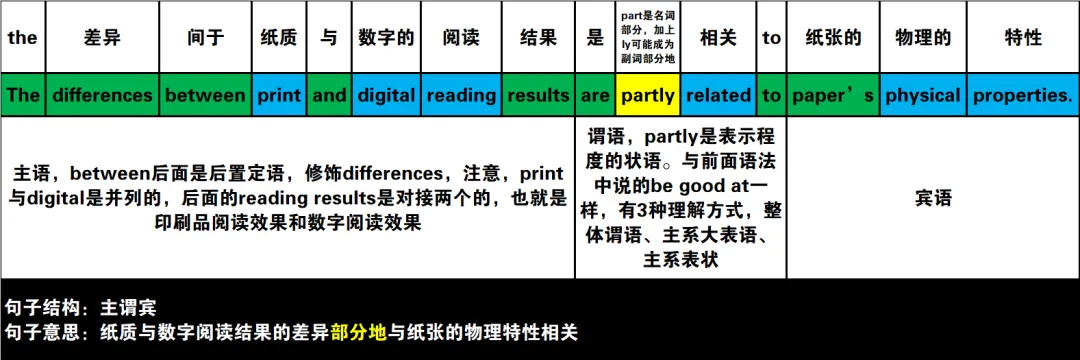
The differences between print and digital reading results are partly related to paper’s physical properties.
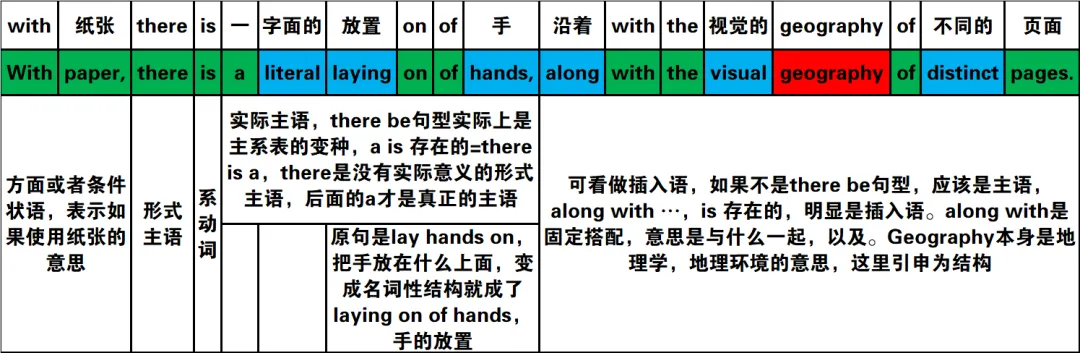
With paper, there is a literal laying on of hands, along with the visual geography of distinct pages.
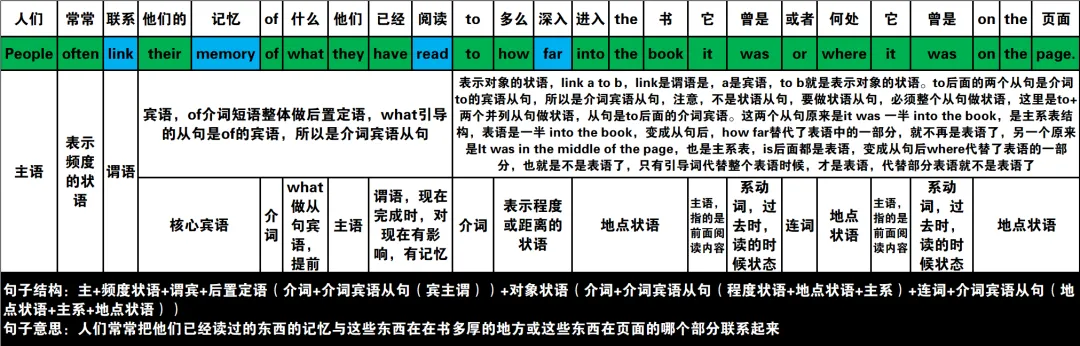
People often link their memory of what they’ve read to how far into the book it was or where it was on the page.
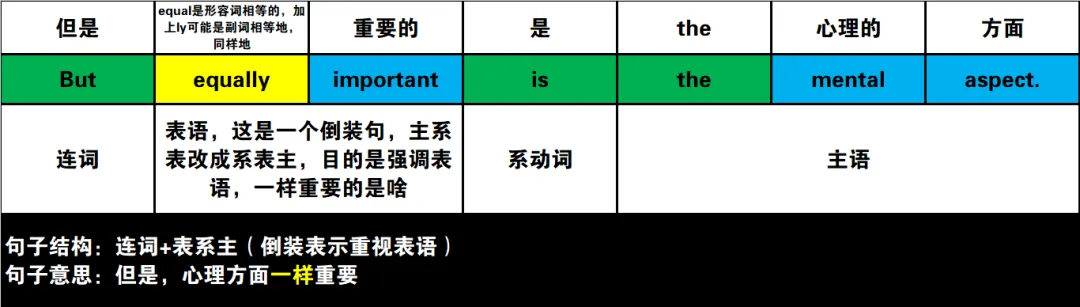
But equally important is the mental aspect.
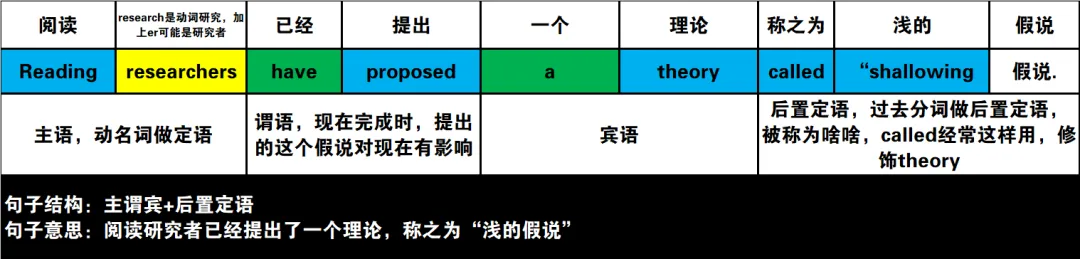
Reading researchers have proposed a theory called “shallowing hypothesis (假说)”.
According to this theory, people approach digital texts with a mindset suited to social media, which are often not so serious, and devote less mental effort than when they are reading print.
Audio (音频) and video can feel more engaging than text, and so university teachers increasingly turn to these technologies - say, assigning an online talk instead of an article by the same person.
However, psychologists have demonstrated that when adults read news stories, they remember more of the content than if they listen to or view identical pieces.
Digital texts, audio and video all have educational roles, especially when providing resources not available in print.
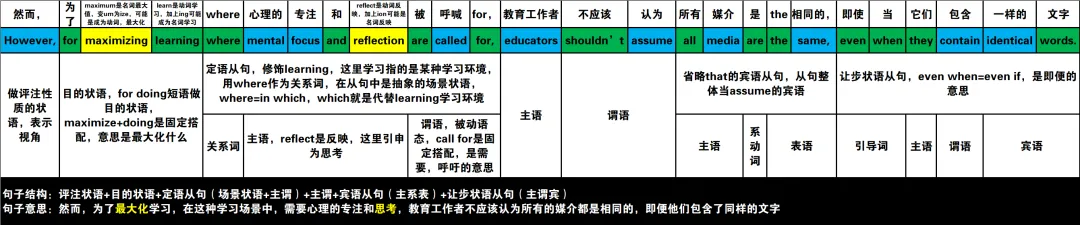
However, for maximizing learning where mental focus and reflection are called for, educators shouldn’t assume all media are the same, even when they contain identical words.
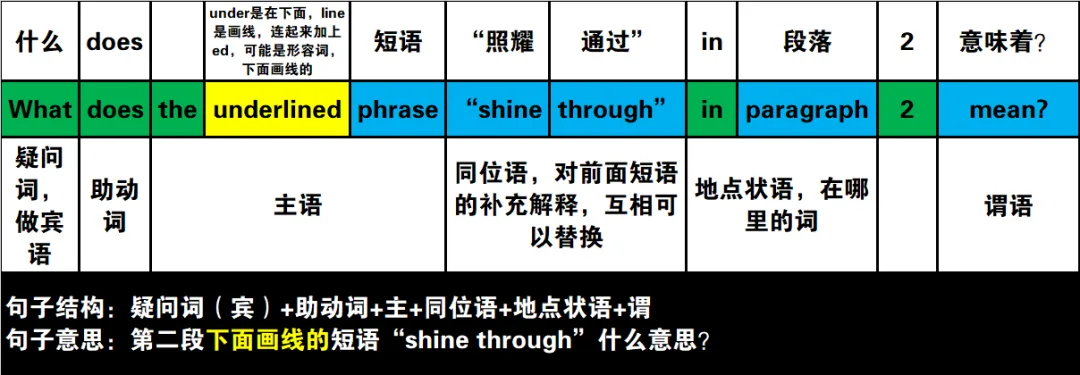
What does the underlined phrase “shine through” in paragraph 2 mean?
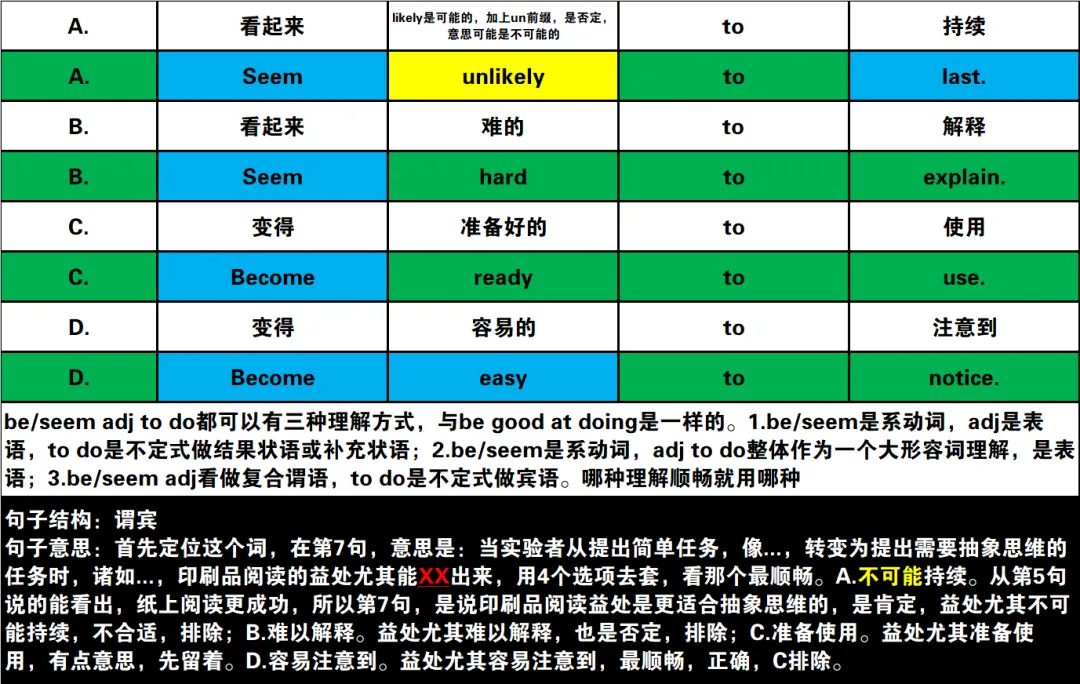
A. Seem unlikely to last.
B. Seem hard to explain.
C. Become ready to use.
D. Become easy to notice.
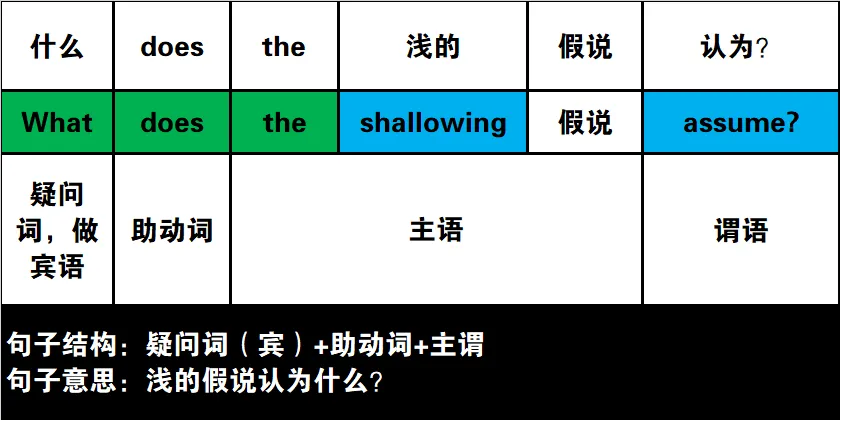
What does the shallowing hypothesis assume?
A. Readers treat digital texts lightly.
B. Digital texts are simpler to understand.
C. People select digital texts randomly.
D. Digital texts are suitable for social media.
Why are audio and video increasingly used by university teachers?
A. They can hold students' attention.
B. They are more convenient to prepare.
C. They help develop advanced skills.
D. They are more informative than text.
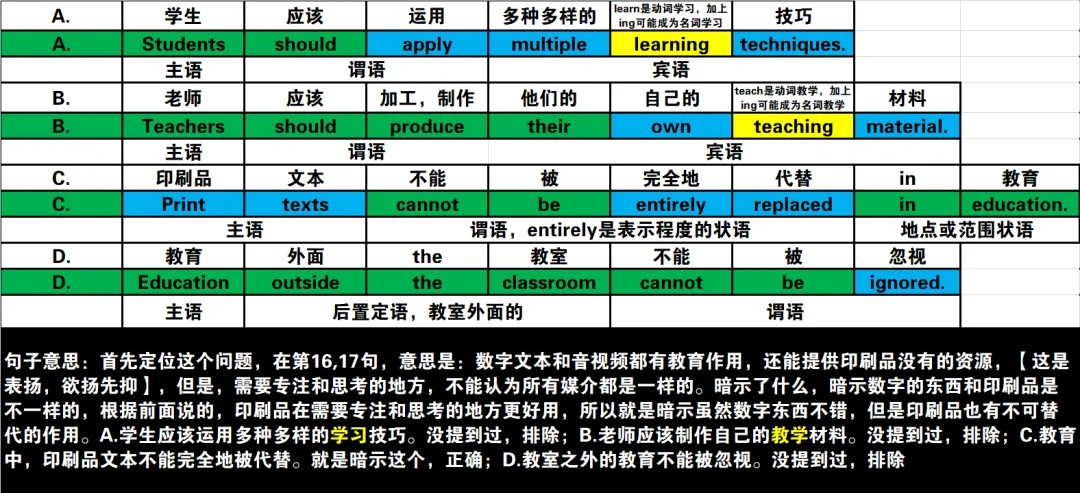
What does the author imply in the last paragraph?
A. Students should apply multiple learning techniques.
B. Teachers should produce their own teaching material.
C. Print texts cannot be entirely replaced in education.
D. Education outside the classroom cannot be ignored.
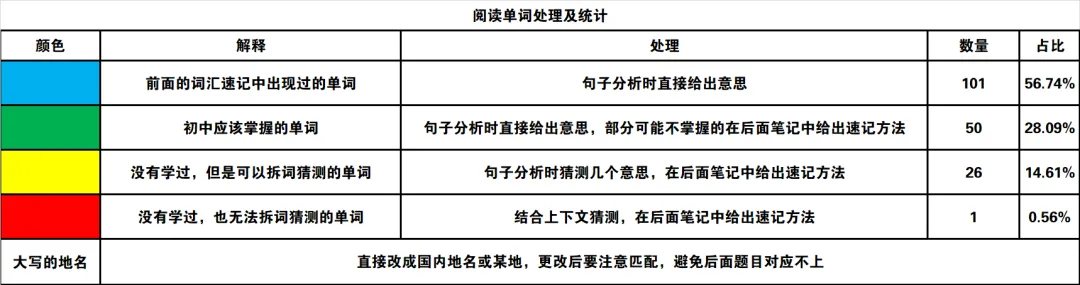
二、单词处理及统计
整体看,这篇阅读单词的难度较大,已经学过的单词占比大概85%,使用拆词大法能猜出来意思的大概15%,有1个单词是完全无法猜测的。这篇阅读句子方面有好几个长难句,会影响阅读的理解,题目中强干扰项也很多,从句子上看,难度也较大。
三、正文逐句分析
Is comprehension the same whether a person reads a text onscreen or on paper?
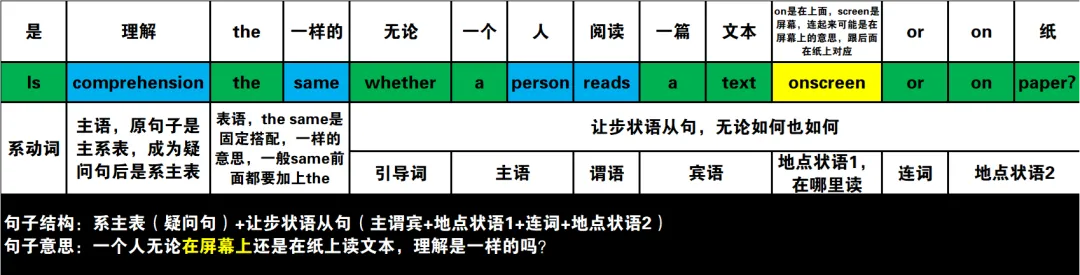
And are listening to and viewing content as effective as reading the written word when covering the same material?
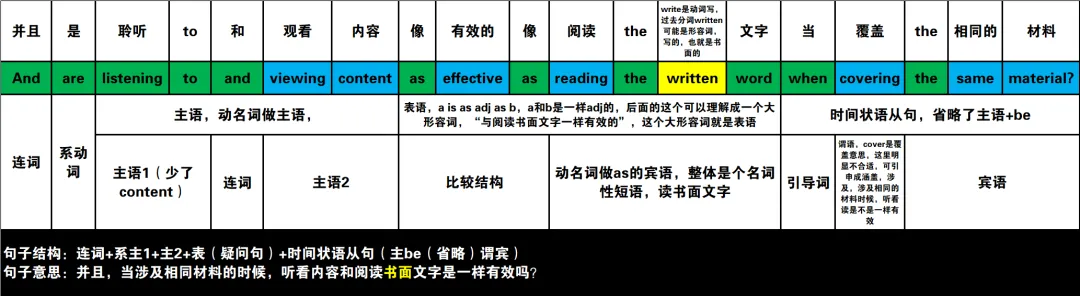
The answers to both questions are often “no”.
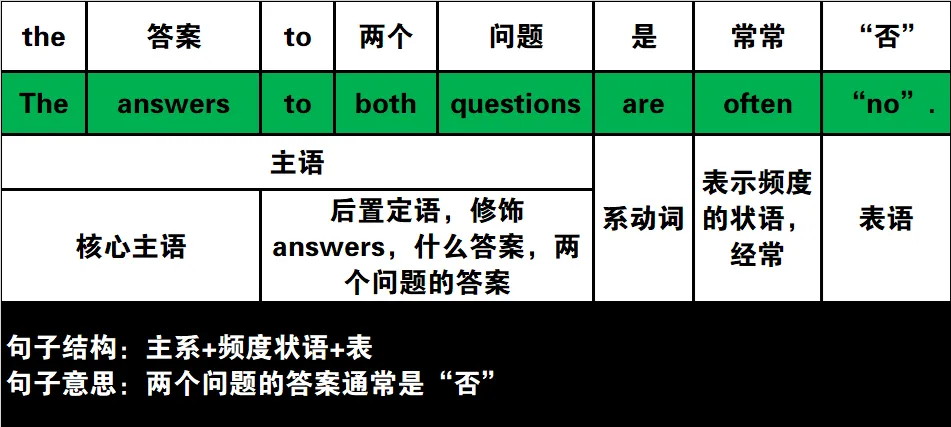
The reasons relate to a variety of factors, including reduced concentration, an entertainment mindset (心态) and a tendency to multitask while consuming digital content.
When reading texts of several hundred words or more, learning is generally more successful when it’s on paper than onscreen.
A large amount of research confirms this finding.
The benefits of print reading particularly shine through when experimenters move from posing simple tasks - like identifying the main idea in a reading passage - to ones that require mental abstraction - such as drawing inferences from a text.

The differences between print and digital reading results are partly related to paper’s physical properties.
With paper, there is a literal laying on of hands, along with the visual geography of distinct pages.
People often link their memory of what they’ve read to how far into the book it was or where it was on the page.
But equally important is the mental aspect.
Reading researchers have proposed a theory called “shallowing hypothesis (假说)”.
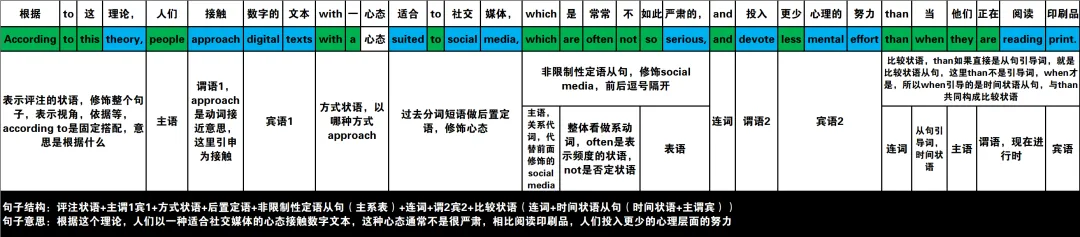
According to this theory, people approach digital texts with a mindset suited to social media, which are often not so serious, and devote less mental effort than when they are reading print.
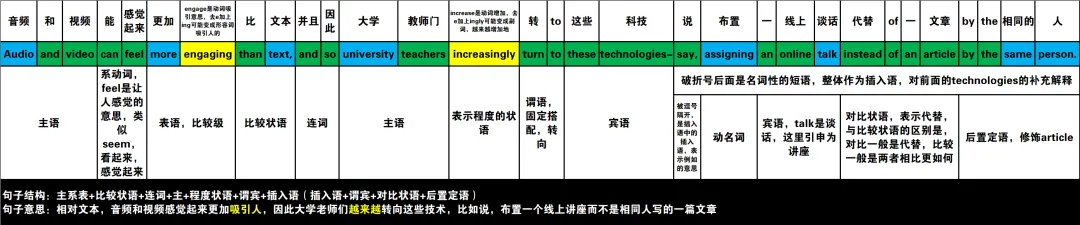
Audio (音频) and video can feel more engaging than text, and so university teachers increasingly turn to these technologies - say, assigning an online talk instead of an article by the same person.
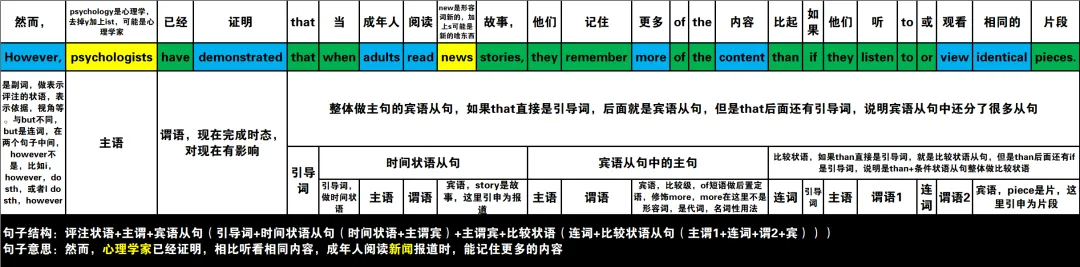
However, psychologists have demonstrated that when adults read news stories, they remember more of the content than if they listen to or view identical pieces.
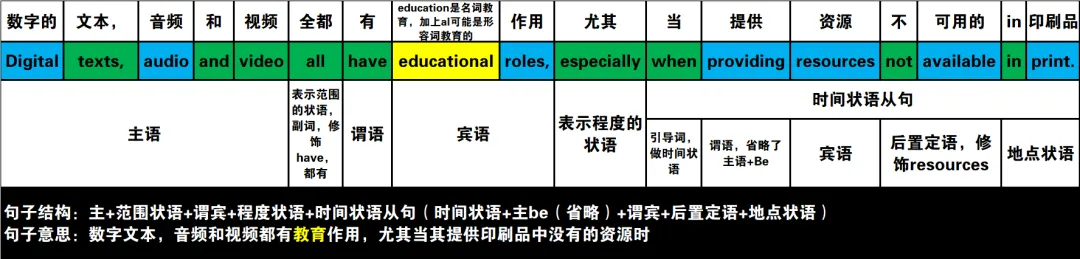
Digital texts, audio and video all have educational roles, especially when providing resources not available in print.
However, for maximizing learning where mental focus and reflection are called for, educators shouldn’t assume all media are the same, even when they contain identical words.
四、题目逐句分析
What does the underlined phrase “shine through” in paragraph 2 mean?
A. Seem unlikely to last.
B. Seem hard to explain.
C. Become ready to use.
D. Become easy to notice.
What does the shallowing hypothesis assume?
A. Readers treat digital texts lightly.
B. Digital texts are simpler to understand.
C. People select digital texts randomly.
D. Digital texts are suitable for social media.
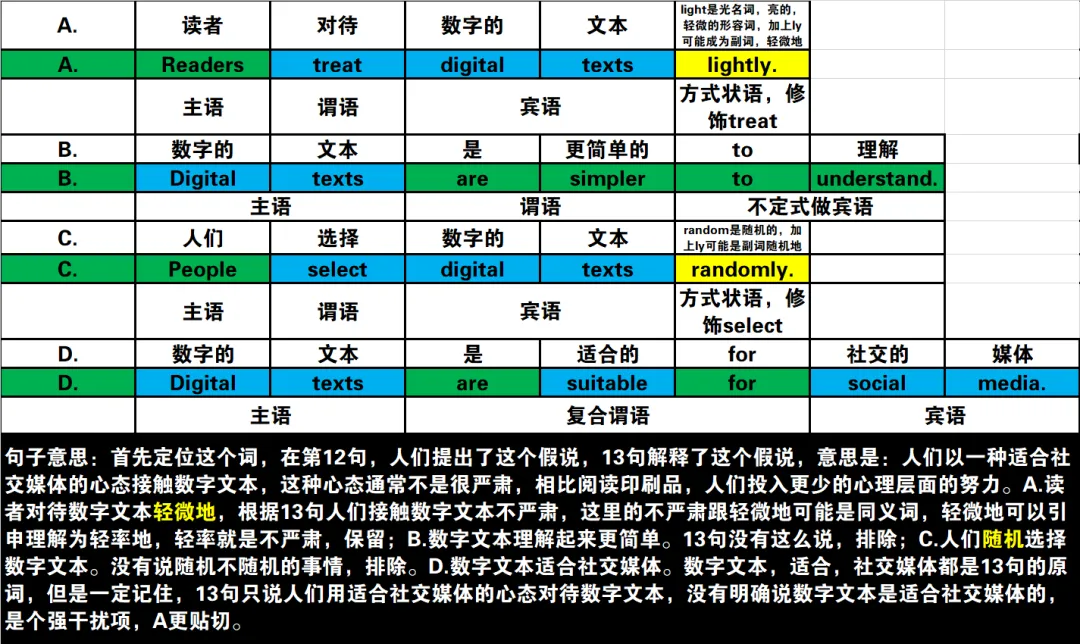
Why are audio and video increasingly used by university teachers?
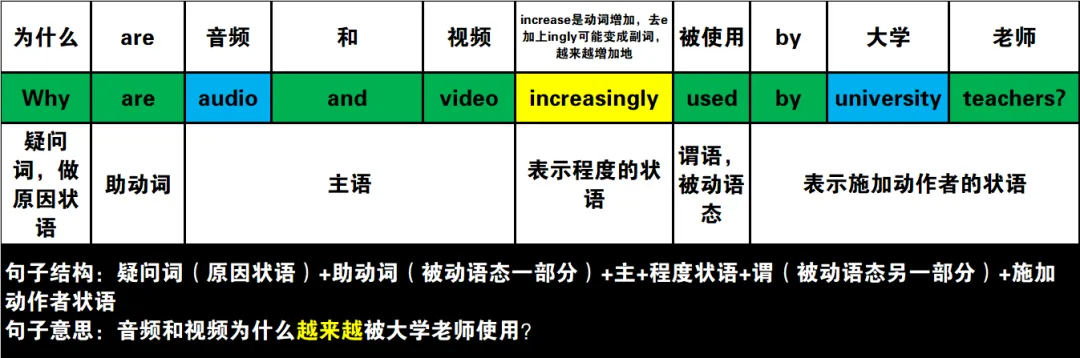
A. They can hold students' attention.
B. They are more convenient to prepare.
C. They help develop advanced skills.
D. They are more informative than text.
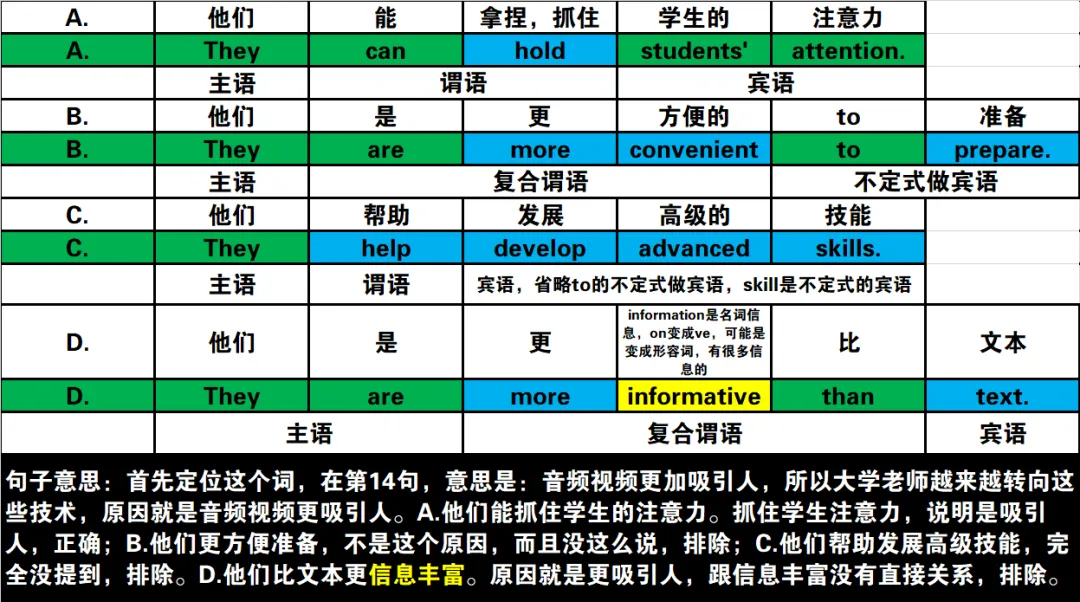
What does the author imply in the last paragraph?
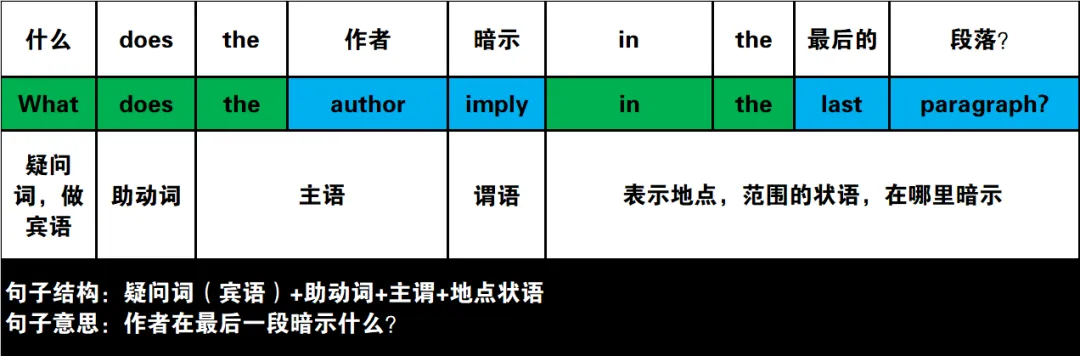
A. Students should apply multiple learning techniques.
B. Teachers should produce their own teaching material.
C. Print texts cannot be entirely replaced in education.
D. Education outside the classroom cannot be ignored.
五、单词、短语笔记
单词部分【按照单词在阅读中出现的顺序】
change [tʃeɪndʒ]
vt.改变:我 change 学习 方法。意思是我改变了学习方法。
v.交换:Can 我们 change 座位。意思是我们能交换座位吗?
n.零钱:父亲 给 我 some change。意思是父亲给了我一些零钱。
谐音拆词:厂子,厂子改变了当地的经济面貌,人们买东西都不用零钱了,直接换成大钞买
onscreen [ˌɒnˈskriːn]
adj.屏幕上的:onscreen 图片 吸引 青少年。意思是屏幕上的图片吸引青少年。
adv.在荧幕上:She 表现 很好 onscreen。意思是她在荧幕上表现得很好。
谐音拆词:on是在上面,screen是屏幕,连起来就是在屏幕上
paper [ˈpeɪpə]
n.纸:写 on 这 paper。意思是写在这张纸上。
n.报纸:我 读 the paper 每 早上。意思是我每天早上读报纸。
n.论文:她 写 一 paper on 生物学。意思是她写了一篇关于生物学的论文。
谐音拆词:拍片,医院拍片子,会出来一张纸,上面是结果,这些器材都是通过各种物理、医学的论文原理研究出来的,重大成果还上过报纸
listen [ˈlɪsn]
vi. 听,仔细听,留神听:Listen 仔细地 to what the 老师 说。意思是仔细听老师说的话。
谐音拆词:厉声,厉声说,我只能听着
written [ˈrɪtn]
adj.书面的,手写的:written 文字 are 重要的。意思是书面的文字是重要的。
谐音拆词:write是写,written是其过去分词,可以当做形容词,手写的,书面的使用
answer [ˈɑːnsə]
n. 答案:She 最终 找到 the answer to the 问题。意思是她最终找到了问题的答案。
v. 回答,应答:He didn't answer 我的 问题。意思是他没有回答我的问题。
谐音拆词:俺是,俺是谁,怎么样,这就是俺的答案,回答
question [ˈkwestʃən]
vt.询问:The 警察 questioned all the 目击证人。意思是警察询问了所有目击证人。
n.问题:回答 the 下面的 questions in English。意思是用英语回答下面的问题。
谐音拆词:垮死撑,被问问题问的快垮了,还在死撑
both [bəʊθ]
adj. 双方的,形容词后面必须要有复数的名词:Both of the 学生 通过 the 考试。意思是双方的学生都通过了考试。
pron. 双方都,代词后面没有复数的名词:Both of them are 擅长 at 玩ing 游戏。意思是他们双方都擅长玩游戏。
谐音拆词:部署,作战部署只有结合双方的看才有意义,因为是相互对抗的
include [Inˈkluːd]
vt. 包含,包括:The 早餐 include 包子 和 馒头。意思是早餐包含包子和馒头。
谐音拆词:in在里面+clude刻录的,在里面刻录,就是光盘里面包括了很多刻录的内容
concentration [ˌkɒnsnˈtreɪʃn]
n.专注,集中,浓度:学生 需要 全身心的 concentration。意思是学生需要全身心的专注。
谐音拆词:concentrate是动词集中,专注,变e为ion成为名词,专注,集中
task [tɑːsk]
n.任务,工作:完成 这 task 是 重要。意思是完成这项任务是重要的。
谐音拆词:塔式考,像金字塔一样的考试,越到后面考上的人越少,比如高考,就会筛选掉很多的学生,这种金字塔式的考试,就是学生的主要任务和工作
multitask [ˈmʌltitɑːsk]
v.同时处理多项任务,一心多用:It is 难的 to multitask 高效地。意思是高效地一心多用是难的。
谐音拆词:multiple是大量的,task是名词任务,连起来就是大量任务,引申为大量任务一起处理,就是一心多用
several [ˈsevrəl]
pron.几个,数个:Several of the 学生 were 缺席。意思是几个学生缺席了。
adj.若干的:他 做了 several 尝试。意思是他做了若干次尝试。
谐音拆词:三五人,就是几个,若干
learn [lɜːn]
vi.得知,获悉:I learn from the 新闻 that the 展览 will be 延长 for a 周。意思是我从新闻中得知展览将延长一周。
vt. 学,学习:She is learning english。意思是她正在学习英语。
谐音拆词:l长长一条+earn挣,挣的钱是长长的一条,很多工资条都长长一条,为什么,因为通过学习,得知了很多知识,所以挣得多
learning [ˈlɜːnɪŋ]
n.学习,学问:在线 learning is 流行的 now。意思是在线学习现在很流行。
谐音拆词:learn是学习动词,加上ing成为名词学习
generally [ˈdʒenrəli]
adv.通常,普遍地,大体上:人们 generally 喜欢 简易的 读物。意思是人们通常喜欢简易的读物。
谐音拆词:general是形容词,通常的,加上ly成为副词,通常地,普遍地
succeed [səkˈsiːd]
vi. 成功:he 最终 succeeded in his 事业。意思是他最终在事业上成功了。
vt. 继承,接替:He will succeed his father 作为 the 新的 CEO of the 公司。意思是他将接替他的父亲成为公司新的CEO。
谐音拆词:三哥胜的,三哥胜利了,就是成功了,继承了皇位
success [səkˈses]
n. 成功,成就:努力的 工作 is the 关键 to success。意思是努力工作是成功的关键。
谐音拆词:succeed的名词,ed变成ss成为名词,成功
successful [səkˈsesfl]
adj. 成功的,有成就的:The 公司的 新的 产品 is very successful in the 市场。意思是公司的新产品在市场上非常成功。
谐音拆词:success加上ful,就是满是成功,就是成功的
large [lɑːdʒ]
adj.大的:we 住 in a large 宿舍。意思是我们住在一间大的宿舍里。
谐音拆词:腊汁,就是腊肉熬的汁,腊汁肉夹馍,一定要大的,小的不够吃
particularly [pəˈtɪkjələli]
adv.尤其,特别:I particularly 喜欢 阅读ing。意思是我特别喜欢阅读。
谐音拆词:particular是形容词特别的,加上ly成为副词,特别,尤其
experimenter [ɪkˈsperɪməntə(r)]
n.实验者,试验人员:The experimenter 记录 所有 数据。意思是实验者记录了所有数据。
谐音拆词:experiment是名词实验,加上er成为做实验的人,就是实验者
simple [ˈsɪmpl]
adj. 简单的 :英语 考试 是 simple to 我。意思是英语考试对我来说很简单。
谐音拆词: 私募跑,现在有些私募基金,非常不靠谱,把钱拉上就跑出国了,被坑的老百姓只能用最简单的办法,认栽
idea [aɪˈdɪə]
n. 主意,想法 : 我的 idea is 完美的。意思是我的主意是完美的。
N.大意,主旨:The idea of the 文章 is 简单的。意思是这篇文章的大意很简单。
谐音拆词: i 我+dea 得,我得这么干,这就是我的主意,想法,想法一般情况是个大意,需要雕琢
passage [ˈpæsɪdʒ]
n.(文章等的)一节,段落:阅读 the 第一个 passage of the 课文。意思是阅读课文的第一段。
n. 走廊,通道:We 行走 穿过 the passage to the 花园。意思是我们穿过走廊去花园。
谐音拆词:pass通过,经过+age年龄,通过年龄的走廊,通道,我们就走过了人生的一个段落,一节
abstraction [æbˈstrækʃn]
n.抽象,抽象概念:abstraction is 难的 to 理解。意思是抽象概念很难理解。
谐音拆词:abstract是名词抽象,加上ion还是名词,引申为抽象概念
inference [ˈɪnfərəns]
n.推理,推断:We can 得出 an inference 从 the 文章。意思是我们能从这篇文章中得出一个推断。
谐音拆词:infer是动词推断,加上ence成为名词,推断,推理
difference [ˈdɪfrəns]
n. 不同:there is 大 difference between 我 and 她。意思是我和她之间有很大的不同。
谐音拆词: different 加上 ce 变成名词,不同的变成不同
result [rɪˈzʌlt]
n.结果:The 测试 results will be 可用的 明天.意思是检测结果明天出来。
谐音拆词:re作为前缀有反复的意思,re反复+sult骚扰他,反复骚扰他,结果就是被警察带走
partly [ˈpɑːtli]
adv. 部分地,在一定程度上 :The 失败 of the 恋情 was partly 原因在于 to the 缺乏 of 经验 。意思是恋情的失败部分原因在于缺乏经验。
谐音拆词: part加上ly变成副词,部分变成部分地,一定程度上
geography [dʒiˈɒɡrəfi]
n. 地理学 :我 是 感兴趣的 in geography。意思是我对地理学感兴趣。
n. 地形,地貌,结构 :The 岛屿的 geography is 特别的。意思 是这个岛屿的地形很特别。
谐音拆词: 找我割让飞,找我割让领土的飞地,地理学不好吧,这块飞地非常具有战略价值,地形地貌和结构易守难攻
page [peɪdʒ]
n.页,页码:Please 翻到 page 10。意思是请翻到第10页。
谐音拆词:配装,配装机械的时候,经常要把操作手册翻到第几页去查询
equally [ˈiːkwəli]
adv.同样地,平等地:所有 学生 should be 对待ed equally。意思是所有学生都应该被平等地对待。
谐音拆词:equal是形容词相等的,加上ly成为副词,同样地,平等地
researcher [rɪˈsɜːtʃə(r)]
n.研究者,科研人员:The researcher did 许多 实验。意思是这位研究者做了许多实验。
谐音拆词:research是动词研究,加上er成为在研究的人,研究者
accord [əˈkɔːd]
v.符合,一致,给予:His 行为 accord with his 言语。意思是他的行为与他的言语一致。
n.协议:They 达成 an accord 最终。意思是他们最终达成了一项协议。
谐音拆词:我肯定,这个协议符合我的想法,与我的利益一致,我肯定
according [əˈkɔːdɪŋ]
adj.相符的,相应的:according 规则 must be 遵守ed。意思是相应的规则必须被遵守。
谐音拆词:accord是符合动词,加上ing成为形容词,相符合的,相应的
video [ˈvɪdiəʊ]
n.录像,视频:他 录 a video of the 事件。意思是他录了一段事件的视频。
谐音拆词:舞蹈,舞蹈是动态的,需要录制视频才能看
engaging [ɪnˈɡeɪdʒɪŋ]
adj.吸引人的,有趣的:an engaging 课堂 帮助 学习。意思是一个吸引人的课堂有助于学习。
谐音拆词:engage是动词,吸引,参加,变e为ing成为形容词,吸引人的,吸引人的就是有趣的
increase [ɪnˈkriːs][ˈɪŋkriːs]
v.增加:The 人口 of this 城市 is increasing 快速地。意思是这个城市的人口正在快速增长。
n.增加,加大:There has been a 20% increase in 销售 这个 月。意思 是这个月的销售额增加了20%。
谐音拆词:迎客锐士,迎接锐士归国,说明打了胜仗,增加了国土
increasingly [ɪnˈkriːsɪŋli]
adv.越来越多地,日益:人们 increasingly 使用 电子的 书。意思是人们越来越多地使用电子书。
谐音拆词:increase是动词增加,增加就是越来越多,变e为ingly成为副词,日益
technical [ˈteknɪkl]
adj. 技术的,工艺的:He has a lot of technical 知识 about 计算机。意思是他有很多关于计算机的技术知识。
谐音拆词:technique是技术,que变成cal,成为形容词,技术的
technology [tekˈnɒlədʒi]
n.技术,科技:现代的 technology 帮助 我们。意思是现代科技帮助我们。
谐音拆词:technical是技术的,科技的意思,变ical为ology成为名词,科技
online [ˌɒnˈlaɪn]
adj.在线的,联网的:We 有 online 课程 每周。意思是我们每周有在线课程。
adv.在线地,联网地:We 经常 学习 online。意思是我们经常在线学习。
谐音拆词:on是在上面,line是线,连起来就是在线上
instead [ɪnˈsted]
adv. 代替,顶替:I don't 喜欢 咖啡,I'll 喝 茶 instead。意思是我不喜欢咖啡,我喝茶代替。
谐音拆词:in在里面+stead似代他,在里面似乎应该代替他,就是代替,顶替的意思
article [ˈɑːtɪkl]
n. 文章:我 喜欢 to 阅读 article。意思是我喜欢阅读文章。
谐音拆词: 啊题库,写文章要多学习题库里面的经典范文,这样才能拿高分
psychologist [saɪˈkɒlədʒɪst]
n.心理学家:The psychologist 给 有用的 建议。意思是这位心理学家给出了有用的建议。
谐音拆词:psychology是心理学,变y为ist成为心理学家
news [njuːz]
n.新闻,消息:我 听见 the news on TV。意思是我在电视上听到了这条新闻。
谐音拆词:new是新的,加上s变成名词,每天都新的东西就是新闻,消息,刷手机就是刷新闻,消息
story [ˈstɒri]
n.故事,小说:他 讲给 我们 一 有趣的 story。意思是他给我们讲了一个有趣的故事。
n.报道:This story is 满的 of 事实。意思是这篇报道充满事实。
谐音拆词:隋唐人,说个隋唐时期的人的故事,那么古老的人的事,肯定是故事,而且最著名的就是唐僧,引申到西游记小说,古代人听西游记说书就像现在人看报纸报道一样
remember [rɪˈmembə]
v.记得:I remember 遇见ing her 去年。意思是我记得去年遇见过她。
v.纪念:We remember the 英雄 who 死亡ed for the 国家。意思是我们纪念那些为国捐躯的英雄。
谐音拆词:re反复+member成员,反复考验才成为组织的成员,永远记得,纪念当初的艰辛
piece [piːs]
n. 一块 (片,张,件),小的部分 :请 给 me a piece of 纸。意思是请给我一张纸。
谐音拆词:披萨,就是一块一块的,一个圆形分成很多小的扇形部分
education [ˌedʒuˈkeɪʃn]
n.教育:A 好的 education can 改变 命运。意思是好的教育能改变命运。
谐音拆词:educate加上ion变成名词,教育变成名词教育
educational [ˌedʒuˈkeɪʃənl]
adj.教育的,有教育意义的:This is an educational 影片。意思是一部有教育意义的影片。
谐音拆词:education是教育,加上al成为形容词,教育的,有教育意义的
especial [Especial]
adj. 特别的,格外的 :他 has an especial 兴趣 in 绘画。意思是他对绘画有特别的兴趣。
谐音拆词: 意识拍手,意识到要拍手,领导讲话,特别的的时候就要意识到要拍手了,比如重音,停顿等等
especially [Iˈspeʃəli]
adv. 特别,尤其:I 喜欢 所有 学科, especially 数学。意思是我喜欢所有学科,尤其是数学。
谐音拆词: especial加上ly变更成副词,特别的变成特别,尤其是意思
maximize [ˈmæksɪmaɪz]
v.最大化,充分利用:Maximize your 学习 时间 合理地。意思是合理地最大化你的学习时间。
谐音拆词:maximum是最大值,变um为ize成为动词,最大化,引申为充分利用
reflection [rɪˈflekʃn]
n.反思,思考,反射:reflection 帮助 us 进步。意思是反思帮助我们进步。
谐音拆词:reflect是反射,思考,加上ion成为名词,反射,思考
underline [ˌʌndəˈlaɪn]
vt.在…下面画线:Underline the 关键的 单词。意思是在关键单词下面画线。
vt.强调:他 underlined the 重要性。意思是他强调了重要性。
谐音拆词:under在下面+line画线,加起来就是在下面画线,在某句话下面画线,说明这句话重要,要强调一下
unlikely [ʌnˈlaɪkli]
adj.不太可能的:This 事 is unlikely to 持续。意思是这件事不太可能持续。
谐音拆词:likely是可能的,un前缀是否定,连起来是不可能的
hard [hɑːrd]
adj.硬的:The 地面 is too hard to 挖。意思是地面太硬了挖不动。
adj.难的:It's hard to learn 数学。意思是学数学很难。
adv.努力地:She 工作 hard 每天。意思是她每天努力工作。
谐音拆词:瞎的,眼睛瞎了,生活会变难,心要变硬的,否则坚持不下去,要努力地坚持下去
explain [ɪkˈspleɪn]
vt. 解释,说明:Can you explain this 问题 to me 再次。意思是你能再给我解释一下这个问题吗?
谐音拆词:ex作为前缀有往外的意思+plain普通的,普通人往外面,会发现很多东西不懂,需要别人解释说明
ready [ˈredi]
adj.准备好的:Are you ready for the 考试。意思是你为考试准备好了吗?
谐音拆词:容易的,做好准备,所有考试都是容易的
notice [ˈnəʊtɪs]
n.通告:There is a notice about the 会议 on the 墙上。意思是墙上有一则关于会议的通告。
n.注意:The 问题 需要 你的 notice。意思是这个问题需要你的注意。
v.注意到:I noticed a 陌生人 站ing 外面。意思是我注意到一个陌生人站在外面。
谐音拆词:no没有+tice提示,没有单独提示,需要你自己注意到通报
reader [ˈriːdə(r)]
n.读者:The 书 is 流行的 among 年轻的 readers. 意思是这本书在年轻读者中很受欢迎。
谐音拆词:read是阅读,加上er就是阅读的人,就是读者
lightly [ˈlaɪtli]
adv.草率地,轻视地,轻轻地:Do not 对待 学习 lightly. 意思是不要轻视学习。
谐音拆词:light有形容词轻轻的意思,加上ly,引申为轻率的,草率的
understand [ˌʌndəˈstænd]
v.懂得,理解:I can't understand what 英语老师 讲的。意思是我不能理解英语老师讲的内容。
谐音拆词:under是下面+stand是站着,下面站着的学生理解,懂得老师的辛苦,但是就是不理解他讲的啥
randomly [ˈrændəmli]
adv.随意地,随机地:Do not 选择 书 randomly。意思是不要随意地选择书。
谐音拆词:random是形容词随机的,加上ly成为随机地,引申为随意地
student [ˈstjuːdnt]
n.学生:the student 回答 the 问题。意思是这个学生回答了问题。
谐音拆词:study是学习,变y为ent,成为学习的人,就是学生
attention [əˈtenʃn]
n. 注意,关心:父母 should 给 更多 attention to their 孩子。意思是父母应该给孩子更多关心。
谐音拆词:a一个ttention太神,一个太神的学生,老师要多关心,注意,其实没有神不神的,重点在于自己是否清楚自己要干什么,自己想明白了就没有神不神的,庸庸碌碌的原因在于没有目标
inform [Inˈfɔːm]
v. 通知,告诉:请 inform me of any 变化 in the 日程安排。意思是日程安排有任何变化请通知我。
谐音拆词:in在+form表格,表格里面的都是通知内容,要好好看
information [ˌɪnfəˈmeɪʃn]
n.信息:我 需要 更多的 information 关于 the 课程。意思是我需要更多关于课程的信息。
n.情报:the 间谍 收集 秘密的 information。意思是间谍收集秘密情报。
谐音拆词:inform是通知告知的意思,加上ation成为名词,通知告知的,公开的就是信息,不公开的就是情报
informative [ɪnˈfɔːmətɪv]
adj.增长见闻的,信息丰富的:This 文章 is 非常 informative。意思是这篇文章非常增长见闻。
谐音拆词:information是名词信息,变on为ve,成为形容词,信息丰富的
product [ˈprɒdʌkt]
n.产品:手机 是 一种 高质量 product。意思是手机是一种高质量的产品。
谐音拆词:pro有往前的意思,pro往前+duct打开它,往前打开它,送了你一个好产品做礼物,手机
produce [prəˈdjuːs]
v. 生产,制造,加工:This 工厂 produce a 大的 数量 of 手机 每年。意思是这家工厂每年生产大量手机。
谐音拆词:product是产品,t变成ce成为动词,产品都是生产制造加工的
teach [tiːtʃ]
v. 教书,教:She teaches English at a 中学。意思是她在一所中学教英语。
谐音拆词:题痴,老师都是题痴,最喜欢教题
teaching [ˈtiːtʃɪŋ]
n.教学,授课:His teaching 风格 is 独特的。意思是他的教学风格是独特的。
谐音拆词:teach是动词教学,加上ing成为名词,教学
outside [ˌaʊtˈsaɪd][ˈaʊtsaɪd]
n. 外面,外表,外界:我 听到 声音 from outside。意思是我听到从外面传来的声音。
adv. 在外面:我 玩耍 outside。意思是我在外面玩耍。
prep. 在… 外:我 站着 outside the 教室。意思是我站在教室外面。
adj. 外面的,外表的:the outside 温度 is 低的。意思是外面的温度很低。
谐音拆词: out 是外面的意思+side面,边,外面的一面,一边,就是外面,向外面,有多种词性
class [klɑːs]
n.(学校里的)班级:我们的 class 有 30 学生。意思是我们班有30名学生。
n.课:the 数学 class 开始 at 9点。意思是数学课9点开始。
n.阶段:她 是 in a 不同的 class of 她的 职业。意思是她处于职业生涯的不同阶段。
n.等级:这 酒店 是 顶 class。意思是这家酒店是顶级的。
n.类别:这些 动物 属于 to the 相同 class。意思是这些动物属于同一类别。
谐音拆词:克拉是,买得起几克拉的钻石,说明了你的财务等级,比如富豪还是穷人,人生阶段,比如中年还是青年,工作类别,比如金融还是工地,也说明了你的孩子能上什么班,比如实验班还是普通班,什么课,比如私家课还是免费课
classroom [ˈklɑːsruːm]
n.教室:the 学生 是 in the classroom。意思是学生在教室里。
谐音拆词:class班级+room房间,班级的房间就是教师
短语部分【短语拆词无意义,谐音前面已经有了,简单解释即可,例句为阅读中相应句子】
the same:一样的。解释:same就是一样的形容词,the same是固定搭配,还是一样的意思,一般same前面都要加上the
relate to:与什么有关。解释:relate是联系,相关意思,加上to就是跟什么有关
a variety of:多种。解释:variety是种类,多样性意思,加上a与of,就是多种什么的
or more:或更多。解释:字面意思
a large amount of:大量的。解释:字面意思,一大量的,就是大量的
shine through:展现。解释:shine是照耀,through穿过,就像阳光穿过云层,展现出来了
along with:与什么一起,以及。解释:和什么沿着,和朋友一起沿着河边在走,就是和什么一起,就是以及
a called b:被称之为b的a。解释:call是被动,就是被称之为b的a
according to:根据什么。解释:accord是与什么一致,与什么一致就是根据什么
maximize doing:最大化什么。解释:maximize是使得最大化意思,后面加动名词
call for:需要。解释:为了什么而呼唤,就是需要什么
even when=even if:即便。解释:even本身就是即使的意思,even when,if,即使什么时候,即使如果如何,都是即便的意思,这两个词都可以引导让步状语从句
六、语法笔记
名词+动名词,可以表示名词性短语,比如phone chatting,手机聊天,print reading,印刷品阅读
there be句型实际上是主系表的变种,a is 存在的=there is a,there是没有实际意义的形式主语,后面的a才是真正的主语
however在句首不是类似but的并列连词,而是表示评注的状语,副词,but是在两个完整句子之间的,however位置灵活,比如i,however,do sth,或者I do sth,however都行,是状语不是连词,表示视角、依据等
七、启示
1.如果有两个选项,一个有不认识的关键词,一个全是原文中出现的词,但是原文可能没有明确说这个意思,那么大概率正确答案是前面那个,故意用不认识的单词,让你做剩下的排除,后面那个之所以用很多原文单词,是为了做强干扰,这是很多出题人的恶趣味
2.做阅读的时候,建议先看题目,再看阅读内容,尤其是那种,下划线词什么意思,第几段暗示什么这种题,读的时候就能够有的放矢,抓住重点


