

点击蓝字,关注我哟
大家好呀,我是Dora!
最近改题时发现了两个出错率超高的题目:
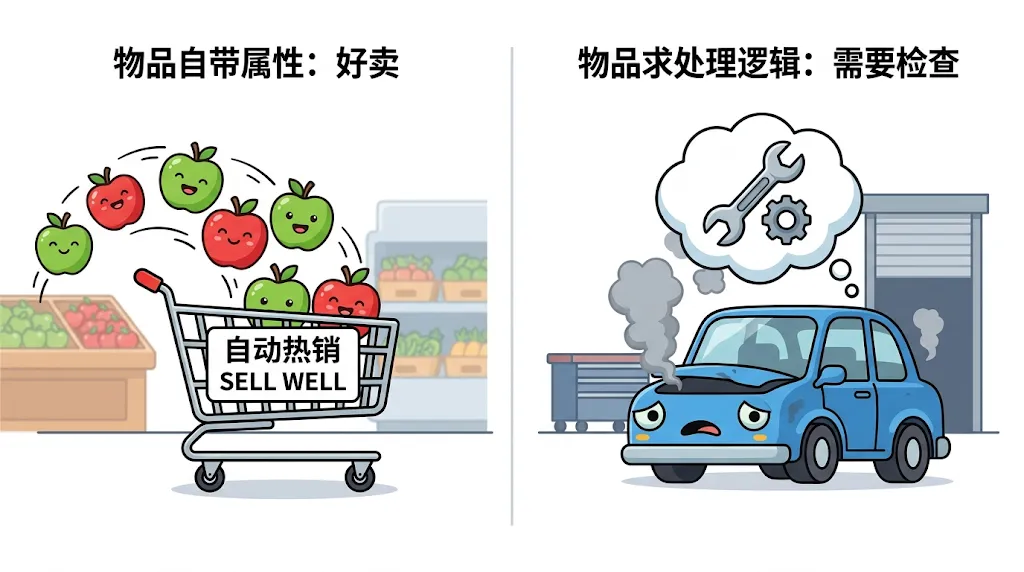
❌The car needs ______ (check) before the long trip.
90% 的学生一看到 “车是被检查的”,提笔就填 to be checked,
甚至直接写 checked,完全想不到正确答案是checking。
❌These apples ______ (sell) well in the market.
几乎所有学生都顺着 “苹果被售卖” 的思路,写了 are sold,结果
正确答案是sell。
这不是学生没学会被动语态,恰恰是掉进了中考英语超高频易错
考点 ——主动表被动的坑里。
这个考点的核心逻辑很反直觉:句子主语明明是动作的承受者,却
不用 be+done 的被动语态,反而用主动形式,就能表达被动含义。
今天用10分钟,把它讲得明明白白,孩子看完就能拿分,家长也能
轻松辅导。
01
[ 表主语固有属性 / 性能的动词 ] .
当动词用来描述主语(多为物)本身的固有属性、特征、性能,而非强调 “被人施加的一次性具体动作”,且常和 well/badly/easily/smoothly 这类副词连用时,必须用主动形式表被动,绝对不能用被动语态。
中考高频必考词
sell, write, wash, read, wear, lock, open, close, clean, cook, drive, cut
例句:
✅ These apples sell well.
这些苹果很畅销。
(表苹果 “好卖、畅销” 的固有属性,不能用 are sold)
✅ The pen writes smoothly.
这支笔写起来很顺滑。
(表笔的书写性能,不能用 is written)
✅This kind of T-shirt washes easily.
这种 T 恤很好洗。
(表面料的易清洗属性,不能用 is washed)
✅ The door locks easily.
这扇门很好锁。
(表门锁的使用性能,不能用 is locked)
注意:
只有表「固有属性」时才用主动!如果句子强调的是具体的被动动作、明确的动作执行者、特定的发生场景,必须老老实实使用被动语态。
✅ 正确(表具体动作):
These pens are sold in our shop.
这些笔在我们店里售卖。
❌ 错误(表属性用了被动):
These pens are sold well.
02
[ need/want/require + doing ] .
当主语是物,表达 “某物需要被……” 时,need/want/require 这三个词后接动名词 doing(主动形式),就能表达被动含义,完全等同于 to be done 的被动结构。
中考固定等价搭配
need doing = need to be done、want doing = want to be done、require doing = require to be done
例句
✅ The car needs checking.
= The car needs to be checked.
这辆车需要检查。
(开头错题的正确答案,主语是物,表 “需要被检查”,用 checking 主动表被动)
✅ The flowers need watering.
= The flowers need to be watered.
这些花需要浇水。
✅ My bike wants repairing.
= My bike wants to be repaired.
我的自行车需要修理。
✅ The classroom requires cleaning.
= The classroom requires to be cleaned.
教室需要打扫。
注意:
主语必须是物!
如果主语是人,要用 sb. need to do sth.(人需要主动做某事),绝对不能用 doing 结构。
✅ 正确:
I need to finish my homework before dinner.
❌ 错误:
I need finishing my homework before dinner.
03
[ 感官系动词 & 变化类系动词 ] .
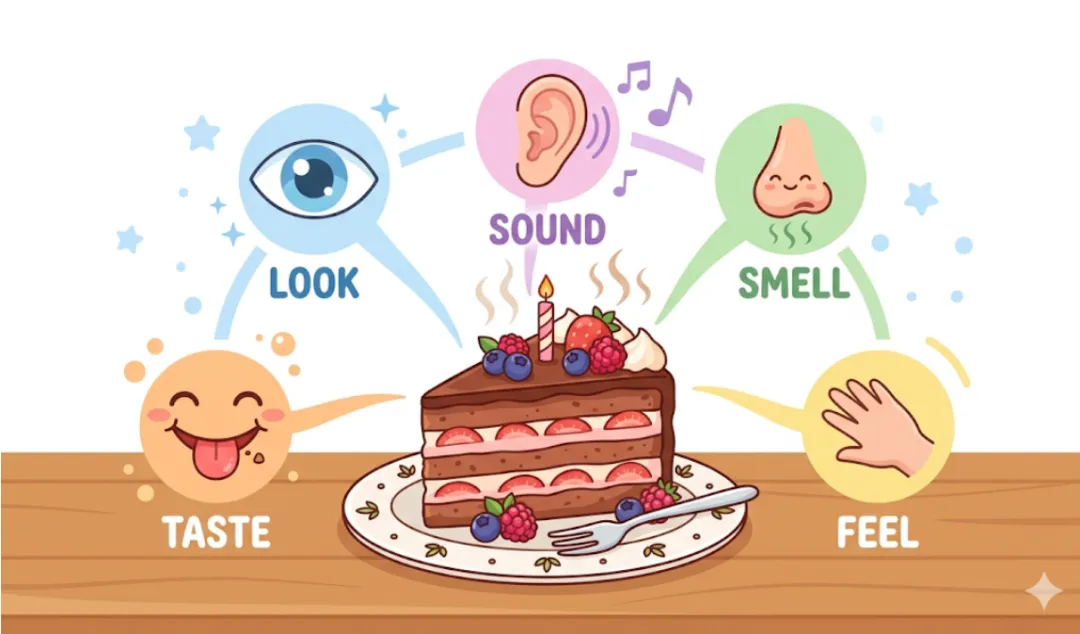
所有系动词(感官系动词、变化 / 结果类系动词)只有主动形式,没有被动语态,天然用主动形式表达被动含义(主语是感受的承受者)。
高频考词:
感官系动词(90% 的考点都在这里):look(看起来)、sound(听起来)、smell(闻起来)、taste(尝起来)、feel(摸起来 / 感觉起来)
变化 / 结果类系动词:prove(证明是)、turn out(结果是)
例句
✅ The cake tastes delicious.
这个蛋糕尝起来很美味。
(蛋糕是 “被品尝” 的,但 taste 做系动词,只能用主动,不能用 is tasted)
✅ The music sounds nice.
这首音乐听起来很好听。
(不能用 is sounded)
✅ His plan proved useful.
他的计划证明是有用的。
(不能用 was proved)
注意:
只有做系动词时才无被动!如果这些词做实义动词(有明确的动作含义、动作执行者),是可以用被动语态的。
✅ 正确(实义动词,表具体动作):
The soup was tasted by the chef.
厨师尝了这碗汤。
✅ 正确(系动词,表属性):
The soup tastes good.
这碗汤尝起来很不错。
04
[ 无被动的不及物动词 / 短语 ] .
英语中的不及物动词(vi.)本身不能接宾语,因此永远没有被动语态。
当主语是动作的承受者时,只能用主动形式表被动含义。
例句
✅ Great changes have taken place in my hometown.
我的家乡发生了巨大的变化。
(变化是 “被发生” 的,但 take place 是不及物短语,永远不能用 have been taken place)
✅ The story happened in 2020.
这个故事发生在 2020 年。
(不能用 was happened)
✅ This book came out last year.
这本书是去年出版的。
(不能用 was come out)
✅ The bike belongs to me.
这辆自行车属于我。
(不能用 is belonged to)
注意:这类词是硬规则:无论什么时态、什么语境,永远没有被动语态,只能用主动形式。
只要选项里出现了它们的被动形式,直接排除,100% 是错误选项。
05
[ 不定式 to do 的主动表被动 ] .
在以下两种固定句型中,不定式用主动形式 to do 表达被动含义,不用 to be done,完美适配中考完成句子、句型转换题。
情况 1:有明确的逻辑主语(动作发出者)
核心句型:
① sb. have sth. to do
(某人有某事要做,动作由句子主语发出)
② There be sth. to do
(有某事要做,强调动作由说话人完成)
例句:
✅ I have a lot of homework to do tonight.
我今晚有很多作业要做。
(作业是 “被做” 的,但动作发出者是句子主语 I,用主动 to do,不用 to be done)
✅ There is much work to finish this week.
这周有很多工作要完成。
(不用 to be finished)
情况 2:形容词 + 不定式,主语是不定式的逻辑宾语
核心句型:主语 + be + 形容词(easy/difficult/hard等) + to do
例句:
✅ This question is easy to answer.
这个问题很容易回答。
(问题是 “被回答” 的,不用 to be answered)
✅ The box is heavy to carry.
这个箱子搬起来很重。
(不用 to be carried)
[ 随堂小测 ] .
一、基础语法填空(用括号内词的正确形式填空)
The window ______ (open) easily.
The room needs ______ (clean).
The music ______ (sound) beautiful.
The story ______ (happen) in 2024.
This book is worth ______ (read).
二、提升单选易错题(中考高频陷阱题)
These clothes ______ well in the shop.
A. are sold B. sell C. sells
Great changes ______ in our city in the past 10 years.
A. have taken place
B. have been taken place
C. took place
I have a lot of homework ______ tonight.
A. to do B. to be done C. doing
[ 写在最后 ] .
主动表被动从来不是难,是没抓准核心规则,只要记住这几个高频场景,考试再也不会踩坑。关注我,解锁更多英语学习知识吧!


