


链接:https://pan.quark.cn/s/7ccab1c1c0cb
「2008-2024全国高考真题(按省份分类)」:
链接:https://pan.quark.cn/s/c55a2a74c366
「高考语文试题及答案」:
链接:https://pan.quark.cn/s/168f784929db
「高考数学试题及答案」:
链接:https://pan.quark.cn/s/8e1e0cfd555c
「高考英语试题及答案」
链接:https://pan.quark.cn/s/306b803f11ad
「高考物理试题及答案更新中」
链接:https://pan.quark.cn/s/143732ede81a
「高考化学真题及答案更新中」
链接:https://pan.quark.cn/s/6eb271b49a91
「高考生物真题答案更新中」
链接:https://pan.quark.cn/s/9dc35db9df45
「高考地理真题及答案更新中」
链接:https://pan.quark.cn/s/62eab145f5c1
「高考政治试题及答案更新中」
链接:https://pan.quark.cn/s/55e6b2298726
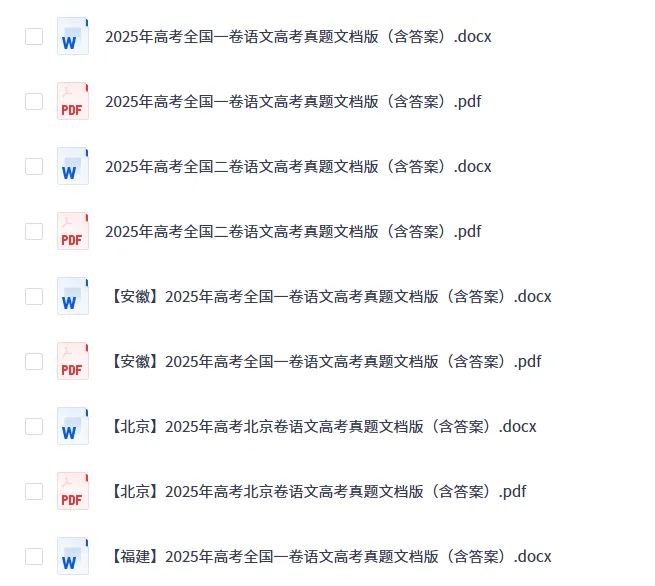
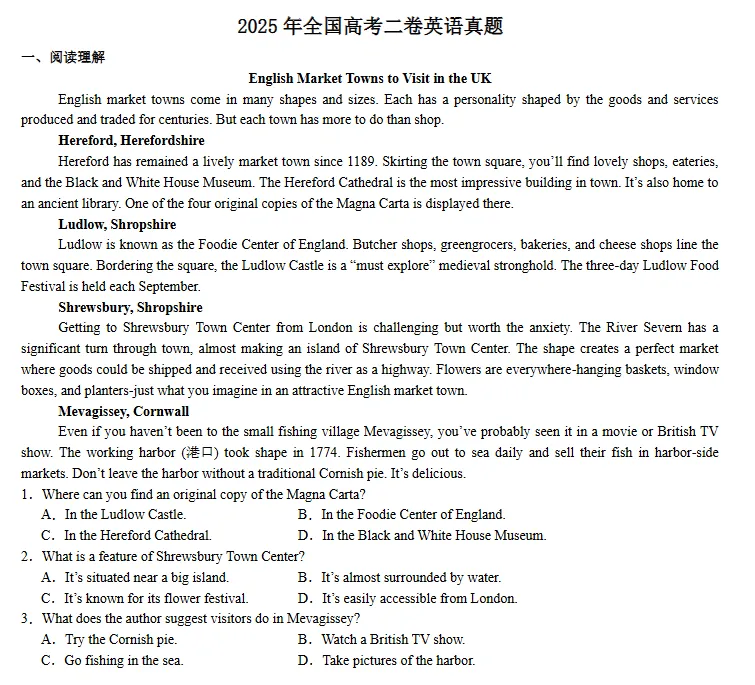
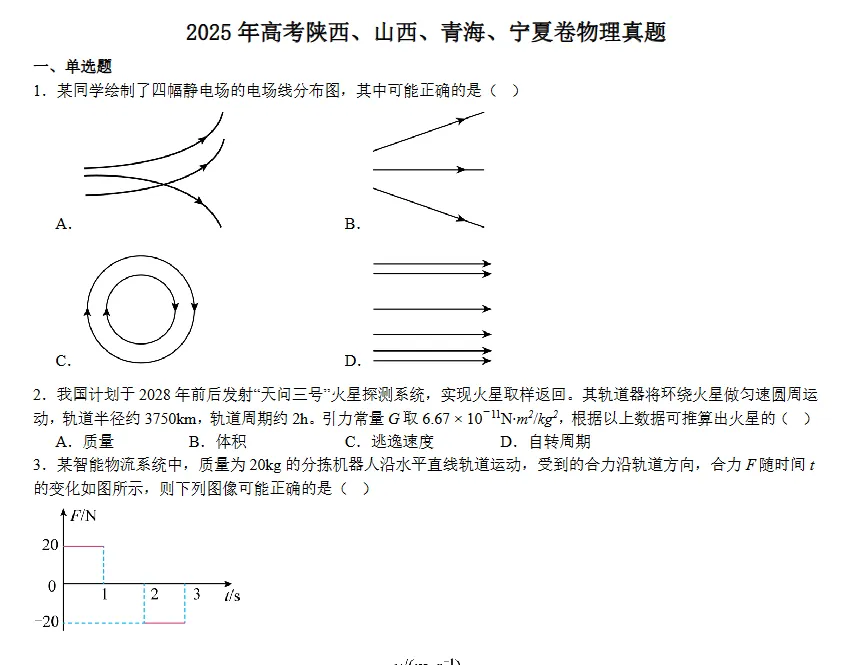
★部分截图展示:


This energy transition (变革) is global, and the amount of renewable energy the world will need is “a little bit
mind-blowing,” says mechanical engineer Keith Wipke at the National Renewable Energy Laboratory. It’s estimated that the
global demand for electricity could more than double by 2050. Fortunately, analyses suggest that renewables are up to the
task. “We need to speed up the development of green energy, and it will all get used,” says Wipke.
21.What percentage of global transport emissions did road vehicles account for in 2018?
A.11.6%. B.45.1%. C.74.5%. D.86.1%.
22.Which mode of transport can go green comparatively easily?
A.Planes. B.Trucks. C.Trains. D.Ships.
23.What does Wipke suggest regarding energy transition?
A.Limiting fuel consumption. B.Putting more effort into renewables.
C.Improving energy efficiency. D.Making electricity more affordable.

点赞关注分享不迷路,更多资料分享都在这里


