资讯 / 正文
中考英语1600词精讲打卡 Day83
中考英语1600词精讲打卡 Day83 | Water~Deliver
每日15词 · 打卡第83天/共100天
各位家长好,我是孙老师,做了16年的英语培训和研究,带过的学生少说也有上千人了。
今天这15个词(water~deliver),表面看是"生活词大会"——水、西瓜、路、天气、星期几,全是孩子们天天挂嘴边的词。但越简单的词,中考越爱变着法子考:water 到底能不能说 waters?on the weekend 和 at the weekend 哪个对?weather 到底可不可数?
后五个 consider、continue、create、decide、deliver 是今天的"硬骨头",也是滚雪球复习的延续。跟着我,一个个啃下来。
关注「帝都英语提分孙老师」,每天准时推送,一天都不错过。
今日词汇清单
water | watermelon | way | we | weak | weather | wednesday | week | weekday | weekend | consider | continue | create | decide | deliver
逐词精讲
1. water(n./v.)
释义:水(不可数名词);浇水(v.)
🔍 构词记忆: 简单词无需拆词根。延伸记忆:water 作动词是"浇水",water the flowers(浇花);形容词 watery(含水多的、淡的)。
💡 记忆妙招: 一句话记住两个词性:water 是"水",也是"浇水"。爸爸 water(浇)the flowers 用的是 water(水)。再记:watermelon(西瓜)= water + melon(瓜),"水里长大的瓜"。
📌 高频搭配:
drink water喝水 → e.g. Drink more water and you will feel better. 多喝点水,你会感觉好些。water the flowers浇花 → e.g. Remember to water the flowers while I'm away. 我不在的时候记得浇花。a glass of water一杯水 → e.g. Can I have a glass of water, please? 请问我能要一杯水吗?
📝 典型例句: Water is important for every living thing on the earth. 水对地球上每一种生物都很重要。
⚠️ 易错考点:water 表示"水"时不可数,不能加 s(说 waters 指"水域/海水",中考不考这个用法)。量词:a glass of water(一杯水)、a bottle of water(一瓶水)。
2. watermelon(n.)
释义: 西瓜
🔍 构词记忆: water(水)+ melon(瓜)→ 含水量高的瓜 → 西瓜。同结构:honeydew melon(哈密瓜)。
💡 记忆妙招:water(水)+ melon(瓜)= 水灵灵的瓜 = 西瓜。夏天吃西瓜,一口下去全是"水",名字就是这么来的。
📌 高频搭配:
eat watermelon吃西瓜 → e.g. We often eat watermelon in summer to cool down. 夏天我们经常吃西瓜解暑。a slice of watermelon一块西瓜 → e.g. Mum cut me a slice of watermelon. 妈妈给我切了一块西瓜。
📝 典型例句: Watermelons grow well in the south of China. 西瓜在中国南方长得好。
⚠️ 易错考点: watermelon 是可数名词(two watermelons 两个西瓜),但"吃西瓜"一般用 eat watermelon 泛指。注意拼写:watermelon 是 water+melon,别少写中间的 melon。
3. way(n.)
释义:路;道路;方式、方法
💡 记忆妙招: way 有两条命:"way 是路,也是方法"。走的路是 way,做事的方法也是 way。一句话记全:There are many ways to learn English well.(学好英语有很多方法。)
📌 高频搭配:
on the way to在去……的路上 → e.g. I met my English teacher on the way to school. 我在上学的路上遇到了英语老师。in this way用这种方法 → e.g. In this way, you can remember the words more easily. 用这种方法,你记单词会更容易。by the way顺便说一下 → e.g. By the way, don't forget to bring your homework. 顺便说一下,别忘了带作业。the way to do / of doing做某事的方法 → e.g. The best way to learn English is to use it. 学英语最好的方法就是使用它。
📝 典型例句: Can you tell me the way to the nearest hospital? 你能告诉我去最近的医院怎么走吗?
⚠️ 易错考点: 注意 on the way to school(to 后接名词)但 on the way home(home 是副词,不加 to)。in this way(用这种方式)用 in;"顺便说一下"是 by the way,这三个 way 短语是中考单选常客。
4. we(pron.)
释义: 我们(主格)
🔍 构词记忆: we 是主格,宾格是 us,形容词性物主代词是 our,名词性物主代词是 ours。一组四个,成串记。
💡 记忆妙招: 口诀:"we 我们站主语,us 宾格躲后面,our 后面跟名词,ours 单独把话断。"
📌 高频搭配:
we are...我们是…… → e.g. We are good friends and we help each other. 我们是好朋友,我们互相帮助。we can我们能…… → e.g. We can make the world a better place. 我们能让世界变得更美好。we should我们应该…… → e.g. We should take care of the environment. 我们应该爱护环境。
📝 典型例句: We are going to have a school trip next week. 我们下周要去学校旅行。
⚠️ 易错考点: 作主语用 we,作宾语必须换成 us:The teacher tells us a story.(老师给我们讲故事。)介词后也用 us:for us、with us。
5. weak(adj.)
释义: 虚弱的;弱的;不擅长的
💡 记忆妙招: 反义词成对记:weak 弱 ↔ strong 强。像一根细面条是 weak,举哑铃的胳膊是 strong。再联想:"弱"谐音"未克"——还没"克服"困难,说明还 weak。
📌 高频搭配:
be weak in在……方面弱;不擅长 → e.g. I'm weak in physics, so I need more practice. 我物理比较弱,所以需要多练习。feel weak感到虚弱 → e.g. After the illness, he felt very weak. 生病后他感觉很虚弱。a weak voice微弱的声音 → e.g. The old man spoke in a weak voice. 那位老人用微弱的声音说话。
📝 典型例句: He was too weak to carry the heavy box. 他太虚弱了,搬不动那个重箱子。
⚠️ 易错考点:be weak in(在……方面薄弱)用 in,不用 at。**too weak to do(太弱而不能做某事)**是固定句型。注意 weak 和 week(周)发音完全相同,拼写别搞混——weak 里有"a"像"哎(唉,我好弱)"。
6. weather(n.)
释义:天气
💡 记忆妙招: 谐音联想:"weather"≈"外得儿"——外面的天气如何,就是 weather。一句话分清 weather 和 whether:"the weather" 是天上的天气,"whether" 是心里的"是否"(读音一样,拼写差一个字母)。
📌 高频搭配:
the weather report天气预报 → e.g. The weather report says it will rain tomorrow. 天气预报说明天会下雨。good/bad weather好/坏天气 → e.g. We can't go out in such bad weather. 这么坏的天气我们没法出门。What's the weather like?天气怎么样? → e.g. What's the weather like in Beijing today? 今天北京天气怎么样?
📝 典型例句: The weather in my hometown is mild all year round. 我家乡的天气全年温和。
⚠️ 易错考点:weather 不可数,前面不能加 a(不能写 a nice weather),"好天气"是 good weather 或 nice weather。问天气用 What's the weather like? 或 How is the weather?(有 what 用 like,有 how 不用 like)。
7. wednesday(n.)
释义: 星期三
🔍 词根拆解: Wednes(古英语中"沃登"神的名字)+ day(日子)→ 沃登神的日子 → 星期三。
💡 记忆妙招: 一周七天排排队:Mon 一、Tues 二、Wed 三、Thur 四、Fri 五、Sat 六、Sun 日。Wednesday 中间藏着"dnes"读 /wenz/,读作"温斯得"。缩写是 Wed.,和 Tuesday(Tues.)、Thursday(Thur.)三兄弟最容易混,注意开头字母 W、T、T。
📌 高频搭配:
on Wednesday在星期三 → e.g. We have a music class on Wednesday afternoon. 我们星期三下午有音乐课。last/next Wednesday上周/下周三 → e.g. The sports meeting will be held next Wednesday. 运动会将于下周三举行。
📝 典型例句: Every Wednesday, my father goes swimming with me. 每周三,我爸爸都带我去游泳。
⚠️ 易错考点:表示星期几前用介词 on(on Wednesday)。专有名词,首字母必须大写:Wednesday。缩写 Wed.,读 /ˈwenzdeɪ/,注意中间的 d 不发音。
8. week(n.)
释义: 星期;周
💡 记忆妙招:week(周)+ day(天)= weekday(工作日);week(周)+ end(末尾)= weekend(周末)。一周七天,weekday 是周一到周五,weekend 是周六周日。这个"组合拆解"一次记三个词。
📌 高频搭配:
a week later一周后 → e.g. I'll call you a week later. 我会在一周后给你打电话。twice a week每周两次 → e.g. She takes piano lessons twice a week. 她每周上两次钢琴课。the whole week整个星期 → e.g. It rained for the whole week last week. 上周整整下了一星期雨。
📝 典型例句: There are seven days in a week. 一周有七天。
⚠️ 易错考点:week 和 weak 读音完全相同(/wiːk/),注意拼写。频率表达:once a week(每周一次)、twice a week(每周两次)、three times a week(每周三次)。
9. weekday(n.)
释义: 工作日(周一到周五)
🔍 构词记忆: week(周)+ day(天)→ 一周里的日子 → 工作日。反义词:weekend(周末)。
💡 记忆妙招:weekday = 周一到周五(上学/上班的日子),weekend = 周六周日(休息的日子)。孩子天天问"今天星期几",weekday 就是"要去学校的日子"。
📌 高频搭配:
on weekdays在工作日 → e.g. I usually get up early on weekdays. 工作日我通常起得早。on a weekday在某个工作日 → e.g. The museum is not crowded on a weekday. 博物馆在工作日不拥挤。
📝 典型例句: The shop is open every day except weekdays' noon break. 这家商店每天都营业,除了工作日午休时间。
⚠️ 易错考点:on weekdays(在工作日)用 on,和 on weekends 平行。注意 weekday 前面是单数 a weekday / 复数 weekdays,别和 weekend(周末)搞混。
10. weekend(n.)
释义: 周末
🔍 构词记忆: week(周)+ end(末尾、尽头)→ 一周的末尾 → 周末。同构词:weekday(工作日)。
💡 记忆妙招:weekend = week 的 end(尽头),一周走到头了,就是周末。周末是孩子们最期待的日子——"周五放学,周末开始!"
📌 高频搭配:
at/on the weekend在周末 → e.g. We often go hiking at the weekend. 我们周末经常去远足。on weekends每逢周末 → e.g. He visits his grandparents on weekends. 他每逢周末去看望祖父母。a weekend trip周末旅行 → e.g. We had a weekend trip to the countryside. 我们进行了一次乡村周末旅行。
📝 典型例句: What did you do on the weekend? 你周末做了什么?
⚠️ 易错考点:at/on the weekend(在周末)都正确,英式多用 at,美式多用 on;on weekends(每个周末)不加 the。区分 weekday(工作日)和 weekend(周末),前面都用 on。
11. consider(v.)
释义:考虑;认为
🔍 词根拆解: con-(加强)+ sider(星星,来自拉丁语"观星")→ 盯着星星仔细想 → 考虑。同根词:consideration(考虑,n.)、considerate(体贴的)。
💡 记忆妙招:consider = 认真"想"。记一个超高频考点:consider doing sth(考虑做某事)——consider 后面接动名词,不接不定式。跟 enjoy、finish、practice 是同一派。
📌 高频搭配:
consider doing sth考虑做某事 → e.g. I'm considering taking part in the school art festival. 我正在考虑参加学校的艺术节。consider...as把……看作 → e.g. We consider him as our best friend. 我们把他看作最好的朋友。consider that...认为…… → e.g. Many people consider that exercise is good for health. 许多人认为锻炼有益健康。
📝 典型例句: You should consider the problem from different sides. 你应该从不同方面考虑这个问题。
⚠️ 易错考点:consider 后接动名词:consider doing,不能接 to do(中考超高频)。"认为某人是……"用 consider sb (to be) 或 consider sb as。名词 consideration:take sth into consideration(把某事考虑进去)。
12. continue(v.)
释义:继续;持续
🔍 词根拆解: con-(共同、一起)+ tin(保持、握住)+ -ue → 一直握着不放手 → 继续。同根词:continue(继续)、continual(连续的)、continent(大陆,连着的陆地)。
💡 记忆妙招:continue to do 和 continue doing 都对!continue 是少有的"两种形式都接受"的动词——continue to work = continue working。记住它,考试不纠结。
📌 高频搭配:
continue to do sth继续做某事 → e.g. After a short rest, they continued to climb the mountain. 短暂休息后,他们继续爬山。continue doing sth继续做某事 → e.g. The rain continued falling all night. 雨下了一整夜。continue with sth继续做某事 → e.g. Let's continue with our discussion. 咱们继续讨论吧。
📝 典型例句: The meeting will continue after the tea break. 茶歇后会议将继续。
⚠️ 易错考点: continue 后可接不定式或动名词,意思基本相同。注意"继续做同一件事"用 continue doing,"继续做另一件事"常含 continue to do 的意味。名词 continuation(继续)不常考,认识即可。
13. create(v.)
释义:创造;创作;引起
🔍 词根拆解: cre(创造、生长)+ -ate(动词后缀)→ 创造。同根词:creative(有创造力的,cre+ative)、creation(创造物;作品)、creator(创造者)。
💡 记忆妙招:create 是"从无到有"地创造。对比记忆:make(做,一般制作)、invent(发明,从无到有,指发明新东西)、create(创造,常用于艺术、机会)。create + 机会 = create opportunities(创造机会)。
📌 高频搭配:
create a chance/opportunity创造机会 → e.g. The teacher tried to create more chances for us to speak English. 老师努力为我们创造更多说英语的机会。create a new world创造新世界 → e.g. Science and technology create a new world for us. 科学技术为我们创造了一个新世界。be creative有创造力的 → e.g. She is creative and often comes up with new ideas. 她很有创造力,经常想出新的点子。
📝 典型例句: Everyone can create something beautiful in their daily life. 每个人都能在日常生活中创造美好的事物。
⚠️ 易错考点:词性转换必考:create(v.)→ creative(adj. 有创造力的)→ creation(n.)。写作高分句:We should be creative instead of copying others.(我们应该有创造力,而不是照搬别人。)
14. decide(v.)
释义:决定;下决心
🔍 词根拆解: de-(加强)+ cid(切、决定)+ -e → 一刀切下、下定主意 → 决定。同根词:decision(决定,n.)、decisive(果断的)。
💡 记忆妙招:"滚雪球复习"——之前讲过 decide,今天换角度:decide 后面接 to do,decide to do sth(决定做某事)。名词 decision 常用 make a decision(做决定)。口诀:"动词 to do,名词 make。"
📌 高频搭配:
decide to do sth决定做某事 → e.g. She decided to learn swimming this summer. 她决定今年夏天学游泳。decide on sth选定某事 → e.g. We haven't decided on the date of the party. 我们还没定下聚会的日期。make a decision做决定 → e.g. It's hard to make a decision between the two jobs. 在这两份工作之间做决定很难。
📝 典型例句: He decided to tell the truth to his parents. 他决定把真相告诉父母。
⚠️ 易错考点:decide 后接不定式:decide to do sth,不能接 doing。名词形式 decision,搭配 make a decision。写作常用:It's difficult for me to decide...(对我来说决定……很难)。
15. deliver(v.)
释义:递送、投递;发表(演讲)
🔍 词根拆解: de-(离开)+ liver(= liber 自由)→ 把东西"放出去、送走" → 递送。同根词:delivery(递送,n.)、deliverer(投递员)。
💡 记忆妙招: 联想快递员:外卖小哥 deliver 外卖,邮递员 deliver 信件。deliver a speech = 发表演讲。一句话串记:"快递员 deliver(递送)包裹,演讲者 deliver(发表)演讲。"
📌 高频搭配:
deliver sth to sb把某物递给某人 → e.g. The postman delivers letters to our house every morning. 邮递员每天早晨给我们家送信。deliver a speech发表演讲 → e.g. Our monitor will deliver a speech at the school meeting. 我们班长将在校会上发表演讲。deliver food送餐 → e.g. This restaurant delivers food to your door. 这家餐馆可以送餐上门。
📝 典型例句: The express company will deliver the package to your home tomorrow. 快递公司明天会把包裹送到你家。
⚠️ 易错考点: deliver 是及物动词,deliver sth to sb(把……递给某人),注意加 to。deliver 的名词是 delivery(投递、递送)。"发表演讲"是 deliver a speech = give/make a speech。
今日小结(15词速记回顾)
今日重点提醒: 今天最常考的3个考点——①weather 不可数 + What's the weather like?;②consider doing / decide to do 的动词搭配;③on the way to school(加to)vs on the way home(不加to)。这三个记住,今天就没白学!
教学贴士
生活词不简单:water、way、week 这些词,孩子从小学就"认识",但到中考,考的是"认识之外的用法"——不可数名词、介词搭配、固定短语。建议家长提醒孩子:简单词也要查搭配,把 on the way、in this way、by the way、on weekdays 这些短语单独摘出来背,考场上全是送分题。
动词搭配一网打尽:今天后五个动词,个个有固定搭配:consider doing、continue to do/doing、decide to do、make a decision、deliver a speech。让孩子把"动词+搭配"当成一个整体来背,而不是孤零零背一个单词——这也是我们"滚雪球复习"最强调的方法。
📚 家长专属福利
您家孩子是不是一看到 "consider doing"、"decide to do" 这种动词搭配就发懵? 今天这5个动词的搭配,中考每年都考。加我微信,告诉我孩子的3个信息:
① 当前年级(如:初三) ② 所在城市(如:北京) ③ 最近一次英语成绩(如:75分)
收到后,我会在24小时内,根据孩子情况发有针对性的学习建议和资料—— 不是通用PDF,是具体到孩子情况的方案。
📱 加孙老师微信
我是孙老师,做了16年的英语培训和研究,专注中高考英语提分。
加了微信之后,回复孩子的3个信息,我会主动联系你。
觉得有用?点个「在看」,顺手转发给身边正在愁孩子英语的家长。
关注「帝都英语提分孙老师」,每天准时推送中考英语词汇精讲,连载100天,带孩子搞定1600词。
#中考英语 #英语词汇 #中考备考 #初中英语 #英语学习 #帝都英语培训
相关文档
- 初中英语中考1600词(内蒙古中考赠品)
- 2027中考英语新课标1600词背诵默写:30天熟记课标1600词Day7~Day12知识清单(默写版)
- 中考英语大纲1600词乱序版每周计划表词汇背诵资料
- 2027中考英语新课标1600词背诵版+默写版:专题05 30天熟记中考课标1600词Day25~Day30知识清单(默写版)
- 初中英语60篇短文搞定1600词
- 中考英语新课标1600词背诵版知识清单Day13~Day18(2027初中教辅)
- 中考英语新课标1600词30天熟记Day25~Day30知识清单背诵版(2027)
- 中考英语新课标1600词30天熟记Day19~Day24知识清单默写版
- 中考英语新课标1600词30天熟记Day19~Day24知识清单背诵版
- 中考英语新课标1600词 30天熟记 Day13~Day18 知识清单默写版
- 中考英语新课标1600词30天熟记Day7~Day12知识清单(背诵版)
- 中考英语新课标1600词30天熟记 Day1~Day6 知识清单 默写版
- 中考英语新课标1600词30天熟记 Day1~Day6 知识清单 背诵版
- 中考英语新课标1600词专题07 5天速记新课标新增词汇知识清单默写版
- 中考英语新课标1600词专题07 5天速记新课标新增词汇知识清单背诵版
- 新课标初中英语词汇表1600词(内蒙古中考赠品)
- 中考英语第十二讲百日打卡形容词2(原卷版)
- 2026年人教版中考英语一轮复习帮你记1600词Day 12 英翻中(含音频、音标、翻译默写版)
- 2026年人教版中考英语一轮复习帮你记1600词Day 12 全版(含音频、音标、翻译默写版)
- 2026年人教版中考英语一轮复习帮你记1600词Day 12 中翻英(含音频、音标、翻译默写版)
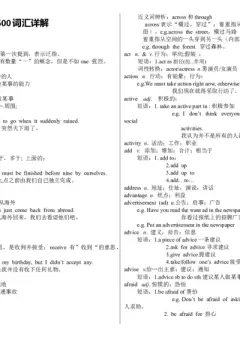
- 中考英语1600词汇详解版
- 中考英语1600按话题分类速记
- 中考英语百日打卡第十二讲形容词2解析版(2024邦你学)
- 中考英语百日打卡第五十八讲形容词辨析解析版(2024邦你学)
- 中考英语百日打卡第五十七讲形容词辨析解析版(2024邦你学)
- 中考英语百日打卡第五十八讲形容词辨析原卷版(2024邦你学)
- 中考英语百日打卡第五十七讲形容词辨析原卷版(2024邦你学)
- 2027《中考英语·新课标1600词》背诵版+默写版:专题06中考热点话题词汇必备知识清单默写版
- 中考英语第十一讲百日打卡形容词1(解析版)
- 中考英语词汇1600(内蒙古中考赠品)
- 中考英语1600词汇总详解(内蒙古中考赠品)
- 2027《中考英语·新课标1600词》背诵版+默写版:专题06中考热点话题词汇必备知识清单记背版
- 2027中考英语新课标1600词背诵版+默写版:专题09中考高频核心词汇拓展分类归纳知识清单(默写版)
- 2027中考英语新课标1600词背诵版+默写版:专题09中考高频核心词汇拓展分类归纳知识清单(背诵版)
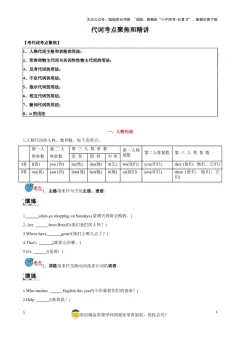
- 中考英语复习专题2代词考点聚焦和精讲(解析版)
- 中考英语1600按话题分类速记(内蒙古中考赠品)
- 中考英语复习专题2代词考点聚焦和精讲(原卷版)
- 中考英语1600词汇详解教师版(内蒙古中考赠品)
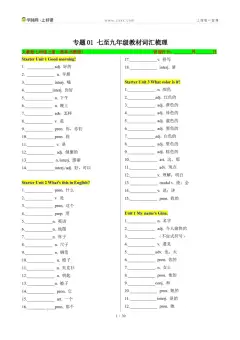
- 中考英语新课标1600词背诵版+默写版:专题01七至九年级教材词汇梳理知识清单人教版默写版
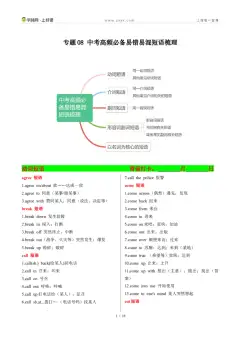
- 2026秋初中英语中考高频必备易错易混短语梳理知识清单背诵版(新课标1600词背诵版+默写版)
- 中考1600按词性分类
- 中考英语高频必备易错易混短语梳理 专题08 知识清单(默写版)
- 中考英语1600个高频词汇大纲表词汇背诵资料
- 四级英语核心词艾宾浩斯抗遗忘打卡
- 六级英语核心词艾宾浩斯抗遗忘打卡
- 2027中考英语新课标1600词背诵版+默写版专题01七至九年级教材词汇梳理知识清单(人教版)(背诵版)
- 中考词汇1600(内蒙古中考赠品)
- 中考英语百日打卡第十一讲形容词1原卷版(2024邦你学)
- 人教版七至九年级教材词汇梳理知识清单(纯单词背诵版) 2026秋初中教辅 中考英语新课标1600词背诵版+默写版
- 中考1600词汇单词默写版