资讯 / 正文
高考英语阅读理解——观点态度题
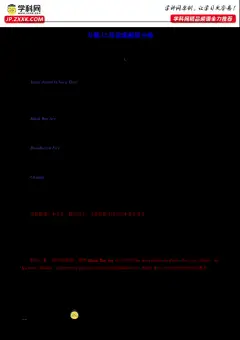
What is Amanda Boag’s attitude to pet trackers according to paragraph5?
A. Doubtful but tolerant.
B. Negative and critical.
C. Enthusiastic and positive.
D. Optimistic but cautious.
该题的正答率如下:
而出错的学生多数都是错选了D选项。
下面我们一起来研究一下原文出处:
In addition, Amanda Boag from the Royal Veterinary College acknowledges the potential of this new field. While admitting the technology is still in its early stages, she is cheerful about its future. Her college is even developing an experimental tracker. She believes these tools could significantly improve animal welfare, assist in managing specific diseases, and strengthen communication between veterinarians and pet owners.
阅读原文,我们能基本判断出来,应该是原文although 引导的让步状语从句误导了学生。
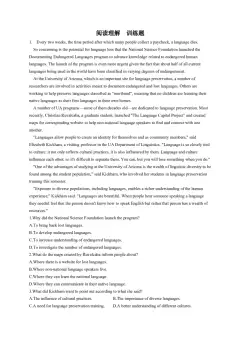
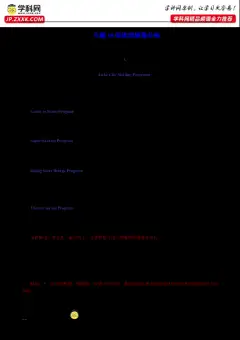
我第一时间想到了人教版必修三课本的Unit1 Reading and Thinking部分的文章以及后面的练习题的第三问。
文章的原文部分如下:
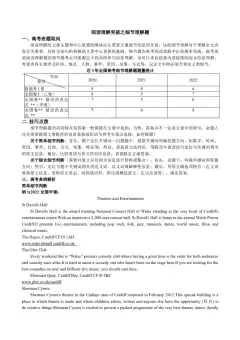
同样是观点态度题,而我们的教师用书中给到的参考答案如下:
两篇文章的设问逻辑和句式结构几乎一模一样。这说明命题人反复在同一个认知节点上设题,而学生的错误也在同一个节点上反复出现。。那么我们该怎么理解呢?当然,在解析although/ while引导的原因状语从句时,强调的是后半部分。就如同建议信中为了让对方更容易接受,我们在表达时要先做一下让步,先扬后抑一样。我们最终想要表达的是后面的内容。
但这只是做题的一方面。真正关键的是,这类题越来越考查读者对段落大意的理解。而恰好必修三Unit1的Reading and Thinking 就是在培养学生寻找文章段落主题句,概括段落大意的能力。
观点态度题不在于观察到原文有某个表达情感的句子,也不全在于某个句式的理解,而是对于段落大意的整体把握。基于此,课文的课后练习题设置了观点态度题。所以,观点态度题本质上是一道段落主旨题穿了态度词的外衣。
反过来,如果一段话中人物先说了一堆正面评价,结尾用however 引出一个实质性的风险或否定判断,态度的重心就可能发生偏移。判断的依据不是有没有让步词,而是让步之后主句给出的证据量和证据力度。
我们再来看一个例子,是学生刚刚做过的周限时训练八中的练习题:
In addition, Amanda Boag from the Royal Veterinary College acknowledges the potential of this new field. While admitting the technology is still in its early stages, she is cheerful about its future. Her college is even developing an experimental tracker. She believes these tools could significantly improve animal welfare, assist in managing specific diseases, and strengthen communication between veterinarians and pet owners.
以及10.17号的周测题:
Simone D'Amico, CAESAR co-founderand associate professor of aeronautics and - ronautics, made it clear that he, Pavone, and their colleagues plan to proceed cautiously, with eyes wide open to the potential pitfalls(隐患) of pursuing AI for spacecraft and robots. He said that in some cases, AI components are not the most effective choice for space systems.
这两道题都是在问作者的观点态度,我们都需要结合段落大意去理解。
另外观点态度我们要学会分类。一类是作者的观点态度,一类是参与研究或发明的人,一类是没有参与该项研究的局外人。
研究参与者、技术开发者、项目亲历者:多数持支持、乐观或“有条件积极”的态度。他们的立场与项目的推进方向一致。
未参与研究的局外人、独立评论者:更可能持谨慎、质疑或批判态度。他们没有为项目背书的动机,更倾向于指出局限和风险。
作者:有时明确支持,有时保持客观,但很少在态度题中给出“狂热支持”或“全盘否定”的极端选项。
我们看10.10号的周测题:
Pete Edwards, an atmospheric chemist at the University of York in England who was not involved in the study, notes that the impact of such a strategy would be difficult to predict. The volcano's methane-removing chemistry occurred in the stratosphere, and ay intervention by humans would be in the troposphere ( the layer of the Earth's amosphere below the stratosphere). Meanwhile, atmospheric scientist Folkert Boersma adds, "We all know what to do. It's not shooting chlorine into the stratosphere; it's just making sure that we reduce emissions.
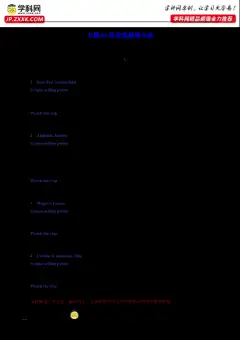
虽然该段没有设题,但为了能让学生深入研读原文,所以在测试的时候又给学生出了三个题目,其中一个题目如下:
根据对原文人物身份及段落主旨的理解,我们基本能够判断人物的观点态度。所以做题时还要关注人物出现后的定语从句或者同位语,而这往往是学生做题时容易去掉和忽略的。这些“身份标签”往往比态度形容词更早、更稳定地框定了态度的方向。
碎片化阅读的时代,学生太容易抓住一个信号词就下判断。观点态度题的价值恰恰在于它不奖励这种“信号词反射”,它要求学生真正读进去:看清谁在说话,看清整段话把重量放在了哪里,看清选项在方向与强度两个维度上是否同时站得住。
相关文档
- 2024年高考英语二轮复习核心考点与重难题型专项突破:阅读理解观点态度考点解析版(二)
- 2024年高考英语二轮复习核心考点与重难题型专项突破:阅读理解观点态度考点(原卷版)
- 核心全突破2024年高考英语二轮复习考点2阅读理解观点态度(原卷版)
- 考点2阅读理解之观点态度(解析版)
- 2026年高考英语阅读理解突破策略及押题 专题07态度蕴含及其理解 学生版 全国通用
- 2025高一高二英语暑假提升精品讲义技能篇专题01阅读理解长难句克星主干提取三步法加观点态度词库解析版
- 2026年高考英语听力高分突破系列 专题突破08 观点态度 听力专练 学生版
- 2025高一高二英语暑假提升精品讲义技能篇专题01阅读理解长难句克星主干提取三步法加观点态度词库原卷版
- 2024年高考英语快速提高阅读能力之高频主题词块速记专项复习:04观点态度类词汇
- 阅读理解快收藏!高中英语阅读理解态度词汇总,高中三年都有用!
- 备战2024高考英语一轮复习考点帮考点11阅读理解推理判断之作者的写作态度(学生版·新高考专用)
- 备战2024年高考英语一轮复习考点帮考点11阅读理解推理判断作者写作态度(教师版·新高考)
- 25英语《阅读常见情绪态度类词汇》
- 评价诗歌思想内容和观点态度甲
- 高考语文一轮专题六探究观点态度解析版
- 2025年高考语文一轮复习讲义:古代诗歌鉴赏第4讲理解内容情感、评价观点态度(学生版)
- 2025年高考语文一轮复习古代诗歌鉴赏讲义练习课件(新教材新高考)第4讲理解内容情感、评价观点态度练习(学生版)
- 2025年高考语文一轮复习讲义练习课件古代诗歌鉴赏理解内容情感评价观点态度讲义(教师版)
- 2025年高考语文一轮复习讲义练习课件古代诗歌鉴赏理解内容情感评价观点态度讲义(学生版)
- 2025年高考语文一轮复习讲义练习课件古代诗歌鉴赏理解内容情感评价观点态度练习(教师版)
- 2025年高考语文一轮复习讲义练习课件古代诗歌鉴赏理解内容情感评价观点态度练习(学生版)
- 高考语文一轮专题六探究观点态度原卷版
- 信息类论述类观点态度分析评价对点练解析版
- 信息类文本观点态度分析评价对点练解析版
- 2025年高考语文一轮复习古代诗歌鉴赏讲义:第4讲理解内容情感、评价观点态度(教师版,新教材新高考)
- 分析诗歌情感评价观点态度
- 信息类论述类观点态度分析评价对点练原卷版
- 信息类文本观点态度分析评价对点练原卷版
- 结构化200题-态度观点03(1)
- 结构化200题-态度观点02
- 结构化200题-态度观点01(1)
- 2024年高考语文一轮复习古代诗歌阅读与默写:分析诗歌情感评价观点态度(全国通用)
- 结构化试题示范200题——态度观点6(1)
- 结构化试题示范200题——态度观点5(1)
- 结构化试题示范200题——态度观点4(1)
- 高考语文2022届一轮复习讲练结合考点3分析概括作者在文中的观点态度作业(语文系列一)
- 2027年高考英语听力高分突破讲练 专项复习 05短对话精华:主旨大意与观点态度的快速锁定(学生版)
- 高考语文专题二十三:论述类文本阅读——把握文章思路分析观点态度(学生版)
- 2027高考英语听力高分突破短对话精华主旨大意与观点态度的快速锁定(教师版)
- 评价诗歌思想内容和观点态度乙
- 高考语文专题二十三:论述类文本阅读——把握文章思路分析观点态度(教师版)
- 备战2022年高考英语一轮复习考点微专题考向54阅读理解捕捉隐含意义与态度意图等策略(解析版)
- 备战2022年高考英语一轮复习考点微专题考向54阅读理解捕捉隐含意义与态度意图等策略(原卷版)
- 高考语文诗歌鉴赏情感观点态度学生版
- 高考语文诗歌鉴赏情感观点态度教师版
- 2025高考语文一轮复习古诗词鉴赏专练四:分析评价情感、态度(原卷版)
- 2026年高考英语一轮复习阅读理解突破讲义每日一练精品素材3
- 2026年高考英语一轮复习阅读理解突破讲义 高考英语阅读理解每日一练3 参考答案
- 2026年高考英语一轮复习阅读理解突破讲义 每日一练1 含词汇积累
- 2026年高考英语阅读理解突破策略及押题考前押题05阅读理解之人生与哲学(学生版)
- 2026年高考英语阅读理解突破策略及押题 考前押题06 阅读理解之人工智能 教师版
- 2026年高考英语阅读理解突破策略及押题:考前押题03阅读理解之心理学(学生版)
- 2026年高考英语阅读理解突破策略及押题 考前押题07 阅读理解之医疗和健康 教师版
- 2026年高考英语阅读理解突破策略及押题 考前押题07 阅读理解之医疗和健康(学生版)
- 2026年高考英语阅读理解突破策略及押题 考前押题06 阅读理解之人工智能(学生版)
- 2026年高考英语阅读理解突破策略及押题 考前押题03阅读理解之心理学 教师版
- 阅读理解训练题--2023届高考英语一轮复习含解析2023年二轮复习
- 2024高考英语阅读理解突破之细节理解题(解析版)
- 2026高考英语阅读理解突破策略及押题:考前押题05人生与哲学阅读理解(教师版)
- 2026年高考英语阅读理解突破策略及押题:考前押题04阅读理解之社会生活学生版
- 高考诗歌鉴赏思想感情和观点态度解析版
- 评价诗歌思想内容和观点态度学生版专题五
- 整体阅读与诗人情感态度的把握知识讲解(语文)
- 巩固练习整体阅读与诗人情感态度的把握(语文)
- 2024高考英语阅读理解突破之细节理解题(原卷版)
- 2026年高考英语外刊时文阅读训练 专题15 感恩促进转变负面态度 学生版 2025版
- 2026年高考英语一轮复习阅读理解突破讲义:每日一练2(含词汇积累)
- 2026年高考英语阅读理解突破策略及押题:考前押题04阅读理解之社会生活教师版
- 2026年高考英语一轮复习阅读理解突破讲义 高考英语阅读理解每日一练1含词汇积累 参考答案
- 高考诗歌鉴赏思想感情和观点态度原卷版
- 评价诗歌思想内容和观点态度教师版专题五
- 2023高考英语阅读理解考前预测交通旅游专题11
- 2023高考英语阅读理解考前预测策略感悟专题07
- 2023高考英语阅读理解考前预测健康饮食专题03
- 高考英语阅读理解突破之主旨大意题解析版(2024年专项复习·跨词破句含2023高考真题评析+变式训练)
- 高考英语阅读理解突破之词义猜测题解析版(含2023真题评析+变式训练)
- 2026年高考英语阅读理解突破策略及押题:考前押题10阅读理解之应用文——关注生活学以致用(学生版)
- 2026年高考英语阅读理解突破策略及押题:考前押题08阅读理解之记叙文(1)浸润人文情怀(学生版)
- 2026年高考英语一轮复习阅读理解突破讲义 每日一练2 含词汇积累 参考答案
- 2023届高考英语二轮复习阅读理解强化100题8含解析
- 2023届高考英语二轮复习阅读理解强化100题6含解析
- 2023届高考英语二轮复习阅读理解强化100题5含解析
- 2023届高考英语二轮复习阅读理解强化100题4含解析
- 2023届高考英语二轮复习阅读理解强化100题3含解析
- 2023届高考英语二轮复习阅读理解强化100题1含解析
- 2025年中考语文:专题38九下文言文知识梳理(解析版)
- 2025中考语文专题38九下文言文知识梳理思维导图文意理解原卷版
- 高考语文2025年一轮复习练案54评价诗歌的观点态度(含解析)
- 2023高考英语阅读理解考前预测人与环境专题10
- 2023高考英语阅读理解考前预测热点话题专题06
- 2023高考英语阅读理解考前预测周围的人专题05
- 2023高考英语阅读理解考前预测日常活动专题02
- 2023高考英语阅读理解考前预测60篇善行义举专题01
- 2024高考英语阅读理解主旨大意题突破专项复习原卷版(含2023高考真题评析与变式训练)
- 2024高考英语阅读理解突破之词义猜测题原卷版(含2023高考真题评析与变式训练)
- 阅读理解突破之推理判断题(解析版)·2024高考,“跨词破句”之英语阅读理解轻松突破(含2023高考真题评析+变式训练)
- 2023高考英语破解阅读理解拔分练专题12解析版
- 备战2023高考英语阅读理解稳分练专题10解析版
- 备战2023高考英语阅读理解抢分练专题09解析版
- 备战2023高考英语阅读理解提分练专题08解析版