资讯 / 正文
80篇短文搞定高考3500个单词·从马术运动到文化节,在真实语境里记 tourism、preserve 等高频词
马术如何连接运动与文化?高中短文记高考高频词
带高三这些年,最让我心疼的一类孩子,是那种连周末读什么、大学报什么都被安排得明明白白,自己却从没认真想过“我到底喜欢什么”的。上周和山南的一位家长聊到也是这样:孩子成绩不差,可一写作文、一做阅读就发怵,单词背了忘、忘了背,因为那些词从没跟他自己的生活发生过关系。其实,像 tourism、preserve、represent 这些高考高频词,放在一篇讲马术、赛马节和乡村旅游的短文里,孩子读着读着就能明白:词不是孤零零的符号,它背后有画面、有故事、有文化。今天这篇,我们就借真实的语境,帮孩子把词“用”起来,而不是只“背”下来。
Horse Activities: How Equestrian Life Connects Sport and Culture
Equestrian(马术), often called horseback riding, is a broad group of activities involving horses and riders. It includes competitive(竞技的) sports, relaxing outdoor trips, and cultural(文化的) events. In every form, riders need skill, training, patience, and clear communication with their horses. This close relationship has developed over thousands of years. Horses once helped people farm, travel, fight, and carry goods. In China, horses also appear in stories, artworks(艺术品), and traditions, where they often represent strength and courage. Today, growing tourism and international events are bringing new energy to equestrian activities across the country.
Competitive equestrian sports include dressage(盛装舞步), show jumping, and eventing. In dressage, riders guide horses through a series of careful movements. In show jumping, horse and rider must clear a course of fences quickly and safely. Eventing combines dressage, cross-country riding, and jumping, so it tests many different skills. Other events include endurance(耐力) racing and horseback archery(射箭), which connect modern sport with older traditions. China is building better training centres and competition grounds. International events, such as the Shanghai Longines Global Champions Tour, attract leading riders and help local athletes gain experience. Strict rules also protect the health and safety of both horses and riders.
Equestrian activities are not limited to competitions. Trail riding and horse trekking(骑马远足) allow people to enjoy nature at a comfortable pace, making them popular parts of rural tourism. Cultural festivals add another important side to this world. The Jiatang Equestrian Culture Festival in Qinghai celebrates Tibetan riders through races, performances, and traditional crafts. Such events preserve local customs and help visitors understand different communities. As facilities, training, and tourism continue to improve, equestrian activities may attract more young people. They can offer exercise and enjoyment while keeping China's long history with horses alive.
马术活动:运动与文化如何相连?
马术通常被称为骑马,是一大类与马和骑手有关的活动。它包括竞技运动、轻松的户外骑行以及文化活动。在所有形式中,骑手都需要具备技能、接受训练、保持耐心,并与马进行清晰的沟通。这种亲密关系已经发展了数千年。过去,马曾帮助人们耕作、旅行、作战和运输货物。在中国,马也出现在故事、艺术作品和传统中,常常代表力量与勇气。如今,日益发展的旅游业和国际赛事正在为全国各地的马术活动注入新的活力。
竞技马术运动包括盛装舞步、场地障碍和三项赛。在盛装舞步中,骑手引导马完成一系列精准动作。在场地障碍中,马匹和骑手必须快速、安全地越过一条设有障碍物的路线。三项赛结合了盛装舞步、越野骑行和障碍赛,因此能够考验多方面的技能。其他项目还包括耐力赛和马上射箭,这些项目把现代体育与古老传统联系起来。中国正在建设更好的训练中心和比赛场地。上海浪琴环球马术冠军赛等国际赛事吸引了优秀骑手,也帮助本地运动员积累经验。严格的规则还保护马匹和骑手的健康与安全。
马术活动并不局限于比赛。越野骑行和马背旅行让人们能够以舒适的速度欣赏自然,因此成为乡村旅游中受欢迎的项目。文化节为马术世界增添了另一个重要方面。青海的赛马会马术文化节通过比赛、表演和传统手工艺庆祝藏族骑手。此类活动保护了地方习俗,也帮助游客了解不同的社区。随着设施、训练和旅游业不断改善,马术活动可能吸引更多年轻人。它们既能带来锻炼和乐趣,也能让中国与马匹相伴的悠久历史延续下去。
选择题
完型填空题
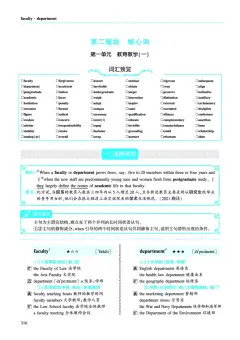
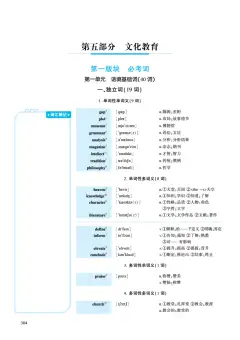
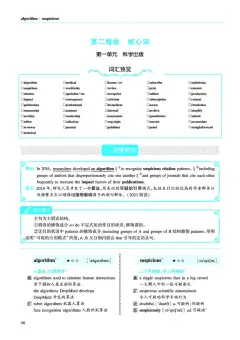
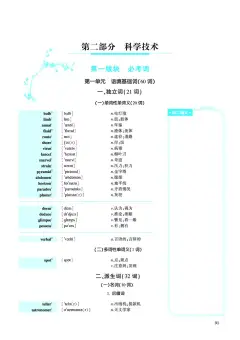
本文高考高频词
/ˈtʊərɪzm/ | |
/kəˈnekt/ | |
/ˈselɪbreɪt/ | |
/ˈtʃæmpɪən/ | |
/kəmˈbaɪn/ | |
/fəˈsɪlɪtɪ/ | |
/ɪmˈpruːv/ | |
/liːdˌ led/ | |
/ˈɒfə/ | |
/prɪˈzɜːv/ | |
/prəˈtekt/ | |
/ˌreprɪˈzent/ | |
/ˈrʊərəl/ | |
/streŋθ/ | |
/strɪkt/ | |
/treɪl/ |
这篇里最值得停的词
这篇短文里最值得停下来多看一眼的,是 preserve。它在这篇里出现在“Such events preserve local customs”一句,意思是“保护、保存”,但和 protect 的“保护”不一样:protect 侧重“使免受伤害”,常搭配 protect sb./sth. from sth.;而 preserve 侧重“使保持原样、不被破坏或流失”,常搭配 preserve traditions / culture / customs,高考完形和阅读里经常拿这两个词做近义干扰。另外两个核心实词也值得留意:represent 在文中是“代表”,常考 represent sth. as sth. 的用法;combine 是“结合”,常考 combine A with B,阅读里也常出现 combined with 表示“再加上”。
为什么要在语境里学
孤立背“preserve=保护”,孩子到了句子里还是分不清它和 protect 的差别;可放在“文化节保护地方习俗”这个画面里,词义就有了温度,搭配也跟着记牢了。这篇短文把马术、乡村旅游、文化节串成一条线,tourism、rural、facility、improve 这些词反复出现在同一场景里,读一遍就等于把词放进真实句子里滚了一遍,比对着词表干背稳得多。
怎么用这篇
第一,抓词块不抓单词。 让孩子从文中圈出 preserve local customs、improve facilities、attract more young people 这三个词块,每个抄一遍并口头造一个和自己生活有关的句子,比如“We should preserve our local festivals.”。盯的是搭配有没有写对,能脱口说出一个完整句子就算过关。
第二,做一次“近义词辨析”小测。 把 preserve 和 protect 各造一个句子,让孩子判断用哪个更合适,并说出理由。家里练可以口头说,课堂上周测可以直接出成两道选词填空,盯的是孩子能不能讲清“保护文化”和“保护安全”的区别。
第三,用短文做一次“复述+仿写”。 让孩子用 3–5 句话复述马术活动的三种形式,再用 combine…with… 或 represent 仿写一句介绍自己家乡的话。盯的是动词搭配和句子是否完整,能独立写出一个通顺的复合句就算过关。这样练,词才真正长在孩子身上。
相关文档
- 40篇英语短文搞定高考3500个单词
- 2024届高考英语一轮复习核心688词汇例句与短文语境版讲义(421-450合集)
- 2024届高考英语一轮复习核心688词汇例句短文语境版讲义(401-420合集)
- 2024届高考英语一轮复习小短文语境版核心词汇整理清单讲义:核心688个词汇例句+短文语境版(321-350合集)
- 2024届高考英语一轮复习核心688词汇例句短文语境版讲义(301-320合集)
- 2024届高考英语一轮复习核心688词汇例句短文语境版381-400合集讲义
- 2024届高考英语一轮复习核心688词汇例句短文语境版351-380合集讲义
- 2024届高三英语一轮复习小短文语境版高考拔高核心词汇整理形容词篇71-100清单
- 英语40背诵40篇短文搞定英语3500词
- 英语95高中英语背诵40篇短文搞定英语3500词
- 初中英语60篇短文搞定1600词
- 10短文二篇-记承天寺夜游-部优
- 每天10个英语单词搞定四六级
- 八招搞定四级阅读大学英语四六级
- 高中英语猿题库满分之路 搞定语法填空与短文改错
- 2026英语高考3500个单词和短语
- 2026年高考英语一轮复习同词根词缀单词大全 同词根单词配套语境填空巩固练习题 21页
- 人教版英语八年级上册Unit6 Plan for Yourself语境学单词2025-2026学年新版第三套
- 人教版英语八年级上册Unit5 What a Delicious Meal语境学单词2025-2026学年新版第三套
- 人教版英语八年级上册Unit4 Amazing Plants and Animals语境学单词2024-2025学年新版第三套
- 人教版英语八年级上册Unit3 Same or Different语境学单词2025-2026学年新版第三套
- 人教版英语八年级上册Unit2 Home Sweet Home语境学单词2025-2026学年新版第三套
- 人教版英语八年级上册Unit1 Happy Holiday语境学单词2025-2026学年新版第三套
- 好题汇编三年2023至2025中考英语真题分类汇编专题34短文填空考点2语境提示填空全国通用解析版
- 好题汇编三年2023至2025中考英语真题分类汇编专题34短文填空考点2语境提示填空全国通用原卷版
- 2026年高考英语一轮复习同词根词缀单词大全高频同前缀单词配套语境填空巩固练习题16页
- 英语四六级5天搞定1000个高频词
- 十天搞定考研单词默写本
- 高中英语专题15透过语境巧记高考英语3500词
- 高中英语专题14透过语境巧记高考英语3500词
- 高中英语专题13透过语境巧记高考英语3500词
- 高中英语专题12透过语境巧记高考英语3500词
- 高考英语3500词语境巧记专题11
- 高中英语专题10:透过语境巧记高考英语3500词
- 专题09透过语境巧记高考英语3500词
- 高考英语专题08透过语境巧记3500词
- 高中英语专题07透过语境巧记高考英语3500词
- 高考英语3500词语境巧记专题06(高中英语)
- 高中英语专题05 透过语境巧记高考英语3500词
- 高中英语专题04透过语境巧记高考英语3500词
- 高中英语专题03透过语境巧记高考英语3500词
- 高中英语专题02 透过语境巧记高考英语3500词
- 高中英语专题01透过语境巧记高考英语3500词
- 高清版70篇短文记完初中必会1600核心词汇
- 中考英语复习专题34短文填空考点二语境提示填空全国通用(解析版)
- 英语21人民日报分享英语50个句子搞定7000单词
- 中考英语复习专题34短文填空考点二语境提示填空全国通用(原卷版)
- 用思维导图速记小学生英语单词
- 高考英语读后续写讲义:道德困境与个人成长·捡到遗嘱里的钱——12岁男孩生日做了这个选择(2026年一轮复习专项·续写读后赋能语境+多篇拓展思路)
- 2026中考英语专题34短文填空考点2语境提示填空(全国通用)(教师版)
- 2026中考英语专题34短文填空考点2语境提示填空(全国通用)(学生版)
- 三年级上册英语Unit 6 我爱记单词
- 三年级上册英语Unit 5 我爱记单词
- 我爱记单词三年级上册Unit4
- 我爱记单词三年级上册Unit3
- 我爱记单词三年级上册 Unit 2
- 我爱记单词三年级上册 Unit 1
- 十八个句子搞定四六级作文
- 50句子记完7000个单词
- 50个句子记完4000个英语单词
- 10短文二篇-记承天寺夜游-部优-素材阅读材料
- 40篇短文记完小学1000核心词汇文章
- 2026英语高考固定短语[词组]专项练习100题
- 优秀作文《永不过期的竹浆纸》
- 英语六级写作解题技巧—如何三天搞定六级英语写作
- 高途2026年6月英语四级搞定单词讲义书籍扫描
- 高途2026年6月英语六级搞定单词词汇讲义书籍扫描
- 2024中考英语一轮复习讲练测短文填空第09讲讲义解析版(全国通用)
- 2024中考英语一轮复习讲练测短文填空第09讲讲义原卷版(全国通用)
- 2024中考英语一轮复习讲练测短文填空第09讲练习解析版(全国通用)
- 2024中考英语一轮复习讲练测短文填空第09讲练习原卷版(全国通用)
- 期末复习之全册重点单词及词性转换进阶练100题(Units1-10,一卷搞定)学生版
- 六级新东方练口语记单词
- 2024年高考英语单词变形速记精练 专题01 巧记派生词(字母a-d)解析版
- 1.26秋新九上单词背记表
- 1.26秋新九上单词背记表
- 40篇短文记完小学1000核心词汇
- 英语六级口语考试练对话记单词六
- 英语六级口语考试练对话记单词五
- 英语六级口语考试练对话记单词四
- 英语六级口语考试练对话记单词三
- 英语六级口语考试练对话记单词二
- 英语六级口语考试练对话记单词一
- 2024年高考英语单词变形速记精练专项复习:专题01巧记派生词(字母a-d)原卷版
- 期末复习之全册重点单词及词性转换进阶练100题(Units1-10,一卷搞定)教师版
- 第四部分政策法规第二板块核心词
- 第五部分文化教育第二板块核心词
- 第五部分文化教育第一板块必考词
- 第二部分科学技术第二板块核心词
- 第二部分科学技术第一板块必考词
- 小学、初一水平的词汇(536词)
- 2025年高考英语高频词汇3500词记背手册第8轮10天默写(学生版)
- 2025年高考英语抢押秘籍(安徽专用)第5轮高考英语3500词高频词汇记背手册10天默写学生版
- 2025年高考英语抢押秘籍(安徽专用)第7轮:高考英语3500词高频词汇记背手册10天默写(学生版)
- 2025年高考英语抢押秘籍(安徽专用)第4轮高频词汇3500词记背手册10天默写(学生版)
- 2025年高考英语抢押秘籍(安徽专用)第6轮:高考英语3500词高频词汇记背手册10天默写(学生版)
- 2025年高考英语抢押秘籍 安徽专用 第3轮 高考英语3500词高频词汇记背手册10天默写 学生版
- 需自行背诵的大纲词汇(内有原因)(338词)
- 2026届高考英语应用文讲义:摆脱模板套路回归真实表达
- 2024中考英语二轮复习题型模拟训练15短文填空(首字母提示+汉语提示+语境提示+综合填空)(解析版)