

生问: 解答高考阅读理解CD篇,当选项出现模棱两可,哪个都像时,怎么破局?
师答:扣紧文章的主旨,答案定位。
生问:所以在解题时,主旨题是否可以优先解答?
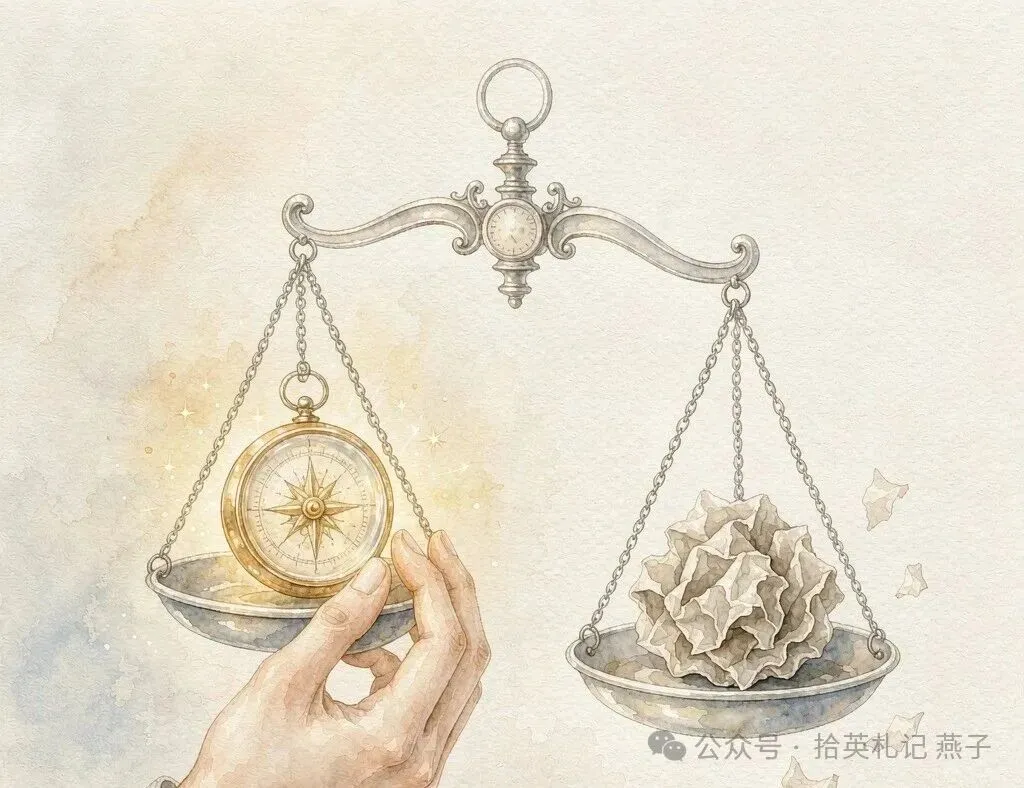
一、主旨意识要"先建",不是"先答"
CD篇大多是说明、议论、科普类文章。你一拿到卷子,别急着看题。
先花 30 秒,速读一遍:
你的目的不是答题,是先在脑子里"种"一个主旨假设:这篇文章,作者到底想说什么?
这一步越早做越好。因为从你做第一道细节题、第一道推断题开始,脑子里就已经挂上了这条线——正好对应你说的那句话:"模棱两可时,回到主旨去校验"。 你的直觉在这里,一点没错。
二、但"主旨题"这个具体题型,放最后做更稳
新高考I卷,CD篇一般四道题。主旨题、标题题、态度题、写作目的题——基本都蹲在 Q4,它要求你对全文做一个综合判断。
如果你第一题就冲去答主旨题,那时候你还没细读各段呢,很容易把自己锚在一个不完整的论点上。比如,被首段抛出的那个现象带偏,漏掉后面转折之后的真正观点。
反过来,等你把前面的细节题一道道做完,全文你其实已经各处都扫过了。这时候再收口做主旨题,证据最足,最不容易翻车。
三、你真正提分的动作,是"用主旨当校验锚点"
前面说的"先建主旨意识",最后都落在这里。当你在两个选项之间纠结、拿不准的时候——别只盯那两个选项的字面意思死磕。问自己一句:
服务主旨的那个,赢。另一个,几乎永远是一个经典干扰项:以偏概全(拿一段当全文)、偷换概念、过度推断、无中生有。
四、一个陷阱,得提醒你避开
主旨是"平局打破者",不是"万能套子"。
纯局部的细节题——比如某个代词指代什么、某个数字说明什么——老老实实回原文定位就够。别硬往主旨上拽。硬拽,反而容易过度概括,自己把自己绕进去。
· 1 速读建旨(30秒):读标题 → 首段 → 每段段首句 → 尾段,先形成一个「主旨假设」。
· 2 按题序做细节 / 推断 / 猜词:每题回原文定位依据句,别凭印象选。
· 3 模棱两可时回主旨校验:问自己「这项服务的是作者核心意图,还是某段局部?」,服务主旨者胜。
· 4 收口做主旨题(通常放最后):用已读全文的证据锁定;答完再通检答案是否都服务同一主旨。
A growing body of research shows that artificial light at night is reshaping the behavior of urban birds. In cities, songbirds such as robins and blackbirds now begin singing up to several hours before dawn — far earlier than their rural relatives. Scientists once assumed the change was merely a side effect of warmer city temperatures. A recent long-term study, however, points to light, not heat, as the main driver. Researchers compared birds in brightly lit areas with those in darker districts of the same city and found that light levels, rather than temperature, predicted singing time. The finding matters because early singing can throw birds' breeding cycles out of step with the availability of food for their young. It also suggests that simple measures, like dimming streetlights before sunrise, could help restore natural rhythms.
Q1What does the recent study reveal about urban birds' early singing?
· A. It is mainly caused by higher city temperatures.
· B. It is primarily driven by artificial light at night.
· C. It helps young birds get food more easily.
· D. It happens only in a few species of robins.
Q2 What is the best title for the text?
· A. Why City Birds Sing Before Dawn
· B. How Temperature Shapes Bird Behavior
· C. The Secret Life of Robins and Blackbirds
· D. Building Darker Cities for Humans
Many companies adopted remote work during the pandemic and planned to keep it. The main selling point was clear: flexible schedules would make employees happier and more productive. Yet a growing number of business leaders now worry that distributed teams quietly weaken innovation. The concern is not about individual output but about the rare, unplanned conversations — the hallway chat that sparks a new idea. Research on patent data supports this: firms with more remote workers produced fewer breakthrough ideas, though their routine output held steady. Some organizations are responding not by ending remote work but by redesigning it — bringing people together for short, intensive in-person bursts while leaving the rest of the week flexible. The lesson is not that remote work fails, but that innovation needs deliberate spaces for chance encounter.
Q1 What do the patent-data findings suggest?
· A. Remote work reduces employees' daily productivity.
· B. Remote work lowers the number of breakthrough ideas.
· C. In-person meetings should replace remote work.
· D. Flexible schedules make workers less happy.
Q2 What is the author's main point?
· A. Remote work should be abandoned entirely.
· B. Innovation requires intentional in-person encounters.
· C. Employees prefer flexible schedules.
· D. Patent data is unreliable.
In a small workshop in southern China, 72-year-old Master Li spends six hours each day shaping raw bamboo into delicate musical instruments. He is one of the last artisans practicing a local flute-making craft that dates back three centuries. Younger villagers once left for factory jobs, and the skill seemed doomed. But a turn came when a local school added the craft to its art curriculum, and a short video of Li's hands went viral online. Orders from musicians and collectors now sustain the workshop. Li, however, insists the goal was never profit: 「A craft lives only when the young want to learn it.」 He now trains three apprentices, hoping the sound will outlast his own hands.
Q1 Why did the craft survive, according to the text?
· A. Factory jobs became less available.
· B. A school program and online attention revived interest.
· C. Li became wealthy from collectors' orders.
· D. The government banned modern instruments.
Q2 What is the text mainly about?
· A. How a traditional craft found new life
· B. The decline of factory employment
· C. Li's personal wealth
· D. Making flutes with modern machines
however, points to light, not heat, as the main driver
—— 切片一·主旨句
切片一 模棱两可在 A 与 B 之间:A 在文中确实出现过(Scientists once assumed…warmer city temperatures),读得快的人极易选它——但它是被推翻的旧假设。正确答案 B 才是全文主线。两个选项都「在文中有依据」,但 B 服务核心意图,A 是局部被否定的旧说。Q2 标题选 A;B 把被推翻的温度假说当主旨,属以偏概全。
innovation needs deliberate spaces for chance encounter
—— 切片二·主旨句
切片二 模棱两可在 B 与 C 之间:B 对应专利数据原句「produced fewer breakthrough ideas」,且 routine output held steady 直接排除 A(日常效率没降)。C「面当面会议应取代远程办公」听起来合理,但原文是「not by ending remote work but by redesigning it」——C 过度推断。主旨是「创新需要刻意的偶遇空间」,不是「远程办公完蛋」。
A craft lives only when the young want to learn it.
—— 切片三·李师傅
切片三 模棱两可在 B 与 C 之间:B 对应「a local school added the craft… video went viral」——学校课程 + 网络关注让手艺复活,正是不料主旨(手艺因新生代兴趣而存续)。C「李师傅靠收藏者订单致富」偷换了动机:原文说订单维持作坊,但李师傅明确 the goal was never profit。回主旨校验:手艺存续靠的是「有人想学」,不是「大师有钱」。
·
问① 核心还是局部?这个选项服务的是作者的核心意图,还是某一段的局部信息 / 被推翻的旧说?模棱两可时,服务主旨者胜。
· 问② 全文支撑还是孤证?两个纠结选项,哪一个能在全文主线找到支撑,哪一个只在一处出现、且常被 however / but / not…but 限定?孤证多为干扰。
· 问③ 会不会以偏概全?若选它,是不是把「一个例子 / 一种现象」当成了「全文主旨」?警惕以偏概全、偷换概念、过度推断、无中生有、颠倒是非五类经典干扰。
我是燕子,一个陪你备课、磨课的高三毕业班英语老师。转载请注明出处。
您的支持是我们的动力
THANKS FOR READING
如果你看到这里,说明你也在跟阅读 CD 篇较劲。
那别只停在"看过"。点个「赞」,把这篇转给那个也在纠结选项的同学。
最后,如果这篇对你有一点点用,点个 ❤ 吧。


