

2027 届上海浦东高三一模,英语阅读 C 篇。
全文附上重点词汇注释、长难句精细拆解, 一模原题4题阅读理解,与音频。

🏛️ A Museum Built to Empty Itself · 一座为了搬空自己而建的博物馆
When museums digitize their holdings, it's usually to expand access. The new Virtual Museum of Stolen Cultural Objects of United Nations Educational, Scientific, and Cultural Organization (UNESCO) does something entirely different: it uses technology to make visible what has been taken—and to eventually erase itself. Launched in 2025, the online platform brings together 3D models of stolen or illegally traded cultural artifacts from across the world. But unlike most museums, it measures success not by how much it collects, but by how much it loses. Each time an object is returned to its rightful home, it disappears from the virtual gallery.
博物馆把藏品数字化,通常是为了让更多人看到。UNESCO 这座新上线的「被盗文物虚拟博物馆」做的完全是另一件事:它用技术让「被拿走的东西」变得可见——并且最终让自己消失。平台 2025 年上线,把世界各地被盗或非法交易的文物 3D 模型汇聚在一起。但和绝大多数博物馆不同,它衡量成功的标准不是收了多少,而是失去了多少。每有一件文物回到它真正属于的地方,它就从虚拟展厅里消失一件。
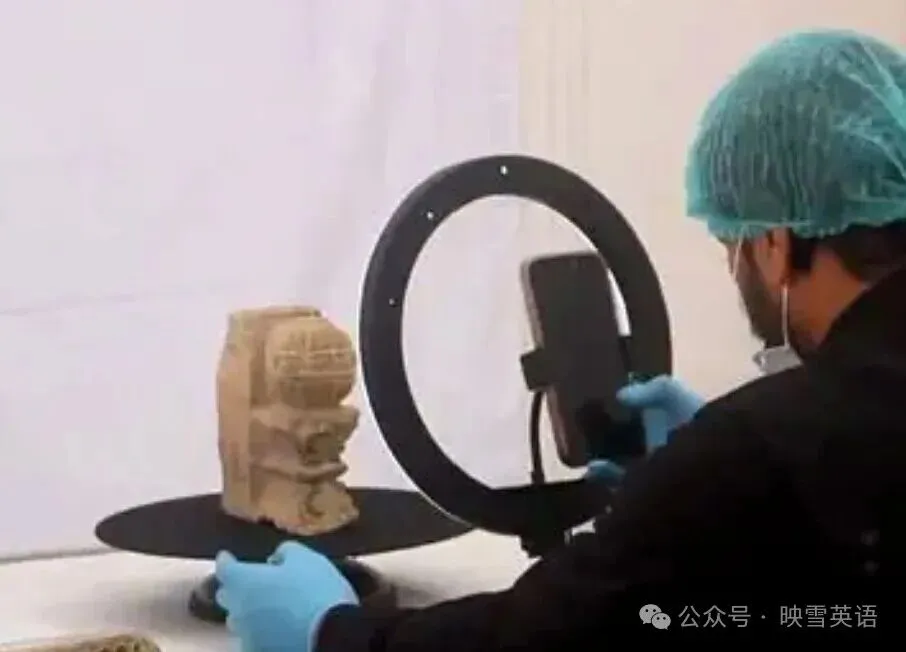
Developed by UNESCO in collaboration with national heritage authorities, the Virtual Museum of Stolen Cultural Objects currently features around 200 digital artifacts, each carefully reproduced in high-resolution 3D. Each entry is accompanied by a layered narrative: where the object originated, how it was stolen, and what efforts are underway to recover it.
这座虚拟博物馆由 UNESCO 与各国文物主管部门合作开发,目前收录约 200 件数字文物,每一件都做了高精度的 3D 复原。每一条目都配有一段分层的叙述:它原来在哪里,它是怎么被拿走的,以及目前有哪些追索的努力正在进行。
⚖️ It Doesn’t Settle Them, It Reframes Them · 它没有解决争议,它把争议重新摆了一次
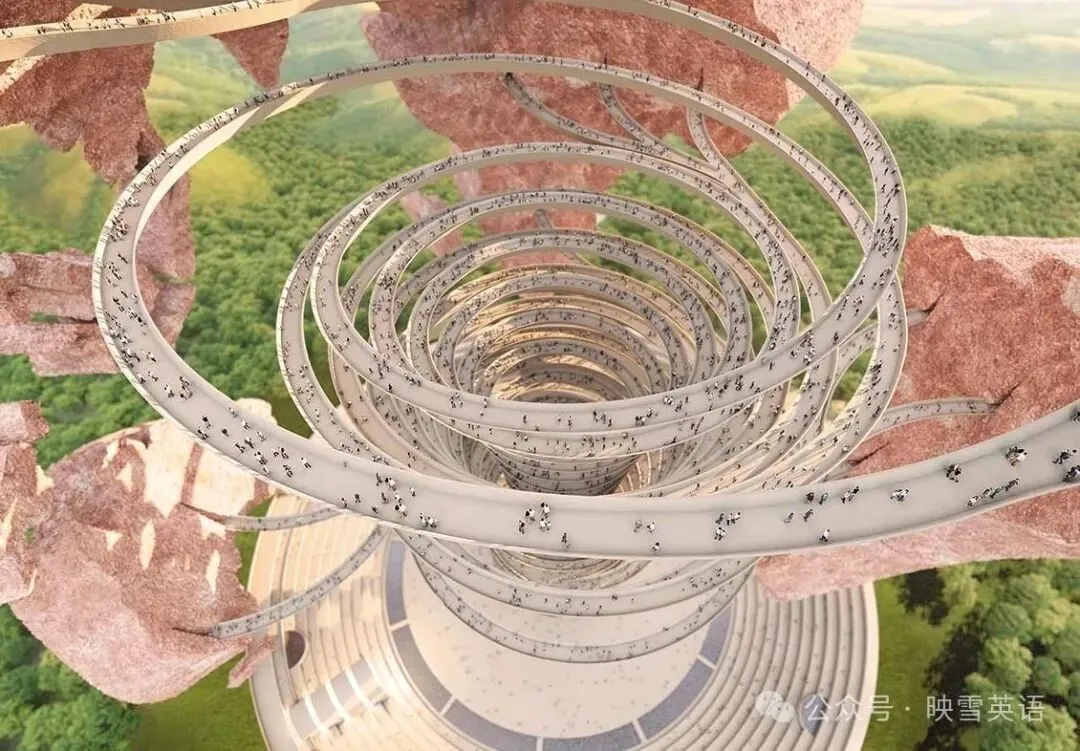
By storing and presenting these objects in a globally accessible virtual space, UNESCO bypasses many of the physical and legal limits that have long held back restitution—the return of these objects. The museum becomes a shared space for accountability and memory, where access—not possession—defines value.
把这些东西存放在一个全球都能进入的虚拟空间里,UNESCO 绕开了长期阻碍「归还」(restitution)的许多物理与法律限制。这座博物馆成了一个关于「责任」与「记忆」的共享空间——在这里,定义价值的是「能不能被看到」,而不是「归谁所有」。
European institutions, including the British Museum, have faced sustained pressure to return colonial-era artifacts. Yet restitution is rarely straightforward—it involves complex legal systems, diplomatic negotiation, and difficult questions of origin that can take years to resolve. The UNESCO platform doesn't settle these controversies, but it reframes them. By visualizing the scale of cultural theft, it shifts restitution from abstract policy to concrete visibility. At the same time, the museum raises questions of representation and approval. Who determines which objects appear? How are communities of origin involved in shaping their narratives? After all, restitution stories are supposed to be told with, not merely about, the affected communities.
包括大英博物馆在内的欧洲机构,长期承受着归还殖民时期文物的压力。但归还很少是直截了当的——它牵涉复杂的法律体系、外交谈判,以及一些可能要花好几年才能弄清楚的「来源」问题。UNESCO 这个平台并没有解决这些争议,但它把争议重新摆放了一次。通过把文物盗掘的规模「可视化」,它让归还从抽象的政策,变成具体可见的东西。与此同时,这座博物馆也带出了「呈现」与「许可」的问题:谁决定哪些东西出现在这里?原属地的社区,又以什么方式参与塑造关于它们的叙述?毕竟,归还的故事应该是「和被影响的人一起讲」,而不只是「讲他们」。
🕯️ An Evolving System, Not a Monument · 一座会变的系统,不是一座纪念碑
This museum, designed to shrink, challenges how cultural institutions measure value. Still, the project faces clear limits. High-quality 3D modelling is costly and technically demanding. Keeping the system running over decades requires funding, security, and long-term care. And technology alone cannot restore trust or undo the effects of colonial rule. The museum's power lies less in resolution than in visibility—in its ability to draw attention and sustain accountability.
这座以「变小」为设计目标的博物馆,挑战了文化机构衡量价值的方式。但它也有清楚的局限:高质量的 3D 建模很贵,技术上要求也高;要让这套系统运行几十年,需要资金、安全和长期的维护;而且,仅靠技术并不能重建信任,也无法抹去殖民统治留下的影响。这座博物馆的力量,与其说在「解决」,不如说在「可见」——在于它能让人注意到,并让这份责任一直有人接着。
UNESCO's Virtual Museum of Stolen Cultural Objects is not an unchanging monument to loss; it is an evolving system for memory, advocacy, and repair. As it does, it invites cultural institutions everywhere to reconsider what it means to hold, display, and ultimately let go.
UNESCO 的这座虚拟博物馆,不是一座凝固的「损失纪念碑」;它是一个会长的系统——为了记忆,为了呼吁,也为了修补。而在这个过程中,它邀请世界各地的文化机构重新想一件事:拥有一件东西、展示一件东西,最后放手让它走,到底意味着什么。

Glossary
1. digitize /ˈdɪdʒɪtaɪz/ v. 数字化digitize their holdings 把藏品数字化
2. holding /ˈhəʊldɪŋ/ n. 藏品(常用复数)museums and their holdings 博物馆及其藏品
3. artifact /ˈɑːtɪfækt/ n. 文物;人工制品cultural artifacts 文物
4. reproduce /ˌriːprəˈdjuːs/ v. 复制;再现reproduced in 3D 做成 3D 复制
5. high-resolution /ˌhaɪ rezəˈluːʃn/ adj. 高分辨率的high-resolution images 高清图像
6. layered /ˈleɪəd/ adj. 分层的;多层次的a layered narrative 分层叙述
7. narrative /ˈnærətɪv/ n. 叙述;说法shape the narrative 塑造叙述
8. restitution /ˌrestɪˈtjuːʃn/ n. 归还(文物、财产)hold back restitution 阻碍归还
9. bypass /ˈbaɪpɑːs/ v. 绕过;避开bypass the legal limits 绕过法律限制
10. accountability /əˌkaʊntəˈbɪləti/ n. 问责;责任a space for accountability 一个问责的空间
11. possession /pəˈzeʃn/ n. 占有;拥有access, not possession 是「可及」,不是「占有」
12. colonial-era /kəˈləʊniəl ˈɪərə/ adj. 殖民时代的colonial-era artifacts 殖民时期文物
13. controversy /ˈkɒntrəvɜːsi/ n. 争议settle these controversies 解决这些争议
14. reframe /ˌriːˈfreɪm/ v. 换一个框架看reframe the question 换个角度提问
15. visibility /ˌvɪzəˈbɪləti/ n. 可见度;被看见from policy to visibility 从政策到可见

🔍 长难句
By visualizing the scale of cultural theft, it shifts restitution from abstract policy to concrete visibility.
译文:通过把文物盗掘的规模可视化,它让「归还」从抽象的政策,变成具体可见的东西。
🧩 拆解:
① By doing 作方式状语,放在句首,主句主语仍是 it;
② shift A from B to C=把 A 从 B 挪到 C,写作里用来讲「性质变了」非常好用;
③ abstract(抽象的)对 concrete(具体的),policy 对 visibility——两组反义词咬合。

阅读理解 · 一模原题 4 道
43. How does the Virtual Museum of Stolen Cultural Objects measure its success?
A. By the number of artifacts returned.
B. By the number of holdings digitized.C. By the number of visitors online.
D. By the number of quality 3D models.
44. By saying “the UNESCO platform doesn’t settle these controversies, but it reframes them” (para. 4), the author means ______.
A. it turns abstract policy into legal rules.
B. it resolves the legal problems behind them.C. it helps the public see the extent of cultural theft.
D. it entitles affected communities to shape narratives.
45. According to the author, the virtual museum is most valuable for ______.
A. presenting cultural artifacts through layered narratives. B. being a shared space for visitors to obtain digital artifacts.C. establishing a single-purpose evolving system successfully.
D. attracting notice and keeping cultural thefts from being forgotten.
46. What is the author’s overall attitude towards the new virtual museum?
A. Subjective and critical.
B. Realistic and supportive.C. Objective and defensive.
D. Reserved and cautious.

如果您想体验映雪英语RE综合精读课堂,欢迎扫描下方二维码联系我们。


阅读理解答案
43. 答案 A
定位:第 1 段末:it measures success not by how much it collects, but by how much it loses.紧接一句把 loses 讲明白了——每归还一件,它就少一件。
为什么:not by A but by B 是「否定前者、肯定后者」,B 才是答案。选 B 或 D 的孩子,是把「它做了什么」(数字化、建模)当成了「它拿什么算成功」。C 全文没提。
44. 答案 C
定位:下一句就是答案:By visualizing the scale of cultural theft, it shifts restitution from abstract policy to concrete visibility.
为什么:B 和原文 doesn’t settle 正面冲突;A 的 legal rules 文中没有,归还真要靠 complex legal systems,平台绕开的正是它;D 是最容易骗人的一个——文中确实问了 communities 参不参与,但那是作者提出的疑问,不是平台已经做到的事。把「作者担心的问题」当成「文章的事实」,是这类题最常见的失分点。
45. 答案 D
定位:倒数第 2 段末:The museum’s power lies less in resolution than in visibility—in its ability to draw attention and sustain accountability.
为什么:less in A than in B 的重心在 B:不是「解决」,是「被看见」。D 就是 visibility + sustain 的改写。A 是它用的手段,不是「最有价值之处」;B 的 obtain 用错了——你是看,不是拿;C 的 single-purpose 也不对,最后一段说它是 for memory, advocacy, and repair,三件事。
46. 答案 B
定位:三个信号:第 4 段 doesn’t settle … but reframes(不回避,但肯定它的作用);第 5 段 Still, the project faces clear limits(主动列局限);末段 invites cultural institutions everywhere to reconsider(仍然肯定)。
为什么:这就是「现实的支持」:既没有装作它无所不能,也没有因此否定它。A 的 critical 过重,全文没有批评;C 的 defensive 也不对——作者没有替它辩护,反而主动说了三条局限;D 少了最后一段那份明确的肯定。


