

重阳节说到老人,一个非常常见的画面就是:一个人坐在窗边,孩子不在身边,配一句"别让父母孤独终老"。这当然提醒了我们老人需要陪伴,但如果把一个人住直接等同于孤独,其实又把问题想简单了。美国 National Institute on Aging 明确区分:Social isolation(客观上社会接触少、互动少、社会角色少)和 Loneliness(主观上觉得自己与别人缺少想要的连接,因此感到痛苦)。一个老人可以自己住,每天看书、遛狗、和朋友喝茶,一点都不觉得孤独;另一个老人可能和子女住在一起,每天身边都有人,却仍然觉得"没有人真正跟我说话"。WHO 2025 年的全球社会连接报告甚至指出:在老年人中,大约 1 in 4 处于 social isolation,而真正报告 loneliness 的比例大约是 1 in 10。所以重阳节真正值得问的,可能不只是 "How often do we visit older people?",而是:Do they have the kind of connection they actually want?
WHO Commission on Social Connection,Published: 30 June 2025。这份全球报告把 social connection 放到与 physical health、mental health 同样值得认真对待的位置。WHO 进一步把社会连接分成三个维度:Structure(有多少关系、角色和互动)、Function(这些关系能提供什么支持)、Quality(关系本身是温暖、满足的,还是紧张、冲突的)。
原文链接:who.int/publications/b/79027
原文链接:nia.nih.gov/health/loneliness-and-social-isolation/loneliness-and-social-isolation-tips-staying-connected
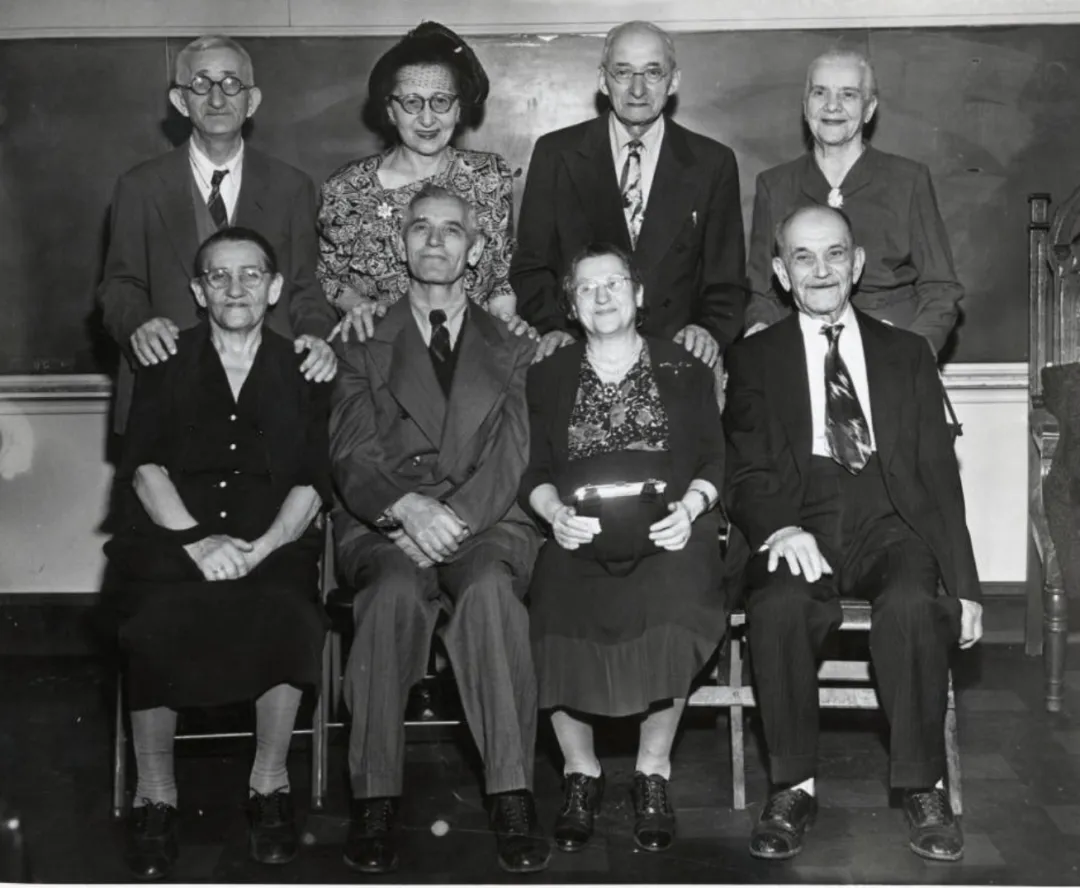
An older person lives alone. Does that mean the person is lonely? Not necessarily. Researchers make an important distinction between social isolation and loneliness.
Social isolation is relatively objective. It refers to having few social contacts, relationships or regular interactions. Loneliness is subjective. It is the distressing feeling that appears when the relationships a person has do not match the relationships that person wants or needs. The difference matters. Someone may live alone but have close friendships, frequent conversations, meaningful community roles and a strong sense of independence. Another person may live with family members and still feel emotionally disconnected.
The World Health Organization therefore describes social connection using more than one dimension. The first is structure: how many relationships and social roles a person has and how often interactions occur. The second is function: whether those relationships provide useful forms of support. The third is quality: whether interactions feel loving and satisfying or strained and conflictual.
This explains why simply counting visits may tell us very little. Ten short, distracted conversations are not automatically more meaningful than one long conversation in which someone feels listened to.
Social disconnection is also not only an emotional issue. A large 2015 meta-analysis examined studies involving more than 3.4 million participants. It found that loneliness, social isolation and living alone were each associated with a higher likelihood of earlier mortality. But this finding requires care. The studies were largely observational. They show that social disconnection and health outcomes are related, not that loneliness alone directly causes a specific person's illness or death.
Health and social life can also influence one another. Poor mobility may reduce opportunities to meet people. Hearing loss may make conversation difficult. Losing a spouse or friends can shrink a social network. At the same time, weak social connection may reduce access to practical and emotional support.
For this reason, solutions cannot be limited to telling older people to "go out more." Transportation matters. Accessible public spaces matter. Hearing and vision support matter. Digital access can matter. Community groups, friendships and family relationships can all help, but different people need different forms of connection.
Technology is a good example. A video call may be deeply meaningful for an older adult whose children live far away. For someone else, constant family messages may feel intrusive rather than supportive. Connection is valuable partly because it involves agency. People need some control over whom they interact with, how often and in what way.
That is why caring for older people should not mean treating them as passive recipients of attention. The better question is not simply: "Is this person alone?" It is: "Does this person have the relationships, roles and support that they value?" Those are very different questions.
Loneliness — 偏 subjective,核心是:the gap between desired and actual connection(想要的关系与实际关系之间的差距)。
所以 living alone 也不能自动推出 lonely。
不一定。NIA 直接给了两个看似矛盾但完全成立的情况:live alone + not lonely,以及 surrounded by people + lonely。
WHO 2025 年对 social connection 的解释特别适合高考社会类阅读:不仅问 How many people?,还要问:
Function — 有人可以提供帮助吗?倾听吗?陪伴吗?
Quality — 这些互动本身舒服吗?尊重吗?有冲突吗?
假设一个老人每天接到孩子一个电话,理论上 contact frequency 很高。但电话内容永远是"吃了吗?药吃了吗?别乱跑。行了我开会去了。"——有没有 contact?有。有没有真正满足 social connection?不一定。所以:contact ≠ connection。
因为社会关系还有 agency(自主选择)。老人可能喜欢独处,可能需要自己的生活节奏,可能不希望每天被子女检查。所以尊重并不等于把 attention 最大化,而是让对方拥有选择关系方式的权利。

这种标题非常常见:"Loneliness increases your risk of death by X%." 但一定要谨慎。2015 年一个大型 meta-analysis 整合 70 项研究、超过 340 万名参与者,在控制多项因素以后发现:social isolation 与较高死亡风险相关(OR ≈ 1.29)、loneliness(OR ≈ 1.26)、living alone(OR ≈ 1.32)。但是:这主要是 observational evidence,不能简单写成 loneliness directly causes 26% more deaths。
比如老人听力下降,聊天越来越费劲,后来聚会越来越少,最后 social isolation 增加。这里可能是 health ↓ → social connection ↓;但反过来,社会连接不足也可能影响支持、生活方式、心理状态。所以关系很可能是 bidirectional(双向的)。NIA 也列出了听力、视力、行动困难、失去家人朋友等与老年 social isolation 风险有关的因素。
我们常常把 loneliness 想象成"老年问题",但 WHO 2025 年的全球资料显示:loneliness 并不只属于老年人。全球大约 1 in 6 people 经历 loneliness;最新估计中,青少年和年轻人的比例反而更高,老年人的 loneliness 估计约 11.8%。所以 "old age = lonely" 本身就是一种过度刻板印象。
Digital technology 当然可能帮助,NIA-funded research 也在研究 video conversation 对于 socially isolated older adults 的潜在益处。但有设备 ≠ 有连接:手机可能不会用、字体太小、听力困难、被骗过之后不敢操作,或者联系人本身就少。所以 access to technology 只是一个条件,不是最终结果。
WHO 列出的社会连接干预中,除了 support groups、befriending、social skills、digital technologies,还包括建设 age-friendly communities、改善 transportation 以及信息和通信技术的可及性。想象:老人有三个特别好的朋友,但公交撤掉了、不会开车、腿脚又不方便——那问题不一定是"孩子为什么不给老人打电话?",也可能是:城市让他见不到自己的朋友了。这就是从个人问题进入社会问题。
很多家庭的陪伴实际上更像 supervision(监督):问血压、药、吃饭、钱、有没有出去。这些很重要,但如果老人每次和孩子说话都只剩健康管理,一个人就容易从 father / mother、teacher / friend、reader / traveller、neighbour / musician 变成 patient。而一个人的身份,远比年龄和健康状况丰富。
2. social isolation ≠ loneliness
3. more contacts ≠ better relationships
4. physical proximity ≠ emotional connection
5. association with mortality ≠ direct causal proof
6. technology access ≠ meaningful connection
7. care ≠ constant supervision
8. older adult ≠ passive dependent person(这条特别适合重阳节)
2. isolation — social isolation,社会隔离、社会孤立。重点:相对更 objective。
3. connection — meaningful social connection,社会连接。
4. interaction — regular social interaction,互动。
5. companionship — provide companionship,陪伴、伙伴关系。
6. proximity — physical proximity,空间上的接近。
7. agency — maintain personal agency,自主行动与选择能力。
8. bidirectional — a bidirectional relationship,双向关系。科研阅读非常好用。
3 分钟 — 画一个非常简单的表:
| 状态 | Objective or Subjective? |
5 分钟 — 给一个真正的重阳节任务:不要让学生只写 I should visit my grandparents more. 改成问:What does your grandparent actually enjoy talking about? Who are their friends? What do they like doing without you? What kind of help do they want — and what kind do they not want? 这才从"我要照顾老人"进入"我要理解一个具体的人"。
核心议题:老龄化、家庭关系、社会连接、社区建设、代际沟通、个人自主
文本类型:Social Science / Healthy Aging / Public Health
核心题型:概念辨析、统计数据、相关与因果、社会因素、双向关系、现实应用、作者观点、结论边界、最佳标题
alone → lonely
contact → connection
quantity → quality
association → causation
older people → only group affected
support → control
care → dependence
WHO 2025 全球报告强调,social connection 应从 structure、function 和 quality 等多个维度理解;social isolation 是客观的社会连接不足,而 loneliness 是实际社会关系与个人希望或需要的关系之间存在差距时产生的主观痛苦体验。全球约六分之一人口经历 loneliness,老年人同样受到影响,但孤独并非老年人独有的问题。(who.int/publications/b/79027)
WHO|Older People and Social Connection
WHO 目前估计:大约 1 in 10 older people 经历 loneliness,约 1 in 4 处于 social isolation。WHO 提出的干预并不限于个人"多交朋友",还包括 community groups、befriending、数字沟通工具、交通改善以及更 age-friendly 的社区环境。(who.int/health-topics/ageing/reducing-social-isolation-and-loneliness-among-older-people)
Perspectives on Psychological Science|2015 — Loneliness and Social Isolation as Risk Factors for Mortality: A Meta-Analytic Review,Julianne Holt-Lunstad、Timothy B. Smith、Mark Baker、Tyler Harris、David Stephenson
研究整合 70 项研究、超过 340 万参与者的数据。控制多项可能的混杂因素后,social isolation、loneliness 和 living alone 均与较高的早期死亡风险存在统计关联。但研究主要基于观察数据,因此这些效应不能简单解释为单向直接因果。(pubmed.ncbi.nlm.nih.gov/25910392/)
National Institute on Aging — Loneliness and Social Isolation — Tips for Staying Connected
NIA 最值得记住的一句话就是:You can live alone and not feel lonely or socially isolated, and you can feel lonely while being with other people. NIA 同时指出,听力和视力变化、行动困难、失去亲友等都可能增加老年社会孤立风险,因此解决问题需要理解个人的实际生活条件,而不能只看"是不是一个人住"。(nia.nih.gov/health/loneliness-and-social-isolation/loneliness-and-social-isolation-tips-staying-connected)
主体阅读材料为根据上述来源整理改写的高考化版本,非原文全文。
所以:Alone ≠ Lonely;Contact ≠ Connection;Care ≠ Control。 尊老也不只是让老人"有人管",而是承认他们依然是拥有朋友、偏好、边界、兴趣、选择和完整社会身份的人。
今年重阳节,除了问一句"外婆,你吃饭了吗?",也许可以换一个问题:"最近有没有什么特别想做的事?"或者:"你最近在跟谁玩?最近有什么好玩的?"因为真正好的陪伴,不是只确认老人还好吗,而是仍然对这个人本身:保持好奇。
下期外刊精读,继续带你押考点


