

🎧 建议跟读2遍,语速0.8倍
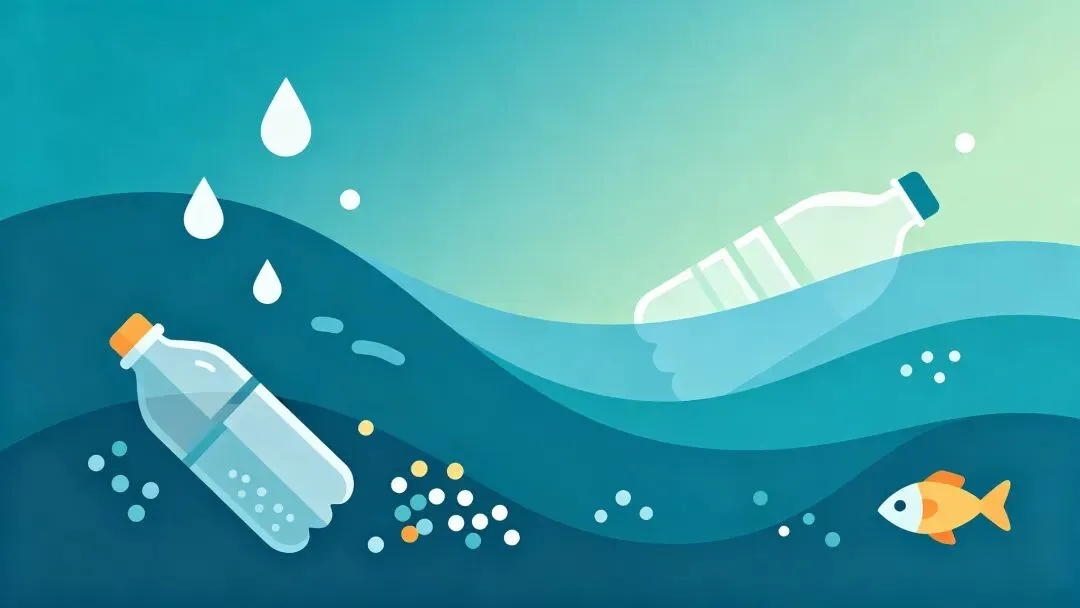
Every piece of plastic ever made still exists somewhere. A bottle thrown away thirty years ago may have broken into tiny pieces. These pieces, called microplastics, are smaller than a grain of rice. They have been found in deep oceans, in frozen mountain ice, and even in the salt we cook with.
Recent researchreveals just how widely these particles have spread. Scientists estimate that every year, about eight million tons of plastic enter the sea. Much of it breaks down into smaller fragments. These fragments contaminate the water, and fish and other organisms absorb them as they feed. Through the food chain, the plastic can end up on our dinner plates.
The evidence is growing. One study found microplastics in human blood. Another discovered them in lung tissue. No one yet knows the long-term consequence for health, but scientists say it is not wise to wait. The chemical substances in plastic may contain compounds that threaten the human body. The sheer quantity of plastic we consume each year makes the problem worse.
The problem cannot be solved by recycle alone. The true solution is to produce less plastic in the first place. Governments must make policys that reduce unnecessary packaging. Schools and media should raise public awareness that every small choice adds up. Global action is urgent, but so is personal action. A sustainable future depends not on waiting for someone else to act, but on each of us choosing less, refusing more, and understanding that what we throw away today may return to us tomorrow.
每一件被造出来的塑料都还在某个地方存在着。一个三十年前扔掉的瓶子可能已经碎成了小碎片。这些碎片叫微塑料,比一粒米还小。它们在深海里、在冻结的山冰里,甚至在我们炒菜用的盐里都被找到过。最近的研究揭示了这些颗粒传播得有多广。科学家估计,每年大约有八百万吨塑料进入海洋。其中很多碎成了更小的碎片。这些碎片污染水源,鱼类和其他生物体在进食时吸收了它们。通过食物链,塑料最终会出现在我们的餐桌上。证据越来越多。一项研究在人血里发现了微塑料。另一项在肺组织里发现了它们。目前还没有人知道这对健康的长期后果,但科学家说等下去不明智。塑料里的化学物质可能含有威胁人体的化合物。我们每年消耗的塑料总量让问题更严重。光靠回收解决不了问题。真正的解决方案是从源头少生产塑料。政府必须制定政策减少不必要的包装。学校和媒体应该提高公众意识,让大家知道每一个小选择都有影响。全球行动很紧迫,个人行动同样紧迫。一个可持续的未来,不靠等别人行动,而靠我们每个人少用一点、拒绝更多一点,明白今天扔掉的东西明天可能回到自己身上。
第一段讲"塑料无处不在"。plastic(/ˈplæstɪk/,塑料)。 第二段讲"微塑料怎么进入食物链"。research(/rɪˈsɜːtʃ/,研究)reveal(/rɪˈviːl/,揭示)particle(/ˈpɑːtɪkl/,颗粒)。科学家estimate(/ˈestɪmeɪt/,估计)每年八百万吨。碎片contaminate(/kənˈtæmɪneɪt/,污染)水体,organism(/ˈɔːɡənɪzəm/,生物体)absorb(/əbˈzɔːb/,吸收)。通过food chain(食物链)回到餐桌。 第三段讲"健康风险"。evidence(/ˈevɪdəns/,证据)越来越多。长期consequence(/ˈkɒnsɪkwəns/,后果)不明。chemical(/ˈkemɪkl/,化学的)物质contain(/kənˈteɪn/,含有)threaten(/ˈθretn/,威胁)人体的化合物。塑料消耗的quantity(/ˈkwɒntəti/,数量)和我们consume(/kənˈsjuːm/,消耗)的量。 第四段讲"怎么解决"。光recycle(/ˌriːˈsaɪkl/,回收)不够。真正的solution(/səˈluːʃn/,解决方案)是少生产。政府制定policy(/ˈpɒləsi/,政策)reduce(/rɪˈdjuːs/,减少)不必要包装。提高公众awareness(/əˈweənəs/,意识)。global(/ˈɡləʊbl/,全球的)行动urgent(/ˈɜːdʒənt/,紧迫的)。sustainable(/səˈsteɪnəbl/,可持续的)未来靠每个人。 |
【补充参考·本篇单词汇总】 1. plastic /ˈplæstɪk/ n. 塑料 2. research /rɪˈsɜːtʃ/ n. 研究 3. reveal /rɪˈviːl/ v. 揭示 4. particle /ˈpɑːtɪkl/ n. 颗粒 5. estimate /ˈestɪmeɪt/ v. 估计 6. contaminate /kənˈtæmɪneɪt/ v. 污染 7. organism /ˈɔːɡənɪzəm/ n. 生物体 8. absorb /əbˈzɔːb/ v. 吸收 9. food chain /fuːd tʃeɪn/ n. 食物链 10. evidence /ˈevɪdəns/ n. 证据 11. consequence /ˈkɒnsɪkwəns/ n. 后果 12. chemical /ˈkemɪkl/ adj. 化学的 13. contain /kənˈteɪn/ v. 含有 14. threaten /ˈθretn/ v. 威胁 15. quantity /ˈkwɒntəti/ n. 数量 16. consume /kənˈsjuːm/ v. 消耗 17. recycle /ˌriːˈsaɪkl/ v. 回收 18. solution /səˈluːʃn/ n. 解决方案 19. policy /ˈpɒləsi/ n. 政策 20. reduce /rɪˈdjuːs/ v. 减少 21. awareness /əˈweənəs/ n. 意识 22. global /ˈɡləʊbl/ adj. 全球的 23. urgent /ˈɜːdʒənt/ adj. 紧迫的 24. sustainable /səˈsteɪnəbl/ adj. 可持续的 |
💡 互动一下:你今天用了几个塑料?这24个词你认识几个?评论区聊聊! |


