

🎧 建议跟读2遍,语速0.8倍
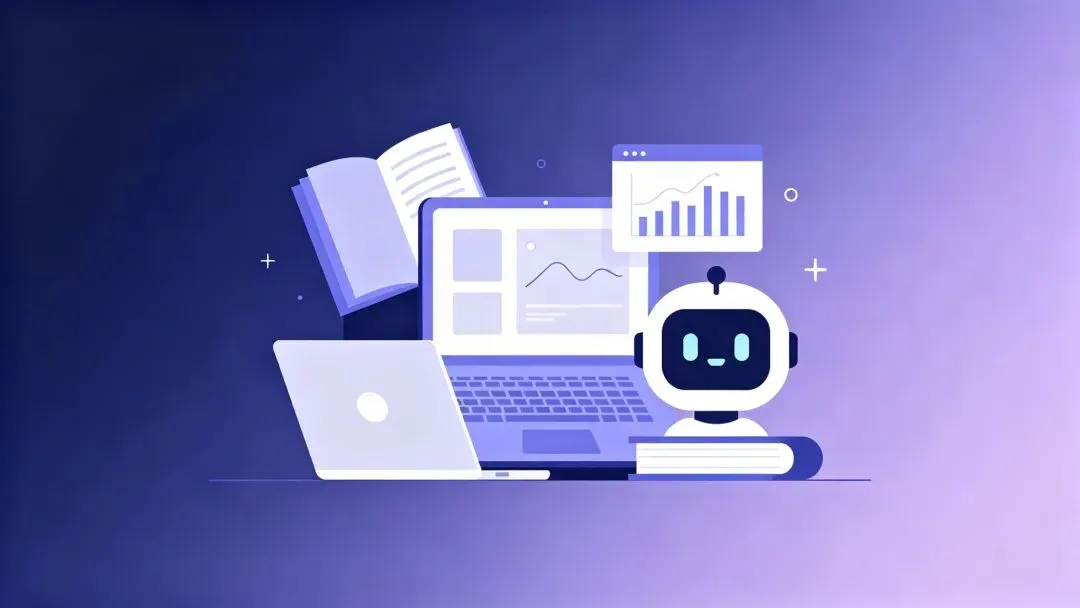
Walk into a modern classroom, and you will likely see a digitalscreen on every desk. Artificialintelligence once sounded like science fiction; today it quietly marks homework, adjusts lessons to each student, and recommends resources a teacher might never have found. The question is no longer whether schools should use these devices, but how wisely they can do so.
An algorithm can now perform a detailed analysis of how a child learns. It tracks where a student hesitates, which problems they repeat, and where they finally understand. This data lets the system adapt in real time. A child who struggles with reading gets more practice; one who has mastered a topic moves ahead quickly. Teachers say this personalized approach boosts efficiency in a way one adult in front of thirty children cannot.
Yet screens also carry real risks. Too much automatedfeedback may reduce the human interaction a teenager needs. A platform that monitors every answer can feel less like a tutor and more like a watcher. Students may feel pressured to perform for the machine rather than to think openly. Experts warn that if schools simply replace teachers with software, they will lose the very judgment and warmth that make education work.
The most promising schools treat AI as a helper, not a replacement. A virtual assistant can grade exercises, freeing the teacher to discuss ideas. Students can access a wider range of resources than any library could hold. The trend is clear: those who learn to work with intelligent tools will have a significant advantage. The challenge is to design a classroom where technology serves the individual, rather than the other way around. The goal is not to upgrade every gadget, but to help each student reach their full potential.
走进一间现代教室,你很可能看到每张桌上都有一块数字屏幕。人工智能曾经像科幻小说;如今它默默批改作业、为每个学生调整课程、推荐老师可能永远找不到的资源。问题已经不是学校该不该用这些设备,而是它们能多聪明地用。算法现在可以对一个孩子怎么学习做详细分析。它追踪学生在哪里犹豫、哪些题重复错、在哪里终于弄懂。这些数据让系统实时适应。阅读吃力的孩子得到更多练习;掌握了一个主题的孩子可以快速往前走。老师们说,这种个性化方式带来的效率,是一个大人面对三十个孩子时做不到的。但屏幕也有真实的风险。太多自动反馈可能减少青少年需要的人际互动。一个监控每道题答案的平台,感觉不像导师,更像监视者。学生可能觉得是在为机器表现,而不是开放地思考。专家警告,如果学校简单地用软件取代老师,它们就会失去让教育真正起作用的判断力和温度。最有希望的学校把AI当帮手,而不是替代者。虚拟助教可以批改练习,把老师解放出来讨论观点。学生可以接触到比任何图书馆都广的资源。趋势很清楚:学会和智能工具一起工作的人将拥有显著优势。挑战在于设计一间课堂,让技术服务于个人,而不是反过来。目标不是升级每一件设备,而是帮每个学生发挥全部潜力。
第一段讲"AI走进课堂"。digital(/ˈdɪdʒɪtl/,数字的)screen(/skriːn/,屏幕)。artificial(/ˌɑːtɪˈfɪʃl/,人工的)intelligence(/ɪnˈtelɪdʒəns/,智能)。resource(/rɪˈsɔːs/,资源)。device(/dɪˈvaɪs/,设备)。 第二段讲"AI怎么个性化"。algorithm(/ˈælɡərɪðəm/,算法)做详细analysis(/əˈnæləsɪs/,分析)。data(/ˈdeɪtə/,数据)让系统adapt(/əˈdæpt/,适应)。个性化提升efficiency(/ɪˈfɪʃnsi/,效率)。 第三段讲"AI的风险"。太多automated(/ˈɔːtəmeɪtɪd/,自动的)feedback(/ˈfiːdbæk/,反馈)减少人际interact(/ˌɪntərˈækt/,互动)。platform(/ˈplætfɔːm/,平台)monitor(/ˈmɒnɪtə/,监控)每道题。专家警告不要简单replace(/rɪˈpleɪs/,取代)老师。 第四段讲"AI该怎么用"。virtual(/ˈvɜːtʃuəl/,虚拟的)助教批改练习。学生access(/ˈækses/,获取)更广的资源。trend(/trend/,趋势)很清楚:会用AI的人有significant(/sɪɡˈnɪfɪkənt/,显著的)优势。技术服务于individual(/ˌɪndɪˈvɪdʒuəl/,个人),不是为了upgrade(/ʌpˈɡreɪd/,升级)设备,而是发挥potential(/pəˈtenʃl/,潜力)。 |
【补充参考·本篇单词汇总】 1. digital /ˈdɪdʒɪtl/ adj. 数字的 2. screen /skriːn/ n. 屏幕 3. artificial /ˌɑːtɪˈfɪʃl/ adj. 人工的 4. intelligence /ɪnˈtelɪdʒəns/ n. 智能 5. resource /rɪˈsɔːs/ n. 资源 6. device /dɪˈvaɪs/ n. 设备 7. algorithm /ˈælɡərɪðəm/ n. 算法 8. analysis /əˈnæləsɪs/ n. 分析 9. data /ˈdeɪtə/ n. 数据 10. adapt /əˈdæpt/ v. 适应 11. efficiency /ɪˈfɪʃnsi/ n. 效率 12. automated /ˈɔːtəmeɪtɪd/ adj. 自动的 13. feedback /ˈfiːdbæk/ n. 反馈 14. interact /ˌɪntərˈækt/ v. 互动 15. platform /ˈplætfɔːm/ n. 平台 16. monitor /ˈmɒnɪtə(r)/ v. 监控 17. replace /rɪˈpleɪs/ v. 取代 18. virtual /ˈvɜːtʃuəl/ adj. 虚拟的 19. access /ˈækses/ v. 获取 20. trend /trend/ n. 趋势 21. significant /sɪɡˈnɪfɪkənt/ adj. 显著的 22. individual /ˌɪndɪˈvɪdʒuəl/ n. 个人 23. upgrade /ˌʌpˈɡreɪd/ v. 升级 24. potential /pəˈtenʃl/ n. 潜力 |
💡 互动一下:你觉得AI能取代老师吗?这24个词你认识几个?评论区聊聊! |


