

🎧 建议跟读2遍,语速0.8倍
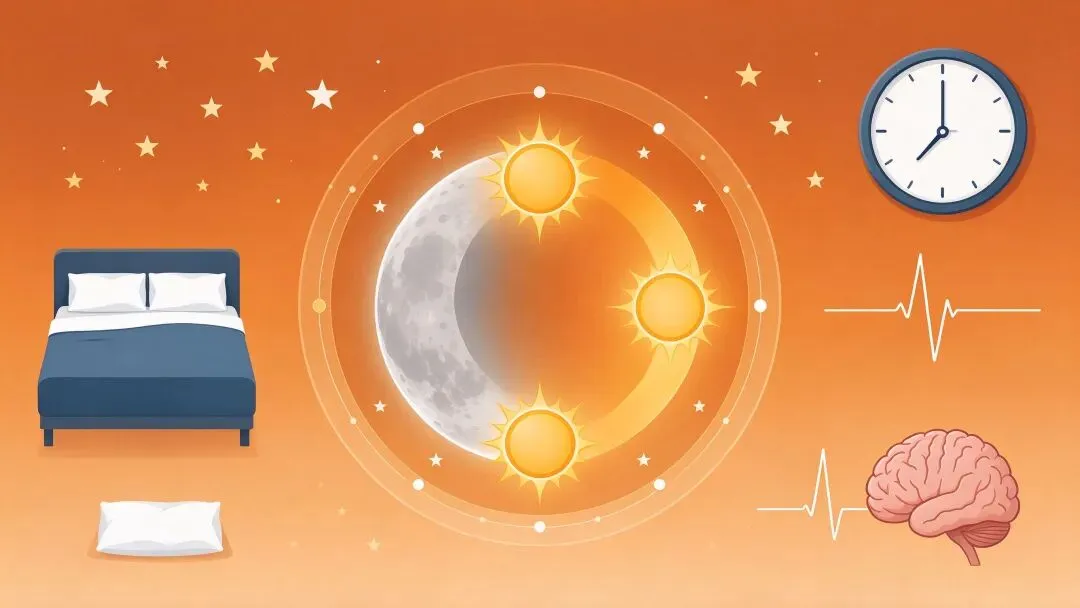
Every living thing has a clock. It is not on the wall or on the phone. It is inside the body. Scientists call it the circadian rhythm, and it controls when you feel awake, when you feel tired, and even when your body repairs itself. For most of human history, this clock worked perfectly with the sun. Then came the light bulb, the smartphone, and the midnight deadline. Now, for many students, the clock inside is broken.
The problem starts in the evening. Your body expects darkness. When the sun goes down, it begins to produce a chemical called melatonin, which tells you to sleep. But a bright screen — from a phone, a computer, or a television — sends the opposite message. It tells your body that it is still daytime. So you stay awake later, and when you finally close your eyes, your mind is still racing. The next morning, the alarm rings before your body is ready.
The cost is higher than most people realize. A tired student cannot concentrate. A tired brain cannot remember what it studied the night before. Over time, poor sleep weakens the immune system, affects mood, and even makes it harder to control emotions. Some students think they can catch up on weekends. But the body does not work that way. Sleeping until noon on Saturday cannot repair five nights of bad sleep. It only makes Monday morning harder.
The good news is that the clock inside you can be reset. It takes discipline, not medicine. Keep the same bedtime, even on weekends. Turn off bright screens an hour before you sleep. Keep the room dark and cool. Do not study in bed — let your brain connect the bed only with rest. Your body does not ask for much. It only asks that you listen to the rhythm it has kept for millions of years. When you do, sleep becomes not a waste of time, but the foundation of everything you do while awake.
每个生物体内都有一座钟。它不在墙上,也不在手机里。它在身体内部。科学家称之为昼夜节律,它控制你何时清醒、何时疲倦,甚至控制你的身体何时自我修复。在人类历史的大部分时间里,这座钟与太阳完美配合。然后出现了灯泡、智能手机和午夜截止日期。现在,对许多学生来说,体内的钟被打乱了。问题从晚上开始。你的身体期待黑暗。太阳落山后,它开始产生一种叫做褪黑素的化学物质,告诉你该睡觉了。但明亮的屏幕——来自手机、电脑或电视——发出相反的信息。它告诉你的身体现在还是白天。所以你睡得更晚,当你终于闭上眼睛时,你的大脑还在飞速运转。第二天早上,闹钟在你的身体还没准备好的时候就响了。代价比大多数人意识到的要高。疲倦的学生无法集中注意力。疲倦的大脑记不住前一天晚上学的东西。久而久之,睡眠不足会削弱免疫系统,影响情绪,甚至让人更难控制情绪。有些学生认为可以在周末补觉。但身体不是这样运作的。周六睡到中午无法修复五个晚上的糟糕睡眠。它只会让周一早上更难熬。好消息是,你体内的钟可以被重置。这需要自律,而不是药物。保持相同的就寝时间,即使在周末。睡前一小时关掉明亮的屏幕。保持房间黑暗凉爽。不要在床上学习——让你的大脑只把床和休息联系在一起。你的身体要求的不多。它只要求你倾听它已经保持了数百万年的节律。当你这样做时,睡眠不再是浪费时间,而是你清醒时所做一切的基础。
第一段讲"体内有座钟"。每个生物都有clock(/klɒk/,时钟)。在body(/ˈbɒdi/,身体)内部。circadian rhythm(/ˈrɪðəm/,节律)。控制何时awake(/əˈweɪk/,醒着的)、何时tired(/ˈtaɪəd/,疲倦的)、何时repair(/rɪˈpeə(r)/,修复)自己。人类history(/ˈhɪstri/,历史)中与太阳完美配合。然后出现了灯泡bulb(/bʌlb/,灯泡)、smartphone(/ˈsmɑːtfəʊn/,智能手机)、午夜deadline(/ˈdedlaɪn/,截止日期)。体内的钟被打乱了。 第二段讲"问题从晚上开始"。evening(/ˈiːvnɪŋ/,晚上)。身体期待darkness(/ˈdɑːknəs/,黑暗)。产生chemical(/ˈkemɪkl/,化学物质)叫melatonin(/ˌmeləˈtəʊnɪn/,褪黑素)。明亮的screen(/skriːn/,屏幕)发出相反message(/ˈmesɪdʒ/,信息)。告诉身体还是daytime(/ˈdeɪtaɪm/,白天)。alarm(/əˈlɑːm/,闹钟)在身体没准备好时响。 第三段讲"代价很高"。疲倦的学生无法concentrate(/ˈkɒnsntreɪt/,集中注意力)。削弱immune(/ɪˈmjuːn/,免疫的)系统。影响mood(/muːd/,情绪)。更难控制emotion(/ɪˈməʊʃn/,情感)。周末补觉没用。 第四段讲"钟可以重置"。需要discipline(/ˈdɪsəplɪn/,自律)。保持相同就寝时间。睡前一小时关屏幕。不要在床上学习。睡眠是清醒时所做一切的foundation(/faʊnˈdeɪʃn/,基础)。 |
【补充参考·本篇单词汇总】 1. clock /klɒk/ n. 时钟 2. body /ˈbɒdi/ n. 身体 3. rhythm /ˈrɪðəm/ n. 节律 4. awake /əˈweɪk/ adj. 醒着的 5. tired /ˈtaɪəd/ adj. 疲倦的 6. repair /rɪˈpeə(r)/ v. 修复 7. history /ˈhɪstri/ n. 历史 8. bulb /bʌlb/ n. 灯泡 9. smartphone /ˈsmɑːtfəʊn/ n. 智能手机 10. deadline /ˈdedlaɪn/ n. 截止日期 11. evening /ˈiːvnɪŋ/ n. 晚上 12. darkness /ˈdɑːknəs/ n. 黑暗 13. chemical /ˈkemɪkl/ n. 化学物质 14. melatonin /ˌmeləˈtəʊnɪn/ n. 褪黑素 15. screen /skriːn/ n. 屏幕 16. message /ˈmesɪdʒ/ n. 信息 17. daytime /ˈdeɪtaɪm/ n. 白天 18. alarm /əˈlɑːm/ n. 闹钟 19. concentrate /ˈkɒnsntreɪt/ v. 集中注意力 20. immune /ɪˈmjuːn/ adj. 免疫的 21. mood /muːd/ n. 情绪 22. emotion /ɪˈməʊʃn/ n. 情感 23. discipline /ˈdɪsəplɪn/ n. 自律 24. foundation /faʊnˈdeɪʃn/ n. 基础 |
💡 互动一下:你每天睡几个小时?睡眠质量怎么样?这24个词你认识几个?评论区聊聊! |


