

🎧 建议跟读2遍,语速0.8倍
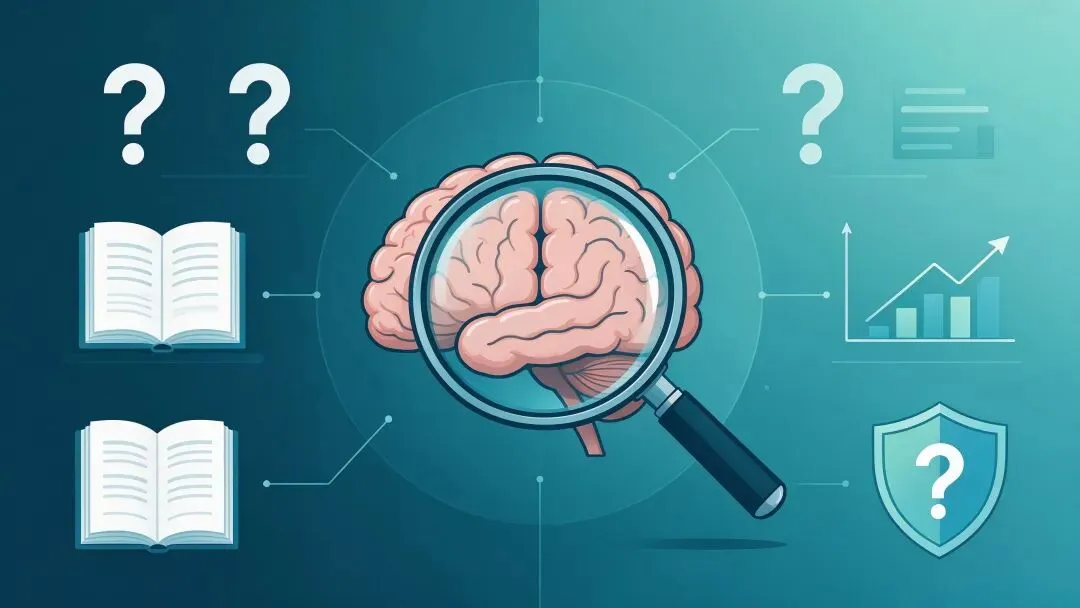
In a world where information arrives faster than anyone can check it, the most important skill may be the ability to pause and ask one question: Is this true? This sounds simple, but it is not. Most of the news, stories, and opinions we see every day are designed to make us feel something — anger, fear, excitement — before we have time to think. Critical thinking is the habit of slowing down before you believe.
Critical thinking does not mean doubting everything. It does not mean assumeing that every source is lying. It means looking at where information comes from, who benefits from it, and whether there is evidence to support it. If a post says that a new food cures disease, ask: who wrote this? Do they sell the food? Have real study studies been done? If a video shows an event but cuts off the beginning and end, ask: what happened before the camera started rolling? The full story is often very different from the short clip.
This skill matters more than ever because the tools for spreading information have changed. Anyone can post anything, and a false story can reach millions of people before anyone has checked it. Some false stories are honest mistakes. Others are created on purpose to divide people or sell products. Without the habit of questioning, you become a carrier — passing on things you have not verifyed, simply because they matched what you already believed.
The good news is that critical thinking can be learned. It starts with small habits: read past the headline, check the date, look for more than one source, and be especially careful when a story makes you very angry or very afraid. Those emotions are exactly what someone may be counting on. The question "Is this true?" is not cynical. It is responsible. And in a world that moves too fast, it may be the question that saves you from being fooled.
在一个信息来得比任何人都能核实得快的世界里,最重要的技能可能是停下来问一个问题的能力:这是真的吗?这听起来简单,但不是。我们每天看到的大多数新闻、故事和观点,都是为了让我们在有时间思考之前就感受到某种东西——愤怒、恐惧、兴奋。批判性思维是在你相信之前放慢速度的习惯。批判性思维不意味着怀疑一切。它不意味着假设每个来源都在撒谎。它意味着看信息来自哪里,谁从中受益,是否有证据支持它。如果一个帖子说一种新食物能治愈疾病,问:这是谁写的?他们卖这种食物吗?做过真正的研究吗?如果一个视频展示了一个事件但剪掉了开头和结尾,问:摄像机开始转动之前发生了什么?完整的故事往往与短视频片段非常不同。这种技能比以往任何时候都重要,因为传播信息的工具变了。任何人都可以发布任何东西,一个虚假的故事可以在任何人核实之前到达数百万人。有些虚假故事是诚实的错误。另一些是故意制造的,为了分裂人们或销售产品。没有质疑的习惯,你就成了一个传播者——传递你没有核实过的东西,仅仅因为它们符合你已经相信的。好消息是批判性思维是可以学习的。它从小习惯开始:读完标题以外的内容,检查日期,寻找不止一个来源,当一个故事让你非常愤怒或非常害怕时要特别小心。那些情绪正是某人可能指望的。"这是真的吗?"这个问题不是愤世嫉俗。它是负责任。在一个运转太快的世界里,它可能是那个能让你免于被愚弄的问题。
第一段讲"信息时代最重要的技能"。information(/ˌɪnfəˈmeɪʃn/,信息)来得比核实快。最重要的skill(/skɪl/,技能)是pause(/pɔːz/,暂停)问:这是真的吗?设计来让我们感受anger(/ˈæŋɡə(r)/,愤怒)、fear(/fɪə(r)/,恐惧)、excitement(/ɪkˈsaɪtmənt/,兴奋)。critical(/ˈkrɪtɪkl/,批判性的)思维是相信前放慢的习惯。 第二段讲"批判性思维不是怀疑一切"。不doubt(/daʊt/,怀疑)一切。不assume(/əˈsjuːm/,假设)每个source(/sɔːs/,来源)都撒谎。看谁benefit(/ˈbenɪfɪt/,受益),是否有evidence(/ˈevɪdəns/,证据)。新食物cure(/kjʊə(r)/,治愈)disease(/dɪˈziːz/,疾病)?做过真正的study(/ˈstʌdi/,研究)吗?完整故事与短clip(/klɪp/,片段)不同。 第三段讲"技能比以往更重要"。spread(/spred/,传播)信息的工具变了。false(/fɔːls/,虚假的)故事在核实前到达数百万人。故意制造来divide(/dɪˈvaɪd/,分裂)人们。没有质疑习惯就成了传播者,传递没verify(/ˈverɪfaɪ/,核实)的东西。 第四段讲"批判性思维可以学习"。读完headline(/ˈhedlaɪn/,标题)以外的内容。当故事让你非常愤怒或害怕时特别小心。那些emotion(/ɪˈməʊʃn/,情绪)正是某人指望的。不是cynical(/ˈsɪnɪkl/,愤世嫉俗的),是responsible(/rɪˈspɒnsəbl/,负责任的)。 |
【补充参考·本篇单词汇总】 1. information /ˌɪnfəˈmeɪʃn/ n. 信息 2. skill /skɪl/ n. 技能 3. pause /pɔːz/ v. 暂停 4. anger /ˈæŋɡə(r)/ n. 愤怒 5. fear /fɪə(r)/ n. 恐惧 6. excitement /ɪkˈsaɪtmənt/ n. 兴奋 7. critical /ˈkrɪtɪkl/ adj. 批判性的 8. doubt /daʊt/ v. 怀疑 9. assume /əˈsjuːm/ v. 假设 10. source /sɔːs/ n. 来源 11. benefit /ˈbenɪfɪt/ v. 受益 12. evidence /ˈevɪdəns/ n. 证据 13. cure /kjʊə(r)/ v. 治愈 14. disease /dɪˈziːz/ n. 疾病 15. study /ˈstʌdi/ n. 研究 16. clip /klɪp/ n. 片段 17. spread /spred/ v. 传播 18. false /fɔːls/ adj. 虚假的 19. divide /dɪˈvaɪd/ v. 分裂 20. verify /ˈverɪfaɪ/ v. 核实 21. headline /ˈhedlaɪn/ n. 标题 22. emotion /ɪˈməʊʃn/ n. 情绪 23. cynical /ˈsɪnɪkl/ adj. 愤世嫉俗的 24. responsible /rɪˈspɒnsəbl/ adj. 负责任的 |
💡 互动一下:你最近看到过什么让你怀疑真假的消息?这24个词你认识几个?评论区聊聊! |


