2026暑假英语---中考听力特训 0809
中考暑期每日听力特训
摘要:这是一套中考英语听力模拟特训卷,整套 20 分,包含短对话、长对话、短文单选、信息转换四大题型,音频材料均朗读两遍。话题围绕家乡变迁、乡村振兴、中非蒙内铁路合作。短对话涉及家乡新变化;两段长对话讲述乡村治沙、青年返乡发展现代农业与公共设施建设;短文介绍蒙内铁路,体现国际合作共赢;信息转换对比主人公小学与如今居住、出行、学习、社区环境的变化,不变的是家人的爱与幸福。整套试题贴合中考命题风格与课本主题。
Ⅰ. 短对话理解(共5小题,每小题1分,满分5分)
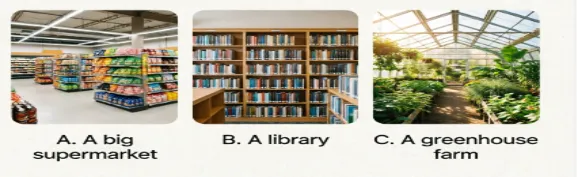
听下面5段短对话,每段对话后有一个小题,从题中所给A、B、C三个选项中选出最佳选项。每段对话读两遍。( ) 1. Why will the girl show the foreign visitor around her town?A. The visitor is her dad’s old friend.B. The visitor works in a hospital.C. The visitor wants to buy local products.( ) 2. How long does it take to go to the town now?A. Half a day. B. One hour. C. Forty minutes.( ) 3. What new place does the town have now?( ) 4. What problem did the hills have years ago?A. No water. B. Too much sand. C. Few shops.( ) 5. What helped farmers sell fruit far away?Ⅱ. 长对话理解(共5小题,每小题1分,满分5分)
听下面两段长对话,每段对话后有2–3个小题,从A、B、C选最佳选项。每段对话读两遍。( ) 6. What did the village use to worry about most?A. Sandstorms. B. No doctors. C. Slow Internet.( ) 7. What did villagers plant to stop sand?A. Corn. B. Special bushes. C. Fruit trees.( ) 8. Where did many young people work before?A. Local farms. B. Big cities. C. Tourist shops.( ) 9. What do villagers grow in high-tech houses now?( ) 10. What new public building did the village build recently?B. A new hospital and a library.Ⅲ. 短文理解(共5小题,每小题1分,满分5分)
听下面一篇独白,独白后有5个小题,选最佳选项。短文读两遍。( ) 11. How long is the Mombasa-Nairobi railway?A. 1901 km. B. 480 km. C. 2 million km.( ) 12. How long did the old train take before?A. 4 hours. B. 10 hours. C. Half a day.( ) 13. Who helped build the new railway?A. Local Kenyan workers only.( ) 14. What’s one big change the railway brought?A. Food transport became easier.B. More schools were built.C. Many new farms appeared.( ) 15. What’s the main idea of the text?A. The old railway’s problems.B. How countries work together for better life.C. Travel plans in Kenya.Ⅳ. 信息转换(共5空,每空1分,满分5分)
听短文,根据短文内容完成表格,每空仅填1个单词。短文读两遍。Changes in My Primary School Life
Aspect | Past | Present |
Housing | Lived in a small flat | Live in a much larger 16.____ |
Transport | Walked to school with parents | Take a 17.____ with classmates |
Study habits | Studied alone after school | Join group 18.____ often |
Neighbourhood | Few green trees | Many trees and a small 19.____ |
The same warm thing | Family’s love and 20.____ | |
标准答案
Ⅰ. 1.A 2.B 3.A 4.B 5.A
Ⅱ. 6.A 7.B 8.B 9.A 10.B
Ⅲ. 11.B 12.B 13.B 14.A 15.B
Ⅳ. 16.flat 17.bus 18.discussions 19.park 20.happiness
Ⅰ. Short Conversations
1. M: Your father’s old friend Bob will come to visit our hometown, right?W: Yes. I’ll take them to walk around and show all the new changes.Q: Why will the girl show the foreign visitor around her town?2. M: Twenty years ago, it took half a day to get to the town.W: But now new roads are ready, it only takes one hour.Q: How long does it take to go to the town now?3. W: Look at that big shop down the street! We didn’t have good shopping places before.M: Yes, it’s a new supermarket for all villagers.Q: What new place does the town have now?4. M: The hills were all sand when my grandpa was young.W: Luckily, we planted lots of trees there years ago.Q: What problem did the hills have years ago?5. W: Farmers can send fruit to big cities easily now.M: The new railway makes transport fast and cheap.Q: What helped farmers sell fruit far away?Ⅱ. Long Conversations
M: Grandpa, your village looks so green now!W: It wasn’t like this long ago. We had terrible sandstorms all year round. Farmland became smaller and smaller.M: How did you solve the big problem?W: We found special bushes whose roots could hold sand together. With the government’s help, we planted them everywhere. Now sandstorms are gone.Q6. What did the village use to worry about most?Q7. What did villagers plant to stop sand?W: Mr Yan, lots of young people come back to our village these days.M: Exactly. Ten years ago, almost all young people went to big cities to make money.W: How do they make a living here now?M: We built high-tech greenhouses. They grow tons of fruit and vegetables and sell them online or to tourists.W: Any new public places for us?M: The village just finished a new hospital and a library last month. Life is much better.Q8. Where did many young people work before?Q9. What do villagers grow in high-tech houses now?Q10. What new public building did the village build recently?Ⅲ. Passage (Q11–15)
On the Fast Track
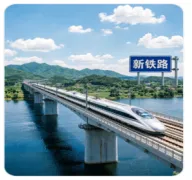
In 2017, the 480-kilometre Mombasa-Nairobi railway opened. Before that, people could only take the old railway built in 1901. The old train was slow and it took 10 hours to travel between the two cities.The new railway was built with China’s help. It cuts the travel time down to about four hours. Every year more than two million people take this train.Local people get lots of good changes. Businessmen can arrive on time for their deals. Supermarkets don’t need hundreds of lorries to carry food anymore; just two or three trains are enough. People can eat much fresher food every day.The railway tells us that faraway countries can work hand in hand and build a better world together.Q11. How long is the Mombasa-Nairobi railway?Q12. How long did the old train take before?Q13. Who helped build the new railway?Q14. What’s one big change the railway brought?Q15. What’s the main idea of the text?Ⅳ. Information Transfer Passage
Changes in My Life
When I was in primary school, my life was very different. My primary school was near my old small flat, so I walked to school with my parents every day. Now my junior high school is far away, and I take a bus with all my classmates.My family’s house also changed a lot. We moved into a much larger flat, and my grandma lives with us now. When I was little, I studied homework alone at home. Now I often take part in group discussions with my classmates after class.Our neighbourhood used to have few trees. Now workers planted many trees and built a small park near our building. Although many things have changed, one warm thing never disappears—the love and happiness my whole family share together.中考英语听力答题技巧
听力考试拿到试卷,应快速浏览选项,预判话题与设问,圈画时间、地点、数字等关键词。听短对话侧重抓转折与答句,答案常在第二人表述中。长对话要理清人物关系,跟着题干顺序捕捉信息。听短文时,先把握主旨,同时简单记录关键信息。做信息转换题,注意单复数、时态、拼写,每空仅限一词。听力播放第二遍时核对答案,没听清不要纠结,避免影响下一题。听完立刻填涂答题卡,不要留到最后。
声明:素材源于网络,经整理分享,仅供交流学习,未经同意,禁止商用、转载或修改,特此说明!
版权声明:本文内容由互联网用户自发贡献,该文观点仅代表作者本人。本站仅提供信息存储空间服务,不拥有所有权,不承担相关法律责任。如发现本站有涉嫌抄袭侵权/违法违规的内容, 请发送邮件至23467321@qq.com举报,一经查实,本站将立刻删除;如已特别标注为本站原创文章的,转载时请以链接形式注明文章出处,谢谢!