雅思阅读人文原创真题|高考出分季:多元升学背后的教育文化转向
原创人文社科类同源阅读素材,话题贴合 2026 中国高考出分时事,难度匹配剑桥雅思 A 类阅读 Passage 2 标准,可直接用于精读刷题
Passage Text 阅读原文
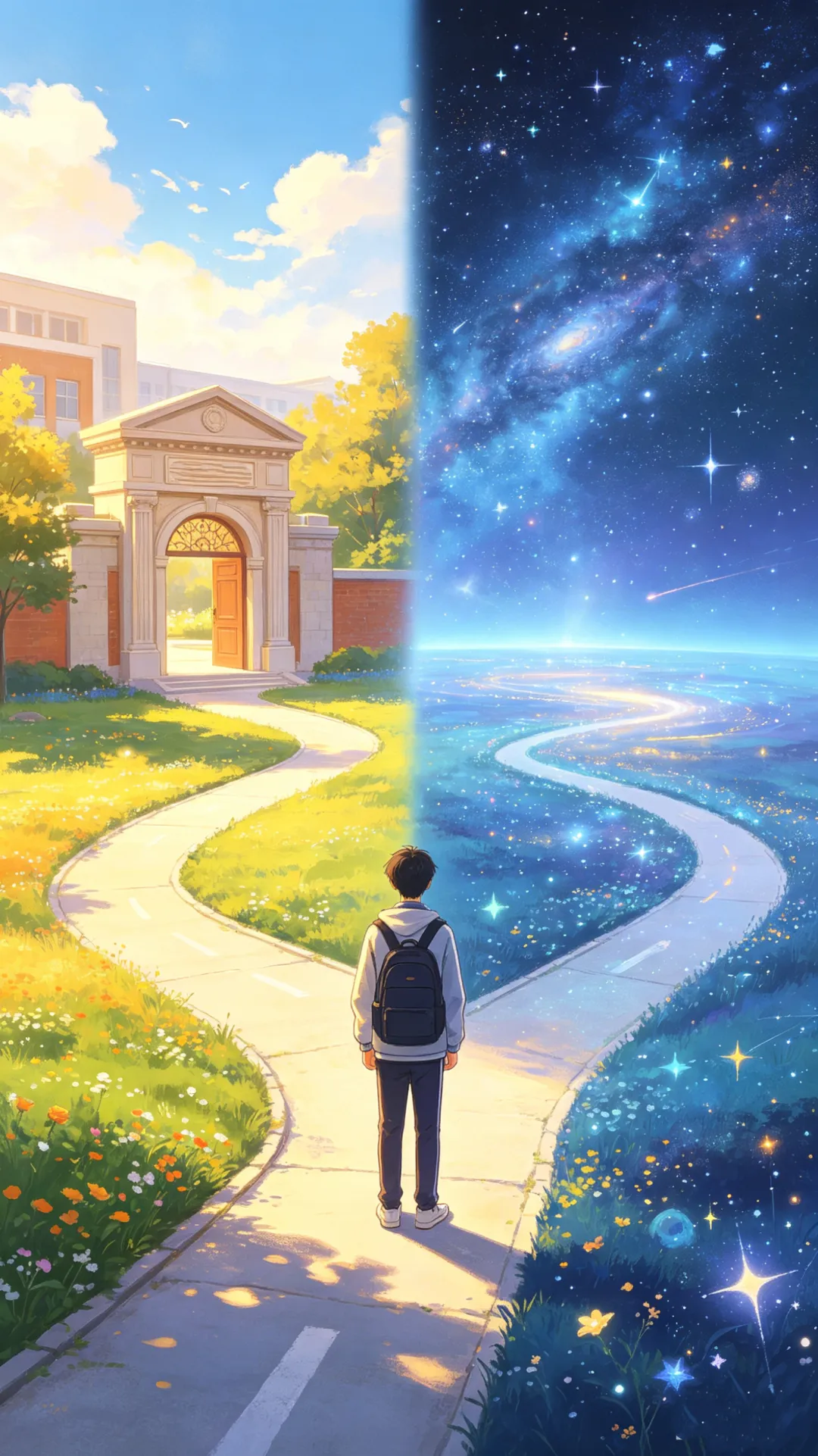
The release of national college entrance exam (Gaokao) scores in late June has long been one of the most closely watched public events in China. For decades, the standardised test was widely regarded as a once-in-a-lifetime threshold that directly determined a candidate’s university tier and future career trajectory. In recent years, however, as educational resources have expanded and social attitudes have evolved, the narrative surrounding post-exam pathways has shifted noticeably. The single standard of test scores is now complemented by a wider range of academic options, with decision-making logic moving from “matching scores to universities” to “matching individual needs to long-term development.”
The most visible sign of this diversification is the popularity of dual-track planning. According to a 2026 education industry survey, over 30 per cent of Gaokao candidates simultaneously prepare for domestic university applications and overseas admission after receiving their scores, with IELTS preparation becoming a common post-exam choice. Most universities in the UK, Australia and Hong Kong now accept Gaokao scores for direct undergraduate entry, allowing candidates to apply with their exam results plus a qualifying IELTS band, without the need for foundation programmes. This trend is particularly pronounced in humanities and social science majors: cultural studies, sociology and intercultural communication, once niche subjects, have seen three consecutive years of rising application numbers. Growing cultural confidence at home has encouraged more students to pursue local humanities research, while the interdisciplinary curriculum and cross-cultural training offered by overseas institutions also attract students seeking diverse perspectives.
Nevertheless, this shift is not without controversy and practical challenges. First comes the utilitarian calculation in major selection. For most families, employment prospects remain the primary consideration in university applications, with practical disciplines such as engineering and medicine still topping popularity rankings. Meanwhile, a growing number of science-focused domestic universities have reduced or even discontinued liberal arts programmes, shrinking overall enrolment quotas for humanities subjects and further fuelling “liberal arts anxiety” among applicants and parents. Many students with personal interests in history or literature end up choosing “safer” majors under practical pressure. Dual-track applicants also face dual pressure: they must filter domestic universities based on their scores and weigh the risk of major adjustment, while simultaneously progressing with language study and overseas application materials, making energy distribution and mental burden common difficulties.
From a cultural perspective, the diversification of post-Gaokao choices essentially reflects a deep shift in educational attitudes across Chinese society. In the past, higher education was largely seen as a tool for social mobility, with scores and university ranking as the core pursuit, and employment return as the sole criterion for major selection. Today, however, a growing number of families are paying attention to the individual value of education: personal interest, intellectual growth and cultural vision are becoming as important as employment prospects. This change has in turn driven the reform of liberal arts programmes in domestic universities, with more institutions launching interdisciplinary humanities courses and strengthening practical teaching to challenge the stereotype that “liberal arts are useless.” The rising popularity of international language tests such as IELTS also reflects the younger generation’s pursuit of global vision and cross-cultural competence.
Today, Gaokao scores remain the core criterion for domestic higher education admission, but they are no longer the only answer to a young person’s future. From clinging to a single score to embracing diverse options, and from chasing trendy majors to respecting individual interests, the changing choices of exam season reflect a society-wide redefinition of educational and cultural value. This iterative shift in attitudes will ultimately shape a more inclusive and diverse cultural ecosystem, opening up broader possibilities for every candidate.