

真题来咯!
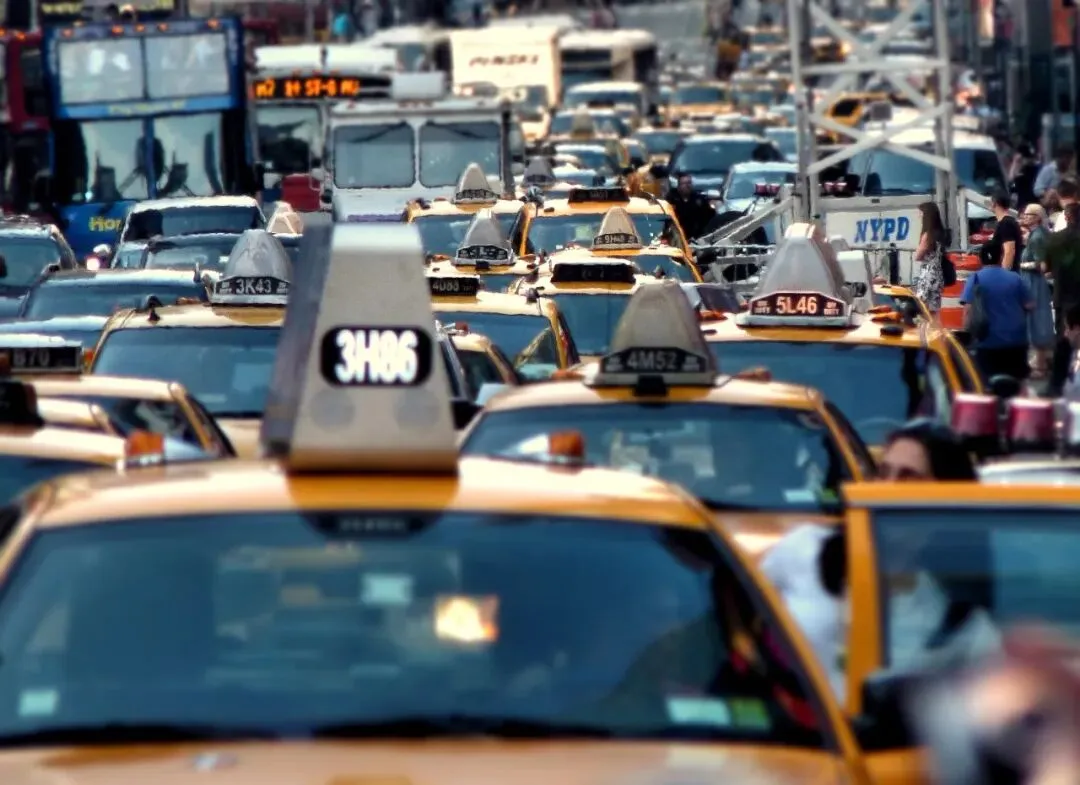
The best way for the government to tackle traffic congestion is to provide free public transport 24 hours a day, seven days a week. To what extent do you agree or disagree?
1
开头段
While offering round-the-clock public transit completely free of charge seems like an attractive solution to urban traffic, it is ultimately a well-meaning but flawed policy. I disagree that this is the best approach. While it helps low-income individuals, it fails to address the root causes of congestion, which are driven by car owners who value time over money.
round-the-clock public transit - 24小时不间断的公共交通
a well-meaning but flawed policy - 一个初衷良好但有缺陷的政策
2
主体段1
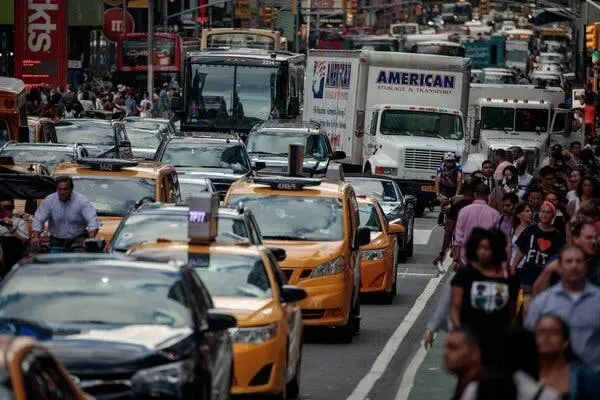
Admittedly, a blanket free-fare policy heavily appeals to budget-conscious commuters, such as students and low-wage workers. It can successfully encourage a modal shift among these groups, encouraging them to reduce reliance on private vehicles like taxis. However, this policy is often ineffective for high-income groups. Wealthy professionals drive cars because they prioritise comfort and time efficiency, and they will not switch to a crowded bus just to save a few dollars. Furthermore, running buses 24/7 creates redundant night services, as demand for late-night travel is very low. As a result, this policy wastes government funds without addressing daytime rush-hour gridlock.
a blanket free-fare policy - 一刀切的免票政策
heavily appeals to - 具有很强的吸引力
budget-conscious commuters - 预算有限的通勤者
encourage a modal shift - 鼓励/促进出行方式的转变
reduce reliance on private vehicles - 减少对私家车的依赖
ineffective for high-income groups - 对高收入群体无效
wealthy professionals - 富裕的专业人士
prioritise comfort and time-efficiency - 优先考虑舒适度和时间效率
switch to - 转换到:改变或转换到另一种选择、方式或状态。
redundant night services - 冗余的夜间服务
low demand for late-night travel - 深夜出行需求低
rush-hour gridlock - 高峰时段的交通瘫痪
3
主体段2
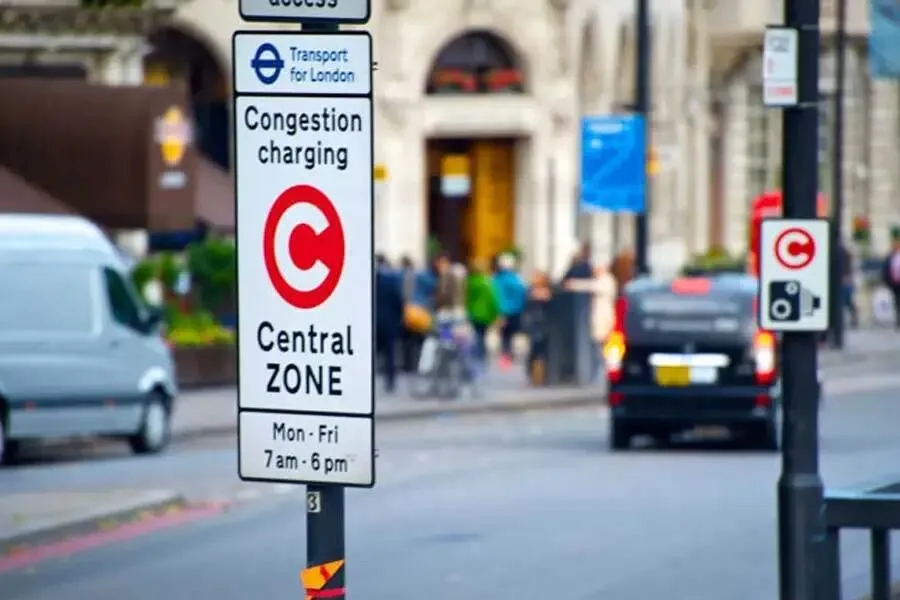
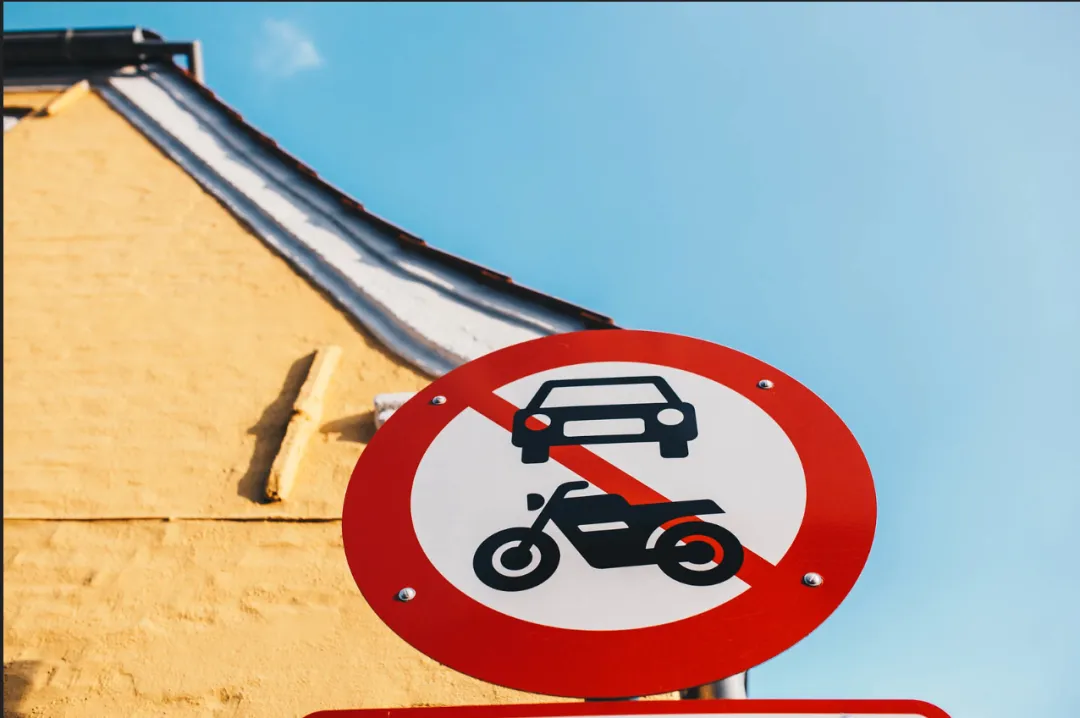
Instead, a more practical strategy should combine targeted transit improvements with strict driving disincentives. First, rather than making fares free, governments should invest in upgrading transit quality. For instance, they can increase transit frequency during peak hours and provide shared bicycles to solve the "last mile" problem between stations and workplaces. More importantly, authorities must make driving in central areas less convenient and more expensive. This can be achieved by introducing congestion charges for entering downtown zones during peak times, or implementing license plate rationing to limit the number of cars on the road each day.
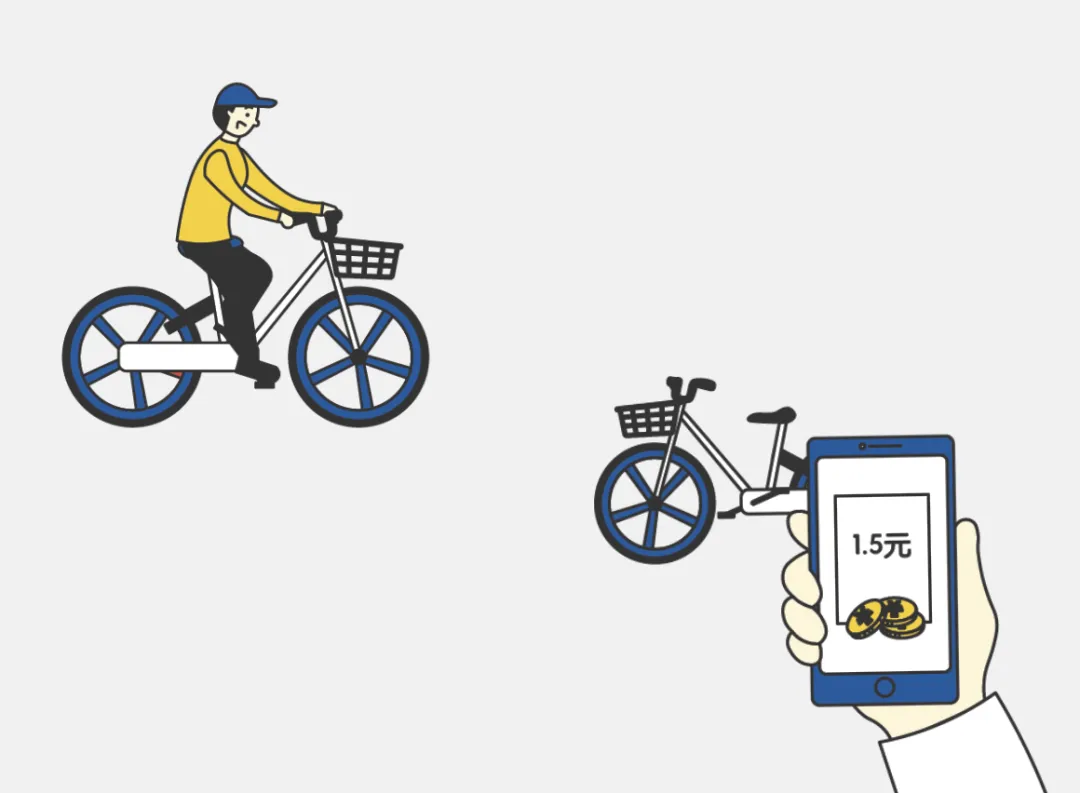
shared bicycles - 共享单车
solve the "last mile" problem - 解决“最后一公里”的出行难题
introducing congestion charges - 征收拥堵费
entering downtown zones - 进入市中心地区
license plate rationing - 限号
4
结尾段
In conclusion, free 24/7 public transport is not the ultimate answer to traffic problems. The most effective solution lies in upgrading the quality and efficiency of public transit while actively discouraging private car use through financial and regulatory measures.
ultimate answer - 终极解决方案 / 治本之策
lies in - 在于; e.g. The problem lies in deciding when to intervene. 问题在于决定何时介入。
discouraging private car use - 减少私家车使用
financial and regulatory measures - 经济和控制措施
-------------雅思真题重现---------------
2026年1月31日雅思大作文“对孩子有求必应,真的好吗?”
2026年1月10日雅思写作Task 1--英国四个机场的游客出行目的比例
2025年10月18日雅思写作真题——法律无法执行原因和解决方案


