
投稿人 AUTHOR
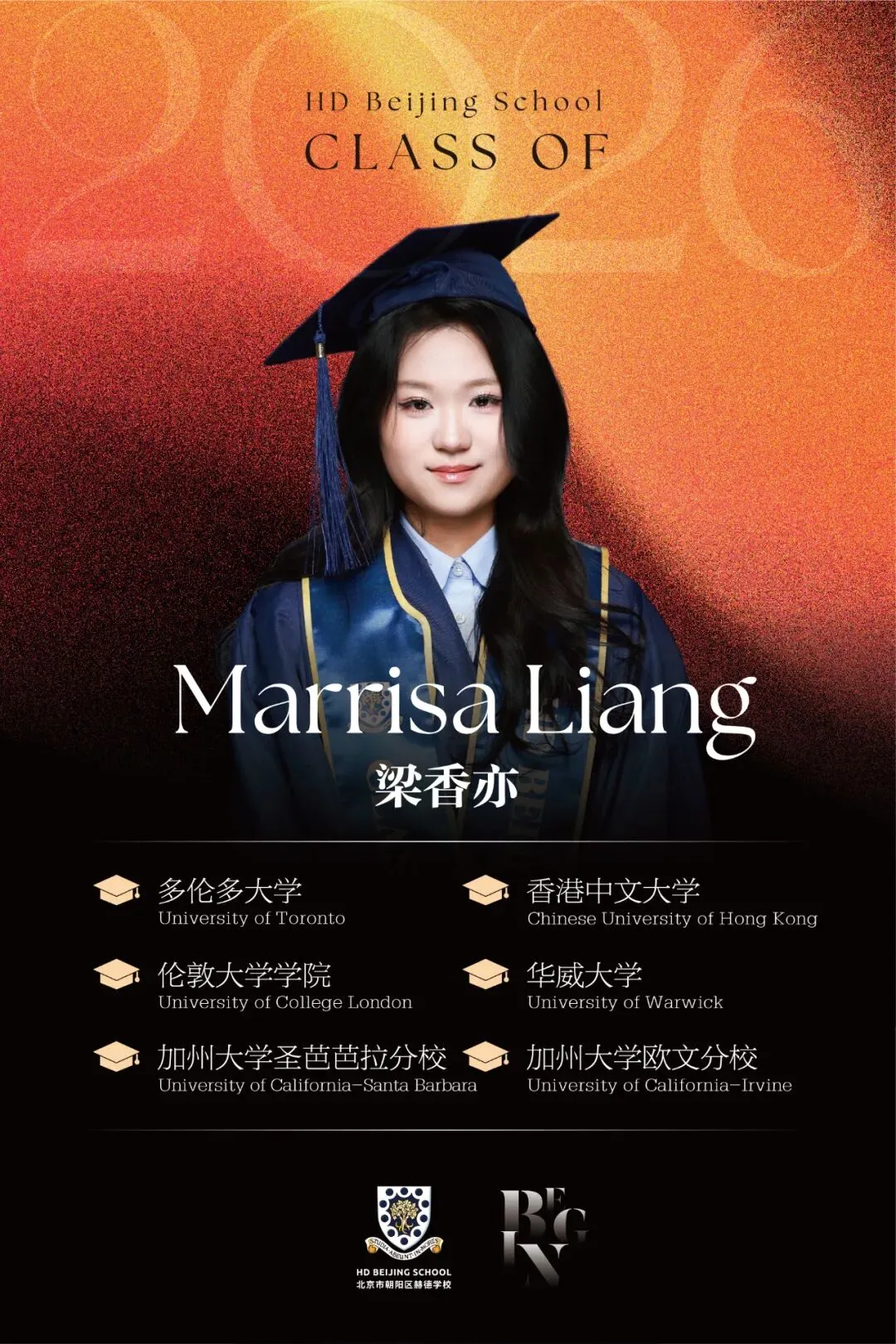
G12学生Marrisa Liang
#HDBJ
从中考到国际申请
我到底学会了什么?
我想,大概是
学会了,把头抬起来走路。
那时候,手里的必刷题、背诵默写单,伴随着食堂排队和厕所放风的每一分钟。现在回忆起来,这些日子是直接而“短视”的,但并非贬义,因为离远了,的确看不见书呐?
当时的目标很简单:
考高分、提排名、上好高中。
虽然也会因为偶尔下滑的分数崩溃大哭,因为排名比别人低而焦虑,因为害怕考不上理想高中而整夜失眠,但起码方向是确定的。
有无数前人整理好的练习册,有各种分类提分的方法,有并肩作战的“战友”。相比现在,这一切都显得如此有安全感。
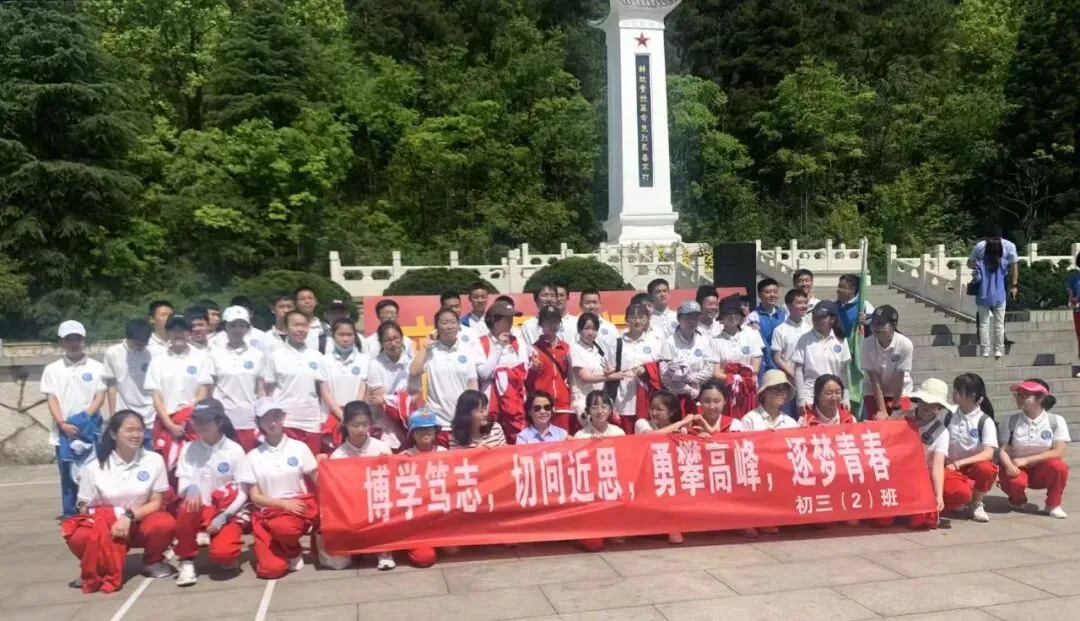
诚然,智商和毅力决定了一个人的上限,但这更像一条单行道,没有岔路口。你的“硬件”几乎决定了你能走多远。然而走的方向却不容置喙,倘若你心中装着两岸的风景,反而走不了直线,索性闭着眼,依靠惯性向前。
很少有人质疑这一切的意义。引用一句我深有共鸣的话:大家都以为,上岸之后迎接自己的会是掌声和鲜花,却没想到,看见的只是自己喘着粗气、憋得通红的脸的倒影。

后来到了国际申请。
很多人说,这是一条“选择大于努力”的路。这里有各种天花乱坠的人设,有听起来高深又遥远的竞赛和活动。可真正踏进去以后,我却感觉像掉进了一片”虚空”。
有一个经典的沙盒游戏叫我的世界,大家肯定都有所耳闻,在这里你可以不断往地下挖矿,最开始挖到的是普通岩石,我把它比作 A-Level、雅思、SAT 这些基础标化;再往下,是更稀有的矿石——煤炭、黄金、钻石,就像各种竞赛、活动、奖项。
可如果继续往下挖,你会发现,下面竟然是一片虚无。
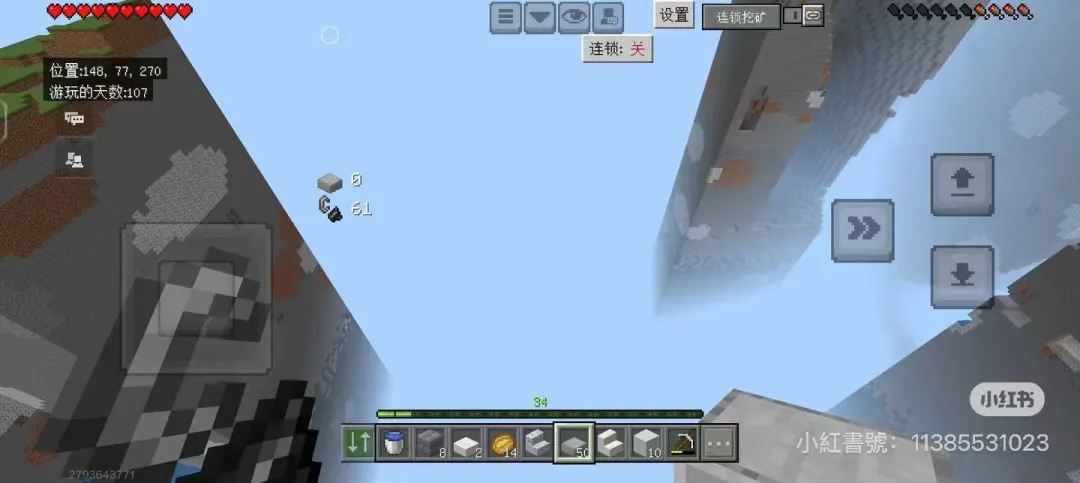
我观察到身边大部分人都如此。我们一个接一个地跳入这条深不见底的隧道,为其中偶尔闪烁的神秘光芒而兴奋。
一切都像走马观花。我奔赴一场又一场所谓的“国际竞赛”——NEC、IEO、AMC、AIME、模联。
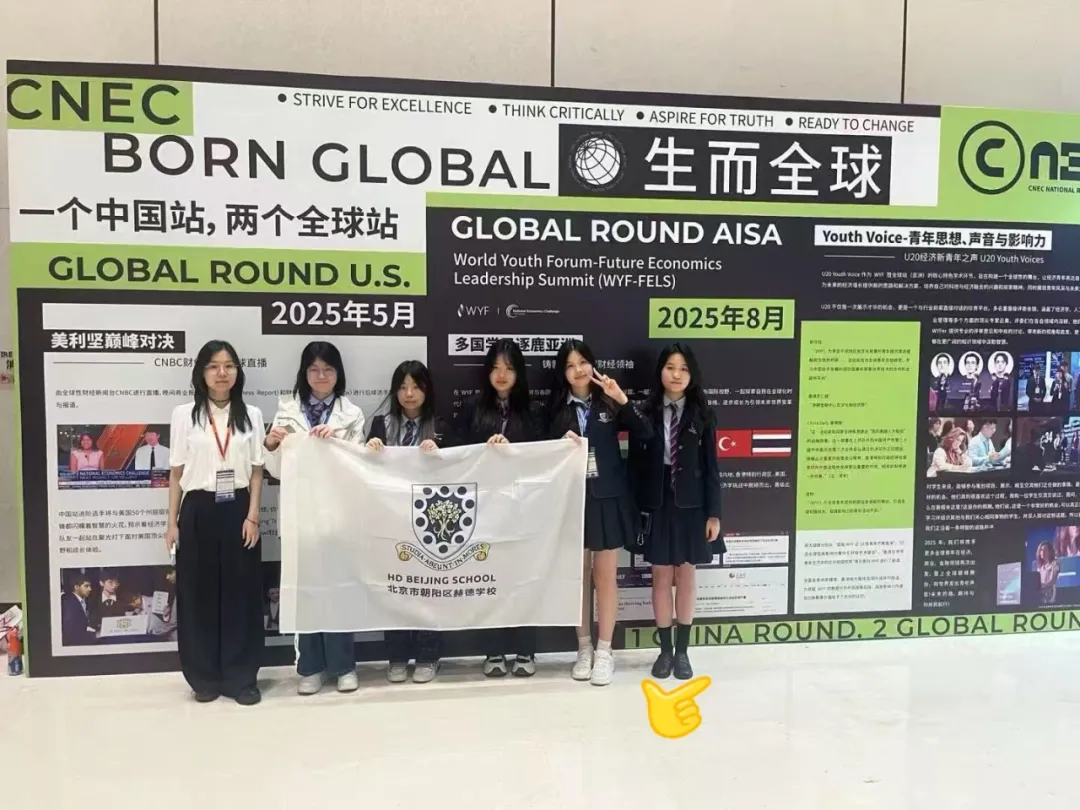
我们穿上西装,仿佛突然成为了这个 Z 世代叙事中的一部分,仿佛自己的脚步声第一次有了重量。
那些经济事件分析、知识测评、关于世界时事的讨论,也让我们第一次产生一种错觉:
我们似乎终于
不再只是知识的奴隶了。
这种形式上的多样性,让人误以为自己完成了一场“翻身”。
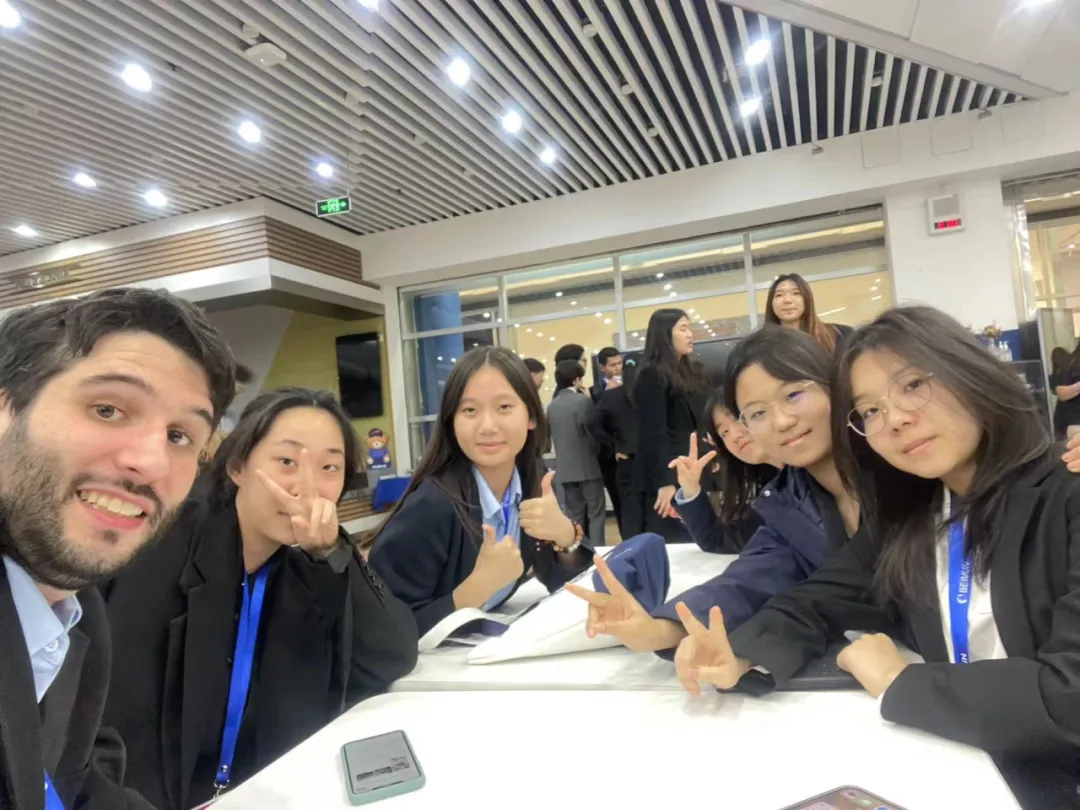
过去的我们只是贪婪地汲取知识,卑微地仰望知识的海洋,在一次次测评和排名前惶惶不安地等待结果;可现在,我们开始模拟谈判、分析市场、讨论国际局势,甚至站在台上用尚且稚嫩的语言谈论“全球化”“货币政策”“制度设计”。那一刻,我们好像和世界建立起一种诡异却真实的连接。
我们明明知道自己什么都不是,却还是会在某个瞬间,侥幸地做起梦来:
也许有一天,
我们真的能够参与世界的决策。
直到现在,我依然感谢国际教育给了我“做梦的权利”。
这种梦,不再只是某天醒来发现自己考了年级第一、被名校录取,或获得一纸保送资格;它更像一种“置身事内”的微妙快感——一种第一次被允许走近世界运转方式的兴奋。
我第一次觉得,自己所做的事情,哪怕再微小,好像也真的能够对别人、对某个角落,产生一点点影响。

当然,戒断反应也很严重。
回到课堂,回到家,看着没打几个勾的待办清单,清楚的意识到,做这些不会对十几二十年后的世界发展产生什么影响,翻开手边的名人传记试图找找答案,却发现不是有辍学,重大家庭变故,就是少年天才,似乎都无法复刻,单行道消失了,取而代之的是巨大的恐慌。
刚进入这个学校的时候,甚至在对passion这个词还不熟悉的时候,我就对它的标语:“Passion Always Wins”有些疑惑,的确,听着很热血,但赢什么,怎么赢,为什么要赢,我不知道,热爱一定会赢吗?这好像不符合我的认知,后来我想了想,我不理解的大概是:
什么是热爱。
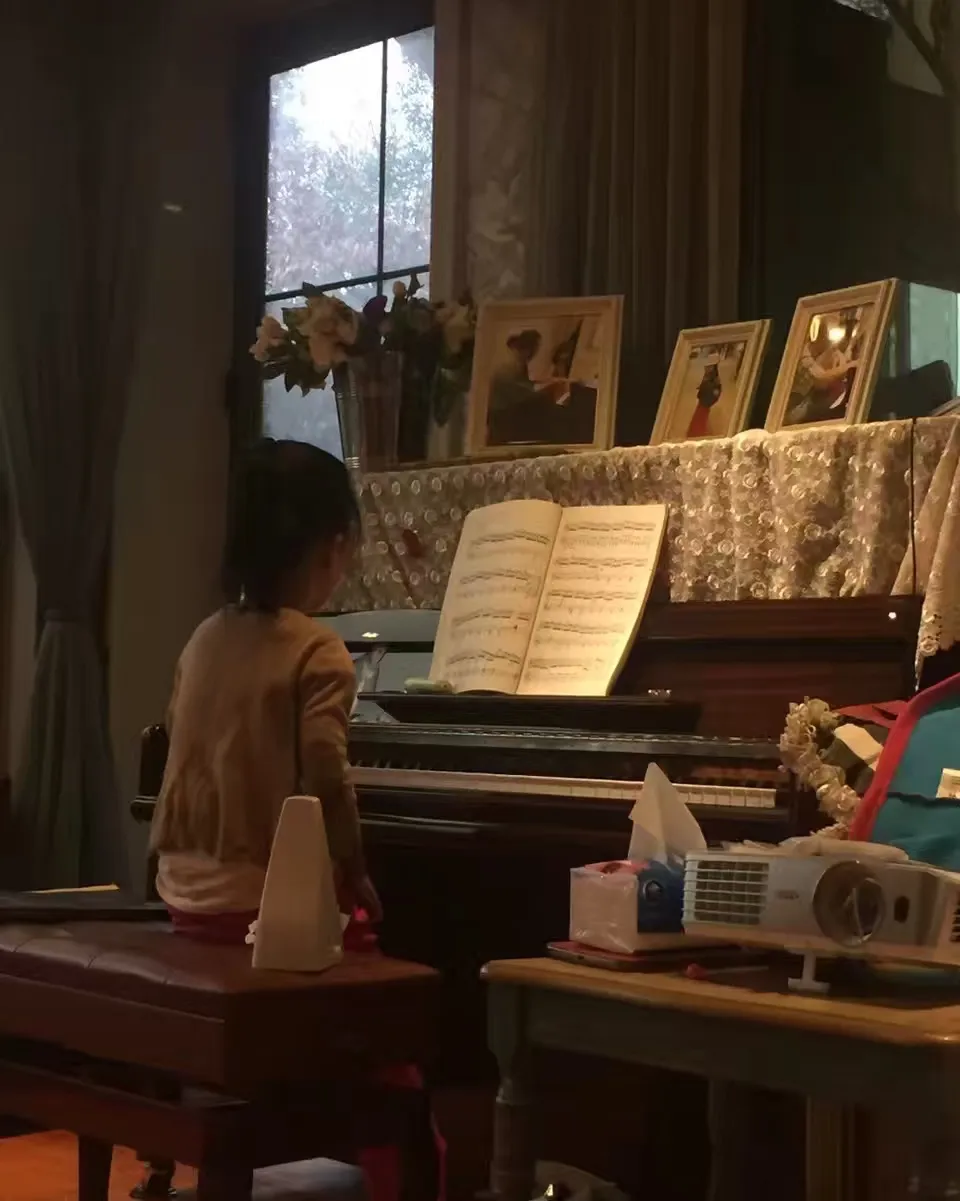
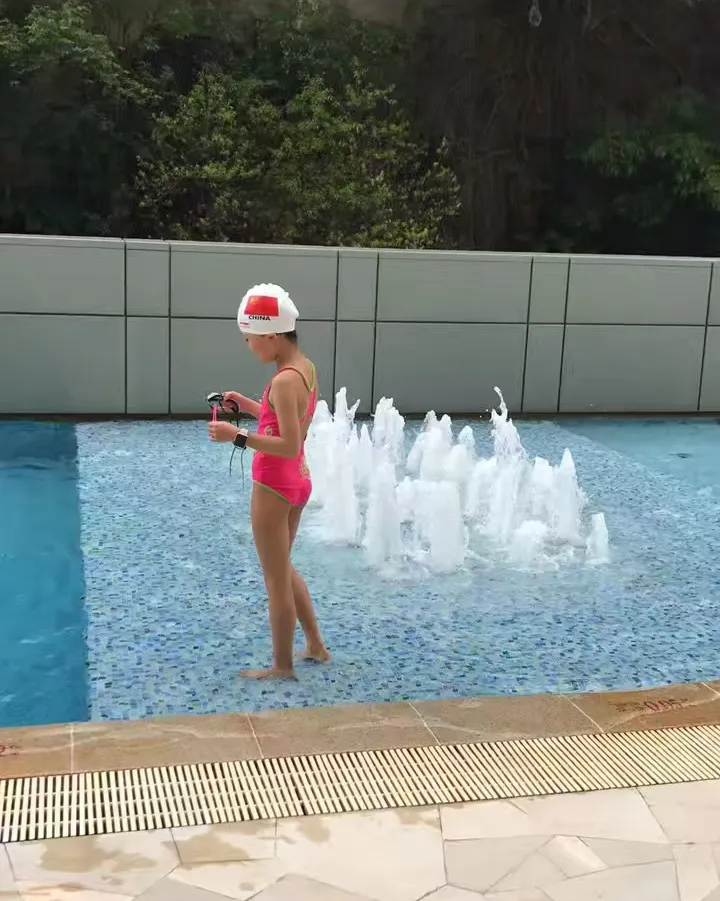
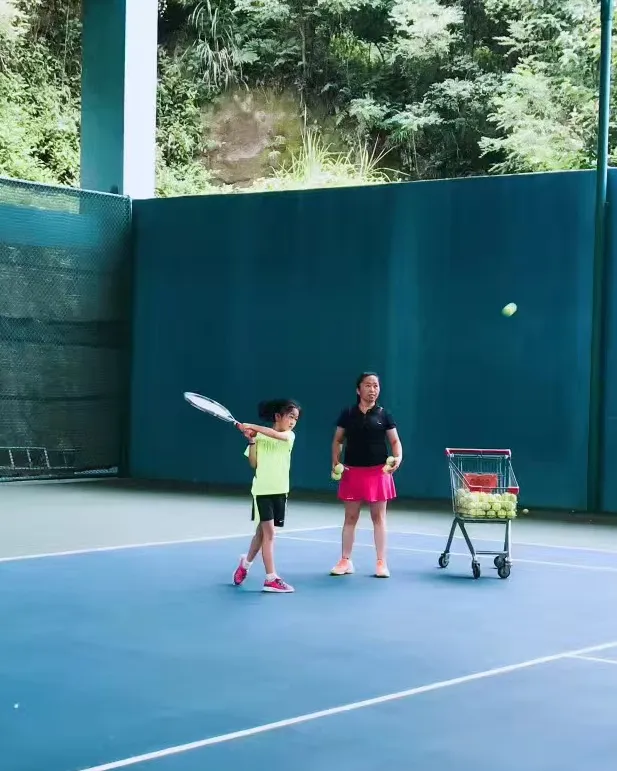
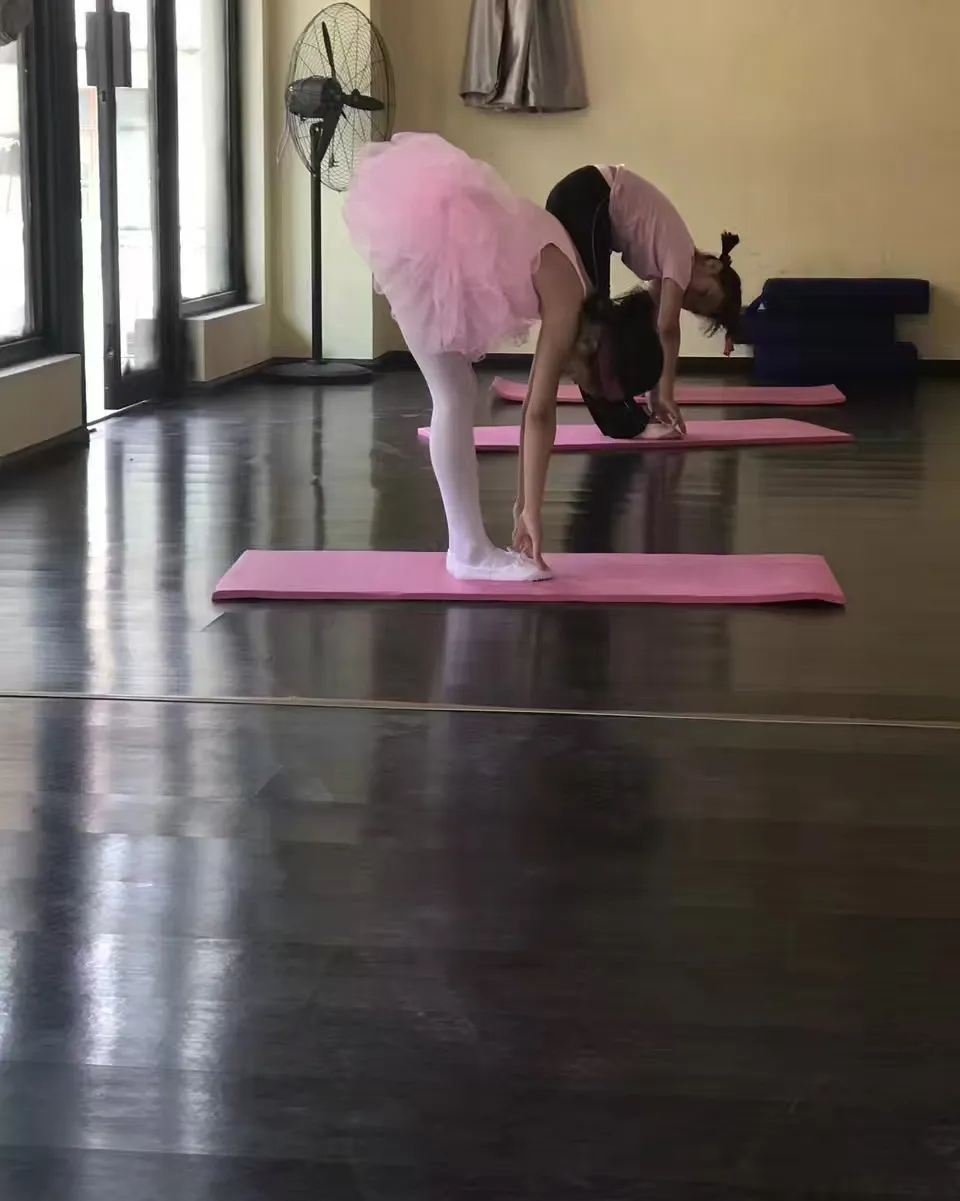
很多人说,热爱是那个“不求回报依旧愿意做”的事情。可至少对当时的我来说,不是这样。它的近义词“爱好”我倒很熟悉。从小学钢琴、跆拳道、游泳,脑海里浮现的却不是所谓“享受”,而是因为反复练习强音而微微发抖、渗着血丝的手指,是水下突然抽筋的小腿,是公共练习室里挥之不去、令人窒息的闷热气味。
我一直以为,我会像释迦牟尼在树下顿悟一样,某一天突然参透自己真正想要什么,或者说,找到所谓的passion。然而并没有,在后来漫长的高中岁月里,我依然没能找到一个确切的词语去定义,只是在回顾过往的时候,更加坚信自己现在的路。
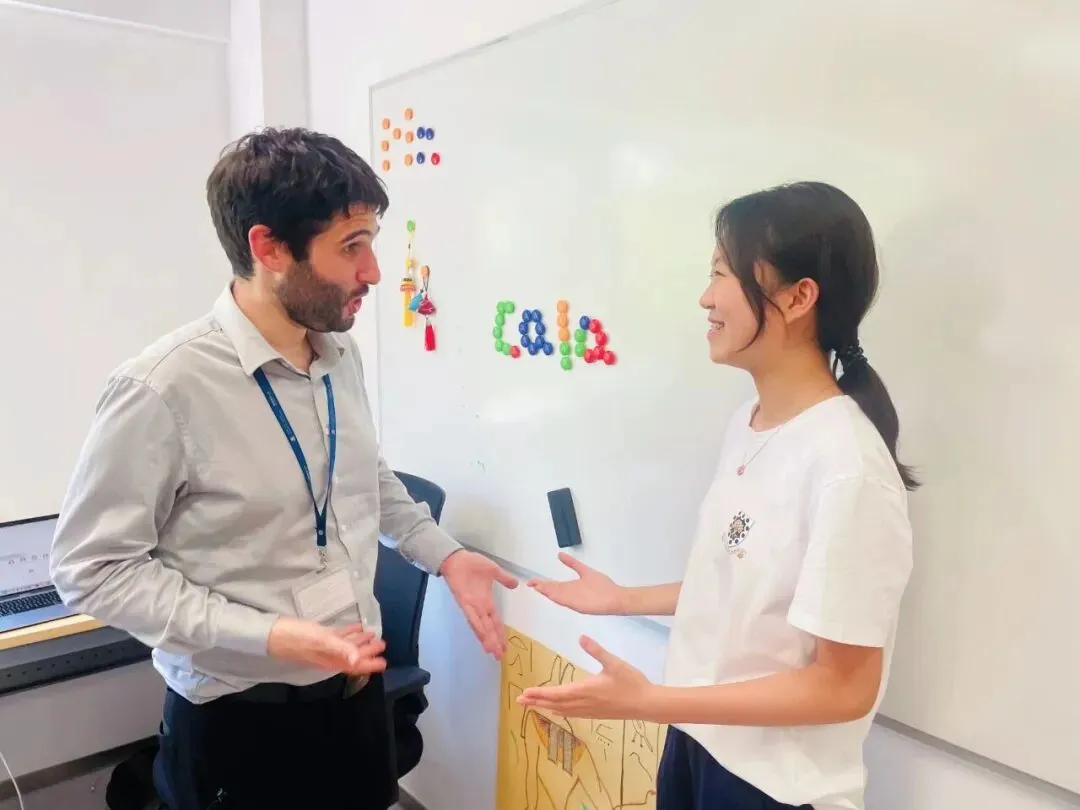
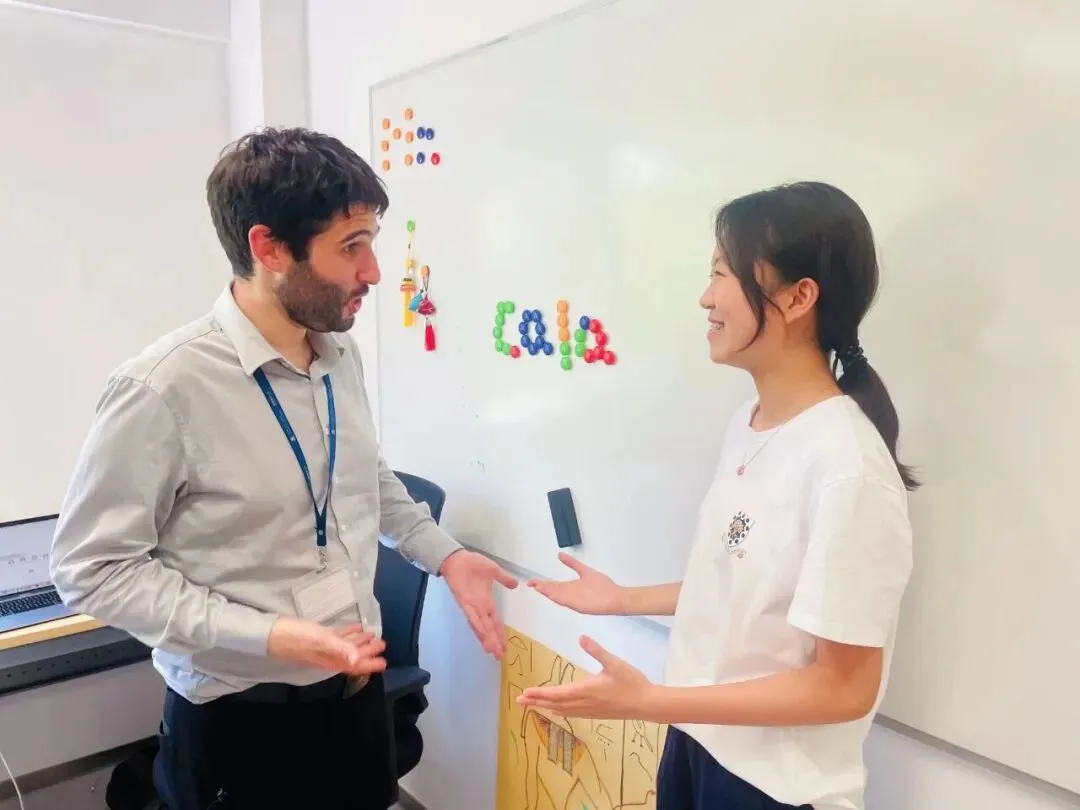
转折是第一节经济课。那是个外教(Mr.Cala) 上的课,有趣、生动。我一开始根本没期待自己能学会,听见别的同学说英文课程多难适应、经济知识多抽象,我甚至有点退缩。
结果在之后接二连三的考试中,我居然发挥的比其他科目更好。
这件事给了我巨大的鼓励。那种落差感让我几乎以为,这是命运的指引。于是我兴高采烈地告诉家长:“我找到我的 passion 了。”可现在回头看,那句话翻译过来其实是:“我发现自己好像有点擅长这个,而且它可能是最容易让我成功的一条路。”我无可救药地继承了以前所有的目标。哪怕没有人再逼我这样做。
真正让我慢慢放下这种想法的,其实只是更多对专业的了解。
经济学跟我想的不太一样。跳出考纲,我开始读到经济学里的哲学,经济学总喜欢假设,人会天然地追逐自己的利益。于是“自私”被包装成理性,“效率”被视作正确,仿佛所有选择都只是收益与成本之间的计算。
可人并不只是一个不断最大化利益的机器。有时候,人明明知道这样做对自己没有好处,却还是会因为责任、承诺,甚至某种说不清的信念而行动。原来真正狭隘的,未必是人性。反而是那些试图用单一模型解释所有人的理论。
后来我读到斯宾塞的信号模型,第一次真正意识到:
教育很多时候,
并不只是为了“学习知识”,
它更像一种筛选机制。
学历、竞赛、名校,本质上都像信号。它们未必能完全证明一个人有多优秀,却能够向市场传递一种信息:你足够聪明、足够自律,甚至足够有资源,能够承担这一整套教育体系背后的时间、金钱与风险。
我突然怔住了。
因为我第一次意识到,自己过去那些近乎执拗的努力,某种程度上,也是在拼命让自己“看起来值得被选择”。
而更残忍的是,信号本身就是有成本的。
对于有些人来说,这些成本只是履历上的一行字;可对于另一些人来说,它可能意味着无数次试错、巨大的时间投入,甚至整个家庭长期的资源倾斜。于是我慢慢发现,教育并不只是能力的竞争,它还在筛选:谁有资格承担这些成本。
有些人从出生起,就已经拥有了更强的信号、更低的风险,以及更多可以失败的机会。而我们很多人,只是在不断用更高的成本,去换取一张“被看见”的入场券。哪怕将来进入职场,我也可能赚到负收益,去填补教育成本。我突然不知道,自己到底还在证明什么。如果一个人永远都在等待外界的认可,永远都在追逐更高的门槛,那他的人生是不是永远只能活在“被评价”里?也是从那个时候开始,我第一次慢慢把目光,从“我是谁”,转向:“我到底能做什么?”
可真正改变我的,并不是什么顿悟时刻。而是在后来一次次社团活动里,我第一次意识到:
原来“置身事内”
并不需要等到某一天被世界认证。

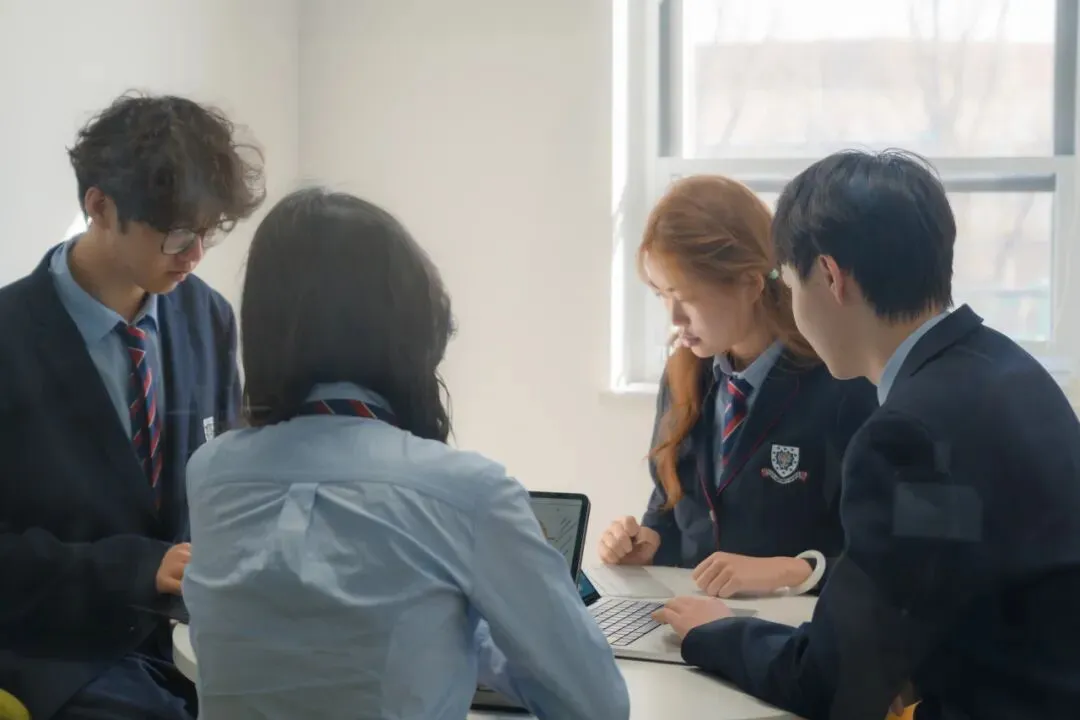
一开始,朋友说想做一个帮助偏远地区孩子的授课平台,我起初只当作一个普通的公益。可能是新闻看得太多了,我总以为“认知上的进步”比“行动”更重要。
可真正参与进去以后,我才发现,原来一件事从想法到落地,会有这么多具体而繁杂的问题。每节课讲什么,PPT 怎么做,直播卡了怎么办,怎么让孩子们愿意听……更重要的是,没有人能保证结果。这种未知着实令人感动恐慌。
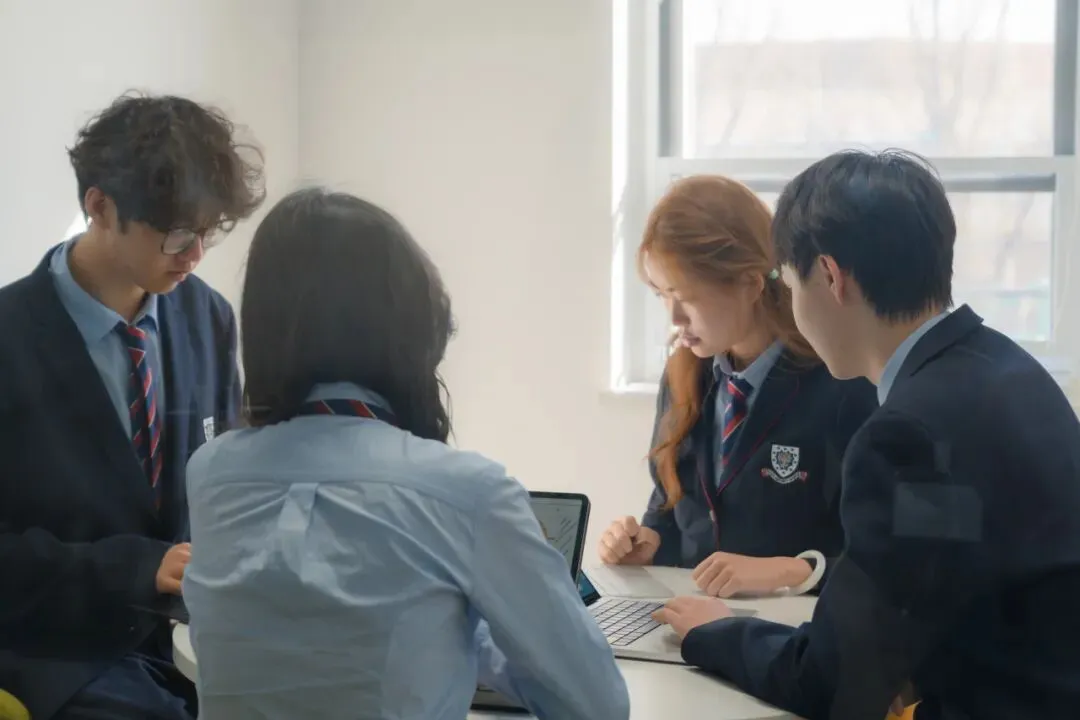
我总想先看见一件事的意义,再决定要不要开始。然而现实中,很多事情的意义,本来就是做着做着才长出来的。
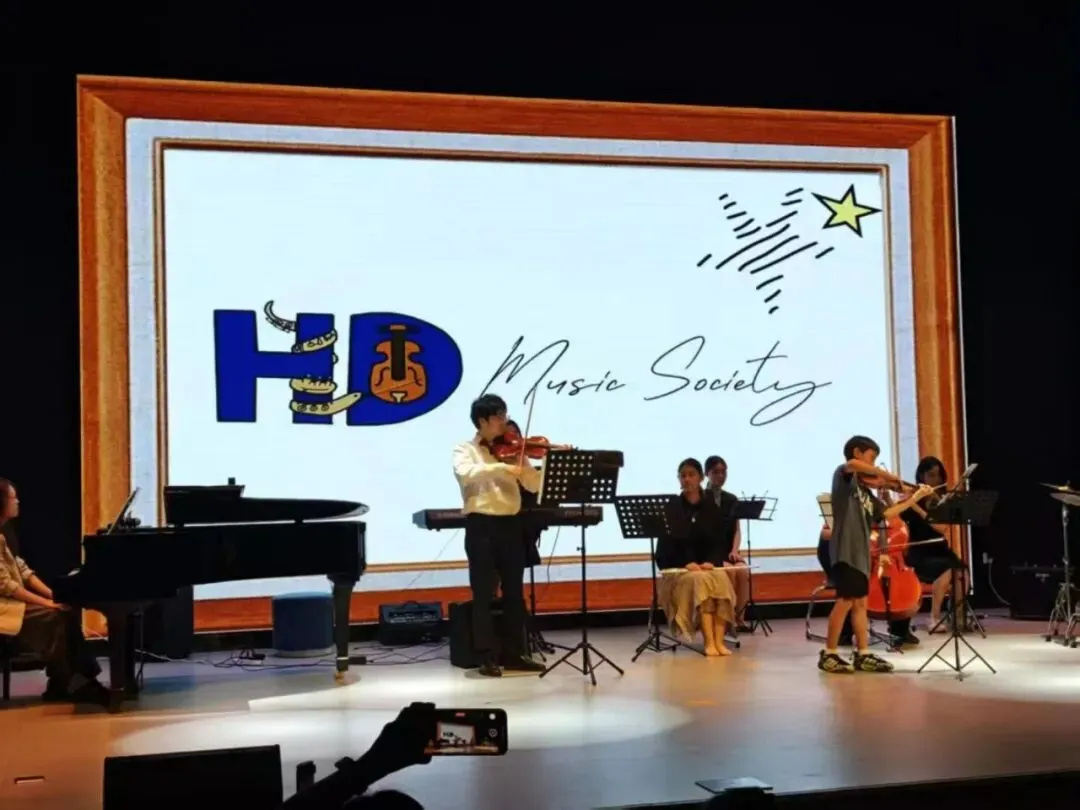
后来是钢琴社团,准确来说是管弦乐团。我没有管理乐团的经验,甚至会的乐器也局限于钢琴。
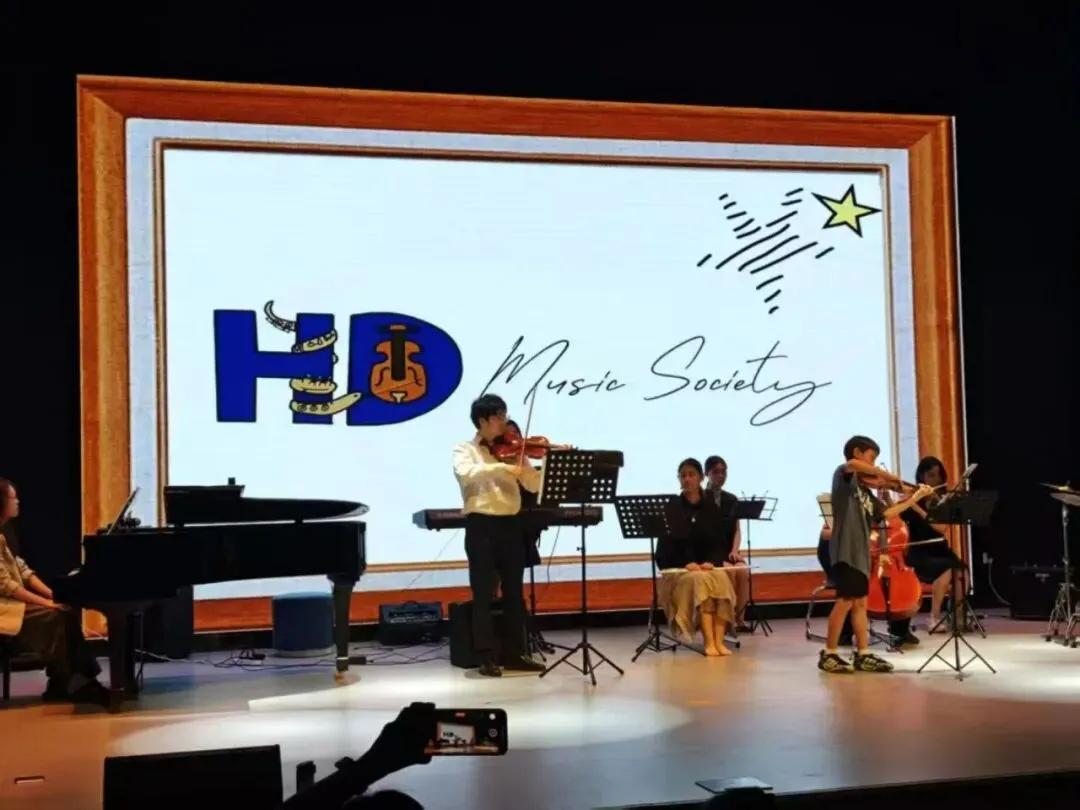
换作以前,我想都不敢想。我总觉得,一个人必须完全准备好了,才有资格开始做一件事。虽然有很多不完美,但我们最后还是有了属于自己的舞台,我们玩起了音乐。真正重要的问题,也许从来不是我们是否足够优秀,而是如果我已经站在这里,我愿意拿自己拥有的东西去做什么。
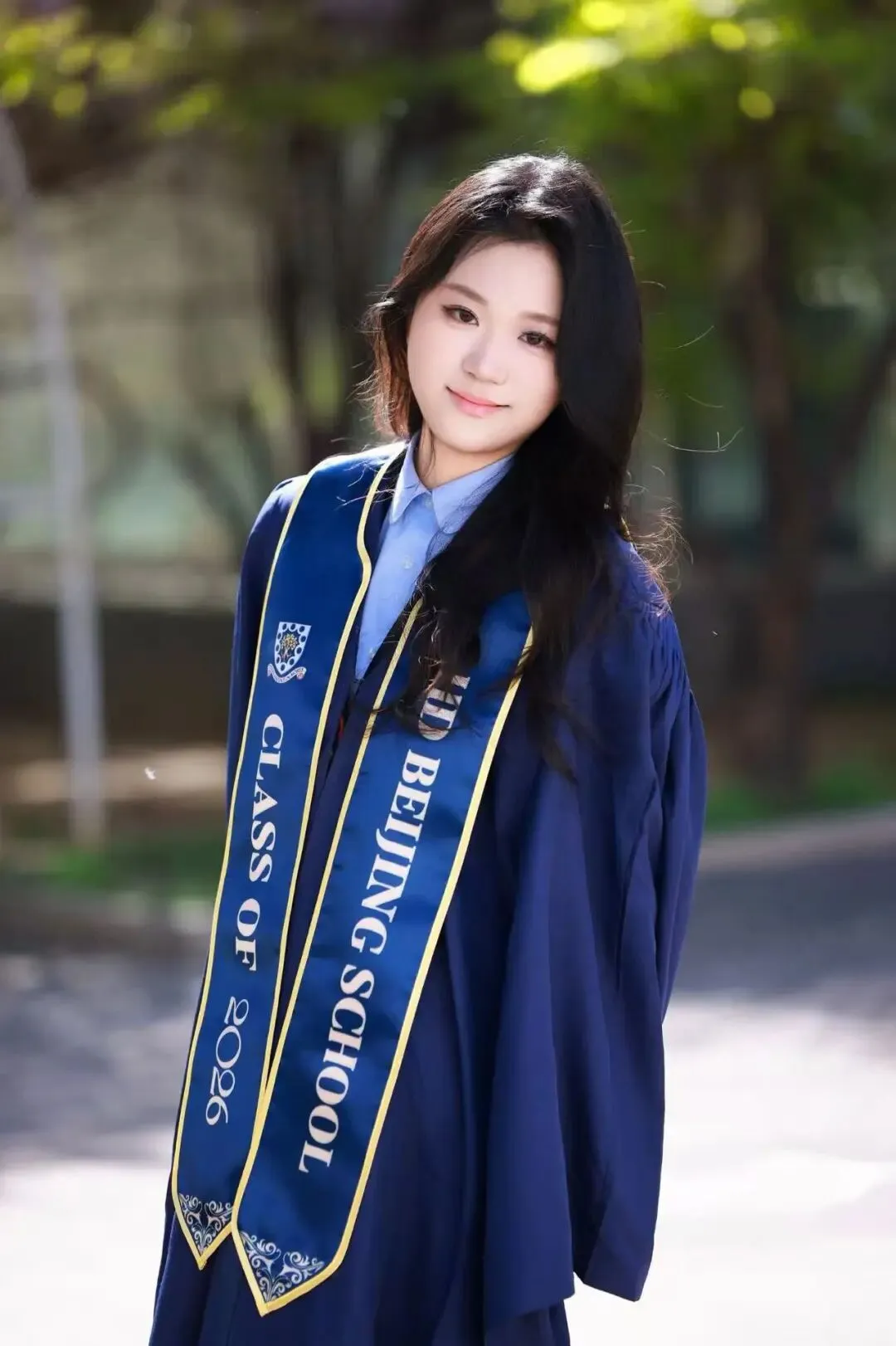
今天,录取结果都下来了。其实还是会有一点失望。但这是以前的我会在意的事情。现在的我,只觉得自己又有了新的平台,又有了新的机会,去做一个真正的实干家。
我不再期待有一个天大的机会砸中我,不再期待有一个苹果掉到我的头上。我开始觉得,“寻找”的过程本身,比“找到答案”更有意思。这像“双手开荒”。我终于明白,人长出眼睛、鼻子和四肢,不是为了永远双手向上等待加冕,而是为了思考、行动,然后真正去触碰这个世界。
先别急着追问意义。也别总期待结果。因为国际申请真正教会我的,从来不只是怎么进入一所大学。而是——
生而为人,
原来还有这么多种“使用方法”。
如果你也被这样「年轻的表达」所打动,如果你也有「在心底翻腾」的故事,或者「观察世界的新视角」,甚至是那些「尚未成型的奇妙念头」,欢迎你写下来,投递给我们:bj.marketing@hdschools.org

From the High School Entrance Exam to International Application – What Have I Really Learned?
I think I've learned to walk with my head held high.
Back then, it was all about workbooks, memorization sheets, and every spare minute—whether waiting in the cafeteria line or taking a bathroom break—filled with studying. Looking back now, those days were straightforward and "short-sighted," but not in a bad way – when you're buried in books, you really can't see beyond them, can you?
The goal was simple: score high, improve your rank, get into a good high school.
Sure, I cried over a sudden dip in grades, felt anxious when my ranking fell behind others, and lost sleep worrying about not getting into my dream school. But at least the path was clear.
There were countless exercise books compiled by those who came before, various methods to boost scores, and comrades fighting alongside me. Compared to now, it all felt so secure.
Admittedly, intelligence and perseverance set your ceiling, but it was more like a one-way road – no forks. Your "hardware" largely decided how far you could go. And the direction was beyond question. If you tried to take in the scenery on both sides, you'd stray from the straight line, so you just closed your eyes and relied on inertia.
Few questioned the meaning of it all. To quote something that deeply resonated with me: Everyone thought that after reaching the shore, they'd be greeted with applause and flowers – but all they saw was their own flushed, panting reflection in the water.
Then came the international application.
Many say this is a path where "choice matters more than effort." There are all kinds of flashy personas, competitions and activities that sound profound and distant. But once I truly stepped into it, I felt like I had fallen into a void.
There's a classic sandbox game called Minecraft – you've probably heard of it. In it, you keep digging underground. At first you find ordinary stone – I compare that to basic standardized tests like A-Levels, IELTS, the SAT. Dig deeper, and you find rarer ores – coal, gold, diamonds – like various competitions, activities, awards.
But if you keep digging down, you'll discover that below it all... there's just nothingness.
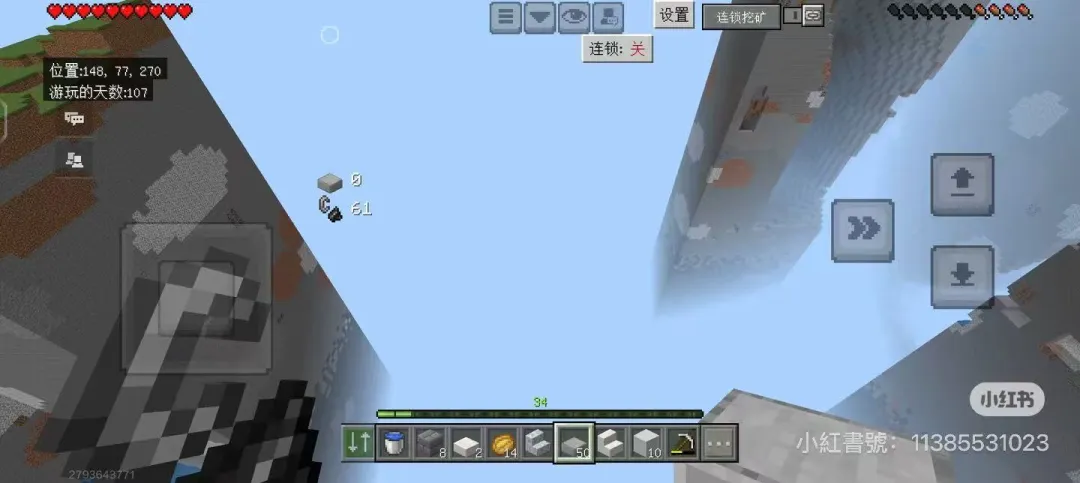
I've noticed most people around me are like this. One after another, we jump into this bottomless tunnel, thrilled by the occasional mysterious glimmers.
Everything becomes a blur. I rush from one so-called "international competition" to another – NEC, IEO, AMC, AIME, Model UN. We put on suits, as if suddenly becoming part of this Gen Z narrative, as if our footsteps finally carry weight for the first time.
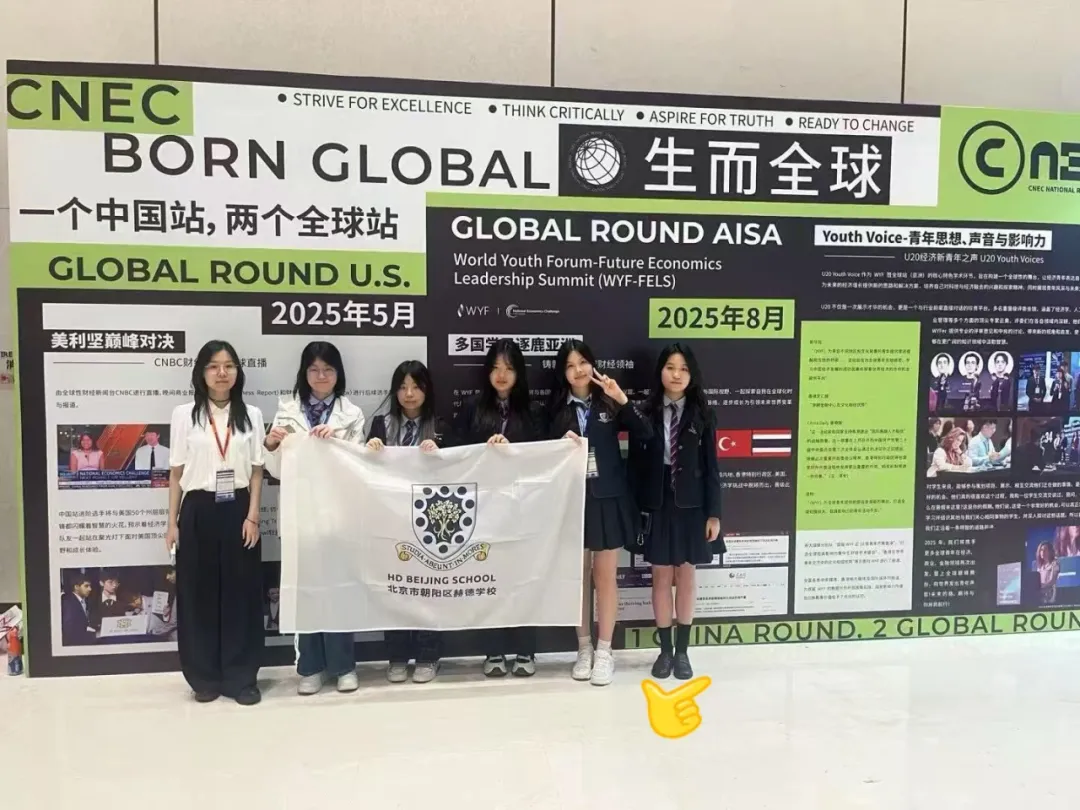
Those economic case analyses, knowledge tests, discussions on world events – they gave us the illusion for the first time that:
We are finallyno longer just slaves to knowledge.
This diversity of forms made us mistakenly believe we had completed a "turnaround."
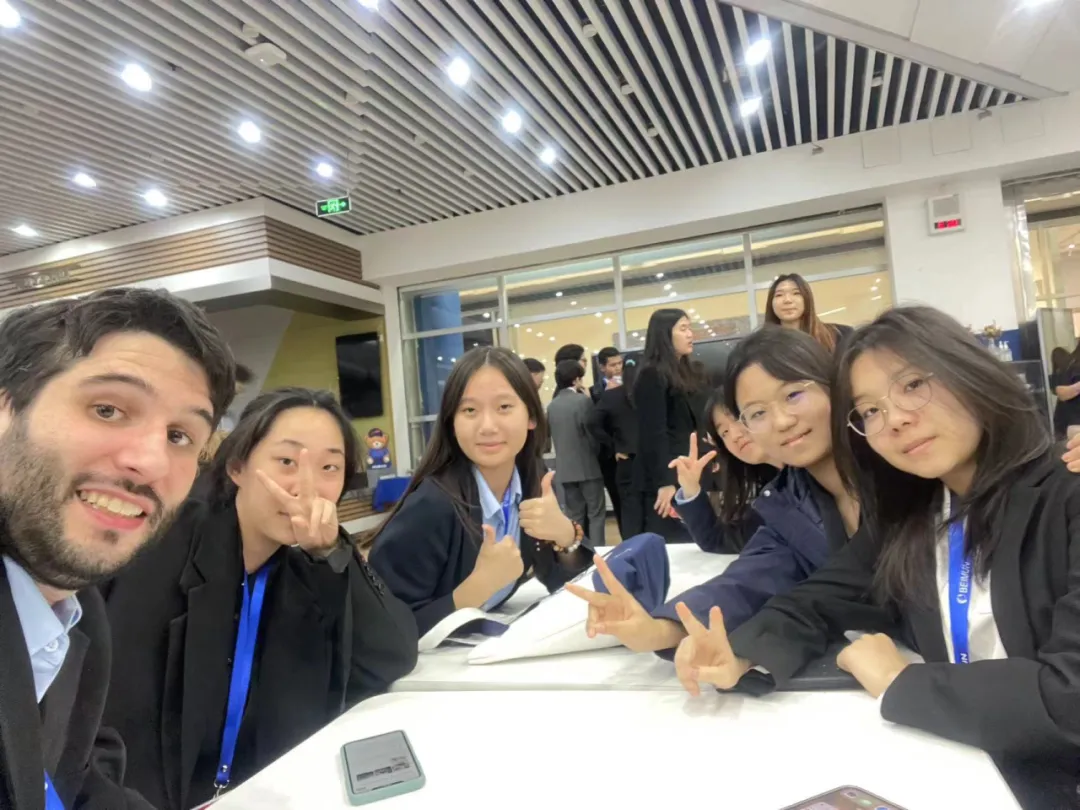
In the past, we greedily absorbed knowledge, looked up humbly at the vast ocean of learning, and waited nervously before each test and ranking. But now, we begin to simulate negotiations, analyze markets, discuss international affairs, and even stand on stage, using our still-immature language to talk about "globalization," "monetary policy," "institutional design." In that moment, we seem to establish a strange yet real connection with the world.
We know full well that we are nothing, yet for a fleeting moment, we allow ourselves to dream:
Maybe one day,we really will help shape the world's decisions.
To this day, I remain grateful that international education gave me "the right to dream."
This kind of dream is no longer just waking up one day to find I'm first in grade, admitted to a famous school, or granted a guaranteed admission. It's more like a subtle thrill of "being in the thick of it" – the excitement of being allowed, for the first time, to approach how the world actually works.
For the first time, I felt that what I do – no matter how small – might actually have a tiny impact on someone, on some corner of the world.

Of course, the withdrawal symptoms are severe.
Back in class, back home, staring at my to-do list with only a few checkmarks, I realize clearly that none of this will affect the course of the world in twenty or thirty years. I flip through biographies of great figures, searching for answers, only to find that they either dropped out, had major family upheavals, or were child prodigies – none of which I can replicate. The one-way road is gone, replaced by immense panic.
When I first entered this school – even before I fully understood the word "passion" – I was puzzled by its motto: "Passion Always Wins." It sounds inspiring, but win what? How to win? Why win? I didn't know. Does passion really always win? That didn't match my understanding. Later I thought about it, and what I didn't understand was: What is passion.
Many say passion is something you'd do without expecting anything in return. But at least for me back then, that wasn't the case. Its close relative, "hobby," I knew well. From piano, taekwondo, swimming – what came to mind wasn't "enjoyment" but the trembling, blood-speckled fingers from practicing fortissimos repeatedly, the calf cramping up underwater, the lingering, suffocating stuffy smell in the shared practice room.
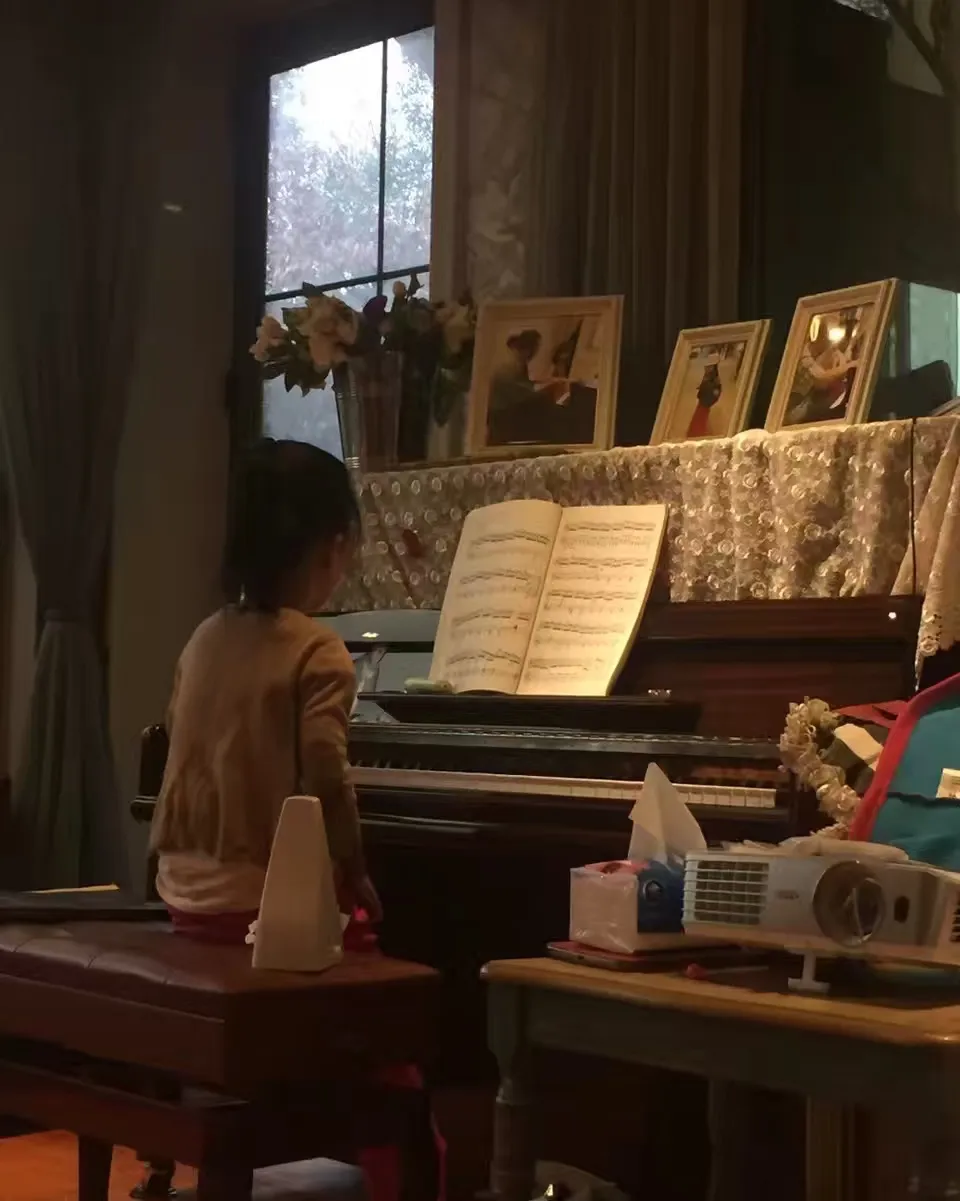
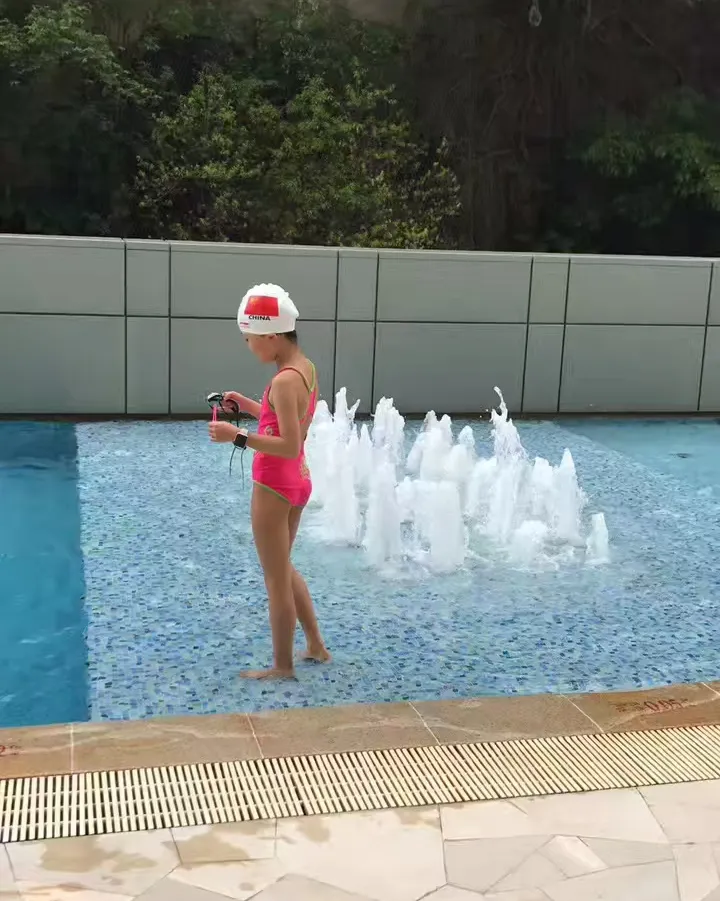
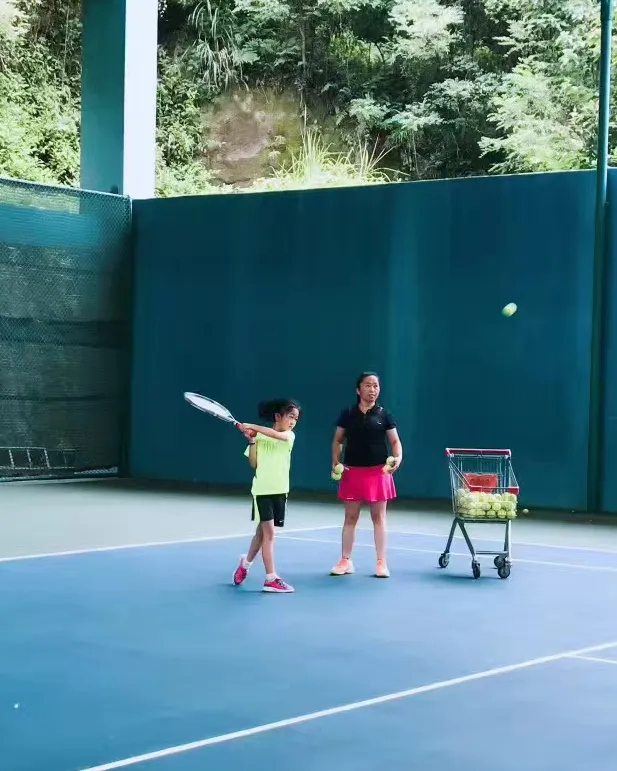
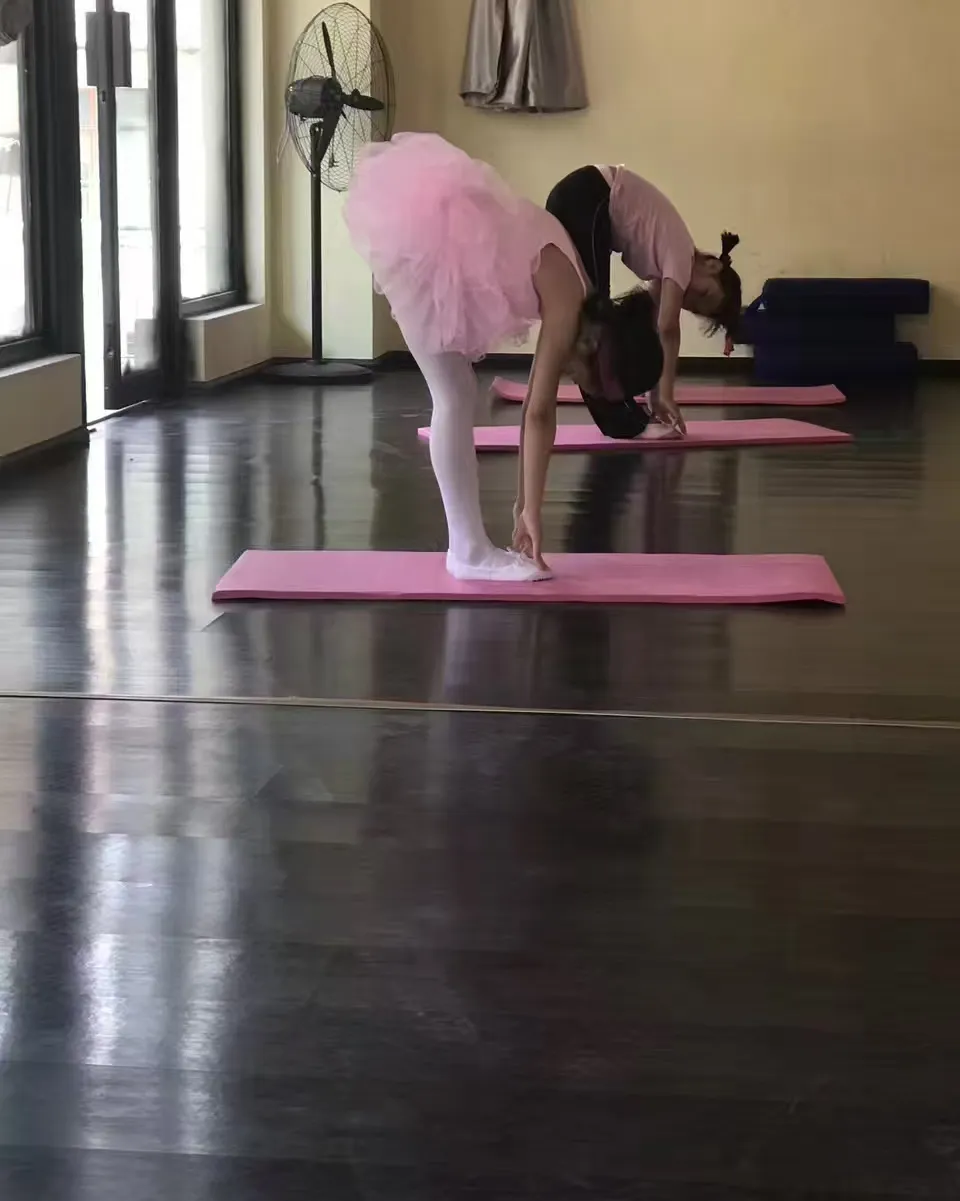
I always thought that one day, like Siddhartha under the Bodhi tree, I would suddenly see what I truly wanted – or find my so-called passion. But that never happened. Throughout the long years of high school, I still couldn't define it with a single word. Only when looking back did I become more convinced of the path I'm on now.
The turning point was my first economics class. It was taught by a foreign teacher (Mr. Cala) – interesting, lively. I never expected to get it. Hearing other students talk about how hard it was to adapt to English courses, how abstract economics was, I even felt a bit intimidated.
But then, in exam after exam, I somehow did better in economics than in any other subject.
That gave me a huge boost. That sense of unexpected achievement felt like fate pointing the way. So I excitedly told my parents, "I've found my passion!" But looking back, what that sentence really meant was: "I've discovered I'm kind of good at this, and it's probably the easiest path to success for me." I had hopelessly inherited all my old goals – even though no one was pushing me anymore.
What slowly helped me let go of that mindset was simply learning more about the discipline.
Economics wasn't what I thought it was. Beyond the syllabus, I began to read about the philosophy of economics. Economics loves to assume that people naturally pursue their own interests. So "selfishness" is packaged as rationality, "efficiency" as correctness, as if all choices are just calculations of cost and benefit.
But people are not just profit-maximizing machines. Sometimes, knowing full well that an action won't benefit us, we still act out of duty, commitment, or some inexplicable belief. It turns out that what's truly narrow is not necessarily human nature – rather, it's the theories that try to explain everyone with a single model.
Later I read Spence's signaling model, and for the first time truly realized:
Education is often not just about "learning knowledge" –it's more like a screening mechanism.
Diplomas, competitions, prestigious schools – they are all signals. They may not fully prove how good someone is, but they send a message to the market: you are smart enough, disciplined enough, even privileged enough to bear the time, money, and risk behind this entire education system.
Suddenly, I was stunned.
Because for the first time, I realized that my own almost obsessive efforts were, in a way, desperately trying to make myself "look worthy of being chosen."
And what's crueler is that signals themselves come at a cost.
For some, these costs are just a line on a resume. For others, they mean countless trial-and-error attempts, huge time investments, and even years of resource allocation from the whole family. So I slowly discovered that education is not just a competition of ability – it's also a filter: who can afford to bear these costs?
Some people, from birth, already have stronger signals, lower risks, and more chances to fail. Many of us, on the other hand, are just spending ever-higher costs to buy a ticket "to be seen." Even when I enter the workforce, I might earn negative returns to fill the gap left by educational costs. Suddenly, I don't know what I'm still trying to prove.
If a person is always waiting for external validation, always chasing higher thresholds, then is their life forever trapped in "being judged"? It was around that time that I slowly shifted my focus from "who am I?" to: "What can I actually do?"
But what truly changed me wasn't any epiphany. It was, rather, during one activity after another in student clubs that I first realized:
"Being in the thick of it" doesn't require being certified by the world one day.

At first, a friend wanted to create a teaching platform for children in remote areas. I initially saw it as just another ordinary charity project. Maybe I'd read too much news – I always thought "cognitive progress" was more important than "action."
But once I got involved, I discovered how many specific and messy problems there are from idea to execution. What to teach in each lesson? How to make the PPT? What if the livestream lags? How to keep the kids engaged? More importantly, no one could guarantee results. That uncertainty was truly terrifying.
I always wanted to see the meaning of something before deciding to start. But in reality, the meaning of many things only grows as you do them.
Later came the piano club – more precisely, the orchestra. I had no experience managing an orchestra, and the only instrument I played was piano. In the past, I wouldn't have dared to think about it. I always believed you had to be fully ready to be qualified to start something. Despite many imperfections, we eventually had our own stage, and we made music. The truly important question, perhaps, was never whether we were good enough, but: since I'm already standing here, what am I willing to do with what I have?
Today, the admission results are all out. I'm still a little disappointed, to be honest. But that's something the old me would have cared about. The current me simply feels that I have a new platform, new opportunities, to become a true doer.
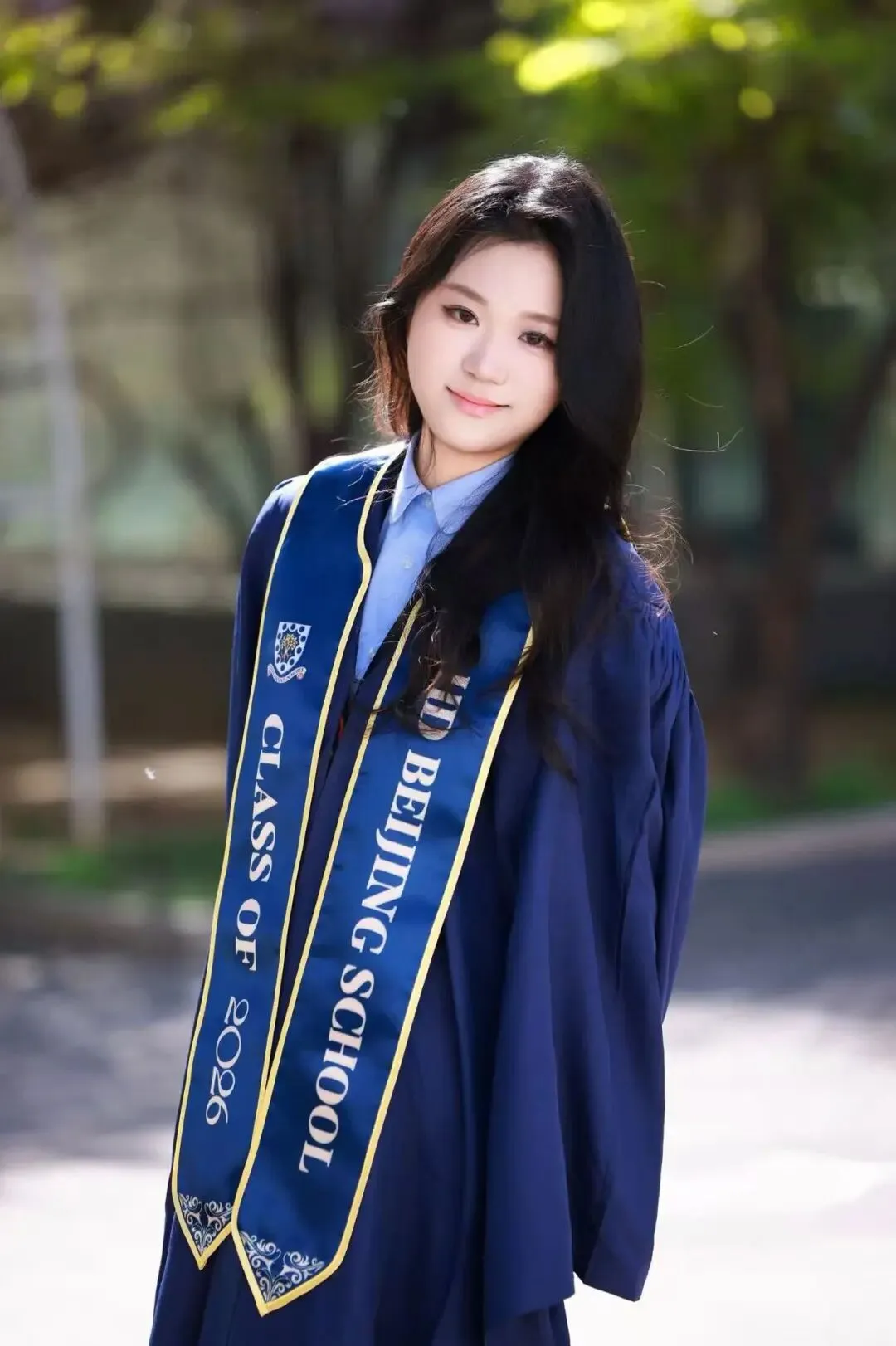
I no longer expect some once-in-a-lifetime chance to hit me, no longer wait for an apple to fall on my head. I've started to feel that the process of "searching" itself is more interesting than "finding the answer." It's like "pioneering with my own hands." I finally understand that we have eyes, a nose, and limbs not to keep our hands raised forever, waiting for a crown – but to think, to act, and to truly touch this world.
Don't rush to ask for meaning. Don't always expect results. Because what the international application truly taught me was never just how to get into a university. Rather –
As a human being, there are so many more "ways to use yourself."
If you are also moved by this kind of "youthful expression," if you have a story "churning deep inside," or a "new perspective on the world," or even those "half-formed, thoughts," you are welcome to write them down and send them to us: bj.marketing@HDBJschools.org