考研
英语



【长难句每日打卡】day 82

2011-2-ReadingPartA-T3-3-2
文章主题:《二战后美国住宅的简约设计风》
The phrase “less is more” was actually first popularized by a German, the architect Ludwig Mies van der Rohe, who like other people associated with the Bauhaus, a school of design, emigrated to the United States before World War II and took up posts at American architecture schools.
词汇:
1.Ludwig Mies van der Rohe 路德维希·密斯·凡德罗<人名>
2.the Bauhaus 包豪斯学校
3.phrase n.短语、词组;惯用语、习语;说法、措辞
4.popularize v.使流行、使普及;使通俗化|大众化;推广、宣传
5.architect n.建筑师;设计师、创造者、缔造者
6.emigrate v.移居国外
7.take up posts at +地点 在哪里任职
背景补充:
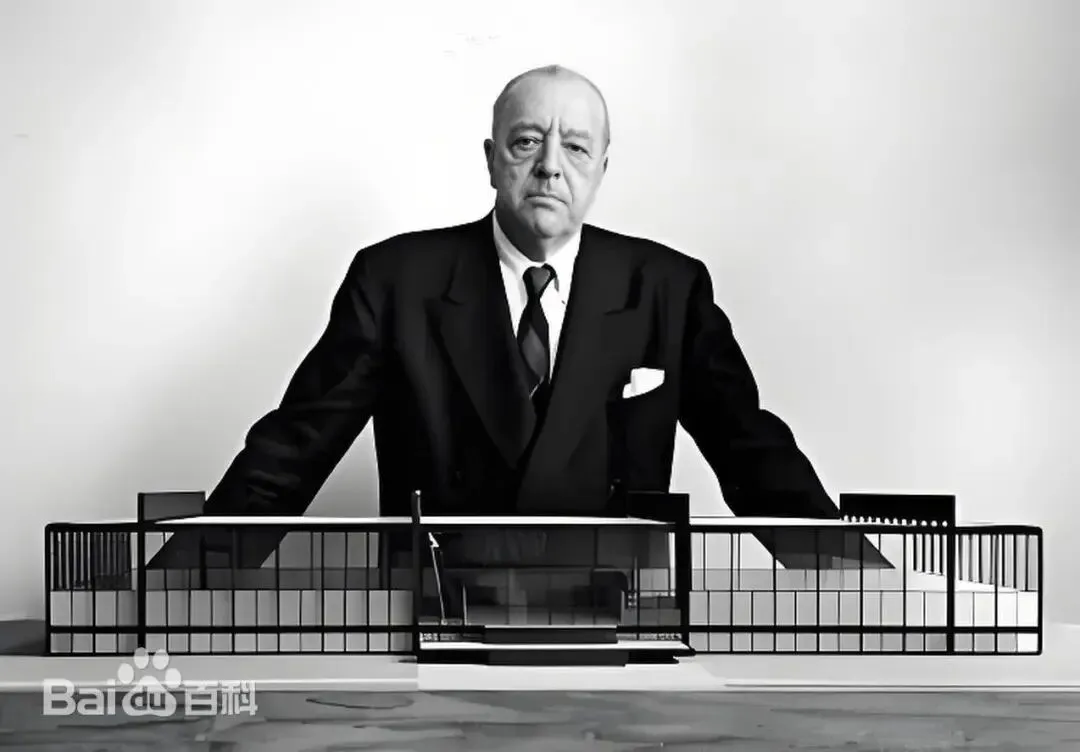
路德维希·密斯·凡德罗(Ludwig Mies van der Rohe,1886年3月27日-1969年8月17日),德裔美籍建筑师,出生于德国亚琛,与赖特、勒·柯布西耶、格罗皮乌斯并称四大现代建筑大师,提出“少就是多”的设计理念及流动空间概念。曾任包豪斯学校第三任校长,后任伊利诺伊理工学院建筑系主任,1944年入美国籍。
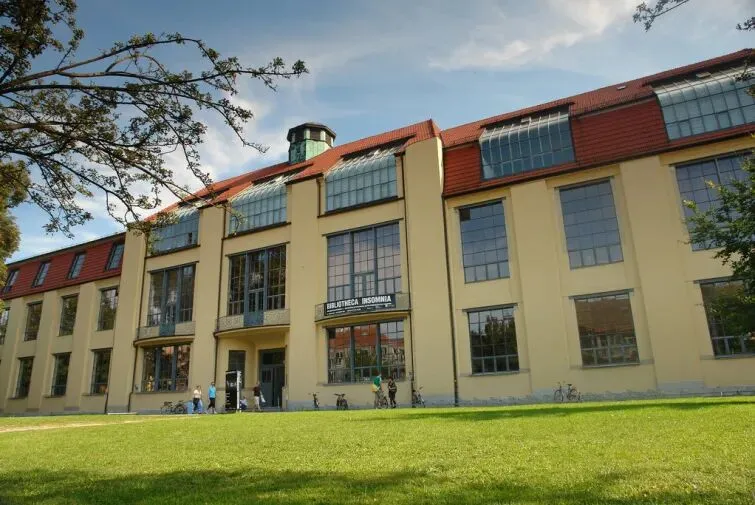
魏玛包豪斯大学(德文:Bauhaus-Universität Weimar),简称魏玛大学,是位于德国魏玛市的一所艺术设计类大学。该校是现代主义设计的发源地,对世界现代设计的发展产生了深远影响,对艺术与设计从传统到现代的转型有着巨大的贡献。包豪斯大学也是世界上第一所完全为发展设计教育而建立的设计学府,是全球艺术设计类院校教学体制与理念的模板。
以上图片及信息来自网络搜索


【Step 1】找谓语
The phrase “less is more” was actually first popularized by a German, the architect Ludwig Mies van der Rohe, wholike other people associated with the Bauhaus, a school of design, emigrated to the United States before World War II and took up posts at American architecture schools.
·动词 is 时态:一般现在时
·动词 was popularized 语态:被动语态+时态:一般过去时
·动词短语 emigrated to 时态:一般过去时
·动词短语 took up 时态:一般过去时
【Step 2】断句
The phrase [“less is more”] was actually first popularized by a German, the architect Ludwig Mies van der Rohe, [who like other people associated with the Bauhaus, a school of design, emigrated to the United States before World War II and took up posts at American architecture schools].
解析:本句包含2个从句:1个省略连接词的同位语从句;1个由who引导的非限制性定语从句<有逗号>。
省略连接词的同位语从句:
The phrase [“less is more”]
判断方法:1.位置:在名词|代词后;2.the phrase=“less is more”即<这句话是“少即是多”。
who引导的非限制性定语从句:
a German, the architect Ludwig Mies van der Rohe, [who like other people associated with the Bauhaus, a school of design, emigrated to the United States before World War II and took up posts at American architecture schools].
判断方法:1.位置:在表示人的名词|代词后<who指代Ludwig Mies van der Rohe在从句中作谓语动词emigrated to的主语>。
重点成分标注:
主语:在句首|谓语前
宾语:在动词|介词后
表语:在系动词后
主语:蓝色;谓语:红色;表语:绿色;宾语:紫色;宾补:深蓝
主句:
The phrase [...] was actually first popularized by a German, the architect Ludwig Mies van der Rohe,
1.the architect——名词作a German的同位语【判断方法:1.位置:在名词|代词后;2.a German=the architect,即这个德国人是一个设计师】
2.Ludwig Mies van der Rohe——名词短语作the architect的同位语【判断方法:1.位置:在名词|代词后;2.the architect=Ludwig Mies van der Rohe,即这个设计师是路德维希·密斯·凡德罗】
省略连接词的同位语从句:
[“less is more”]
who引导的非限制性定语从句:
[who like other people associated with the Bauhaus, a school of design, emigrated to the United States before World War II and took up posts at American architecture schools].
其中,
1.like other people——介宾结构作状语,译为“像,与...一样”;
2.associated with the Bauhaus——非谓语短语作后置定语修饰名词other people【判断方法:1.位置:在名词|代词后;2.代入翻译通顺即可,即译为“...的” <与包豪斯相关的其他人>】;
3.a school of design——名词作 the Bauhaus的同位语【判断方法:1.位置:在名词|代词后;2.the Bauhaus=a school of design,即包豪斯是一所设计学校>】;
4.before World War II——介宾结构作时间状语,表示谓语动词emigrated to发生的时间,即二战后移民到美国。
5.at American architecture schools——介宾结构作地点状语,表示谓语动词took up发生的地点,即在美国一些建筑学院任职。
【Step 3】翻译
The phrase [“less is more”] was actually first popularized by a German, the architect Ludwig Mies van der Rohe, [who like other people associated with the Bauhaus, a school of design, emigrated to the United States before World War II and took up posts at American architecture schools].
主句:
The phrase [“less is more”] was actually first popularized by a German, the architect Ludwig Mies van der Rohe,
先译主干:这句话是由一个德国人推广开来的。
添加修饰:“少即是多”这句话实际上首先是由德国建筑师路德维希·密斯·凡德罗推广开来的。
翻译解释:
1.此处涉及被动的翻译,采取的翻译方法是“利用‘被’的替代词‘由’”;
2.同位语从句“less is more”的翻译,采取的翻译方法是,先译同位语从句,再用“这、此、那等”+被解释说明的名词;
who引导的非限制性定语从句:
[who \\like other people associated with the Bauhaus, a school of design,\\ emigrated to the United States before World War II \\and took up posts at American architecture schools].
先译主干:德维希·密斯·凡德罗移民到美国,并且在...任职。
添加修饰,德维希·密斯·凡德罗像与设计学校包豪斯相关的其他人一样,在二战前移民到美国,并且在美国的一些建筑学院任职。
翻译解释:
1.非限制性定语从句通常采取后置译法<即单独成句+重复先行词>,加之该定语从句过长<超过8个词>;
2.定语从句较长,翻译时别忘记根据语义块,用标点符号断断句,以使其更符合中文的表达习惯。
【Step 4】整合译文
“少即是多”这句话实际上首先是由德国建筑师路德维希·密斯·凡德罗推广开来的,德维希·密斯·凡德罗像与设计学校包豪斯相关的其他人一样,在二战前移民到美国,并且在美国的一些建筑学院任职。
【Step 5】润色译文
The phrase [“less is more”] was actually first popularized by a German, the architect Ludwig Mies van der Rohe, [who like other people associated with the Bauhaus, a school of design, emigrated to the United States before World War II and took up posts at American architecture schools].
“少即是多”这句话实际上是首先由一位名叫路德维希·密斯·凡德罗的德国建筑家推广开来的,像其他与包豪斯建筑学院相关的设计师一样,他在二战之前移民到美国,并曾在美国多个建筑学院任职。


1.phrase n.短语、词组;惯用语、习语;说法、措辞
2.popularize v.使流行、使普及;使通俗化|大众化;推广、宣传
3.architect n.建筑师;设计师、创造者、缔造者
4.take up posts at +地点 在哪里任职
5.emigrate v.移居国外


无

END

评论区留言或私信晒出你的学习笔记or提出疑问,
看到即答复!
祝大家考研上岸!
扫码关注