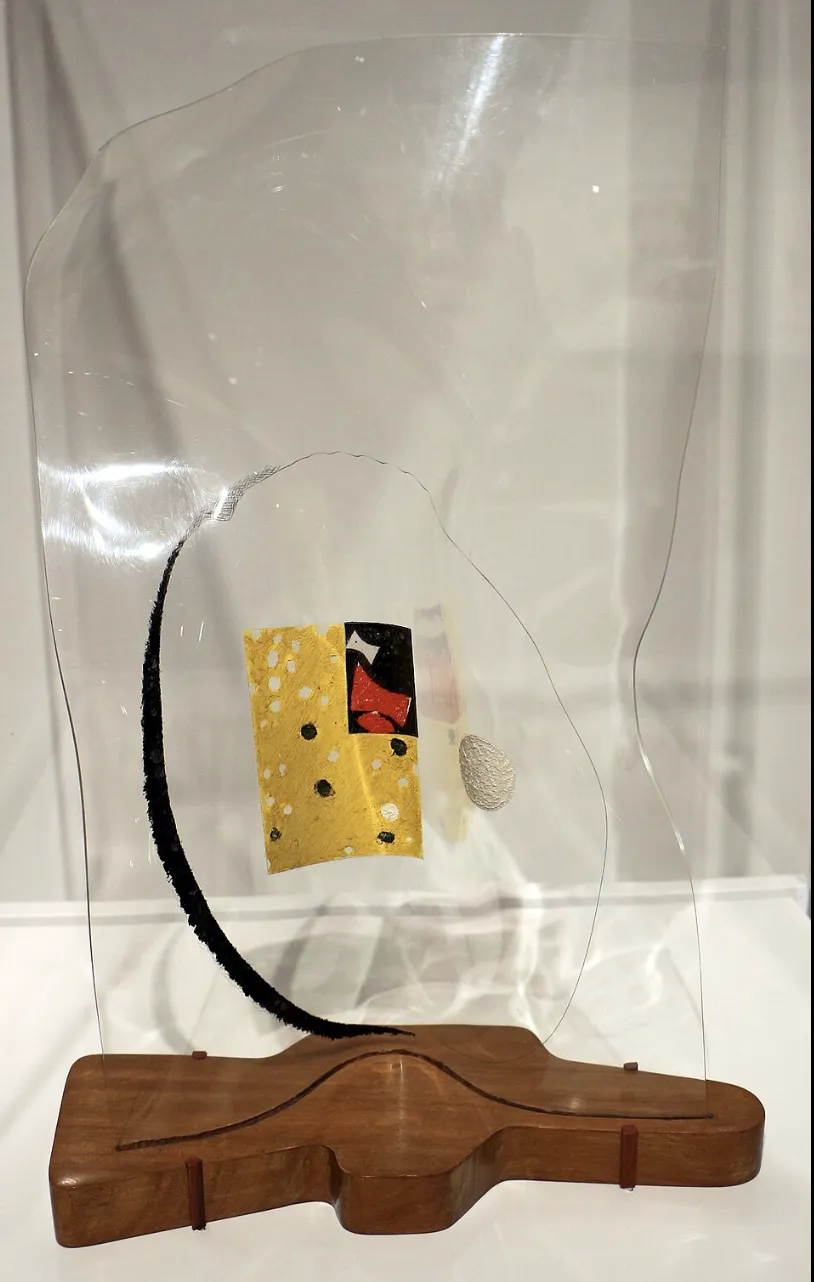
Light Space Modulator同学们好!今天给大家解析的真题是4月18日听力考试中的一篇academic talk。虽然这是一篇有重复度的讲座(2026.3.10 M1_AT2),但是遇到它的同学都受到了不同程度的“折磨”,所以让我们一起来听听看吧:
1
先来做做题
What is the main topic of the talk?A.The technical challenges faced by certain artistsB.The development and significance of a particular type of artC.The influence of traditional art forms on modern artistsD.The popularity of kinetic art among contemporary patrons
According to the talk, what role did the Hungarian artist Laszlo Moholy-Nagy play in the development of kinetic art?A.He criticized the use of technology in art.B.He advanced the idea of using movement and light in art.C.He was the first to use air and wind to manipulate art.D.He established the first kinetic art museum.
What challenge is associated with kinetic art, as mentioned in the talk?A.It requires video monitors.B.It can make it difficult for the audience to engage.C.It can involve technical difficulties.D.It is rarely displayed in major galleries.
Why does the speaker describe kinetic art as "a multisensory experience"?A.To summarize the way kinetic art engages its viewersB.To emphasize that kinetic art is hard to understandC.To highlight an advantage of using video in kinetic artD.To explain the technical requirements of kinetic art installations
A.The technical challenges faced by certain artistsB.The development and significance of a particular type of artC.The influence of traditional art forms on modern artistsD.The popularity of kinetic art among contemporary patrons答案:B题型:内容主旨题定位原文: “Welcome to the world of kinetic art… Born in the early twentieth century, kinetic art is still pushing boundaries, constantly redefining what art can be.”听取思路:
According to the talk, what role did the Hungarian artist Laszlo Moholy-Nagy play in the development of kinetic art?
A.He criticized the use of technology in art.B.He advanced the idea of using movement and light in art.C.He was the first to use air and wind to manipulate art.D.He established the first kinetic art museum.答案:B题型:细节题定位原文: “These works don't just sit there. They respond. They evolve. Hungarian artist Laszlo Moholy-Nagy, one of the movement's pioneers, believed light and motion could transform how we experience art.”听取思路:
正确选项 B 中的 advanced(推动) 正是对 believed light and motion could transform... 的合理改写。
💡 提醒:找到人物只成功了一半,另一半是 听出人物做了什么 / 有什么想法。第三题解析
What challenge is associated with kinetic art, as mentioned in the talk?
A.It requires video monitors.B.It can make it difficult for the audience to engage.C.It can involve technical difficulties.D.It is rarely displayed in major galleries.答案:C题型:细节题定位原文:“But kinetic art isn't all smooth sailing. Incorporating motors and sensors means dealing with breakdowns, software glitches and constant upkeep”听取思路:
Why does the speaker describe kinetic art as "a multisensory experience"?
A.To summarize the way kinetic art engages its viewersB.To emphasize that kinetic art is hard to understandC.To highlight an advantage of using video in kinetic artD.To explain the technical requirements of kinetic art installations答案:A题型:组织结构题定位原文: “From interactive digital landscapes to whimsical mechanical sculptures, kinetic art invites us into a multisensory experience, one that's immersive, unpredictable and unforgettable.”听取思路:
这一题相对较难。需要先判断说话人的态度(积极 → 排除 B/D)。
multisensory experience 呼应前文:kinetic art 通过视觉、运动、空间感调动观众。
invite us 明确指向 viewers,即 总结 kinetic art 如何吸引观众。
❌ B 说“难以理解” ❌ D 说“解释技术要求”,均与原文积极总结不符。
💡 组织结构题技巧:注意结尾总结句的实际作用——往往是对主题的升华或对观众体验的概括。
2
讲座结构总结综上,这篇讲座是一个非常典型的艺术类academic talk,它通常采用“引入—定义—举例—评价”的结构展开。开头通过富有画面感的描述吸引听众注意,自然引出核心概念(kinetic art),随后用对比(如static vs. moving art)帮助听众快速理解概念特征。中间部分以多个代表性艺术家和作品作为例子(如不同风格的动态艺术),从不同角度具体化抽象概念,这是艺术类讲座中最常见的“例子串联结构”。同时,讲座不会只停留在介绍层面,还会加入艺术理念(如光与运动如何改变体验)以及一定的批判性视角(如技术带来的问题),体现学术讨论的深度。最后通常用一个高度概括、偏抽象的总结句(如“multisensory experience”)提升主题,强调这种艺术形式对观众体验的整体影响。这类文章的听力重点往往不在细节本身,而在于抓住“概念定义+例子作用+结尾总结”的整体结构。所以,同学们不要被一些听不懂或者不能及时反应的词“带跑”了注意力,多去搜集你能听得懂的内容大意。一句话提醒同学们,此类篇章中常见的重点内容除了“开头引入”和“结尾总结”外,“概念定义”和“艺术家作为人物例子”也是特别关注的。
听力原文与单词总结最后的最后,为大家附上原文和重要单词总结,并且还有一些关于kinetic art背景知识的网络链接:Imagine stepping into a gallery where the walls don't just display art, they move with you. One moment a sculpture spins gently in the breeze, the next, a panel shifts as you walk by. Welcome to the world of kinetic art, a mesmerizing fusion of motion and visual storytelling. Born in the early twentieth century, kinetic art is still pushing boundaries, constantly redefining what art can be. Unlike static paintings or marble sculptures, kinetic pieces come alive. Think of Alexander Calder's Mobiles delicately balanced to sway with the air. Or Theo Jansen's Strand Beasts, giant wind-powered creatures that walk across beaches like living machines. These works don't just sit there. They respond. They evolve. Hungarian artist Laszlo Moholy-Nagy, one of the movement's pioneers, believed light and motion could transform how we experience art. Moholy-Nagy created a ground-breaking piece called Light Space Modulator, a motorized sculpture of spinning metal and glass, more of a performance than an object. But kinetic art isn't all smooth sailing. Incorporating motors and sensors means dealing with breakdowns, software glitches and constant upkeep. Some critics argue that the tech can overshadow the artistry, turning installations into flashy gimmicks. Still, the genre thrives. From interactive digital landscapes to whimsical mechanical sculptures, kinetic art invites us into a multisensory experience, one that's immersive, unpredictable and unforgettable.核心单词总结