


本期内容

本期内容
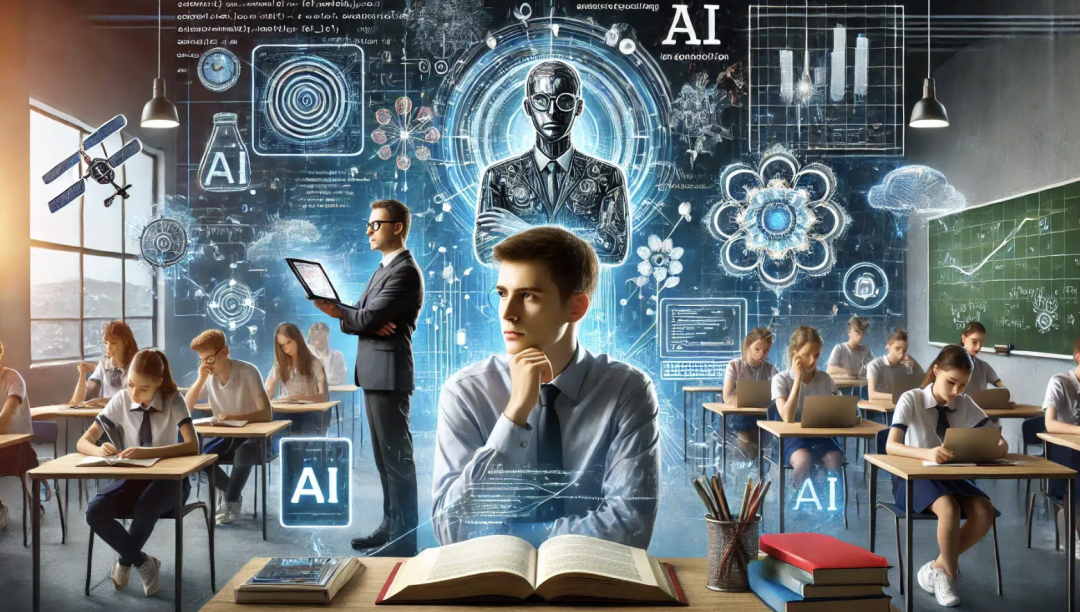
人工智能时代要求教育体系从知识灌输转向培养AI无法替代的人类技能(如创造力、团队协作),但当前教育变革远滞后于技术发展。
关键点/Key Points
A recent study by Oxford University estimates that nearly half of all jobs in the US are at risk from automation and computers in the next 20 years. While advancing technologies have been endangering jobs since the start of the Industrial Revolution, this time it is not just manual posts: artificial intelligence-the so-called fourth industrial revolution-promises to change the shape of professional work as well.
牛津大学最近的一项研究预测,未来20年,美国将有近半数工作岗位因自动化和计算机技术而面临被替代的风险。虽然自工业革命开始以来,技术发展就始终威胁着人类就业,但这次被危及的将不仅是体力劳动岗位。人工智能——即所谓第四次工业革命——还势将改变专业工作的形态。
For instance, lawtech is already proving adept at sorting and analyzing legal documents far faster and more cheaply than junior lawyers can. Similarly, routine tasks in accountingare succumbing (屈服) to AI at the expense of more junior staff.
例如,法律科技已证明在整理和分析法律文件方面远比初级律师更快速、更经济。同样,会计领域的日常工作也正逐步被人工智能取代,这导致更多初级员工面临失业风险。
This change is an opportunity to create new and better jobs. Paul Drechsler, who is president and chair of the CBI employers' organization and Teach First respectively, which recruits high-achievers into teaching, is enthusiastic about the future:“ The fourth industrial revolution is the best opportunity that this country has had for decades to leapfrog" in terms of productivity and competitiveness.
这一变革是创造全新、更优质就业机会的契机。英国工业联合会主席兼教育组织"Teach First"主席保罗·德雷克斯勒对未来充满热情:"在提升生产力和竞争力方面,第四次工业革命是英国几十年来实现跨越式发展的最佳机遇。"
But he cautionsthat “the change is happening much faster than the education system”. The next generation will need a new set of skills to survive, let alone thrive, in an AI world. Literacy, numeracy, science and languages are all important, but they share one thing in common: computers are going to be far better than humans at processing these forms of explicit knowledge.
但他同时警示道:"变革的速度已远超教育系统的适应能力。"在人工智能时代,下一代需要掌握全新的技能组合才能立足,更遑论蓬勃发展。读写能力、计算能力、科学素养和语言能力固然重要,但这些能力都存在一个共同点:计算机在处理这类显性知识时将远胜人类。
The risk is that the education system will be churning out humans who are no more than second-rate computers, so if the focus of education continues to be ontransferringexplicit knowledge across the generations, we will be in trouble. The AI challenge is not just about educating more AI and computer experts, although that is important. It is also about building skills that AI cannot emulate. These are essential human skills such as teamwork, leadership, listening, staying positive, dealing with people and managing crises and conflict.
风险在于,教育系统可能培养出仅相当于二流计算机水平的人才。如果教育仍以代际传递显性知识为核心,我们将陷入困境。人工智能时代的挑战不仅在于培养更多AI与计算机专家(尽管这很重要),更在于构建AI无法复制的核心能力——包括团队协作、领导力、倾听、保持积极心态、人际交往以及危机与冲突管理等关键的人类技能。

These are all forms of tacit knowledge, not explicit knowledge. They are know-how skills, not know-what skills, Know-what is easy to transmit across the generations, and is easy to measure. Know-how skills are hard both to transmit and to measure. The employability skills gap is already large, and AI will only make it larger. A McKinsey surveyfound that 40 percent of employers cited lack of skills to explain entry-level vacancies in their companies. Sixty percent said that even graduates were not ready for the world of work.
这些都属于隐性知识的范畴,而非显性知识。它们是"知其所以然"的实践技能,而非"知其然"的认知性知识。"知其然"易于跨代传播,也便于量化评估;而"知其然"的技能则既难以传承又难以衡量。当前就业技能缺口已然显著,而人工智能只会进一步扩大这一缺口。麦肯锡的调查显示,40%的雇主认为技能缺失是导致企业初级职位空缺的主要原因,60%的雇主表示即使是高校毕业生也尚未做好进入职场的准备。
The scale of the current response in the UK does not match the challenge. University technical colleges, the brainchild of former education secretary Lord Baker, explicitly address employability, with a focus on developing engineers, technicians and scientists of the future. In the last academic year, however, just 1,955 18-year-olds graduated from these schools; compared to the 770,000 18-year-olds in the UK, so that is a drop in the ocean.
英国当前的应对规模与挑战的严重程度极不匹配。前教育大臣贝克勋爵构想的大学技术学院明确以就业能力为导向,着力培养未来的工程师、技术员和科学家。然而,上一学年仅有1,955名18岁学生从这类学校毕业——相比英国77万名同龄青年群体,这不过是沧海一粟。
Evaluation and league tablesare a barrier to success -you get what you measure in education as much as you do in business. The schools' accountability framework keeps changing, but there is always some variation on measuring how well schools transfer know-what skills, especially English and math. The Progress 8 Framework, which assesses student progress in eight subjects, has no direct measure of employability skills.
评估体系与排名机制正成为教育成功的阻碍——正如商业领域一样,在教育中你衡量什么就会得到什么。学校的问责框架不断变化,但本质上仍围绕衡量学校传授"知其然"知识的能力,尤其是英语和数学。而评估学生八门学科进展的"进步八分制"框架,却完全不直接衡量就业技能。
Tom Ravenscroft, chief executive of Enabling Enterprise, challenges this approach:“ We are doubling down on the idea that if we get children to know things and regurgitate them in a certain way in an exam, then we are setting them up for success in life.”
Enabling Enterprise的首席执行官汤姆•拉文斯克罗夫特质疑了这种方法:“我们正在强化一种观念,认为如果让孩子们掌握知识,并以某种方式在考试中复述出来,就是在为他们人生的成功铺路。”
Success depends onequipping the next generation with human skills that even AI cannot emulate: creativity, innovation, resilience, dealing with conflict, ambiguity and uncertainty. We are not ready for this. We have not even started to get ready.
成功取决于为下一代配备连人工智能都无法模仿的人类技能:创造力、创新力、韧性、应对冲突、模糊性和不确定性的能力。我们尚未为此做好准备,甚至还未开始准备。

点“在看”每天收看最新内容

如果文章对您有帮助,请点击
收藏
点赞
在看
+1
点击上方蓝字
关注我们❤️!
如果文章对您有帮助,记得动动您的双手点赞+收藏+关注——您的支持便是我持续更新的动力!💝


