


链接:https://pan.quark.cn/s/7ccab1c1c0cb
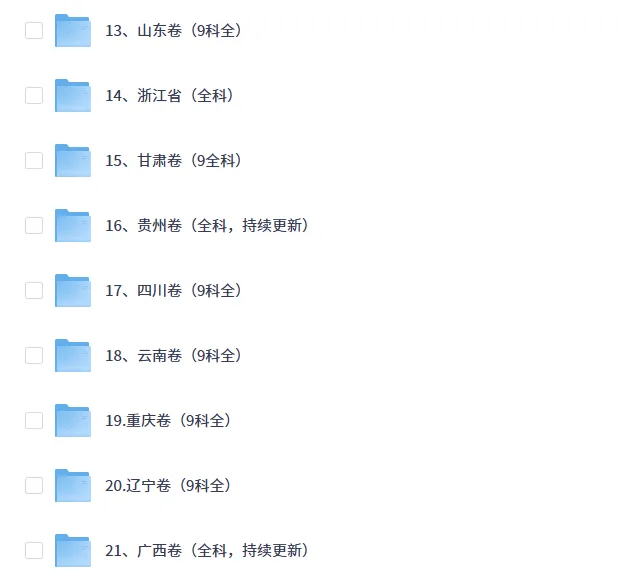
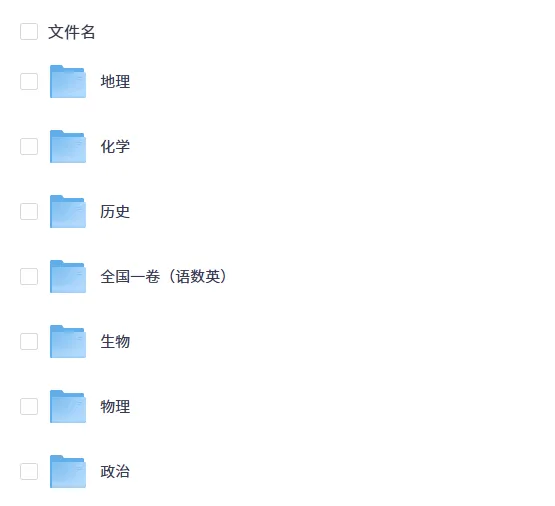
「2008-2024全国高考真题(按省份分类)」:
链接:https://pan.quark.cn/s/c55a2a74c366
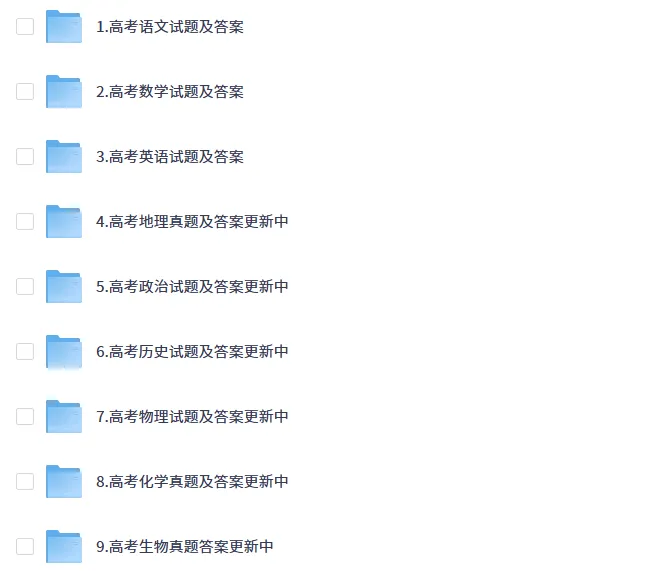
「高考语文试题及答案」:
链接:https://pan.quark.cn/s/168f784929db
「高考数学试题及答案」:
链接:https://pan.quark.cn/s/8e1e0cfd555c
「高考英语试题及答案」
链接:https://pan.quark.cn/s/306b803f11ad
「高考物理试题及答案更新中」
链接:https://pan.quark.cn/s/143732ede81a
「高考化学真题及答案更新中」
链接:https://pan.quark.cn/s/6eb271b49a91
「高考生物真题答案更新中」
链接:https://pan.quark.cn/s/9dc35db9df45
「高考地理真题及答案更新中」
链接:https://pan.quark.cn/s/62eab145f5c1
「高考政治试题及答案更新中」
链接:https://pan.quark.cn/s/55e6b2298726
★部分截图展示:
13.细节理解题。根据文章第二段中“Crucially, this process relies on the water containing enough calcium carbonate (碳酸钙) to trap the plastics. In the study, boiling hard water containing 300 milligrams of calcium carbonate led to an almost 90 percent drop in plastics. But in samples with less than 60 milligrams of calcium carbonate, boiling reduced the level of plastics by just 25 percent.(至关重要的是,这一过程依赖于含有足够碳酸钙的水来截留塑料。在这项研究中,将含有300毫克碳酸钙的硬水煮沸后,塑料含量下降了近90%。但在碳酸钙含量低于60毫克的样品中,煮沸只降低了25%的塑料含量)”可知,决定在水中截留微塑料的有效性的是水的硬度。故选A。
14.推理判断题。根据文章第四段中“Still, the findings show a potential path forward for reducing microplastic exposure—a task that's becoming increasingly difficult. Even bottled water, scientists found earlier this year, contains 10 to 1,000 times more microplastics than originally thought.(尽管如此,研究结果显示了减少微塑料接触的潜在途径——这一任务正变得越来越困难。今年早些时候,科学家们发现,即使是瓶装水,其微塑料含量也比原先想象的高出10到1000倍。)”可推断,作者提到瓶装水是为了说明微塑料污染的严重性。故选B。
15.推理判断题。根据文章最后一段中“‘The way they demonstrated how microplastics were trapped through the boiling process was nice,” Caroline Gauchotte-Lindsay, an environmental engineer of the University of Glasgow in Scotland who was not involved in the research, tells New Scientist.“We should be looking into upgrading drinking water treatment plants so they remove micronlastice”(苏格兰格拉斯哥大学的环境工程师 Caroline Gauchotte-I indsav 有没有参与这项

声明:本账号所分享的资源均为免费公益分享,仅供个人学习使用,若侵犯您的权益,烦请留言告知,我们将立即删除。


