资讯 / 正文
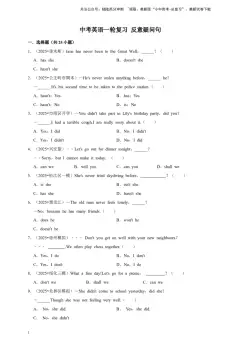
中考考点~反义疑问句
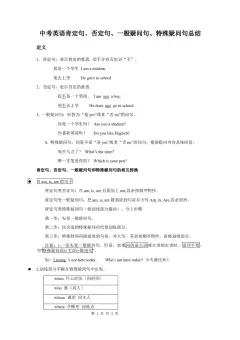
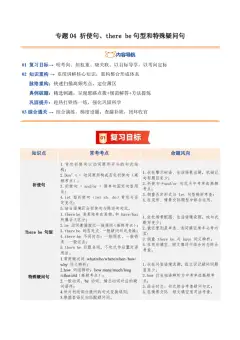
中考考点~反义疑问句非普通陈述句的反义疑问句 1 祈使句的反意疑问句A 在肯定的祈使句后,为了使祈使句听起来比较婉转、客气,可以加一个简短的问句,例如: “will you?” “would you?” “won’t you?” “can you?” “could you?” “can’t you?”。最常用的是 “will you?” 或者 “won’t you?”。◆ Speak louder, will you?(请大声点,好吗?)◆ Give me a hand, would you?(请帮我一下,好吗?)◆ Turn off the light, won’t you?(关上灯,好吗?)◆ Read it slowly, can / can’t you?(慢点读,好吗?)补充否定的祈使句的反意疑问句- 在否定的祈使句后面,只能用肯定的疑问部分 “will you?”。- Don’t be late, will you?(别迟到,行吗?)B 在Let’s…祈使句后加上 “shall we?” 或 “shan’t we?”,因为Let’s包含谈话的对方在内。而在Let us / me / him…后要加上 “will you?” 或 “won’t you?”,因为Let us不包括谈话的对方在内。◆ A: Let’s go and see a film, shall we?(咱们出去看场电影吧,好吗?)B: Yes, let’s. (好吧。)B: No, let’s not. (不。)◆ Let’s have a cup of drink, shall we?(我们去喝杯饮料吧,好吗?)◆ Let us wait for you in the reading‑room, will you?(我们在阅览室等你,好吧?)◆ Let me have a try, will you? (让我试试,好吗?)◆ Let her play the piano, will you?(让她弹钢琴吧,〈您说〉行吗?)2 陈述部分含表否定意义的词的反意疑问句陈述部分如果有表示否定意义的词,如:never, seldom, hardly, few, little, nobody, no one, nothing, neither时,其反意疑问句的疑问部分要用肯定式。◆ A: He never watches TV, does he?(他从不看电视,是吗?)B: Yes, he does. (不,他看。)B: No, he doesn’t. (是的,他不看。)◆ A: Very few people understand what he said, do they?(很少有人听得懂他说的话,是吧?)B: Yes, they do. (不,很多人听得懂。)B: No, they don’t. (是的,很少人听得懂。)◆ A: No one can help me, can he / they?(没有人能帮助我,是吗?)B: Yes, he / they can. (不,有人能帮你。)B: No, he / they can’t. (是的,没人能帮你。)◆ A: Neither of them will go, will he?(他们中没有人去,对吗?)B: Yes, he will. (不对,有人去。)B: No, he won’t. (对,没人去。)重要a few与副词的固定搭配- only a few仅少数,只有几个- quite a few相当多的3 陈述部分是There be结构的反意疑问句陈述部分是There be结构时,疑问部分用there,省略主语代词。◆ There is something wrong with the computer, isn’t there?(电脑出毛病了,是吗?)◆ There is no time left, is there?(没有时间了,是不是?)◆ There will not be any trouble, will there?(不会有什么麻烦的,是吧?)4 陈述部分的主语是不定代词的反意疑问句陈述部分如果有everything, nothing等表示事物的词作主语时,疑问部分的主语用it;陈述部分如果有everyone, no one, someone等表示人的不定代词作主语时,疑问部分常用they(有时也用he)。◆ Everything here is dirty, isn’t it?(这儿的所有东西都很脏,不是吗?)◆ Everybody knows the answer, don’t they?(每个人都知道答案,不是吗?)例everybody的特殊用法everybody具有整体意义,因此,在反意疑问句的疑问部分中其相应的代词形式采用了复数形式。5 陈述部分为含宾语从句的主从复合句的反意疑问句陈述部分是含有宾语从句的主从复合句时,疑问部分的动词和主语代词常和主句的动词和主语保持一致。但是,如果陈述部分的主句的谓语是think, believe, suppose, imagine等词时,疑问部分的动词和主语应和宾语从句的动词和主语保持一致。◆ You told them he wouldn’t come, didn’t you?(你告诉他们他不来了,是吗?)◆ He never said he was a good student, did he?(他从没说过他是个好学生,不是吗?)◆ I think you are right, aren’t you?(我认为你是对的,不是吗?)◆ I don’t think she can complete the essay alone, can she?(我认为她不能独自完成这篇作文,是吧?)◆ I don’t believe he knows it, does he?(我相信他不知道,是吧?)◆ I suppose they are waiting for us now, aren’t they?(我猜想他们正在等我们,是吗?)注意- “I / we don’t think / believe… + 宾语从句” 属于英语中最常见的否定转移,即位于宾语从句中的否定词not被转移到主句中去了。只有某些动词才允许否定转移,例如:believe, suppose, imagine等。- 这种否定转移的主从复合句,它的反意疑问句是针对被否定转移的从句而提出的,所以要根据宾语从句中的谓语动词和主语来构成其疑问部分。
相关文档
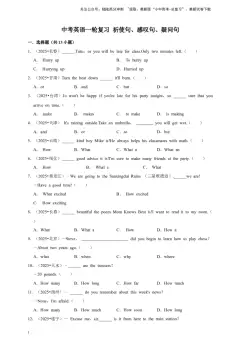
- 考点25祈使句、反义疑问句和it的用法-特殊句型(重难考点精讲练)(解析版)(全国通用)
- 考点25祈使句、反义疑问句和it的用法-特殊句型(重难考点精讲练)(原卷版)(全国通用)
- 2024高考英语语法词汇专项突破全解读反义疑问句十一条重点考点加巩固训练加答案
- 2024高考英语语法词汇专项突破03全解读反义疑问句十一条重点考点加巩固训练加答案
- 2026年中考英语常考考点专题之特殊疑问句
- 2026年中考英语常考考点专题之一般疑问句
- 学而思初一英语全国版S班春上爱豆笔记Lecture11
- 练习和试卷人教版初中英语八上(多版本)易提分旗舰店
- 初中英语一般疑问句和特殊疑问句
- 第十三号特殊疑问句练习题
- 第十三号特殊疑问句练习题答案解析
- 一年级语文反义词(必考考点·晨读)
- 一年级语文单元知识点必考点 多音字近反义词量词叠词
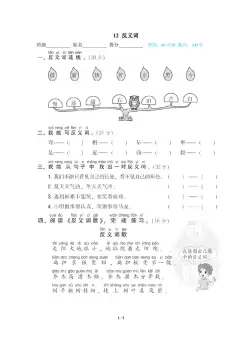
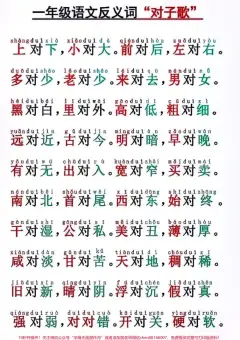
- 一年级语文反义词对子歌(带拼音)
- 1肯定句、否定句、一般疑问句和特殊疑问句总结
- 一年级语文反义词对子歌学习资料
- 一升二语文近义词反义词汇总(暑假)
- 备考2026年中考英语一轮复习祈使句感叹句疑问句原卷版加解析版
- 一年级语文反义词对子歌必考考点学习资料
- 一年级语文下册反义词对子歌词语积累(增长智慧锻炼口才)
- 备考2026年中考英语一轮复习祈使句感叹句疑问句原卷版加解析版
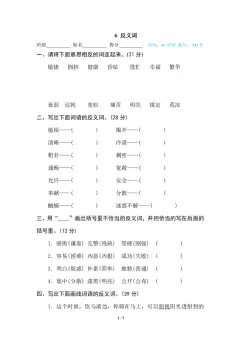
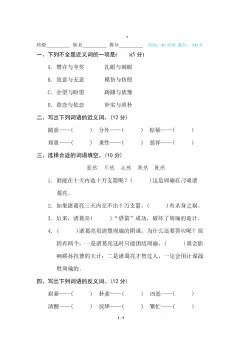
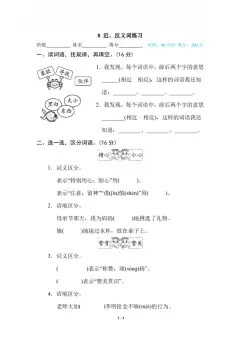
- 反义词练习
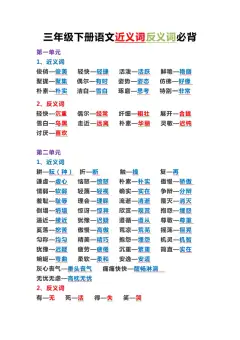
- 三年级下册语文全册近反义词汇总
- 仁爱版九年级英语下册简单句巩固练习
- 仁爱版九年级英语下册简单句基础讲解
- 备考2026年中考英语一轮复习卷反意疑问句含答案解析
- 反义词带拼音汇总大全
- 日积月累知识近义词与反义词
- 一年级上册每课近义词反义词汇总
- 人教版七年级下册英语专题06特殊疑问句精讲精练解析版期末考点大串讲
- 2026年中考英语一轮复习反意疑问句(含答案解析)
- 语文四年级下册近义词反义词总汇
- 五年级上册语文1-8单元近反义词汇总(暑假预习)
- 二年级语文下册近义词反义词汇总
- 人教版七年级下册英语专题06特殊疑问句精讲精练原卷版期末考点大串讲
- 2024中考英语学霸必刷子母题简单句陈述句疑问句各种特殊句式第09讲解析版
- 2024中考英语学霸必刷子母题简单句陈述句疑问句各种特殊句式第09讲原卷版
- 专题05疑问句祈使句及感叹句十六区二模新题速递解析版好题汇编2024年中考英语二模上海专用
- 专题05疑问句祈使句及感叹句十六区二模新题速递原卷版好题汇编2024年中考英语二模上海专用
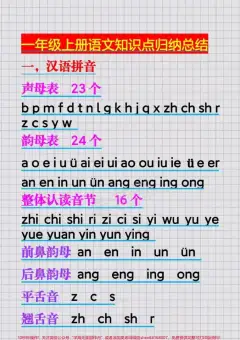
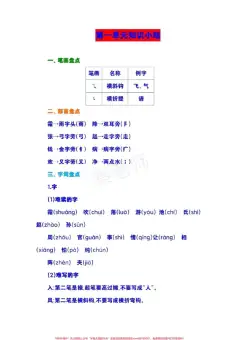
- 一年级语文上册1-8单元考点总结(生字笔顺组词、反义词、拼音拼读)
- 2026通用版小升初英语题型突破15疑问句含答案解析
- 高考语文专题05考点拓展5&肯定句、否定句、疑问句及转化方法&写作指导(动植物介绍)解析版
- 高考语文专题05考点拓展5&肯定句、否定句、疑问句及转化方法&写作指导(动植物介绍)原卷版
- 2024中考英语一轮复习讲练测句子的种类第20讲讲义解析版(全国通用)
- 2024中考英语一轮复习讲练测句子的种类第20讲讲义原卷版(全国通用)
- 2024中考英语一轮复习讲练测句子的种类第20讲练习解析版(全国通用)
- 2024中考英语一轮复习讲练测句子的种类第20讲练习原卷版(全国通用)
- 一年级下册语文课堂笔记 单元知识汇总 近反义词多音字日积月累名言警句 必考考点
- 一年级下册语文单元知识梳理汇总(生字组词、近反义词多音字、仿写句子必考考点)
- 三年级上册语文近义词与反义词汇总
- 三年级上册语文反义词汇总
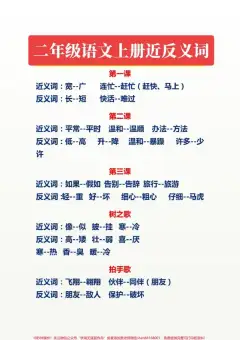
- 二年级上册语文必考近义词反义词
- 二年级上册语文近反义词汇总
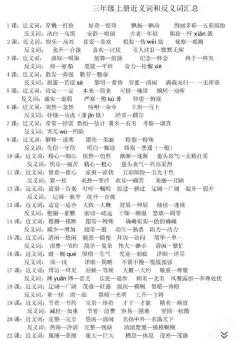
- 三年级下册语文近反义词汇总
- 三年级上册语文近义词汇总
- 七年级英语专题04考点拓展4&肯定句、否定句、疑问句及转化方法&写作指导(家庭生活)(人教版)(解析版)
- 七年级英语专题04考点拓展4&肯定句、否定句、疑问句及转化方法&写作指导(家庭生活)(人教版)(原卷版)
- 一年级语文下册全册词语类汇总(量词、形容词、多音字、近反义词、颜色词、ABB/AABB词语积累)
- 三年级上册语文近义词和反义词汇总
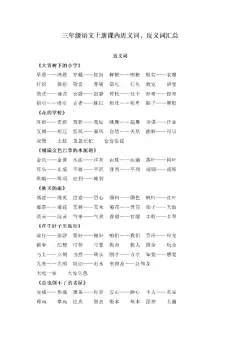
- 三年级上语文课内近义词和反义词汇总
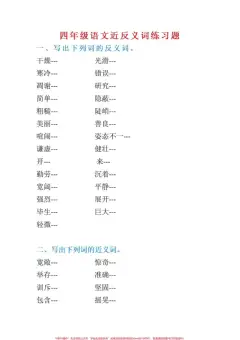
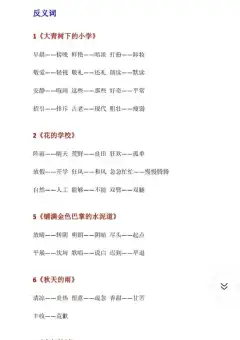
- 部编版四年级上册语文期末课内近义词反义词专项练习
- 一年级语文下册近反义词汇总
- 人教版七年级下册英语专题04时间表达法What time和when引导的特殊疑问句精讲精练解析版
- 人教版七年级下册英语专题04时间表达法What time和when引导的特殊疑问句精讲精练原卷版
- 一年级语文下册近义词反义词汇总
- 二年级下册语文近义词反义词汇总
- 2023小升初英语语法专题突破疑问句北京版其一
- 四年级上册各单元近义词与反义词汇总
- 四年级上册语文期中总复习近反义词汇总
- 二年级语文上册1-8单元量词用法、词语搭配、近义词反义词及成语盘点
- 高中英语语法项目专项讲解练习反意疑问句PDF
- 二升三暑假预习近义词和反义词汇总 小学语文知识点总结
- 英语人教2026《暑假复习讲义》专题05特殊疑问句(暑假复习讲义)(解析版)
- 2023小升初英语语法专题突破疑问句北京版其二
- 一年级上册语文对字歌必考考点反义词
- 四年级下语文全册近义词反义词汇总有答案
- 四年级下语文全册近义词反义词汇总无答案
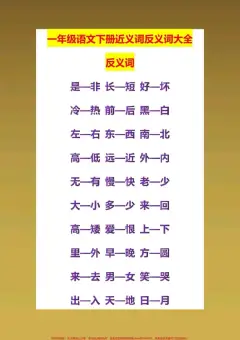
- 一年级语文反义词对子歌
- 英语人教2026《暑假复习讲义》专题05特殊疑问句(暑假复习讲义)(原卷版)
- 四年级上册语文1-8单元近义词反义词汇总
- 三年级上册语文近反义词汇总暑假预习
- 小学语文四年级反义词专项练习
- 小学语文一年级反义词专项练习
- 一年级语文上册知识汇总(拼音、近反义词、多音字、叠词量词、仿写句子·必考考点)
- 二年级语文上册近反义词大全
- 一年级语文反义词对子歌(小学语文知识点)
- 小学语文五年级近义词反义词专项练习
- 二年级语文上册近反义词汇总整理
- 二年级下册语文近义词反义词必考考点课堂笔记(含寒假预习)
- 一年级语文课堂笔记:生字组词造句、近反义词、多音字、叠词量词、必背古诗与日积月累(幼小衔接)
- 一年级语文反义词对子歌必考考点资料
- 三年级下语文近反义词汇总背诵版二点五
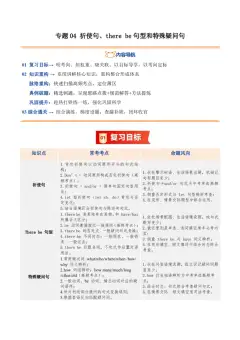
- 英语人教2026《暑假复习讲义》专题04祈使句、therebe句型和特殊疑问句(暑假复习讲义)(解析版)
- 一年级语文生字组词造句 近反义词多音字日积月累
- 小学语文二年级近反义词练习专项
- 英语人教2026《暑假复习讲义》专题04祈使句、therebe句型和特殊疑问句(暑假复习讲义)(原卷版)
- 2026春新版四年级下册英语特殊疑问句
- 一年级上册语文反义词对子歌学习资料
- 二年级上册语文近反义词汇总
- 二年级语文下册近反义词汇总(一线老师整理版)