

NEW SCIENTIST 外刊精读 · 交互评讲课件
Brain training shows promise for short-term depression relief
脑训练为短期缓解抑郁带来希望——但效果并非如研究者所预期
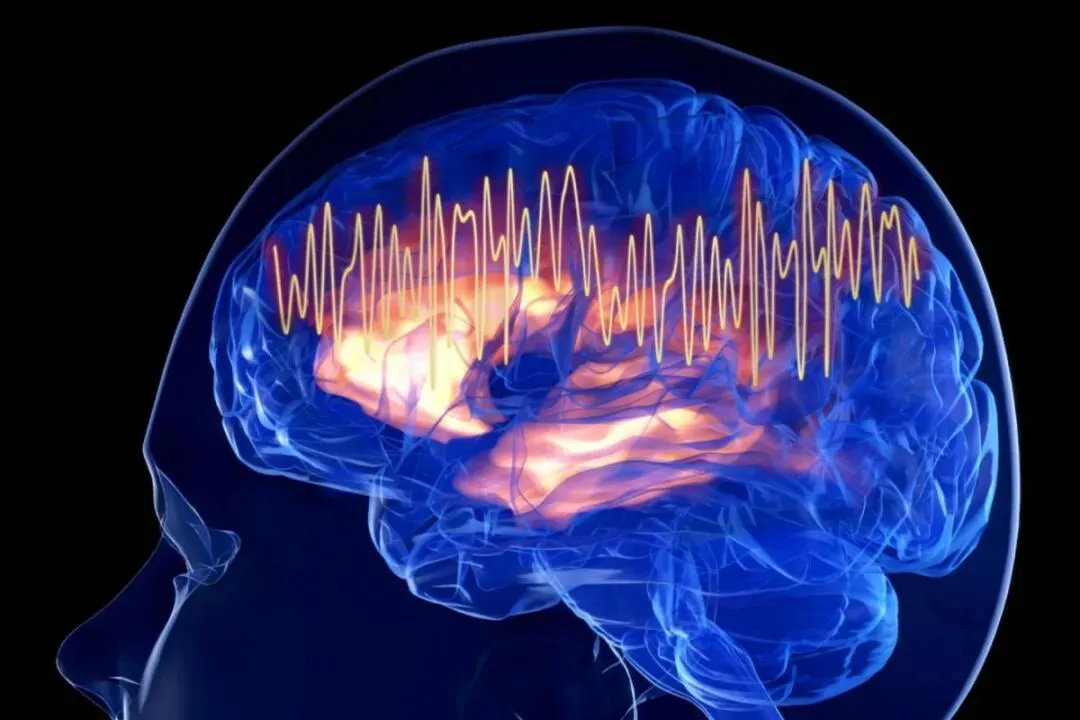
图:We could actively regulate our brain activity to improve our mental health.(Shutterstock/Juan Gaertner)
① 原文批读
原文批读 · Text with Annotations
📖 橙色虚线词为难点词汇,释义与例句见本节文末「重点词注释」;先通读全文,再对照下方结构图梳理行文脉络。
We could actively regulate our brain activity to improve our mental health.
¶1A single session of brain training temporarily improved the mood of people with depression in a small trial. This type of neurofeedback, which non-invasively measures brain activity to help us learn how to regulate it, encouraged the individuals to alter activity in a region involved in motivation and reward. While their brain activity didn't meaningfully change, they did report immediate improvements to their mood that persisted into the following day.
¶2A range of wearable devices, such as headbands, aim to monitor our nervous systems and intervene to improve our wellbeing. But trials into their effectiveness aren't always carried out independently and they tend to lack a well-matched control group. These devices also often focus on improving stress, anxiety and sleep.
¶3Now, Laurel Morris at the Icahn School of Medicine at Mount Sinai in New York and her colleagues have carried out a randomised-controlled trial into the potential of a non-wearable form of neurofeedback for depression.
¶4The team recruited 32 people who had been diagnosed with major depressive disorder and 30 others with no history of mental health problems. All the participants had been free of medications that affect the brain, including antidepressants, for at least a week.
¶5The participants were asked to think about things that motivated them – such as being encouraged by loved ones, achieving their goals and singing – while they lay in a scanner that measured activity in their ventral tegmental area (VTA). This is implicated in reward-driven motivated behaviours and depression.
¶6The aim of the intervention, which lasted about 30 minutes, was to increase activity in their VTA, which was displayed to them via a thermometer-like image. But while about half of the participants saw live feedback of their brain activity, the others unknowingly saw prerecorded signals from someone else, acting as the sham group.
¶7The researchers found that the people with depression who received genuine feedback on their brain activity scored higher on two mood questionnaires, compared with those given sham feedback. These questionnaires were carried out immediately after leaving the scanner and the next day.
¶8The neurofeedback seemed to reduce their negative emotions, such as sadness, rather than raising their positive ones, says Morris. Among those without depression, there was little difference in mood scores between the genuine and sham groups.
¶9But the extent of the reduction in negative emotions may not translate into improvements that people with depression would notice. “We would not call these changes clinically meaningful yet,” says Morris. The improvements were also short-lived, having disappeared at a one-week follow-up.
¶10What's more, brain activity didn't significantly differ between those who received genuine and sham feedback. Thinking about motivating things could be what helps, rather than the neurofeedback itself, says Kymberly Young at the University of Pittsburgh in Pennsylvania. However, the researchers did find that those who were better at regulating their VTA reported greater mood improvements.
¶11Morris is now leading a follow-up trial at the University of Oxford to test the effects of two neurofeedback sessions instead of one. The study began in September, but its results aren't expected for several years.
📐 文章结构图(新闻语篇:导语 → 背景 → 方法 → 结果 → 局限 → 展望)
¶1 导语(现象+意外)
单次训练短期改善情绪,但脑活动并未真正改变——题眼
¶2 背景铺垫
可穿戴设备 trial 不独立、缺对照 → 引出更严谨的新研究
¶3–6 研究方法
62 人 RCT;VTA 靶区;想激励性画面;真反馈 vs 假反馈(sham)
¶7–8 研究结果
抑郁组负性情绪↓(非正性情绪↑);健康组无差异
¶9–10 局限反思
不够 clinically meaningful;一周即消失;机制存疑(起效的可能是“想”而非“反馈”)
¶11 展望
Oxford 后续试验:两次会话替代一次
🔍 长难句拆解
This type of neurofeedback, which non-invasively measures brain activity to help us learn how to regulate it, encouraged the individuals to alter activity in a region involved in motivation and reward.
主干:This type of neurofeedback encouraged the individuals to alter activity。两个括号分别为非限制性定语从句(说明神经反馈原理)与不定式宾补(alter 的目标),involved in… 为过去分词后置定语修饰 region。
译:这种神经反馈训练无创地测量大脑活动、帮助我们学习调节它,鼓励这些人改变一个与动机和奖赏相关的脑区的活动。
While their brain activity didn't meaningfully change, they did report immediate improvements to their mood that persisted into the following day.
While 引导让步状语从句(“尽管”);did 强调谓语;that 引导定语从句修饰 improvements。「尽管脑活动没变,情绪却真有改善」——这一让步转折正是全文张力所在,也是命题最爱。
译:尽管他们的脑活动没有显著变化,他们的情绪确实当场得到改善,并持续到了第二天。
But while about half of the participants saw live feedback of their brain activity, the others unknowingly saw prerecorded signals from someone else, acting as the sham group.
while 表对比(“而”);unknowingly(不知情地)是理解 sham 组设计的关键副词;acting as… 现在分词短语作结果状语。
译:但约一半参与者看到的是自己脑活动的实时反馈,而另一组人则在不知情中看到的是他人的预录信号——这就是“假反馈”对照组。
📚 词汇速查
词汇
释义
语境点拨
neurofeedback
神经反馈(训练)
全文主题词;neuro- 词根“神经”
regulate / regulation
调节
心理健康话题高频词
be implicated in
与……密切相关
熟词生义 ≠ “暗示”
sham
假的;假刺激对照组
与 genuine 构成反义对照
genuine
真的;真实的
实验设计术语
prerecorded
预先录制的
pre- 前缀构词
clinically meaningful
有临床意义的
判断疗效的严谨表述,注意 yet 的保留态度
follow-up
随访;后续
follow up v. / follow-up n./adj.
randomised-controlled trial
随机对照试验
RCT,科研说明文常客
short-lived
短暂的
合成形容词:adj.+ved
🔖 难点词注释(原文橙色虚线词)
neurofeedback n. 神经反馈(训练):实时监测脑活动并反馈给本人,帮助其学习自我调节。〔neuro-(神经)+ feedback(反馈)〕
non-invasively adv. 无创地(不切开/不进入身体)。〔non- + invasive(侵入的)〕
regulate v. 调节;调控。〔regulate one's emotions 调节情绪〕
persisted v. 持续存在。〔persist into the following day 持续到第二天〕
wearable adj. 可穿戴的(n. 可穿戴设备)。〔wearable devices such as headbands 头带等可穿戴设备〕
randomised-controlled trial 随机对照试验(医学研究的金标准设计)。〔randomised(随机分组)+ controlled(设对照组)〕
ventral tegmental area (VTA) 腹侧被盖区:大脑中与奖赏、动机相关的区域。〔ventral tegmental area,缩写 VTA〕
implicated be implicated in 与……密切相关;牵涉其中。〔高频熟词生义:不是「暗示」本义〕
prerecorded adj. 预先录制的。〔pre-(预先)+ recorded〕
sham adj. 假的;冒充的(n. 冒牌货)|实验术语:假刺激对照组。〔★ 高考词义猜测题考点词。与 genuine(真的)相对〕
follow-up n. 随访;后续追踪。〔follow-up study / at a one-week follow-up〕
② 高考改编
高考改编文本 · Adapted Passage(约 380 词)
按新高考Ⅰ卷 C/D 篇(科技说明文)规格改编:控制篇幅、理顺段落、保留命题点。段落编号 [1]–[9] 便于题文定位。
✂️ 改编说明
改编维度
具体处理
命题理由
篇幅
450 词 → 约 380 词
新高考 C/D 篇体量(约 330–380 词)
结构
12 段 → 9 段;合并方法段与结果段
段落与设问一一对应,方便「题文定位」教学
删减
删去可穿戴设备用途列举(stress/anxiety/sleep)、Oxford 试验起始时间等支线
保留「背景—方法—结果—局限—展望」主线,剔除不承载命题功能的细节
句式
拆分超长句(如 ¶5 scanner 定语从句改为破折号同位结构);统一时态
降低非考点阅读障碍,保留 2–3 处长难句作为语言考点
保留
VTA 术语加同位语解释;sham 加引号并保留下划线;两处直接引语原样保留
词义猜测与推理判断题的原文锚点不动
📄 改编文本
[1]A single session of brain training temporarily improved the mood of people with depression in a small trial. This type of neurofeedback, which non-invasively measures brain activity to help us learn how to regulate it, encouraged individuals to alter activity in a brain region involved in motivation and reward. While their brain activity didn't meaningfully change, they reported immediate mood improvements that lasted into the following day.
[2]A range of wearable devices, such as headbands, aim to monitor our nervous systems. But trials of their effectiveness aren't always independent and often lack well-matched control groups.
[3]Now, Laurel Morris at the Icahn School of Medicine at Mount Sinai and her colleagues have carried out a randomised-controlled trial of a non-wearable form of neurofeedback for depression.
[4]The team recruited 32 people diagnosed with major depressive disorder and 30 others with no history of mental health problems. All had been free of brain-affecting medications, including antidepressants, for at least a week.
[5]While lying in a scanner measuring activity in their ventral tegmental area (VTA) — a brain region involved in reward-driven behaviour and depression — participants were asked to think about things that motivated them, such as being encouraged by loved ones.
[6]The 30-minute intervention aimed to increase VTA activity, displayed via a thermometer-like image. About half the participants saw live feedback of their own brain activity; the others unknowingly saw prerecorded signals from someone else, acting as the “sham” group.
[7]The researchers found that participants with depression who received genuine feedback scored higher on two mood questionnaires than the sham group, both immediately after the scan and the next day. The neurofeedback seemed to reduce negative emotions, such as sadness, rather than raise positive ones. Among those without depression, there was little difference between the two groups.
[8]But the improvements may not be big enough for people with depression to notice. “We would not call these changes clinically meaningful yet,” says Morris. They had also disappeared at a one-week follow-up.
[9]What's more, brain activity didn't significantly differ between the two groups. Thinking about motivating things could be what helps, rather than the neurofeedback itself, says Kymberly Young. However, those who were better at regulating their VTA did report greater mood improvements. Morris is now leading a follow-up trial at the University of Oxford to test two neurofeedback sessions instead of one.
④ 命题解析
命题解析 · 出题思路与解题路径
题型结构对标新高考Ⅰ卷 C/D 篇:细节理解 ×2 + 推理判断 ×1 + 词义猜测 ×1 + 主旨大意 ×1。每题按「出题思路 → 干扰项设计 → 解题路径」三步走。
第 1 题
细节理解(实验设计)|答案 B
题干与选项
What do we learn about the participants in Morris's trial?
A. They all had a history of mental health problems.
B. Some were unaware that the feedback they saw was not real.
C. They continued taking antidepressants during the trial.
D. They wore headbands to monitor their brain activity.
出题思路
考查「实验对象与流程」的精确细节(课标:理解语篇中显性与隐性的逻辑关系)。 锚点跨 [4][6] 两段,要求学生把「谁参加」与「分组看到什么」串起来——高考细节题典型的跨段设计。
干扰项设计
- A 偷换范围
:只有 32 人确诊抑郁,另 30 人无精神病史,all 无中生有。 - C 反向偷换
:原文「至少一周未服用脑作用药物(含抗抑郁药)」,选项改成“持续服药”。 - D 移花接木
:headbands 属 [2] 段被批评的“可穿戴设备”背景信息,本研究明确是 non-wearable。
解题路径
圈题干关键词 participants → 定位 [4](招募)与 [6](分组)。 [6] 段抓 unknowingly saw prerecorded signals → 不知情 + 预录信号 ⇒ 所见并非真实反馈 ⇒ B。 回文排除:A 撞 [4] “no history”;C 撞 [4] “free of medications”;D 撞 [3] “non-wearable”。
原文证据:[6] …the others unknowingly saw prerecorded signals from someone else, acting as the “sham” group.
第 2 题
细节理解(实验结果)|答案 C
题干与选项
According to the study, the neurofeedback mainly improved mood by ______.
A. raising participants' positive emotions
B. changing activity in the VTA significantly
C. reducing participants' negative emotions
D. producing effects lasting over a week
出题思路
四个选项各锚定一个「结果维度」:正性情绪 / 脑活动 / 负性情绪 / 持续时长,逼学生回文逐项核对——高考实验类说明文最爱的“多点辨析”结构。 正确项 C 直接来自 [7] 段的 rather than 对比结构,考查学生对“减负性情绪”与“增正性情绪”的精准区分。
干扰项设计
- A 原文反向
:[7] “reduce negative emotions… rather than raise positive ones”。 - B 原文否定
:[1] “didn't meaningfully change”+[9] “didn't significantly differ”。 - D 时长偷换
:效果仅持续到次日,[8] “disappeared at a one-week follow-up”。
解题路径
抓题干 improved mood by(起效方式)→ 定位 [7] 结果句。 读出 reduce negative… rather than raise positive 的取舍关系 ⇒ C。 用 [1][9] 排 B(脑活动没变)、用 [8] 排 D(一周随访已消失)、用 rather than 排 A。
原文证据:[7] The neurofeedback seemed to reduce negative emotions, such as sadness, rather than raise positive ones.
第 3 题
推理判断(专家观点)|答案 A
题干与选项
What can be inferred from Kymberly Young's words in paragraph [9]?
A. The mood boost might come from the motivating thoughts themselves.
B. Neurofeedback is useless for treating depression.
C. Mood questionnaires are unreliable research tools.
D. Regulating the VTA matters more than taking medication.
出题思路
考查对第三方专家引言「言外之意」的推理——高考推理判断题的经典功能位:引语不直接给结论,需推出其质疑指向。 答案措辞用 might 保留推断分寸感,与原文 “could be what helps” 的委婉语气对齐,训练学生识别「推断 ≠ 断言」。
干扰项设计
- B 绝对化
:useless 过度推断——原文只是“起效原因存疑”,且 [9] 末句仍有 VTA 调节与情绪改善正相关的证据。 - C 无中生有
:原文从未质疑问卷工具本身。 - D 比较错位
:原文未将 VTA 调节与药物比较。
解题路径
定位 [9] 引语:Thinking about motivating things could be what helps, rather than the neurofeedback itself。 抓住 rather than 的取舍:起效的可能是“想激励性的事”,不是反馈训练本身 ⇒ A。 用 However 后的正相关证据确认“存疑而非否定”,据此排除 B 的绝对化表述;C、D 原文无据。
原文证据:[9] Thinking about motivating things could be what helps, rather than the neurofeedback itself, says Kymberly Young.
第 4 题
词义猜测(熟词生义/术语)|答案 B
题干与选项
What does the underlined word “sham” in paragraph [6] most probably mean?
A. Advanced. B. Fake. C. Regular. D. Failing.
出题思路
sham 是实验术语(假刺激对照组),学生不识属正常——本题型考查的就是「凭上下文定义线索解题」而非词汇量。 原文埋了完整线索链:unknowingly(不知情)+ prerecorded signals from someone else(别人的预录信号),且 [7] 段 genuine 与 sham 形成显性反义对照,两条线索互相印证。
干扰项设计
- C(Regular)
利用 [3] 段 “randomised-controlled trial” 的 controlled 设障,考“形近概念混淆”。 - A、D
与定义线索无关联,作纯凑位干扰。
解题路径
定位 [6] 划线词所在分句,前抓 unknowingly,后抓 prerecorded signals from someone else。 归纳:看到的是“别人的、预录的”信号 ⇒ 并非自己的真实脑活动 ⇒ Fake。 代回 [7] 验证:genuine(真)feedback vs sham feedback,反义对照语义自洽 ⇒ 锁定 B。
原文证据:[6] the others unknowingly saw prerecorded signals from someone else, acting as the “sham” group./[7] …compared with those given sham feedback.
第 5 题
主旨大意(最佳标题)|答案 C
题干与选项
Which of the following is the best title for the text?
A. Brain Training: A Quick Cure for Depression
B. Wearable Headbands Fail Their Promises
C. Brain Training Lifts Mood, But Not as Expected
D. Oxford Team Redefines Depression Treatment
出题思路
考查标题三原则:概括性(覆盖全文)、针对性(不跑题)、醒目性。全文信息重心是「有效果 + 机制存疑 + 效果短暂」的平衡报道,只看到“有效”或只看到“存疑”都会选偏。 正确项 C 复刻原文副标题的转折骨架 “…shows promise… but not in the way researchers expected”,考查学生对新闻标题「让步+转折」结构的敏感度。
干扰项设计
- A 夸大其词
:quick cure 撞 [8] “not clinically meaningful yet”,程度失当。 - B 以偏概全
:headbands 只是 [2] 段的引入背景,非全文主题。 - D 无中生有
:Oxford 试验只是 [9] 末句的一句展望,“redefines” 无从谈起。
解题路径
读首段导语抓转折:情绪改善 + While their brain activity didn't meaningfully change ⇒ 预感“结果非预期”。 扫 [8][9] 确认两重限定:不够 clinically meaningful、一周即消失 ⇒ 标题必须“既报喜也报忧”。 排除 A(cure 夸大)、B(偏)、D(无)⇒ C 两层信息全覆盖。
原文证据(导语):A single session of brain training temporarily improved the mood… While their brain activity didn't meaningfully change, they did report immediate improvements…
🎯 命题总复盘(给学生的元认知):五道题沿着「实验设计(谁/怎么分组)→ 实验结果(改善什么/没改善什么)→ 专家质疑(为何存疑)→ 术语理解(sham 怎么猜)→ 全文主旨(如何概括)」的链条展开,正好是科技说明文阅读的完整认知路径。记住三个高频陷阱:程度词夸大(quick cure)、范围偷换(all/some)、背景当主题(headbands)。


