





原文
He who knows only his own side of the case knows little of that. His reasons may be good, and no one may have been able to refute them. But if he is equally unable to refute the reasons on the opposite side; if he does not so much as know what they are, he has no ground for preferring either opinion. The rational position for him would be suspension of judgment, and unless he contents himself with that, he is either led by authority, or adopts, like the generality of the world, the side to which he feels the most inclination. Nor is it enough that he should hear the arguments of adversaries from his own teachers, presented as they state them, and accompanied by what they offer as refutations.

翻译解析
1,He who knows only his own side of the case //knows little of that.
这一句的理解应该都没什么问题吧,其实就是文章主旨了。这种who的限定修饰,只要你看过类似的说理性文章就知道了,其实就是一种泛指、一种假设,如果一个人……/一个……的人。case 就是泛指某个‘事情、问题’。his own side强调自己这一边的,具体指什么呢,看完后面内容就知道了,就是自己这边的‘立场、观点’。
that还是指the case。所以这句话就是说,只看到自己这一方观点的人,其实并没有看清整个事情的全貌,你对整个事情的了解是非常少的。这里可以稍微补充一个语气词‘其实’,读着更顺畅一点。
2,His reasons may be good, and no one may have been able to refute them.
这句翻译都没问题哈,这个reasons理由当然还是说,支持你的观点、论点的理由。这个理由可能非常有道理,非常充分(good还好没人说‘好的’),别人没有办法说你不对,反驳你。
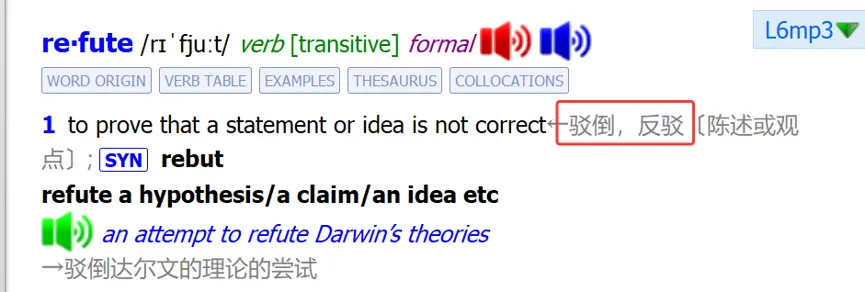
refute /rɪˈfjuːt/是一个高频词:
3,But if he is equally unable to refute the reasons on the opposite side; if he does not so much as know what they are, he has no ground for preferring either opinion.
接下来到了but转折的部分,自然就是进入重点了。虽然你的立场很有道理,但是别人的立场也可能很有道理呀。只是你站在自己的立场,只认为自己是对的。别人的观点你可能也没有办法反驳。
这里equally不是‘平等地’,而是‘同样地’,等于also:
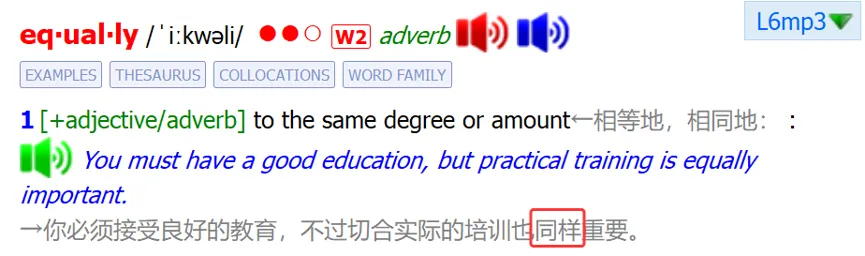
equally unable to refute……就是‘同样无法反驳对方’,居然还有人说‘无法同样地反驳对方’,你中文跟美国人学的啊?怎么一点都不知道调整说话方式呢。
so much as是一个常见的固定概念,需要了解:
①前面有否定,但so much as起主从连词作用,引入一个方式状语从句,此时可以按照字面理解为“没有…那么多”或“达不到…的程度”,将前面的主句同后面的从句作程度上的比较,表示主句的程度比不上从句。【例如】I was not looking at her so much as I was studying her hat. 我与其说是在注视着她,不如说是在打量她的帽子(直译是:我注视着她并没有达到打量她的帽子的程度)。前面和后面的两个比较项也可以不是句子,而只是名词成分或状语成分。
②同样前面有否定,但是so much as不是起主从连词作用,不引入从句,而只是作为一个介词短语,连同名词一起,起状语作用,此时意义同字面恰恰相反,不是“有这么多”,而是“连这么一点点(也没有)”。【例如】He refused to donate so much as a penny. 他连一分钱也拒绝捐赠。/ They left without so much as a good-bye. 他们连再见一声也没说就走了。/ Two of them ran off without so much as a backward glance. 其中两人头也不回就跑掉了。
所以,he does not so much as know what they are这句意思就是说,他连‘它们’是什么都不知道。what they are这里要注意they的指代,其实很简单,这里不就一个复数名词吗?所以就是指the reasons on the opposite side反方观点。这句的语气也需要理解,其实是在前一句基础上的‘递进’,不仅可能无法反驳对方,甚至你可能都不知道对方是什么理由,你都还没有听别人说他的观点呢。接下来到了he has no ground for preferring either opinion这一句就非常顺理成章了。你都还没有听反方观点,你又如何能判断到底谁对谁错、谁有道理呢?你只听一方的说法,你的判断当然是非常受限的,不客观的。
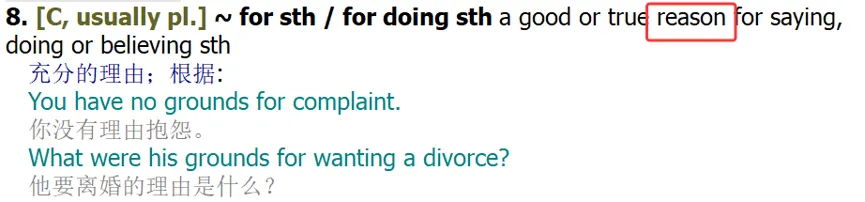
Ground也是很基础的意思,表示‘理由、根据’,等于reason:
4,The rational position for him would be suspension of judgment, and unless he contents himself with that, he is either led by authority, or adopts, like the generality of the world, the side to which he feels the most inclination.
The rational position for him would be suspension of judgment这里也算是一个对主旨的提示信息,那此时合理的做法就应该是暂停判断,不要轻易下结论,这里的judgment就是中性的‘判断’,而不是什么‘批判’。
unless he contents himself with that, he is either led by authority, or adopts, like the generality of the world, the side to which he feels the most inclination这里应该是整段话唯一的一个翻译难点,从字面理解上来说,就是除非……否则……,content with也是一个很基础的词组,表示‘满意’。除非对这一点满意,否则就会如何如何,你会发现这个逻辑读起来很绕,特别像病句。
其实英文里的unless A,B在逻辑上就等于if not A,B。所以也就是:如果不是A,那么B。比如Unless you study, you will fail. 字面意思是:除非你学习,否则你会失败。换一种说法就是:如果你不学习,你就会失败。两者逻辑是完全一样的。
所以Unless he contents himself with that, he is either led by authority……这句可以转换成:If he does not content himself with that, he is either led by authority……这样就清楚了吧?
如果你对suspension of judgment不满,不,我就要作出判断,那么……。你最终的判断有两种可能,要么是听信权威,某个权威人士怎么说,你就怎么认为,你觉得他们说的肯定靠谱。或者呢,你自己内心有某个倾向,我认为他应该是对的,我也是这样想的,那我就这样判断了。这个所谓的‘权威’是什么呀?比如某个专家,比如后面一句的老师,就是这样的意思,没有那么复杂。
5,Nor is it enough that //he should hear the arguments of adversaries from his own teachers, presented as they state them, and accompanied by what they offer as refutations.
这里我估计也有不少同学没有看懂内涵,还是一种‘递进’的逻辑。既然你不知道对方的观点不行,那我听别人转述,听老师告诉我行不行呢?算不算是,了解了对方观点了呢,不,也是完全不够的(Nor is it enough that……)。你必须自己获取一手的信息,听持有反方观点的人告诉你,他的观点是什么。
his own teachers这里,你有没有发现,第一句也有一个his own啊?所以老师代表的,还是自己这一方的观点,你自己认为的和你听老师说的,还不是his own side of the case自己这一边的观点吗?等于没有区别。通过重复的用词,看到上下文的联系,看到某个例子和主旨的关联,其实也就没有那么复杂了。
presented as they state them, and accompanied by what they offer as refutations这里they 指代的都是老师,别光说一个‘他们’,到底是谁啊,那么多人,乱不乱,指代词不是你糊弄过去就行了。也就是说,老师在转述反方观点给你听的时候,是用他自己的方式讲的,也加入了自己认为可以反驳反方观点的理由。你一听,老师也觉得反方不对,说得还很有道理的样子,那反方肯定不对,作者认为这种对事情的判断,都是不可取的。

参考译文
He who knows only his own side of the case knows little of that. His reasons may be good, and no one may have been able to refute them. But if he is equally unable to refute the reasons on the opposite side; if he does not so much as know what they are, he has no ground for preferring either opinion. The rational position for him would be suspension of judgment, and unless he contents himself with that, he is either led by authority, or adopts, like the generality of the world, the side to which he feels the most inclination. Nor is it enough that he should hear the arguments of adversaries from his own teachers, presented as they state them, and accompanied by what they offer as refutations.
一个人若只了解己方立场,那他对这个问题其实知之甚少。他的理由或许相当充分,也无人能够推翻,可如果他同样无法驳倒对方的理由,甚至连对方有什么理由都不知道,那他就没有依据偏向任何一方。此时,理性的做法应该是暂缓判断;倘若他不满于此,非要作出判断,那他要么是受权威左右,要么是和世俗常人一样,选择自己内心更偏向的一方。此外,哪怕他听过反方观点,但如果这些观点都是己方老师以自己的方式转述,并给出了相应的反驳意见,那也是远远不够的。
注:
1,第一句这里需要用一个假设、如果的句型,比较好组织句子,或者也可以说‘一个……的人,对这个问题……’。然后是补充了一个‘其实’的语气衔接。几乎不知道,比较常规的四字说法就是‘知之甚少’,想不到也不用那么刻意写成语,意思对了就行,比如‘几乎不了解整个事情’,也都能接受。
2,if he is equally unable to refute the reasons on the opposite side; if he does not so much as……这里的分号,我没有照搬原文的结构,而是更多从中文阅读角度考虑标点和句间衔接的,这里应该接近一个递进的语气,别说无法反驳了,我得知道才有可能反驳吧,甚至可能都不知道反方观点是啥,我就已经作出判断了。所以if he does not so much as know what they are这句有同学说‘一无所知’,思路不错,但其实我个人觉得没有直译更精确到位,一无所知有一点强调‘无知’的那种感觉,完全不了解。either opinion就是二选一,任何一方的意思。
3,and unless he contents himself with that这里是另一个层次的论述了,但是和前一句又紧密相关,一般这种情况我会考虑用分号,你用逗号、句号也行,影响不大。这里只说‘对比不满意’就够了,我是又补充了半句,相当于是把隐含的另一半意思说出来了,注意这种补充,只能是确定的、固定的意思,而不是你随意乱猜的内容。
4,最后一句这里最好也要补充一个逻辑衔接词,而且/此外。这里顺着直译没啥问题,我是稍微变化了一点点,还是‘语气’的问题,强调出哪怕听过对方观点(对应前文的不知道对方观点),但是……,那也不行。Nor is it enough that后面的整句话是一个整体,我是建议说完全部内容,在最后说‘不够’。his own最好也能强调出来,对应前文就还是一样的说法。