Seventeen months have passed since the U.S. economy faced the full force of the COVID-19 pandemic, This shock led to an immediate and unprecedented decline as large parts of the economy were shuttered to contain the spread of the disease, The path of recovery has been a difficult one, and strong policy support has fueled a vigorous but uneven recovery one that is, in many respects, historically anomalous. In a reversal of typical patterns in a downturn, aggregate personal income rose rather than fell, and households massively shifted their spending from services to manufactured goods. Booming demand for goods and the strength and speed of the reopening have led to shortages and bottlenecks, leaving the COVID-constrained supply side unable to keep up. The result has been elevated inflation in durable goods-a sector that has experienced an annual inflation rate well below zero over the past quarter century. Labor market conditions are improving but turbulent, and the pandemic continues to threaten not only health and life, but also economic activity. Many other advanced economies are experiencing similarly unusual conditions. | 17个月来,美国经济遭到了新冠疫情的全面冲击。经济大面积停摆以遏制疾病的传播,从而导致了迅速和前所未有的经济衰退。复苏之路很困难,强有力的政策支持帮助推动了强劲的经济复苏,但复苏并不均衡,并且在很多方面出现了历史反常现象。 与典型的衰退期不同,现在我们的个人总收入不降反升,家庭消费也从服务产品大规模转向了制成品。 迅猛上升的商品需求,以及经济重新开放的强度和速度导致了商品短缺和经济瓶颈,因疫情受到限制的供应端无法跟上需求的变化。 这就造成了耐用品的通货膨胀。而在过去25年中,耐用品行业的年通胀率远低于零。劳动力市场状况正在改善,但也时有波折。新冠病毒不仅继续威胁着人们的健康和生命,而且还威胁着经济活动。许多其他发达经济体也在经历类似的异常状况。 通胀率为正(>0):说明物价总体上涨。 通胀率为零(=0):说明物价总体保持不变。 通胀率为负(<0):说明物价总体下降,这就是所谓“低于零”或“负通胀”。 所以,“耐用品行业的年通胀率远低于零”意味着在过去25年里,这类商品的平均价格呈下降趋势。可能原因包括技术进步、生产效率提升、竞争加剧等。虽然个别商品可能会涨价,但整体来看是“便宜了”。 |
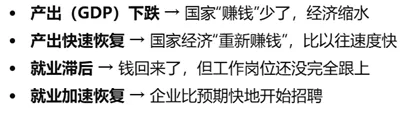
In my comments today, I will focus on the Fed's efforts to promote our maximum employment and price stability goals amid this upheaval, and suggest how lessons from history and a careful focus on incoming data and the evolving risks offer useful guidance for today's unique monetary policy challenges. Let me start with the recession and recovery so far, The pandemic recession—the briefest yet deepest on record—displaced roughly 30 million workers in the space of two months. The decline in output in the second quarter of 2020 was twice the full decline during the Great Recession of 2007-2009, But the pace of the recovery has exceeded expectations, with output surpassing its previous peak after only four quarters, less than half the time required following the Great Recession. As is typically the case, the recovery in employment has lagged that in output; nonetheless, employment gains have also come faster than expected. | 在今天的讲话中,我将重点介绍美联储在这场动荡中为促进我们的就业最大化和价格稳定所做的努力,并建议从历史中吸取教训,同时关注持续收集的经济数据和不断变化的风险,为目前特殊的货币政策挑战提供指导。 我先谈一下经济衰退和目前的复苏情况。这场疫情导致的经济衰退是有史以来最短暂但最严重的衰退,在两个月的时间里大约3000万工人失业。 2020年第二季度的经济产出下跌幅度是2007至2009年大衰退期间下跌幅度的两倍。但复苏的速度超出了预期,产出仅仅四个季度后就超过了之前的最高点,本次复苏所用时间不到大衰退后复苏所需时间的一半。和通常一样,就业的复苏滞后于产出复苏,但这次就业增长也比预期要快。
|
The economic downturn has not fallen equally on all Americans, and those least able to shoulder the burden have been hardest hit. In particular, despite progress, joblessness continues to fall disproportionately on lower-wage workers in the service sector and on African Americans and Hispanics, The unevenness of the recovery can further be seen through the lens of the sectoral shift of spending into goods particularly durable goods such as appliances, furniture, and cars and away from services, particularly in-person services in areas such as travel and leisure. As the pandemic struck, restaurant meals fell 45 percent, air travel 95 percent, and dentist visits 65 percent, Even today, with overall gross domestic product and consumption spending more than fully recovered, services spending remains about 7 percent below trend. Total employment is now 6 million below its February 2020 level, and 5 million of that shortfall is in the still-depressed service sector, In contrast, spending on durable goods has boomed since the start of the recovery and is now running about 20 percent above the pre pandemic level. With demand outstripping pandemic-afflicted supply, rising durables prices are a principal factor lifting inflation well above our 2 percent objective. | 然而美国人所受到的来自经济衰退的影响却各不相同。那些最无力承担的人却受到了最沉重的打击。尽管在就业上取得了进展,但服务业的低收入工人,以及非裔和拉美裔的失业率高于其他群体。 sectoral (ADJ) 不同行业的;某一经济部门的 经济复苏的不平衡还体现在消费的行业变化——消费更多地转向商品,特别是耐用商品,如家电、家具和汽车,而服务业消费则减少了,特别是旅行和休闲等领域的面对面服务类消费。随着疫情的蔓延,餐馆用餐减少了45%,航空旅行减少了95%,牙医就诊减少了65%。 即使在整体国内生产总值(GDP)和消费支出完全复苏的今天,服务支出仍比趋势预测的低7%左右。就业人数现在比2020年2月的水平低了600万,而且其中500万人的缺口来自仍然低迷的服务业。 相比之下,自经济复苏开始以来,耐用品方面的支出大幅增长,目前比疫情前水平高出约20%。由于需求超过了受疫情影响的供应,持续上涨的耐用品价格是导致通胀远高于我们2%目标的主要因素。 |
Given the ongoing upheaval in the economy, some strains and surprises are inevitable. The job of monetary policy is to promote maximum employment and price stability as the economy works through this challenging period. I will turn now to a discussion of progress toward those goals. The outlook for the labor market has brightened considerably in recent months. After faltering last winter, job gains have risen steadily over the course of this year and now average 832,000 over the past three months, of which almost 800,000 have been in services. The pace of total hiring is faster than at any time in the recorded data before the pandemic, The levels of job openings and quits are at record highs, and employers report that they cannot fill jobs fast enough to meet returning demand. These favorable conditions for job seekers should help the economy cover the considerable remaining ground to reach maximum employment. | 鉴于经济的持续动荡,一些压力和意外是不可避免的。在这一充满挑战的时期和经济努力维持运转的情况下,货币政策的任务是促进就业最大化和稳定价格。 下面我来谈谈我们在这些目标上取得的进展。近几个月来,劳动力市场的前景相当光明。经过去年冬天的低迷后,今年的就业增长稳步上升,过去三个月月均增长83.2万人,其中近80万人从事服务业。 总雇佣的增长速度比疫情前有数据记录的任何时期都要快。职位空缺和离职的数量都创下了历史新高。雇主们报告说,他们填补工作岗位的速度无法满足回暖的需求。这些对求职者有利的条件应该有助于经济继续收复失地,以实现就业最大化。 |