一 真题再现
阅读下面短文,在空白处填入1个适当的单词或括号内单词的正确形式。
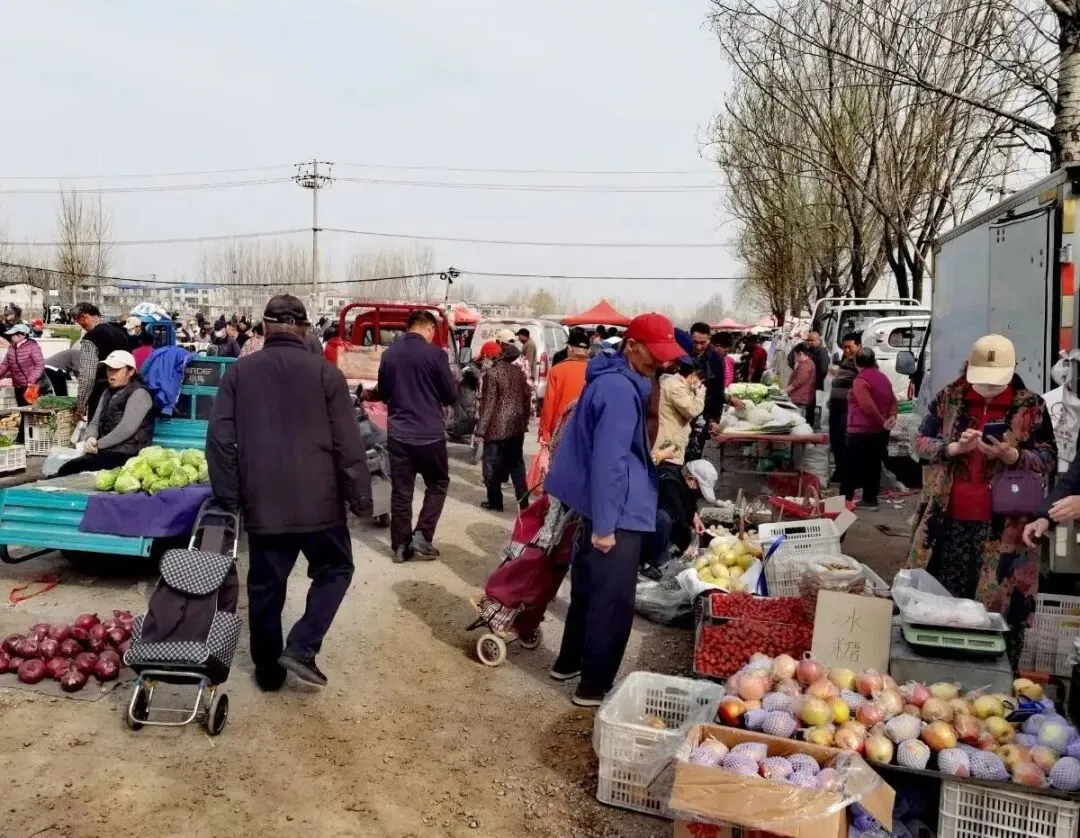
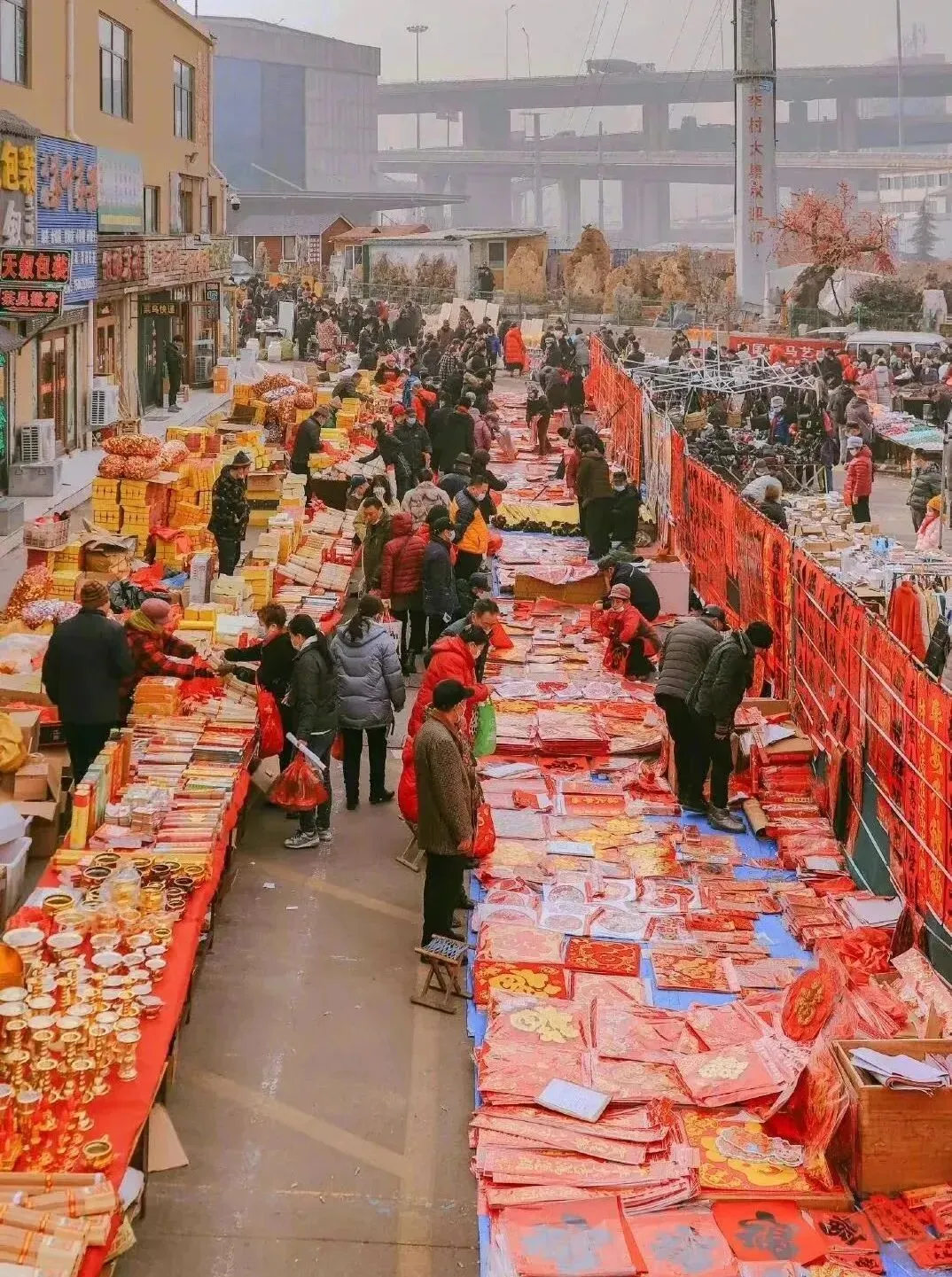
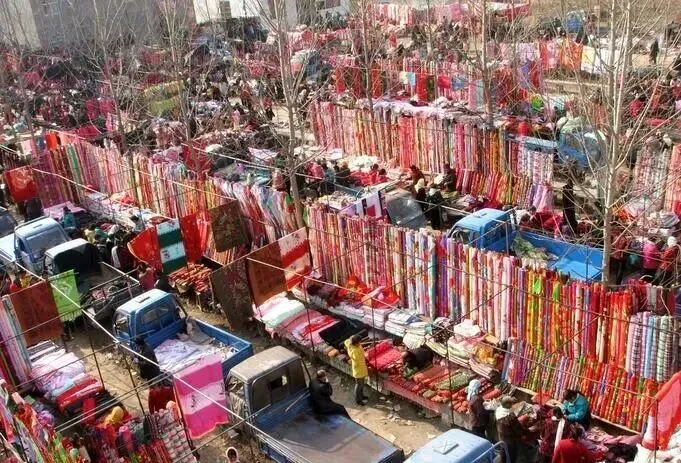
Daji, or big open-air fairs, typically take place on specific dates of the lunar calendar, for example, on dates with five or seven as the last digit. It is also common for them56.________(hold) during traditional Chinese holidays such as the Spring Festival and the Mid-Autumn Festival, as well as other local festivals. The exact dates and 57.________(frequent)of daji vary from region to region.
Daji originated from the ancient folk custom of trading goods, which dates back to58.________Han Dynasty. As transportation and communication59.________(be)underdeveloped at that time, it was very difficult for households to obtain daily60.________(necessity). Asasolution, people gathered at specific locations on set days to trade their surplus(剩余的)items61.________what theyneeded.
In addition to being venues for buying and selling, daji are occasions for socializing and entertainment. People from near and far crowd into these markets on daji days. 62.________(draw)by the aroma(香味)of street food, they line up in front of stands63.________serve steaming dumplings and hot noodle soup. While eating and enjoying street performances, they chat with each other and share stories of their daily lives. Before64.________(head)home, they fill their shopping bags with fresh fruit and vegetables from local farmers, at prices significantly65.________(cheap)than those found in supermarkets.
二 原文赏析
Daji, or big open-air fairs, typically take place on specific dates of the lunar calendar, for example, on dates with five or seven as the last digit. It is also common for them 56. to be held during traditional Chinese holidays such as the Spring Festival and the Mid-Autumn Festival, as well as other local festivals. The exact dates and 57. frequency of daji vary from region to region.
Daji originated from the ancient folk custom of trading goods, which dates back to 58. the Han Dynasty. As transportation and communication 59. were underdeveloped at that time, it was very difficult for households to obtain daily 60. necessities. As a solution, people gathered at specific locations on set days to trade their surplus items 61. for what they needed.
In addition to being venues for buying and selling, daji are occasions for socializing and entertainment. People from near and far crowd into these markets on daji days. 62. Drawn by the aroma of street food, they line up in front of stands 63. which/that serve steaming dumplings and hot noodle soup. While eating and enjoying street performances, they chat with each other and share stories of their daily lives. Before 64. heading home, they fill their shopping bags with fresh fruit and vegetables from local farmers, at prices significantly 65. cheaper than those found in supermarkets.
各题考点分析
题号 | 答案 | 考点 | 具体说明 |
56 | to be held | 非谓语动词(不定式被动) | it作形式主语,them指代daji,与hold是被动关系 |
57 | frequency | 词性转换(形容词→名词) | 与dates并列作主语,frequent的名词为frequency |
58 | the | 冠词(定冠词) | 朝代名称前加定冠词the |
59 | were | 动词时态+主谓一致 | at that time表过去,主语为复数 |
60 | necessities | 名词单复数 | necessity表"必需品"时可数,用复数 |
61 | for | 介词(固定搭配) | trade A for B,意为"用A交换B" |
62 | Drawn | 非谓语动词(过去分词) | 过去分词作状语,表被动,句首大写 |
63 | which/that | 定语从句关系代词 | 先行词stands(物),在从句中作主语 |
64 | heading | 非谓语动词(动名词) | before是介词,后接动名词 |
65 | cheaper | 形容词比较级 | 后有than,用cheap比较级 |
二、命题特点与规律分析
命题特点
•考点分布均衡:10个空覆盖非谓语动词、词性转换、冠词、动词时态、名词单复数、介词、定语从句、形容词比较级等核心语法点。
•语境化考查:所有语法点融入「大集」传统文化主题,非孤立考查。
•难易梯度合理:有基础题(the Han Dynasty)、中档题(trade...for...)和稍难题(to be held不定式被动)。
•传递文化内涵:选材围绕中国传统民俗,落实「文化自信」育人导向。
优点
•选材接地气,贴近生活,能激发学生阅读兴趣。
•重语用能力,考查在语境中运用语法知识的能力,而非死记硬背。
•通过语篇让学生了解中国传统市集文化,实现文化渗透。
•设题科学,考点不重复,答案相对唯一。
三、应用文写作题
假设你是李华,你的英国朋友Tom对中国传统文化很感兴趣。最近你家乡举办了一场「非遗大集」(Intangible Cultural Heritage Fair),请你给Tom写一封邮件,介绍这次活动。内容包括:
1.大集的时间和地点
2.现场见闻(美食、手工艺、表演等,至少两点)
3.你的感受
注意:词数100左右;可适当增加细节;参考词汇:大集 daji;手工艺人 artisan
范文(引用原文表达加粗标注)
Dear Tom,
I'm writing to tell you about the Intangible Cultural Heritage Fair I attended last weekend in my hometown. It was such a vivid display of Chinese folk culture that I thought you'd love to hear about it.
The fair took place on the main street of the old town, drawing people from near and far. Walking through the crowded market, I was immediately drawn by the aroma of street food. I lined up in front of stands serving steaming dumplings and hot noodle soup— all made with traditional recipes passed down for generations. While enjoying the food, I watched street performances like lion dancing and sugar painting, which were absolutely fascinating.
What impressed me most is that these fairs originated from the ancient folk custom of trading goods, dating back to the Han Dynasty. Today, they've become more than just venues for buying and selling — they're occasions for socializing and entertainment. People chat with each other and share stories of their daily lives while enjoying the lively atmosphere.
I left with my shopping bags full of handcrafts from local artisans, at prices much cheaper than those in souvenir shops. This experience made me realize that traditional culture is not something from history books — it's alive in our daily lives.
I do hope you can come to China and experience a daji yourself one day!
Yours,
Li Hua
原文引用亮点
原文表达 | 范文中的运用 |
draw people from near and far | drawing people from near and far |
drawn by the aroma of street food | I was immediately drawn by the aroma of street food |
line up in front of stands serving steaming dumplings | I lined up in front of stands serving steaming dumplings and hot noodle soup |
originated from the ancient folk custom of trading goods | these fairs originated from the ancient folk custom of trading goods |
dates back to the Han Dynasty | dating back to the Han Dynasty |
venues for buying and selling | more than just venues for buying and selling |
occasions for socializing and entertainment | occasions for socializing and entertainment |
chat with each other and share stories | People chat with each other and share stories of their daily lives |
fill their shopping bags with... at prices cheaper than | with my shopping bags full of... at prices much cheaper than |