2026年4月11日中国大陆地区ResourcesBalance解析

Some people believe that researching the past is a waste of time and money, and that we should instead focus on the issues facing today’s world. To what extent do you agree or disagree?
题目分析
核心关键词
researching the past【研究历史】
studying history / historical research / archaeological studies
a waste of time and money【浪费资源】
inefficient / resource-consuming / low-return investment
focus on today’s issues【解决当今紧迫问题】
address pressing global challenges / tackle urgent problems
题目本质
是否应该减少历史研究
转向现实问题(环境、经济、科技、社会)
本质对比
long-term value(长期价值) vs short-term urgency(短期紧迫性)
思路拓展
立场建议:虽然有一定道理,但是倾向于不同意
让步段:关注现实问题是必要的
当今世界面临气候变化、贫富差距、公共卫生等紧迫问题,需要优先投入资源。
英文表达:
Governments are confronted with pressing global challenges
【紧迫的全球挑战】
Resources should be allocated efficiently
【高效分配资源】
Address immediate threats【应对当下威胁】
举例:
climate change
pandemics(疫情)
economic inequality
但是历史研究具有不可替代价值
历史不仅提供经验,还能避免重蹈覆辙,是政策制定的重要依据。
英文表达:
offer valuable insights into human behavior
【对人类行为的深刻洞察】
prevent societies from repeating past mistakes
【避免重蹈覆辙】
contribute to cultural identity and continuity
【文化认同与延续】
举例:
war lessons(战争教训)
economic crises(经济危机)
pandemics history(疫情史)
高分范文
The question of whether allocating time and money to historical research is worthwhile has generated ongoing debate. Although it is undeniable that modern societies face a range of urgent challenges, I strongly disagree with the view that studying the past is a waste of resources, as such a perspective underestimates its long-term significance.
Admittedly, governments today must deal with pressing global challenges【紧迫的全球挑战】, including climate change, economic disparity, and public health emergencies. These issues require immediate intervention and substantial investment. It is therefore understandable that some people argue for prioritizing urgent and tangible problems【紧急且现实的问题】, especially when such investments can produce immediate practical benefits【立竿见影的实际收益】. For instance, funding technological innovations in clean energy can directly mitigate environmental degradation. However, to assume that resources devoted to historical research are therefore wasted is an oversimplification of how societies progress.
In reality, historical research serves as a foundation for informed decision-making and sustainable development. By offering valuable insights into human behavior【对人类行为的深刻洞察】, it enables policymakers to anticipate potential risks and avoid repeating past mistakes【重蹈覆辙】. A clear example can be seen in the lessons drawn from past financial crises. For instance, the 2008 global financial crisis exposed the dangers of excessive lending and weak financial supervision, prompting governments to introduce stricter banking regulations and risk-control mechanisms. As a result, many countries have since strengthened their financial systems and reduced the likelihood of large-scale economic collapse.
Furthermore, historical research has proven equally valuable in the field of public health. The study of past pandemics, such as the 1918 influenza outbreak, has provided crucial guidance for managing modern health crises, including COVID-19. Measures such as quarantine, vaccination campaigns, and international cooperation were all informed by historical experience, significantly improving governments’ responses to emerging threats. In addition, history plays a crucial role in fostering cultural identity and social cohesion【文化认同与社会凝聚力】, both of which are indispensable for long-term national stability. Without this historical awareness, societies risk becoming short-sighted and vulnerable to recurring problems.
In conclusion, while addressing current issues is undeniably important, dismissing historical research as a waste of time and money is misguided. Instead, it should be viewed as a strategic investment that not only complements present efforts but also ensures more informed and resilient future development.
同类雅思题目
1.Some people think history is one of the most important school subjects, while others think it is not useful. Discuss both viewsand give your own opinion.
2.Museums and historical sites should receive more government funding than other sectors. To what extent do you agree?
3.Some people believe that studying history has little relevance in modern life. Do you agree or disagree?
4.Governments should spend money on protecting historical buildings rather than improving public services. Discuss both viewsand give your own opinion.
5.In modern society, people are less interested in history. Why is this the case? What can be done?

高分词汇搭配
表达“现实问题紧迫”的高级搭配
pressing global challenges【紧迫的全球挑战】
urgent and immediate concerns
【紧急且迫切的问题】
tackle real-world problems【解决现实问题】
address critical issues【应对关键问题】
require immediate intervention【需要立即干预】
demand substantial funding
【需要大量资金支持】
pose a serious threat to society
【对社会构成严重威胁】
例句:
Governments must address pressing global challenges【紧迫的全球挑战】such as climate change.
表达“资源分配”的高分搭配
allocate resources efficiently【高效分配资源】
prioritize public spending【优先安排公共支出】
invest heavily in…【大量投资于】
channel funding into…【将资金投入】
maximize resource utilization
【最大化资源利用】
divert resources away from…
【将资源从…转移】
例句:
Governments should allocate resources efficiently【高效分配资源】to maximize social benefits.
表达“历史价值”的核心高分词
valuable insights into…【对…的深刻洞察】
provide historical perspective【提供历史视角】
serve as a source of knowledge【作为知识来源】
inform decision-making【指导决策】
shape future policies【塑造未来政策】
offer lessons for the future【为未来提供经验】
例句:
Historical research provides valuable insights into human behavior【对人类行为的深刻洞察】.
表达“避免错误”的高分表达
avoid repeating past mistakes【避免重蹈覆辙】
learn from historical failures
【从历史失败中学习】
prevent similar disasters【防止类似灾难】
draw lessons from…【从…吸取教训】
reduce the risk of recurrence
【降低再次发生的风险】
例句:
Studying history helps societies avoid repeating past mistakes【避免重蹈覆辙】.
文化&社会层面的高分搭配
cultural identity and continuity【文化认同与延续】
social cohesion【社会凝聚力】
national heritage【国家遗产】
a sense of belonging【归属感】
preserve cultural traditions【保护文化传统】
strengthen social stability【增强社会稳定】
例句:
History strengthens social cohesion【社会凝聚力】and national unity.
表达“反驳观点”的高级句型
this view is shortsighted【这一观点目光短浅】
this argument is unconvincing
【这一论点缺乏说服力】
an oversimplification of…【对…的过度简化】
fails to take into account…【未考虑到…】
ignores the long-term impact【忽视长期影响】
例句:
This argument is an oversimplification of how societies develop【对社会发展过程的过度简化】.
长期vs短期”对比表达
short-term gains【短期收益】
long-term benefits【长期收益】
immediate results【即时结果】
sustainable development【可持续发展】
long-lasting impact【持久影响】
beyond immediate outcomes【超越短期效果】
例句:
Historical research offers long-term benefits【长期收益】beyond immediate outcomes.
结尾升华万能搭配
a strategic investment【战略性投资】
contribute to sustainable development
【促进可持续发展】
ensure informed decision-making
【确保理性决策】
build a more resilient society
【构建更具韧性的社会】
lay the foundation for the future
【为未来奠定基础】
例句:
It should be seen as a strategic investment【战略性投资】rather than a waste.
万能组合句
Historical research provides valuable insights into human behavior【对人类行为的深刻洞察】, helping societies avoid repeating past mistakes【避免重蹈覆辙】and ultimately contributing to long-term sustainable development【长期可持续发展】.
2026年4月18日雅思写作真题News Consumption解析

Some people think that the news has no connection to their lives, and therefore reading newspapers and watching television news programmes is a waste of time. To what extent do you agree or disagree?
关键词拆解
news(新闻)
current affairs/media coverage/public information
时事/媒体报道/公共信息
no connection to their lives(与生活无关)
irrelevant to daily routines/detached from personal experience
与日常生活无关/脱离个人体验
waste of time(浪费时间)
squander time 浪费时间
time-consuming but unproductive/low return activity
耗时但低效/回报低
题目本质
媒体价值vs 个体感知价值
新闻到底是“公共必需品”还是“个人无用信息”?
为什么有人觉得新闻没用?
信息过载(information overload)
负面新闻过多(overexposure to negativity)
与普通人生活距离远(lack of relevance)
Many news reports focus on political conflicts or international affairs, which may seem distant from the everyday lives of ordinary individuals.
高级表达:
perceived irrelevance【感知上的无关性】
emotionally draining content【情绪消耗型内容】
sensationalized reporting【哗众取宠的报道】
反对题目(认为新闻重要):
帮助做决策(informed decision-making)
提高公民意识(civic awareness)
影响经济/安全/健康(real-life consequences)
News plays a crucial role in informing individuals about economic trends, enabling them to make better financial decisions.
高级表达:
shape public perception【塑造公众认知】
facilitate informed choices【促进理性决策】
have far-reaching implications【产生深远影响】
不是新闻无用,而是人们缺乏筛选信息的能力。
The issue lies not in the news itself, but in how individuals consume and interpret information.
高级表达:
selective exposure【选择性接触】
critical media literacy【媒体批判素养】
filter out irrelevant content【筛选无关信息】
高分范文
In modern society, some individuals argue that news has little relevance to their daily lives and is therefore a waste of time. While this perception is not entirely unfounded, I largely disagree, as news plays a pivotal role【关键作用】 in shaping public awareness【公众认知】 and informing rational decision-making【理性决策】.
Admittedly, a considerable proportion of news content is perceived as having little bearing on【几乎没有关联】 individuals’ everyday lives. Coverage of international conflicts, political disputes, and celebrity scandals often appears distant from ordinary concerns, leading to a perceived lack of personal relevance. Moreover, the media frequently prioritizes sensationalist coverage【哗众取宠的报道】, which can contribute to information overload【信息过载】 and cognitive fatigue【认知疲劳】. For example, relentless exposure【持续接触】 to reports of wars in remote regions may overwhelm audiences and diminish their engagement【降低参与度】 with information that is genuinely useful.
However, dismissing news entirely as useless would be a flawed judgment【片面的判断】. In reality, news functions as a crucial conduit【重要渠道】 through which individuals remain informed about social, economic, and environmental developments. During the COVID-19 pandemic, for instance, timely updates regarding infection rates and government policies enabled individuals to take preventive measures【采取预防措施】 and mitigate potential risks【降低潜在风险】. Likewise, financial news allows people to anticipate market trendsand make informed and rational decisionsregarding investment and consumption. These examples highlight the profound and far-reaching implications【深远影响】 that news can have on everyday life.
More importantly, the perceived lack of relevance can largely be attributed to【归因于】ineffective patterns of media consumption【低效的信息获取方式】, rather than the nature of news itself. By developing well-established critical media literacy, individuals are able to filter out trivial or redundant contentand prioritize information of genuine significance【真正重要的信息】. In this way, news becomes not a burden, but a valuable resourcefor both personal growthand social participation.
In conclusion, although some news content may appear irrelevant, it is inaccurate to regard news consumption as a waste of time. When approached selectively and critically, news can broaden perspectives【拓宽视野】, facilitate informed decision-making【促进理性决策】, and ultimately contribute to a higher quality of life.
高级词汇搭配
pivotal role【关键作用】
have little bearing on【几乎无关】
perceived lack of relevance【感知上的无关性】
sensationalist coverage【哗众取宠的报道】
information overload【信息过载】
crucial conduit【重要渠道】
mitigate risks【降低风险】
far-reaching implications【深远影响】
be attributed to【归因于】
critical media literacy【媒体批判素养】
同类雅思题目
Some people think that the media should focus on reporting positive news instead of negative news.To what extent do you agree or disagree?
Some people believe that the media should not report details of crimes to the public.To what extent do you agree or disagree?
Some people believe that social media is gradually replacing traditional news sources such as newspapers and television.To what extent do you agree or disagree?
Some people think that people today rely too much on online news sources.Do you agree or disagree?
The news media have a significant influence on people’s lives.Some people think this influence is too great.Discuss both views and give your own opinion.
2026年4月25日雅思写作真题Air Travel解析

Some people think that air travel should be restricted as it causes serious pollution and will use up the world's fuel resources. To what extent do you agree or disagree?
关键词解析
air travel航空出行
air transportation
aviation industry
commercial aviation sector【商业航空领域】
long-haul air mobility【长途航空流动】
global air transit system【全球航空运输体系】
restricted限制
limit / control / curb
impose restrictions on【对…施加限制】
tighten regulations on【加强监管】
curb excessive demand for【抑制过度需求】
place a cap on【设定上限】
discourage through pricing mechanisms
【通过价格机制抑制】
控制数量
limit flight frequency【限制航班频率】
cap thenumber of flights【限制航班数量】
reduce unnecessary air travel【减少不必要出行】
提高成本
increase ticket prices
raise airfares significantly【大幅提高票价】
introduce carbon pricing【引入碳定价】
levy environmental taxes【征收环境税】
政策干预
government intervention【政府干预】
regulatory measures【监管措施】
policy-driven control mechanisms
【政策驱动的控制机制】
serious pollution严重污染
severe pollution / environmental damage
significant environmental degradation
【严重环境恶化】
high levels of carbon emissions【高水平碳排放】
a major contributor to climate change
【气候变化的重要来源】
ecological harm【生态破坏】
carbon emissions, climate change
greenhouse gas emissions【温室气体排放】
carbon footprint【碳足迹】
accelerate global warming【加剧全球变暖】
exacerbate climate change【加剧气候变化】
fuel resources燃料资源
energy resources
finite energy reserves【有限的能源储备】
non-renewable energy sources【不可再生能源】
depleting natural resources
【正在枯竭的自然资源】
heavy reliance on fossil fuels
【严重依赖化石燃料】
unsustainable energy consumption
【不可持续的能源消耗】
rapid depletion of non-renewable resources
【不可再生资源的快速消耗】

拓展理解
环境维度Environmental dimension
航空是高碳排行业
Air travel contributes significantly to global carbon emissions.
航空对全球碳排放贡献显著
资源维度Resource depletion
依赖不可再生能源
Aviation relies heavily on fossil fuels, which are finite.
航空依赖有限的化石燃料
经济维度Economic perspective
促进全球化与贸易
Air travel facilitates international trade and tourism.
促进国际贸易和旅游
社会维度Social mobility
提升跨国流动性
It enhances global connectivity and cultural exchange.
促进全球联系和文化交流
立场:部分同意
支持限制环境+ 资源
航空污染严重,应控制增长
aviation emissions exacerbate climate change
航空排放加剧气候变化
unsustainable consumption of fossil fuels
不可持续的化石燃料消耗
Air travel is one of the fastest-growing sources of greenhouse gas emissions, which poses a long-term threat to environmental sustainability.
但是反对过度限制经济+社会
航空推动经济和全球联系
drive economic growth
推动经济增长
facilitate international mobility
促进国际流动
Restricting air travel too strictly could hinder economic development and limit global connectivity.
折中方案
不应限制,而应优化
implement carbon taxes
征收碳税
invest in sustainable aviation fuels
投资可持续航空燃料
encourage technological innovation
鼓励技术创新
A more balanced approach is to regulate rather than restrict air travel.
高分范文
In recent years, air travel has come under increasing scrutiny due to its environmental impact and heavy reliance on finite fuel resources. While some argue that it should be strictly restricted to mitigate these issues, I partly agree that tighter regulation is necessary; however, imposing a complete limitation would be both impractical and counterproductive in the long term.
On the one hand, it is undeniable that the aviation industry contributes substantially to environmental degradation. Aircraft emissions release vast quantities of greenhouse gases, which accelerate global warming and pose a serious threat toecological stability【生态稳定】. Unlike other forms of transport, aviation produces emissions at high altitudes, thereby amplifying their environmental impact. For instance, recent environmental studies indicate that the aviation sector accounts for an increasingly significant proportion of global carbon emissions, making it one of the least sustainable modes of transportation. Moreover, air travel depends heavily on fossil fuels【化石燃料】, which are inherently finite and are beingdepleted at an alarming rate【以惊人的速度消耗】. This unsustainable pattern of energy consumption raises serious concerns about long-term resource security and environmental sustainability. Therefore, introducing certain restrictions, particularly on non-essential flights, may be justified in order to curb excessive demand and reduce ecological harm.
On the other hand, imposing overly strict limitations on air travel could result in profound economic and social repercussions. The aviation industry serves as a cornerstone of global economic integration by facilitating international trade, tourism, and business exchanges, all of which arevital drivers of economic growth【经济增长的重要驱动力】. For example, many developing countries rely heavily on tourism revenue generated by international flights, and any significant reduction in air travel could severely undermine their economic stability. Furthermore, air travel enhances global mobility and enables cultural exchange, fostering mutual understanding and cooperation across nations. This contributes to a more interconnected world【更加互联的世界】, where ideas, knowledge, and innovation can be shared more efficiently. Excessive restrictions may therefore hinder globalization, widen economic disparities, and limit opportunities for cross-border collaboration.
Instead of imposing outright bans, governments should adopt more balanced and forward-looking strategies to address these concerns. For instance, implementing carbon taxes or emissions trading schemes could discourage unnecessary flights while simultaneously encouraging airlines to improveenergy efficiency【能源效率】.In addition, investing insustainable aviation fuels【可持续航空燃料】and advancing green technologies can significantly reduce the carbon footprint of the aviation sector without compromising accessibility. Governments can also promote alternative modes of transport, such as high-speed rail, for short-distance travel. This comprehensive approach ensures that environmental protection and economic development are not mutually exclusive【相互排斥的】, but can instead be pursued simultaneously.
In conclusion, although air travel poses serious environmental and resource-related challenges, completely restricting it is neither feasible nor desirable. A more effective solution lies in implementing targeted regulations and fostering technological innovation, thereby achieving a sustainable balance between environmental responsibility and global development.
高级词汇
环境类高级词汇
environmental degradation【环境恶化】
ecological stability【生态稳定】
carbon footprint【碳足迹】
greenhouse gas emissions【温室气体排放】
exacerbate climate change【加剧气候变化】
unsustainable consumption【不可持续的消耗】
environmental sustainability【环境可持续性】
pose a serious threat to ecological stability
【对生态稳定构成严重威胁】
contribute substantially to environmental degradation
【对环境恶化有重大影响】
航空/交通类高级表达
aviation industry【航空业】
the global aviation sector【全球航空产业】
commercial aviation【商业航空】
air mobility【航空流动性】
the least sustainable mode of transportation
【最不可持续的交通方式】
high-altitude emissions【高空排放】
能源与资源类
fossil fuels【化石燃料】
non-renewable resources【不可再生资源】
finite fuel reserves【有限燃料储备】
depleting natural resources【正在枯竭的自然资源】
long-term resource security【长期资源安全】
raise concerns about long-term resource security
【引发对长期资源安全的担忧】
限制/政策类表达
impose restrictions on【对…施加限制】
tighten regulations on【加强监管】
curb excessive demand【抑制过度需求】
introduce regulatory measures【引入监管措施】
policy intervention【政策干预】
Governments should impose stricter regulations on the aviation sector
【政府应加强对航空业监管】
经济与社会类
economic growth【经济增长】
a key driver of economic growth【经济增长的重要驱动力】
globalization【全球化】
international trade【国际贸易】
economic integration【经济一体化】
cross-border collaboration【跨国合作】
global interconnectedness【全球互联性】
play a crucial role in facilitating international trade
【在促进国际贸易中发挥关键作用】
社会影响类
cultural exchange【文化交流】
foster cultural exchange【促进文化交流】
global mobility【全球流动性】
interconnected world【互联世界】
enhance international mobility【提升国际流动性】
promote mutual understanding【促进相互理解】
解决方案类
carbon tax【碳税】
implement carbon pricing mechanisms
【实施碳定价机制】
enhance energy efficiency【提高能源效率】
allocate funding to【投入资金于】
sustainable aviation fuels【可持续航空燃料】
technological innovation【技术创新】
emissions reduction strategies【减排策略】
高级逻辑词
it is undeniable that【不可否认的是】
it is worth noting that【值得注意的是】
this raises concerns about【这引发了对…的担忧】
a more balanced approach would be【更平衡的方式是】
2026年5月16日雅思写作真题Children's Education解析
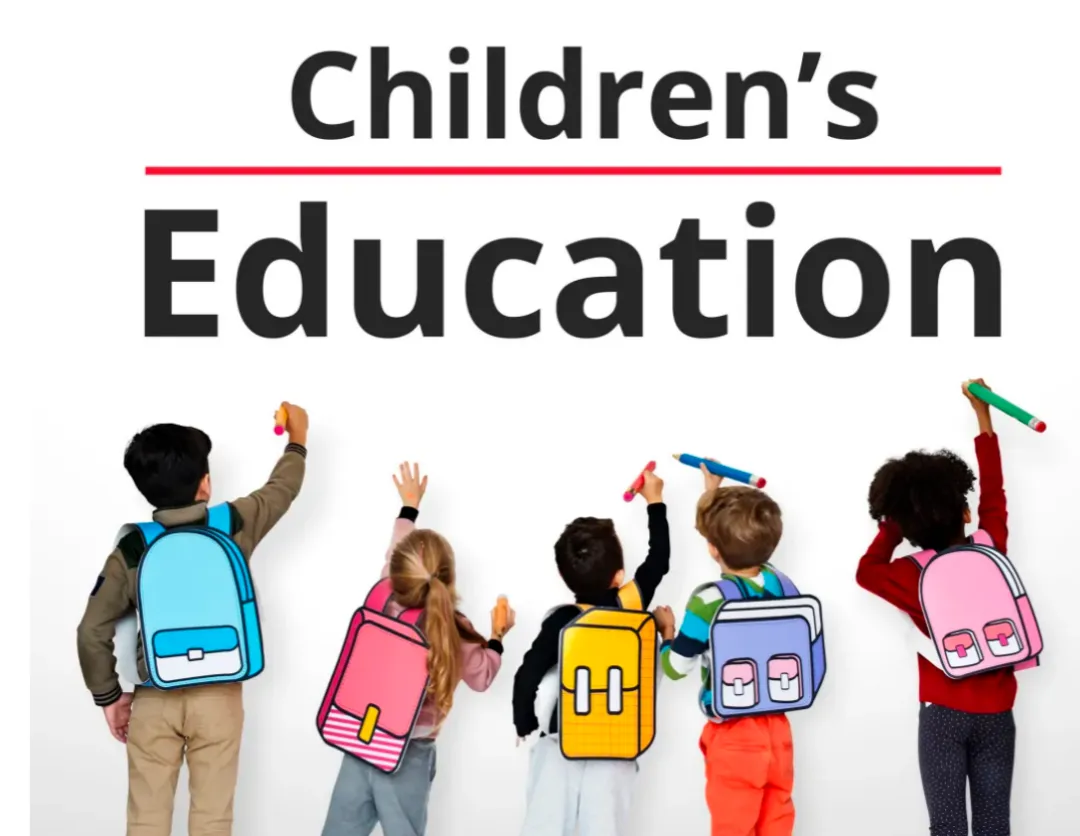
Children's education is expensive and in some countries the government pays some or all of the costs.Do the advantages of governments paying for children education outweigh its disadvantages?
一、题目分析
关键词解析
1. children's education
儿童教育/ 基础教育
不仅包括小学、中学教育,还包括教材、校车、学校设施等。
compulsory education(义务教育)
public schooling system(公立教育体系)
equal access to education(平等教育机会)
2. government pays the costs
政府承担教育费用
可能包括:
free tuition(免学费)
subsidies for families(家庭补贴)
educational funding(教育财政拨款)
3. advantages outweigh disadvantages
利大于弊
核心是:
长期社会收益VS 财政压力
教育公平VS 纳税人负担
二、思路拓展
观点建议
这道题非常适合写:
Advantages outweigh disadvantages(利大于弊)
因为教育属于典型“长期社会投资”。
主体段思路1:促进教育公平
政府支付教育费用,可以让贫困家庭孩子也获得学习机会,减少阶层固化。
英文高级表达
break the cycle of poverty(打破贫困循环)
educational inequality(教育不平等)
equal opportunities【平等机会】
social mobility【社会阶层流动】
financially disadvantaged families
【经济困难家庭】
高级论证
When tuition fees are fully or partially covered by governments, children from low-income households are more likely to remain in school rather than enter the workforce prematurely. This policy can significantly enhance social mobility【社会阶层流动】 and narrow educational inequality【教育不平等】.
举例论证
For example, Nordic countries such as Finland provide free education for all children, which contributes to high literacy rates and a relatively equal society.
主体段思路2:国家长期经济收益
教育水平提高➡️ 劳动力质量提高➡️ 国家经济增长
英文高级表达
skilled workforce【高素质劳动力】
economic productivity【经济生产力】
long-term national development【国家长期发展】
human capital【人力资本】
innovation-driven economy【创新驱动型经济】
高级论证
Investing in education enables countries to cultivate a highly skilled workforce【高素质劳动力】capable of supporting an innovation-driven economy【创新驱动型经济】. In the long run, this investment often generates economic returns that exceed the initial public expenditure.
举例论证
Countries such as South Korea heavily invested in public education during periods of economic transformation, which later helped them become global leaders in technology and manufacturing.
反方思路
缺点1:财政负担
financial burden on governments
【政府财政负担】
higher taxation【更高税收】
public spending pressure【公共支出压力】
论证
Admittedly, financing free education may increase government expenditure and place pressure on taxpayers.
缺点2:资源浪费
部分学生可能不珍惜免费教育。
take education for granted【认为教育理所当然】
misuse public resources【浪费公共资源】
但可以反驳:
However, these problems can be mitigated through stricter educational policies and performance evaluation systems.
三、高分范文
Nowadays, the rising cost of children’s education has become a major concern in many countries. Consequently, some governments choose to cover part or all of the educational expenses. Although this policy may create certain financial challenges, I believe its advantages are far more significant because it promotes educational equality and supports long-term national development.
One significant benefit of government-funded education is that it guarantees equal access to learning opportunities regardless of family background. In many societies, children from financially disadvantaged families【经济困难家庭】are unable to afford tuition fees, textbooks, or other educational resources, forcing some of them to leave school prematurely. By funding education, governments can break the cycle of poverty【打破贫困循环】 and improve social mobility【社会阶层流动】. For example, Finland’s free education system has enabled students from different economic backgrounds to enjoy high-quality schooling, contributing to one of the world’s most equal societies. Therefore, public investment in education can help more children achieve their full academic potential.
Another important advantage is its contribution to economic growth and national competitiveness. Education is essential for developing a skilled workforce【高素质劳动力】 and strengthening human capital【人力资本】. Citizens with better educational qualifications are generally more productive, innovative, and adaptable to technological advancement. These qualities are indispensable for maintaining an innovation-driven economy【创新驱动型经济】 in the modern world. South Korea, for instance, invested heavily in public education during its industrialization period, and this policy later transformed the country into a global leader in technology and manufacturing. As a result, educational funding should be viewed as a long-term investment that benefits the entire nation.
Admittedly, government-funded education may impose a heavy financial burden on public budgets【公共财政预算】. In some developing countries, allocating enormous amounts of money to education could reduce spending on other important sectors such as healthcare or infrastructure. Furthermore, some people may take free education for granted【认为免费教育理所当然】 and fail to value educational opportunities. This could potentially lead to inefficient use of public resources【公共资源浪费】 and increase pressure on taxpayers.
However, these drawbacks are relatively minor when compared with the long-term social and economic benefits generated by education. Governments can minimize financial pressure by allocating budgets more efficiently and implementing strict supervision systems to prevent waste. More importantly, a well-educated population contributes to lower unemployment rates, reduced crime, and higher economic productivity【经济生产力】, all of which can eventually offset the initial public expenditure. Therefore, despite some disadvantages, government support for children’s education remains a highly beneficial policy for building a more equal and prosperous society【更加平等和繁荣的社会】.
四、高级词汇搭配
educational inequality 教育不平等
social mobility 社会阶层流动
human capital 人力资本
skilled workforce 高素质劳动力
financially disadvantaged families 经济困难家庭
innovation-driven economy 创新驱动型经济
public expenditure 公共支出
economic productivity 经济生产力
equal access to education 平等教育机会
long-term investment 长期投资
break the cycle of poverty 打破贫困循环
a prosperous society 繁荣社会
五、同类题目拓展
Education of young people is highly prioritized in many countries. However, educating adults who cannot write or read is even more important and governments should spend more money on this. To what extent do you agree or disagree?
In some countries, the government pays for some or all of the costs of students' university education. Do you think the advantages of this outweigh the disadvantages?
Some people believe that governments should provide free education for all students from primary school to university level. Others think individuals should pay for their own education.Discuss both views and give your opinion.
Governments should spend more money on education and job training programs for adults rather than on university education for young people.To what extent do you agree or disagree?
In many countries, higher education is becoming increasingly expensive. Some people think the government should fully fund university education because it benefits society as a whole. Others believe students should pay the costs themselves.Discuss both views and give your opinion.
六、教育类话题思路
Advantages(优点论点)
Promote educational equality【促进教育公平】
Reduce financial burden on families
【减轻家庭经济负担】
Break the cycle of poverty【打破贫困循环】
Improve social mobility【提升社会阶层流动】
Ensure equal access to education
【保障平等教育机会】
Increase literacy rates【提高识字率】
Cultivate skilled workforce
【培养高素质劳动力】
Strengthen human capital【增强人力资本】
Boost economic productivity【提高经济生产力】
Promote long-termnational development
【促进国家长期发展】
Reduce crime rates【降低犯罪率】
Improve employment opportunities
【改善就业机会】
Narrow wealth gap【缩小贫富差距】
Encourage social stability【促进社会稳定】
Build a more prosperous society
【建设更加繁荣的社会】
Support innovation-driven economy
【支持创新驱动型经济】
Improve citizens’ quality of life【提高生活质量】
Increase international competitiveness
【增强国际竞争力】
Disadvantages(缺点论点)
Impose financial pressure on governments
【增加政府财政压力】
Increase tax burden on citizens
【增加纳税人负担】
Lead to excessive public expenditure
【导致公共支出过高】
Cause inefficient allocation of resources
【造成资源分配低效】
Reduce funding for other sectors
【减少其他领域资金】
Encourage dependency on government support
【加重对政府依赖】
Make students take education for granted
【让学生认为教育理所当然】
Waste public resources【浪费公共资源】
Lower educational motivation【降低学习动力】
Create unfairness for taxpayers without children
【对无子女纳税人不公平】
Increase administrative pressure
【增加行政管理压力】
Cause budget deficits【导致财政赤字】
不同纬度的优点
社会类
Promote social equality【促进社会公平】
Enhance social cohesion【增强社会凝聚力】
Create equal opportunities【创造平等机会】
Improve public welfare【提高公共福利】
经济类
Stimulate economic growth【促进经济增长】
Increase workforce competitiveness
【提高劳动力竞争力】
Generate long-term economic returns
【产生长期经济回报】
Improve national productivity
【提高国家生产力】
教育类
Improve educational accessibility
【提高教育可及性】
Encourage academic achievement
【促进学业成就】
Reduce dropout rates【降低辍学率】
Develop intellectual potential【开发智力潜能】
不同纬度的缺点
财政类(Financial Perspective)
Impose financial pressure on governments
【增加政府财政压力】
Increase public expenditure【增加公共支出】
Raise tax burden on citizens【提高纳税负担】
Cause budget deficits【导致财政赤字】
社会类(Social Perspective)
Create unfairness for taxpayers without children
【对无子女纳税人不公平】
Encourage overdependence on government support
【加重对政府的依赖】
Widen regional inequality in funding distribution
【加剧地区教育资源不均】
Trigger public dissatisfaction over resource allocation
【引发公众对资源分配的不满】
教育类(Educational Perspective)
Make students take education for granted
【让学生认为教育理所当然】
Reduce learning motivation【降低学习动力】
Encourage inefficient use of educational resources
【导致教育资源低效利用】
Lower parental involvement in children’s education
【降低家长教育参与度】
经济类(Economic Perspective)
Reduce investment in other important sectors
【减少其他重要领域投资】
Slow infrastructure development
【减缓基础设施发展】
Create long-term fiscal dependency
【形成长期财政依赖】
Increase economic pressure during recessions
【在经济衰退时期加重财政压力】
2026年5月23日雅思写作真题Transportation & Technology解析

Some people believe that cheap and fast transportation is required for successful international business, while others believe good technology is more important. Discuss both views and give your opinion.
题目分析
本题属于Discuss both views and give your opinion(讨论双方观点并给出观点)。核心争议在于国际商业成功究竟更依赖低成本、高效率运输(cheap and fast transportation),还是更依赖先进技术(good technology)。前者强调商品跨境流动、物流效率以及成本控制;后者强调数字化运营、信息传递、自动化和创新能力。
写作时需分别分析两种因素如何促进国际商业发展,再明确自己的立场。建议避免简单二选一,而应体现层次:承认运输的重要性,同时论证技术具有更深层、更长期和更广泛的影响。
关键词拆解
① cheap and fast transport
低成本、高效率运输
强调商品流动
中国制造出口
跨国电商
冷链运输
关键词拓展:
affordable logistics【低成本物流】
efficient transportation networks【高效运输网络】
global supply chains【全球供应链】
shorten delivery time【缩短交付时间】
reduce operating costs【降低运营成本】
facilitate cross-border trade【促进跨境贸易】
② technology
技术(不仅指互联网)
强调信息流动
跨国会议
电商平台
远程管理
关键词拓展:
digital infrastructure【数字基础设施】
automation systems【自动化系统】
data analytics【数据分析】
artificial intelligence (AI)【人工智能】
cloud computing【云计算】
online collaboration tools【在线协作工具】
③ success of international business
国际商业成功
成功标准:
market expansion【市场扩张】
competitiveness【竞争力】
productivity【生产效率】
customer satisfaction【客户满意度】
long-term sustainability【长期可持续发展】
思路拓展
观点一:运输是最重要因素
Why?
①商品必须真正到达消费者
Even the most innovative products cannot generate profits unless they are delivered efficiently.
即使产品再先进,无法交付也无法盈利
②降低成本提高竞争力
Lower shipping expenses allow firms to offer more competitive prices.
更低价格优势
③支撑全球供应链
International trade depends heavily on interconnected transport systems.
国际贸易高度依赖物流体系
举例(事实)
全球快时尚品牌依赖快速海运和航空运输
生鲜出口依赖冷链
Example:
Companies exporting agricultural products rely on cold-chain logistics to maintain product quality.
观点二:技术才是核心
Why?
①技术改变商业模式
Technology enables businesses to operate across borders without physical presence.
无需实体存在
②提高效率
Automation significantly reduces labor costs and human errors.
减少人工和错误
③技术促进运输升级
运输本身也依赖技术。
GPS、AI调度、智能仓储。
Technology does not replace transport—it enhances it.
举例(事实)
例如:
跨境电商:
A company can now manage global sales, customer service and supply chains through digital platforms.
高分范文
The rapid expansion of international business has been driven by multiple interconnected factors. While some argue that affordable and efficient transportation is the primary contributor to global commercial success, others contend that technological development exerts a more decisive influence. This essay will examine both perspectives before arguing that although transportation remains indispensable, technology ultimately plays the dominant role in shaping modern international business.
On the one hand, cheap and fast transport has undoubtedly established the physical foundation for international commerce. In a globalised economy, businesses rely heavily on efficient transportation systems to move raw materials and finished products across national borders. Reduced logistics costs allow companies to lower overall expenditure and maintain price competitiveness【保持价格竞争力】 in increasingly crowded markets. In addition, rapid delivery enhances customer satisfaction【客户满意度】 and strengthens consumer loyalty. For example, multinational retailers and exporters of fresh agricultural products depend extensively on air freight, maritime shipping and cold-chain logistics to ensure products reach international consumers within a limited time frame. Without accessible transport networks, companies would struggle to scale up production or expand internationally. Therefore, transportation remains an essential enabler of global trade.
On the other hand, technology arguably contributes more fundamentally to business success because it reshapes the way companies operate rather than merely facilitating movement. Advances in digital infrastructure【数字基础设施】, artificial intelligence and cloud computing have transformed communication, production and decision-making processes. Businesses can now coordinate international teams, analyse market trends and manage global supply chains in real time. A clear example can be observed in international e-commerce enterprises, many of which conduct customer service, inventory management and sales through digital platforms. These innovations enable firms to increase operational efficiency【提高运营效率】 and accelerate market expansion【加速市场扩张】 while reducing reliance on physical offices and manual labour.
From my perspective, technology is more important than transportation because transportation itself increasingly depends on technological advancement. In other words, transport is no longer an independent driving force but an industry empowered by innovation. Modern logistics systems employ intelligent route optimisation, automated warehouses and predictive analytics to minimise delays and maximise efficiency. Without these technological applications, fast transport could neither achieve large-scale coordination nor maintain profitability. Moreover, not all successful international businesses rely heavily on transportation. Service-based industries such as software development, online education and financial consulting generate substantial revenue despite delivering few physical products. Their success stems primarily from technological capabilities rather than logistical efficiency. This demonstrates that technology possesses broader applicability【更广泛的适用性】 and stronger transformative power【更强的变革力量】 than transportation alone.
In conclusion, although cheap and efficient transport remains crucial for facilitating international trade and ensuring product accessibility, I believe technology has become the more influential factor in international business success. By driving innovation, enhancing productivity and revolutionising business operations, technology not only supports transportation but also determines the long-term competitiveness【长期竞争力】 of global enterprises.
高级词汇搭配
maintain price competitiveness
保持价格竞争力
facilitate international trade
促进国际贸易
reduce operational expenditure
降低运营成本
accelerate market expansion
加速市场扩张
digital infrastructure
数字基础设施
data-driven decisions
数据驱动决策
long-term sustainability
长期可持续发展
strengthen global connectivity
加强全球连接
transform business models
改变商业模式
enhance operational efficiency
提高运营效率
同类雅思题目拓展
①全球化与商业(Globalisation & Business)
Some people believe that globalisation benefits businesses more than individuals, while others believe that ordinary people gain greater advantages. Discuss both views and give your own opinion.
②国际贸易利弊(International Trade)
International trade creates more problems than benefits. To what extent do you agree or disagree?
③科技与商业(Technology & Business)
Some people believe that technological developments have made traditional business methods unnecessary, while others think conventional business practices still play an important role. Discuss both views and give your own opinion.
④电商发展(Online Shopping)
Some people believe that online shopping will eventually replace traditional shops and shopping centres, while others believe that physical stores will continue to exist. Discuss both views and give your own opinion.
⑤经济发展与环境(Economic Growth & Environment)
Some people think economic growth is the most important goal for a country, while others believe that environmental protection should be prioritised. Discuss both views and give your own opinion.
该话题通用思路
支持经济/商业发展
降低成本
提高效率
扩大市场
创造就业
Reduce costs
Improve efficiency
Expand markets
Generate employment
支持科技类
提高生产率
创新商业模式
加强连接
长期竞争力
Increase productivity
Drive innovation
Strengthen connectivity
Ensure long-term competitiveness
2026年6月6日雅思写作真题Smartphone Addiction解析

Many countries have laws banning phone use while driving, yet many drivers still use their phones while driving, even though it is against the law. Why is that? How can this problem be solved?
题目分析
本题属于原因+解决措施题(Causes and Solutions Essay)。题目讨论的是“开车时使用手机”这一交通安全问题。考生需要回答两个问题:第一,为什么许多司机明知违法仍然在驾驶时使用手机;第二,政府和社会应采取哪些措施解决这一问题。写作时可从手机依赖、侥幸心理、执法不严等方面分析原因,再从加大处罚力度、利用科技限制手机功能、加强安全教育宣传等角度提出解决方案,做到原因与措施一一对应,逻辑清晰。
关键词拓展
banning phone use while driving
禁止开车使用手机
prohibit the use of mobile phones while driving
impose restrictions on phone use behind the wheel
forbid distracted driving
drivers still use their phones
司机仍然使用手机
continue to check their phones
engage in phone-related activities while driving
use electronic devices behind the wheel
against the law
违法的
illegal
prohibited by law
in violation of traffic regulations
solve the problem
解决问题
address the issue
tackle the problem
curb the phenomenon
reduce the occurrence
审题思路
题目要求回答两个问题:
Why do drivers still use phones while driving?
为什么司机明知违法仍然玩手机?
How can this problem be solved?
如何解决?
思路拓展
原因一:手机依赖已经成为习惯
很多人对手机产生依赖感,频繁查看消息已经成为下意识行为。
Many individuals have developed a strong dependence on smartphones, making it difficult for them to resist checking notifications even when driving.
高级搭配
smartphone addiction手机成瘾
habitual behavior习惯性行为
constant connectivity持续在线状态
psychological dependence心理依赖
原因二:低估风险
很多司机认为自己经验丰富。
他们相信自己能够一边开车一边使用手机。
Many motorists underestimate the dangers associated with distracted driving and mistakenly believe that they can multitask safely.
高级搭配
underestimate potential risks低估潜在风险
overconfidence in driving skills
对驾驶技术过度自信
false sense of control错误的掌控感
risky behavior危险行为
原因三:执法力度不足
违法成本太低。
被抓概率较低。
In some regions, traffic regulations are not strictly enforced, reducing the deterrent effect of existing laws.
高级搭配
weak law enforcement执法不严
low likelihood of detection被发现概率低
inadequate penalties惩罚力度不足
lack of deterrence缺乏震慑力
解决方案拓展
方案一:提高处罚力度
Governments should impose heavier fines and harsher penalties on offenders.
高级搭配
substantial financial penalties高额经济处罚
license suspension吊销驾照
stricter punishment更严厉处罚
enhance deterrent effects增强震慑效果
方案二:利用科技手段
驾驶模式自动锁定手机功能。
Technology companies can develop driving-mode applications that automatically disable distracting phone functions.
高级搭配
driving-mode technology驾驶模式技术
block incoming notifications屏蔽通知
hands-free systems免提系统
technological intervention技术干预
方案三:加强安全教育
Public awareness campaigns can educate drivers about the potentially fatal consequences of distracted driving.
高级搭配
public awareness campaigns公共宣传活动
road safety education道路安全教育
life-threatening consequences危及生命的后果
cultivate responsible driving habits
培养负责任的驾驶习惯
高分范文
The widespread use of smartphones has brought enormous convenience to modern life【现代生活的巨大便利】. People can communicate instantly, access information within seconds, and manage both work and personal affairs more efficiently than ever before. However, despite strict laws prohibiting phone use while driving in many countries, a considerable number of drivers【相当数量的司机】 continue to engage in this dangerous practice【危险行为】. This essay will explain why many motorists still use mobile phones behind the wheel and suggest several effective measures to address this growing problem.
One of the primary reasons why many motorists continue to use their phones while driving is the growing dependence on smartphones【日益严重的手机依赖】. In today's highly connected society【高度互联的社会】, people are constantly exposed to messages, emails and social media notifications【社交媒体通知】, which creates a strong urge to remain connected at all times. Consequently, checking a phone has become a habitual behavior【习惯性行为】 rather than a conscious decision【有意识的决定】. For example, many office workers are expected to respond to work-related messages immediately, even outside working hours. As a result, some drivers feel compelled to check incoming notifications while driving in order to avoid missing important information. This dependence significantly increases the likelihood of distracted driving【分心驾驶】 and puts both drivers and pedestrians at risk.
Another contributing factor is that many drivers underestimate the dangers【低估危险性】 associated with phone use behind the wheel. They often believe that a quick glance at a message will not affect their driving performance. However, road safety researchers have found that even a few seconds of distraction can dramatically increase the risk of accidents. For instance, a driver travelling at 90 kilometres per hour who looks at a phone for five seconds may travel over one hundred metres without fully paying attention to the road. This false sense of confidence【错误的自信感】encourages risky behavior and explains why many individuals continue breaking the law despite knowing the potential consequences.
To address this issue, governments should first impose more severe penalties【更严厉的处罚】 on offenders. Larger fines【更高额罚款】, penalty points【驾驶扣分制度】 and temporary license suspension【暂时吊销驾照】 can strengthen the deterrent effect【增强震慑作用】 of traffic laws. For example, in some countries where penalties for mobile phone use while driving were substantially increased, traffic authorities reported a noticeable decline in such violations within a short period. When the cost of breaking the law becomes sufficiently high, drivers are less willing to take unnecessary risks.
In addition, technological solutions【技术解决方案】can play a crucial role【发挥关键作用】 in reducing this problem. Smartphone manufacturers could introduce driving-mode technology【驾驶模式技术】 that automatically disables non-essential phone functions【关闭非必要手机功能】 while a vehicle is moving. For instance, incoming social media notifications could be blocked until the journey ends. This would remove a major source of distraction and help drivers focus entirely on the road. Furthermore, governments should launch public awareness campaigns【公众宣传活动】 featuring real-life accident cases【真实事故案例】. When people witness the potentially fatal consequences【可能致命的后果】 of distracted driving, they are more likely to develop responsible driving habits【负责任的驾驶习惯】 and comply with traffic regulations.
In conclusion, the continued use of mobile phones while driving is mainly caused by smartphone dependence【手机依赖】,overconfidence among drivers【司机过度自信】, and insufficient enforcement of traffic laws【交通法规执行不到位】. Only through rigorous law enforcement【严格执法】, technological intervention【技术干预】, and sustained public education【持续公众教育】 can this problem be effectively addressed, thereby creating safer roads and reducing preventable accidents for all members of society【减少本可避免的交通事故】.
范文高级词汇搭配
smartphone dependence手机依赖
habitual behavior习惯性行为
distracted driving分心驾驶
false sense of control错误的掌控感
rigorous law enforcement严格执法
deterrent effect震慑作用
substantial financial penalties高额经济处罚
license suspension 暂时吊销驾照
technological intervention技术干预
public awareness campaigns公众宣传活动
life-threatening consequences危及生命的后果
responsible driving habits负责任的驾驶习惯
road safety education 道路安全教育
traffic accident investigations交通事故调查
safer driving behavior更安全的驾驶行为
a stronger sense of responsibility更强的责任意识
同类题目拓展
Some people think the best way to improve road transport safety is to increase the minimum legal age for driving cars and motorcycles.To what extent do you agree or disagree?
Some people think governments should make more laws to improve people's lives. Others believe there are already enough laws.Discuss both views and give your own opinion.
Modern technology has made people's lives easier. However, some people believe that it has created more problems than benefits.Discuss both views and give your own opinion.
Mobile phones and the Internet have made communication easier than ever before. However, some people believe they are having a negative effect on social relationships.To what extent do you agree or disagree?
Some people think individuals are responsible for their own safety, while others believe governments should take responsibility for protecting citizens.Discuss both views and give your own opinion.
该话题通用思路
原因类Causes
手机依赖严重
低估危险性
执法力度不足
处罚过轻
工作和社交压力导致频繁查看信息
Smartphone addiction
Underestimation of risks
Weak law enforcement
Inadequate penalties
Work and social pressure
解决措施Solutions
加大罚款力度
吊销驾照
引入智能驾驶模式
加强交通安全宣传
学校和企业开展安全教育
Impose heavier fines
Suspend driving licenses
Introduce driving-mode technology
Launch public awareness campaigns
Provide road-safety education
2026年6月27日雅思写作真题Ancient Cultures解析

The study of ancient cultures is not a relevant subject in modern education. To what extent do you agree or disagree?
本题讨论的是古代文化是否仍应作为现代教育的重要课程,而非古代文化本身有没有价值。关键词是ancient cultures(古代文化)、relevant(与现代教育相关、有现实意义)和modern education(现代教育)。可选择同意或不同意,但建议选择不同意,论证古代文化有助于理解现代社会、培养批判性思维、增强文化认同,并说明教育不仅是培养职业技能,更应培养具有历史视野和社会责任感的公民。
一、关键词解析
① ancient cultures(古代文化)
不仅仅指历史(history),而包括:
ancient civilizations(古代文明)
traditional customs(传统习俗)
mythology(神话)
philosophy(哲学)
literature(文学)
architecture(建筑)
archaeology(考古)
religious beliefs(宗教信仰)
art and music(艺术与音乐)
例如:
Ancient Egypt
Ancient Greece
Ancient Rome
Chinese civilization
Mayan civilization
② relevant(相关的、有现实意义的)
这里不是问有没有价值?
而是问是否适合放在现代教育体系里面学习?
可以理解为
practical(实用)
beneficial(有帮助)
meaningful(有意义)
applicable(可应用)
③ modern education(现代教育)
不仅包括
primary school
secondary school
还包括
university
vocational education
interdisciplinary education
现代教育强调
innovation
critical thinking
problem-solving
employability
digital literacy
二、思路解析
很多考生容易写成:Ancient culture is important.这是跑题。
真正讨论的是:
现代学校是否还应该投入课程资源学习古代文化。
核心冲突:
Humanities(人文学科)VS Practical education(实用教育)
三、立场拓展
观点:
Disagree(不同意)
我认为古代文化依然具有重要教育意义。
这是IELTS 最容易展开,也是最容易写高分。
Body 1
Ancient cultures help students understand modern society.
古代文化帮助理解现代社会。
为什么?
很多现代制度来自古代。
例如:
democracy
law
philosophy
literature
ethics
例如:
Ancient Greece created democracy.
Roman law still influences legal systems.
Confucianism influences East Asia.
高级表达:
Ancient civilizations laid the intellectual foundations of modern society.
【古代文明奠定了现代社会的思想基础】
Students gain historical awareness.
【历史意识】
develop cultural literacy
【文化素养】
understand the origins of modern institutions
【理解现代制度的起源】
举例
Students who study Ancient Greece can better understand why democratic participation remains a fundamental principle in many countries today.
Body 2
Ancient culture develops critical thinking rather than memorisation.
学习古代文化不仅记历史。
而是分析:
为什么文明兴起?
为什么文明衰落?
为什么战争发生?
为什么制度失败?
这种能力就是:
critical thinking
analytical skills
independent judgement
例如:
Roman Empire collapsed.
Students analyse
economic inequality
political corruption
military expansion
而不是背年份。
高级表达:
Historical inquiry encourages students to evaluate evidence from multiple perspectives.
【历史研究鼓励学生从多个角度评估证据】
cultivate intellectual curiosity
【培养求知欲】
draw lessons from historical successes and failures
【从历史成败中吸取经验】
举例
For instance, by examining the decline of the Roman Empire, students can explore how political instability and economic inequality may threaten long-term social development.
对方观点(让步)
有人认为:
Ancient culture is less useful.
原因:
AI
coding
robotics
business
更加重要。
但是:
现代教育不仅培养员工。
还培养
responsible citizens.
高级表达:
Education should not be reduced to vocational training.
【教育不应沦为职业培训】
Schools are expected to nurture well-rounded individuals.
【学校应培养全面发展的人】
四、雅思思辨
思辨①
教育的目的是什么?
不仅是就业。
也是培养文明社会。
Education aims not only to improve employability but also to cultivate informed and responsible citizens.
思辨②
没有历史会怎样?
社会容易重复过去错误。
Without historical knowledge, societies may repeat mistakes that previous civilizations have already experienced.
思辨③
全球化时代更需要文化理解。
Learning ancient cultures promotes intercultural understanding in an increasingly globalised world.
思辨④
科技不能代替人文学科。
Technological progress cannot replace historical and cultural education because innovation also requires ethical reflection.
思辨⑤
现代问题很多来自历史。
Many contemporary political and cultural issues have deep historical roots.
五、高分范文
It is often argued that studying ancient cultures has becomem irrelevant【变得无关紧要】 in today's education system because schools should devote greater attention to【更加重视】practical and career-oriented【以职业发展为导向的】 subjects. While this view may appear convincing【看似有说服力】 in an era increasingly driven by【由……推动】technological innovation【科技创新】 and economic competitiveness【经济竞争力】, I strongly disagree, as the study of ancient cultures remains indispensable【不可或缺的】for cultivating intellectually mature【思想成熟的】and culturally informed【具有文化素养的】 citizens.
Admittedly, advocates of a more vocationally oriented curriculum argue that educational resources should be concentrated on disciplines such as science, technology and business, since these subjects equip students with practical expertise that is directly applicable to the labour market. Given the growing demand for highly skilled professionals, such an approach may indeed enhance graduates' employability and contribute to economic productivity. Nevertheless, this perspective reduces education to a purely instrumental function. The purpose of education extends far beyond producing competent employees;it also involves nurturing【培养】 individuals capable of understanding their historical inheritance【历史传承】, evaluating complex social issues and exercising ethical judgement【作出道德判断】. Consequently, practical education and the study of ancient cultures should be viewed as complementary components of a balanced curriculum rather thancompeting priorities.
Against this backdrop, one fundamental reason for preserving the study of ancient cultures is that it enables students to understand the intellectual origins of contemporary society. Many political institutions, legal systems and philosophical traditions have evolved from ideas developed by earlier civilizations, making historical knowledge indispensable for interpreting the modern world. For example, the democratic principles established in Ancient Greece continue to influence contemporary political systems, while Roman law has shaped the legal frameworks of numerous countries. Similarly, Confucian philosophy remains deeply embedded in the educational values and social norms of many East Asian societies. By examining these historical legacies, students develop cultural literacy【文化素养】, strengthen historical awareness【历史意识】 and appreciate the intellectual foundations of modern civilisation【现代文明的思想基础】, enabling them to perceive contemporary issues within a broader historical context rather than as isolated phenomena.
Equally importantly, the study of ancient cultures cultivates higher-order cognitive abilities that remain essential in the twenty-first century. Rather than simply memorising historical facts, students are encouraged to analyse evidence critically, compare competing interpretations and evaluate the underlying causes and long-term consequences of historical events. For instance, examining the decline of the Roman Empire requires learners to assess how political instability, widening economic inequality and excessive military expansion interacted to undermine a once-dominant civilisation. Such inquiry enables students to draw lessons from historical successes and failures【从历史成败中吸取经验】while evaluating contemporary challenges from multiple perspectives【从多个角度分析问题】. These intellectual habits are transferable across academic disciplines and professional contexts alike. Ultimately, although technical expertise may facilitate career advancement, societies also depend upon well-rounded individuals【全面发展的人才】 who possess critical thinking, ethical judgement and a profound understanding of humanity's shared cultural heritage.
In conclusion, I firmly reject the view that ancient cultures have lost their relevance in modern education. On the contrary, they not only illuminate the historical foundations of contemporary civilisation but also cultivate the intellectual and ethical capacities required to navigate an increasingly complex world. Far from being obsolete, they remain an indispensable pillar of a genuinely comprehensive education.
六、高级词汇搭配
Education(教育)
be irrelevant无关紧要;失去现实意义
devote greater attention to更加重视……
practical and career-oriented subjects
实用型、职业导向课程
vocationally oriented curriculum职业导向课程
educational resources教育资源
practical expertise实践技能
labour market就业市场
enhance graduates' employability
提高毕业生就业能力
balanced curriculum均衡的课程体系
complementary components互补组成部分
purely instrumental function纯粹工具性的功能
History & Culture(历史与文化)
ancient cultures古代文化
historical inheritance历史传承
intellectual origins思想源头
earlier civilizations早期文明
political institutions政治制度
legal systems法律体系
philosophical traditions哲学传统
historical legacies历史遗产
cultural literacy文化素养
historical awareness历史意识
the intellectual foundationsof modern civilisation
现代文明的思想基础
humanity's shared cultural heritage
人类共同的文化遗产
Thinking Skills(思维能力)
intellectually mature思想成熟的
higher-order cognitive abilities 高阶认知能力
analyse evidence critically批判性分析证据
compare competing interpretations比较不同观点
evaluate the underlying causes分析深层原因
long-term consequences长期影响
draw lessons from historical successes and failures
从历史成败中吸取经验
evaluate contemporary challenges from multiple perspectives
从多个角度分析现实问题
critical thinking批判性思维
ethical judgement道德判断
Society(社会发展)
technological innovation科技创新
economic competitiveness经济竞争力
highly skilled professionals高技能人才
economic productivity经济生产力
contemporary society当代社会
contemporary political systems当代政治制度
social norms社会规范
broader historical context更广阔的历史背景
isolated phenomena孤立现象
career advancement职业发展
Advanced Verbs(高级动词)
cultivate培养
equip sb. with使某人具备……
nurture培养
preserve保留;保护
evolve from源于……
shape塑造
strengthen增强
appreciate理解;认识到
facilitate促进
illuminate阐明
navigate应对(困难、挑战)
万能搭配
be indispensable for doing sth.对……不可或缺
Given the growing demand for...
鉴于对……日益增长的需求
The purpose of... extends far beyond... ……
的目的远不止……
be capable of doing sth.有能力做某事
be directly applicable to...可直接应用于……
be viewed as... rather than...
被视为……而不是……
Against this backdrop, ...在此背景下……
One fundamental reason is that...
一个根本原因是……
Rather than..., students are encouraged to...
学生不是……,而是……
Such inquiry enables students to...
这种探究使学生能够……
Ultimately, societies depend upon...
最终,社会依赖于……
Far from being obsolete, ...远非过时……
an indispensable pillar of... ……不可或缺的支柱
a genuinely comprehensive education
真正全面的教育
七、同类雅思写作题
Some people believe that History is one of the most important school subjects, while others think Science and Technology are more important. Discuss both views and give your opinion.
Some people think museums should focus on entertaining visitors rather than educating them. To what extent do you agree or disagree?
Some people believe governments should spend money protecting historical buildings instead of constructing new public facilities. Discuss both views and give your opinion.
The traditions of different cultures are disappearing because of globalization. Do the advantages outweigh the disadvantages?
Some people think schools should teach more local history instead of world history. To what extent do you agree or disagree?
八、该话题通用思路
思路一:历史帮助理解现实
History enables people to understand the origins of modern society and contemporary institutions.
历史帮助人们理解现代社会和现代制度的起源。
思路二:培养思辨能力
The study of history encourages critical thinking, evidence-based reasoning and independent judgement.
历史学习培养批判性思维、证据分析能力和独立判断能力。
思路三:增强文化认同
Learning about ancient cultures strengthens cultural identity and promotes respect for diverse traditions.
学习古代文化能够增强文化认同,并促进对不同文化传统的尊重。
思路四:避免重蹈覆辙
Historical knowledge allows societies to learn from previous mistakes and make wiser decisions in the future.
历史知识使社会能够吸取过去的教训,从而作出更明智的未来决策。
思路五:教育不仅服务就业
Education should prepare students not only for employment but also for responsible citizenship and lifelong learning.
教育不仅应帮助学生就业,还应培养负责任的公民意识和终身学习能力。
写作建议:这类教育与文化话题最容易获得高分的方法,是避免空泛地说“历史很重要”,而是围绕
理解现代社会(understand modern society)
培养高阶思维(develop higher-order thinking)
塑造公民素养(cultivate responsible citizens)
三条主线展开,
并结合具体文明(如Ancient Greece、Roman Empire、Confucianism)进行事实举例,使论证更具深度和说服力。