Translation is the silent waiter who only gets noticed only when he makes mistakes. Sometimes these are relatively minor errors.
翻译像是一位默默无闻的侍者,只有犯错时,大家才会注意到他,有时,犯的无非是一些无伤大雅的小错误。
But history is littered with more consequential mistranslations — erroneous, intentional or simply misunderstood. For a job that often involves endless hours poring over books or laptop screens, translation can prove surprisingly hazardous.
但历史上后果更为严重的误译俯拾即是/但历史充斥着后果更为严重的错译——有的出于错误,有的故意为之,而有的则纯粹是误解导致。对于翻译这种需长时间埋头研读书籍或盯着电脑屏幕的工作而言,有时会带来意想不到的危险。
Nikita Khrushchev's infamous statement in 1956 — "We will bury you" — ushered in one of the Cold War's most dangerous phases, one rife with paranoia and conviction that both sides were out to destroy the other. But it turns out that's not what he said, not in Russian, anyway. Khrushchev's actual declaration was "We will outlast you" — prematurely boastful, perhaps, but not quite the declaration of hostilities most Americans heard, thanks to his interpreter's mistake.
尼基塔·赫鲁晓夫(Nikita Khrushchev)1956年那句臭名昭著的“我们要埋葬你们”迎来了冷战中最危险的一个时期,这一时期充满偏执和信念,双方都坚信/坚定认为对方要毁灭自己。但实际上,赫鲁晓夫并不是这个意思,至少在俄文中意思并非如此。赫鲁晓夫的原话其实是“我们会比你们活得更久”——或许有些言之过早、过于自夸,但远非美国人所听到的充满火药味的宣言/充满敌意的宣言,这完全是由译者的错译导致。
注:"We will bury you"
原话为俄语:“Мы вас похороним!”(My vas pokhoronim!),在俄语语境中,“похороним” 并非字面“埋葬”,而是俚语表达:“我们会活着看到你们被埋葬”,即共产主义制度将比资本主义更持久,最终取代它。
The response of Kantaro Suzuki, prime minister of Japan, to an Allied ultimatum in July 1945 — just days before Hiroshima ("広島") — was conveyed to Harry Truman as "silent contempt", when it was actually intended as "No comment. We need more time." Japan was not given any.
1945年7月,就在日本广岛遭原子弹轰炸数日前,日本首相铃木贯太郎(Kantaro Suzuki)对盟军最后通牒的回应,传到哈里·杜鲁门(Harry Truman )耳中却变成了“沉默的蔑视”,而其真实意思是“不予评论,需更多时间”。显然,美国并没有给予日本更多的时间。
And the events of Sept. 11, and everything that followed, might well have been averted had the Arabic-language messages that American intelligence intercepted on Sept. 10 been processed sooner than the 12th — a matter less of misreading than of personnel shortages, but a failure of translation nonetheless.
如果美国情报部门能够12日之前破获其在9月10日截获的阿拉伯语情报信息,那么9·11事件及其后续一切影响或许完全可以避免——这与其说是信息误读,不如说是人员不足问题,但归根结底都是一次翻译上的失败。
These are recent instances, but examples stretch back to antiquity. The Bible, reportedly the most translated book of all time, has begotten not only the longest-running debates about translation, including the endless war between fidelity and felicity, but also some notable misconceptions.
以上列举的都是近代的一些例子,但类似的案例还可以追溯至古代。《圣经》——据说是人类历史上被翻译次数最多的书籍——不仅催生了翻译领域旷日持久/喋喋不休的争论,即“忠实”与“流畅”之间无休止的博弈,也产生了一些显著的误解。
When Jerome, the patron saint of translators, rendered the Bible into Latin, he introduced a pun that created one of the most potent symbols of Christian iconography, turning the Tree of the Knowledge of Good and Evil into the tree of apples.
译者主保圣人杰罗姆将《圣经》翻译为拉丁文时引入了一个双关语,将“善恶知识之树”翻译为“苹果树”,创造出基督教图像学中最有影响力的一个符号。
注:该句涉及圣杰罗姆(Jerome)翻译《圣经》为拉丁文的历史背景;
“Tree of the Knowledge of Good and Evil”在希伯来原文中为“עֵץ הַדַּעַת טוֹב וָרָע”,并未明确指“苹果树”;但在拉丁文翻译中,杰罗姆使用了“malum”一词,该词在拉丁语中既可指“恶”,也可指“苹果”(苹果属植物),从而形成双关(pun);中世纪绘画、雕塑中,亚当夏娃常手持苹果,象征原罪,此符号体系由杰罗姆的翻译间接奠定
Of course, "mistranslation" is often in the eye of the beholder, and its consequences can range from the philosophical to the fatal. A populist English translation of the New Testament by the 16th-century scholar William Tyndale got him executed by the clergy for heresy.
当然,误译这件事仁者见仁,智者见智/是否为误译,往往因人而异。其带来的后果,既有哲学层面的争议,也能使人丧命。十六世纪学者威廉·廷代尔(William Tyndale)翻译《新约》通俗英译本后,便因异端罪被神职人员处死。
注:Of course, "mistranslation" is often in the eye of the beholder, and its consequences can range from the philosophical to the fatal.
1 in the eye of the beholder 核心含义是:因人而异,各有所见:形容不同人对同一事物的看法和评价可能会有所不同,其在逻辑上修饰误译mistranslation,说明“误译的认定具有主观性”,可译为是否为误译,往往因人而异或误译这件事仁者见仁,智者见智
2 and its consequences can range from the philosophical to the fatal.
这里交代误译的后果( its consequences ),两个方面:
the philosophical 指哲学层面的争议
the fatal 字面理解为 致命的,但如果字面翻译,读者看不懂,理解这个词,必须结合后面内容,后面提到:十六世纪学者威廉·廷代尔(William Tyndale)翻译《新约》通俗英译本后,便因异端罪被神职人员处死,所以这里fatal 致命地,其真实含义指有人因为翻译被处死,所以才说fatal(致命地)
译为:其带来的后果,既有哲学层面的争议,也能使人丧命。
More recently, The Armed Forces Journal reported in 2011 that interpreters in Iraq were "10 times more likely to die in combat than deployed American or international forces." Perhaps, in a further twist on the old Italian pun "translator, traitor", neither the troops they were interpreting for nor the enemy they were speaking to had complete faith in what they related.
更近的一个例子出自《武装力量杂志》2011年的一篇报道,报道称,伊拉克的译员在战斗中死亡的可能性是驻伊美军或国际部队的十倍。或许,这进一步印证了那句古老的意大利谚语“译者即叛徒”——无论是他们为之服务的部队,还是他们与之交涉的敌方部队,都不完全相信译者所传达的内容。
往期CATTI真题解析:
北京航空航天大学-MTI汉英真题:比写作更“回旋”的是我的人生
同济大学-MTI翻译真题精讲-京华烟云(Moment in Peking)
太TM抽象了!宁波大学-2022年-MTI翻译真题讲解-文化乃科学之母
湖南师范大学2021年MA/MTI翻译真题:英年早逝与寿终正寝
中国社会科学院大学-2025年MTI翻译真题-AI不是我们的上帝
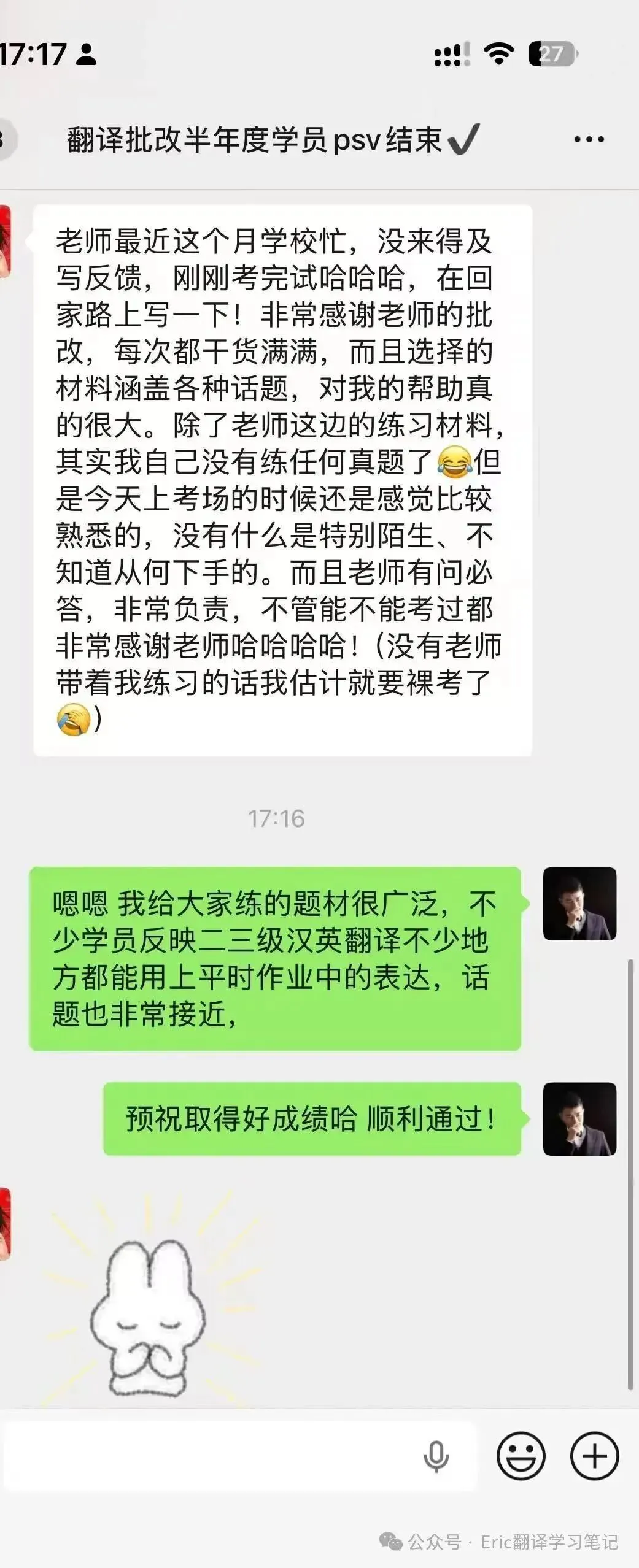
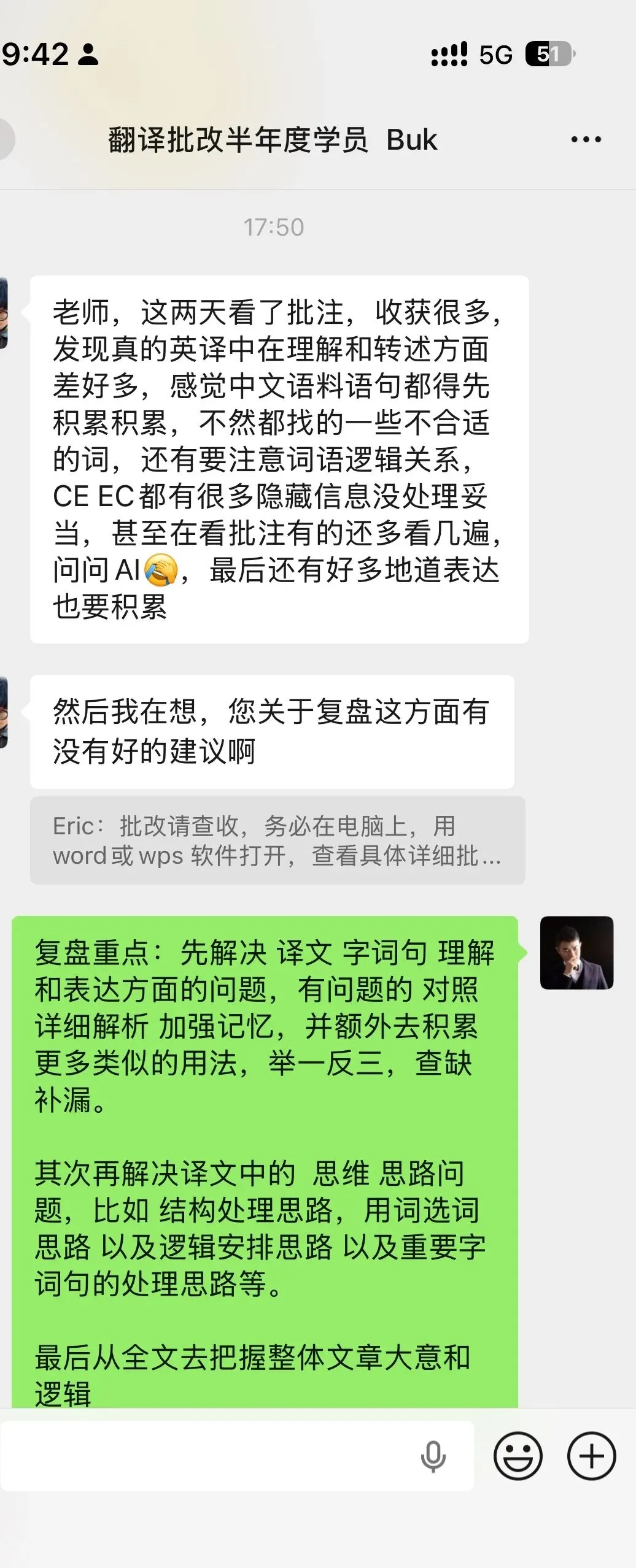
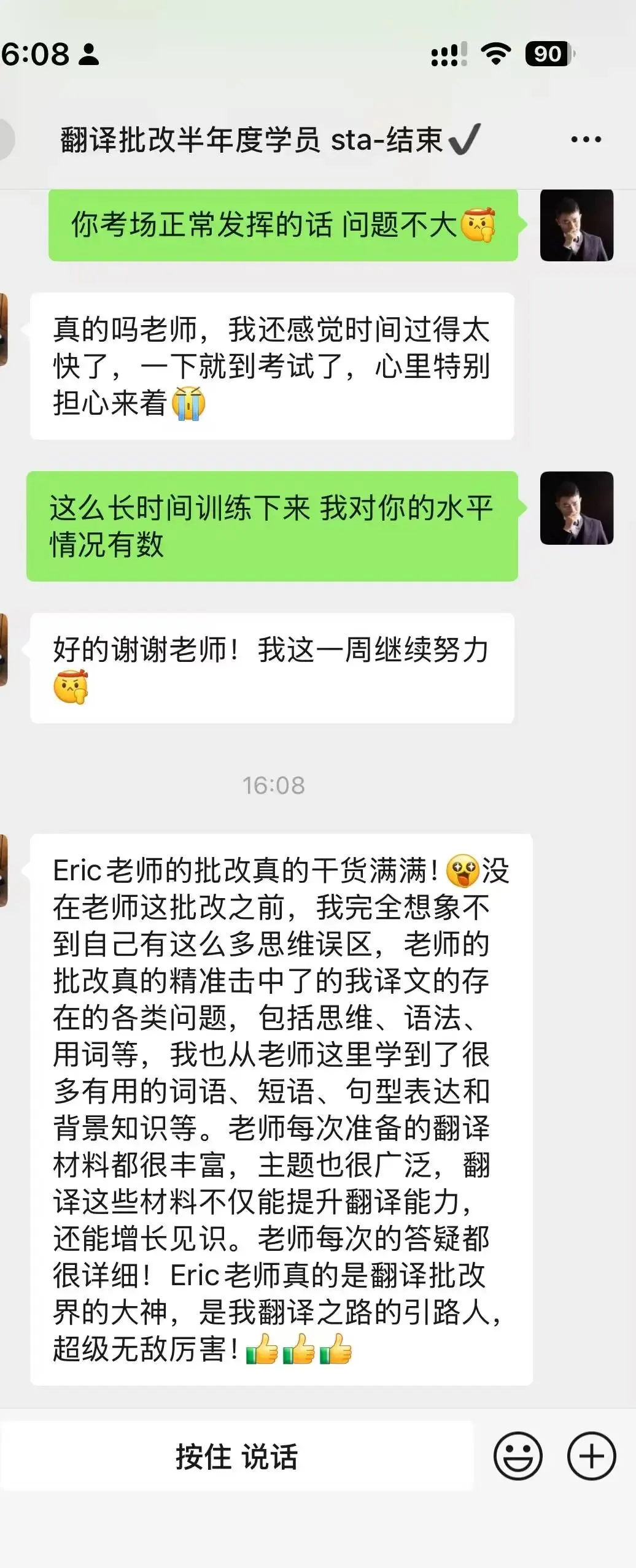
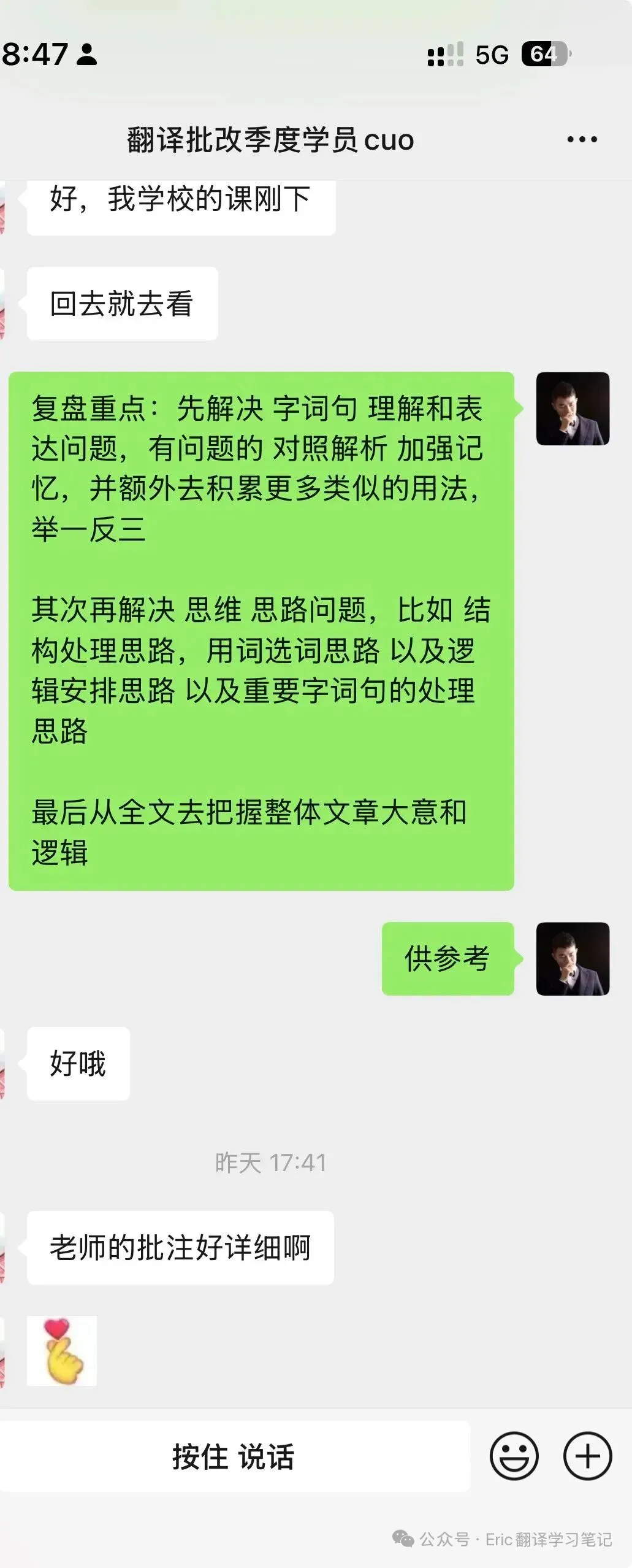
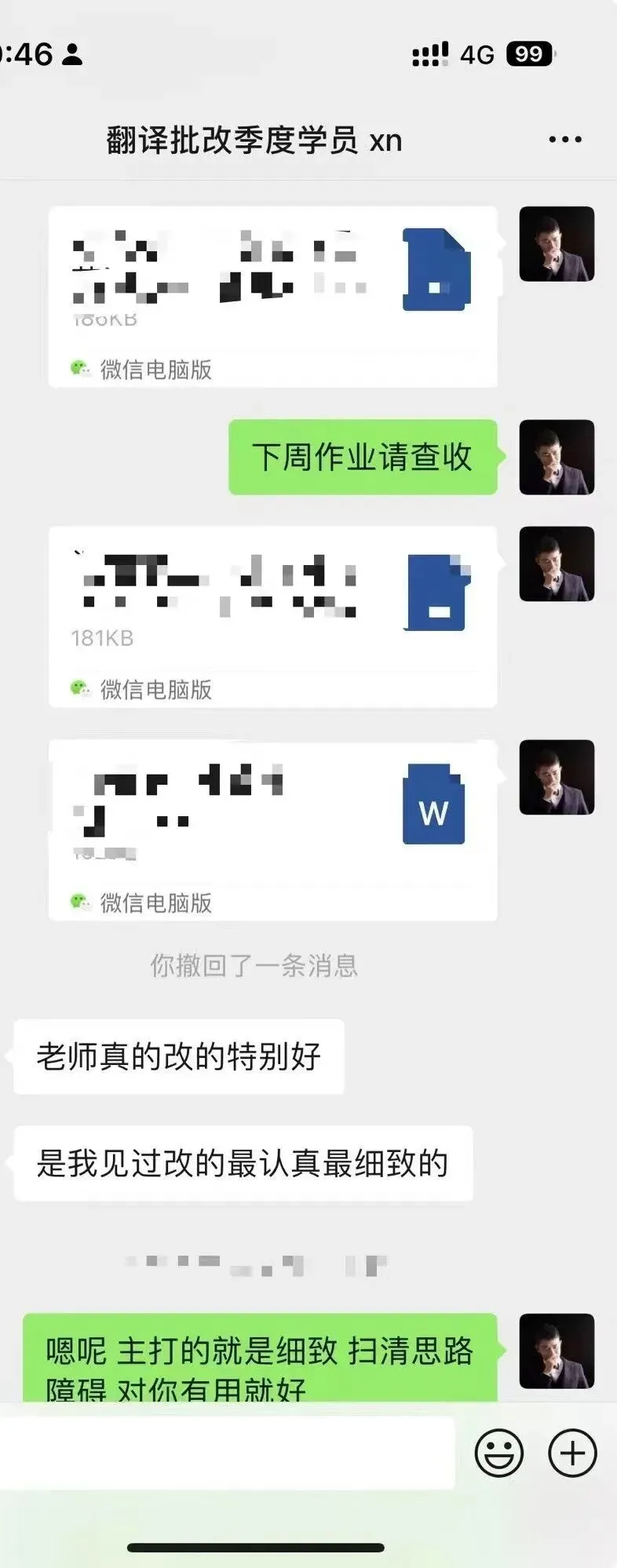
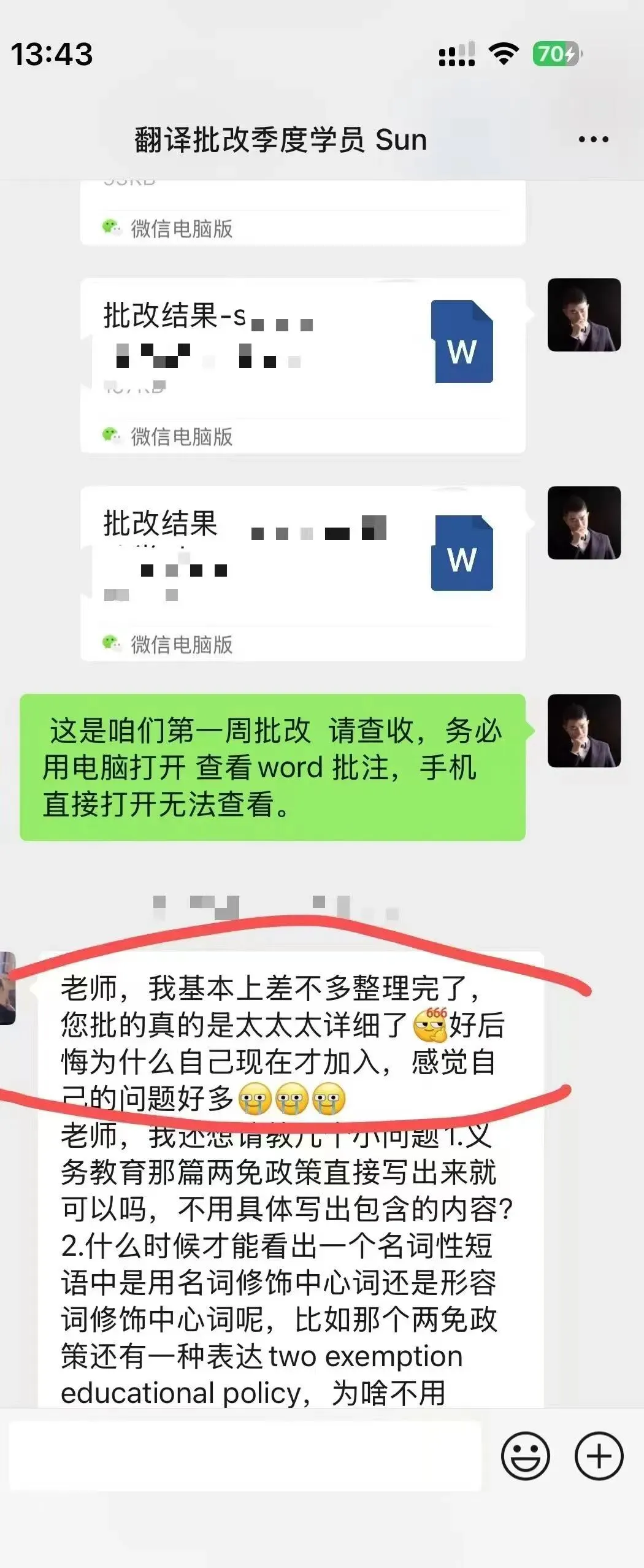
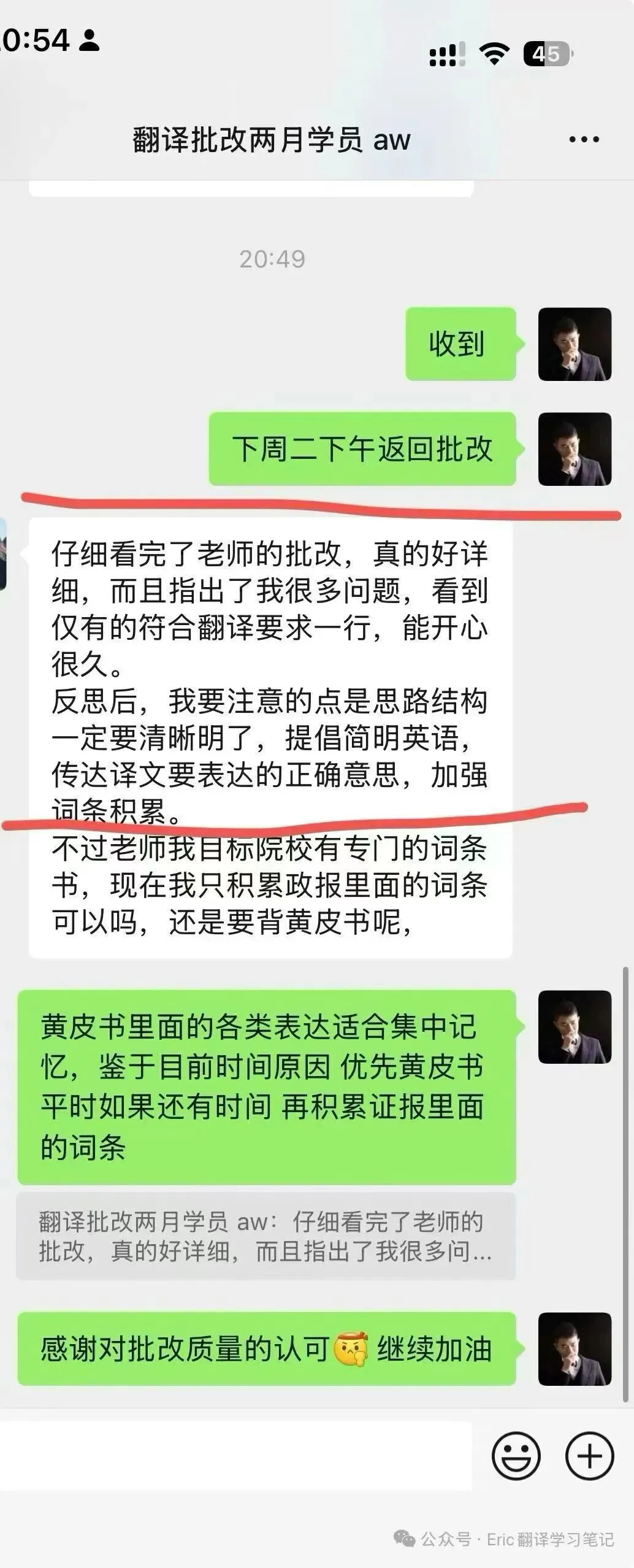
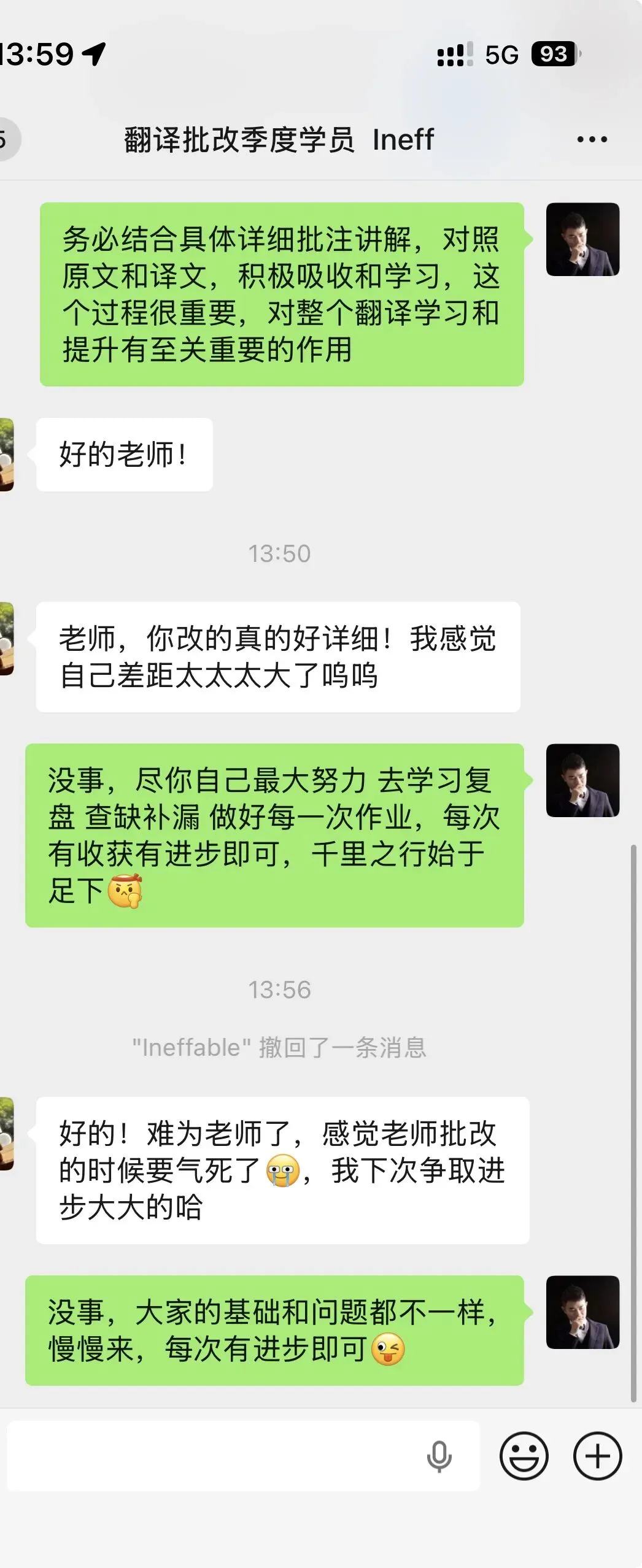
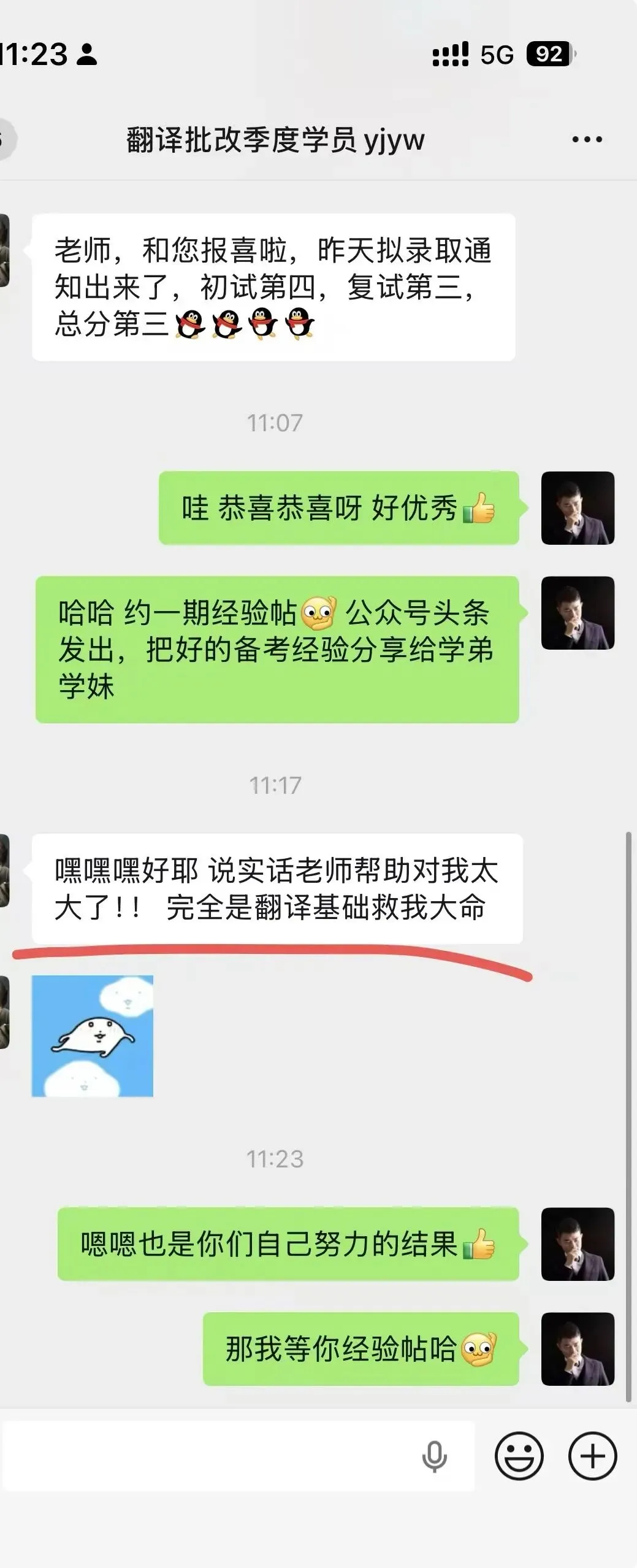
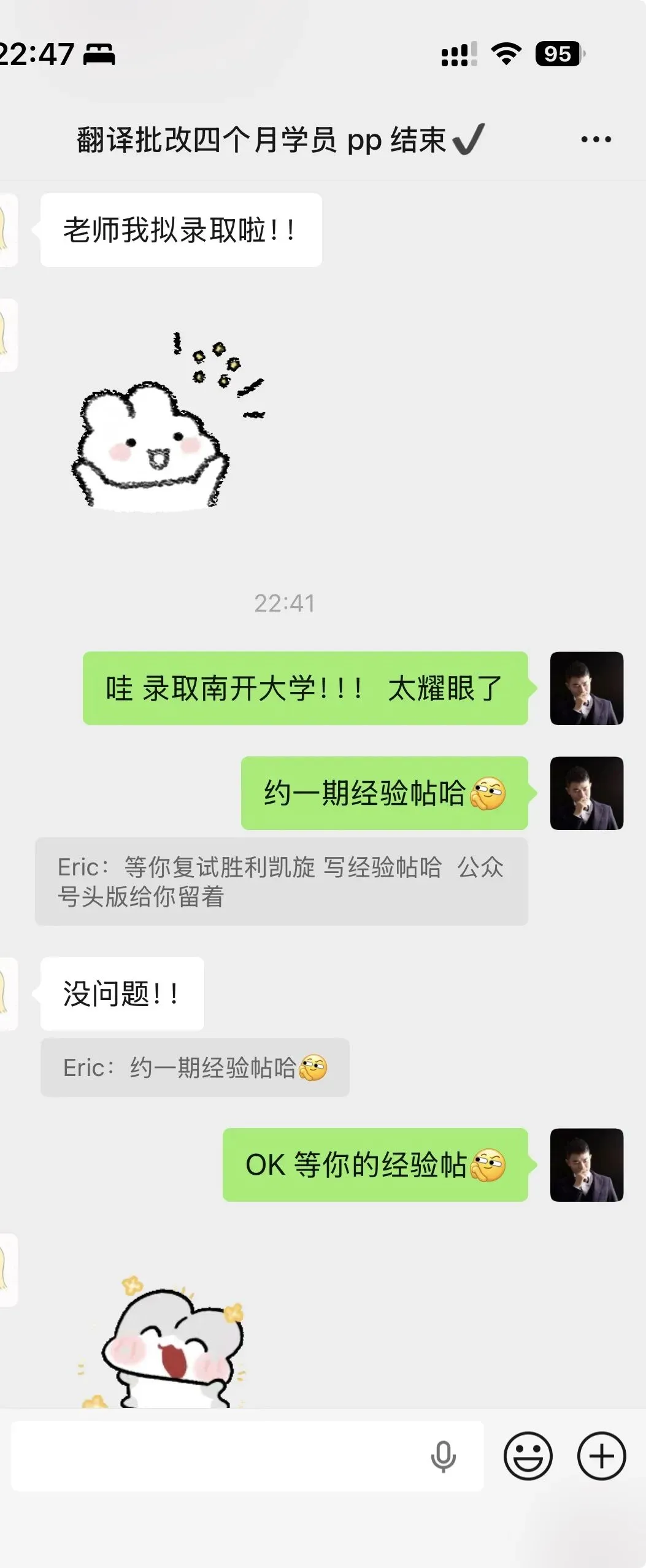
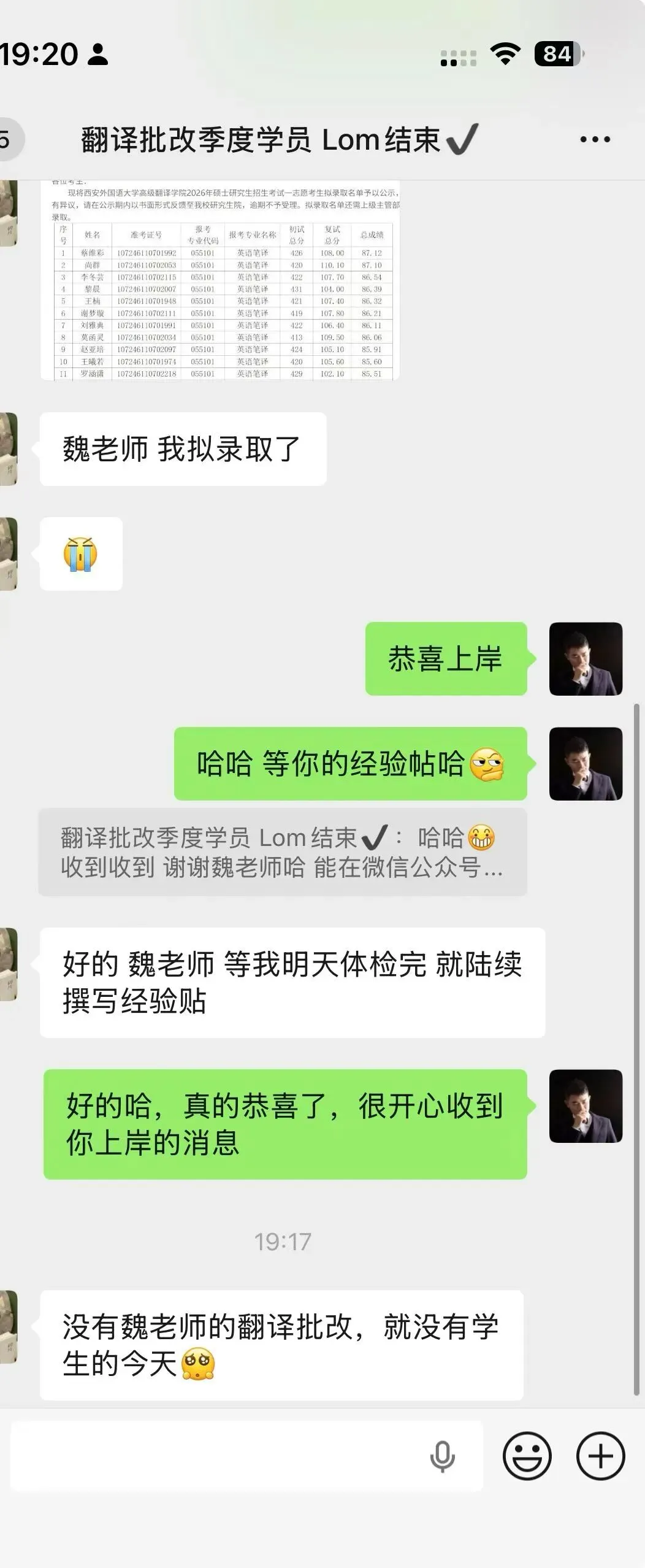
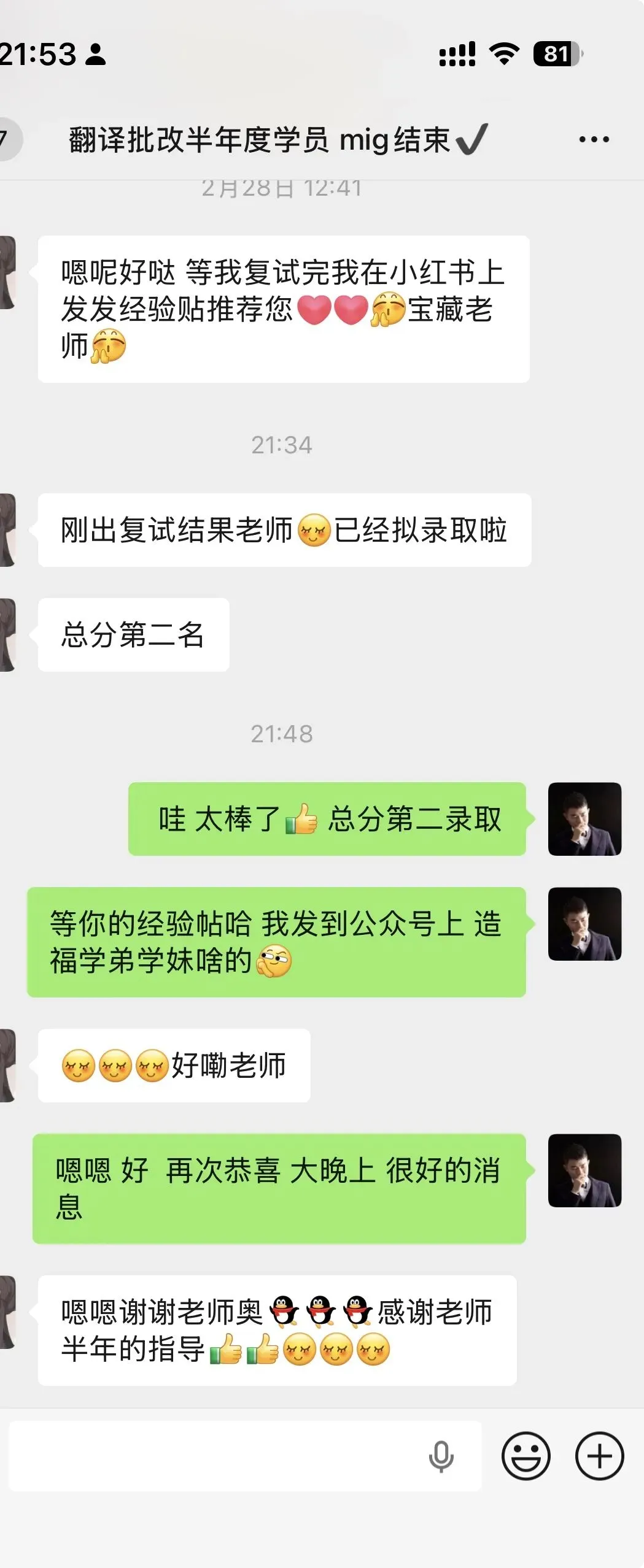
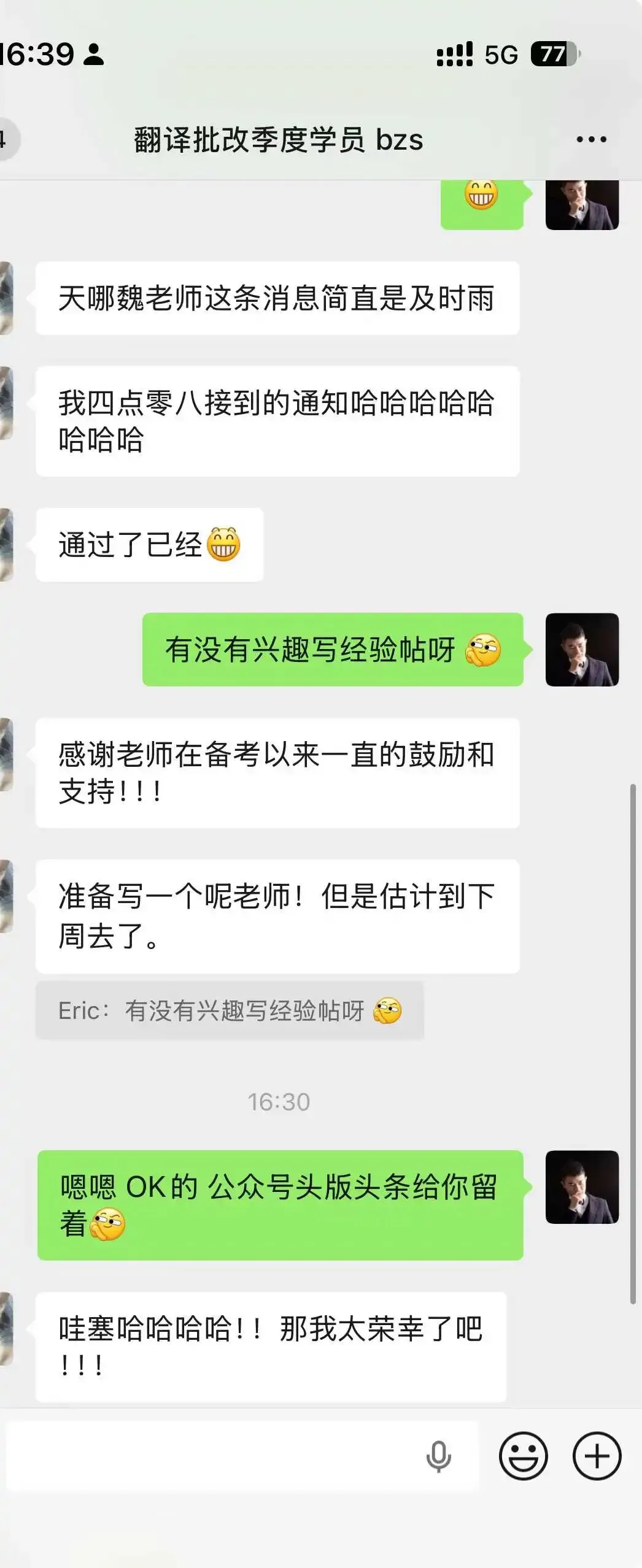
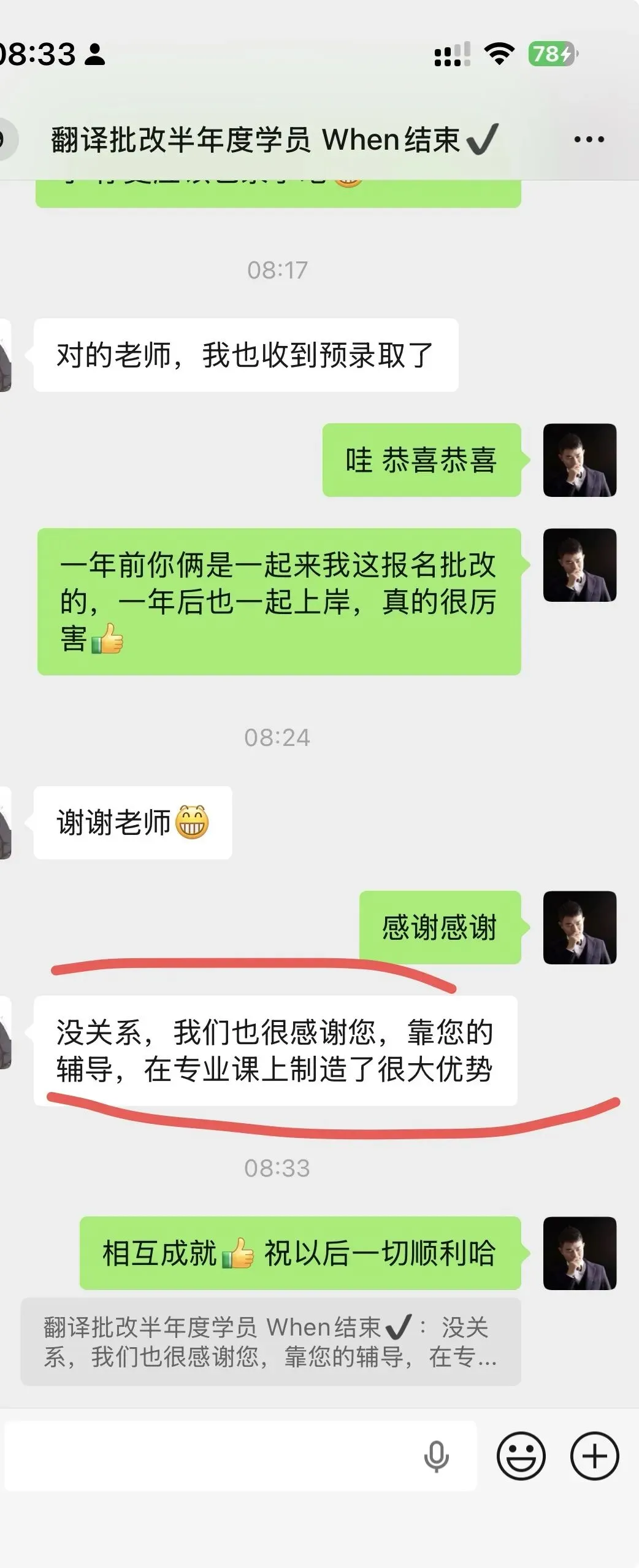
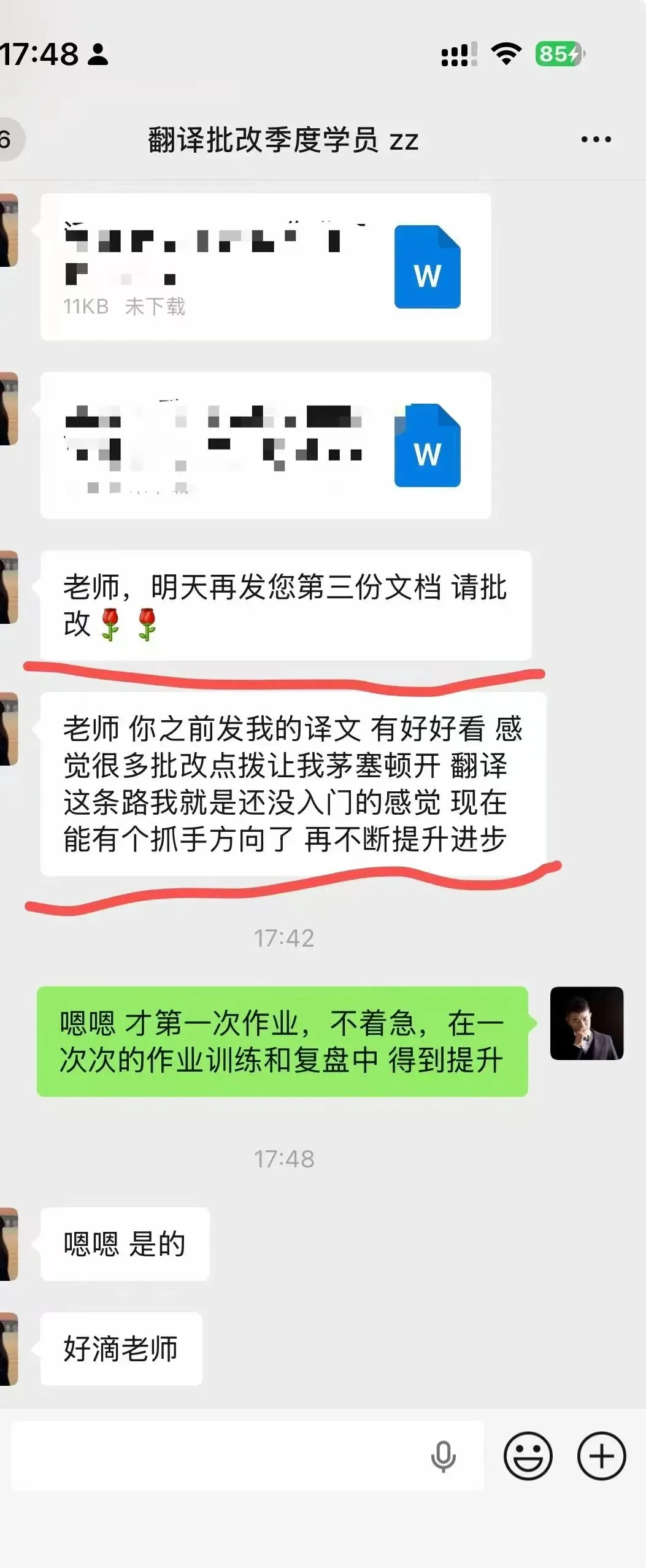
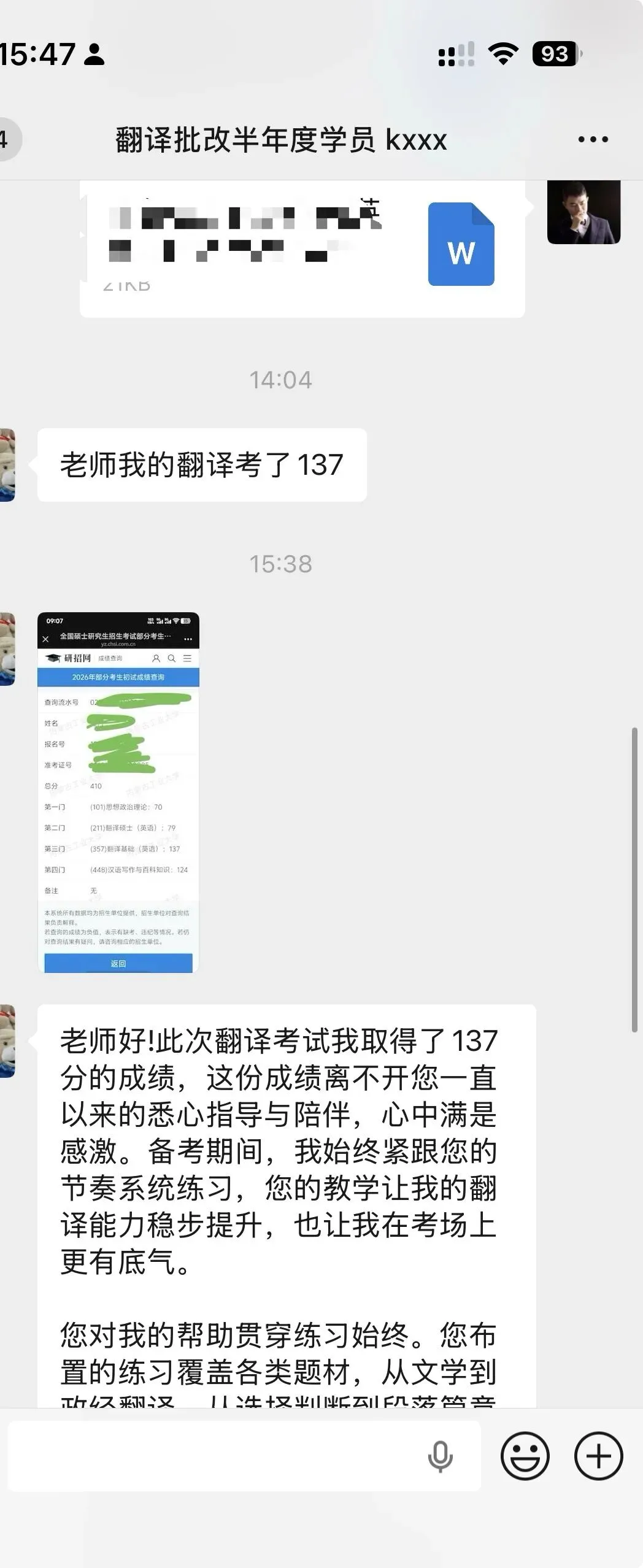
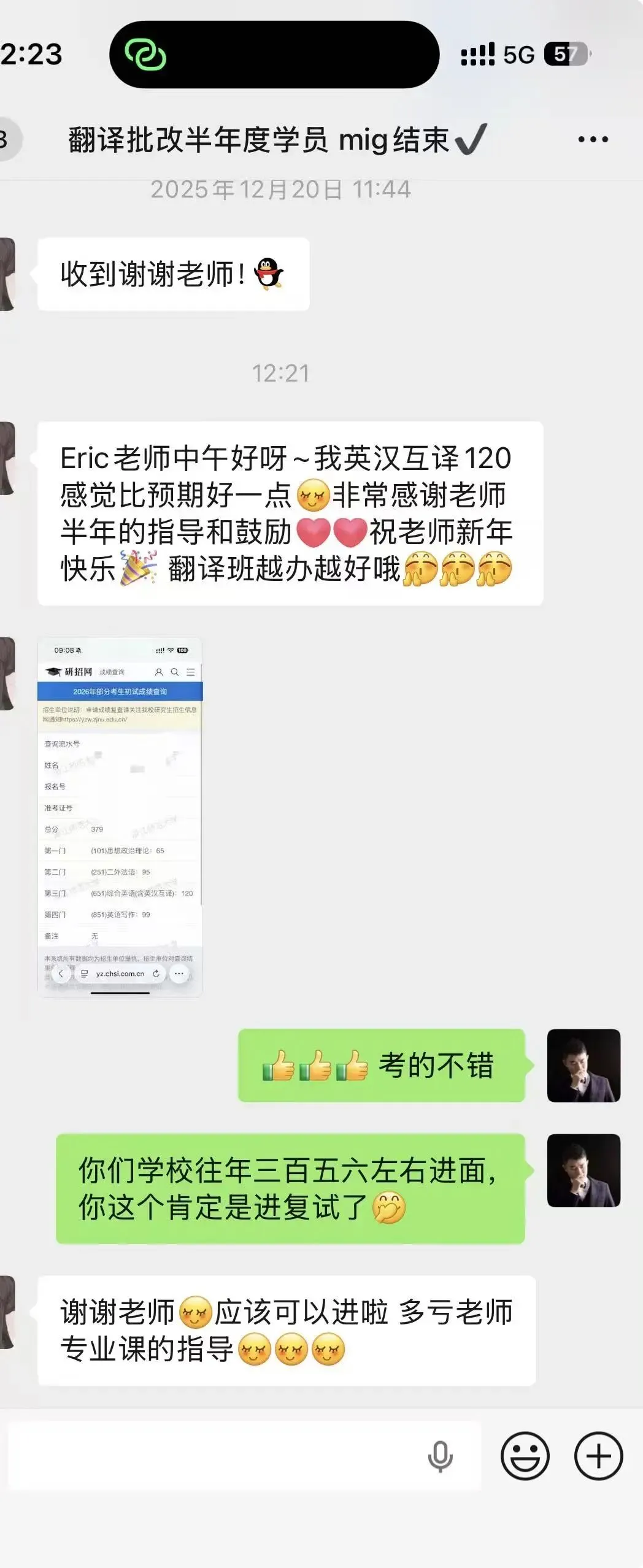
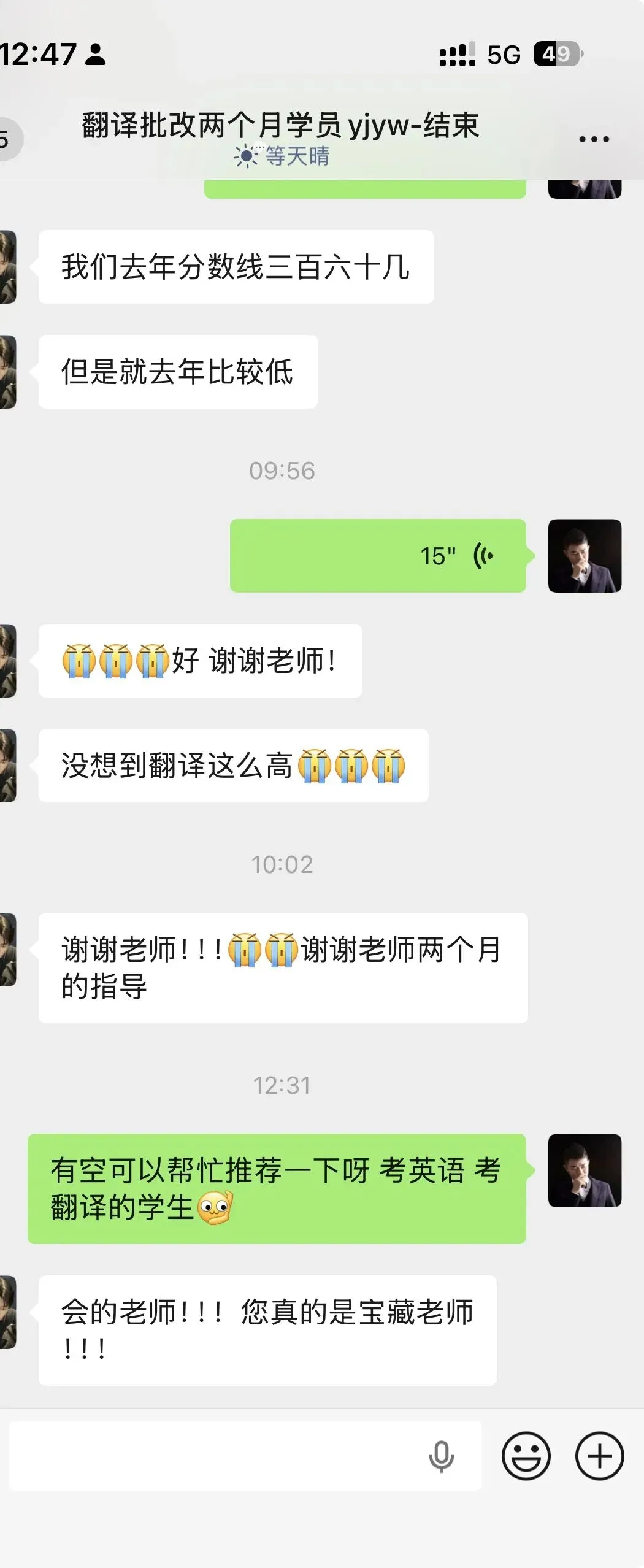
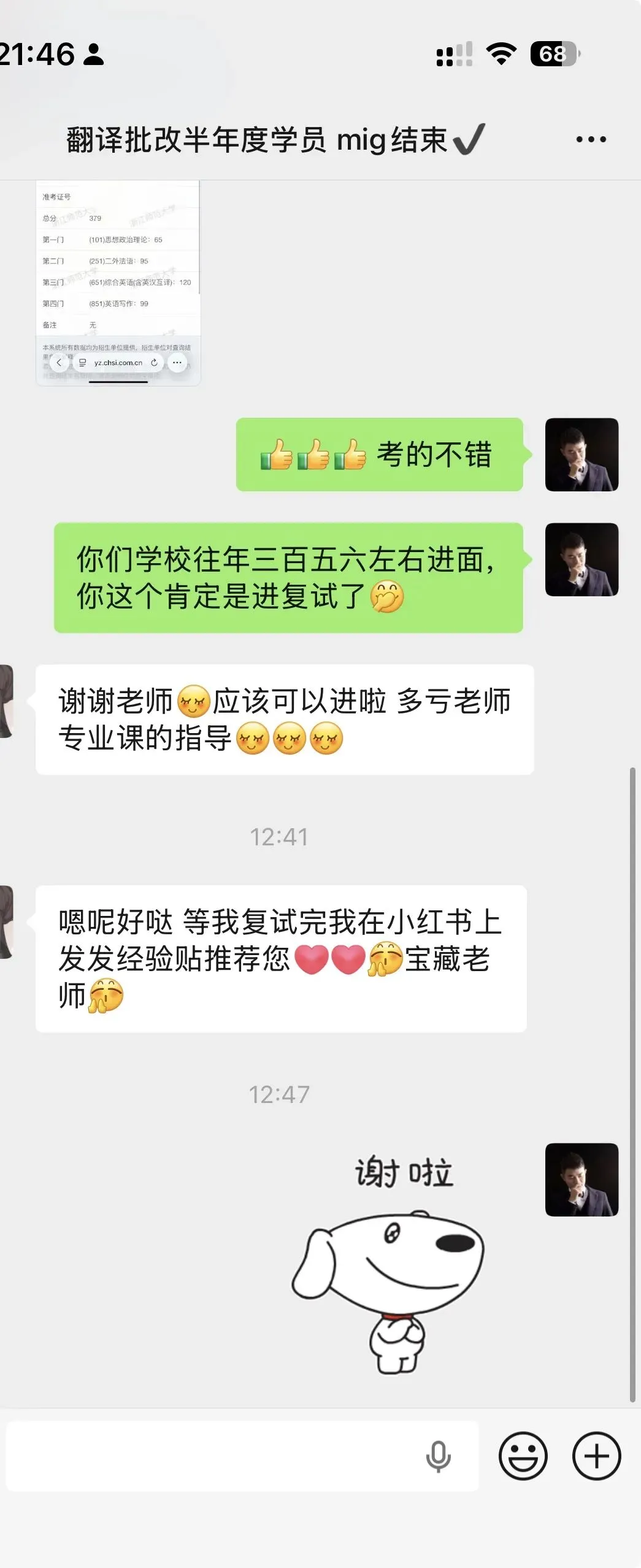
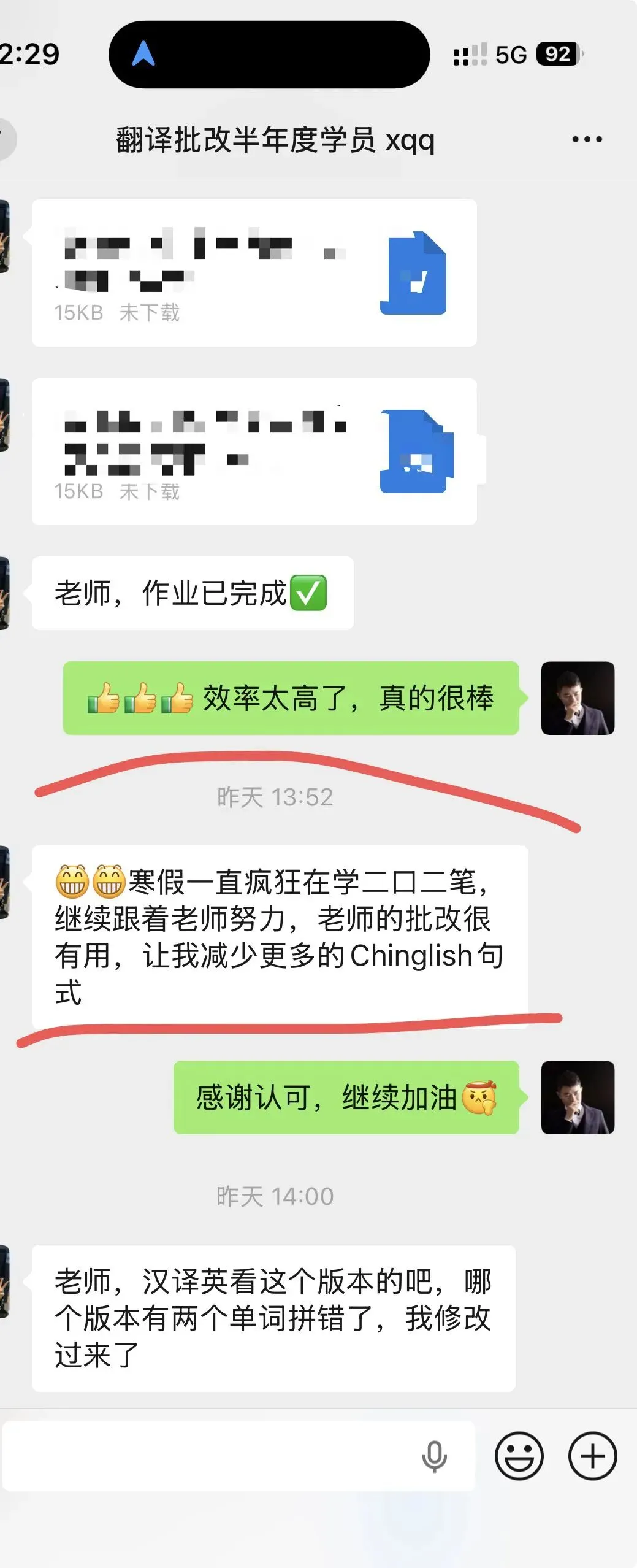
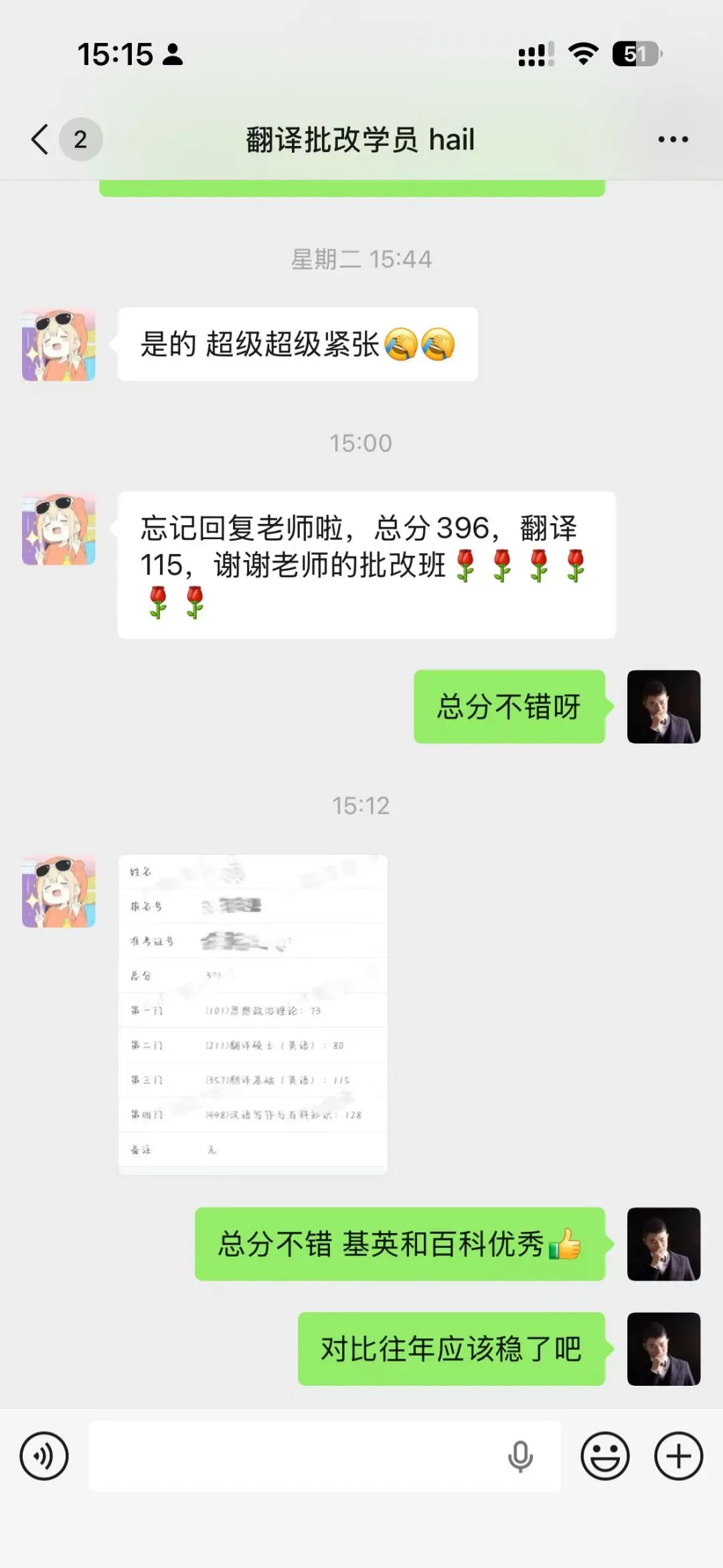
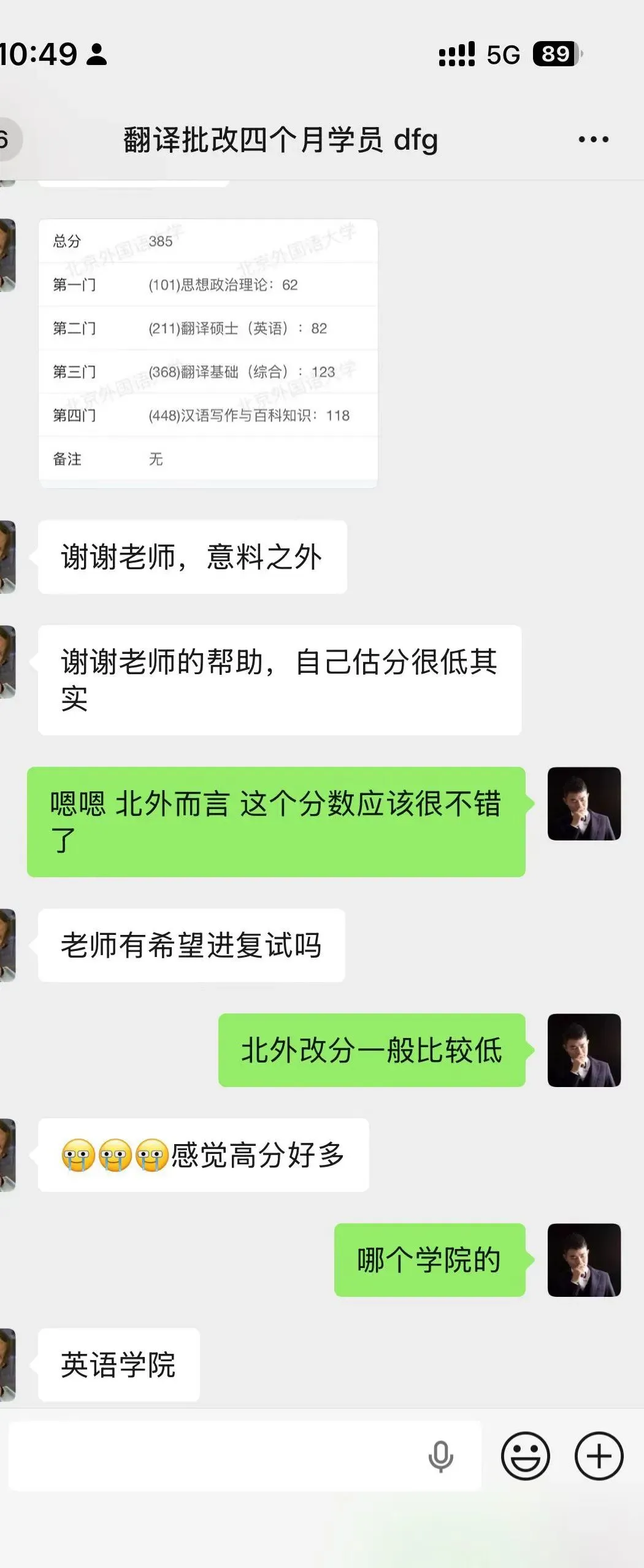
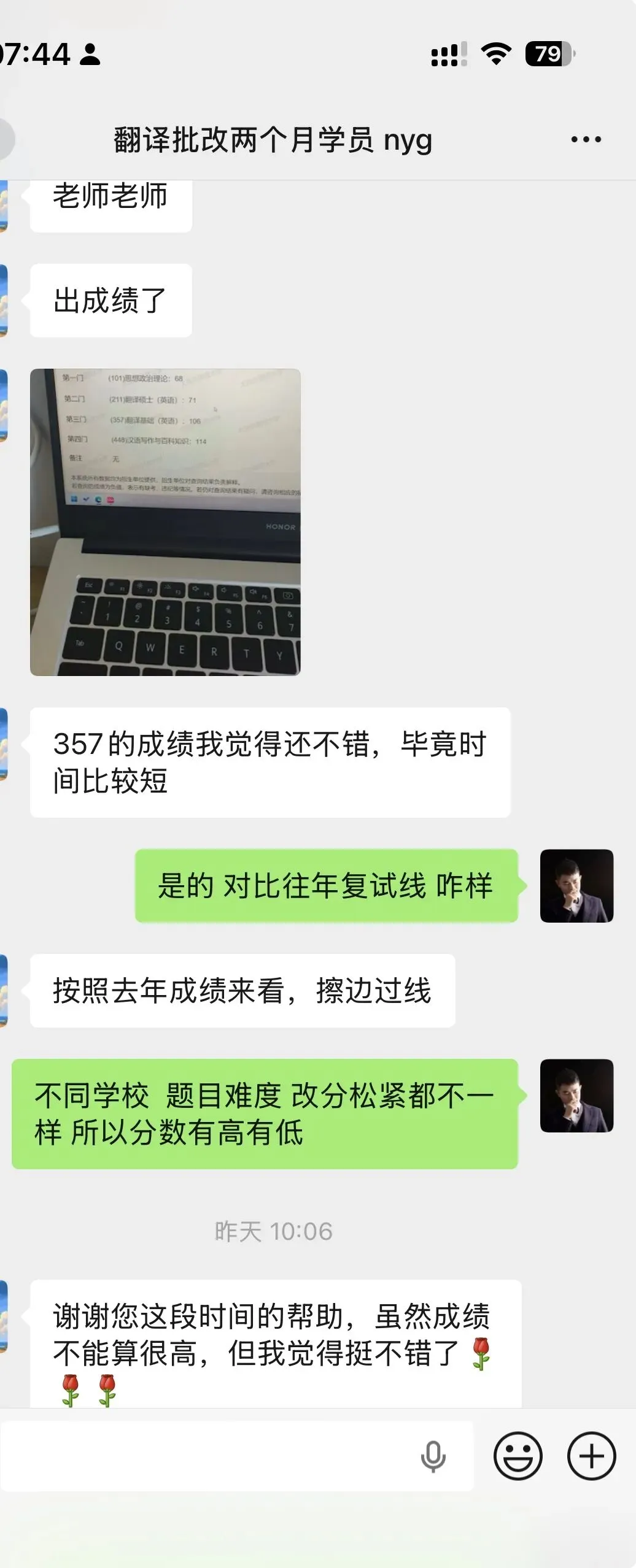
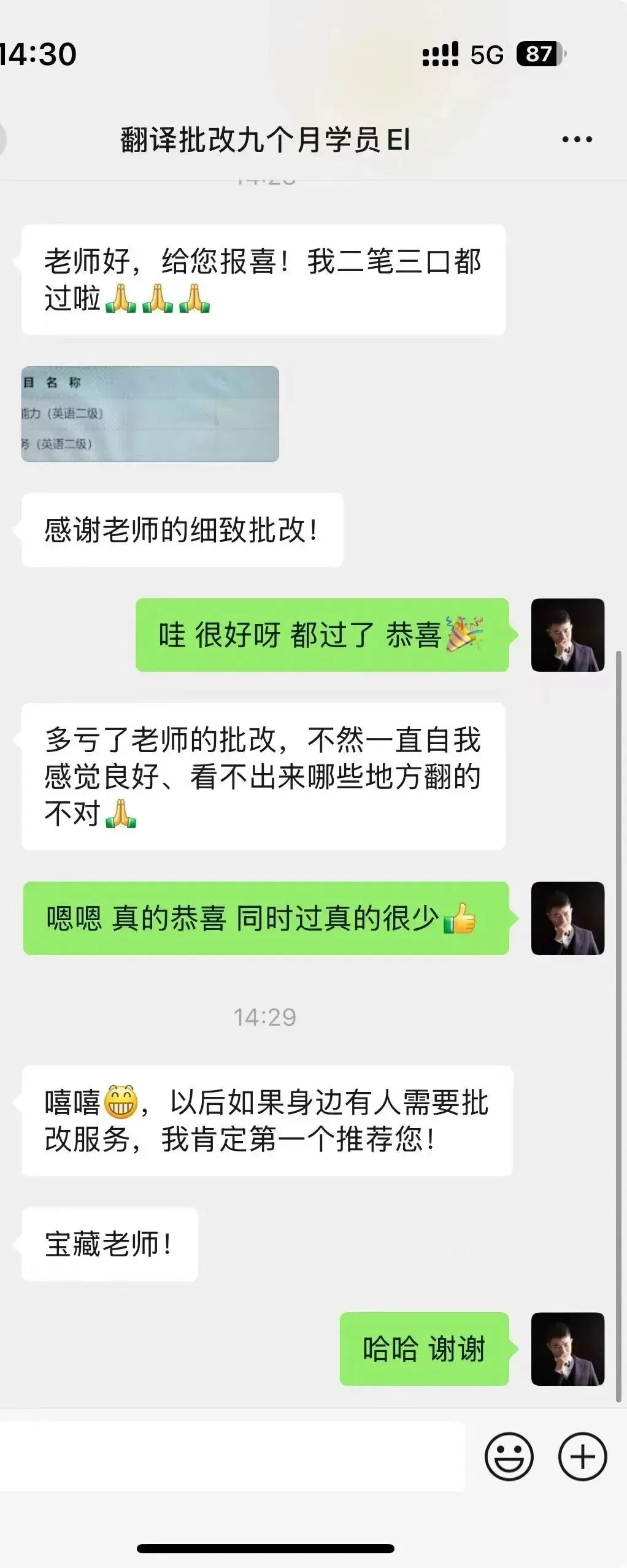
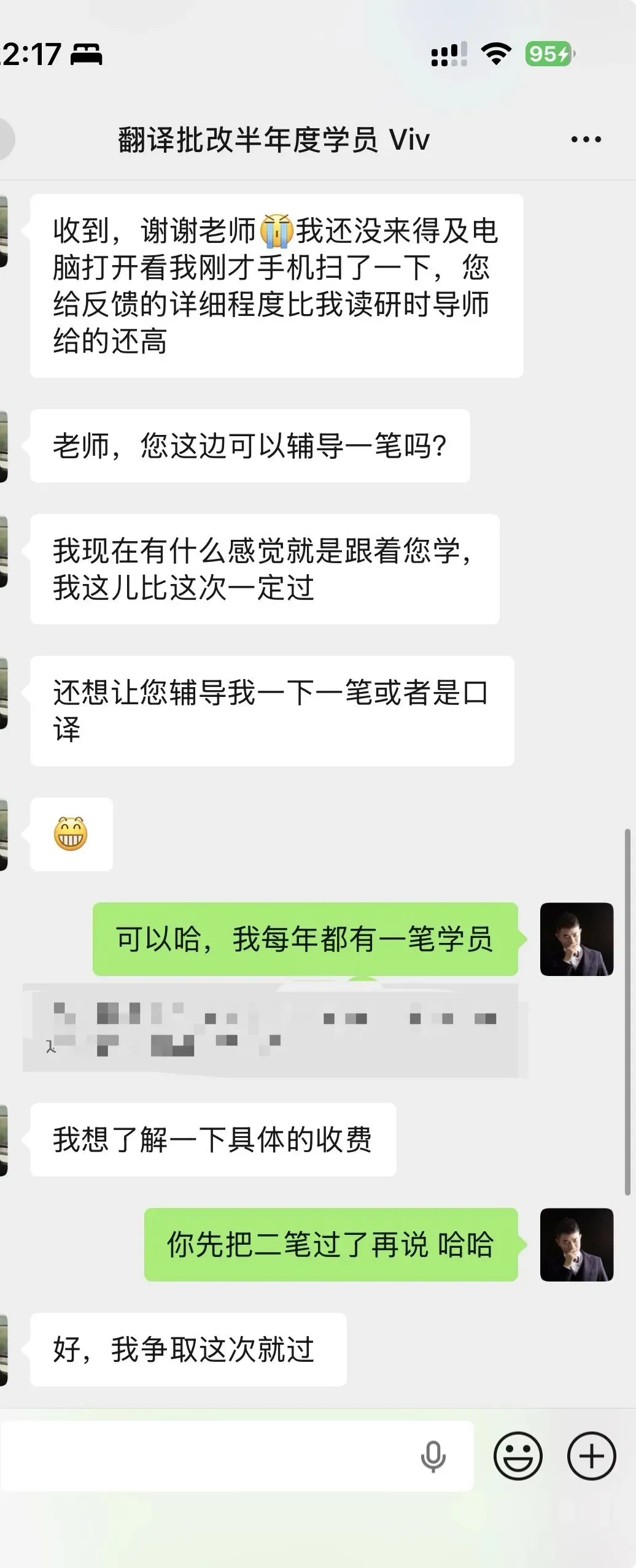
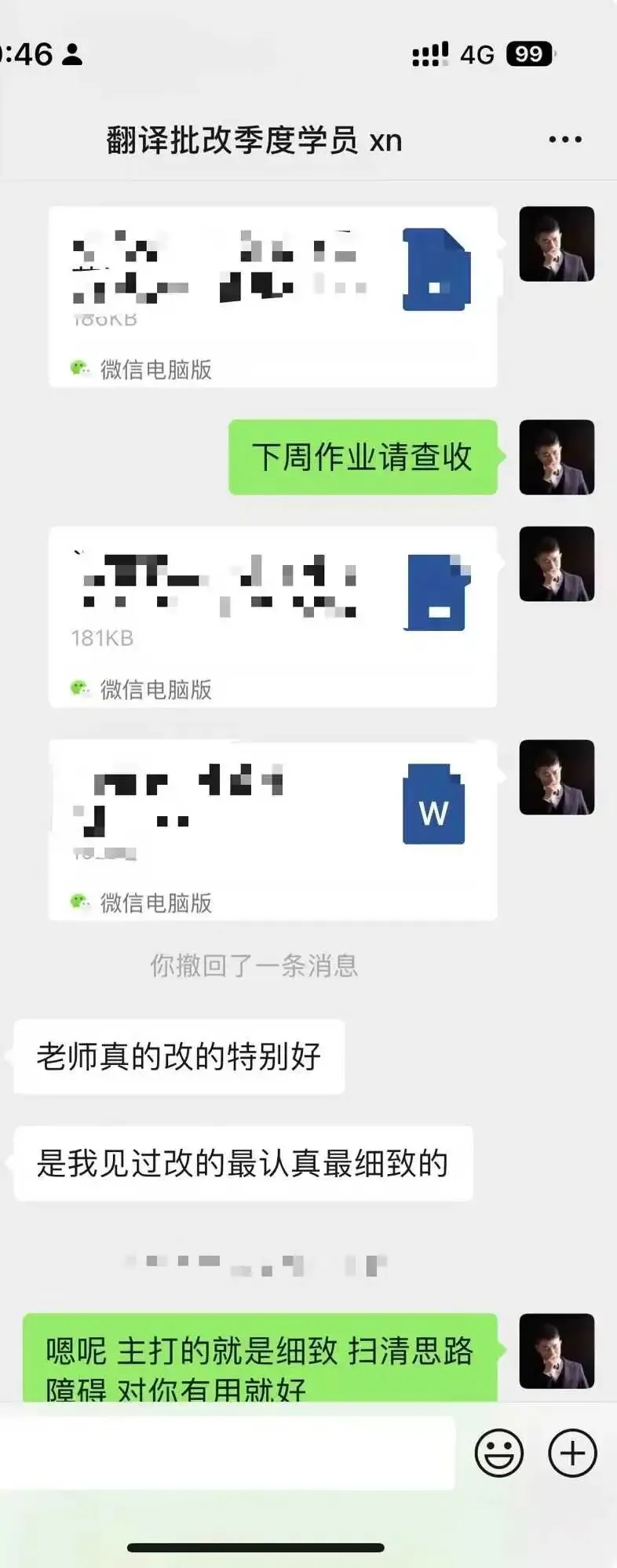
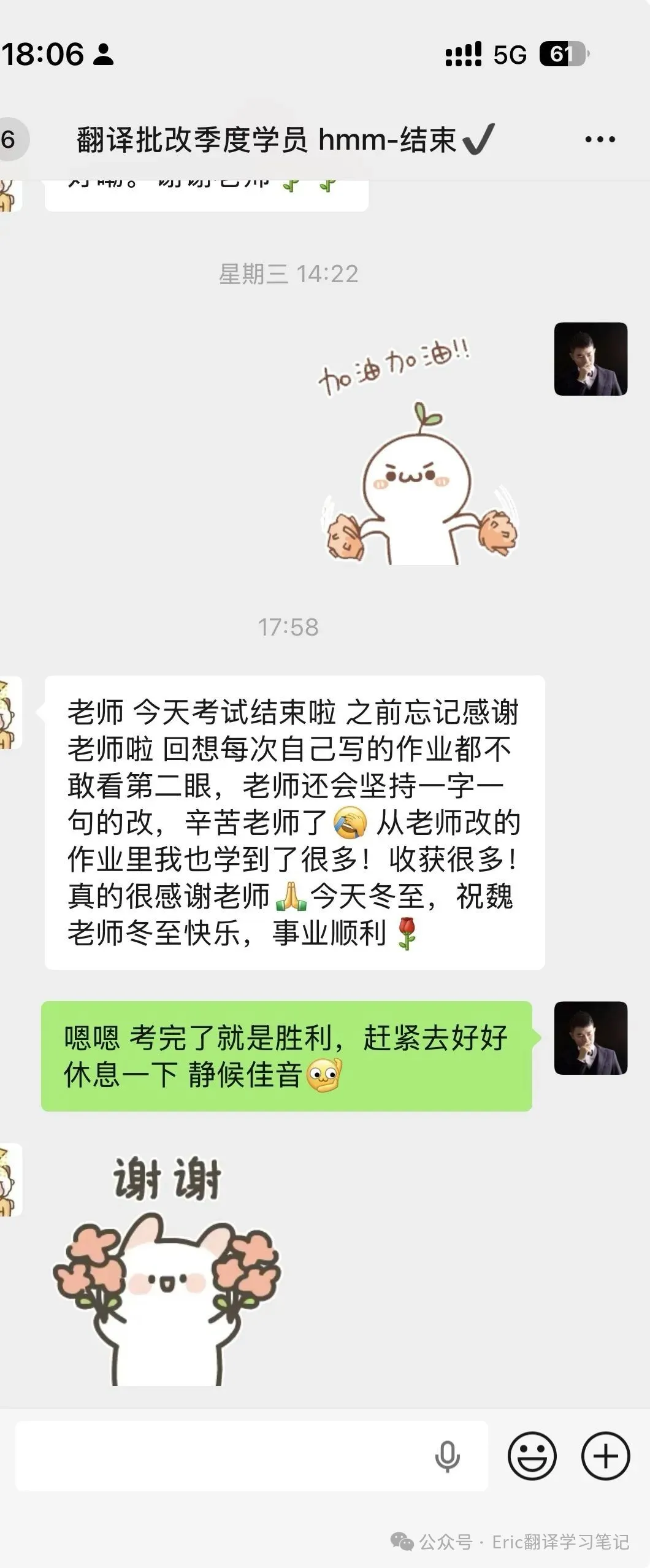
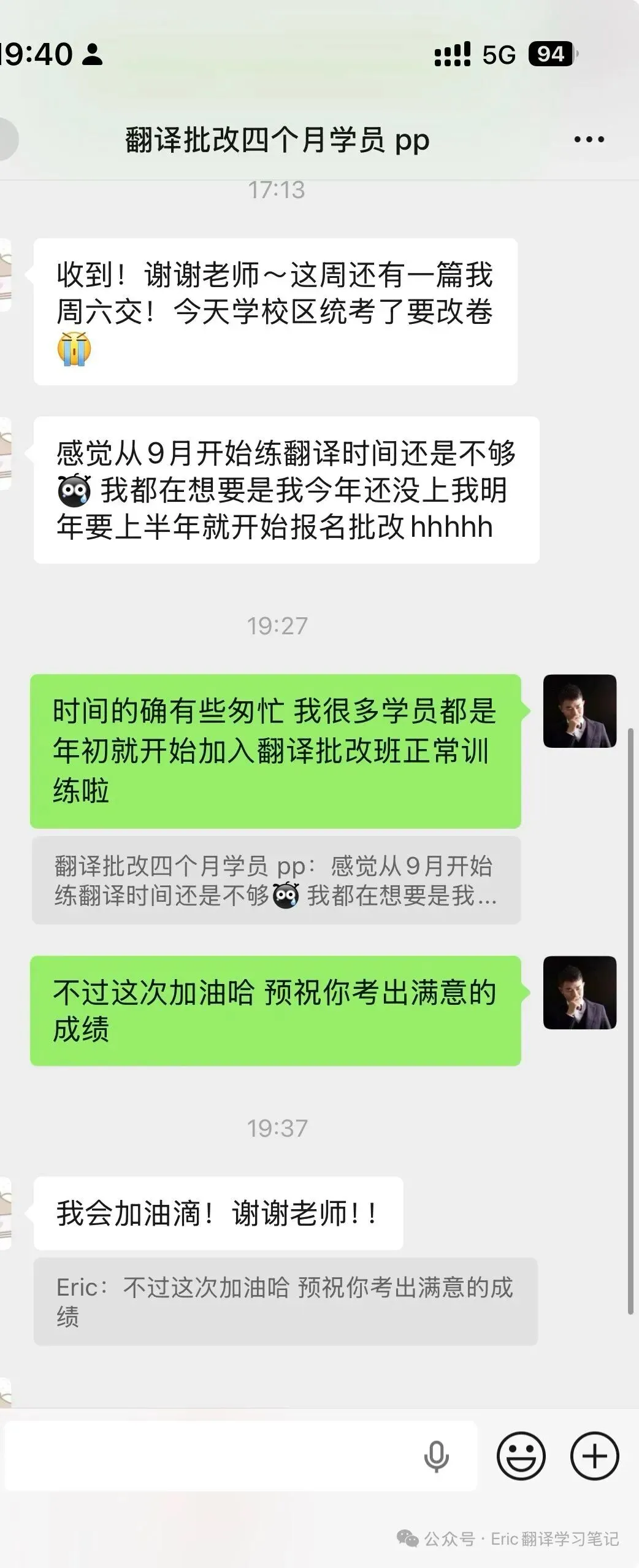
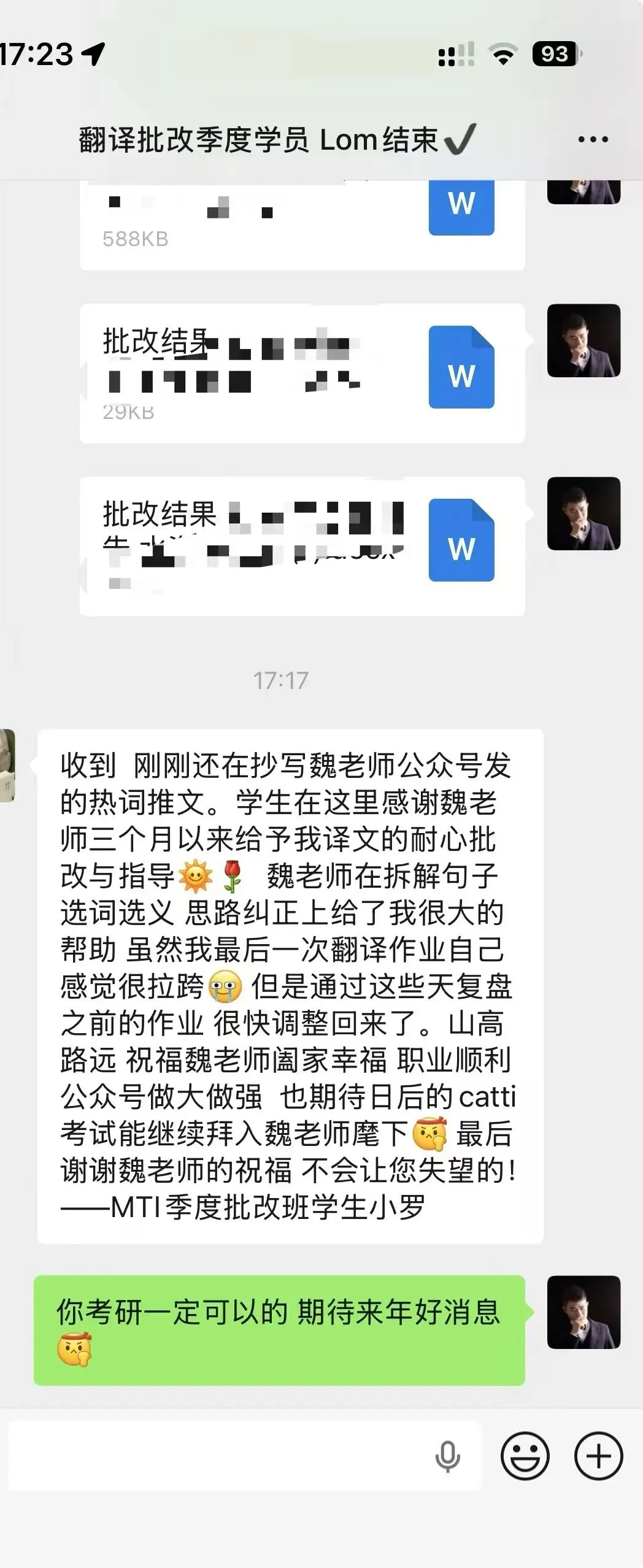
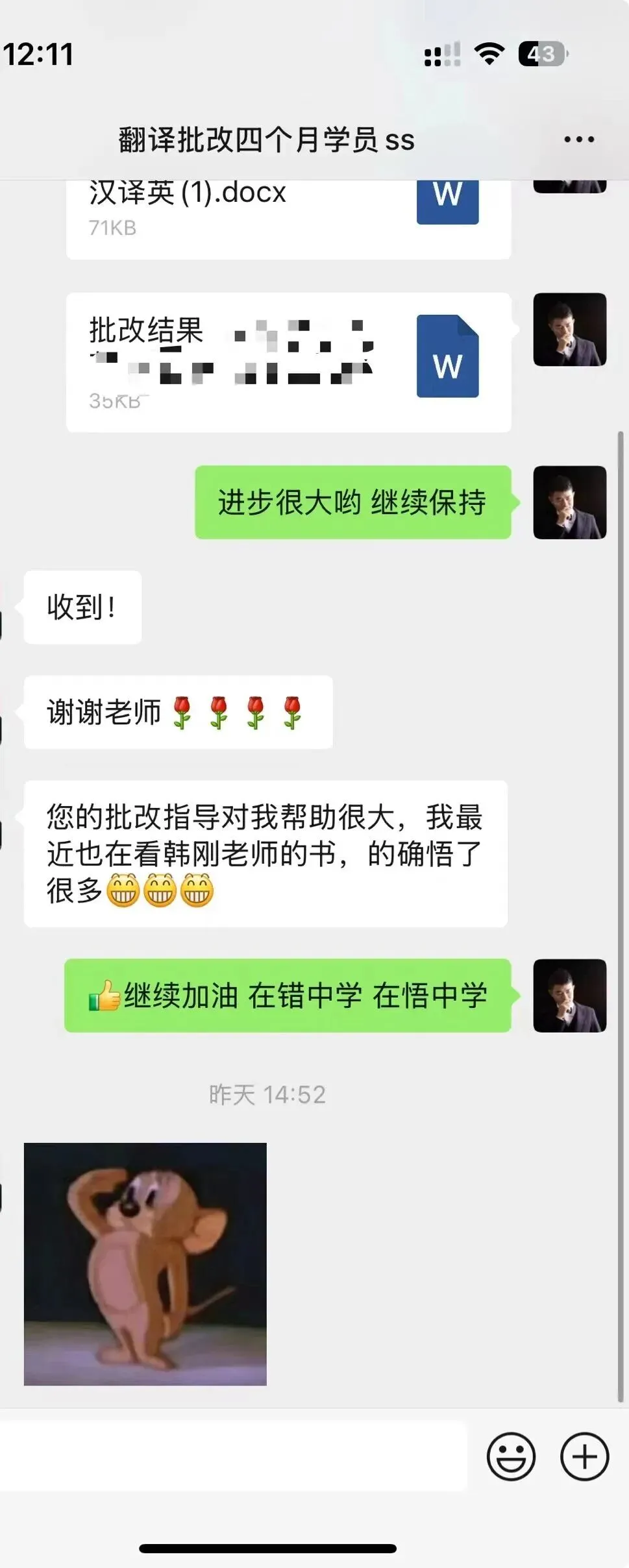
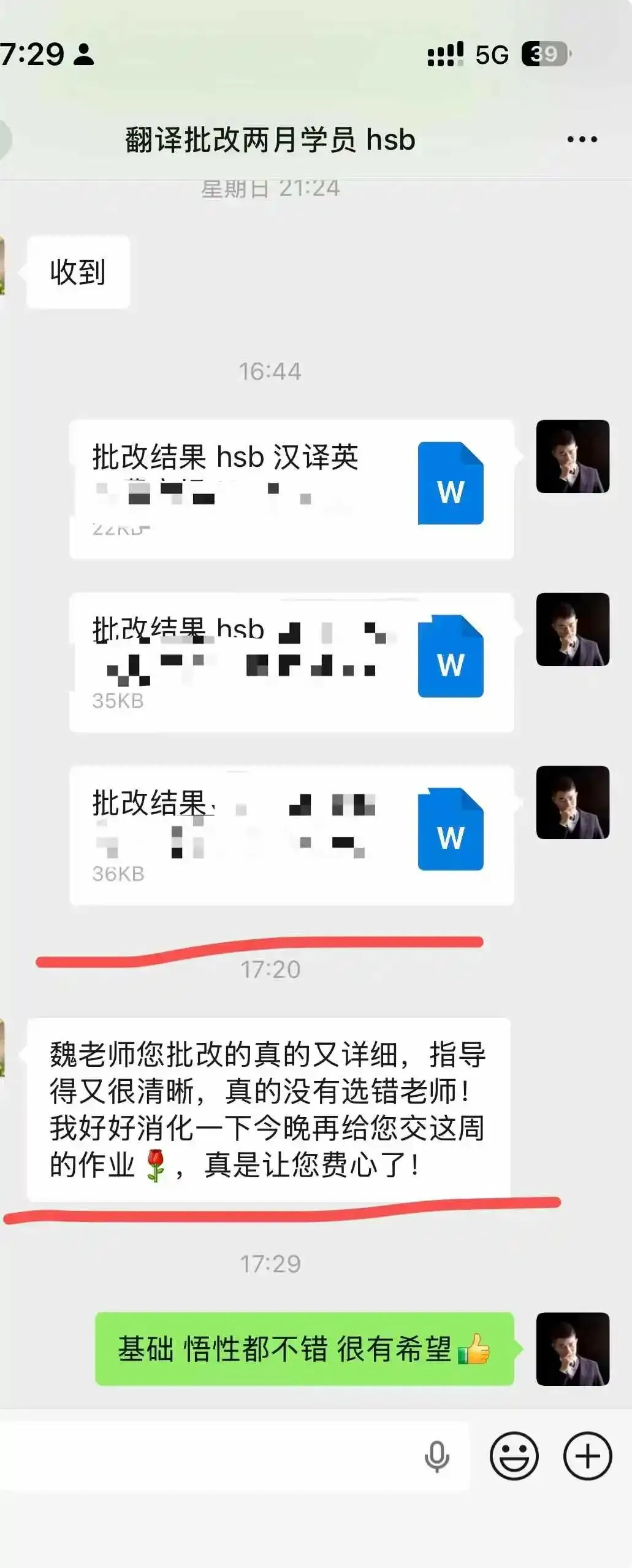
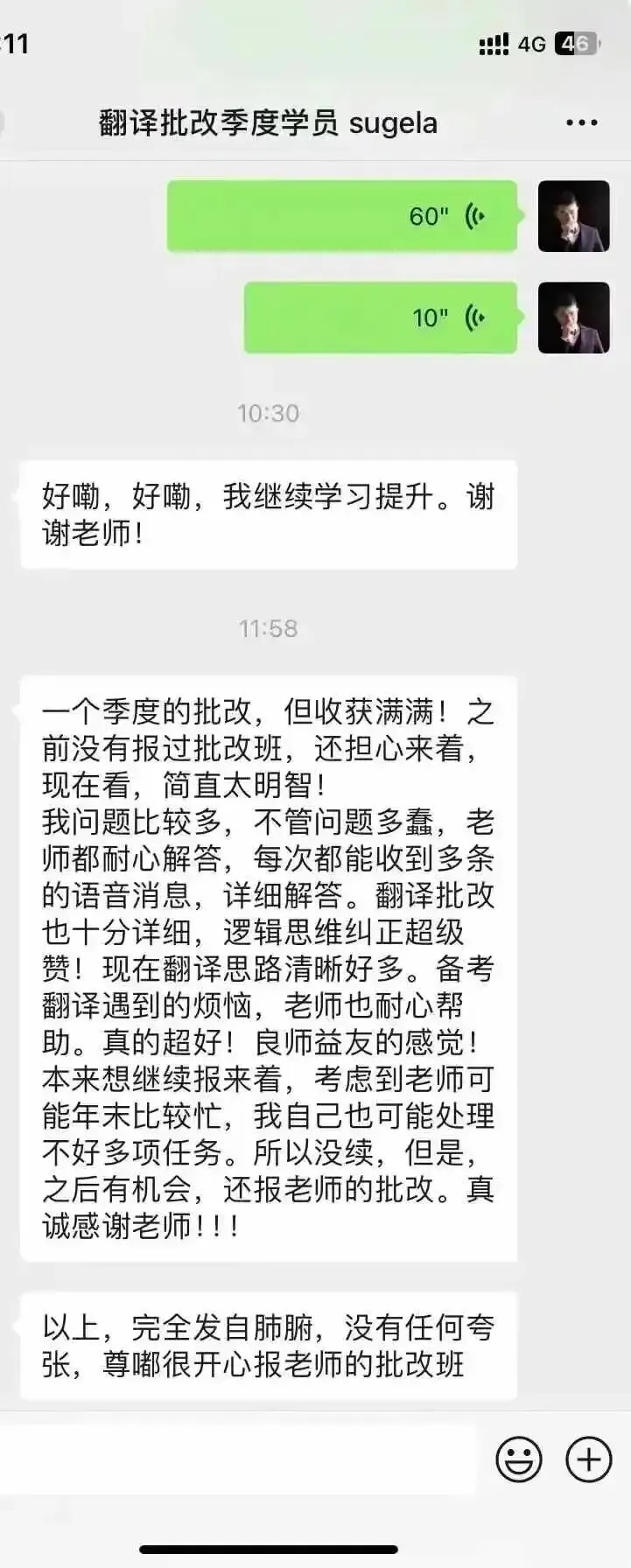
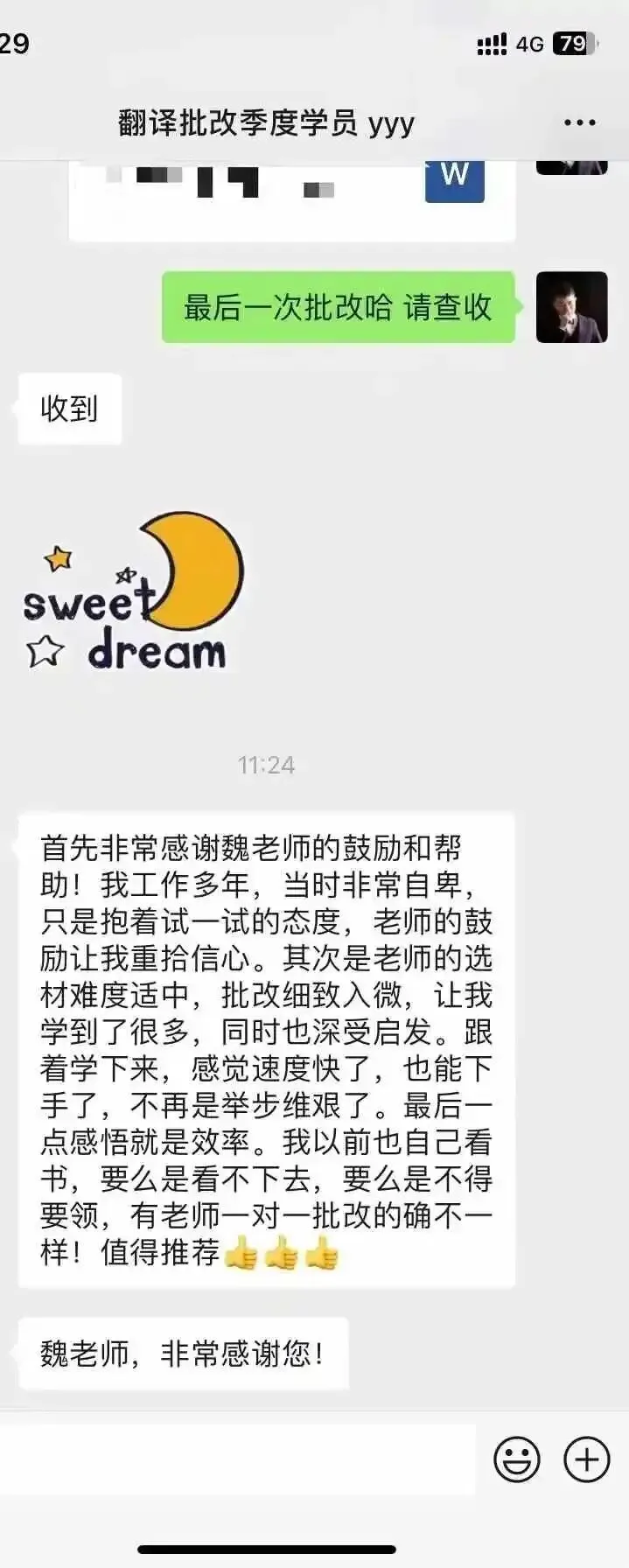
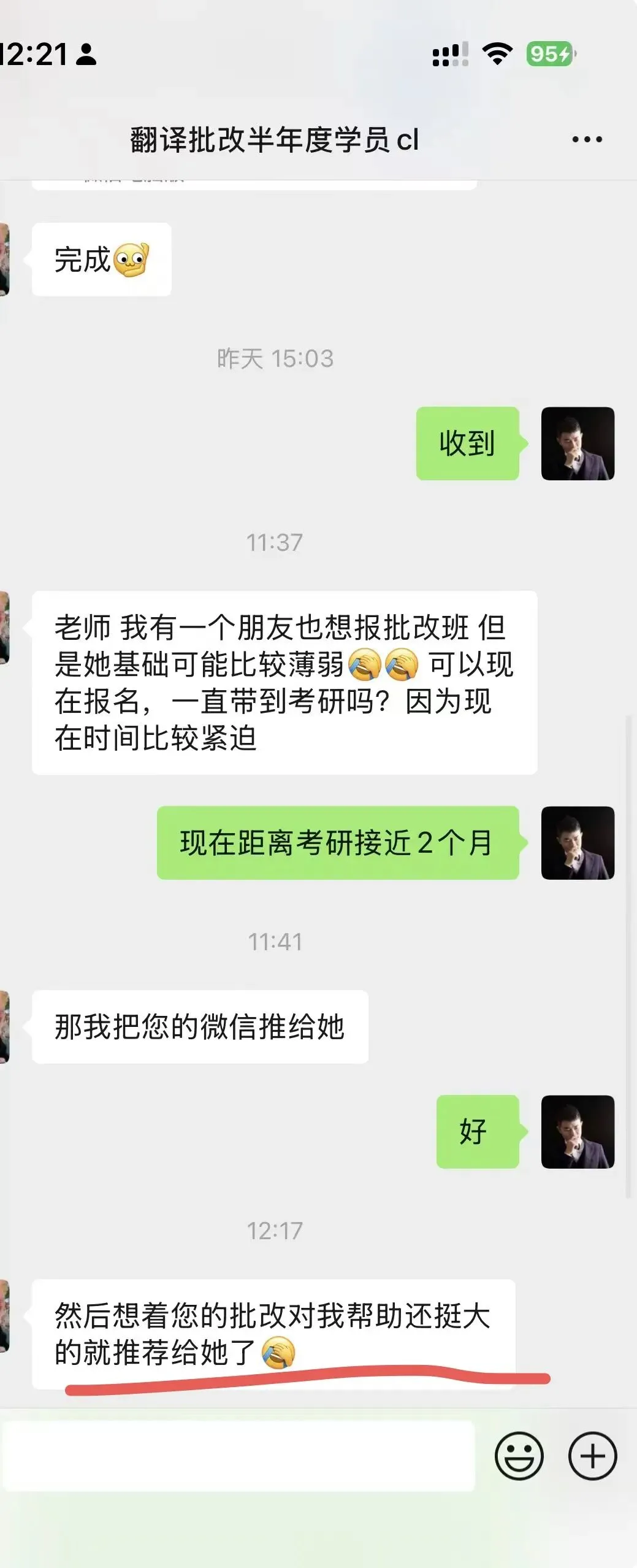
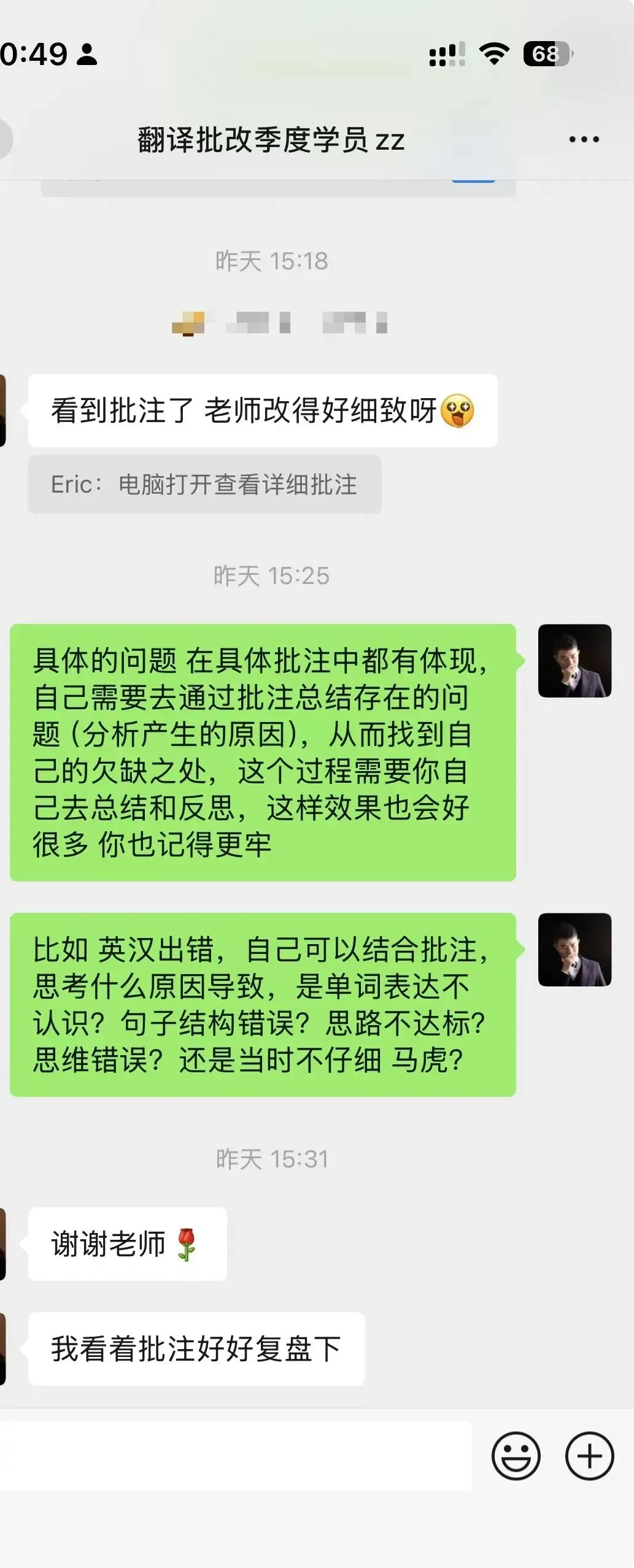
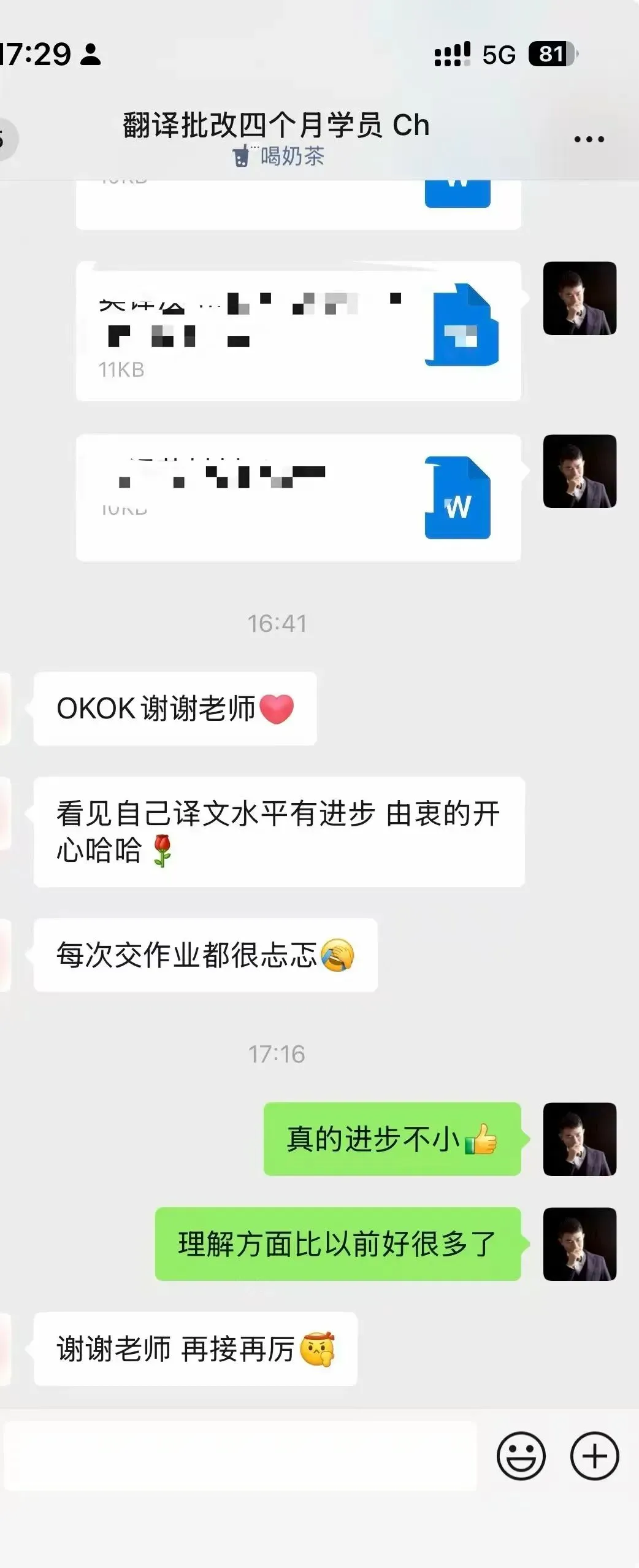
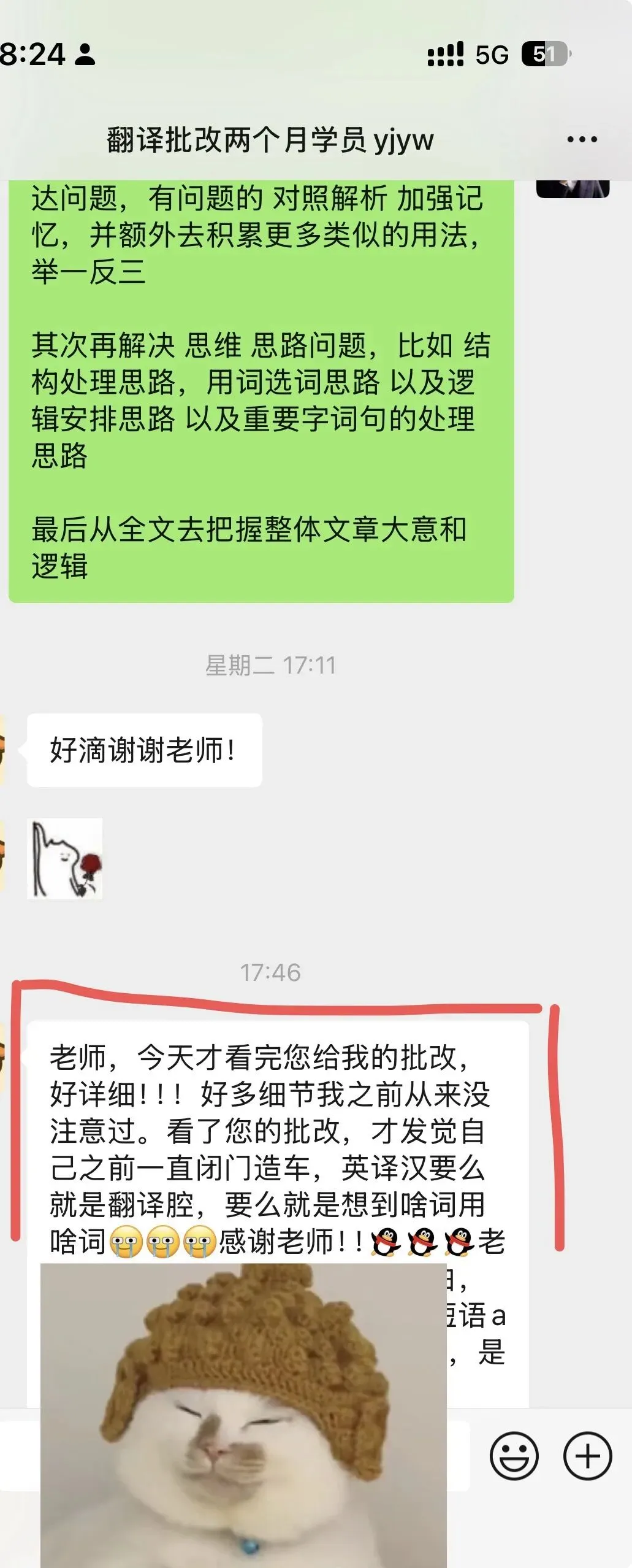
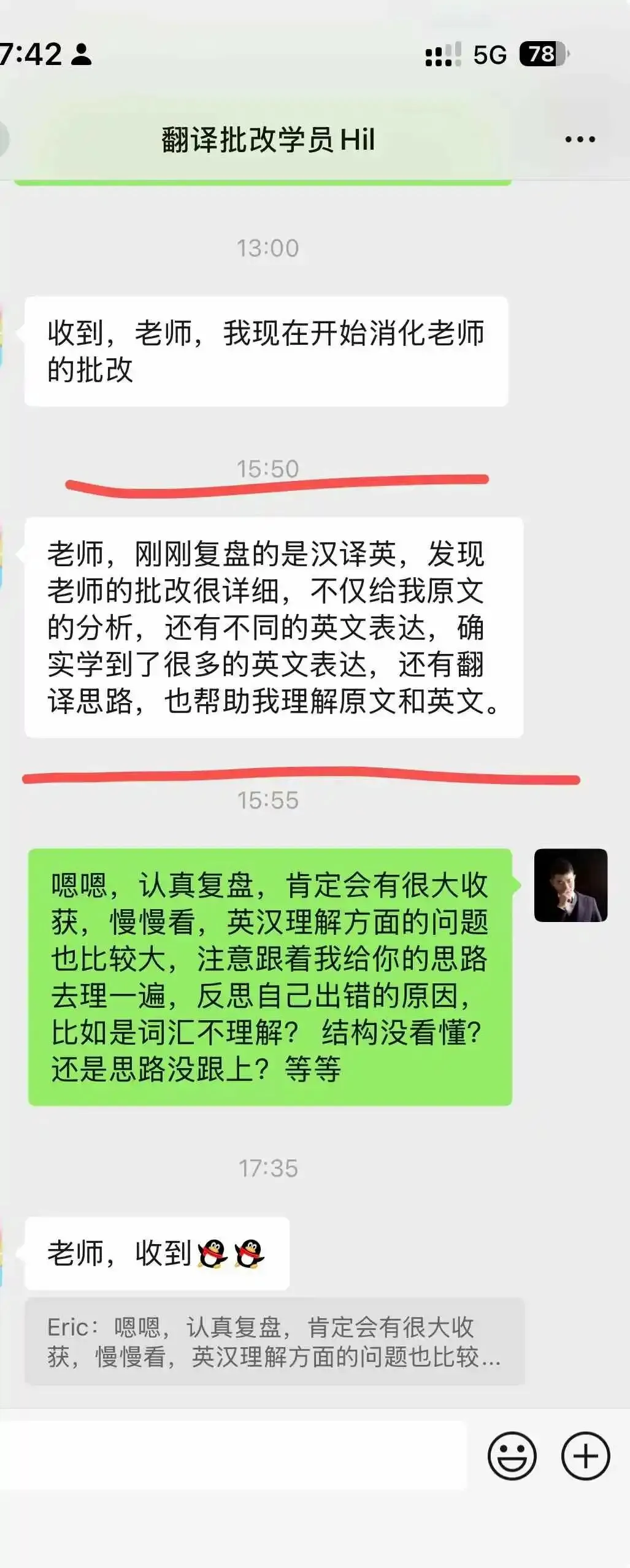
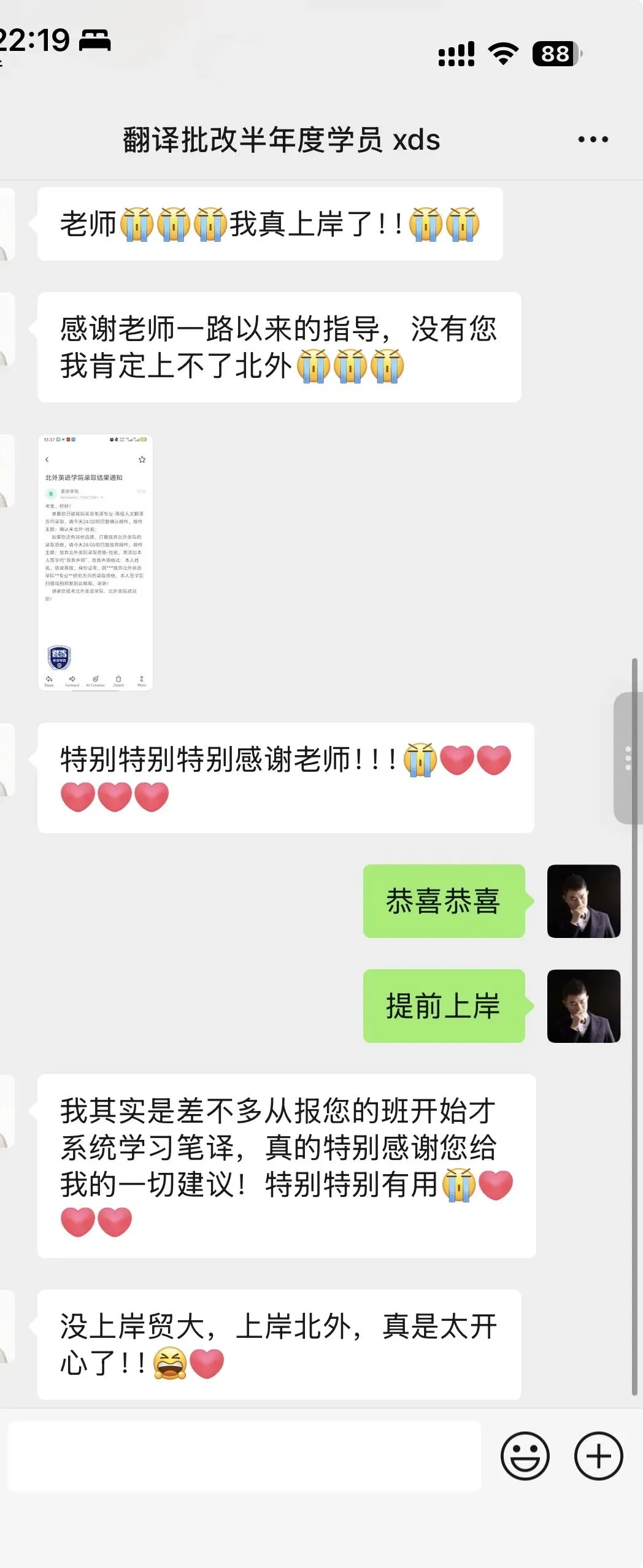
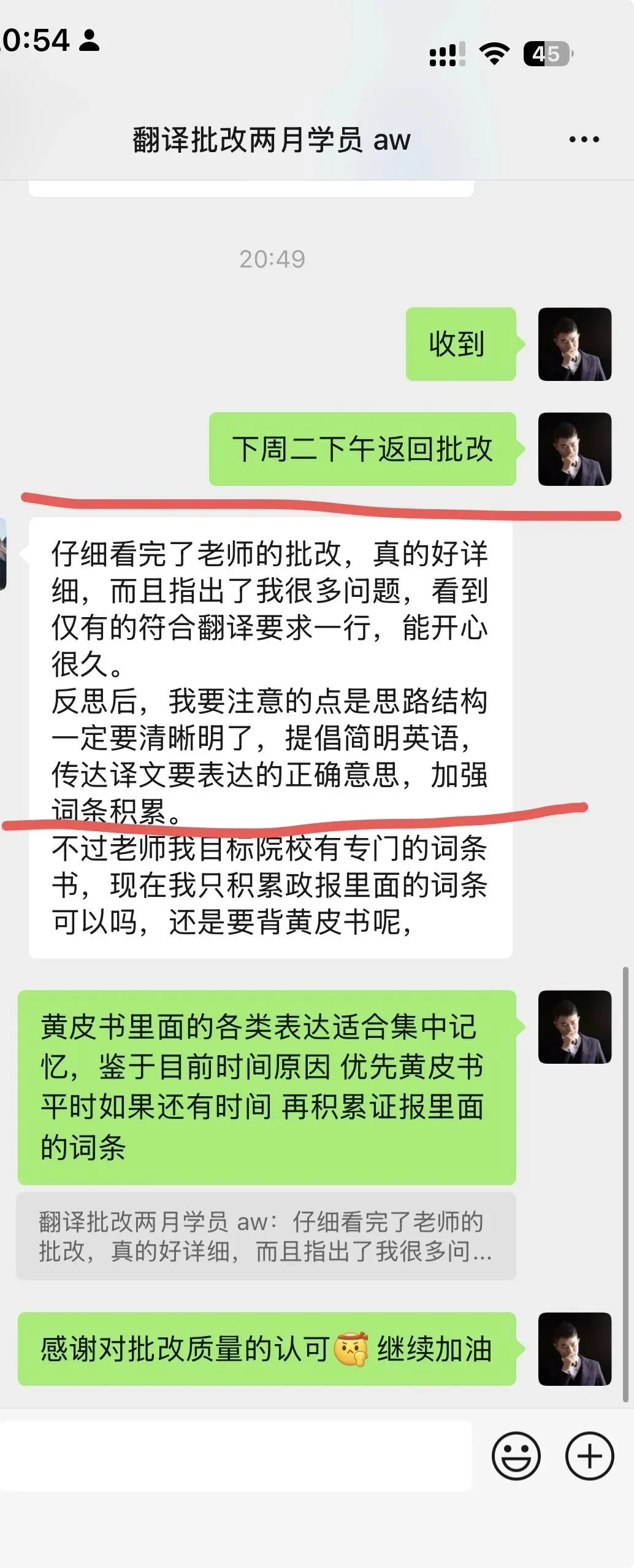
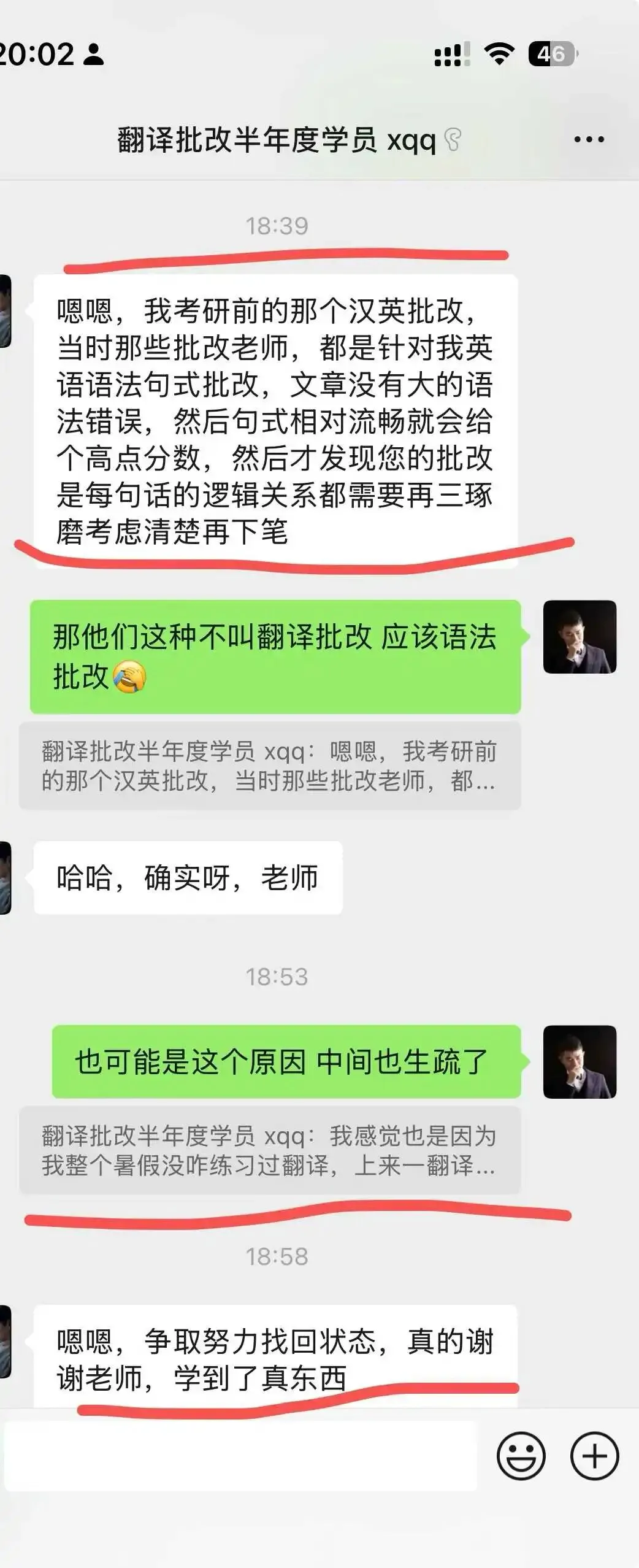
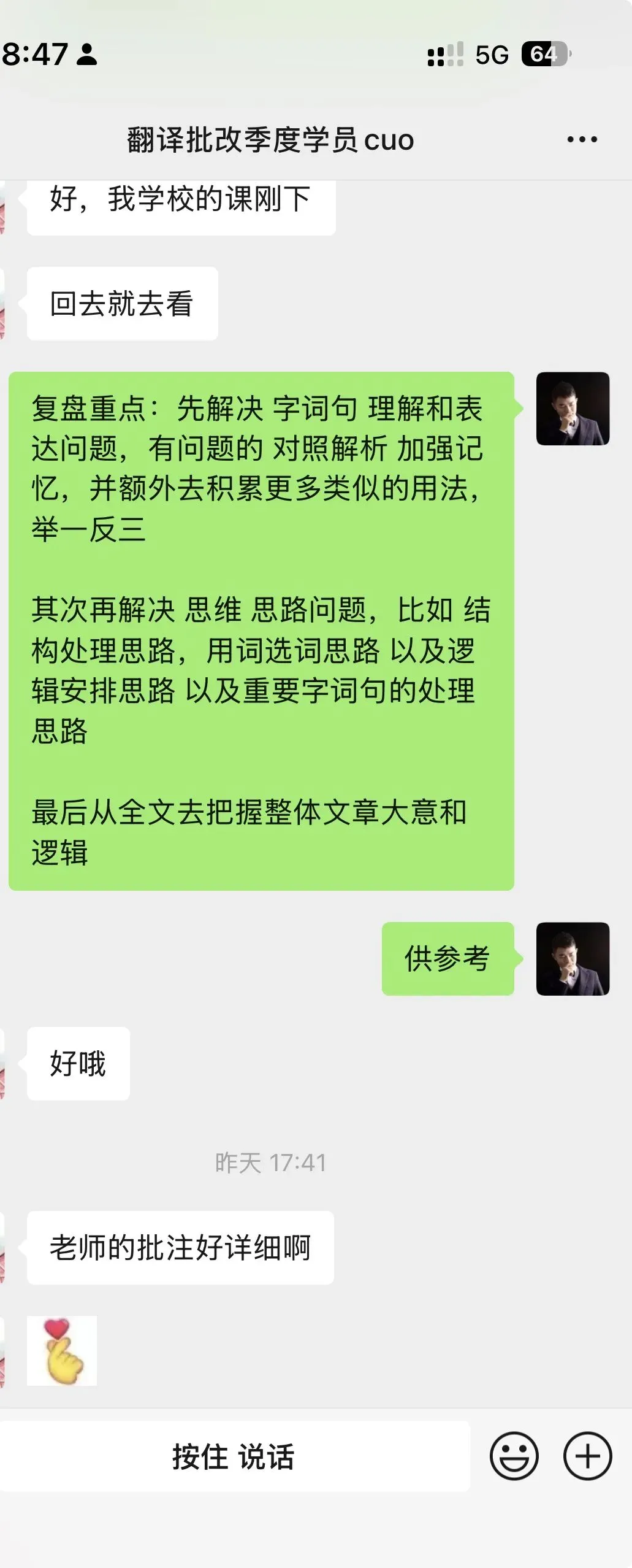
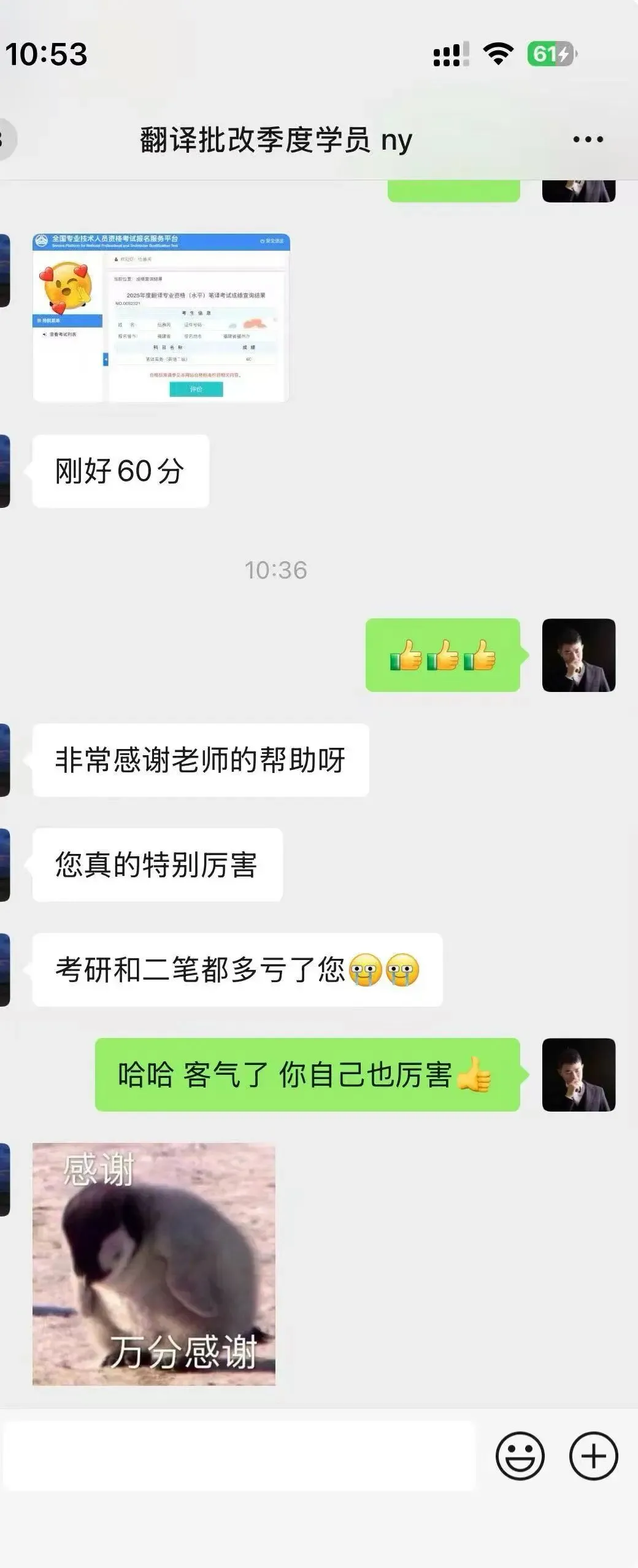
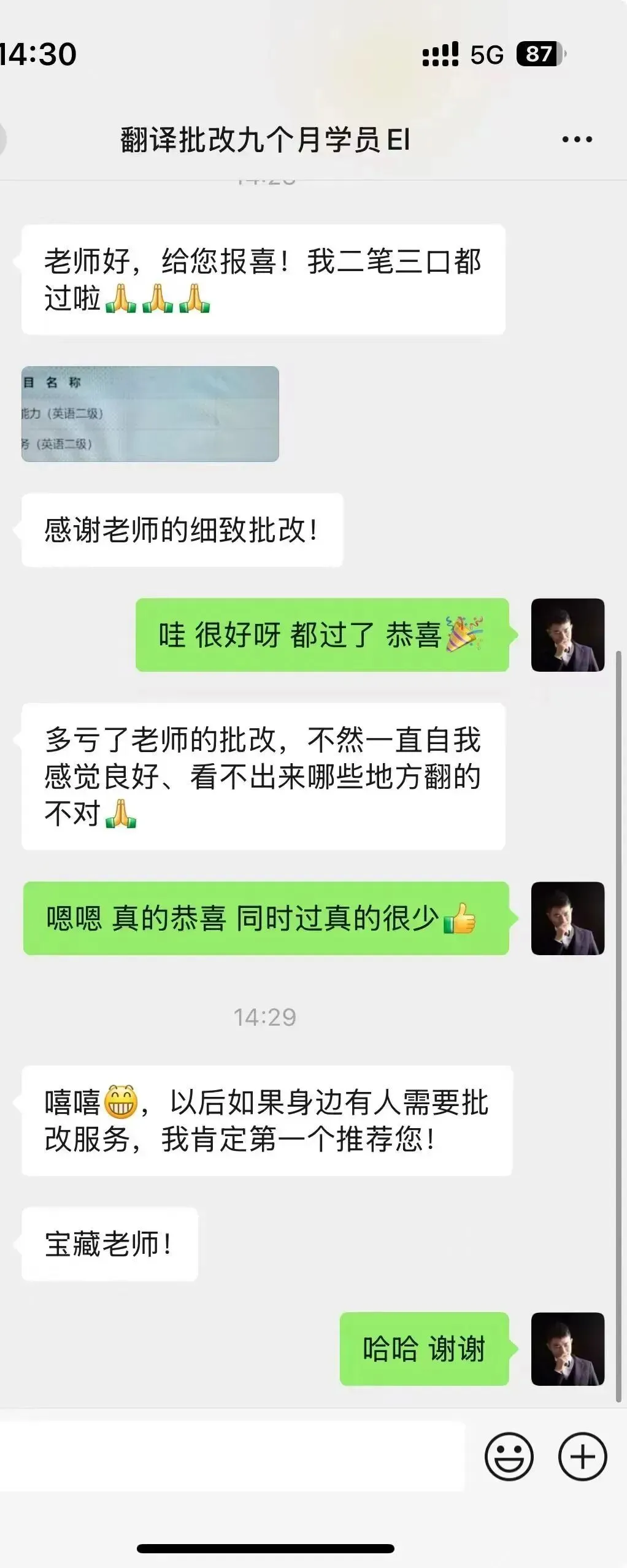
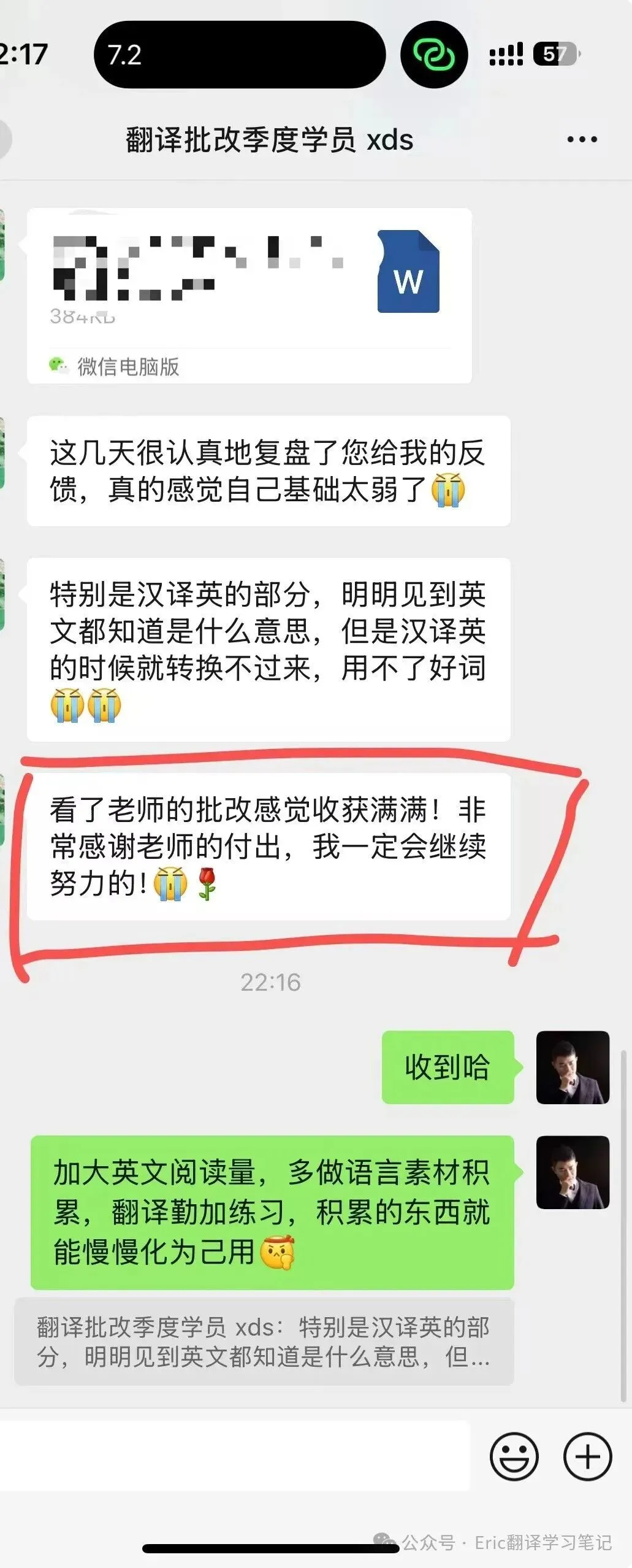
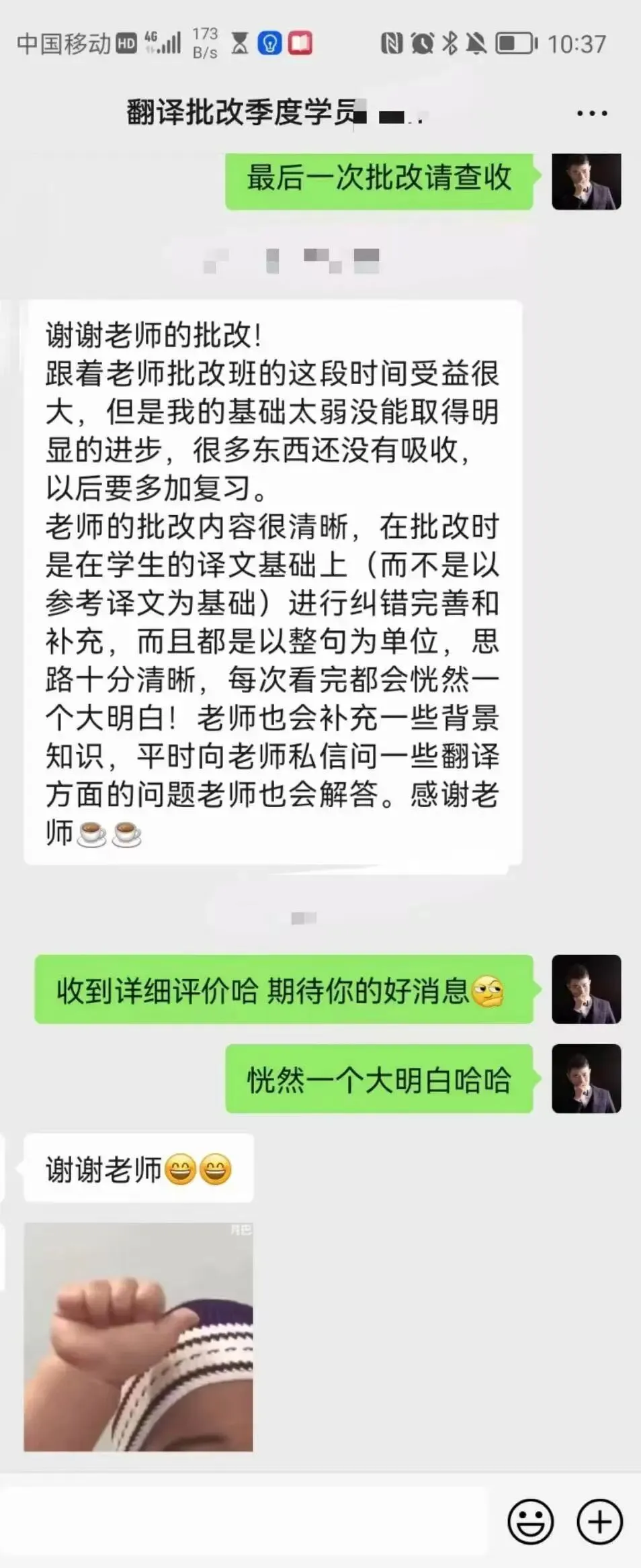
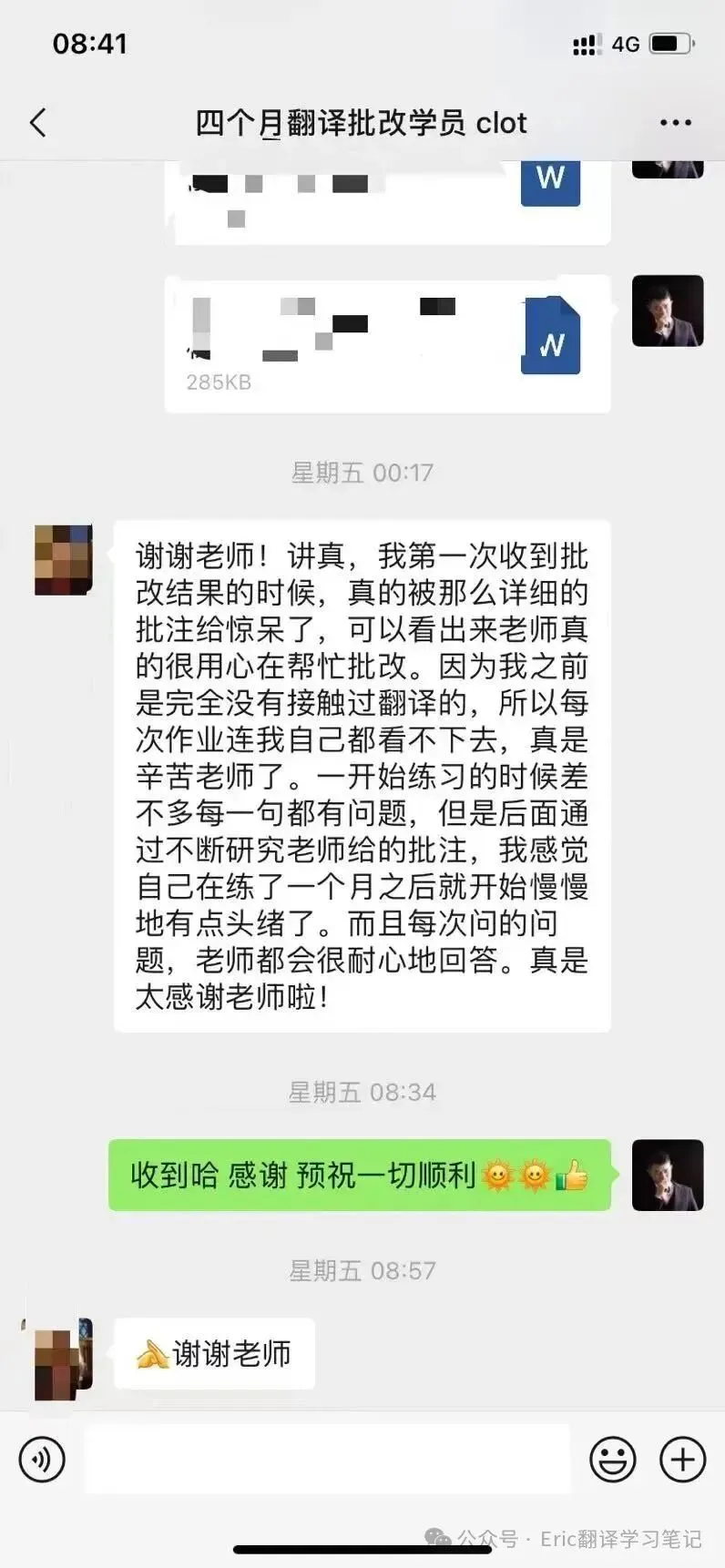
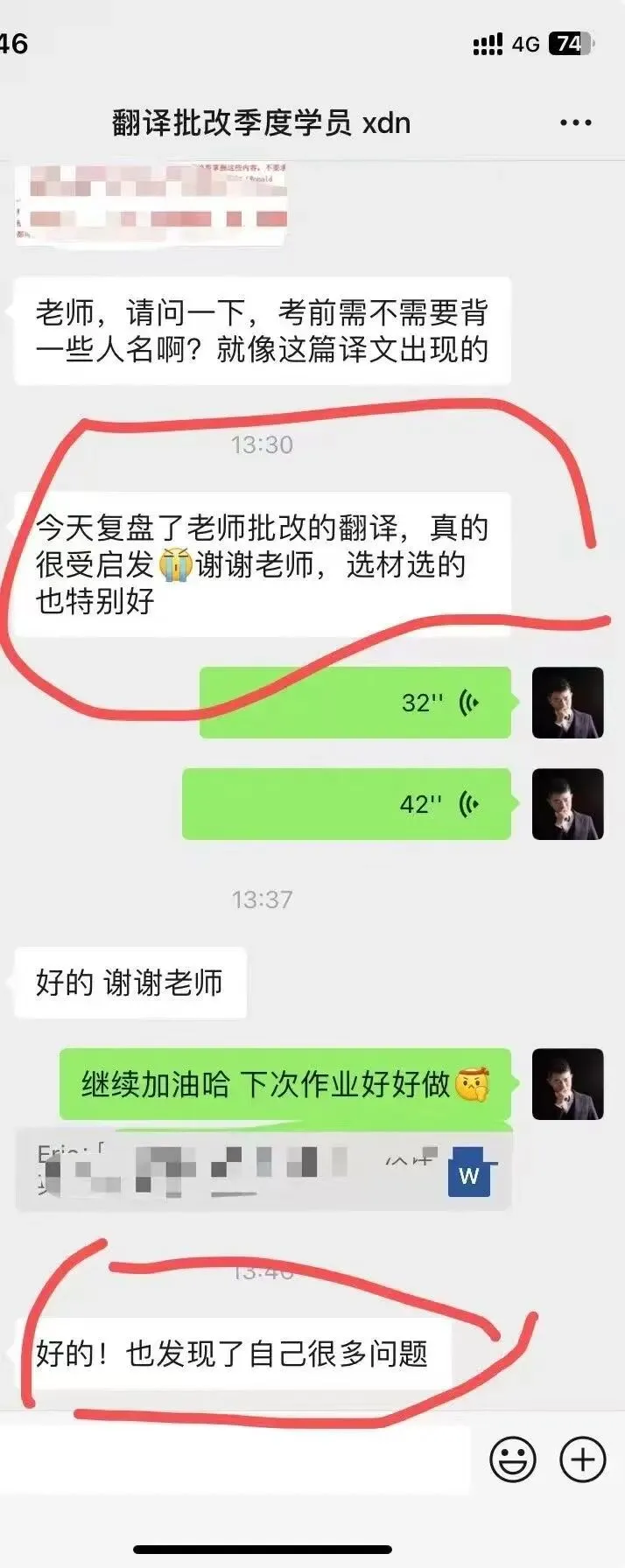
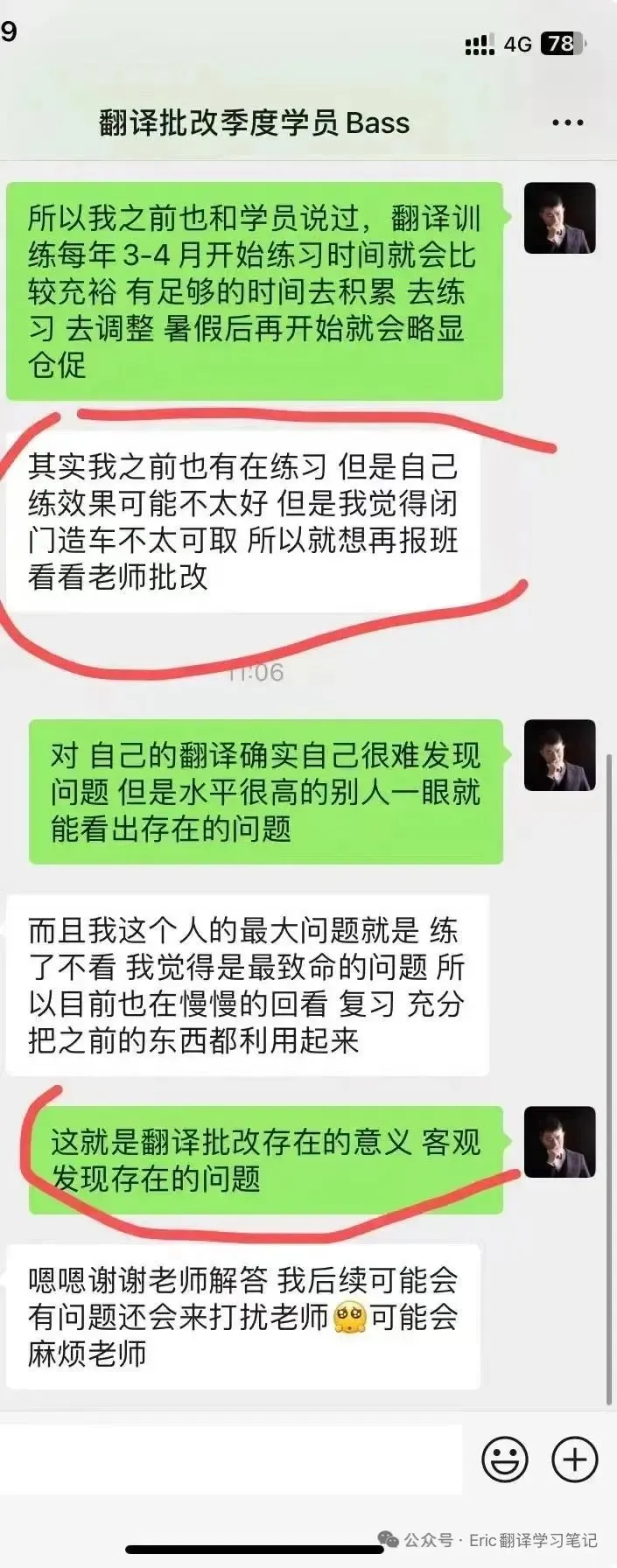
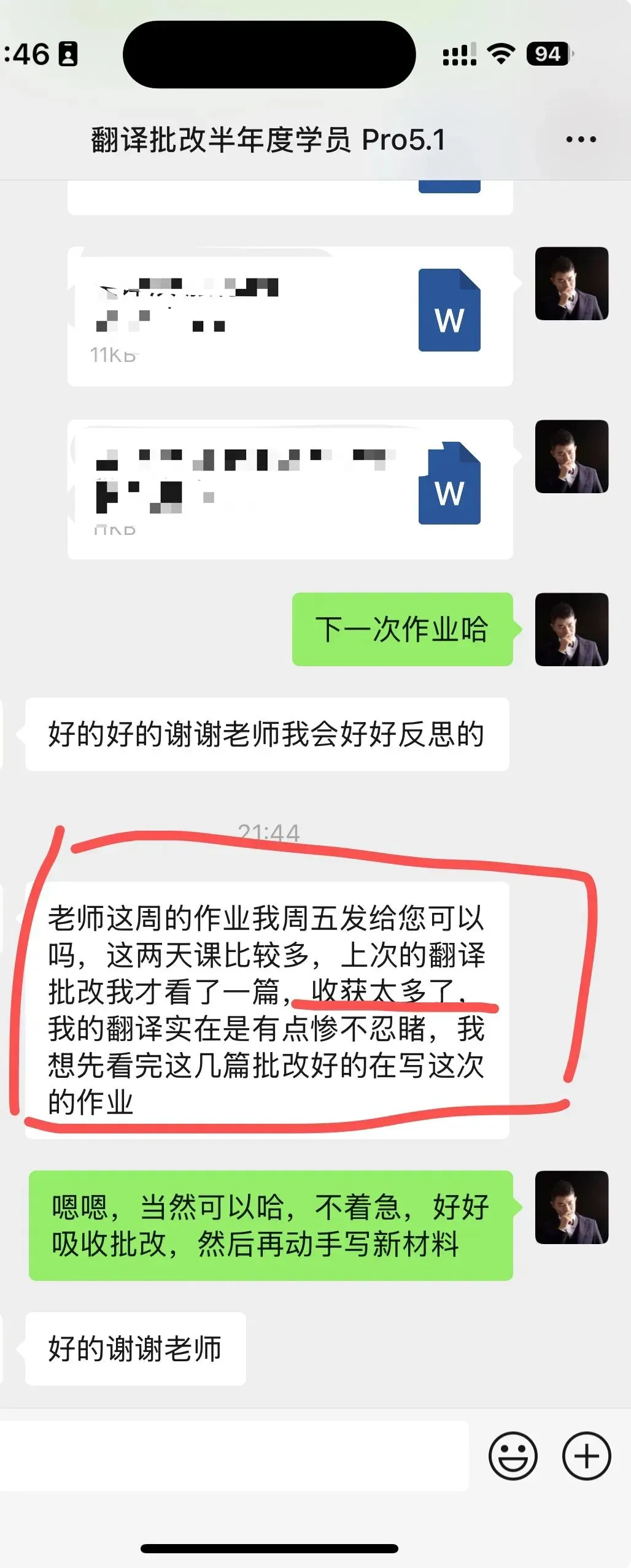
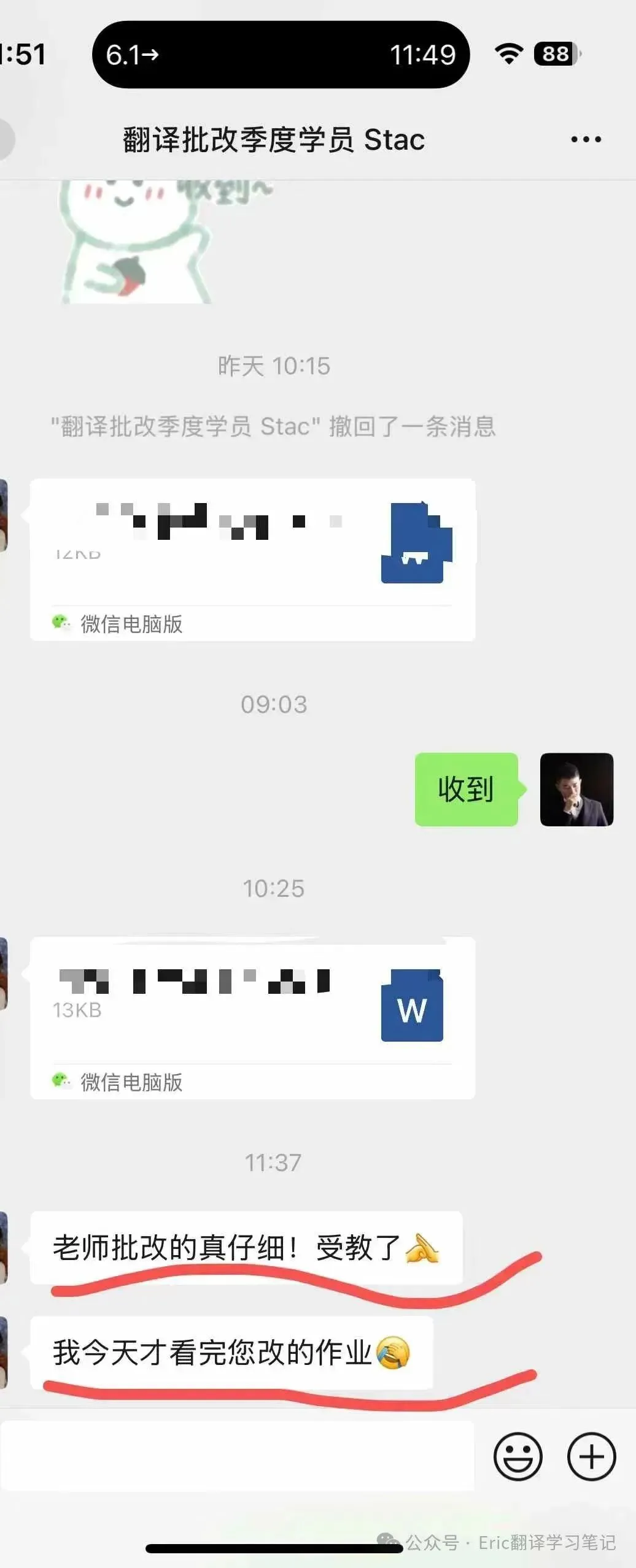
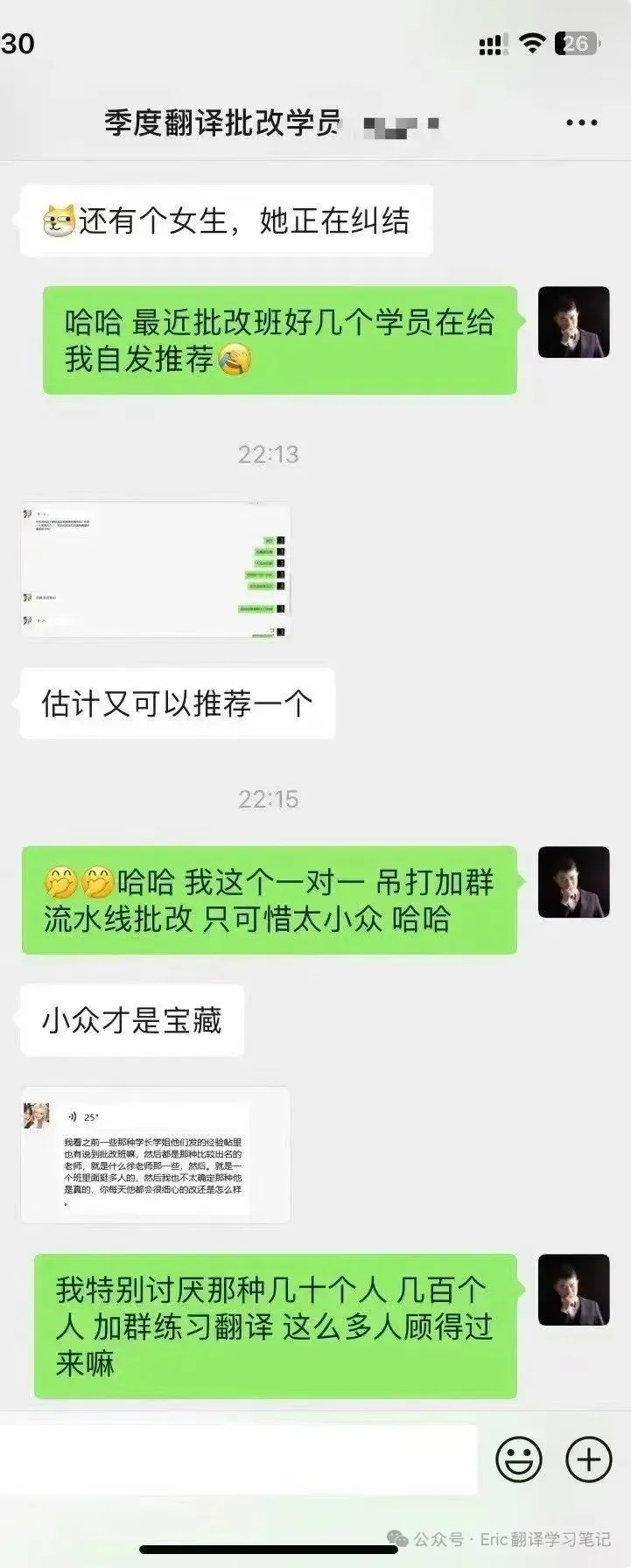
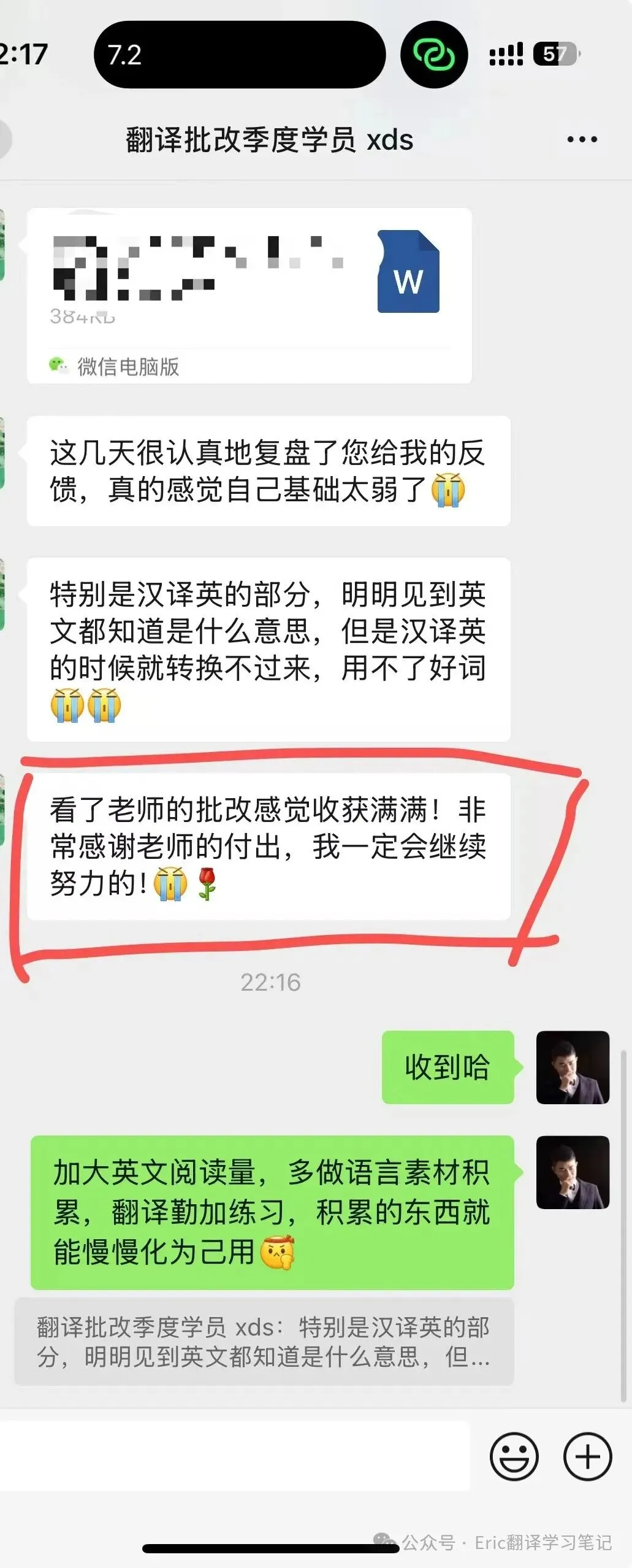
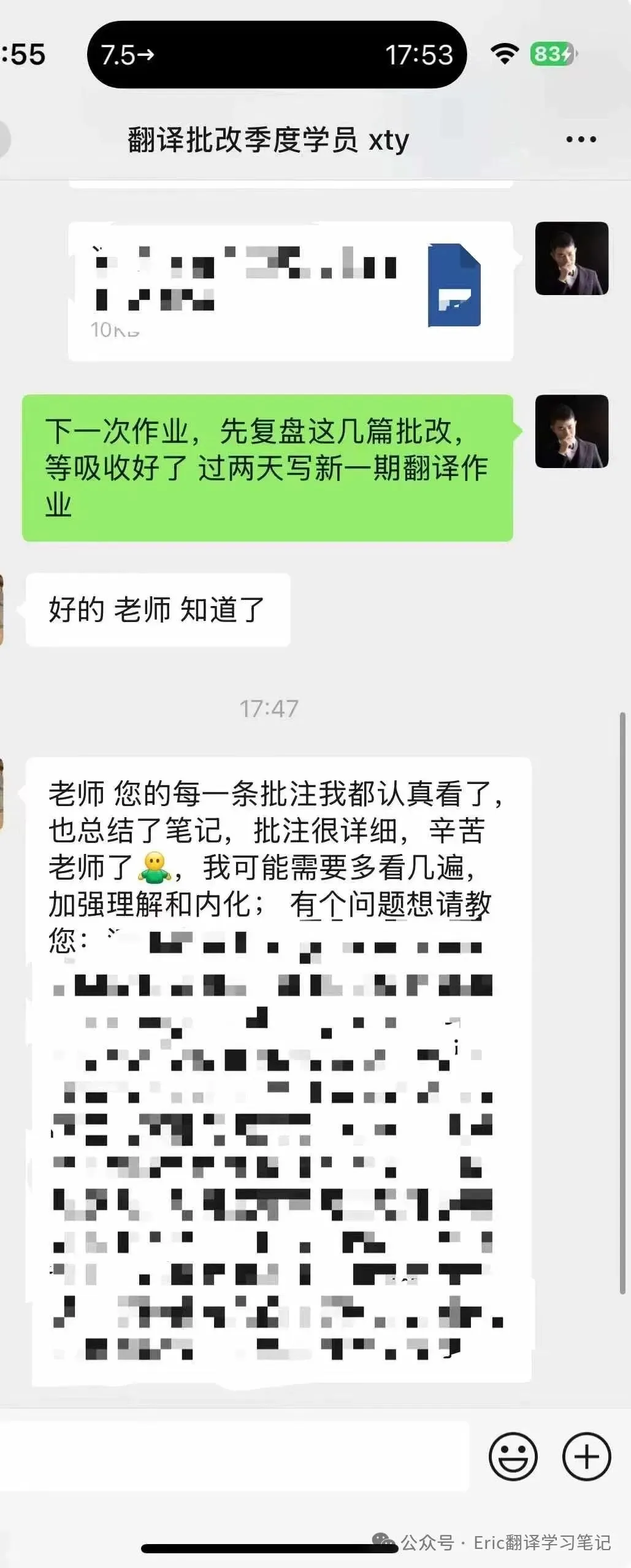
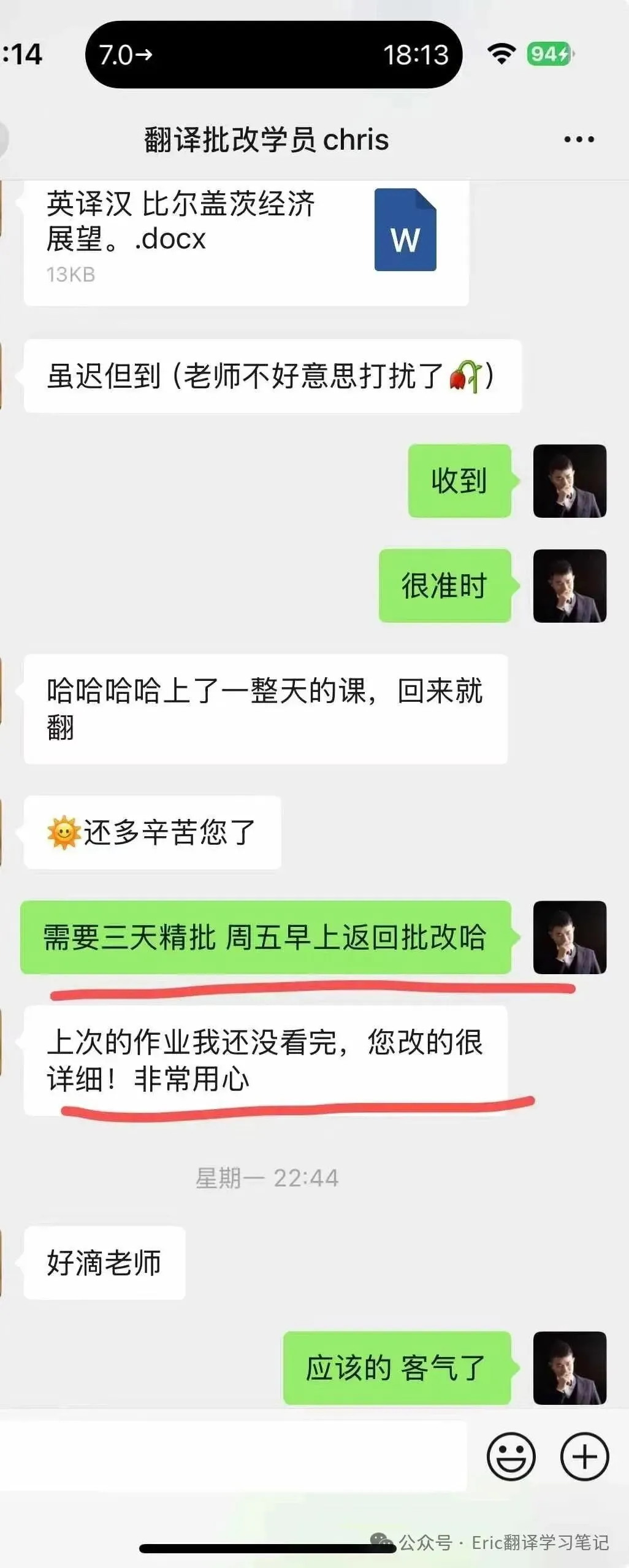
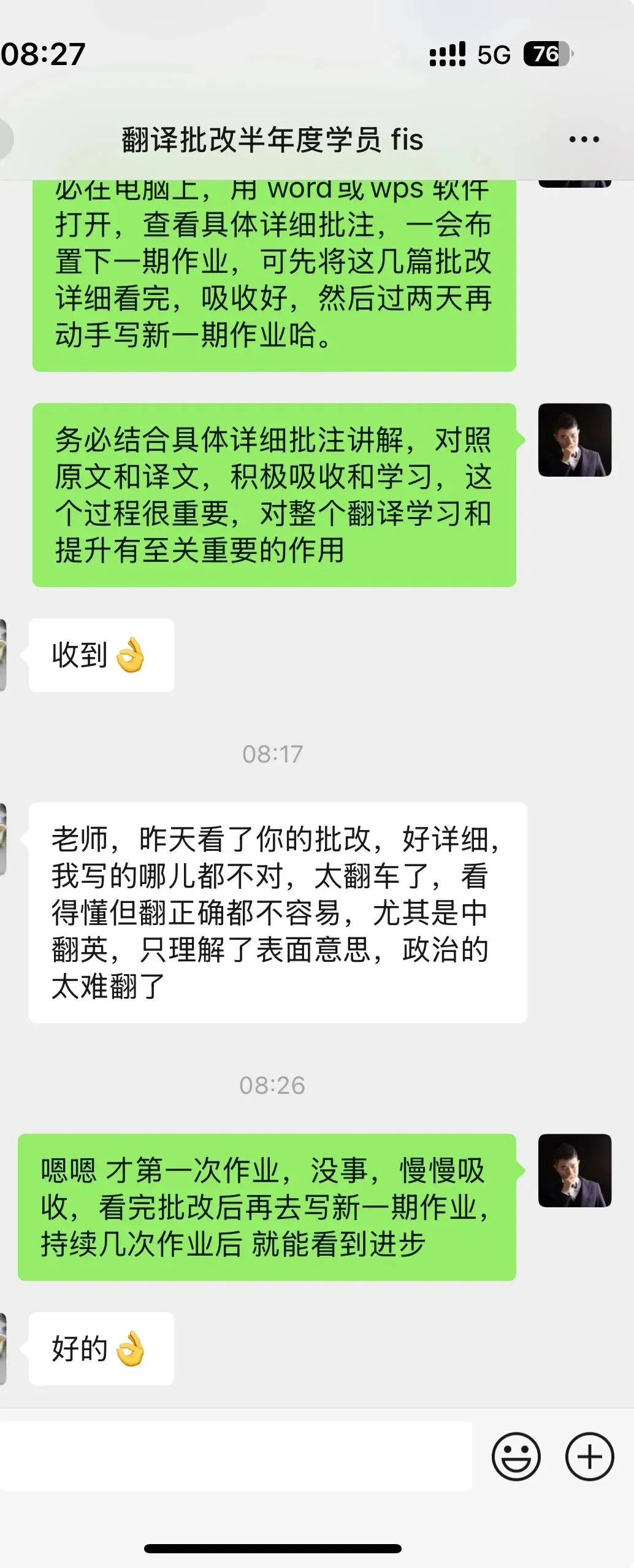
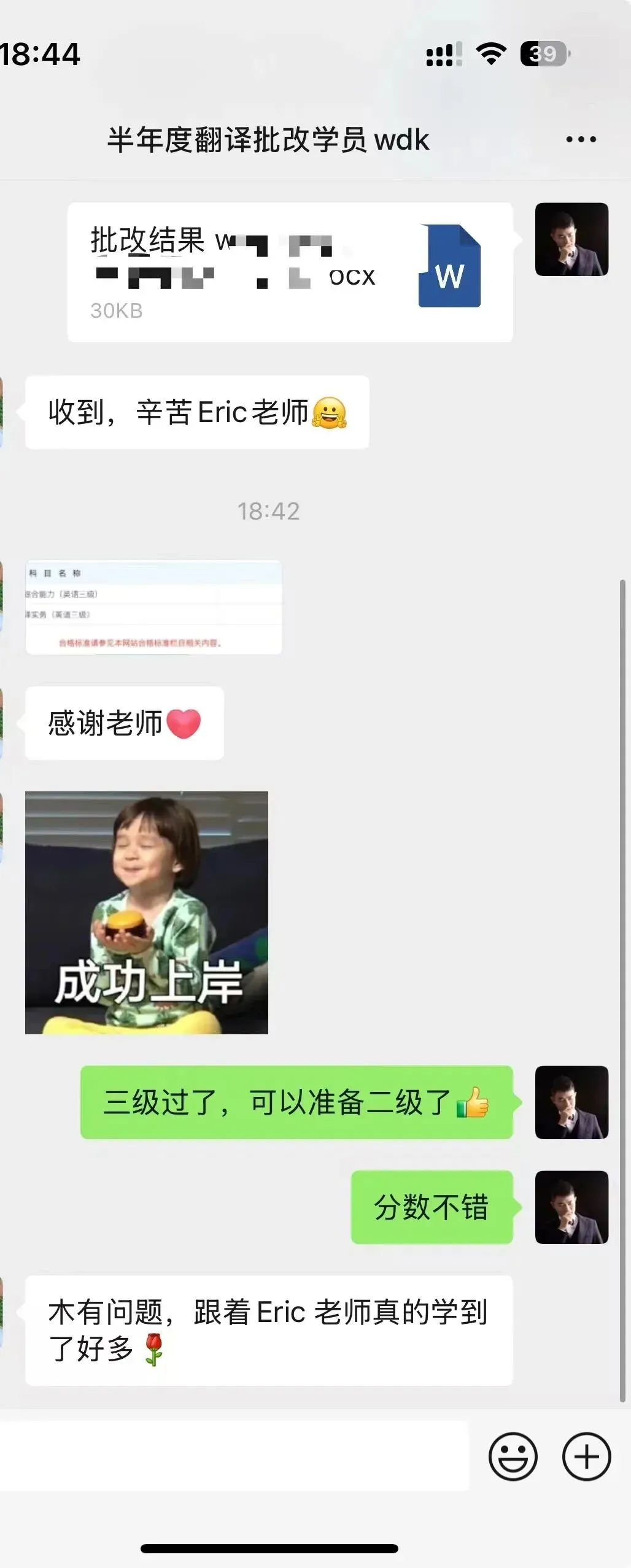
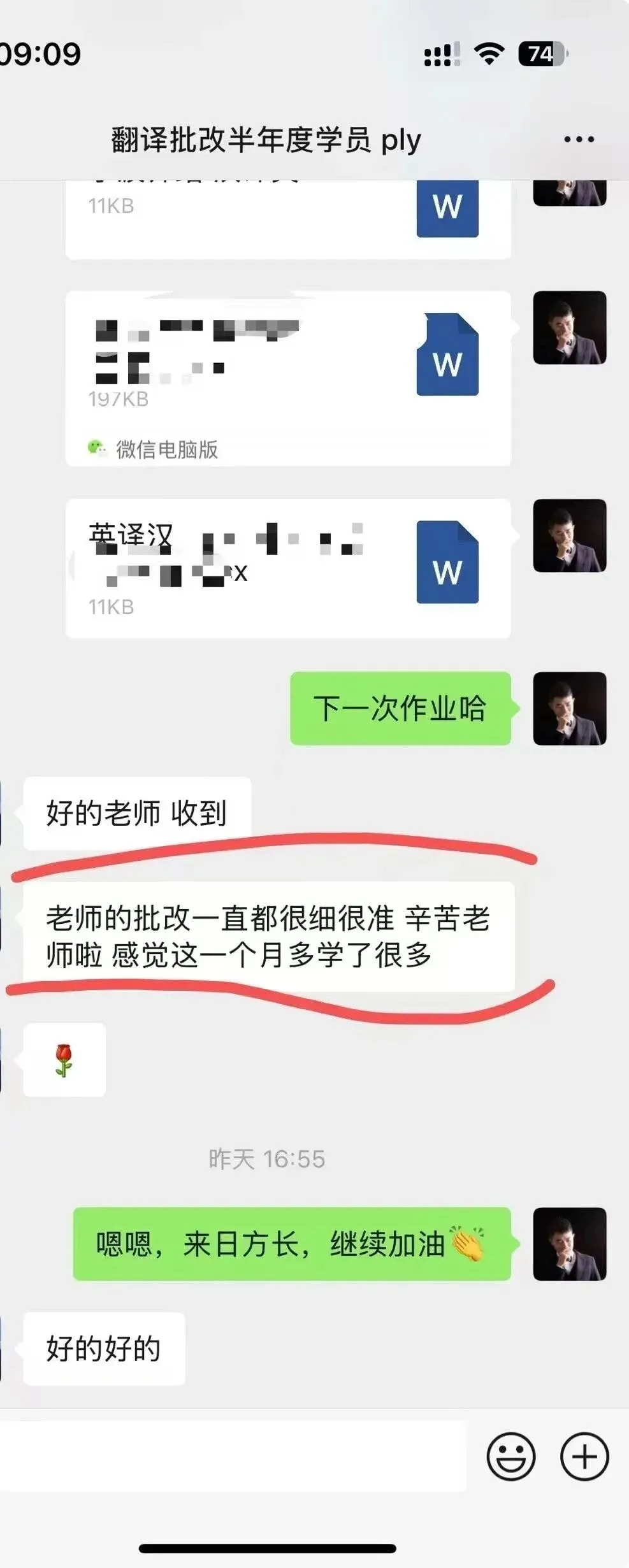
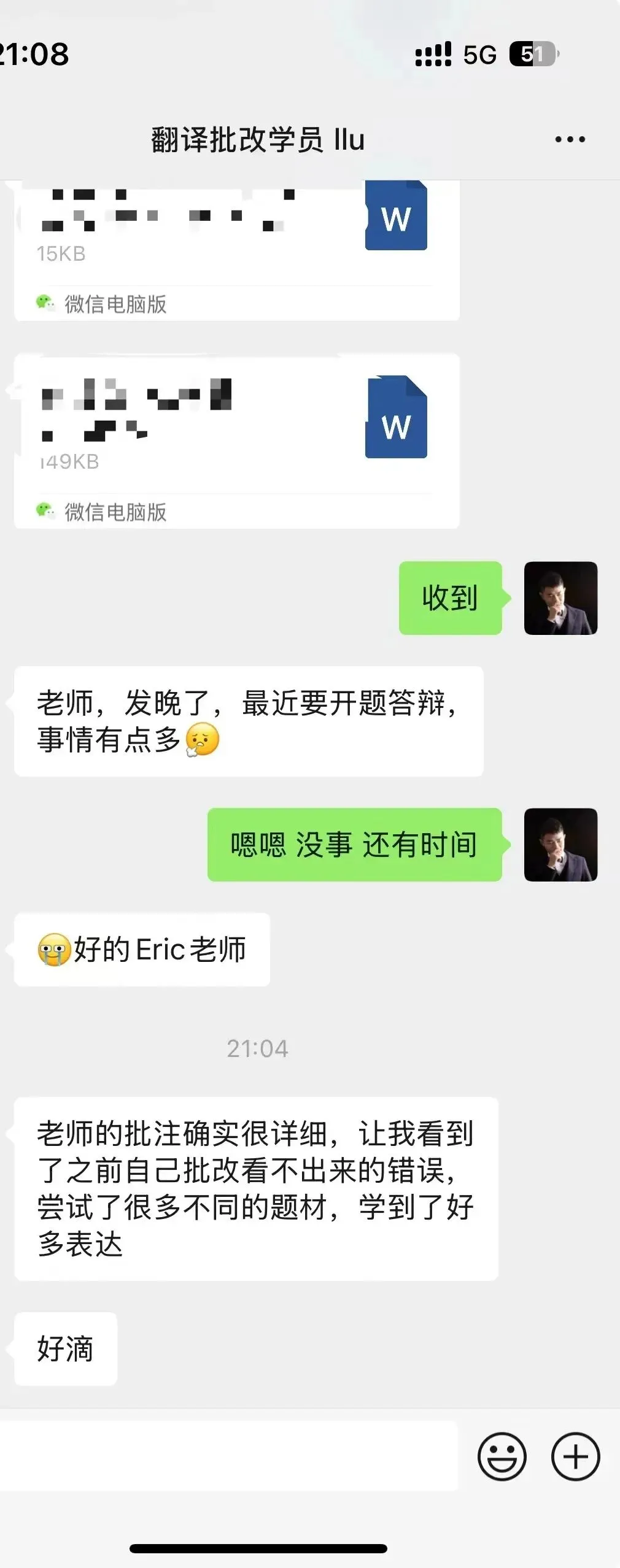
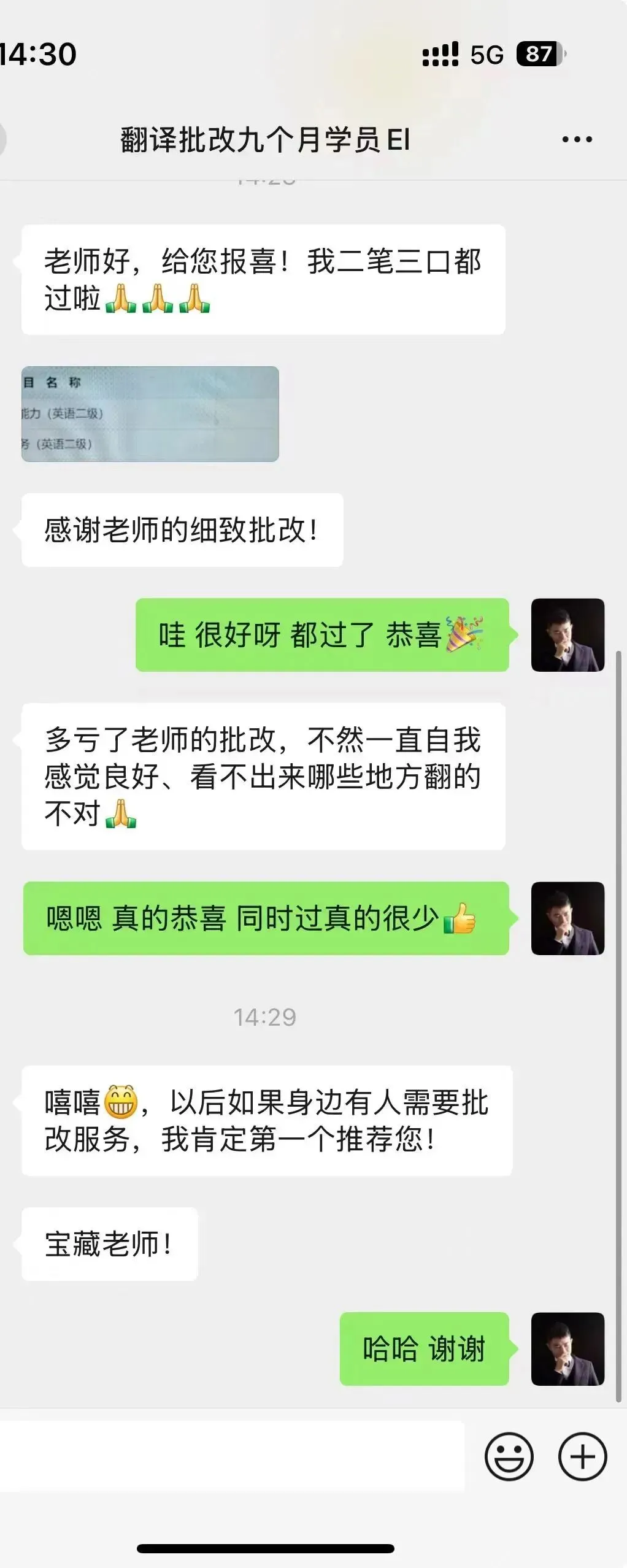
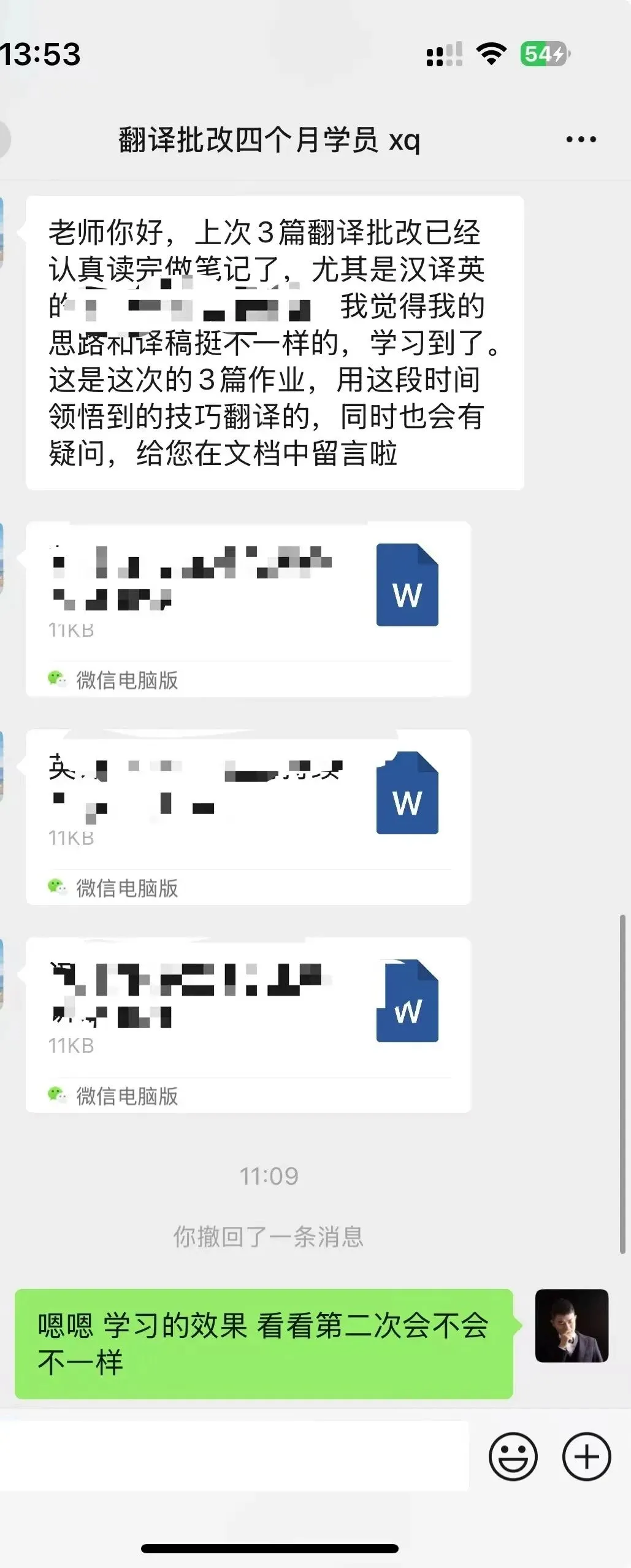
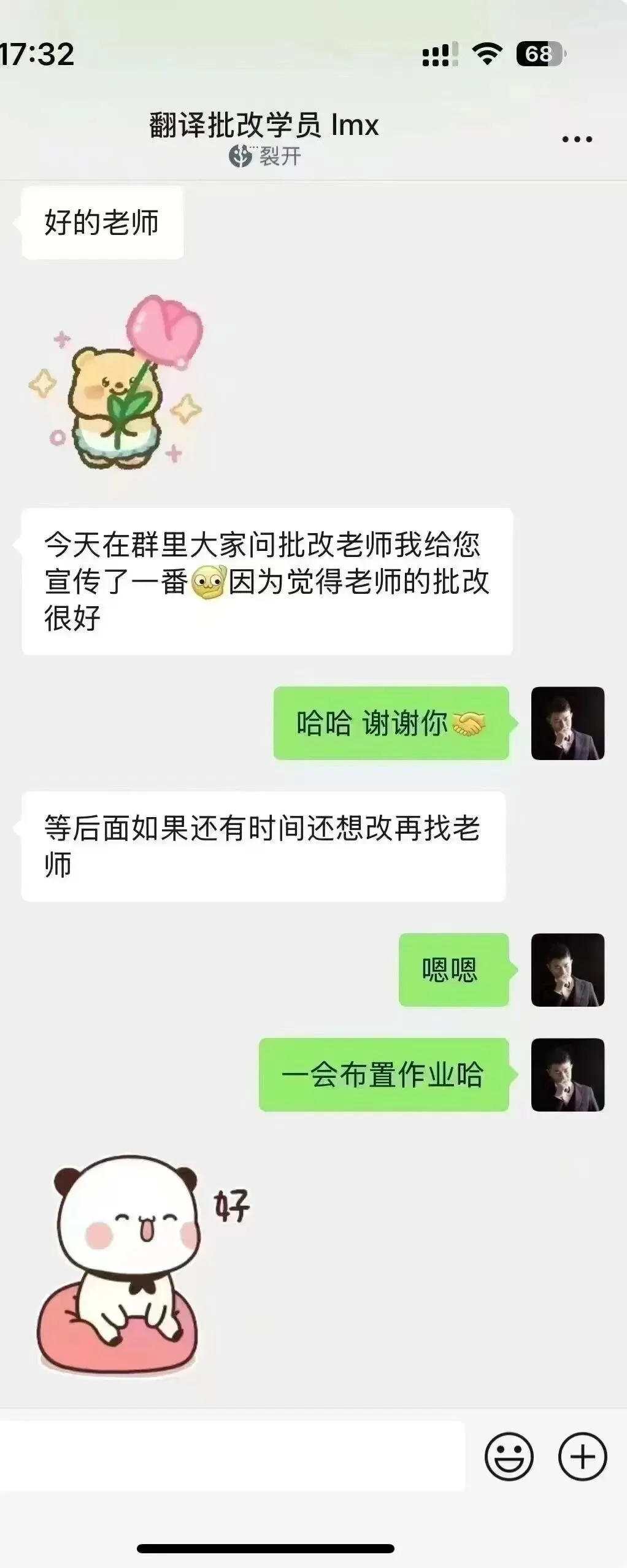
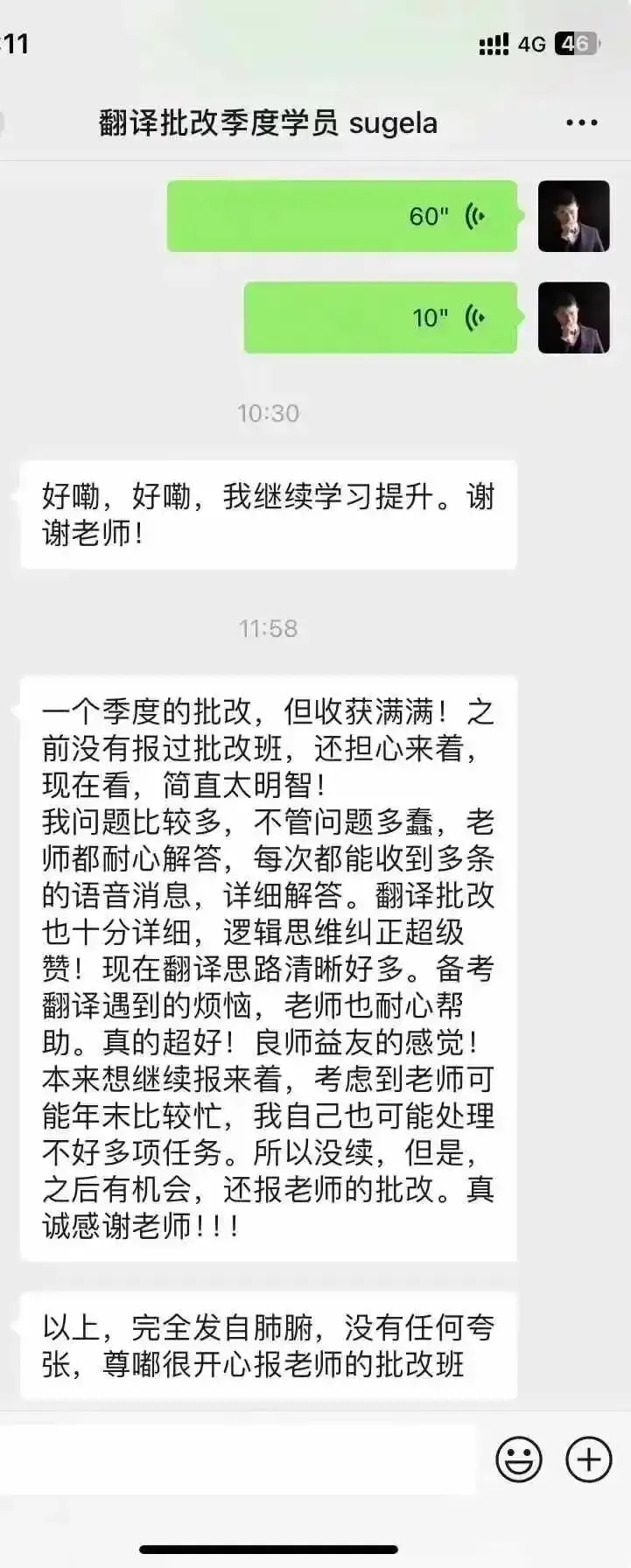
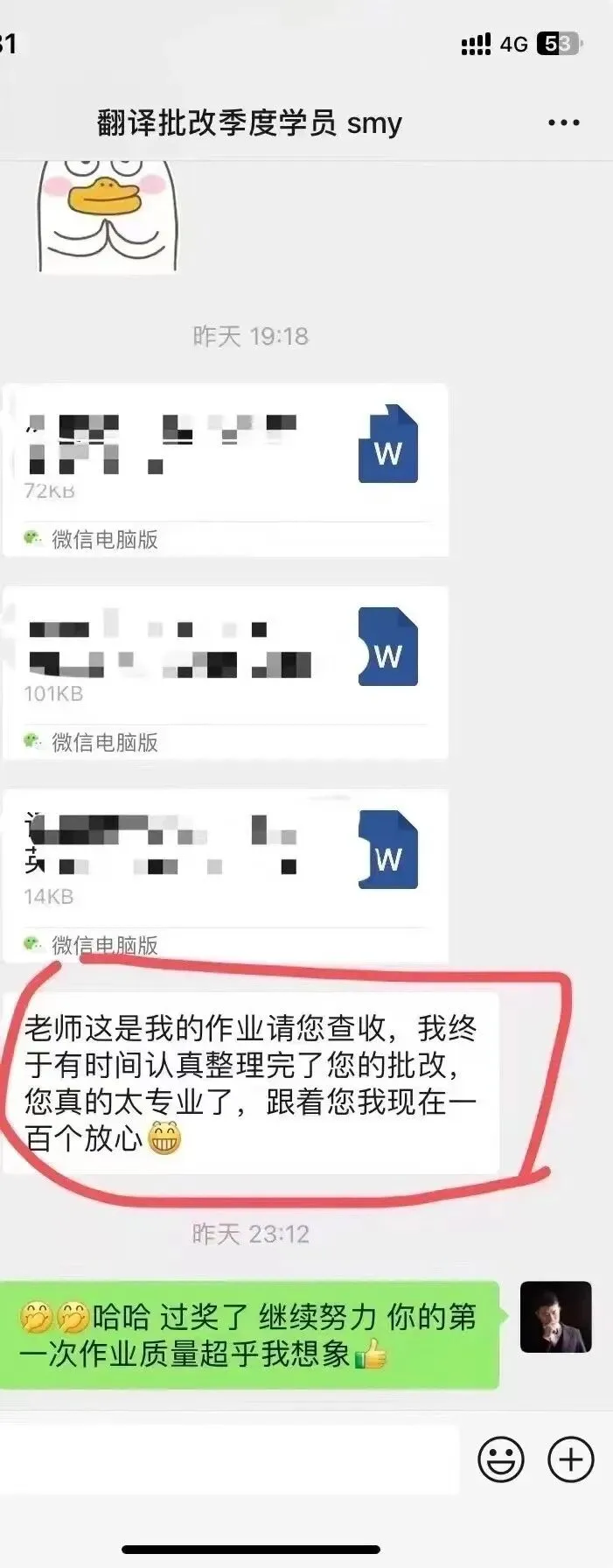
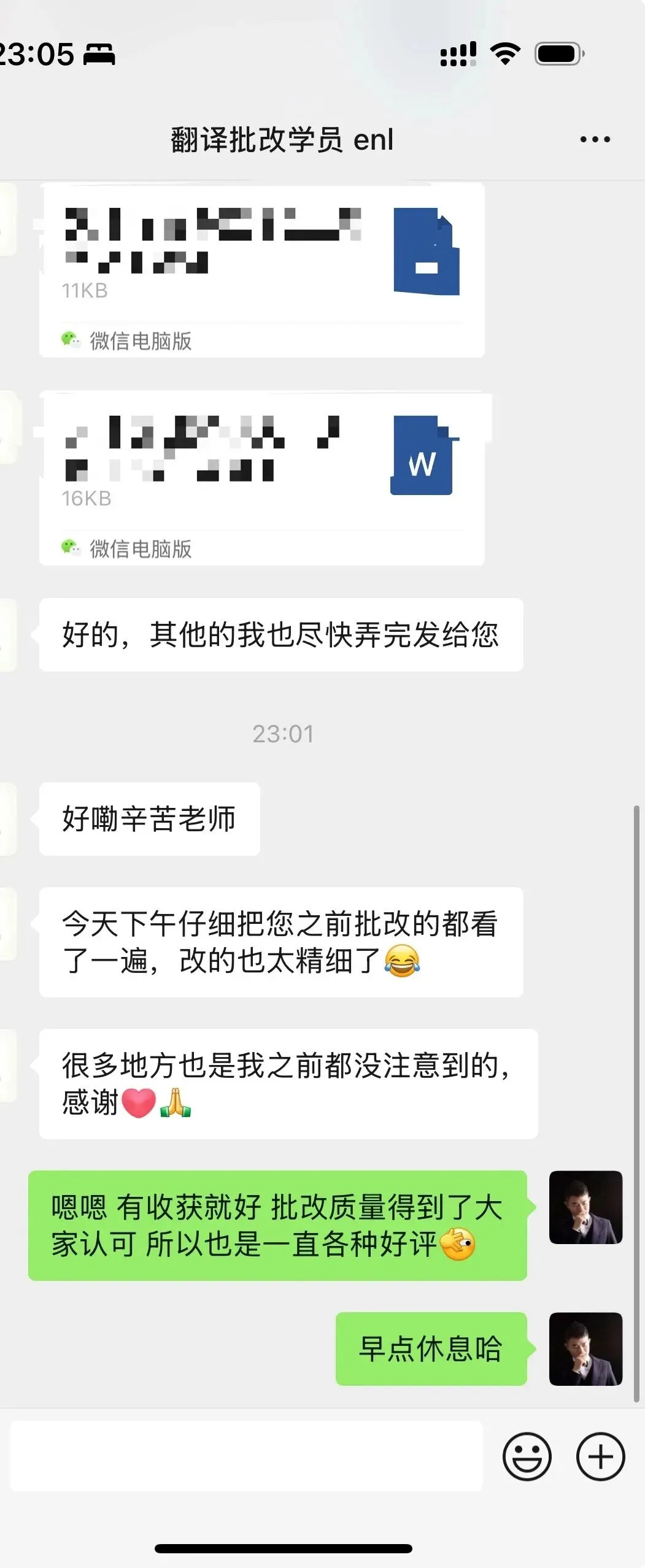
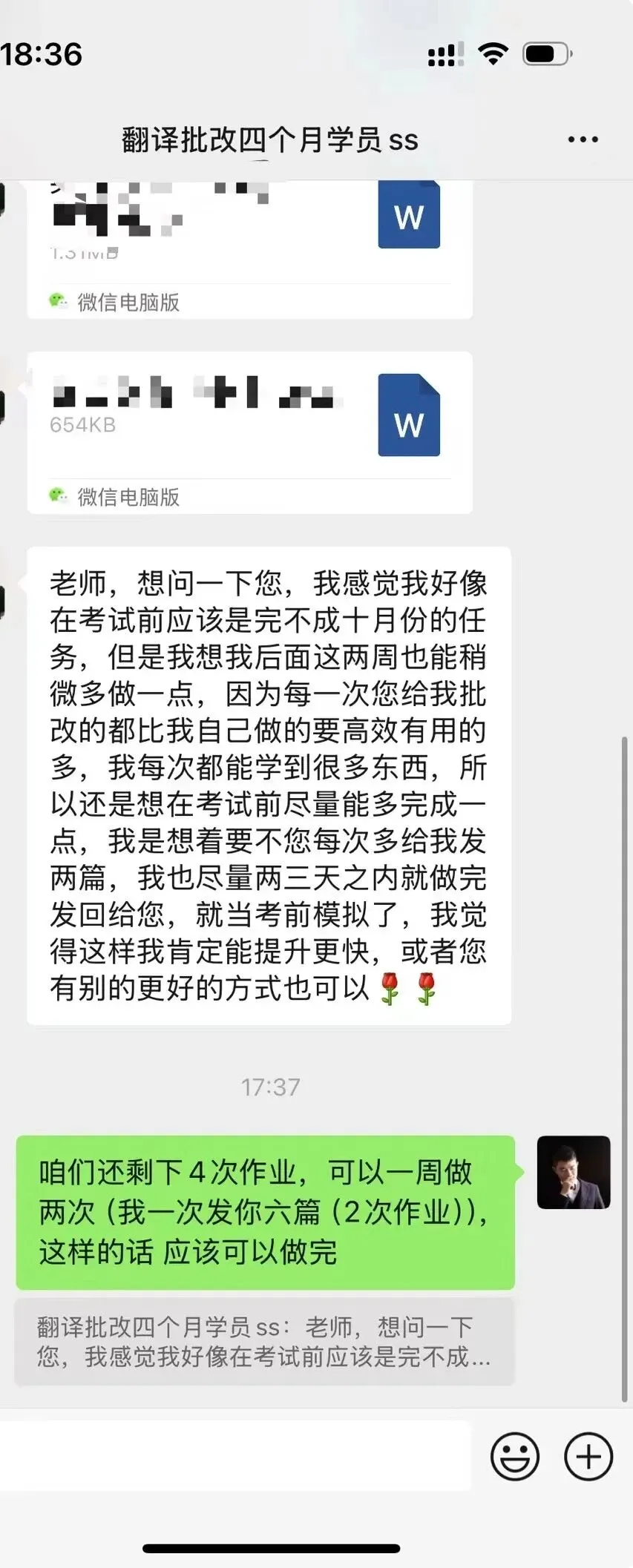
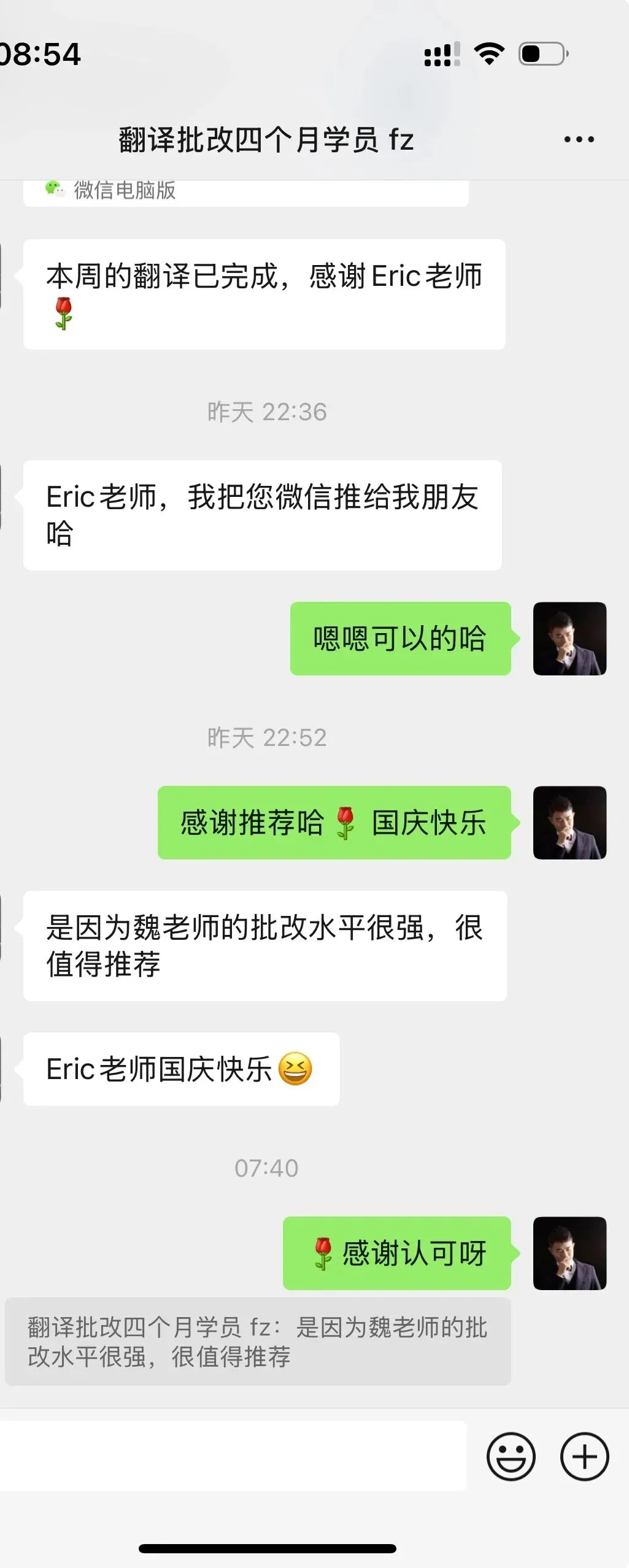
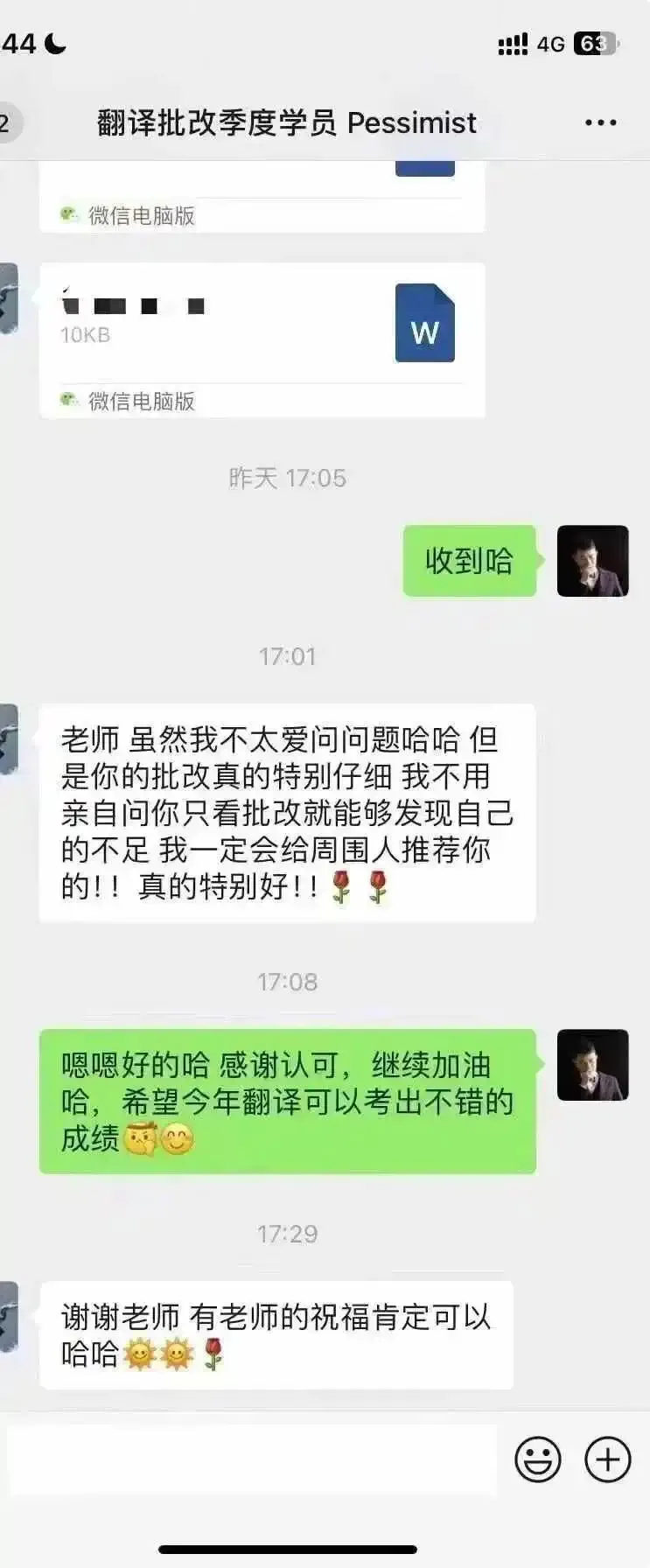
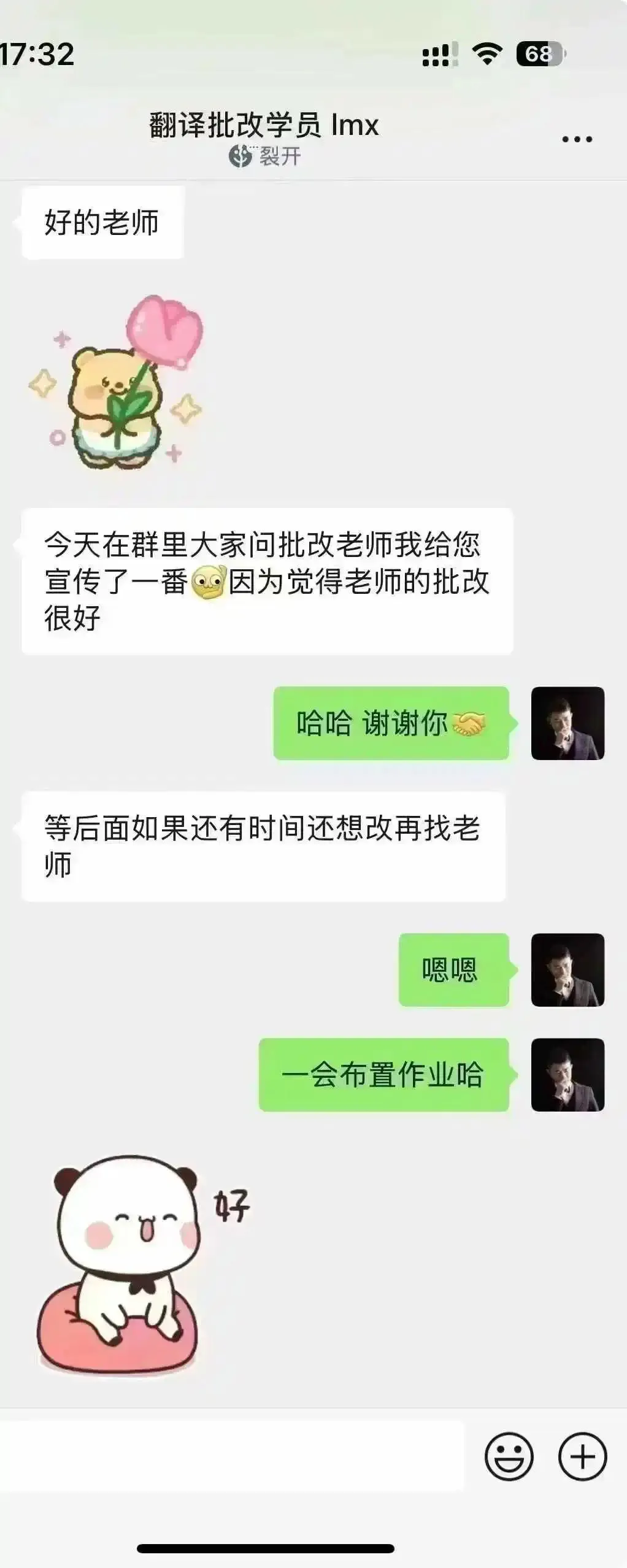
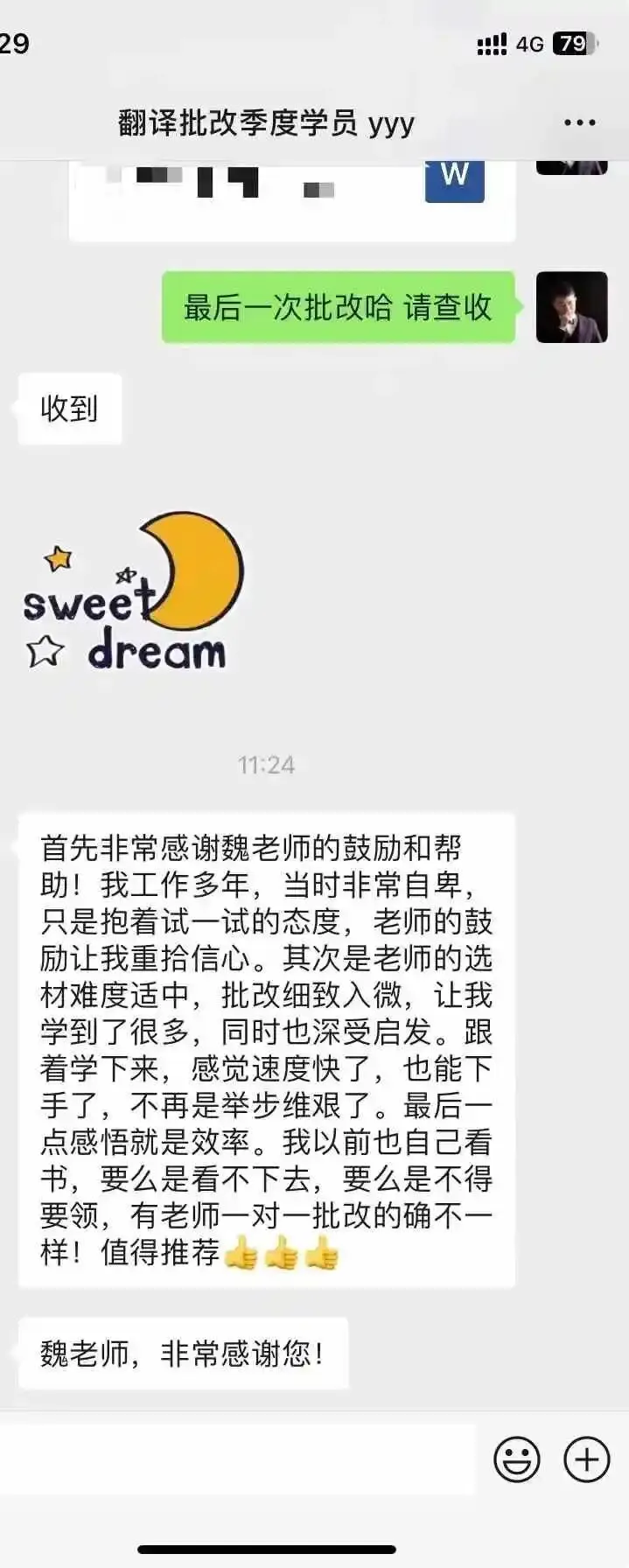
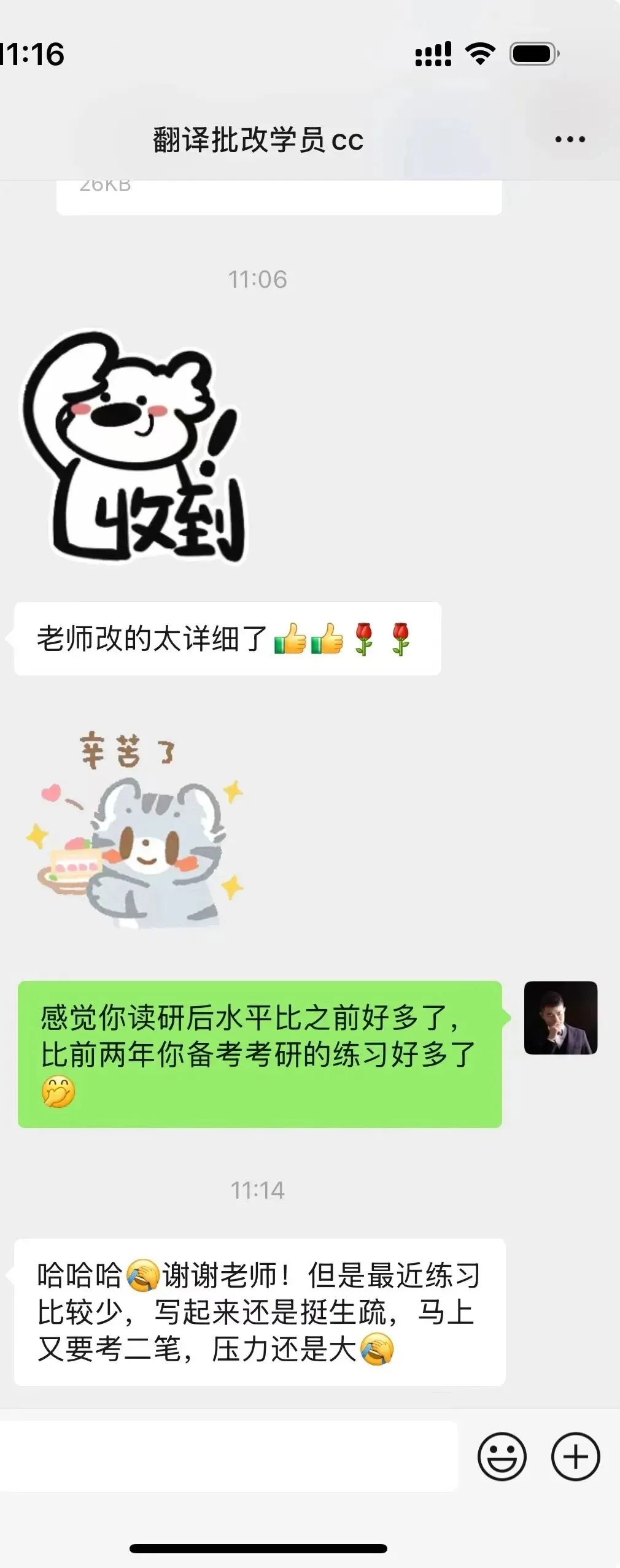
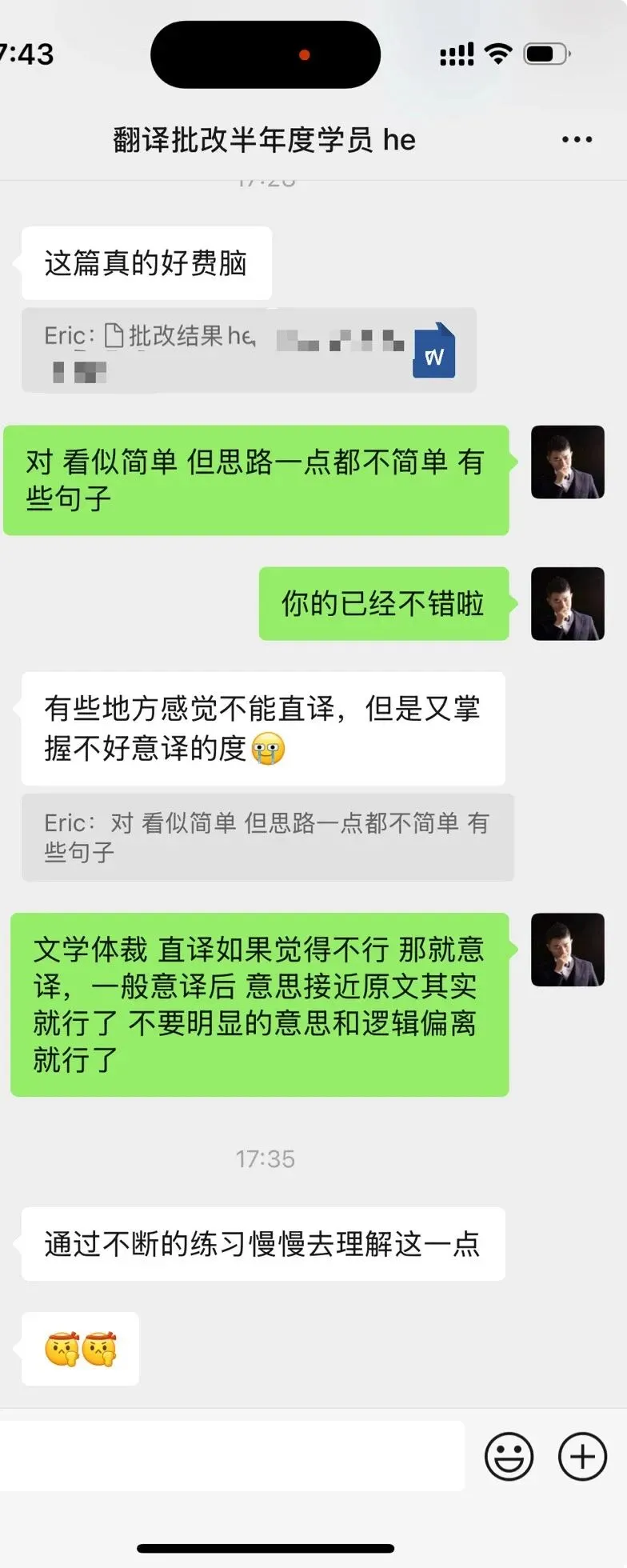
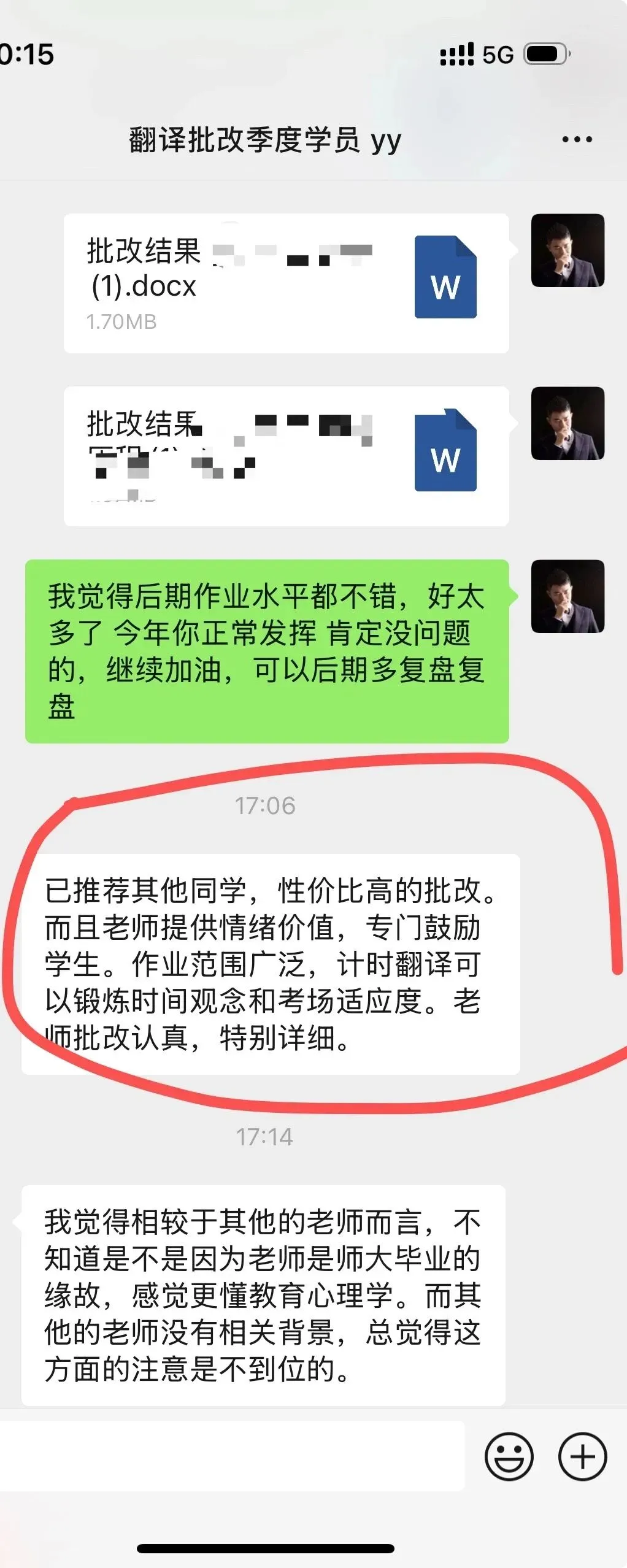
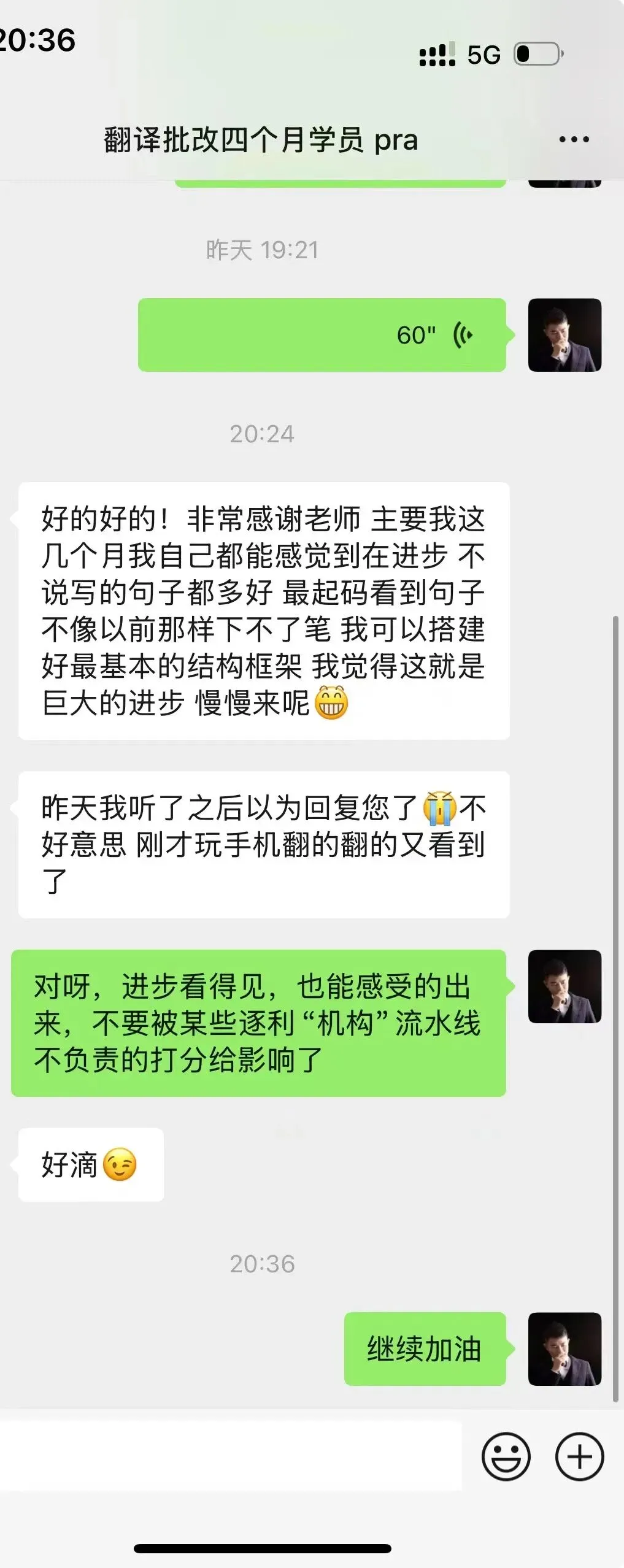
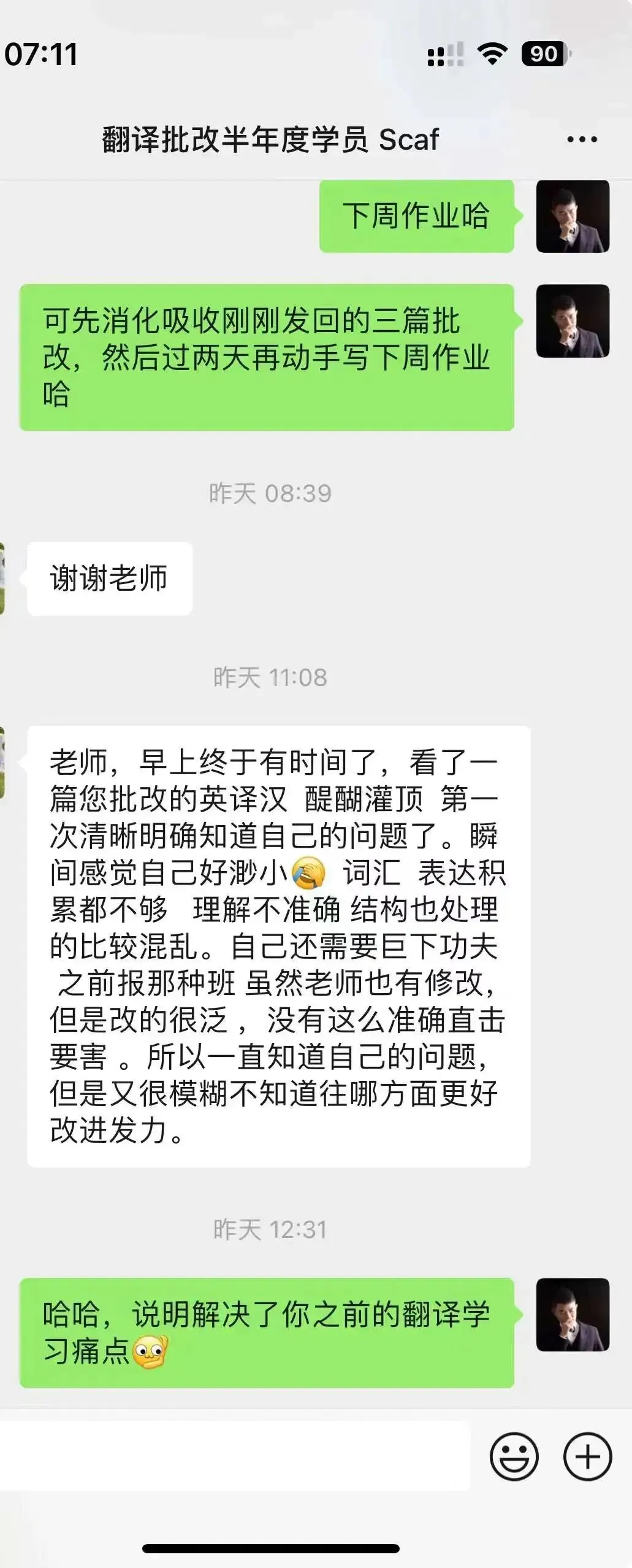
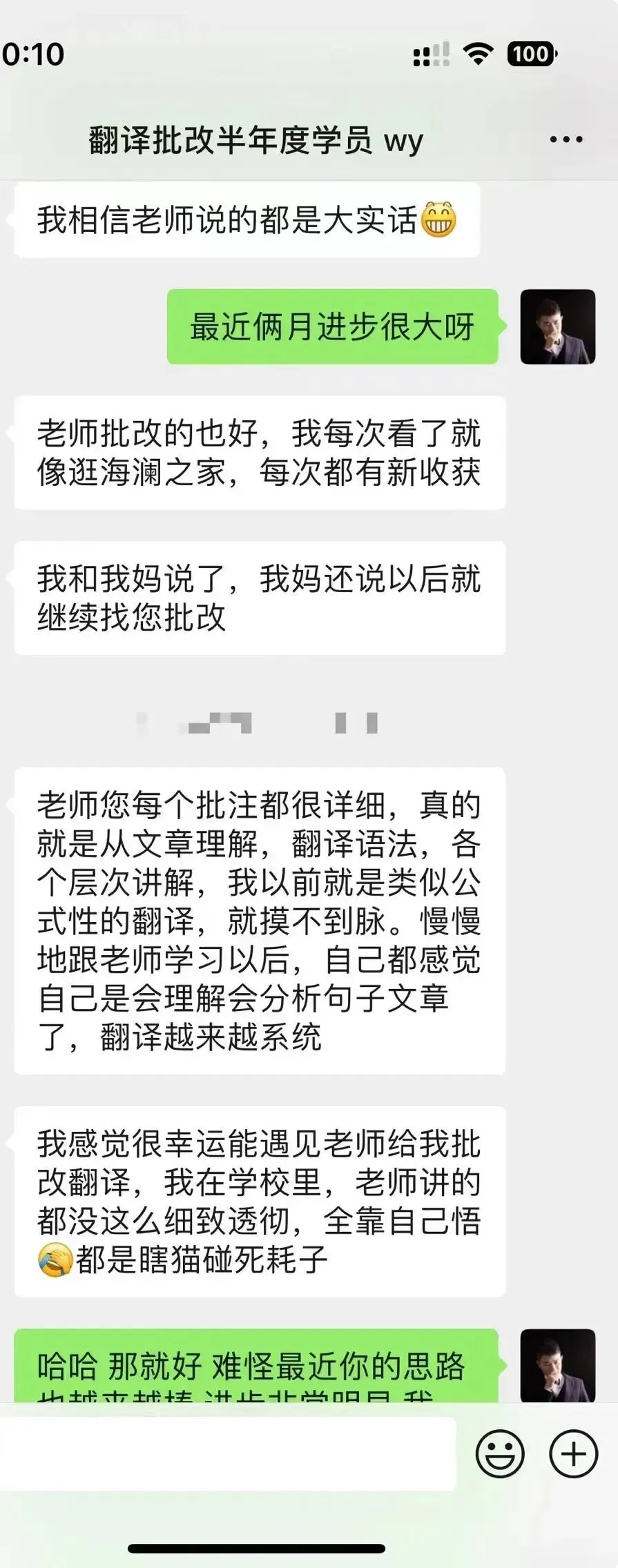
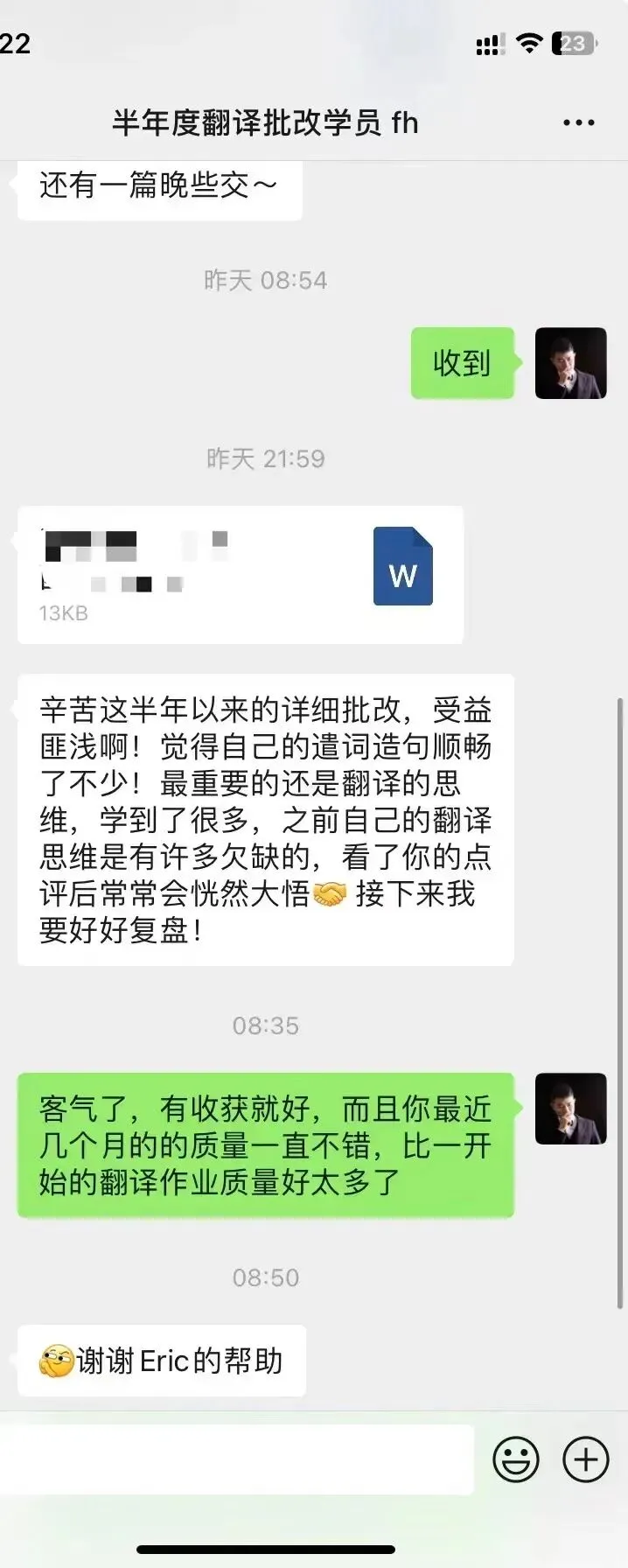
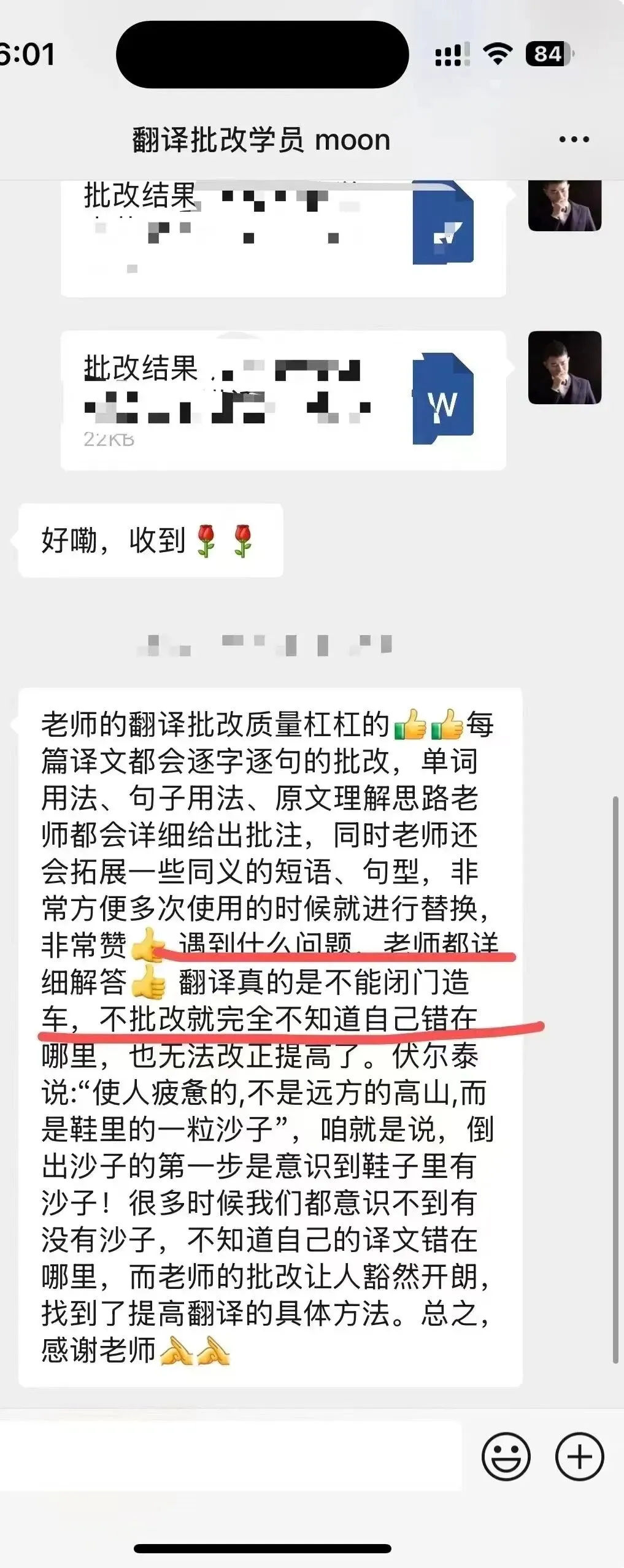
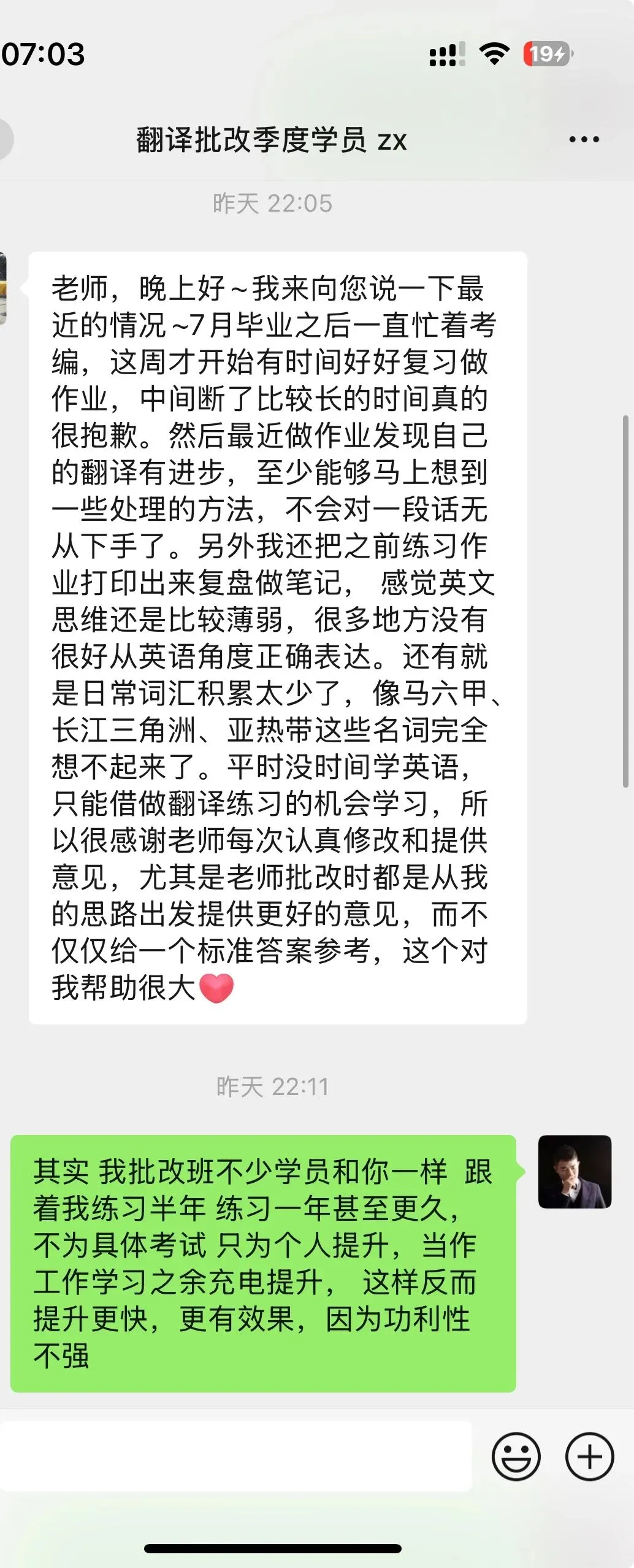
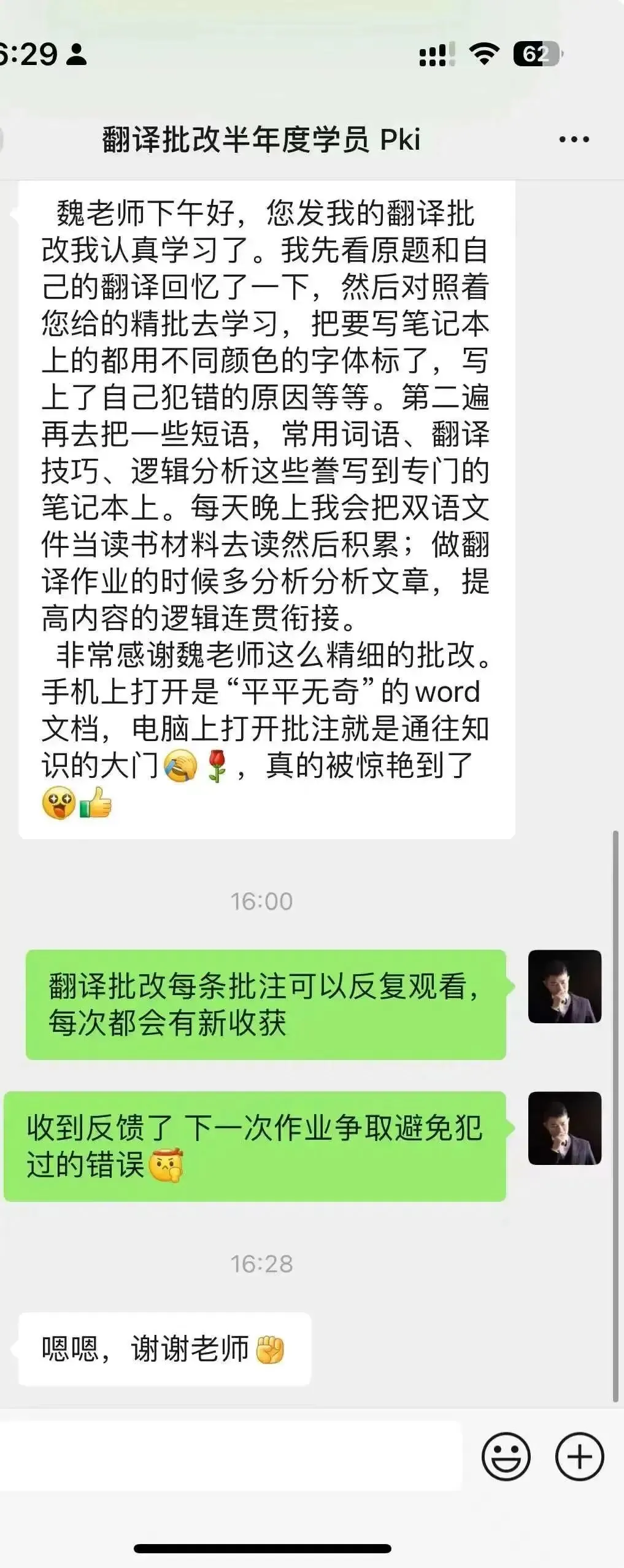
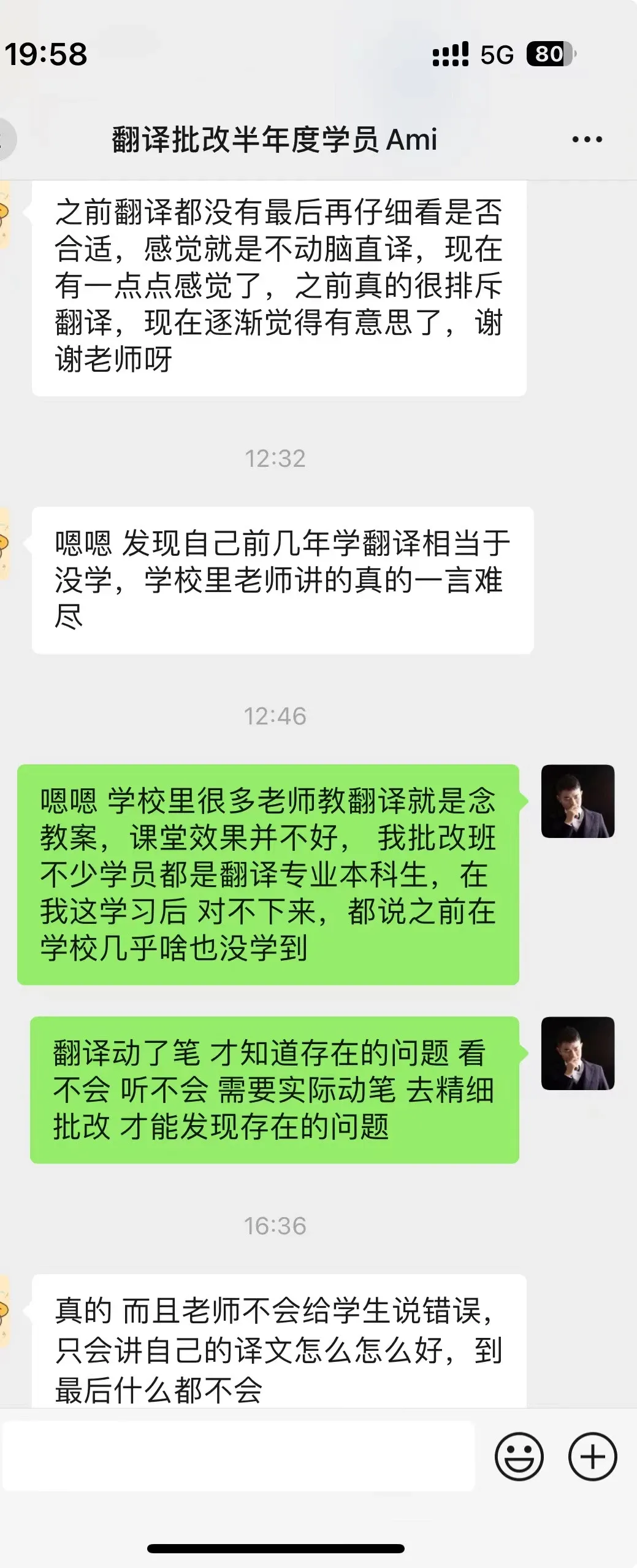
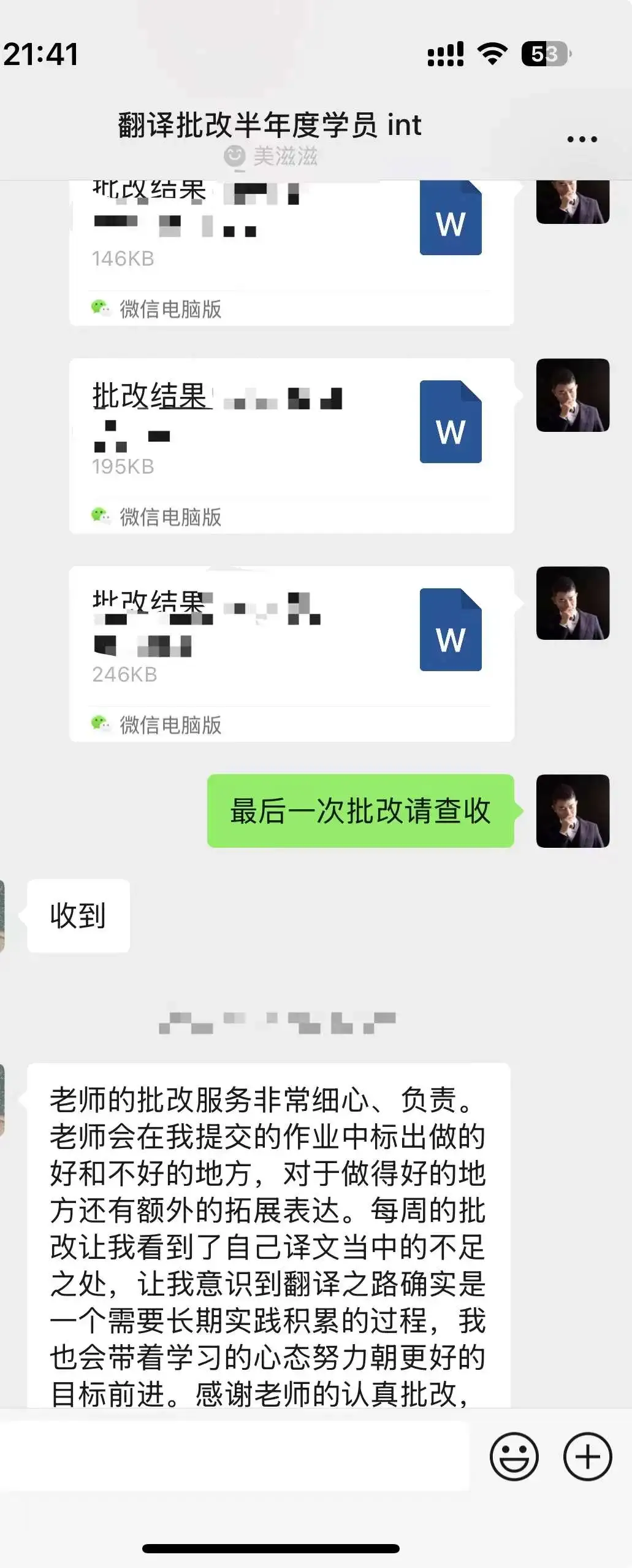
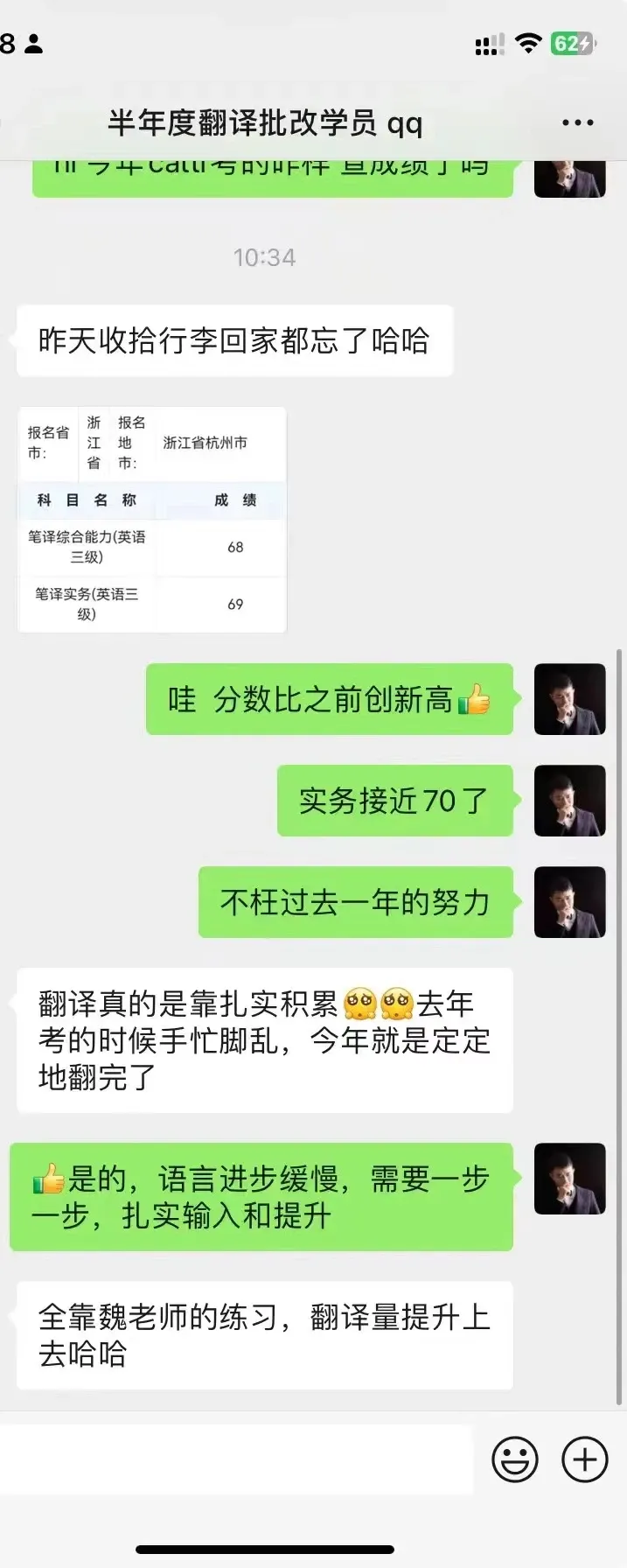
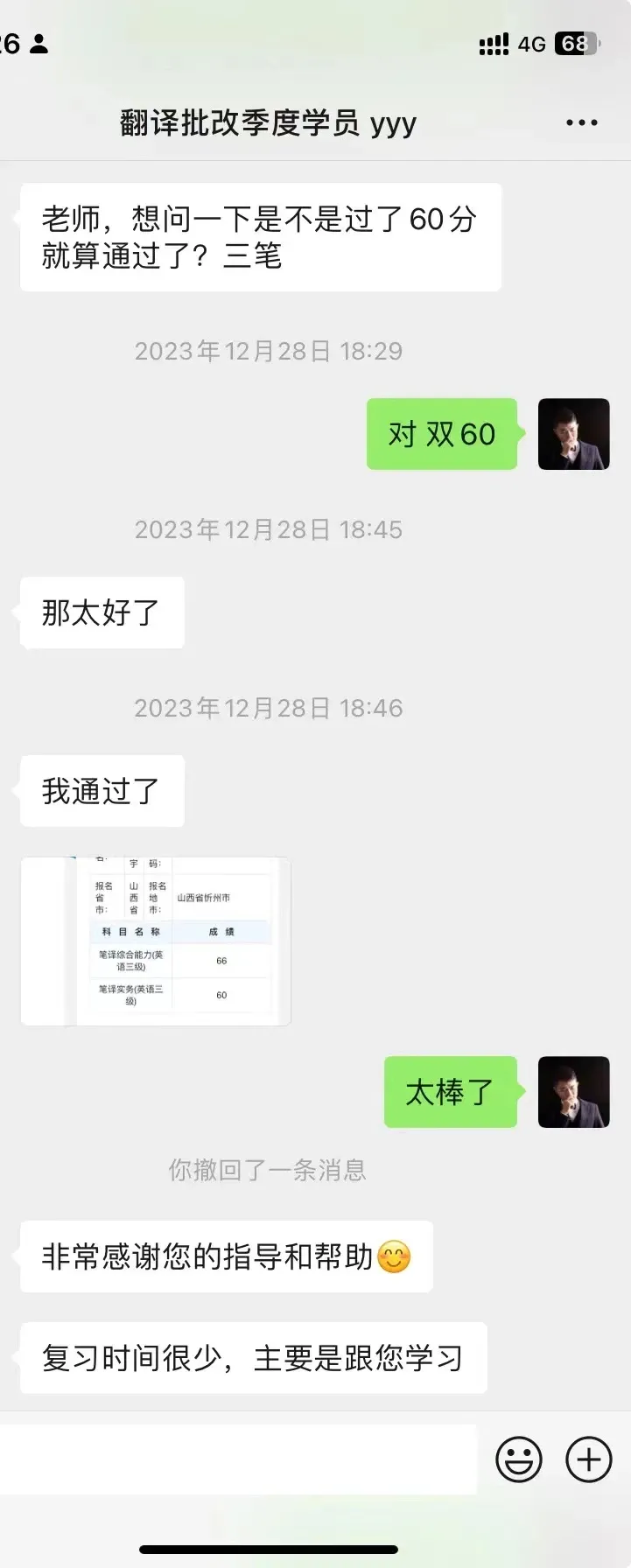
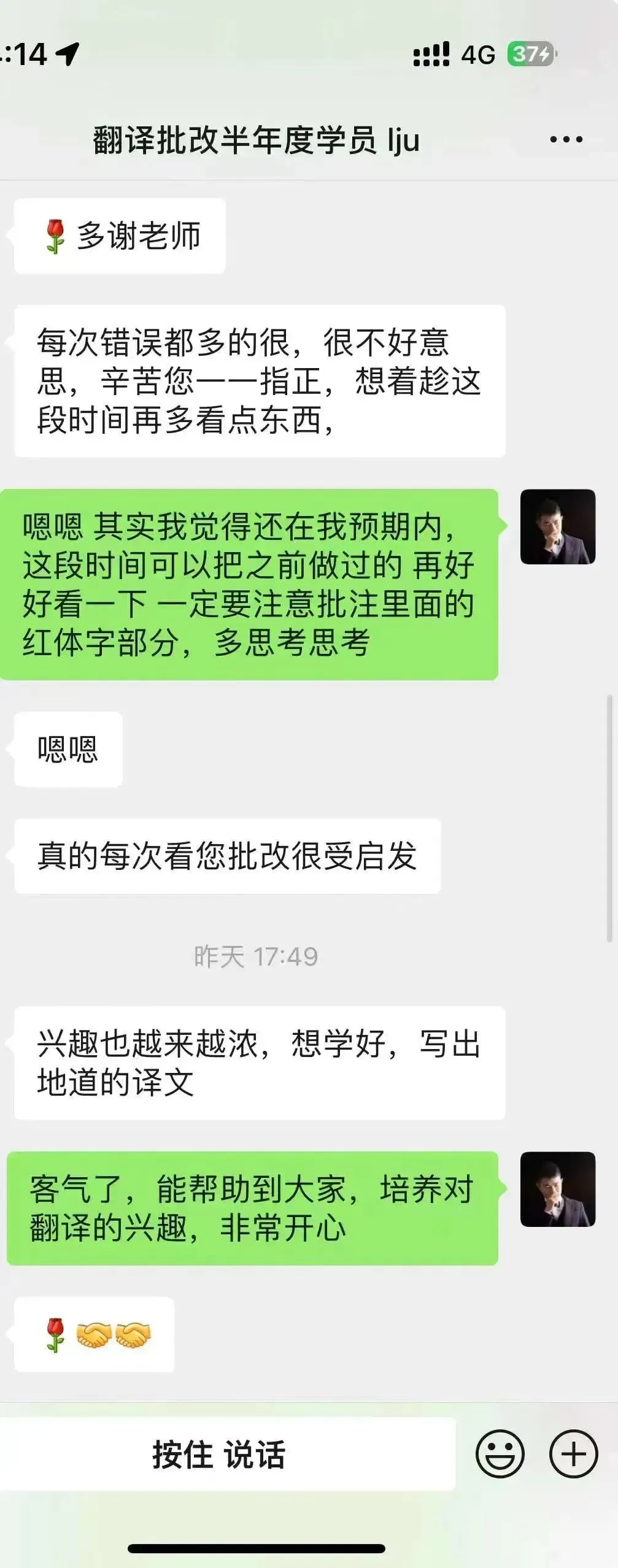
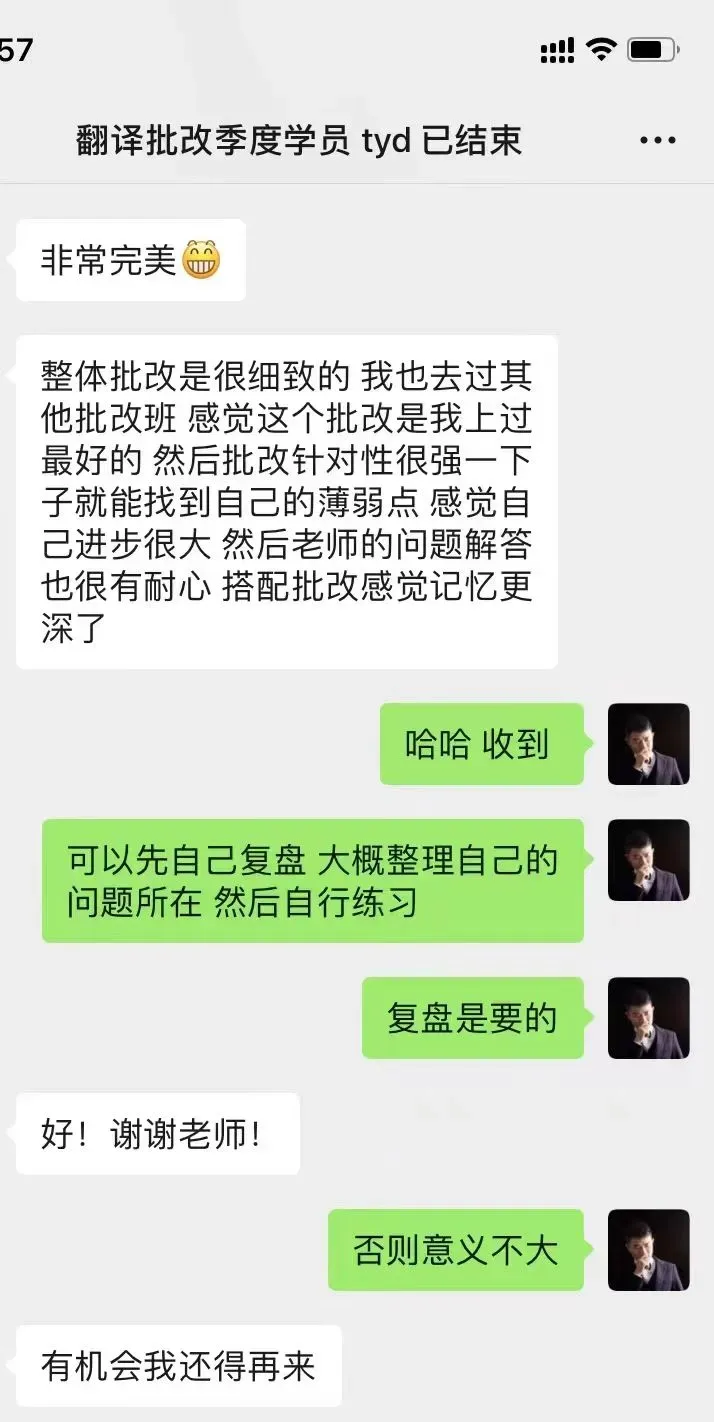
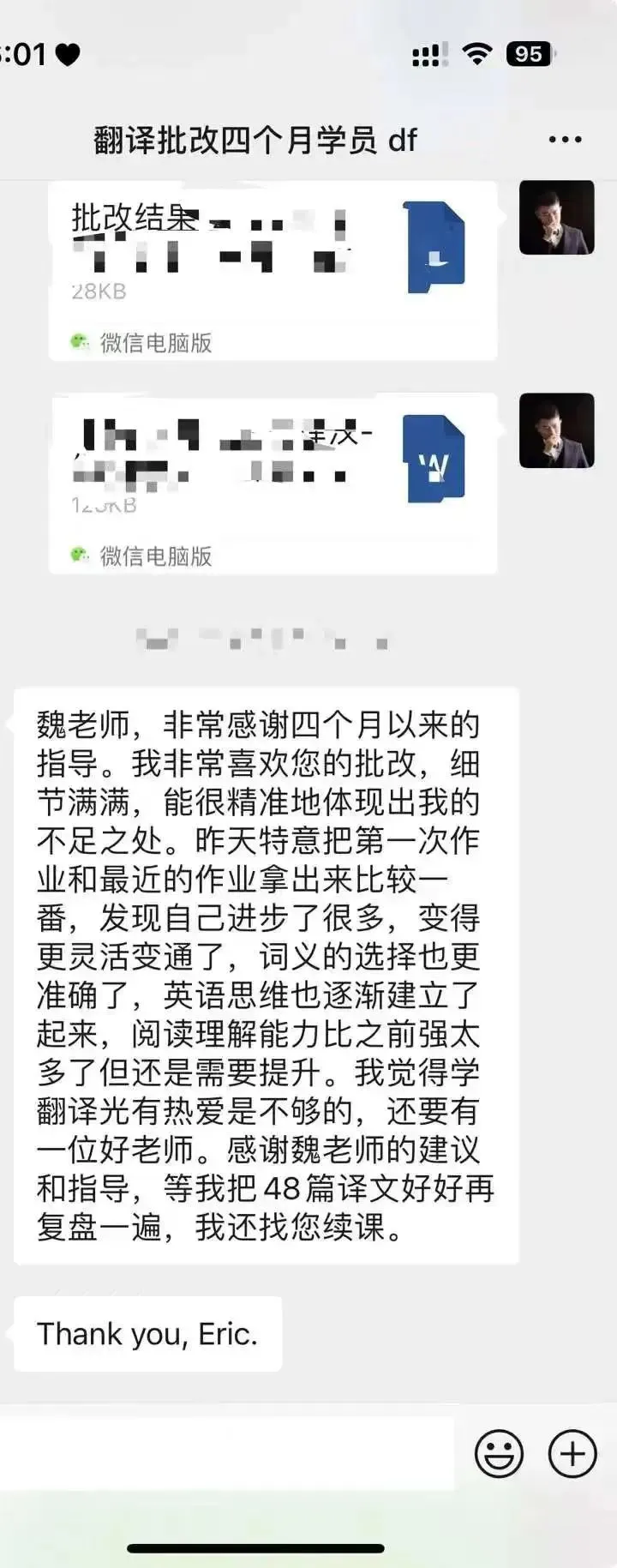
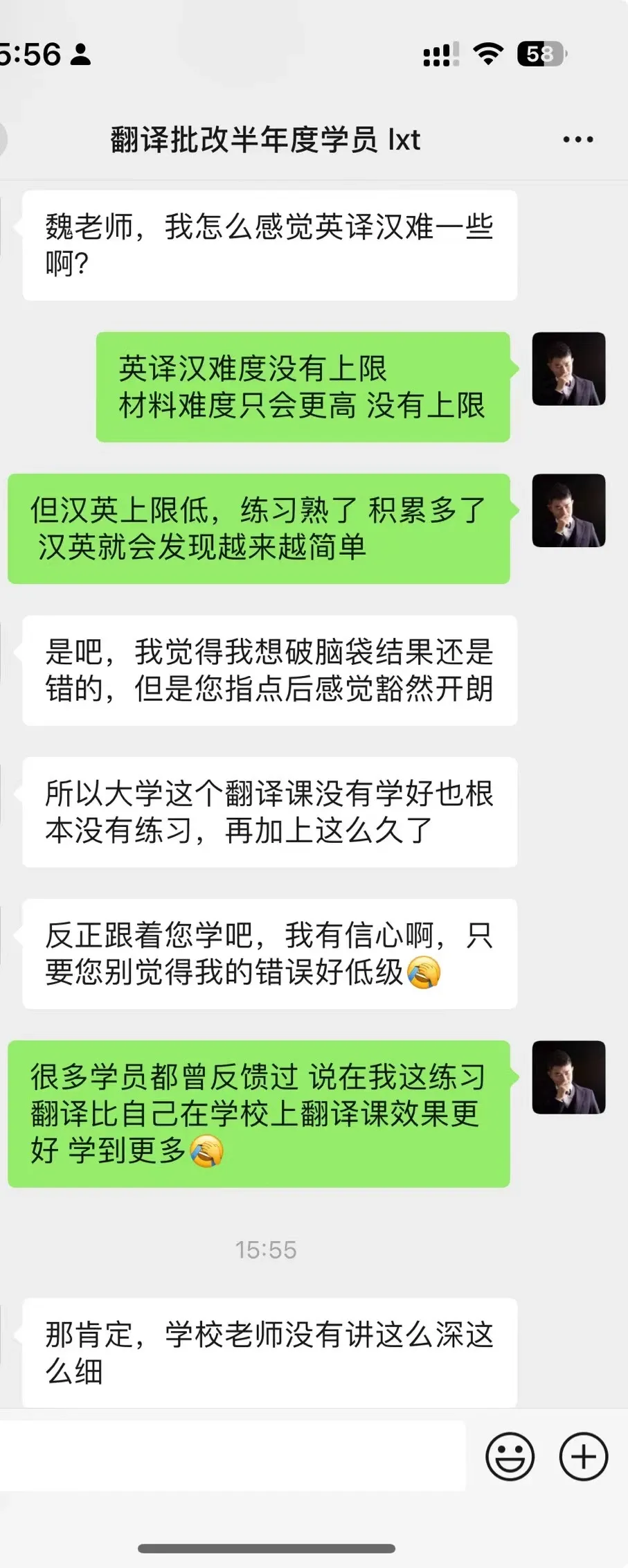
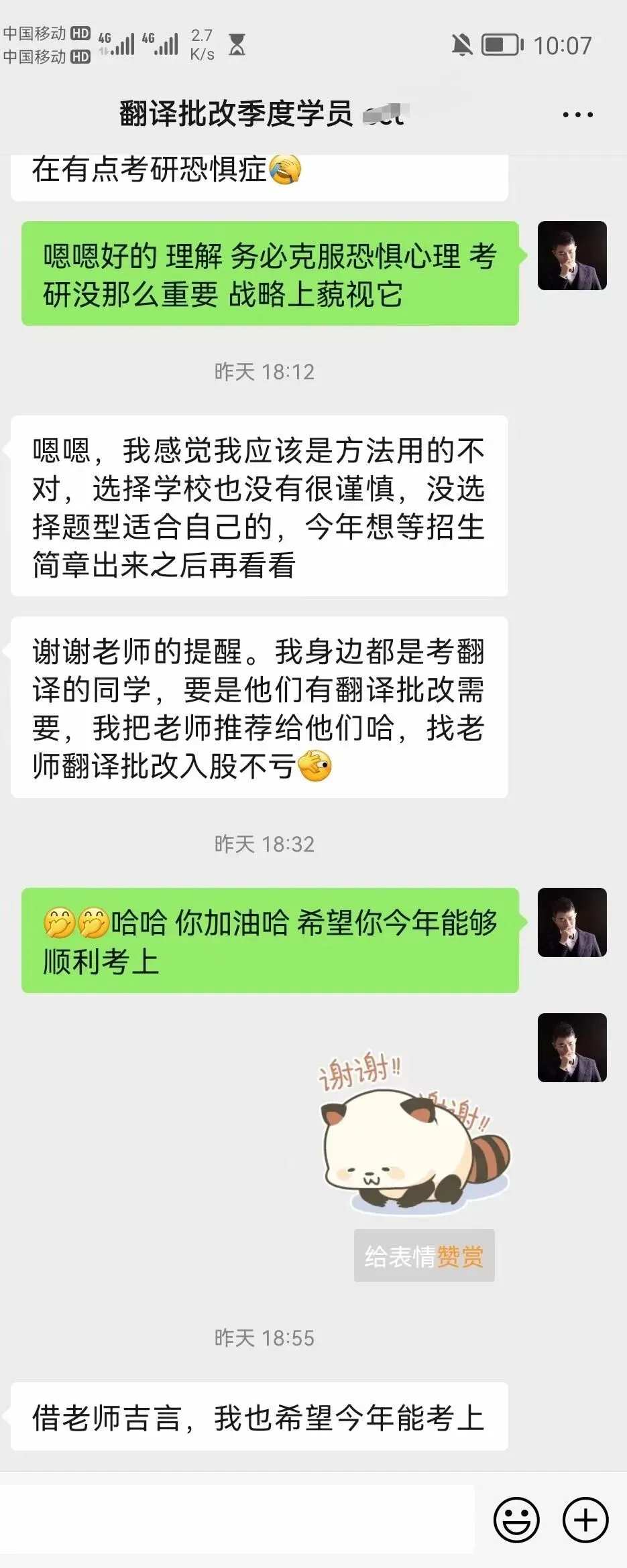
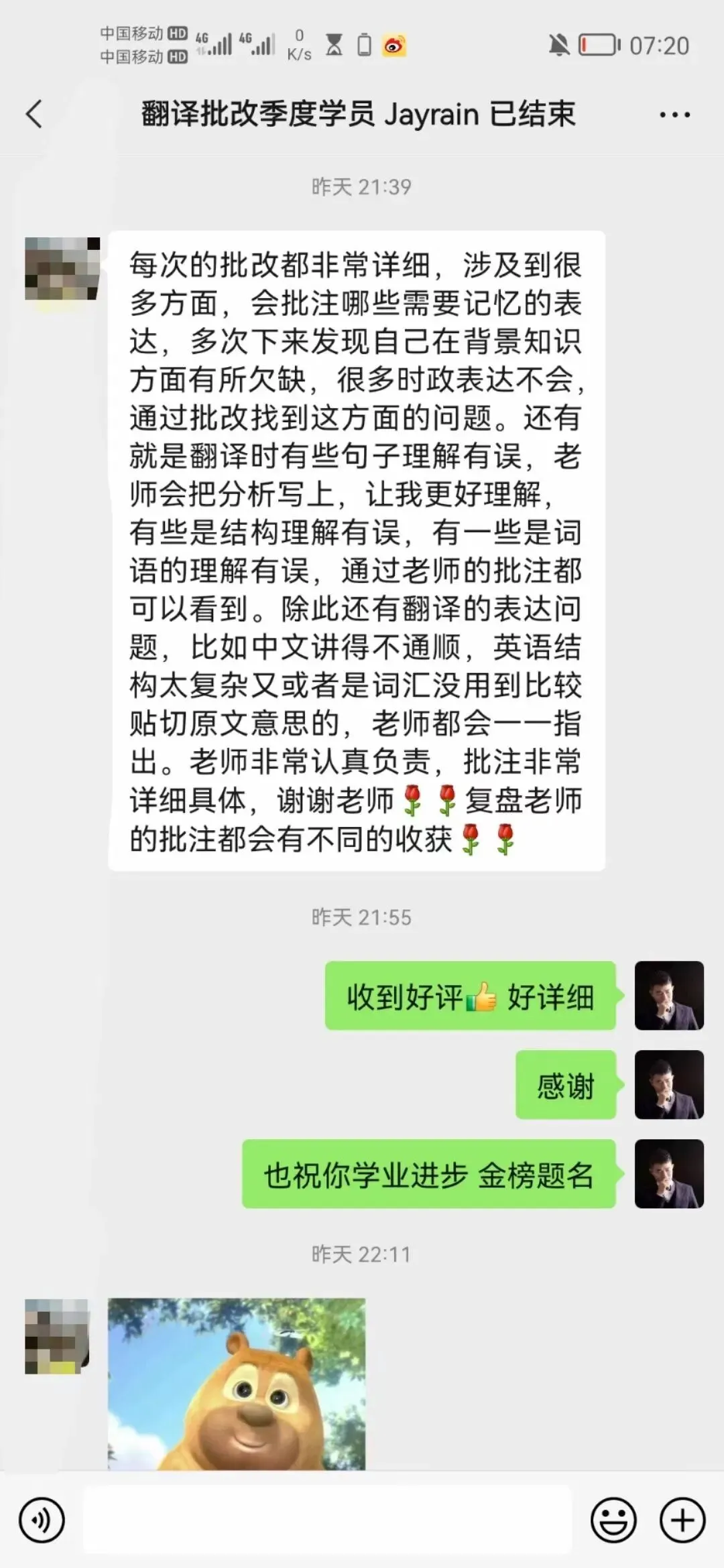
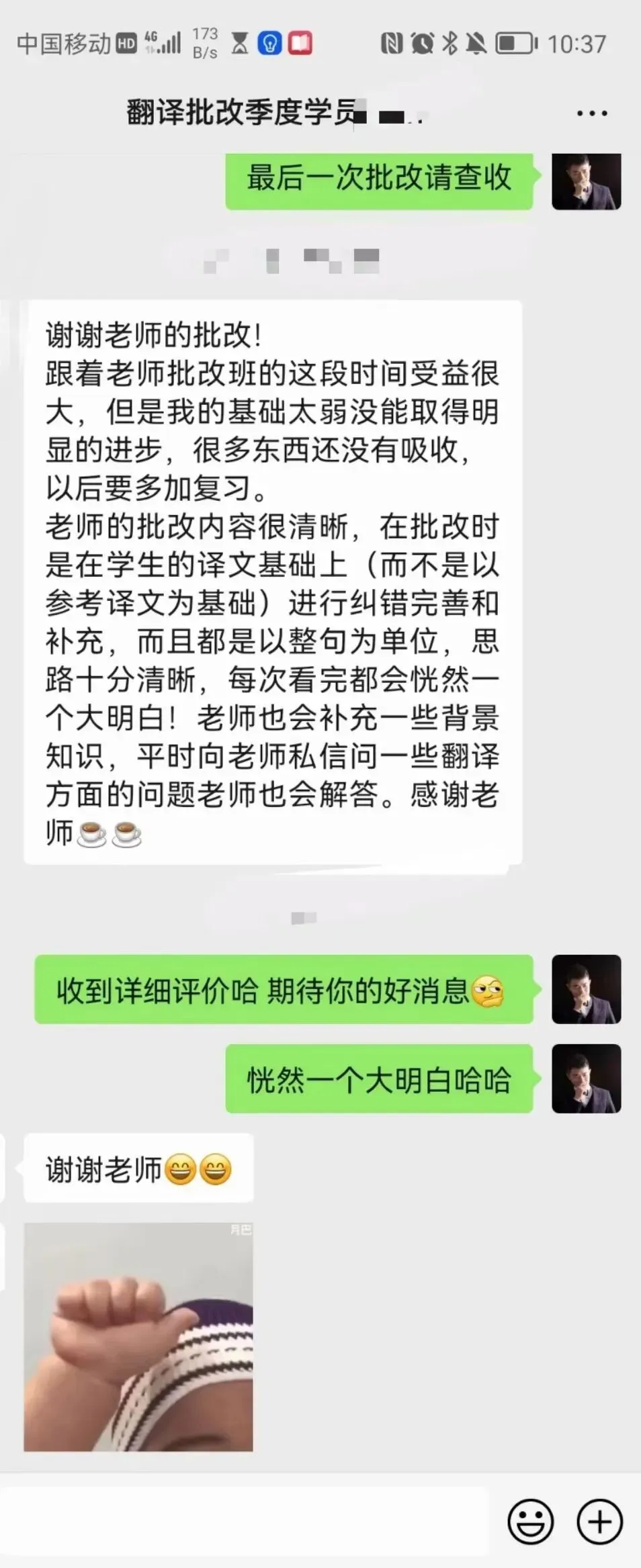
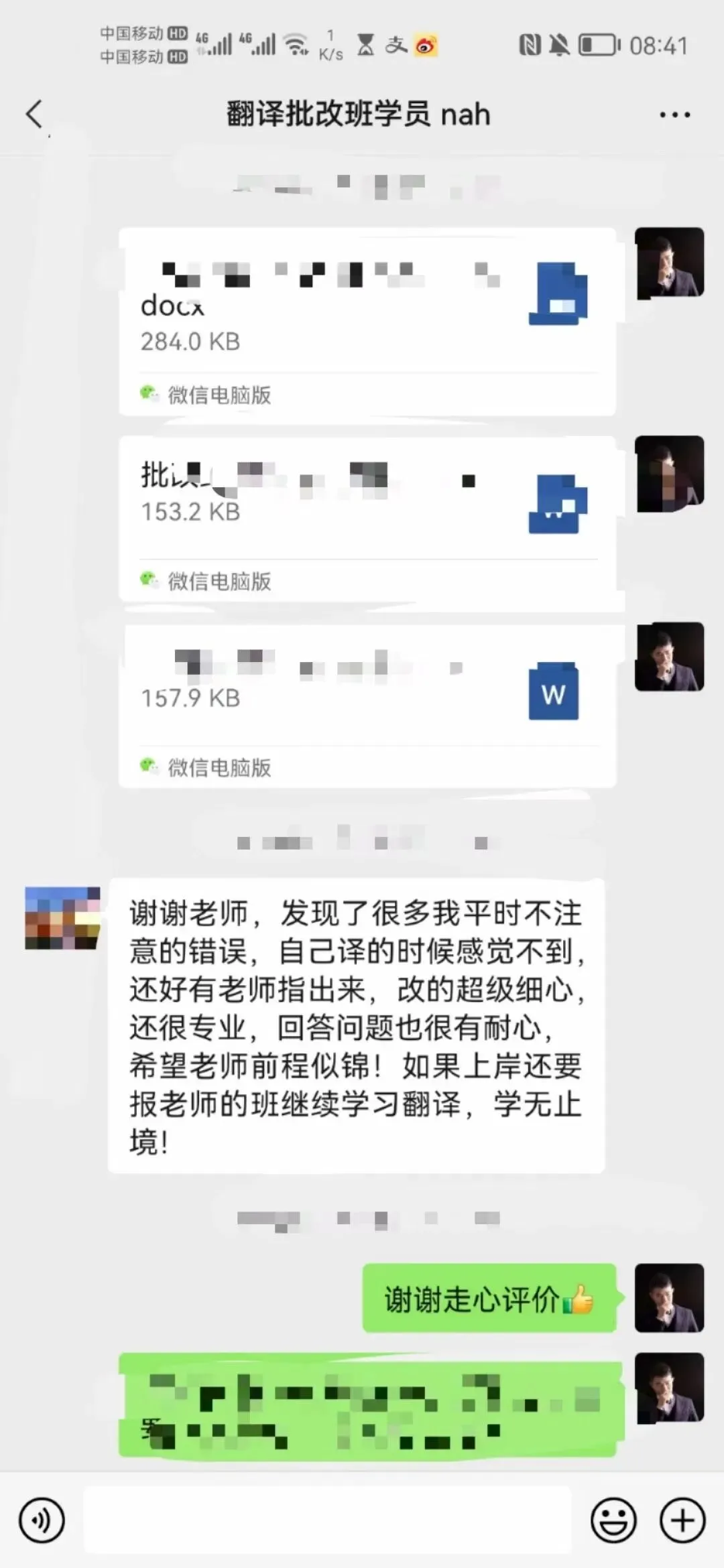
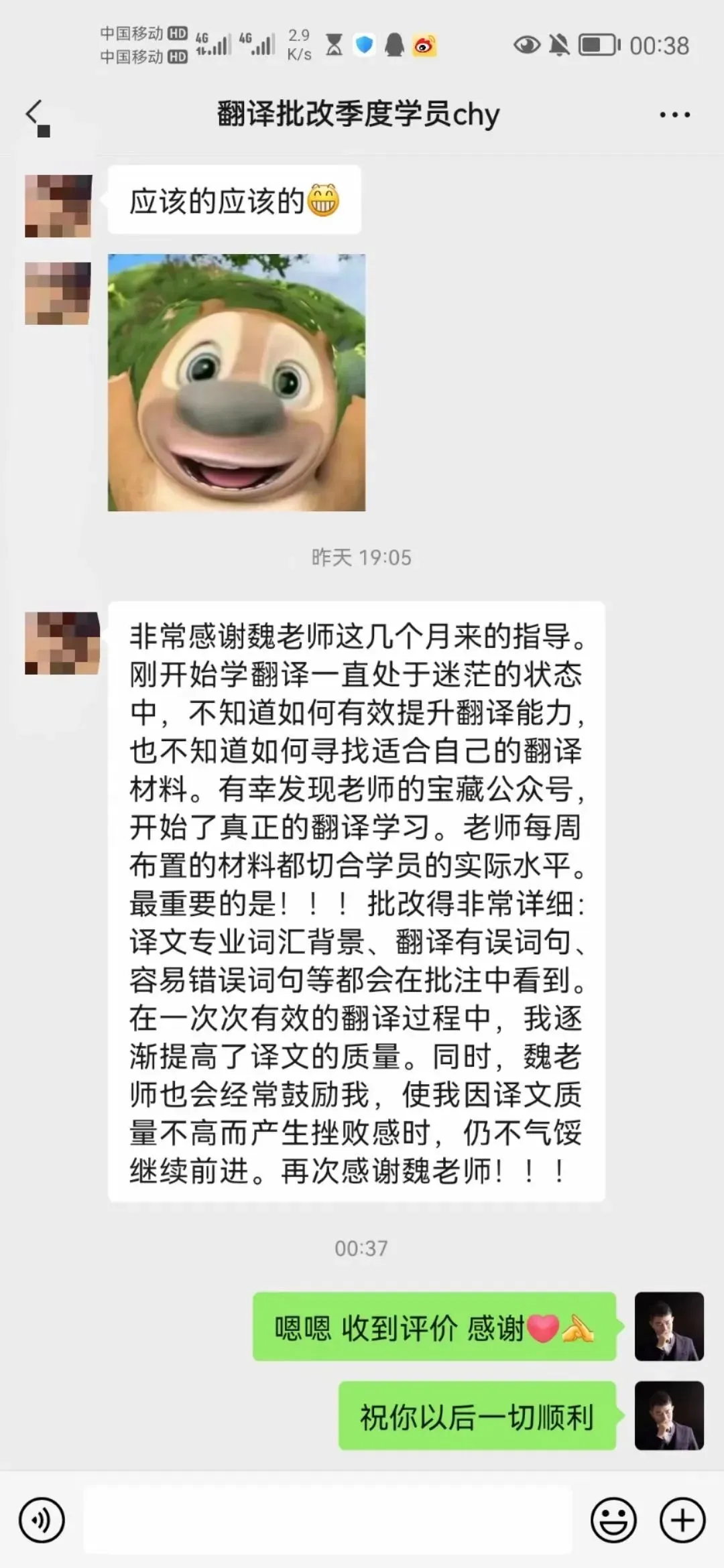
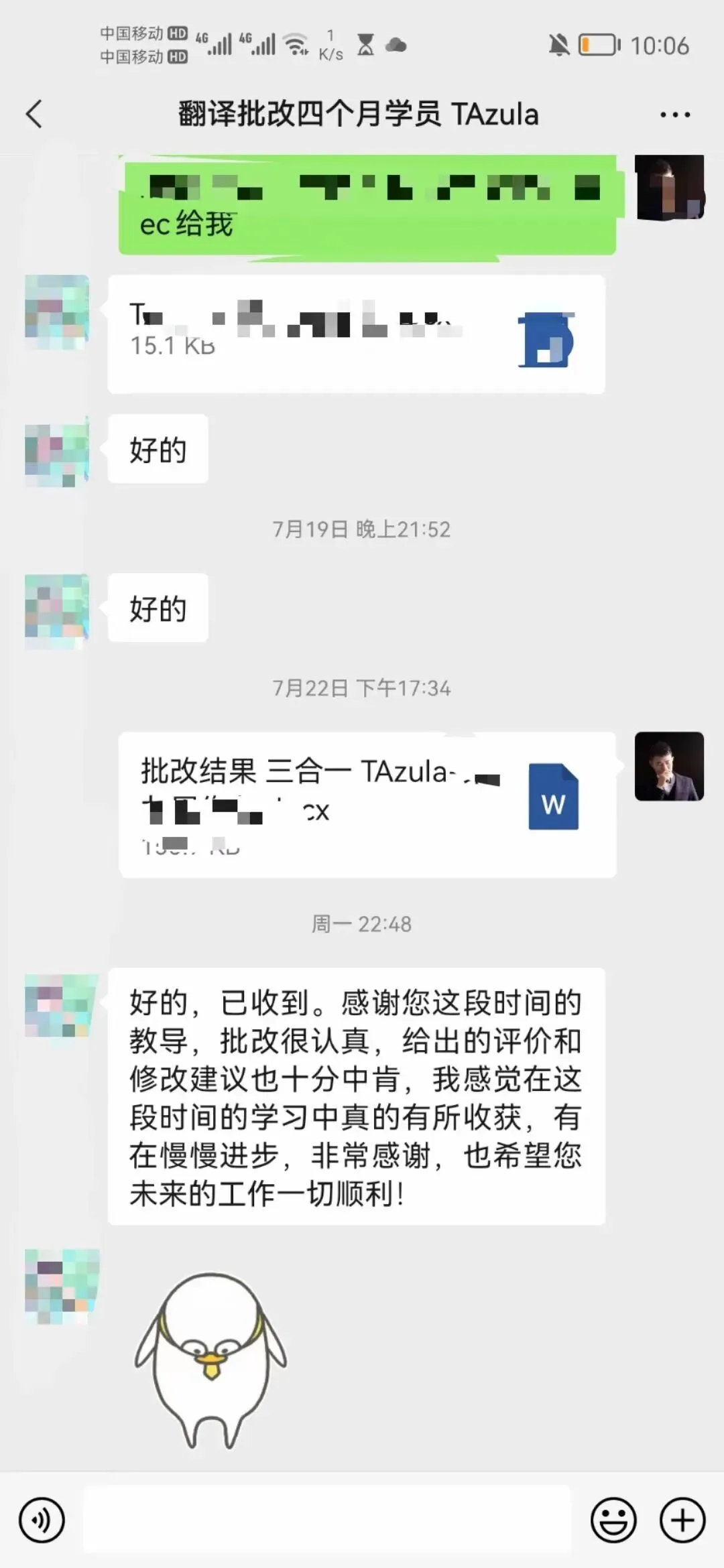
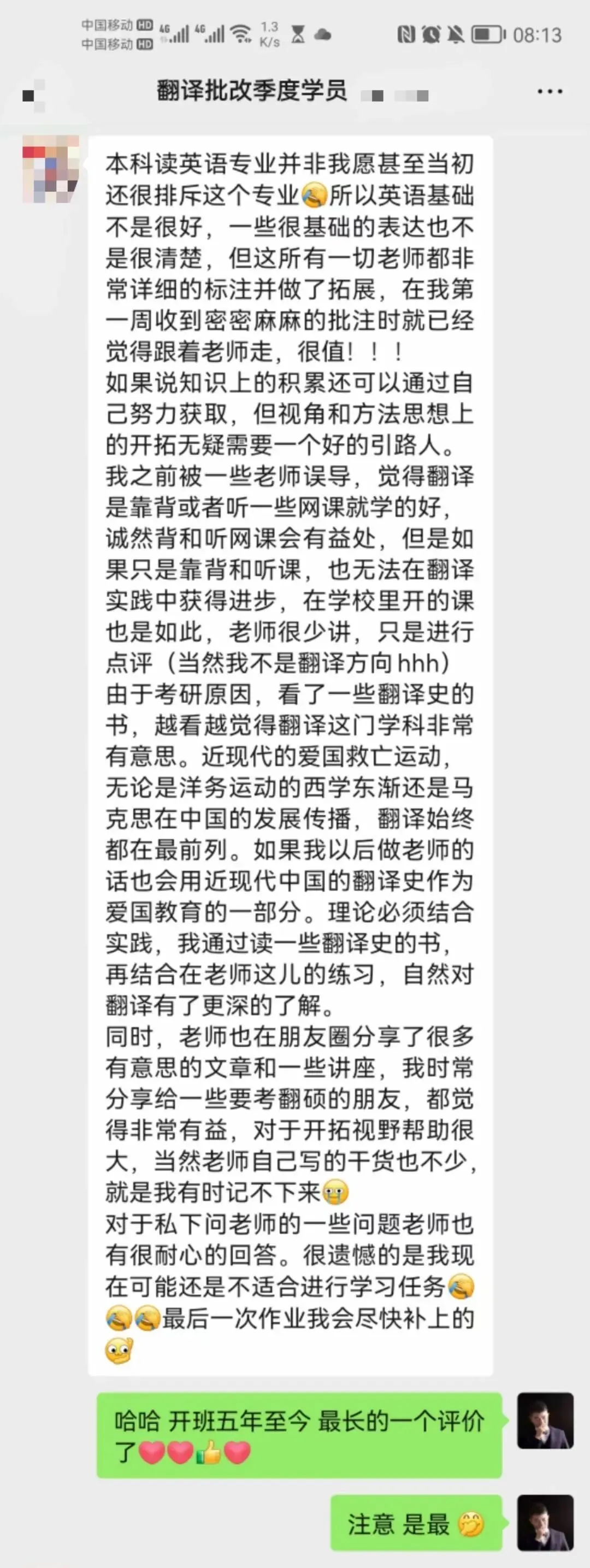
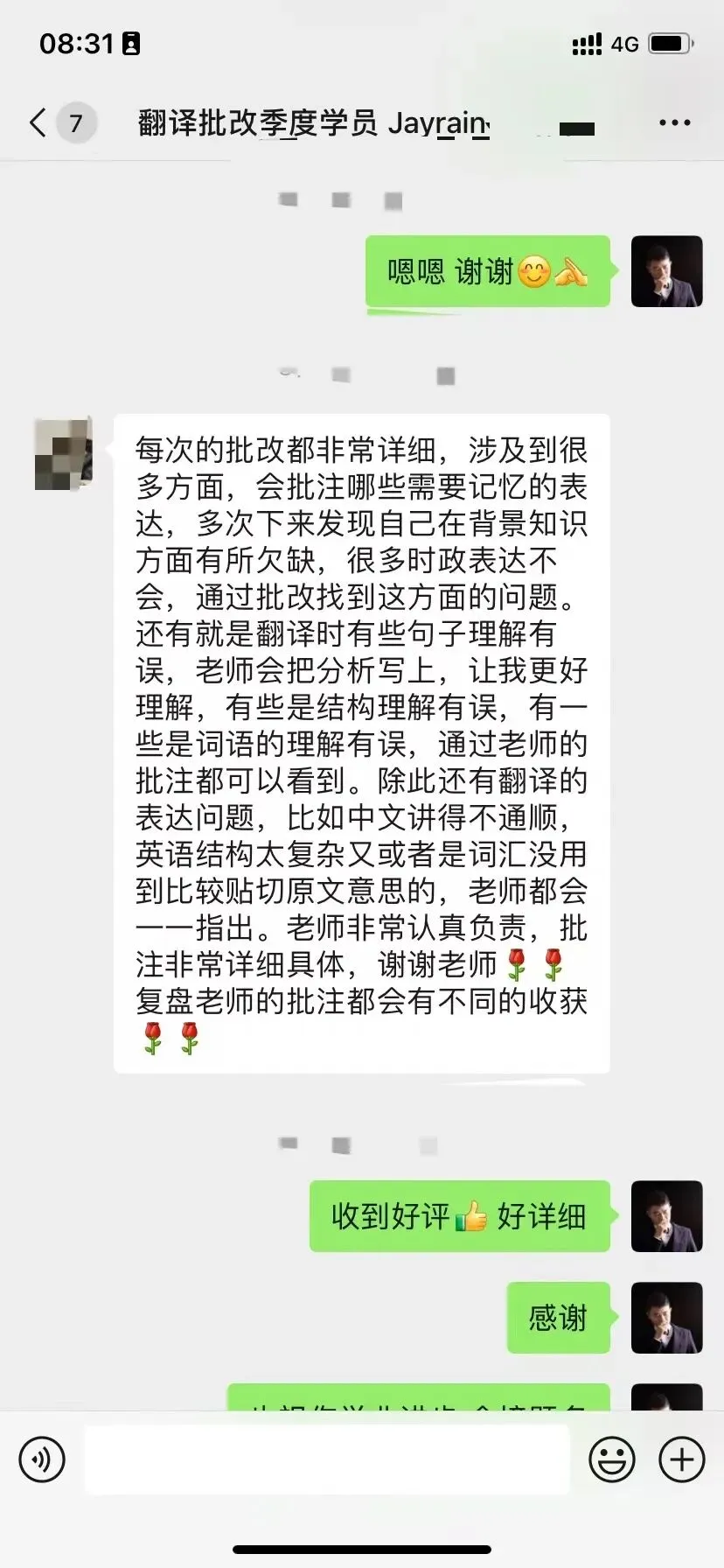
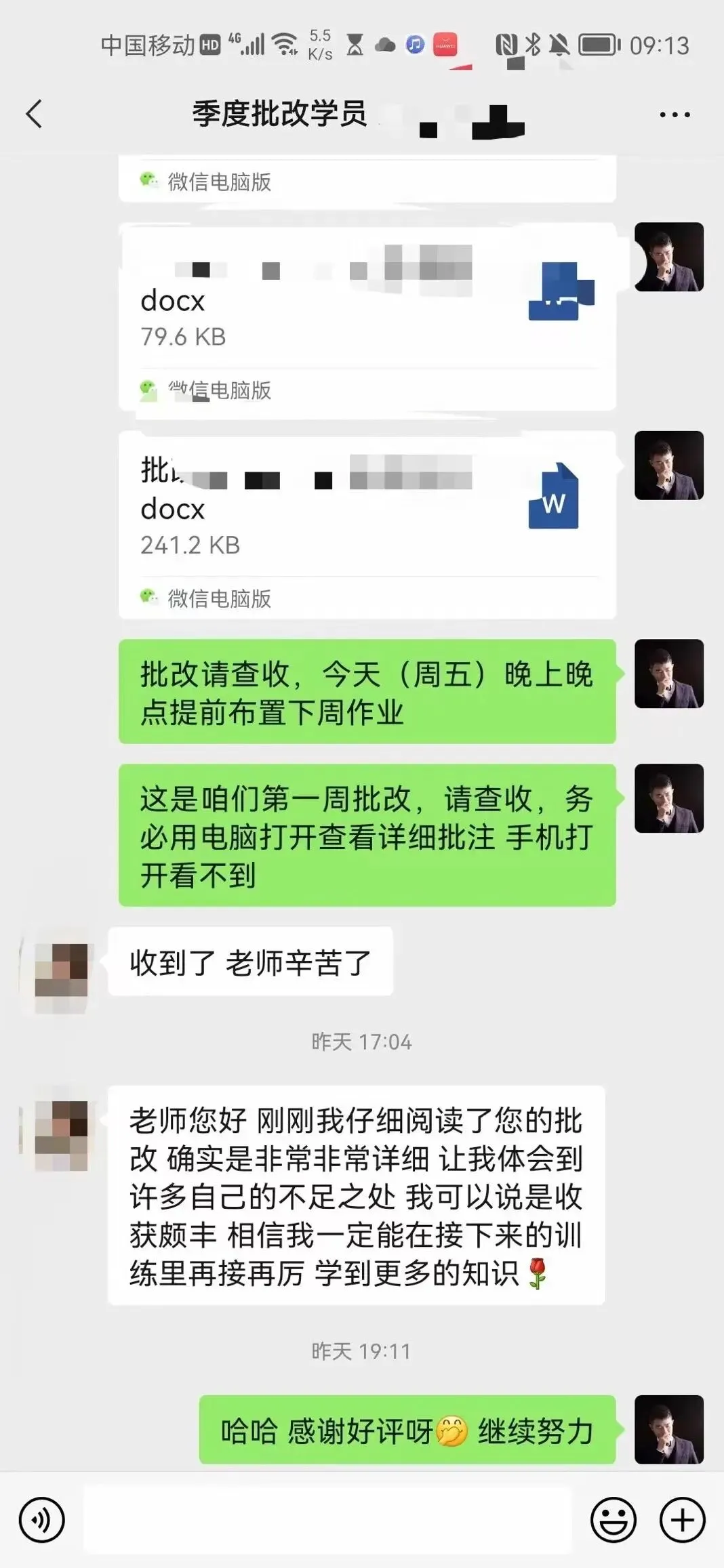
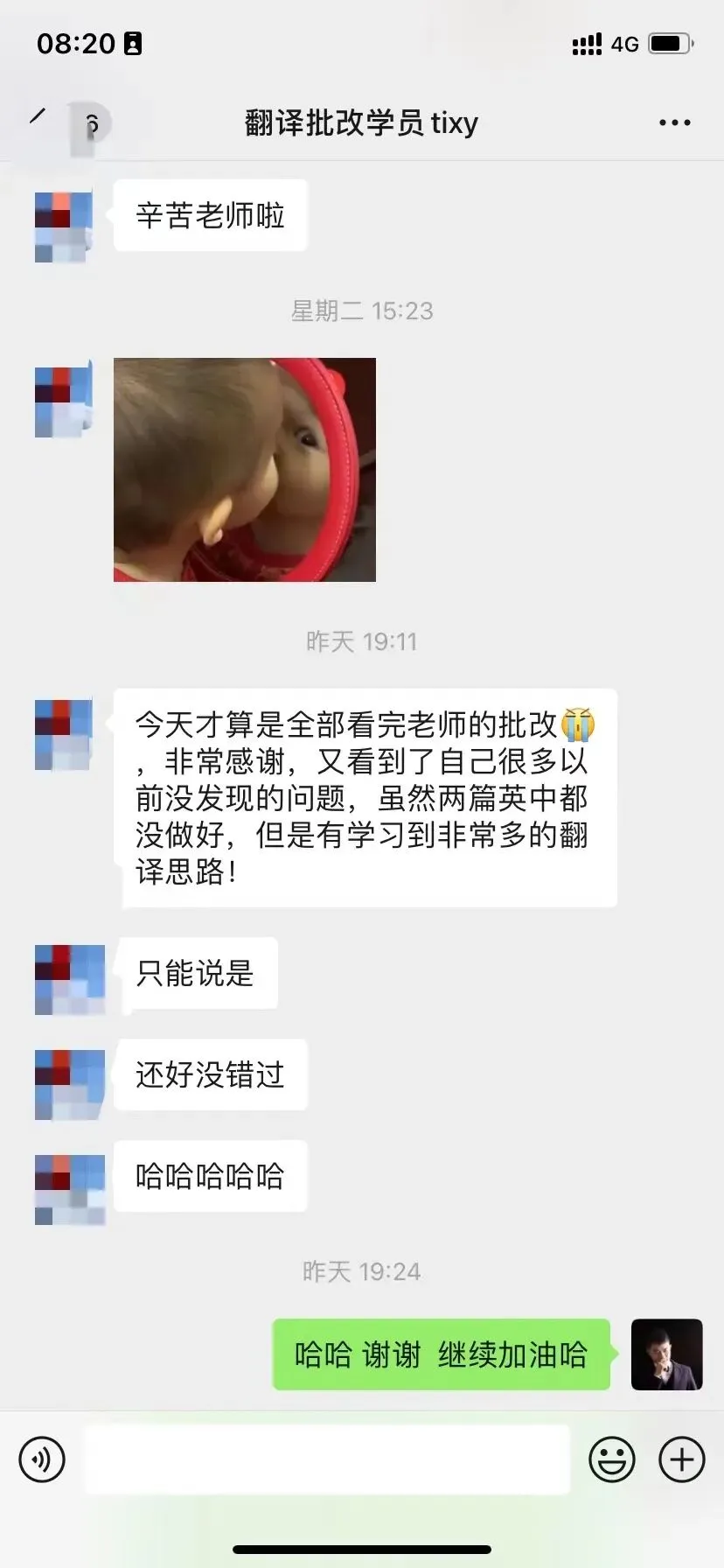
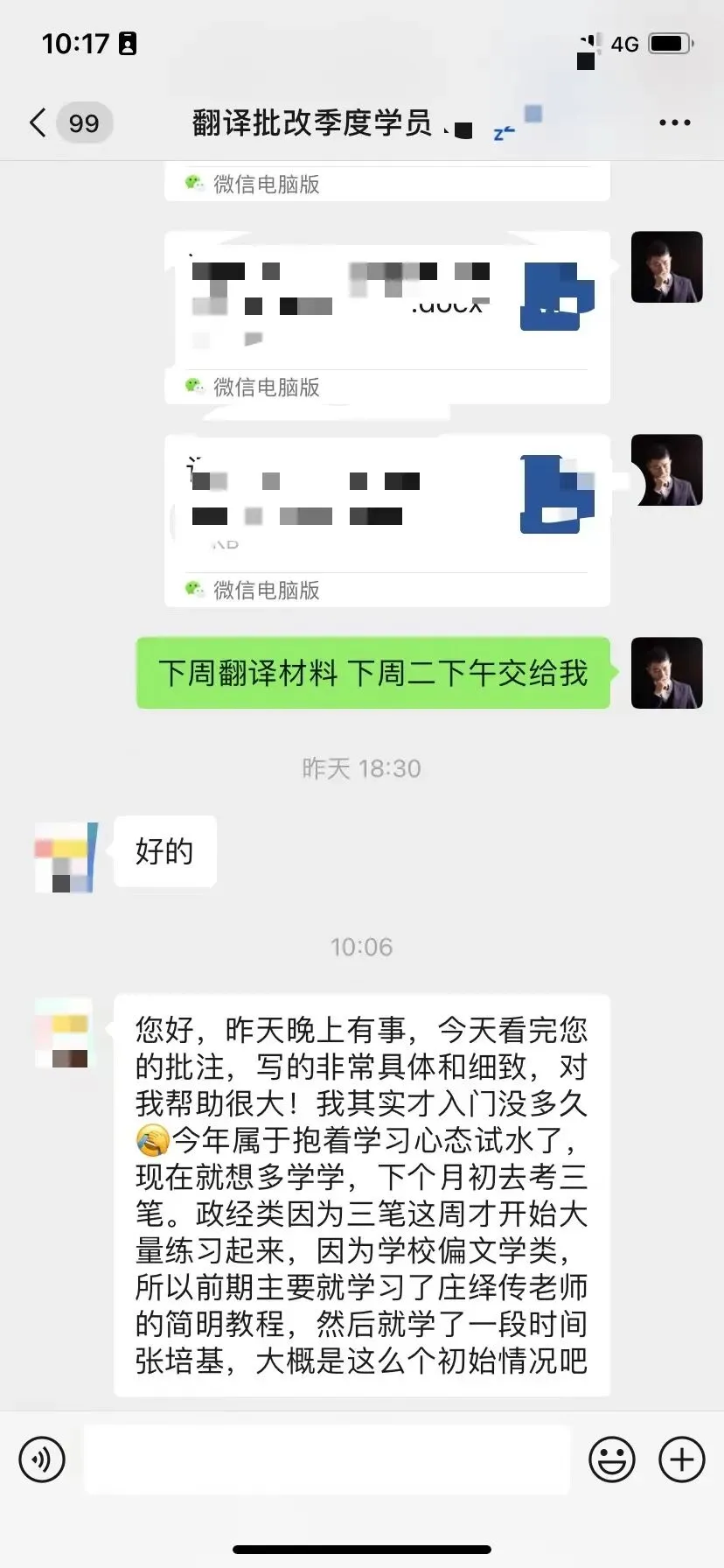
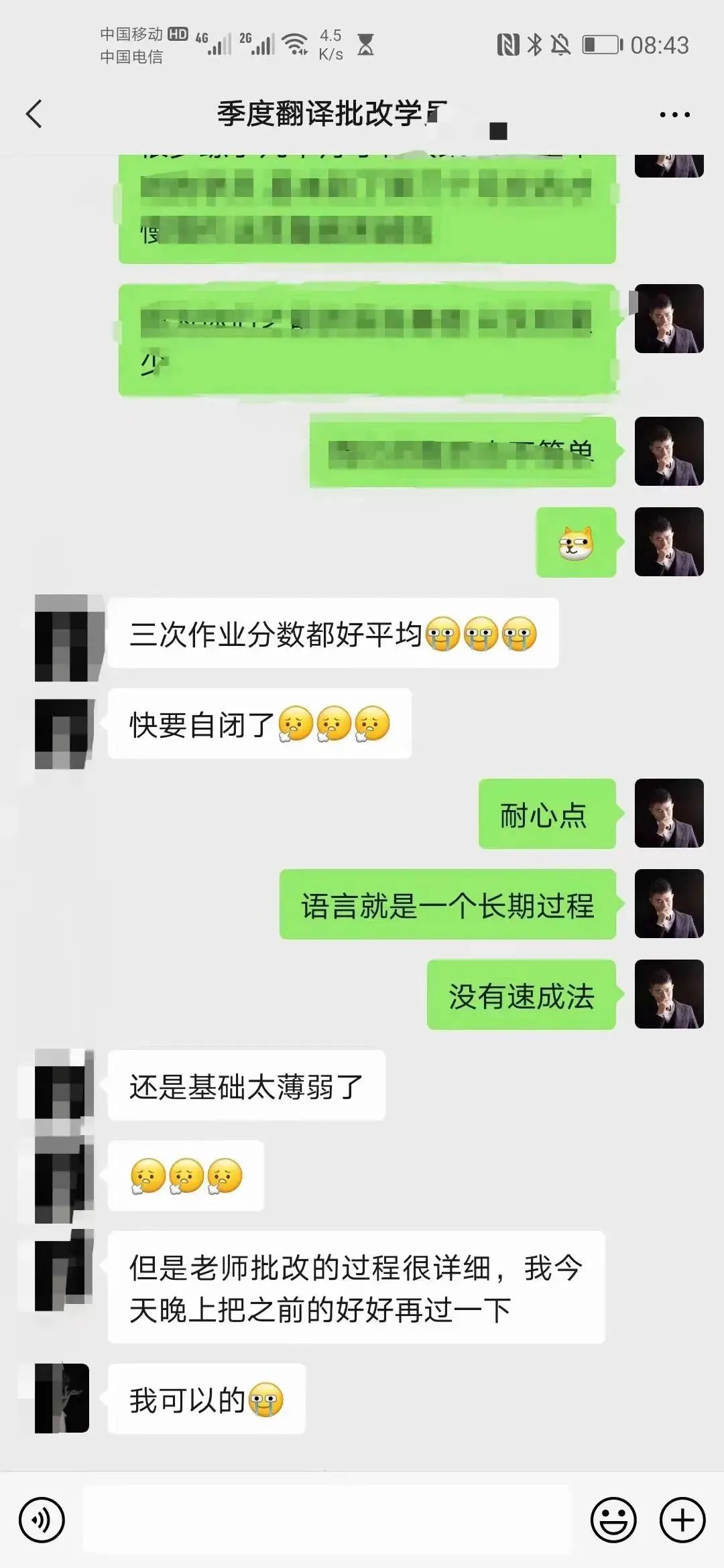
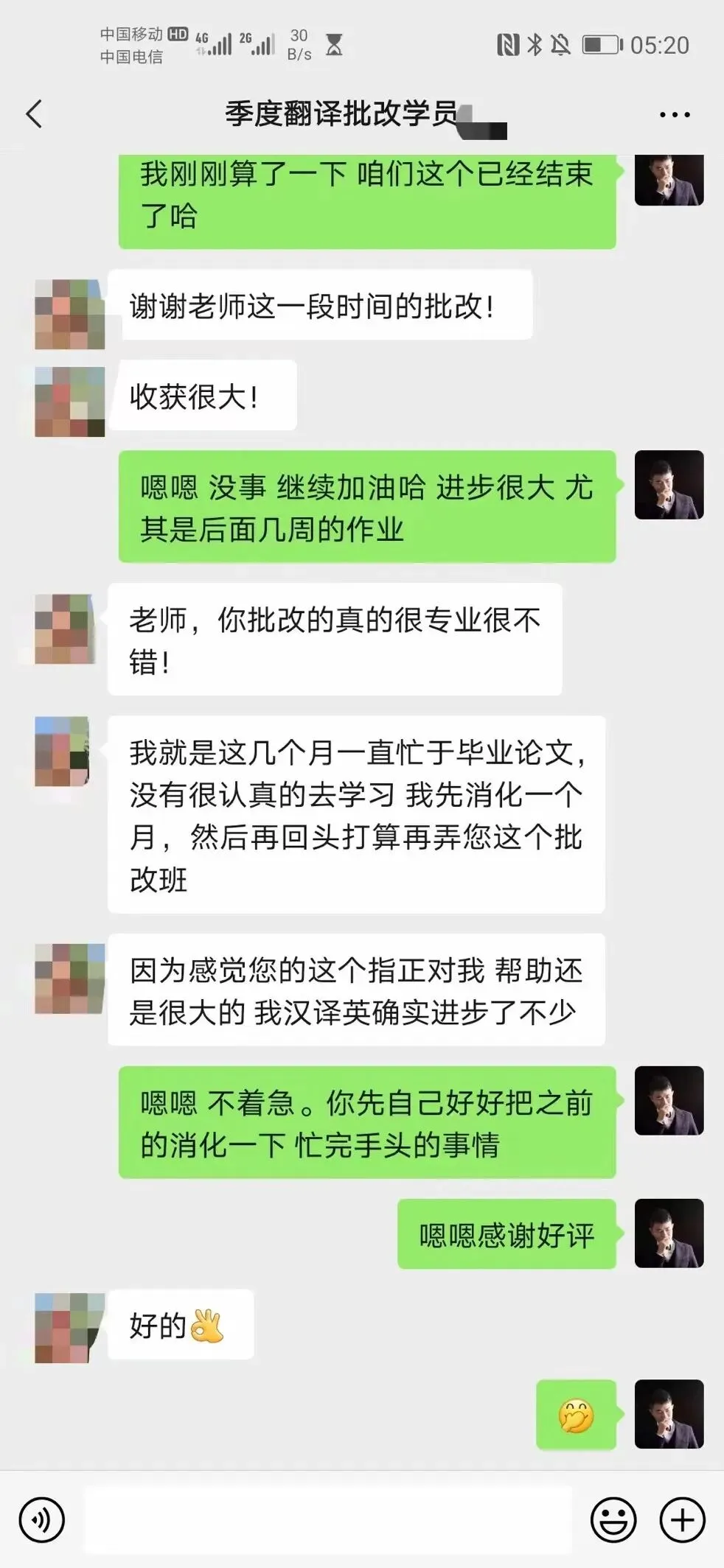
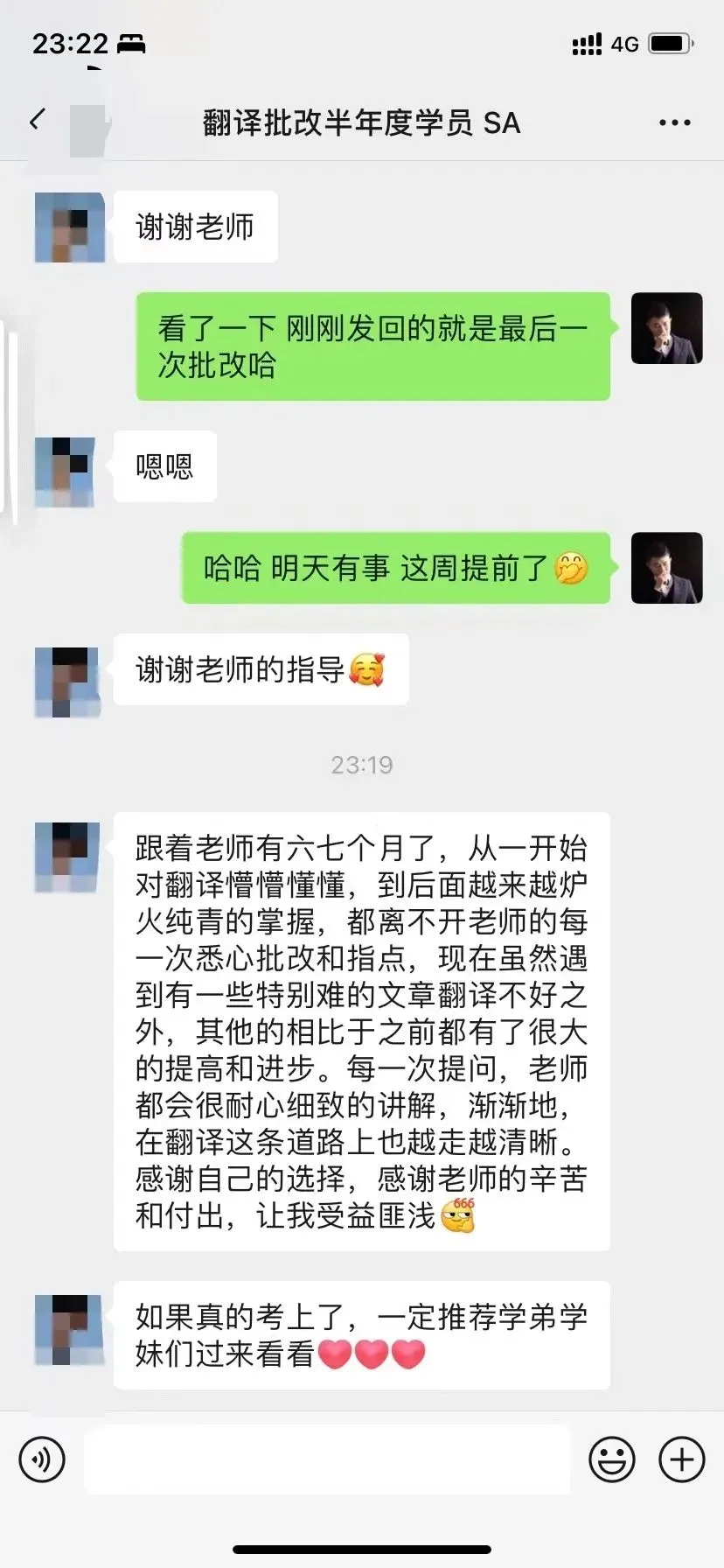
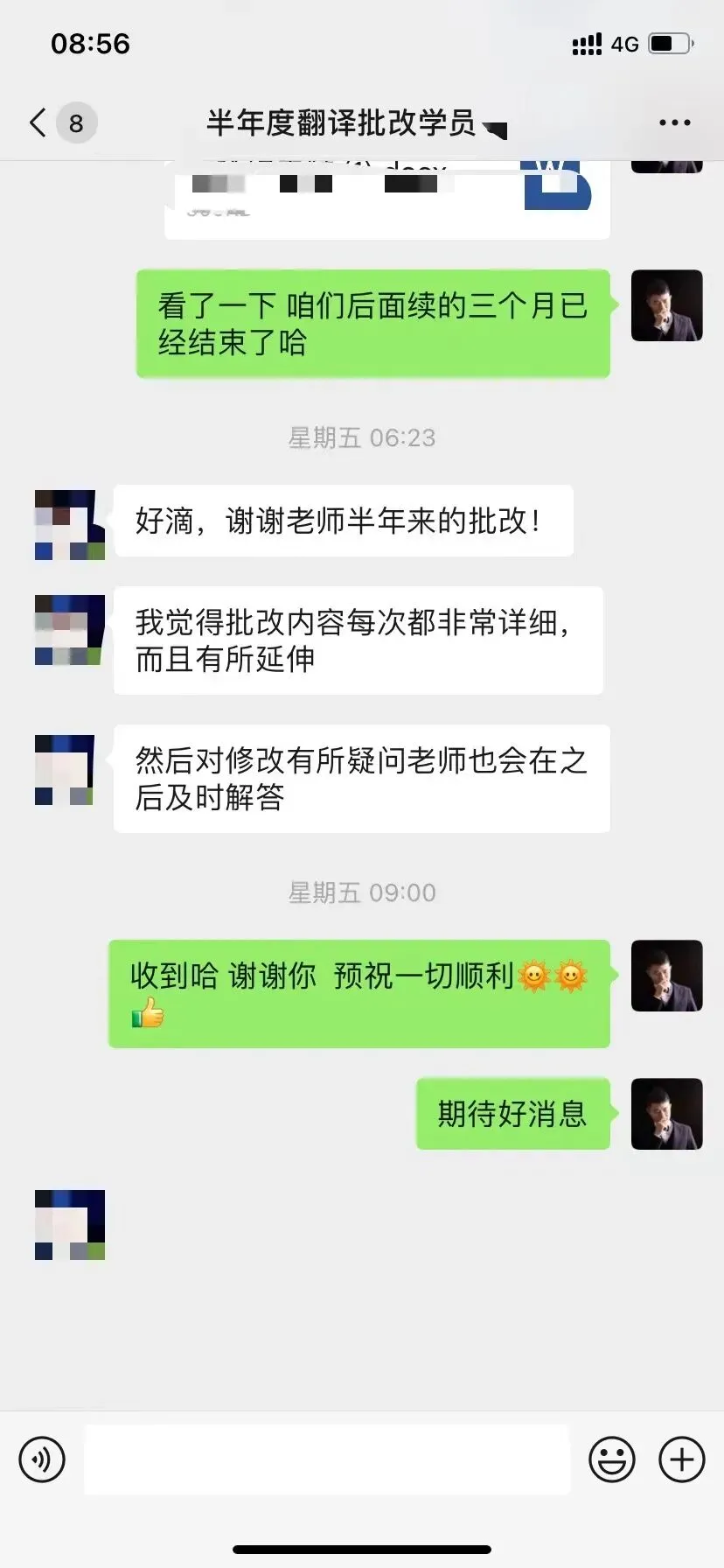
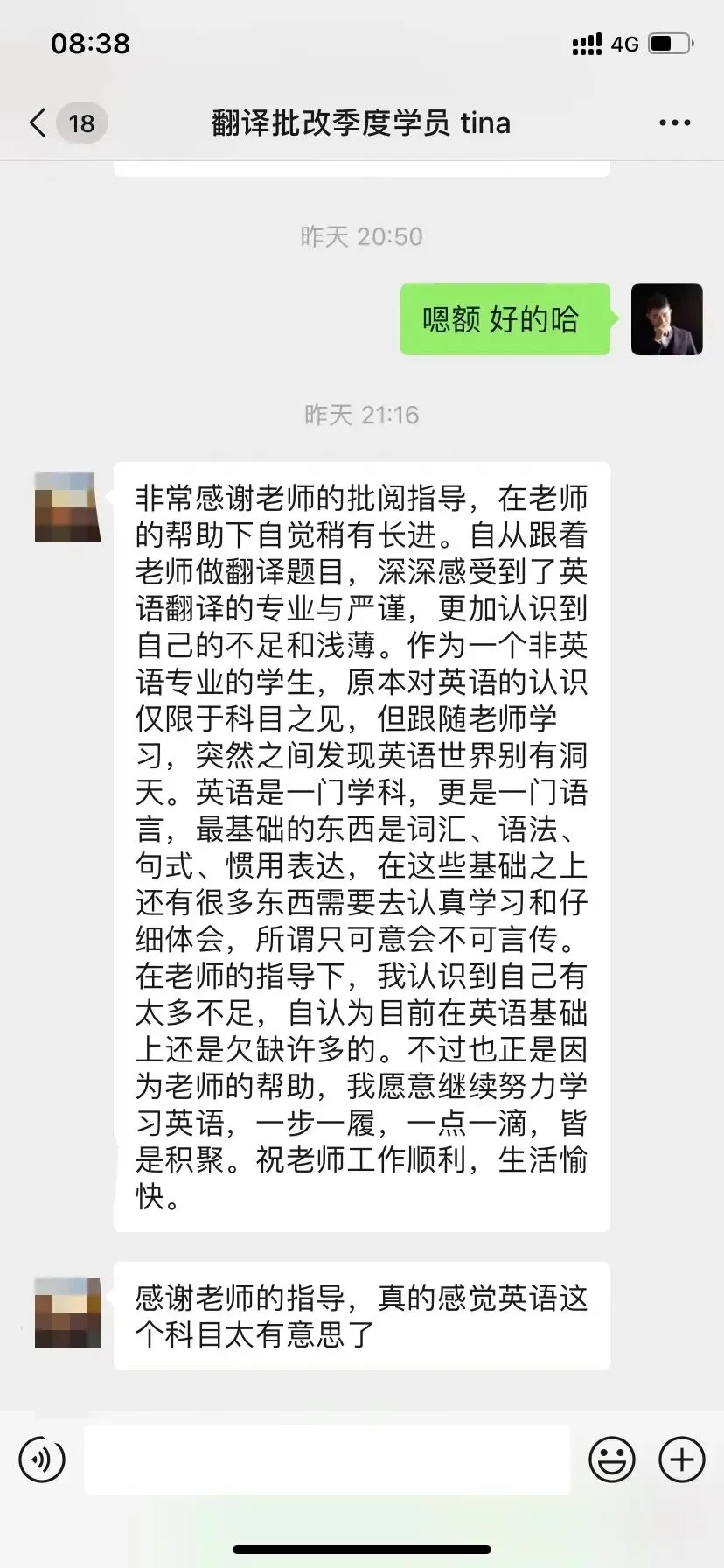
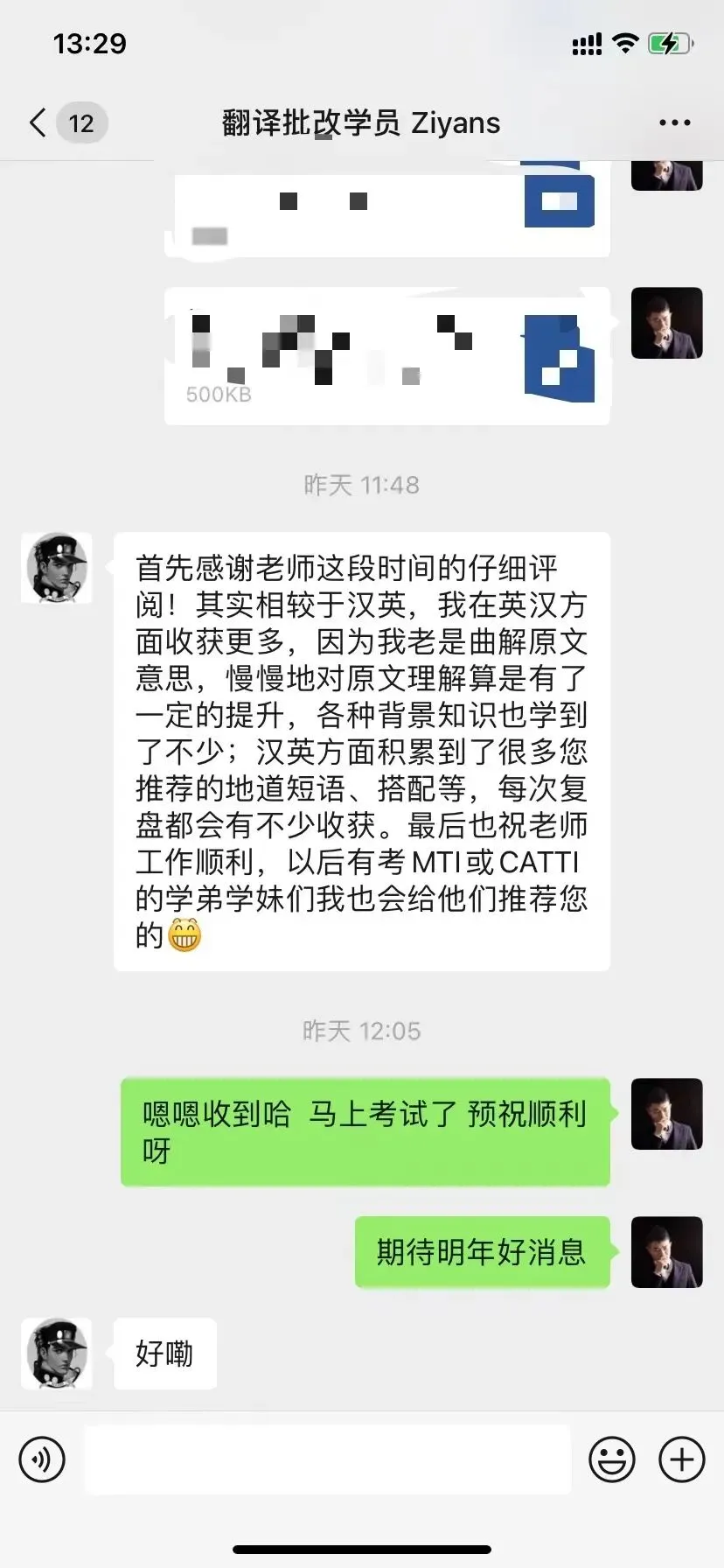
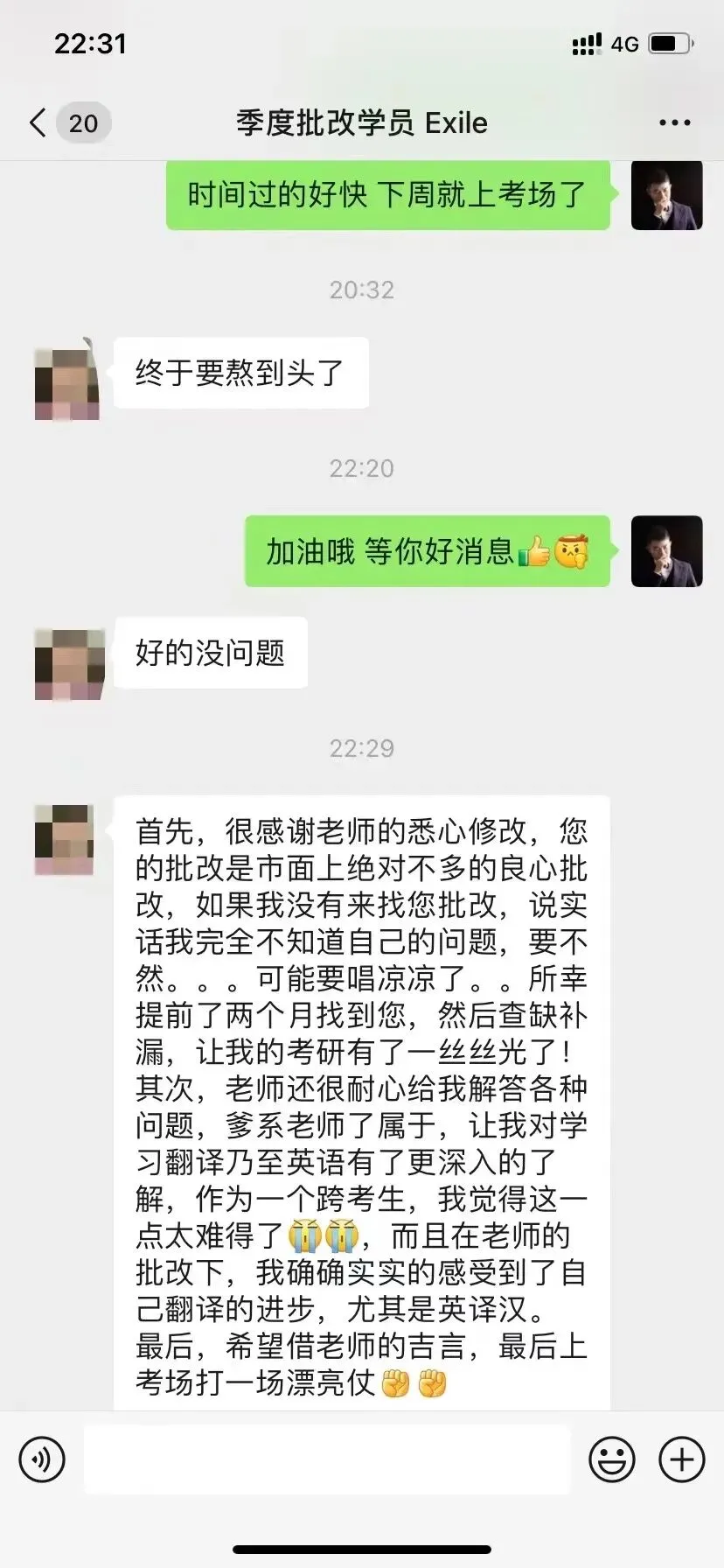
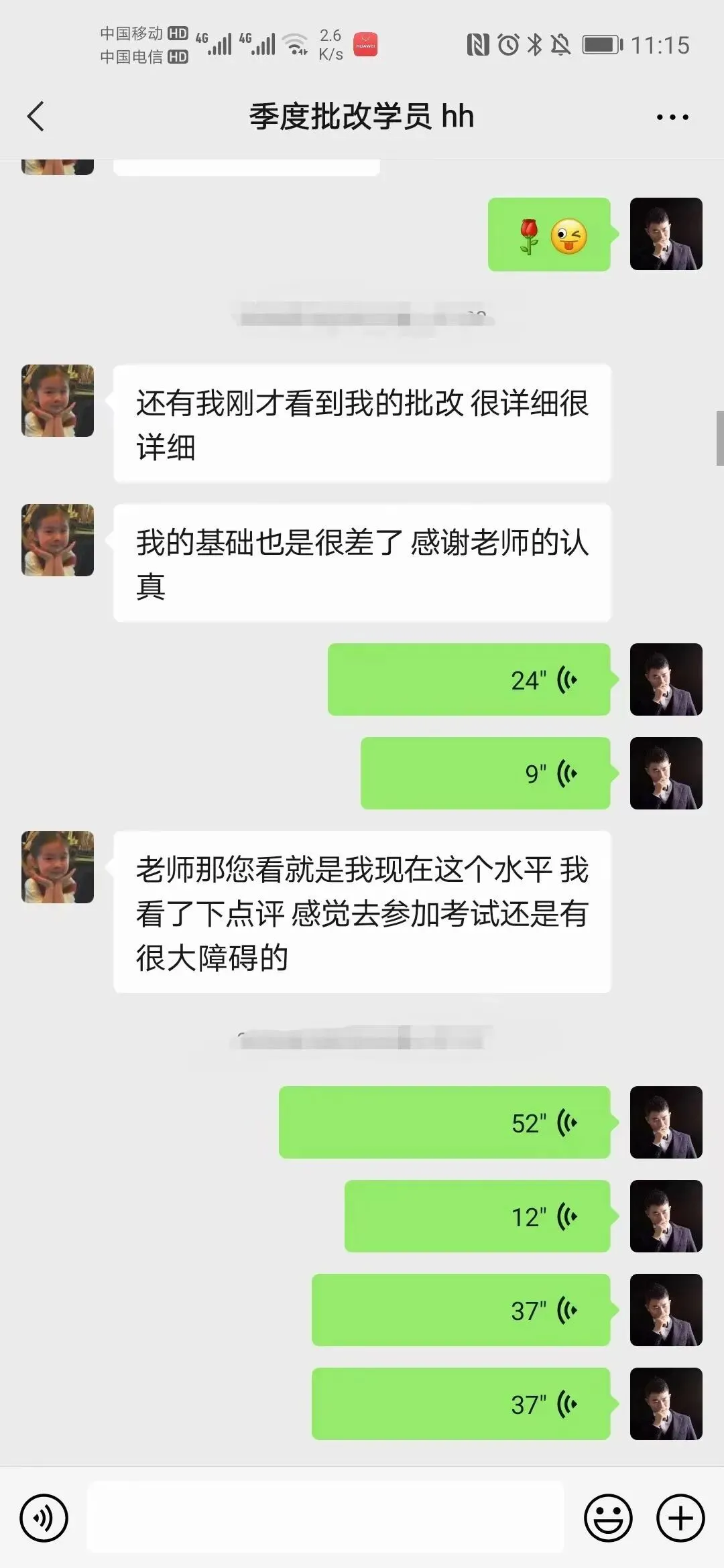
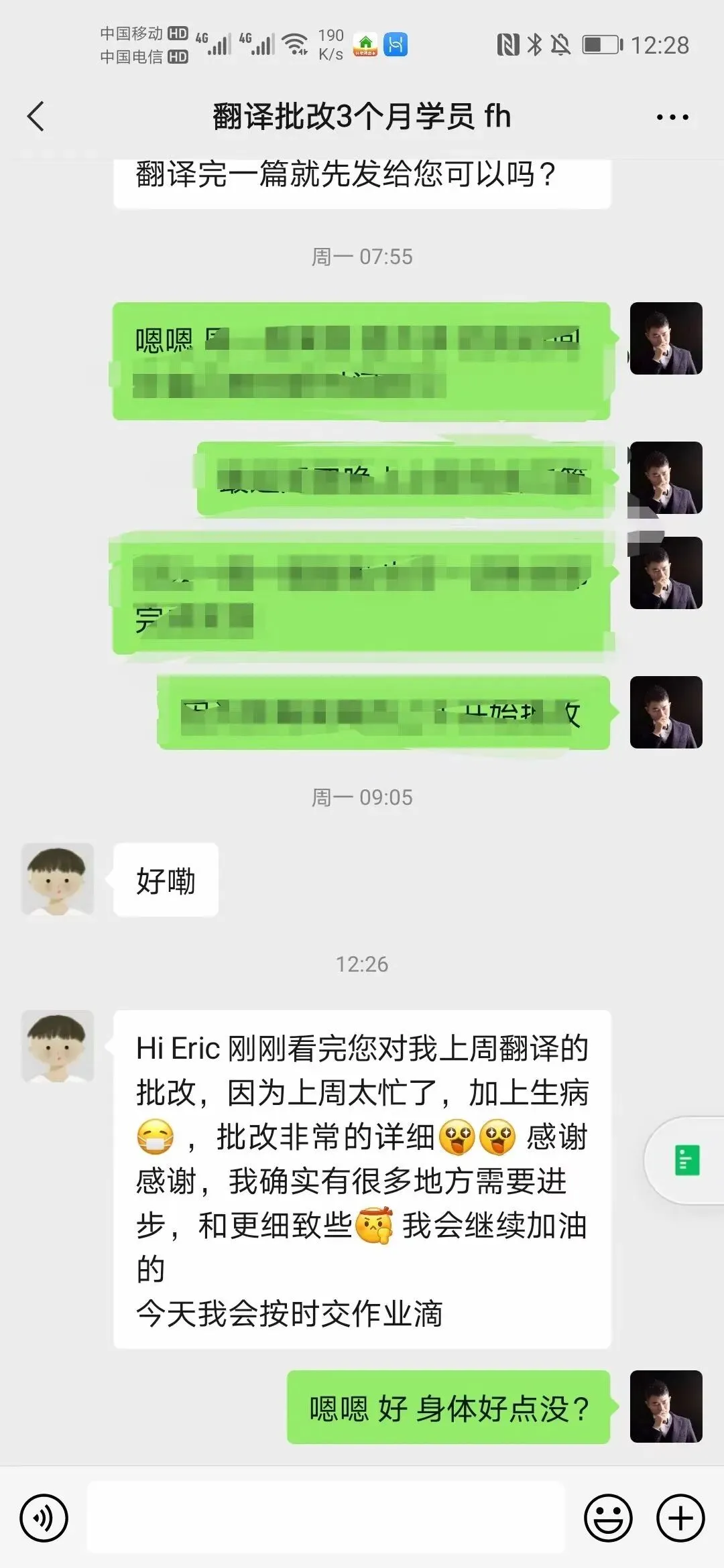
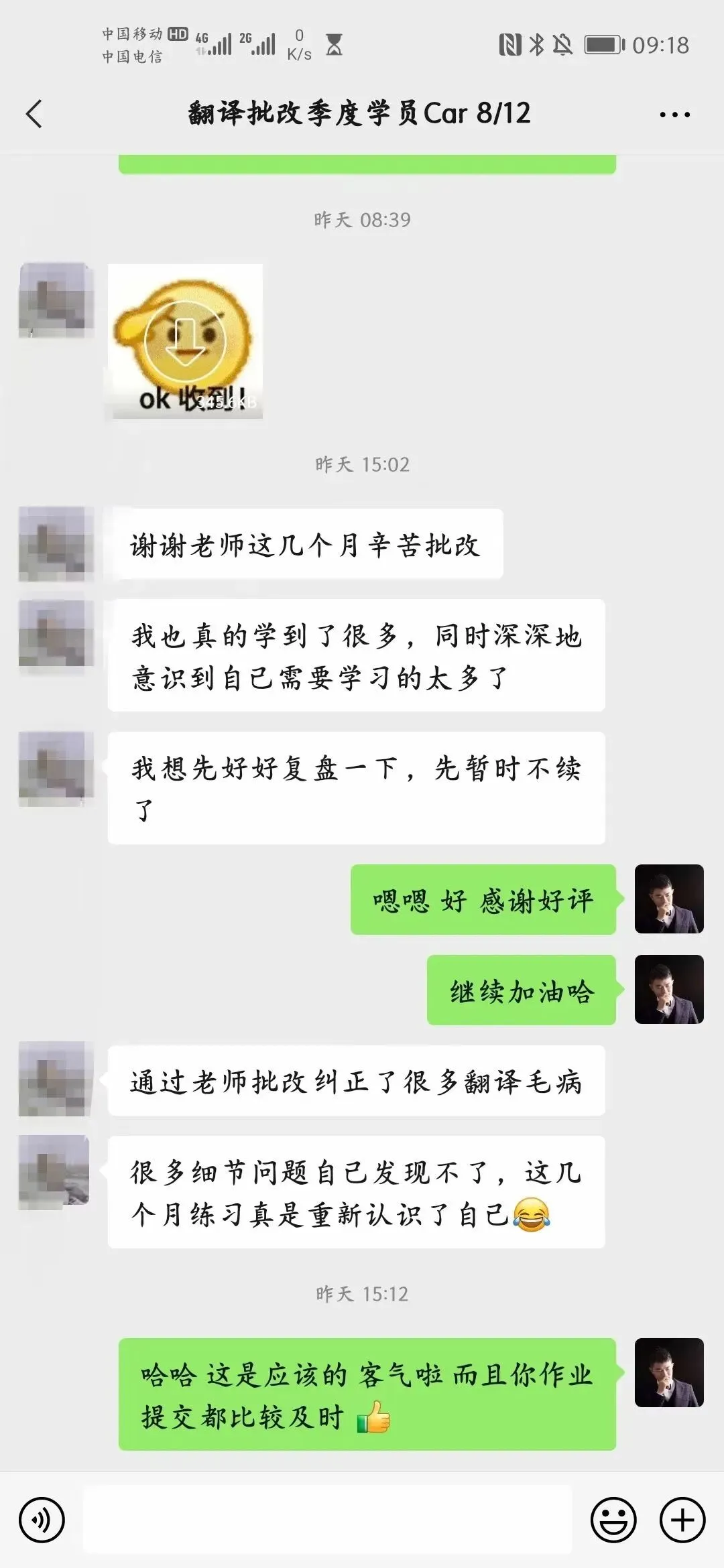
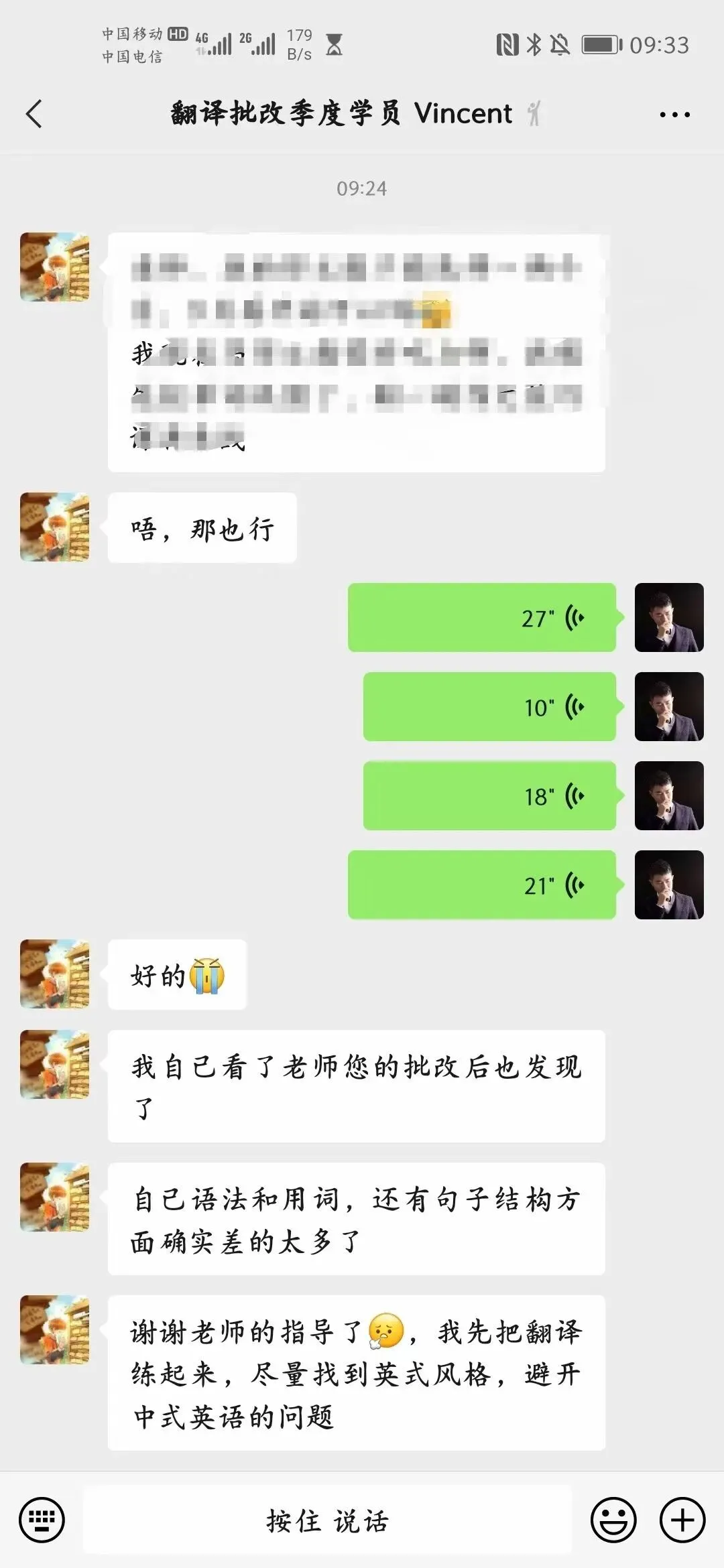
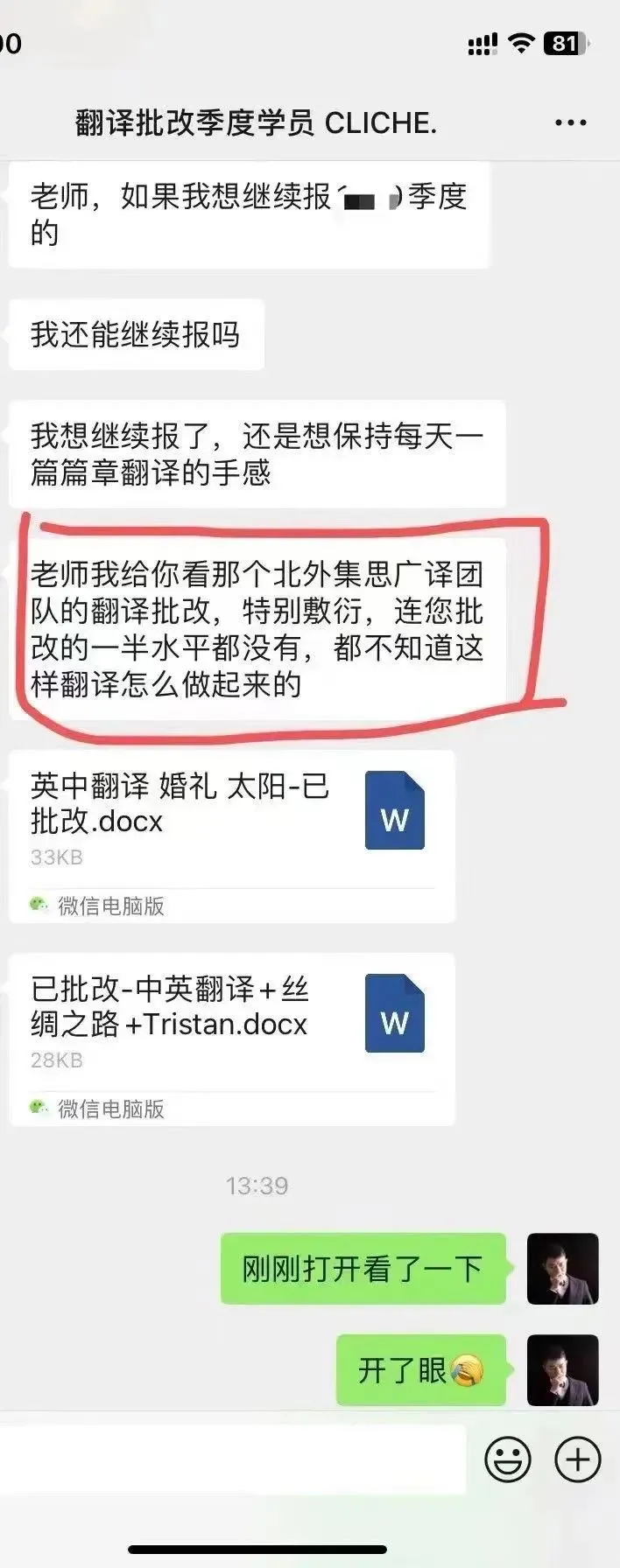
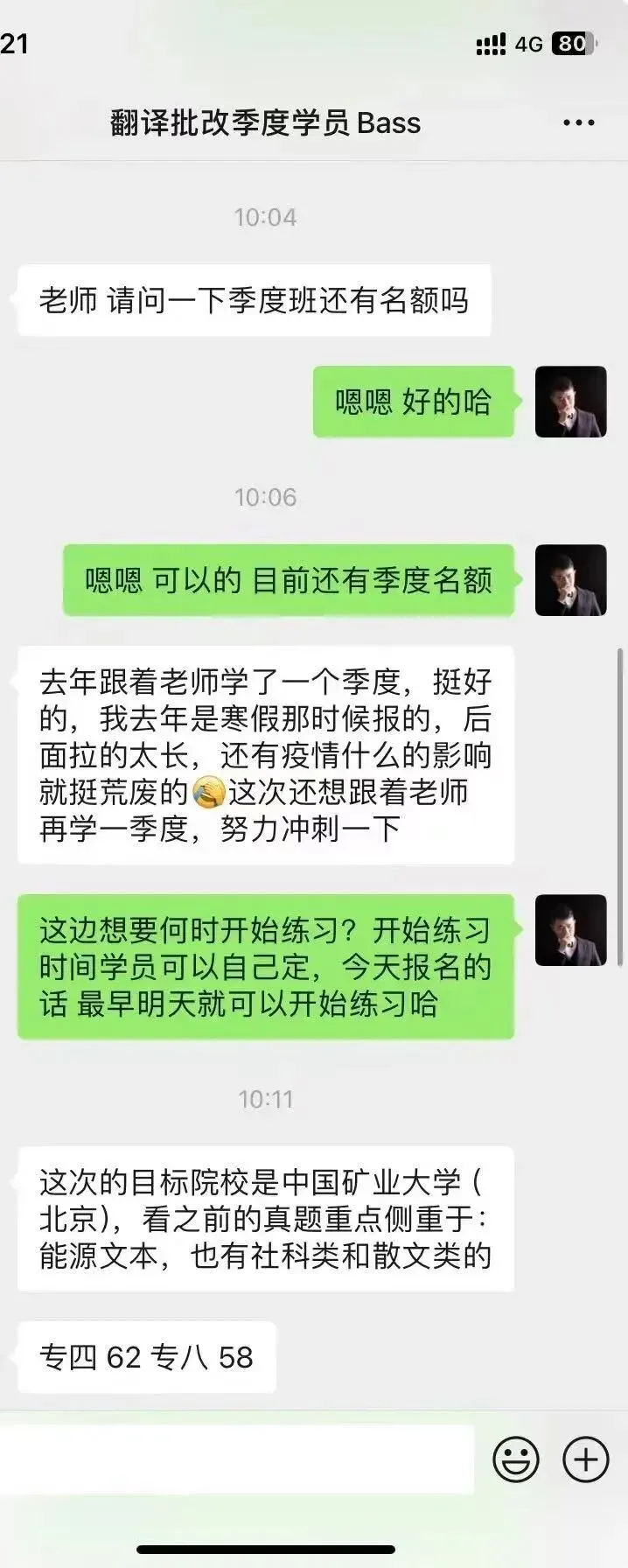
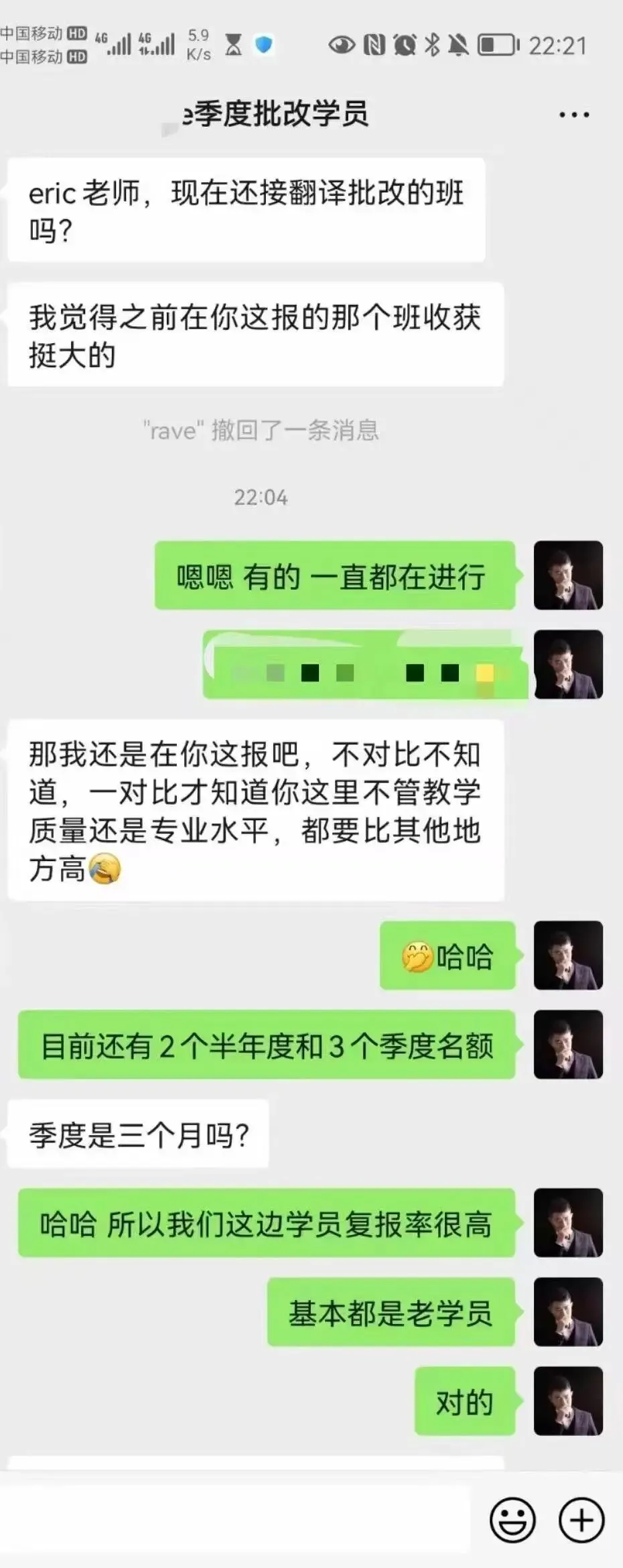
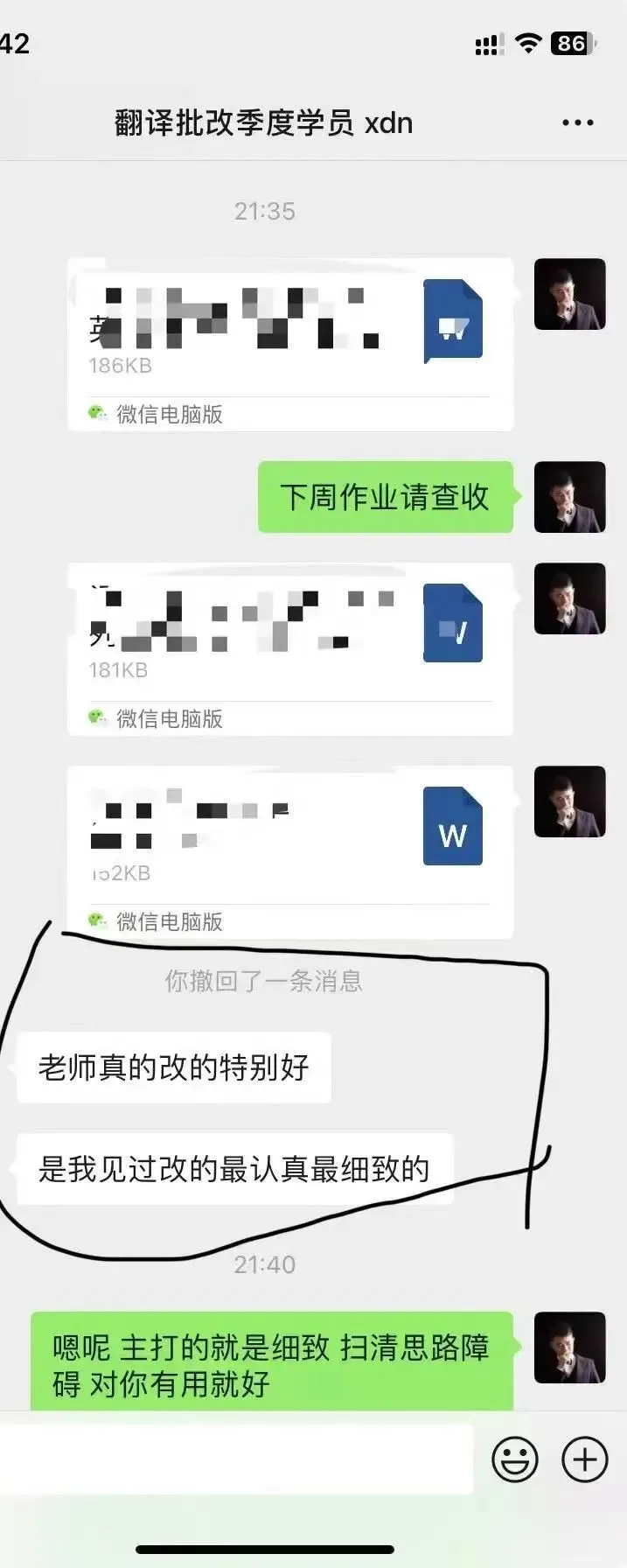
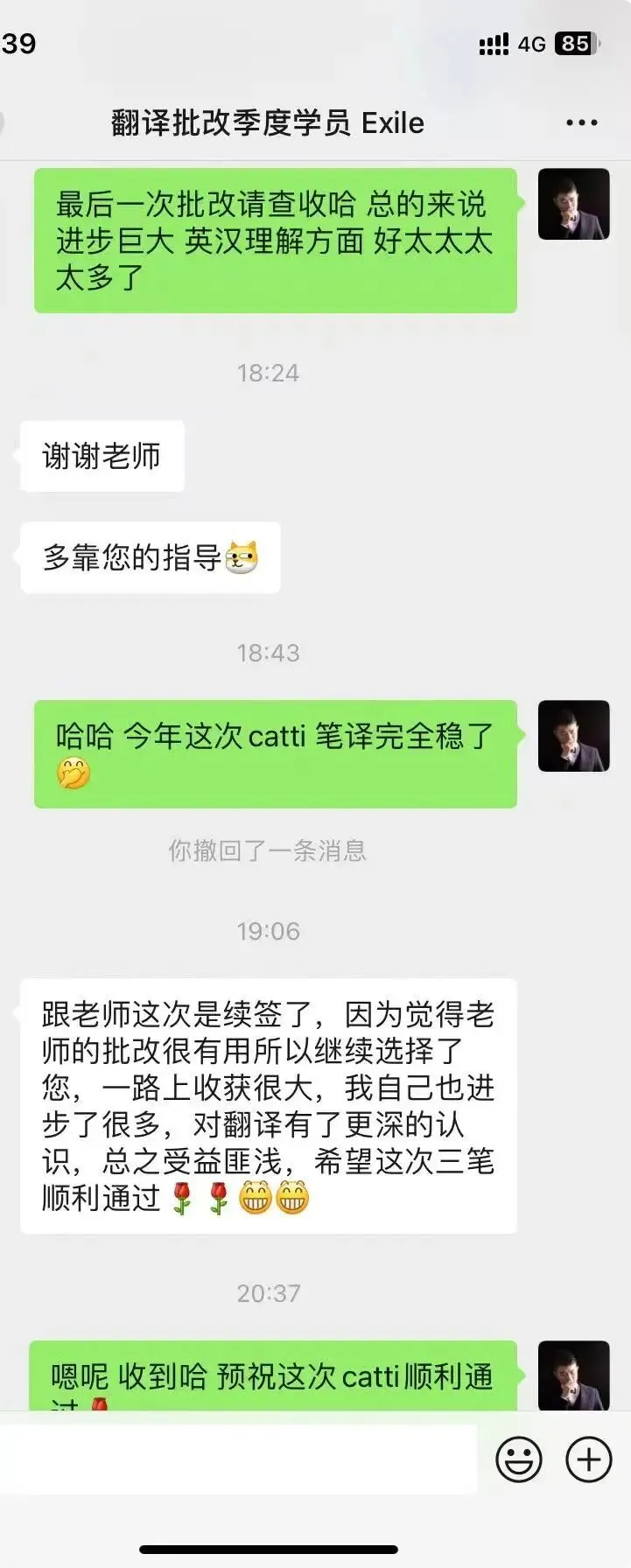
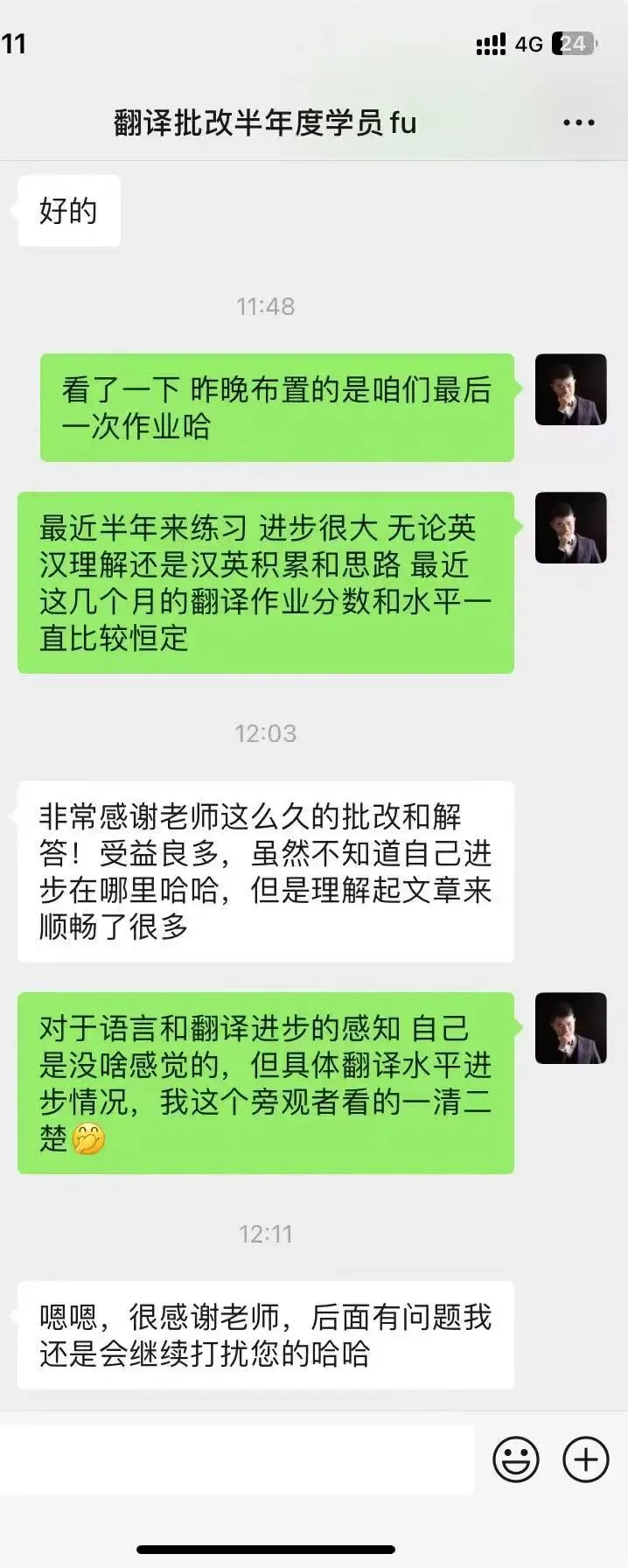
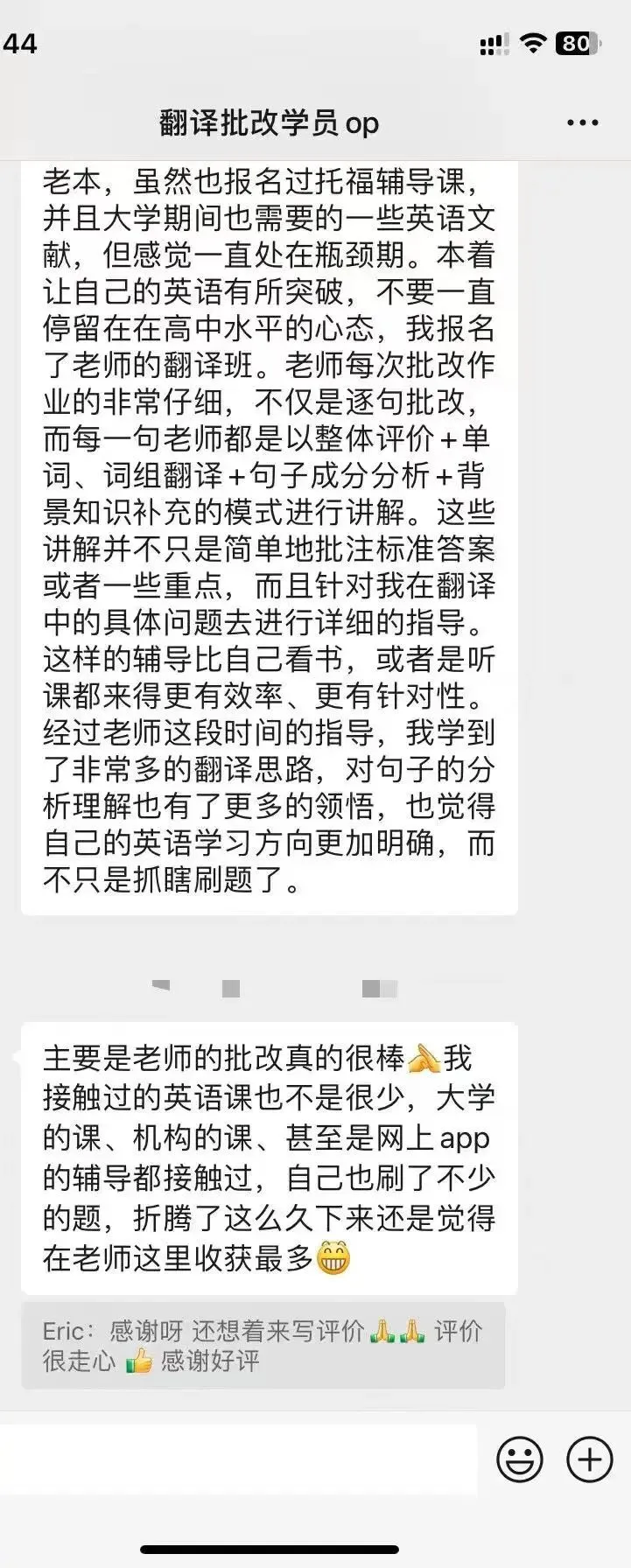
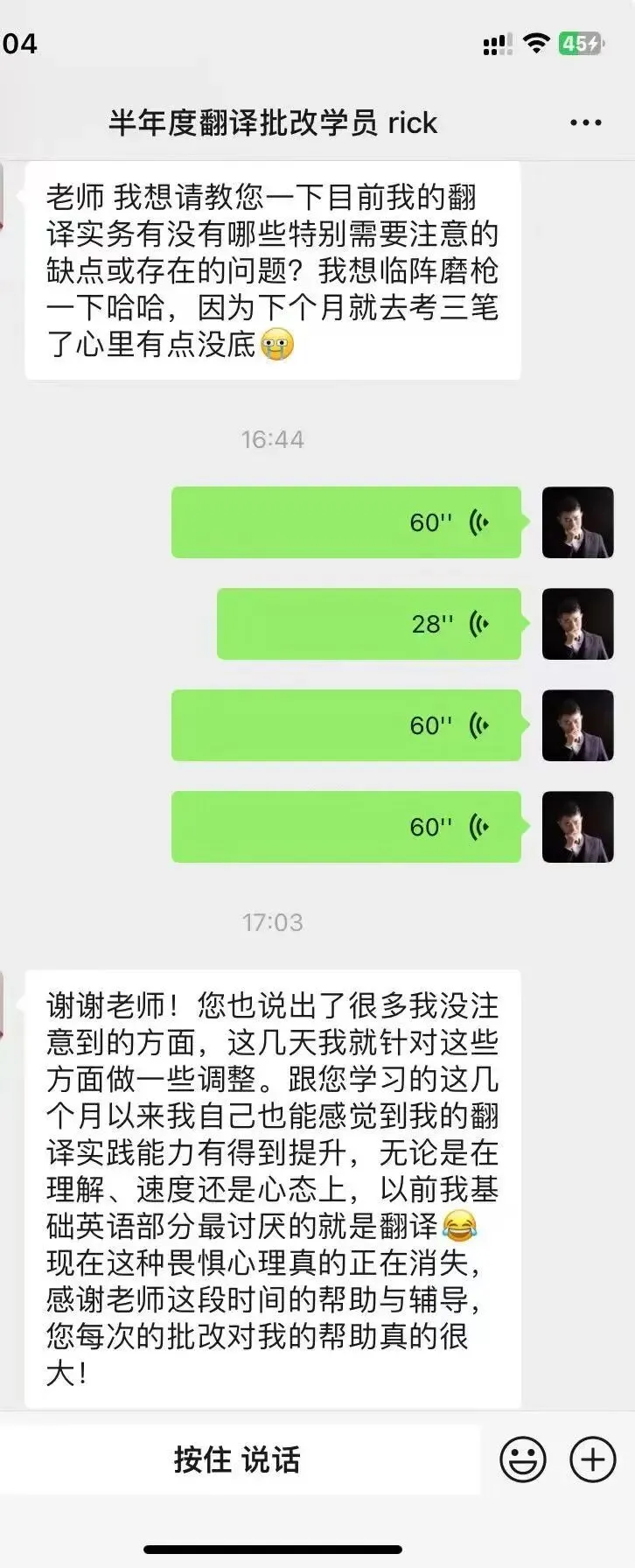
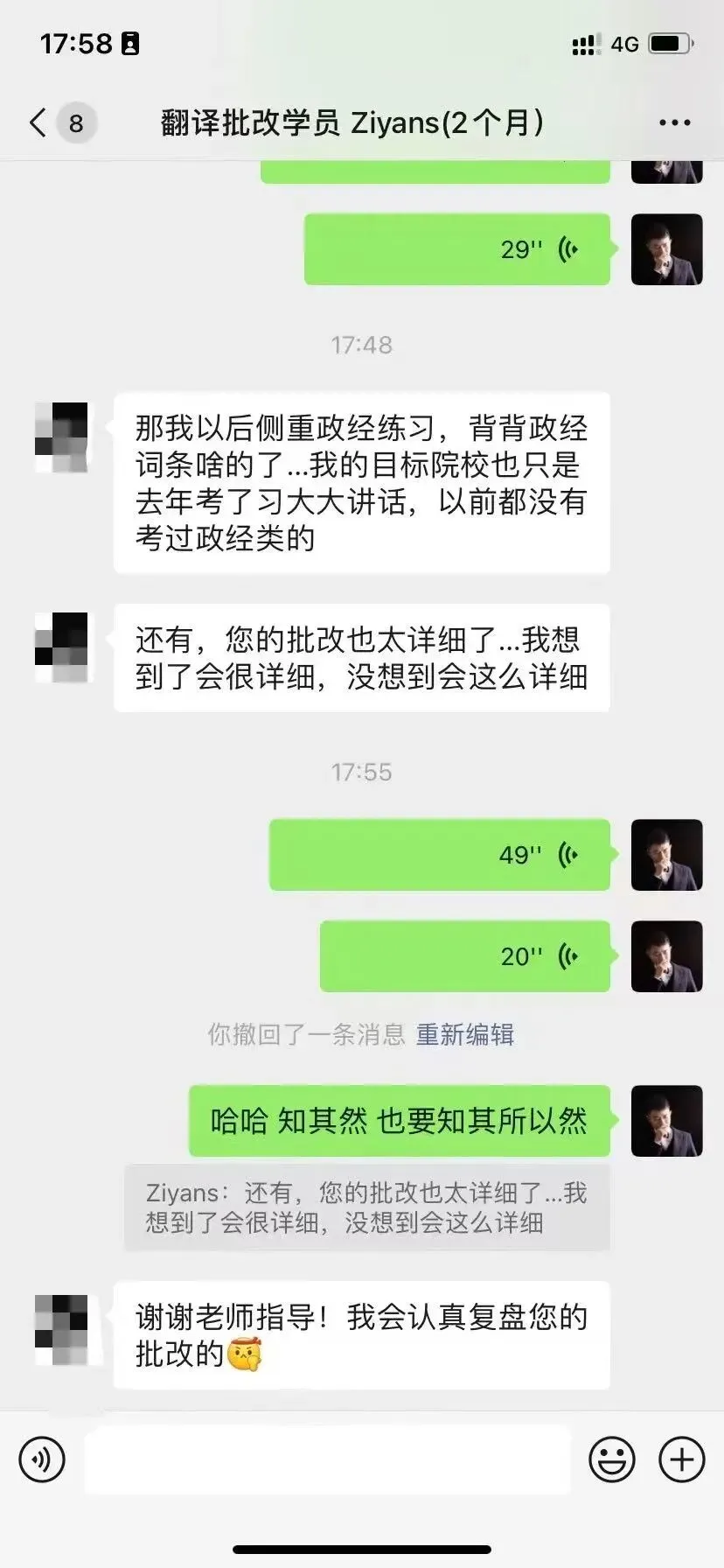
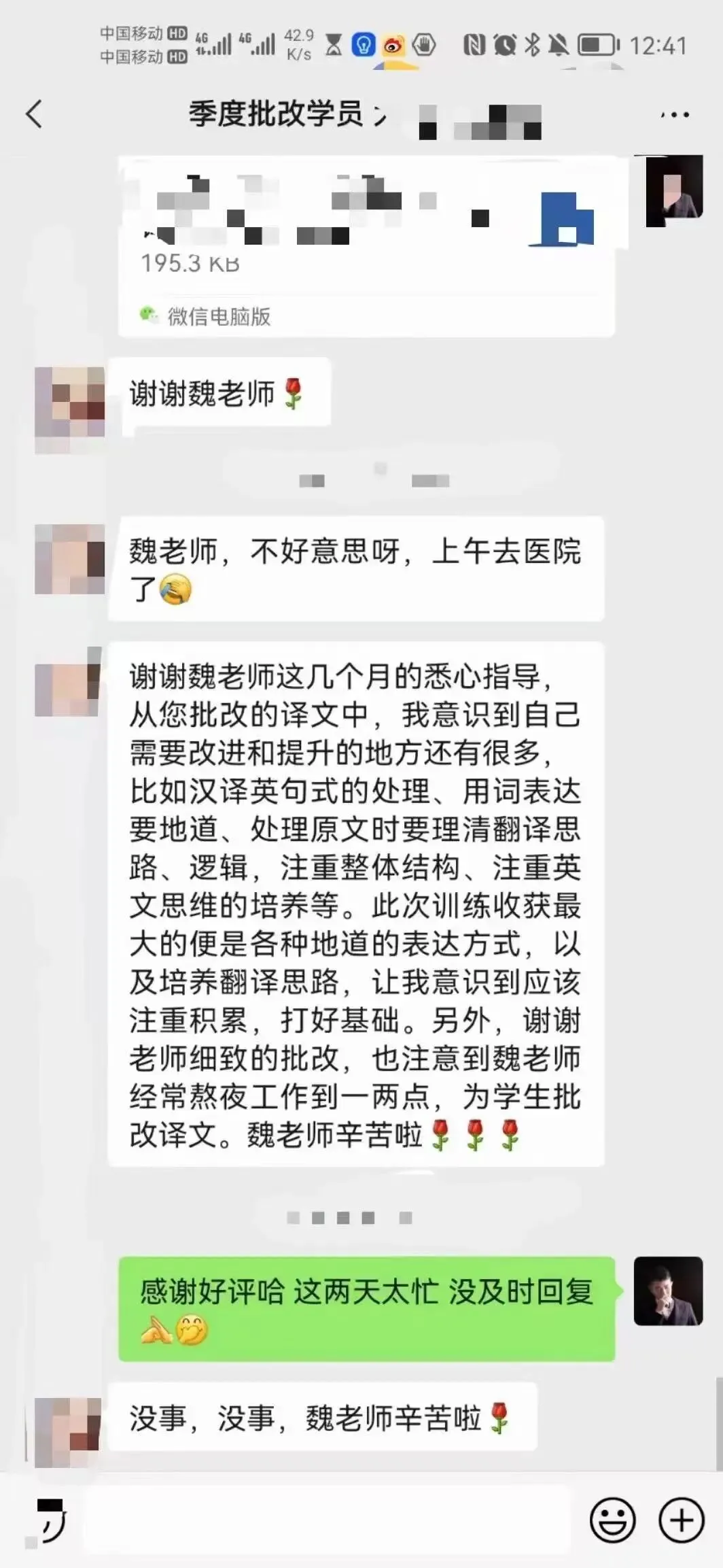
暑假需要考研翻译批改的同学可以报名,最近不少同学报名暑假翻译批改班,目前考研翻译批改班仅剩少量余位(目前半年度名额已满,目前仅剩季度(三个月)、四个月和五个月等班型),关于考研翻译批改班详细信息介绍,可继续往下阅读。考研翻译精批,明确问题所在,查缺补漏,切实提高翻译以及应试水平。
咨询或报名加v【Eric342861】
(备注CATTI或考研翻译批改)
往期考研经验贴看这里:MTI/MA考研经验帖汇总