

本文约 1700 字,阅读时间 5 分钟(含原题全文)
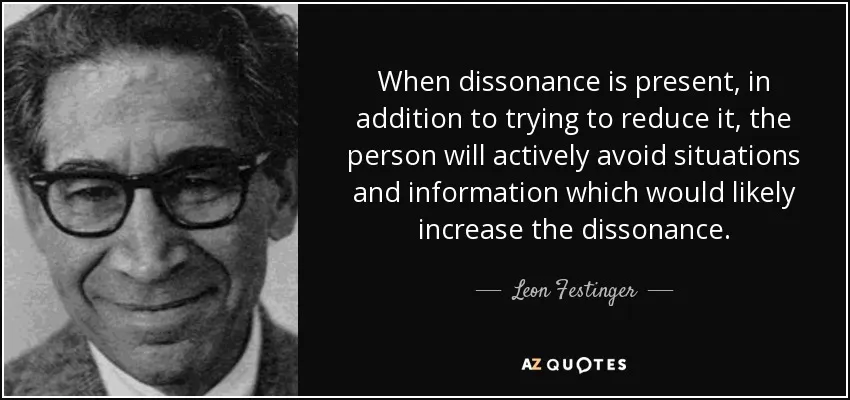
2024 北京中考英语阅读 D 篇,讲的是"行为与信念的不一致"——一个由斯坦福心理学家 Festinger 1957 年命名的认知失调(cognitive dissonance)现象。这是一道"心理学议论文"类型的阅读理解,8 分,4 个小题(30-33)。掌握下面三招,4 道议论文阅读题稳拿满分。
01 · 原题全文
(关键词已用双色高亮——黄色 = 议论文逻辑信号词,橙色 = 直接对应题目的金句锚点)
Almost everyone has experienced the feeling of discomfort when their actions do not agree with their inner values. A man, for example, values work-life balance yet works 80 hours every week, caring little about his own health and family. Another example is a boy who holds his parents' love dear but gets angry at them in a moment of stress; or a woman who hopes to live healthily but gives in to the attraction of fast food during moments of weakness.
This disagreement can lead to serious results, such as worsening relationships, limited personal growth, and self-doubt. The emotional effects of feeling out of control and unable to live up to our own standards can also be deeply harmful. The shame and upset that go along with these feelings often force us into silence, resulting in more self-doubt. One reason for this silence might be that admitting (承认) to these behaviors can feel like showing a weakness or mistake that society tells us should be kept hidden. What's more, recognizing this disagreement requires coming face to face with uncomfortable truths about ourselves—a process that is as discouraging as it is necessary for growth.
Recognizing and addressing these behaviors can provide a possibility of change. By looking into the causes of our behaviors, we can begin to understand our actions more easily and work toward sticking to our beliefs. Research supports the idea that recognizing this disagreement, together with mindfulness (正念) and open communication, can help with this process. These methods help us slow down, reflect (反思), and choose behaviors that follow our values more closely, even in the face of old habits or immediate needs.
The key to dealing with this disagreement lies in compassion (同情) for ourselves and others. By developing a culture of openness and by understanding the challenges of aligning behaviors with beliefs, we can begin to break down what prevents us from having conversation and change. Admitting that this disagreement is a shared part of the human experience can enable us to speak openly, find support, and take necessary steps toward the agreement between our inner world and our actions.
While the disagreement between our inner values and actions may be common, through reflection, understanding and purposeful practice, we can bridge the divide and set out on a journey of self-discovery.
30. Why does the writer use the examples in Paragraph 1?A. To stress an unavoidable need.B. To show a result of the wrong values.C. To describe a common human experience.D. To introduce a change in people's relationships.
31. What does the word "aligning" in Paragraph 4 most probably mean?A. Matching. B. Comparing. C. Mixing. D. Confusing.
32. Which of the following would the writer most probably agree with?A. Discomfort forces us to give up our beliefs.B. Our behaviors weaken our understandings of life.C. Open communication makes it possible for us to change.D. Keeping silent allows us time to live up to our standards.
33. What is the writer's main purpose in writing this passage?A. To encourage people to stay true to their beliefs.B. To prove the importance of having the right values.C. To compare different ways to deal with discomfort.D. To discuss the influence of people's improper actions.
(黄色 = 议论文逻辑信号词;橙色 = 直接对应题目的金句锚点)
怎么快速做对这篇文章
心理学议论文的核心结构是"现象 → 后果 → 原因 → 方法 → 升华"。这道题的 4 道题分别对应意图题(30)/ 词义题(31)/ 推理题(32)/ 主旨题(33)四个层级。
策略 ① · 意图题看举例的"目的"
30 题问"为什么用第 1 段的例子"。看第 1 段第 1 句:"Almost everyone has experienced..."——almost everyone(几乎所有人)就是"common human experience"的标志。三个例子(爸爸、少年、女人)不是为了说"错误的价值观",是为了说"这种经历有多普遍"。答案 C。看到 almost everyone / many people / most of us 就锁定"普遍体验"。
策略 ② · 词义题永远看搭配
31 题考 aligning。看原句 "aligning behaviors with beliefs"——关键搭配是 "with"(与...一致)。全文一直在说"行为与信念的不一致",那么 aligning 就是"让两者一致"——= Matching(匹配)。答案 A。词义题最快的方法:看介词搭配 + 上下文反义/同义词。
策略 ③ · 推理题排除"绝对化"选项
32 题问"作者会同意哪个"。A 错——原文从未说"放弃信念",相反第 3 段说 "work toward sticking to our beliefs" 要坚持信念。B 错——原文是行为与信念冲突,不是"行为削弱对生活的理解"。D 错——原文第 2 段说 "force us into silence, resulting in more self-doubt"——沉默是负面的。C 正确——原文第 3 段直接说 "open communication can help with this process"。推理题的金牌方法:先排除"绝对化"和"反向"选项。
三个核心观点(英文)
① Almost everyone experiences discomfort when actions do not agree with inner values.
原文锚点:第 1 段第 1 句。对应 30 题——普遍人类经历 = 答案 C。
② Mindfulness and open communication help align our behaviors with our beliefs and bridge the inner divide.
原文锚点:第 3 段。对应 32 题——open communication 让改变成为可能 = 答案 C。
③ Through reflection and practice, we can stay true to our beliefs and discover ourselves.
原文锚点:末段。对应 33 题——鼓励忠于信仰 = 答案 A。
做对全文的 4 个关键点
① "Almost everyone" · 30 题答案信号
第 1 段开头的 "Almost everyone has experienced..." 是 30 题答案 C "common human experience" 的精确同义改写。看到 Almost / Most / Many of us 立刻锁定"普遍体验"答案。
② "aligning ... with" · 31 题词义锚点
第 4 段 "aligning behaviors with beliefs"。with 这个介词决定一切——align with 就是"与...对齐 / 匹配"。整个原文一直说"不一致",aligning 就是反义 = 让一致 = Matching。答案 A。
③ "open communication" · 32 题答案锚
第 3 段 "recognizing this disagreement, together with mindfulness and open communication, can help with this process" + 第 4 段 "admitting that this disagreement is a shared part of the human experience can enable us to speak openly"——open communication 被原文反复推荐,是改变发生的关键工具。32 题答案 C 就是这两句话的同义改写。
④ "set out on a journey of self-discovery" · 33 题主旨
末段 "through reflection, understanding and purposeful practice, we can bridge the divide and set out on a journey of self-discovery"——全文落点是"鼓励"和"成长",不是"批判"也不是"对比"。33 题答案 A "encourage people to stay true to their beliefs" 就是这句升华句的同义改写。主旨题永远看末段升华动词:encourage / urge / call for / suggest。


