



郜慧琴初中英语名师工作室
中考英语时文解读
为深入落实英语新课标育人要求,持续夯实学生英语阅读核心素养,培养学生在真实语境下梳理信息、逻辑思辨、活用语言的能力,拓宽跨文化国际视野、锤炼学科思维品质,精准助力中考备考,本工作室持续深耕、全新上线初中英语时文语篇解读专题系列。
专题语篇选自中考阅读同源外刊优质鲜活素材,紧扣新课标人与自我、人与社会、人与自然三大主题语境,涵盖当下青少年成长热点、社会人文时事。结合初三学情梯度适度改编优化、精准把控生词难度,贴合中考篇章篇幅与命题逻辑。每个语篇配套中考同步阅读理解试题、答案分层解析、语篇脉络解读、高频考点词块积累,帮助学生巩固拓展话题知识、积累地道原生英文表达,全面提升中考英语阅读综合素养与语言应用能力。

主题语境:人与社会
语篇类型:说明文
词数:293
难度:★★★☆☆
建议用时:8分钟

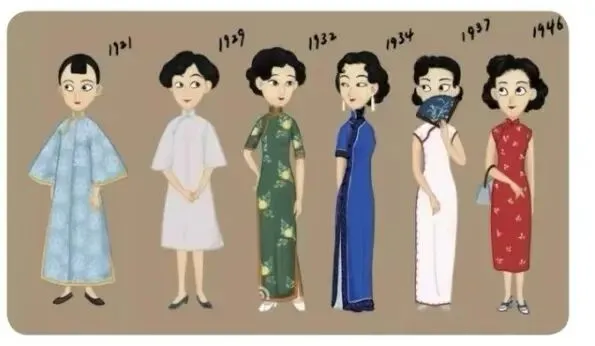
阅读下面短文,从每题所给的A、B、C三个选项中,选出最佳答案。
In recent years, it has become popular for women to wear a traditional qipao dress.Especially during the National College Entrance Examination, better known as the "gaokao", many mothers wear qipaos to wish their children good luck in the exam. The reason is that "qipao" represents the Chinese phrase " qi kai de sheng", meaning victory.
The qipao has a high collar, with pankous, traditional Chinese knotted buttons, on the front. Some people believe the qipao originated from gowns (长袍) worn by women in the Qing Dynasty. Influenced by Western culture, it changed continually during the early 20th century, becoming more fitted and body-hugging.
After years of development, the qipao is now mainly divided into Beijing styles, Shanghai styles and Hong Kong styles. ▲ The Beijing-style qipao is more traditional. The colors of Beijing-style qipaos are much brighter. High-quality Beijing-style qipaos are usually made by hand, so the price is much higher. Compared with Beijing-style qipaos, Shanghai-style ones are more forward-looking. More Western elements(元素) are used in the designs and colors. Shanghai-style qipaos became the most popular qipao style around the 1930s because of the fashionable design and slim shape. Now, Shanghai-style qipaos are still the first choice for most women, especially among younger ones. Hong Kong-style qipaos have been influenced greatly by European fashions. They have shorter sleeves than the other two. The decorations are simpler, too.
The qipao is a very classic product to represent the beauty of traditional Chinese clothing. It shows not only the history of the Han people, but also the footprints of other cultures on the land.
( )1.How does the author start the passage ?
A. By telling a story.
B. By using a saying.
C. By describing a scene.
( )2. Why do many mothers wear qipaos during the exam ?
A. To express good wishes to their children.
B. To make their children relaxed.
C. To develop traditional culture.
( )3.Which of the following is not mentioned in Paragraph 2?
A. Who buys the qipao.
B. What the qipao looks like.
C. The development of the qipao.
( )4. Which sentence can be put in ▲ ?
A.They are also different in price.
B.They influence each other in development.
C.There are many differences in color and design.
( )5.Which words can best describe Shanghai - style qipaos ?
①traditional ②modern③popular ④simple
A. ①② B.②③ C.③④
语篇解读
【What】本文首先介绍了一个社会现象:高考期间母亲穿旗袍,寓意“旗开得胜”。接着描述了旗袍的服饰特征,包括高领、盘扣,指出其源自清代女袍,并在20世纪初受西方影响变得修身。然后对旗袍进行地域分类:京派传统、色彩艳丽、手工制作、价格较高;海派前卫、西方元素多、1930年代最流行、至今仍受年轻人青睐;港派受欧洲时尚影响、袖子较短、装饰简洁。最后点明旗袍的文化意义:它不仅是汉族服饰史的代表,也记录了多元文化在中国的融合。
【Why】从写作目的来看,这篇语篇具有表层和深层两个层面的意图。表层目的是向英语读者介绍旗袍的基本知识,包括形制、历史、风格分类等。深层目的则更为丰富:一是破除“传统等于一成不变”的刻板印象,通过强调旗袍在西方影响下不断变化,说明传统是动态的;二是呈现中国文化的内部多样性,通过京、沪、港三地风格的差异,暗示中国并非铁板一块的文化体;三是连接传统与现代,通过高考穿旗袍这一当代生活细节,说明传统符号仍活跃在今天而非仅供陈列于博物馆;四是隐性传递文化自信,在介绍外来影响的同时强调旗袍的经典与美丽,展现中国服饰文化的包容与生命力。
【How】本文运用了“现象引入法”,从高考母亲穿旗袍这一热点切入,拉近与读者距离,激发兴趣。同时采用“时空脉络法”,按清代到20世纪初再到现代的时间顺序,以及京、沪、港的空间分布,建立清晰的知识框架。文中还大量使用比较对照法,对比三种风格在传统性、色彩、袖长、装饰等方面的差异,突出各自特点,便于读者记忆。符号解释法的运用也很明显,文中解释了“qipao”与“旗开得胜”的谐音关系,以及盘扣等专业术语,有效消除了跨文化理解障碍。最后采用“升华收束法”,末段从具体服饰上升到“历史足迹”“多元文化”的高度,提升了文本的深度与立意。
全文共四段,逻辑清晰,层次递进:
1. 现象引入(第一段):从当下社会热点“高考妈妈穿旗袍”切入,点出旗袍的象征意义——“旗开得胜”。这种由现实场景引出文化主题的方式,增强了文本的亲切感和时代感。
2. 形制与起源(第二段):描述旗袍的外观特征(高领、盘扣),并追溯其源于清代女袍、受西方影响在20世纪初逐渐修身的发展历程。体现了服饰文化的融合性。
3. 地域风格分类(第三段):将旗袍分为京派、海派、港派三类,分别从传统性、前卫性、欧化程度进行比较。是本篇信息密度最高的部分。
4. 文化价值总结(第四段):升华主旨,指出旗袍不仅代表汉族服饰史,也记录了多元文化在中国的交流足迹。
答案解析
1. C.
【解析】篇章结构题。文章开头第一句是:“In recent years, it has become popular for women to wear a traditional qipao dress. Especially during the National College Entrance Examination... many mothers wear qipaos.”这是在描述一个近年来常见的社会场景(母亲穿旗袍送考)。虽然有“旗开得胜”的说法,但这是穿插在场景描述中的解释,并非文章开头的主要引入方式。开头并没有直接引用一句完整的谚语作为引子,而是先描述现象,再解释原因。因此,C更准确。
2. A.
【解析】细节理解题。第一段明确指出:母亲们穿旗袍是为了祝愿孩子高考好运,因为“旗袍”谐音“旗开得胜”,象征胜利。B(让孩子放松)、C(为孩子的胜利欢呼)均未提及。
3.A.
【解析】细节判断题。第二段提到了B(旗袍的样子):高领、盘扣。C(旗袍的发展):20世纪初受西方文化影响变贴身。唯独 A(谁买旗袍)没有提到。
4.C.
【解析】逻辑衔接题。前一句说旗袍分为京、沪、港三种风格,后文分别从颜色、设计、元素、袖子长度、装饰等方面比较。D项“颜色和设计有很多不同”是自然的过渡句。A(价格不同)只在京派中提到;B(相互影响)未体现;C(不同购买群体)未作为总起句。
5.B.
【解析】词义归纳题。第三段提到上海风格:more forward-looking,Western elements→modern,对应②,became the most popular,still the first choice for most women→popular对应③,traditional是京派特点;simple是港派特点。故选B。
小贴士

victory 胜利;成功
collar 领子
knotted buttons 盘扣
continually 不断地
fitted 合身的
forward-looking 前卫的


END
关注我们!
微信号:ghq18635625565
图文:李丽
编辑:李丽