

Peking Opera, also called Jingju, listed by UNESCO as an intangible cultural heritage of humanity, is the most important one among hundreds of forms of local operas in China. It arose in the late 18th century and has a history of more than two hundred years.
Peking Opera which combines singing, dancing, acrobatics and martial arts is sung and recited using Beijing dialect. The music of Peking Opera plays a key role in setting the pace of the show, creating a particular atmosphere, shaping the characters, and guiding the progress of the stories,
The art form has spread to many other countries and is enjoyed all around the world. Many children in China receive training in Peking Opera classes or practice Peking Opera. However, some artists still worry that Peking Opera is challenged by new forms of entertainment like many traditional art forms. They are trying to do something for Peking Opera.
Tao Qingmei, a traditional arts scholar at the Chinese Academy of Social Sciences, co-wrote the book The Marvelous Game with Guo Baochang. Guo, a film director, is a Peking Opera fan who has loved Jingju since he was a kid. It has been his long time wish to write a book on Peking Opera.
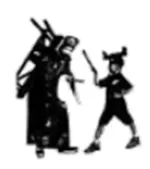
The boy on the new book cover is Guo Baochang’s grandson. Guo and his grandson are playing a game by dressing up in roles from the classic Peking Opera piece, Shuang Bei Deng, which is a comedy. Tao and Guo spent years writing the book because they wanted to make it easy and fun for everyone. They hope young people will get to know more about Peking Opera and fall in love with it.
Peking Opera is regarded as an expression of the aesthetic ideal of opera in the traditional Chinese society and remains a widely recognized element of the country’s cultural heritage. The stories performed in Peking Opera are often based on Chinese history, folklore and literary classics. They bring us a colorful world.
71. How long is the history of Peking Opera?
______________________________________________________________________
72. Who wrote the book The Marvelous Game?
______________________________________________________________________
73. Which Peking Opera piece is on the cover of the book?
______________________________________________________________________
74. What problem is Peking Opera facing?
______________________________________________________________________
75. What do you plan to do for traditional arts after reading this article? (请自拟一句话作答)
______________________________________________________________________
解析
今天的选题来自南通24中考,主题是中华传统文化代表之一的京剧。文章篇幅略长,浏览下来分为几个部分:1. 京剧这种艺术形式的介绍;2.文中几个人物共同撰写了一本关于京剧的书;3. 结尾强调京剧的艺术和精神价值。文中生词不多,有长难句,整体难度不是很高。同学们对这个主题还是有一点背景积累,所以只要不被字数吓到,都能顺利处理问题。
看题:71. How long引导提问历史长度,这是传统文化的常规考题,基本只要文章中提及,就会考。对应答案在第一段“It arose in the late 18th century and has a history of more than two hundred years. ” 这篇考题没有限制字数,对考生很有利。所以,我们可以采取安全的完整回答形式:It has a history of more than two hundred years.或者简短一些的回答It is more than two hundred years. 或更简略也可:More than two hundred years.
72. Who引导问人的问题,关键信息是书名The Marvelous Game。具体人名从第四段开始出现,我们在第一句就找到对应“Tao Qingmei, a traditional arts scholar at the Chinese Academy of Social Sciences, co-wrote the book The Marvelous Game with Guo Baochang.” 句子有点长,但有阅读方法的同学能一眼看出,两个逗号之间是同位语,可以先略过,需要注意的是主要成分中三个专有名词Tao Qingmei,The Marvelous Game,Guo Baochang,中间是书名,那么两个人名是否都是作者?这就涉及到句中动词co-write的理解,根据构词法,co附加在一个基础词汇上生成一个新词,表达的都是“共同,一起”的意思。由本词我们可以知道两个人是共著者关系(还有常见的表“合著”的名词是co-author)。有同学说当时没有注意到这个词,或者不懂co的构词法含义。这理由站不住脚,因为后面关于这个Guo,笔墨用的可比Tao多多了,先不说本句中的with,后面还有“It has been his long time wish to write a book on Peking Opera.”谁的愿望?往前推,Guo。下一段还有“Tao and Guo spent years writing the book because they wanted to make it easy and fun for everyone.” 所以,文中多条线索,这题不难。
73. which提问一个具体信息,问题中的关键点是“Peking Opera piece”和 “on the cover of the book”。在第五段的第一句就能发现“on the new book cover”,但讲的是人物,继续走,看到“from the classic Peking Opera piece, Shuang Bei Deng, which is a comedy.”。答案定位,两逗号中间的同位信息,就是京剧片段的名字。
74. what引导的问题一定会有,本问关键信息是“problem”,往下看好像没有相关,往上看一下。这就是本篇的难点了,没有按“题文同序”,给了个回马枪。文章里没出现problem的原词,但是第三段中间“However, some artists still worry that Peking Opera is challenged by new forms of entertainment like many traditional art forms.”,用了“worry”和“is challenged” 对应了problem,所以本题的答案可以采用原文的宾语从句内容“It is challenged by new forms of entertainment.”我们用原文中的“is challenged”这个被动态替换掉问题中的“is facing”这个主动动作。或者,我们就按问题原本的结构来回答,但是会涉及到改写:It(Peking Opera)is facing the challenges from new forms of entertainment.这个答案需要把原句中的challenge动词改名词使用,同时还要用对动宾中的介词from,所以没有十足的把握,还是推荐使用原文原句,更保险且省力。
75. what引导的开放性问题,提问后续。传统文化主题的文章很容易碰到这样的题目。我们对传统文化应该做的,无非就是:了解-深入了解-传播-让更多人感兴趣- 保护- 学习- 传承。就这几个面向答不会出错。参考版本:I plan to watch more Peking Opera shows to understand its beauty./ I will introducethe traditional arts to my friends so they can lovethem too./ I want to take a Peking Opera class to learnmore about this traditional art./ I’m going to share short videos ofour traditional arts online to makethem more popular.开放型问题还是强调:跟主题相关,语言组织正确,匹配核心价值观;在此基础上,尽可能给出细节性的答案,比如这题如果写:I will love traditional arts more. 就显得空洞无力,说不准就会在其他答案的衬托下露出“扣分相”,尽量避免。
【答案】
71. It has a history of more than two hundred years.
It is more than two hundred years. / More than two hundred years.
72. Tao Qingmei and Guo Baochang.
73. Shuang Bei Deng.
74. It is challenged by new forms of entertainment.
It(Peking Opera)is facing the challenges from new forms of entertainment.
75. I plan to watch more Peking Opera shows to understand its beauty.
I will introducethe traditional arts to my friends so they can lovethem too.
I want to take a Peking Opera class to learnmore about this traditional art.
I’m going to share short videos ofour traditional arts online to makethem more popular.


