


【1】When talking about fishing in China,Jiang Tai Gong is very likely to be the first name that would come to people's mind.
【2】The story happened in the late years of the Shang dynasty. Jiang Tai Gong once served the king of Shang dynasty,and began to hate him for tyranny from the bottom of heart. Jiang Tai Gong was a genius in military tactics and government management.He lived near the
Weihe River about 3,000 years ago. The area was the feudal estate of Count Ji Chang. Jiang Tai Gong knew Ji Chang was very ambitious,so
he hoped to get Ji's attention.
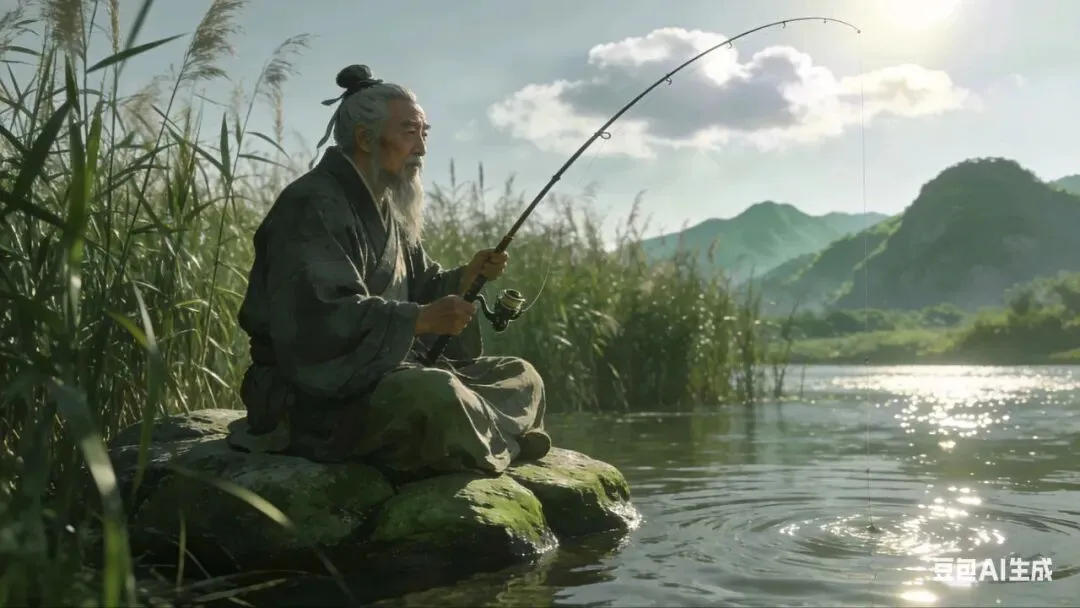
【3】He often went fishing at the Weihe River,but he would fish in an unusual way. He hung a straight fishhook,without bait,three feet
above the water. Lookers﹣on were curious about it,and Jiang Tai Gong explained,"I would like to take honestly rather than to ask for with
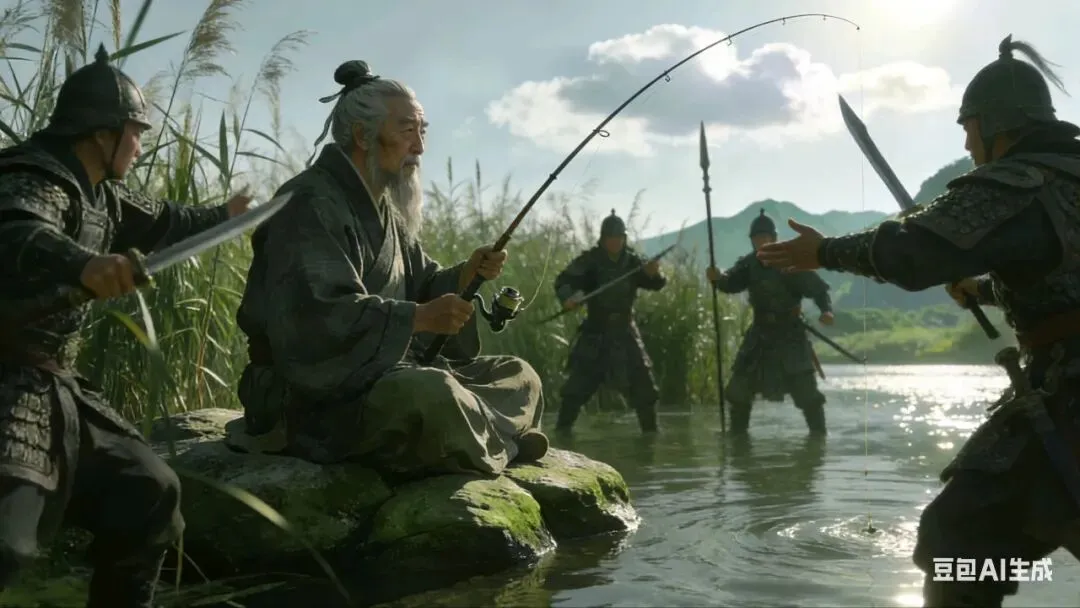
the knees down. I fish not for the fish but for the nobility. "Later words traveled to Count Ji. He sent a soldier to invite him. Jiang Tai Gong
ignored the soldier,going on with fishing,and was talking to himself,"Fishing,fishing,no fish has been hooked. A shrimp is up to
mischief." The soldier reported this back to Ji Chang,who became more interested in this man. Then,Count Ji sent an official to invite him. It
didn't work. Finally Ji Chang realized Jiang may be a genius,so he went to invite Jiang Tai Gong himself. Jiang saw his sincerity and honesty
and finally decided to work for him. In the end,Jiang Tai Gong helped Count Ji and his offspring build a great power and build up Zhou
dynasty —— a great dynasty.
【4】Today,people use the old idiom There are always fish willing to be caught by angler Jiang Taigong to describe someone who willingly
falls in a trap or does something no matter what the result is. This idiom has been passed on from generation to generation. To some degree,
it could be regarded as a part of Chinese philosophy.
提到中国的钓鱼文化,姜太公很可能是人们最先想到的名字。这个故事发生在商朝末年。姜太公曾为商王效力,因商王暴政而从心底厌恶他。姜太公乃军事韬略与治国安邦之奇才。
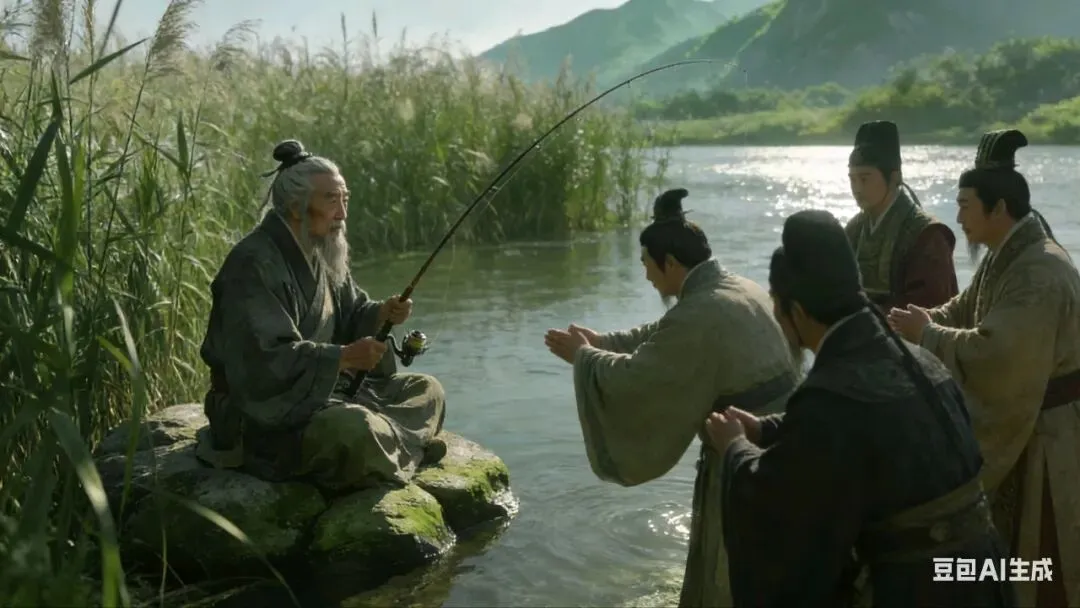
大约三千年前,他住在渭河附近。该地区是姬昌诸侯的封地。姜太公知道姬昌野心勃勃,所以想引起他的注意。他经常去渭河钓鱼,但他会用一种不同寻常的方式钓鱼。他在距水面三英尺高的地方挂了一条直鱼钩,没有诱饵。围观者对此感到好奇,姜太公解释道:“我宁愿以正直之姿获取,而非屈膝乞求。我钓鱼不为鱼,只为贤德之士。”后来这番话传到了姬昌耳中。他派了一名士兵来邀请他。姜太公未理会那名士兵,继续垂钓,并自言自语道:“钓啊,钓啊,鱼儿未上钩,虾儿倒来捣乱。”士兵将此事禀报姬昌后,姬昌对此人愈发感兴趣,遂派一名官员前去邀请他.这没有奏效。最后,
姬昌终于意识到姜太公可能是个天才,所以他亲自去邀请了姜太公。姜太公看到了他的诚意,终于决定为他效力。最后,姜太公帮助姬昌(西伯侯)及其子
孙建立了强大的势力,并创建了周朝 —— 一个伟大的王朝。
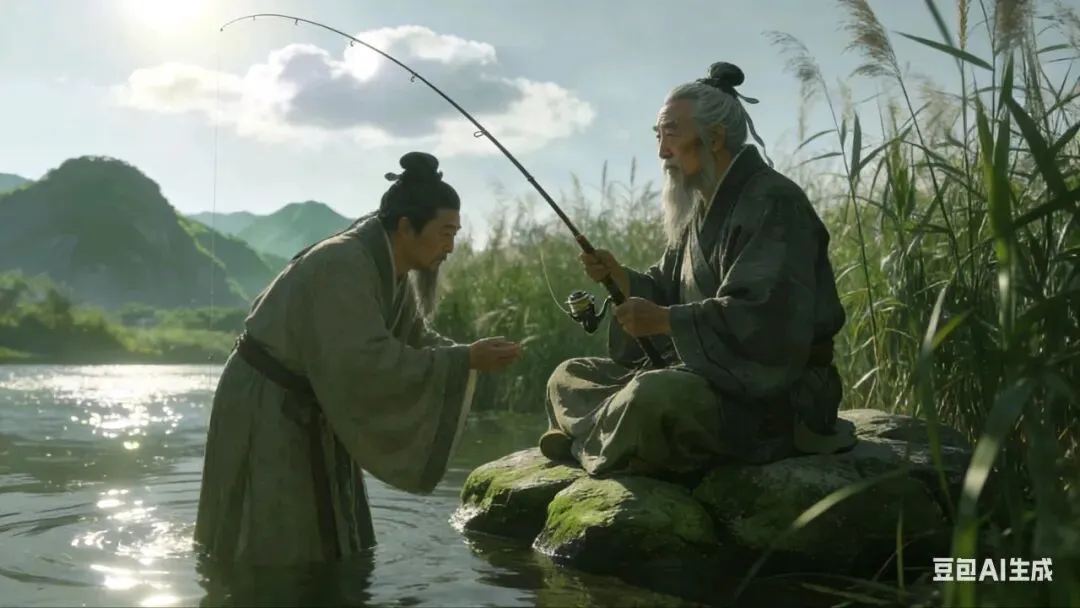
如今,人们用“姜太公钓鱼,愿者上钩”这个古老的成语来形容那些甘愿落入圈套或不管结果如何都去做某事的人。这句谚语代代相传。在某种程度上,它可被视为中国哲学的一部分。
剑桥英语CAMBRIDGE English Language Assessment—Test for Schools(校园版中小学生测试)


